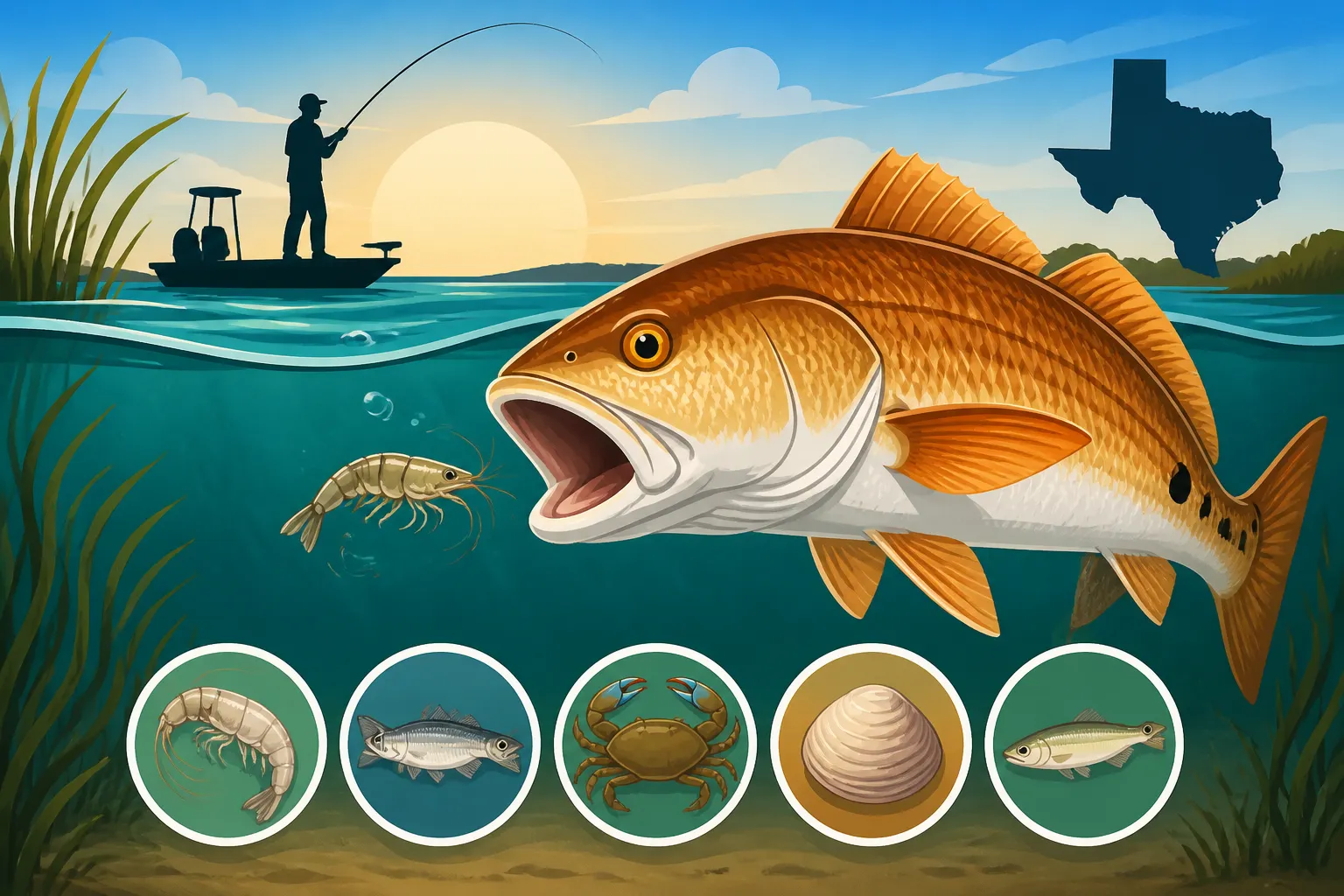
What do redfish eat in Texas bays
Figuring out exactly what those hungry redfish are munching on in our vast Texas bays can feel like a real mystery sometimes. You spend hours on the water, throwing every lure in your box, and nothing. It's frustrating when you know the redfish are there, but they just aren't hitting. This guide is all about demystifying the redfish diet, helping you understand their natural menu so you can pick the perfect bait or lure and finally get those fish in the boat.
The Diverse Natural Diet of Redfish in Texas Bays
Redfish, also known as red drum, are incredibly opportunistic feeders, which is part of what makes them such a popular and exciting game fish in Texas bays. They're not particularly picky, but they do have their favorites, and understanding these preferences is key to successful angling. Their diet is heavily influenced by what's readily available in the diverse estuarine environments they call home, from shallow grass flats to oyster reefs and deeper channels.
Crustaceans: The Unquestionable Redfish Delicacy
If there's one food group that truly gets a redfish's attention, it's crustaceans. These crunchy critters are a staple in their diet, providing a rich source of protein and fat. Anglers who "match the hatch" by imitating these creatures often find themselves with a bent rod.
Shrimp: The Ubiquitous Redfish Snack
Ah, shrimp! It's hard to overstate how much redfish love shrimp. From the tiny brown shrimp darting through seagrass to the larger white shrimp migrating through the bays, these invertebrates are constantly on the redfish's radar. Redfish will patrol grass flats, oyster reefs, and muddy bottoms, using their downward-facing mouths to root around for unsuspecting shrimp.
Imagine a warm summer evening on a Texas bayou. The sun is setting, casting long shadows over the marsh grass. A redfish, perhaps a lively 24-inch slot fish, cruises slowly along the edge of a submerged oyster bed. Suddenly, a small brown shrimp, startled by the approaching fish, flicks its tail and tries to escape. That quick burst of movement is all it takes. The redfish flares its gills, sucks in a mouthful of water, and the shrimp disappears. It's a quick, efficient meal, and it's happening countless times a day across our coastal waters. Whether they're alive and kicking or just a tasty morsel of cut bait, shrimp are almost universally accepted by redfish.
Crabs: A Hard-Shelled Treat
While shrimp might be the everyday snack, crabs are like the gourmet meal for redfish. Blue crabs, fiddler crabs, and various species of mud crabs are all on the menu. Redfish have powerful crushing plates in their throats that allow them to easily dispatch even hard-shelled crabs.
Picture a rising tide pushing into a shallow flat near Rockport. Blue crabs, emerging from the sand, begin to scuttle across the bottom. A school of larger redfish, maybe a group of upper-slot to oversized "bull reds," moves into the area, their tails occasionally breaking the surface as they nose down, rooting for crabs. This "tailing" behavior is a dead giveaway that redfish are actively feeding on crabs in extremely shallow water. Anglers who learn to spot these tailing redfish and present a convincing crab imitation – whether a live blue crab or a soft plastic crab lure – are often rewarded with explosive strikes. It’s an exciting sight, and a clear signal of what's on the menu.
Finfish: The Fast Food of the Bay
Beyond crustaceans, various species of baitfish form a significant portion of the redfish diet, especially for larger individuals and during certain times of the year when baitfish are abundant. Redfish are ambush predators and will readily chase down schools of forage fish.
Mullet: The Go-To Meal
If shrimp are the ubiquitous snack, then mullet are the hearty, readily available meal. Finger mullet, especially, are a primary food source for redfish across all Texas bays. These small, silvery fish travel in schools and are common residents of shallow flats, marsh edges, and guts.
Think about fishing a major pass like Rollover Pass or near the jetties in Galveston. Schools of finger mullet dimple the surface, nervously moving with the tide. Beneath them, a school of redfish might be lying in wait, perfectly camouflaged against the sandy bottom. When the timing is right, the redfish will erupt, scattering the mullet in every direction as they slash through the school. This kind of aggressive feeding, often indicated by nervous water or surface busts, is precisely when artificial lures mimicking mullet really shine. Using a topwater plug that "walks the dog" can perfectly replicate a struggling mullet, triggering savage strikes. For a deeper dive into targeting these fish, check out our Texas Redfish Fishing Guide.
Menhaden and Pinfish: Other Important Forage
While mullet get a lot of attention, other species like menhaden (also known as shad or pogies) and pinfish also contribute significantly to the redfish diet. Menhaden often school in large numbers, providing easy targets for cruising redfish, especially near deeper channels or the mouths of bayous. Pinfish, with their distinctive spiny fins, are common in seagrass beds and around structures, making them another readily available food source that redfish will happily devour.
When you're out on the water, pay attention to what kind of baitfish you see. Are there clouds of small menhaden nervously flickering near the surface? Or are there pinfish darting in and out of the grass around your kayak? Observing the actual bait present can give you huge clues about what the redfish are currently keying in on. Many anglers swear by soft plastic lures that imitate the profile and swim of these baitfish. You can find a huge variety of these lures from brands like MirrOlure or Z-Man on Amazon, perfect for mimicking the local forage.
Other Opportunistic Meals: Anything Goes
Redfish are not just about shrimp, crabs, and fish. They are true scavengers and will eat almost anything that presents itself as an easy meal. This means their diet can occasionally include a surprising array of other aquatic life.
Worms and Invertebrates: Bottom Grub
In muddy bottoms, around oyster reefs, or in marshy areas, redfish will root out various worms and other small invertebrates. While not typically targeted by anglers with specific "worm" baits, these small organisms contribute to the redfish's overall diet and signify their bottom-feeding tendencies. This behavior is why baits like a Gulp! Shrimp, fished slowly along the bottom, can be so effective; it appeals to their instinct to root for submerged prey.
Shellfish and Other Curiosities
Occasionally, redfish might crush small oysters, clams, or even snails if they are readily accessible. This is less common than their predation on crustaceans and finfish but highlights their versatile feeding habits. For instance, in an area heavily populated with oyster beds, a redfish might ingest bits of oyster along with the crabs and shrimp living among them. Their diet is a true reflection of the ecosystem they inhabit.
How Age and Environment Influence Redfish Foraging Patterns
Understanding what redfish generally eat is one thing, but knowing how their diet shifts based on their size, the season, and the specific conditions of the bay is where you really start to unlock consistent success. It's not a static menu; it's a dynamic, ever-changing buffet.
From Juvenile Munchies to Bull Red Feasts
The size of a redfish plays a significant role in what it targets for food. Just like us, a growing redfish needs different nutrients and can handle different-sized meals as it matures.
The Young and Hungry: Small Baits for Smaller Reds
Juvenile redfish, often found in shallow, protected back lakes and marsh ponds, tend to feed on smaller prey. Their mouths aren't big enough for a full-grown mullet, so they focus on what's available and manageable. This typically includes tiny grass shrimp, small fiddler crabs, very young finger mullet, and various insect larvae or worms.
Consider a nursery pond in the Aransas National Wildlife Refuge area. A school of "rat reds" – those feisty sub-slot fish – might be aggressively darting through the shallow water, picking off tiny shrimp that are seeking shelter in the submerged vegetation. An angler using a small jig head with a tiny soft plastic bait, mimicking a grass shrimp, would likely have a field day with these energetic young fish. As these fish grow, their dietary preferences will expand, but during this stage, small presentations are key.
The Mature Masters: Bigger Baits for Bigger Fish
As redfish mature and move into larger bay systems, and eventually offshore as "bull reds," their diet shifts to accommodate their larger size and increased energy needs. They're still opportunistic, but they can now easily target larger prey. This is when larger mullet, menhaden, and blue crabs become even more prominent in their diet.
Think of an oversized redfish cruising the deeper guts of Corpus Christi Bay or prowling the surf zone along Padre Island. These larger fish are less likely to chase down a single tiny grass shrimp. Instead, they're looking for substantial meals like a 6-inch mullet or a hefty blue crab. Anglers targeting these trophy reds often use larger live baits or robust artificial lures like spoons or larger soft plastics designed to imitate substantial baitfish. The sheer power of these larger fish when they strike a big bait is something every angler dreams of experiencing. Be sure to understand Texas Redfish Size and Bag Limits before you head out, especially if you're hoping for a bull red.
Environmental Factors: Season, Tides, and Water Conditions
The bay environment itself dictates much of the redfish's available food supply. What's abundant in spring might be scarce in fall, and clear water fishing requires different tactics than muddy water.
Seasonal Shifts in Prey Abundance
Different times of the year bring different prey opportunities. In spring and summer, warmer waters mean an explosion of life: shrimp are abundant, crabs are active, and baitfish populations flourish. Redfish can afford to be a bit pickier, or they might be spread out, gorging on the ample food supply.
However, as fall approaches, major migrations begin. White shrimp move towards the Gulf, and larger mullet schools stage for their offshore journey. This is often when redfish feed aggressively, trying to fatten up before winter. Anglers often refer to this as the "fall run" when redfish are often found busting bait on the surface. Understanding these seasonal bait movements is crucial. If you know the shrimp are moving out, a shrimp imitation might be less effective than a mullet imitation.
Tides and Currents: Activating the Dinner Bell
Tidal movement and currents play a massive role in redfish feeding. Moving water often concentrates baitfish and washes crustaceans out of their hiding spots, making them easier targets for redfish. A strong outgoing tide, for instance, can flush shrimp and crabs out of marsh drains, creating a feeding frenzy opportunity.
Imagine fishing an oyster reef on an incoming tide in Matagorda Bay. The rising water covers new foraging ground, bringing with it a fresh supply of shrimp and crabs. Redfish will often position themselves at the edges of these reefs or along current breaks, waiting for the tide to deliver their next meal. Conversely, on a strong outgoing tide, redfish might stage at the mouths of drains or cuts, ambushing anything flushed out of the back lakes. Knowing the tides and understanding how they affect bait movement can significantly improve your chances. Our article Texas Saltwater Fishing Techniques offers more insights into leveraging these conditions.
Water Clarity and Temperature: Adjusting the Menu
Water clarity directly impacts a redfish's ability to hunt. In clear water, sight feeding is common, and redfish can easily spot subtle movements. In murky or muddy water, they rely more on their keen sense of smell and lateral line to detect vibrations.
If you're fishing a crystal-clear flat near Port Aransas, a redfish might key in on the visual presentation of a perfectly imitation crab lure. But after a heavy rain turns the bay chocolate milk brown, that same redfish might ignore a visual lure and instead hunt by scent, making cut bait or heavily scented soft plastics (like those from Berkley Gulp!) incredibly effective. Similarly, water temperature influences metabolic rates. In colder water, redfish are less active and prefer slower, easier meals, while in warmer water, they might chase down faster-moving prey.
Mimicking the Menu: Best Baits and Lures for Texas Redfish
Knowing what redfish eat is only half the battle; the other half is presenting something that they'll actually bite. This is where selecting the right bait and lure comes into play, a strategic decision that can make all the difference in your fishing success.
Live Bait Strategies: When Natural is Best
Sometimes, nothing beats the real thing. Live bait, when presented correctly, can be irresistible to redfish because it perfectly matches their natural food source in scent, movement, and appearance.
Live Shrimp: The All-Season Favorite
Live shrimp are arguably the most versatile and effective live bait for redfish in Texas bays. They work year-round and are eagerly taken by redfish of all sizes. They can be fished under a popping cork, free-lined, or slowly retrieved along the bottom with a small weight.
When fishing live shrimp, a popping cork is incredibly effective. The "pop" sound mimics a feeding redfish or shrimp flicking its tail, drawing attention to your bait. Imagine casting a live shrimp under a popping cork near a marsh point on a calm morning. The cork sits motionless for a moment, then you give it a sharp twitch. Pop! A moment later, the cork vanishes. That's a redfish inhaling your shrimp, likely thinking it's an easy meal struggling on the surface. For purchasing your live shrimp, many local bait shops across the Texas coast will have them in stock.
Live Mullet and Pinfish: For Aggressive Strikes
For targeting larger redfish, or when you know redfish are actively feeding on finfish, live finger mullet or pinfish can be devastatingly effective. These baits offer a more substantial meal and can trigger aggressive, instinctual strikes.
Picture yourself fishing a strong current near a jetty or a deeper channel. You've got a live finger mullet hooked through the lips, free-lined or with a small split shot to keep it near the bottom. The mullet swims naturally, sending out distress signals. Suddenly, your rod doubles over, and line screams off the reel. A big redfish has just hammered your bait, mistaking it for a struggling meal. These larger live baits are often the ticket to hooking into those bull reds that challenge your tackle and your stamina.
Cut Bait: Scent is Key in Murky Water
When the water is stained or muddy, or when redfish are less active and relying more on their sense of smell, cut bait can be incredibly effective. Chunks of mullet, menhaden, or even crab can release a potent scent trail that draws redfish in from a distance.
Consider a cloudy day after a strong north wind has muddied up a bay system like Sabine Lake. Visual lures might be ignored. This is when a piece of fresh cut mullet, fished on the bottom with a Carolina rig, can be deadly. The strong scent profile travels through the water, leading hungry redfish directly to your hook. It's a patient game, but often a rewarding one in challenging conditions.
Artificial Lures: The Angler's Arsenal
Artificial lures offer versatility, allowing anglers to cover more water, imitate various prey, and often elicit more aggressive strikes. The key is to select lures that effectively mimic the movements and appearance of the redfish's natural diet.
Soft Plastics: Versatility on a Jig Head
Soft plastics are probably the most popular and versatile artificial lures for redfish. Imparted with lifelike action by the angler, they can imitate shrimp, mullet, crabs, and other small fish. Brands like Z-Man and Berkley Gulp! are staples in many Texas anglers' tackle boxes. You can find a vast selection of these on Amazon, often in multi-packs.
| Natural Prey Imitated | Soft Plastic Type | Common Colors for Texas Bays | Retrieval Style |
|---|---|---|---|
| Shrimp | Gulp! Shrimp, Vudu Shrimp, DOA Shrimp | New Penny, White, Chartreuse, Clear/Sparkle | Slow hop, twitching, under popping cork |
| Finger Mullet / Baitfish | Paddle Tail, Fluke style | Pearl, White/Chartreuse, Greenback, Houdini | Steady retrieve, stop-and-go, jigging |
| Crab | Crab imitations (e.g., Z-Man CrabZ) | Rootbeer, Natural Crab, Pumpkinseed | Slow drag, twitch on bottom |
| Worms / Invertebrates | Worms, small creature baits | Darker colors (brown, black, purple) | Slow drag, very subtle hops |
A classic setup involves a 1/8 to 1/4 ounce jig head paired with a 3-4 inch paddle tail or shrimp imitation soft plastic. How to Wade Fish for Redfish in Texas often involves these types of lures. The beauty is in the retrieve: a slow, steady retrieve can mimic a swimming mullet, while short hops and twitches can perfectly imitate a fleeing shrimp or a crab scuttling across the bottom. The scent-infused options, like Gulp!, add an extra layer of attraction, especially in stained water.
Spoons: Flash and Wobble for Covering Water
Spoons are classic redfish lures known for their flash, wobble, and ability to cover a lot of water quickly. Gold and silver spoons, like the Johnson Sprite or Red Ripper, are incredibly effective at imitating fleeing baitfish. They cast a mile and catch light, making them visible even in slightly off-color water.
Imagine working a large flat or the edge of a channel. You cast a gold spoon as far as you can, let it sink for a few seconds, then reel it in with a medium-fast retrieve, occasionally twitching the rod tip. The spoon wobbles and flashes like a wounded baitfish, and suddenly, THWACK! A redfish has just crushed it. Spoons are particularly effective when redfish are actively chasing schools of baitfish and you need a lure that stands out and provokes a reaction strike. Many anglers stock up on these versatile lures, often buying a variety of sizes and colors on Amazon.
Topwater Plugs: The Thrill of the Surface Strike
For sheer excitement, nothing beats a topwater strike from a redfish. Topwater plugs, such as the Heddon Super Spook or MirrOlure MirrOdine, imitate injured baitfish struggling on the surface, driving redfish into a feeding frenzy. These are most effective in calm conditions, often during early morning or late evening.
Picture a glassy calm morning in a shallow grass flat in San Antonio Bay. You cast a "walk-the-dog" style topwater plug. With rhythmic twitches of your rod tip, you make the lure sashay back and forth across the surface, mimicking a vulnerable baitfish. Out of nowhere, a boil appears behind your lure, then an explosion as a redfish rockets up and engulfs it. It's heart-stopping action! Topwater plugs are a fantastic choice when redfish are visually hunting and eager to strike at surface commotion. For more ideas on effective lures, check out Best Bait and Lures for Texas Fishing and Best Lures for a Texas Tackle Box.
The Art of Observation: Matching the Hatch
Ultimately, the best way to determine what redfish are eating on any given day is to observe your surroundings. This practice, often called "matching the hatch," involves paying close attention to environmental cues.
Look for Signs of Bait
Are there schools of finger mullet dimpling the surface? Are shrimp jumping out of the water? Are there nervous pods of baitfish flickering near the marsh grass? Any of these signs indicate that bait is present and active, and redfish are likely feeding on it. If you see shrimp, throw a shrimp imitation. If you see mullet, throw a mullet-profile lure. It sounds simple, but it's often overlooked in the eagerness to just start casting.
Read the Water and Conditions
Pay attention to the water clarity. If it's clear, visual baits will excel. If it's murky, scent and vibration become more important. Note the tide: is it incoming, outgoing, or slack? How is the current affecting bait movement? Are birds diving into the water? Diving pelicans or terns often indicate baitfish being pushed to the surface, which means game fish like redfish could be below, driving them up.
By combining your knowledge of the redfish's general diet with careful observation of the specific conditions on the water, you can make informed decisions about your bait and lure choices. This thoughtful approach will dramatically increase your chances of hooking into those fantastic Texas redfish. To find out some of the best spots to apply these techniques, our Best Places to Fish in Texas guide can provide some excellent starting points, including places like Galveston Bay Redfish Fishing Spots.
Disclaimer
This article is for general informational purposes only and does not constitute professional advice. Laws, prices and regulations vary by location and change over time. Consult a qualified professional for guidance on your specific situation.