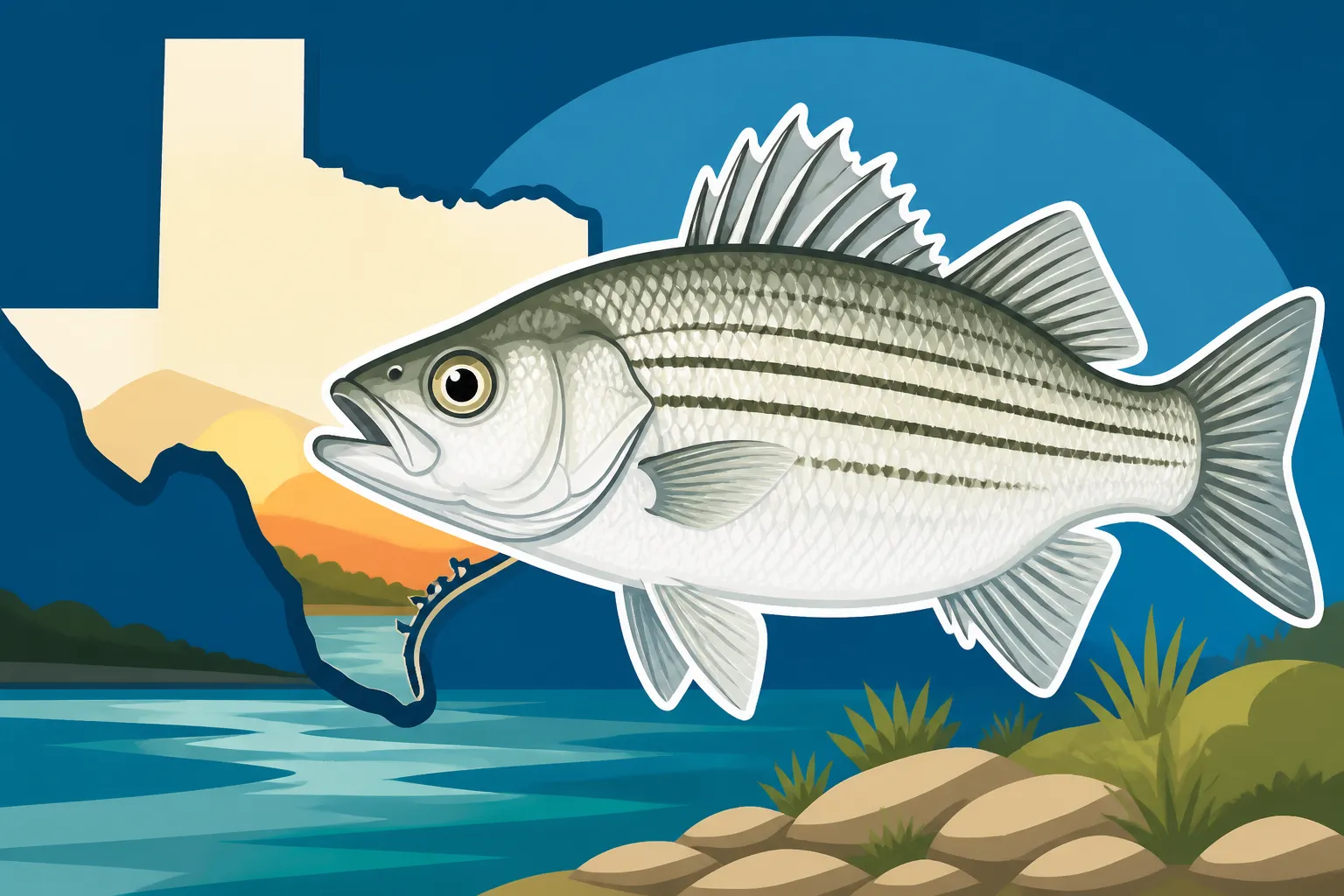
What is a white bass
If you've spent any time fishing in Texas, especially in our bigger reservoirs or during the spring run up the rivers, chances are you've heard whispers or outright exclamations about "white bass." But for many anglers, especially newcomers, there's a bit of a mystery surrounding this energetic fish. Is it just a smaller version of a striper? Is it really that different from a largemouth? This guide is here to clear up all that confusion and give you the lowdown on exactly what a white bass is, why they're such a blast to catch, and how you can find them in our great Lone Star State waters.
Understanding the White Bass: The Basics
Let's dive right into the core of it. The white bass (Morone chrysops) is a species of temperate bass, and in Texas, it's an absolute powerhouse for recreational fishing. Unlike their black bass cousins (like largemouths and smallmouths), white bass are pelagic, meaning they prefer open water and often school together in massive numbers, chasing baitfish. This schooling behavior is a huge part of their appeal, as it can lead to some truly exhilarating fishing experiences.
Many anglers might confuse them with striped bass or even hybrid stripers, especially when they're smaller. However, the white bass is its own distinct species, generally smaller in stature than its striped relatives, but making up for it in sheer numbers and aggressive feeding habits. They're a native fish to much of the central and eastern United United States, and they thrive wonderfully in Texas's diverse aquatic environments, from sprawling reservoirs to winding rivers.
White Bass Identification: Spotting the Difference
Identifying a white bass correctly is key, not just for bragging rights, but often for adhering to specific bag and length limits. While they share some visual traits with striped bass (often called stripers) and hybrid striped bass (a cross between white and striped bass), there are clear distinctions once you know what to look for.
The most noticeable feature of a white bass is its deep, compressed body, which appears stockier than the more streamlined body of a pure striped bass. They typically have a silvery-white color overall, with distinct dark, horizontal stripes running along their sides. The key differentiator for white bass is that generally, only one of these stripes will be continuous all the way from gill plate to tail. The other stripes will be broken or irregularly spaced, particularly below the lateral line. In contrast, striped bass usually have several distinct, unbroken lines.
Another excellent identification trick involves looking at the tongue. On a white bass, you'll find a single patch of teeth on its tongue. Striped bass will have two distinct patches, and hybrid stripers might have one or two, often more disorganized. This detail, while requiring a closer look, is a reliable way to confirm your catch. Pay attention to these details, especially if you're fishing in waters where both white bass and striped bass coexist, to avoid any mix-ups with regulations.
| Feature | White Bass | Striped Bass (Striper) | Hybrid Striped Bass |
|---|---|---|---|
| Body Shape | Deep, compressed, stockier | More streamlined, elongated | Intermediate, often "football" shaped |
| Color | Silvery-white | Darker back, silver sides, white belly | Silvery, sometimes greenish back |
| Stripes | One unbroken stripe from gill to tail; others broken | Several distinct, unbroken stripes | Broken stripes, often irregular or mottled |
| Tongue Patches | One distinct patch of teeth | Two distinct patches of teeth | One or two patches, often irregular |
| Max Size (Texas) | Typically 1-3 lbs, rarely over 5 lbs | Can exceed 50 lbs, commonly 5-20 lbs | Commonly 2-10 lbs, can exceed 20 lbs |
| Dorsal Fins | First and second dorsal fins clearly separated | First and second dorsal fins clearly separated | First and second dorsal fins usually connected at base |
This table should help clear up some common confusion, especially when you're on the water trying to figure out if you've landed a true white bass or one of its relatives. Knowing these differences is important for compliance with Texas Fish Bag and Length Limits for each species.
Life Cycle and Habits: Always on the Move
White bass are fascinating fish, largely due to their migratory and schooling behaviors. Their life cycle kicks into high gear during the spring, which is arguably the most famous time to target them. As water temperatures begin to rise, typically from February through April, adult white bass undertake massive spawning runs up tributary rivers and creeks that feed into their home lakes and reservoirs. This is often referred to as the "white bass run" or "sand bass run," and it's an event that dedicated Texas anglers eagerly await each year. You can learn more about Texas White Bass Run Timing to prepare for this exciting season.
During these runs, thousands of fish congregate, making them relatively easy to locate and catch. They don't build nests; instead, they broadcast their eggs and milt over rocky or gravelly bottoms in moving water. After spawning, the adults will typically return to the main lake, spending the warmer months in open water, often suspending over deeper areas or congregating around submerged structures. They're voracious eaters, constantly chasing schools of baitfish like shad, which is why they often "boil" on the surface when actively feeding.
Their schooling nature continues throughout the year. If you find one white bass, you're almost guaranteed to find more. This makes them incredibly fun to target, as you can often catch multiple fish in a short amount of time once you locate a school. Their nomadic lifestyle means they're always on the hunt for food, moving with the baitfish, which is why paying attention to current conditions and baitfish movements is crucial for successful white bass fishing.
Where White Bass Thrive in Texas
Texas, with its vast network of lakes and rivers, provides an ideal habitat for white bass, leading to robust populations across much of the state. These fish are incredibly adaptable, flourishing in various freshwater environments, but they particularly excel in large reservoirs and their feeder streams. If you're looking for an action-packed day on the water, targeting white bass in these locations is often your best bet.
They are truly a statewide favorite, from East Texas piney woods lakes to the central reservoirs and even some West Texas impoundments. Their widespread distribution means that no matter where you are in Texas, there's likely a white bass hotspot within a reasonable drive. This accessibility is part of what makes them such a beloved sportfish for families and seasoned anglers alike.
Preferred Habitats: Open Water and Moving Current
White bass have a definite preference when it comes to where they hang out. During most of the year, outside of their spawning runs, you'll find them inhabiting the open waters of large reservoirs. They love to suspend over deep channels, submerged roadbeds, humps, and points, always on the lookout for schools of baitfish. These deeper, open-water areas provide them with both hunting grounds and a comfortable temperature refuge, especially during the scorching Texas summers.
However, their habitat preferences shift dramatically during the spring spawn. As we discussed, they'll leave the main lake and push up into the inflowing rivers and creeks. Here, they seek out areas with gravel bottoms, rocky structures, and a good current – perfect conditions for laying and fertilizing their eggs. This is why targeting bridge pilings, rocky shoals, and bends in creeks during the spring can be incredibly productive. After the spawn, they'll gradually drift back into the main lake, often congregating near the mouths of these same creeks before dispersing into deeper, open water.
Understanding these seasonal movements and habitat preferences is critical for consistently locating and catching white bass. They are truly fish of opportunity, and being in the right place at the right time is often the key to a banner day.
Key Texas Lakes and Rivers for White Bass
Texas boasts an impressive array of lakes and rivers that are renowned for their incredible white bass fishing. While you can find them in many water bodies, some stand out as premier destinations, especially during the famous spring runs. These locations consistently produce strong numbers of healthy white bass, making them bucket-list spots for any white bass enthusiast.
In Central Texas, lakes like Buchanan, Inks Lake, and Lake Travis are perennial favorites, offering fantastic fishing both in the main lake and up their respective river systems (like the Colorado and Llano Rivers) during the spring. Further north, Lake Whitney and Lake Texoma are legendary, particularly for their phenomenal white bass populations and robust annual runs. Lake Texoma Striped Bass Fishing Spots also holds many white bass. Over in East Texas, Sam Rayburn Reservoir and Toledo Bend Reservoir, while famous for their largemouth bass, also support thriving white bass populations, especially in their open waters and feeder creeks. Sam Rayburn Reservoir Bass Fishing Spots often also host white bass.
Don't overlook the smaller, lesser-known reservoirs either; many often have fantastic white bass populations that get less pressure. Checking local fishing reports and contacting bait shops in specific areas can give you up-to-the-minute information on where the white bass are biting. Regardless of where you fish, remember that white bass are migratory, so understanding their seasonal patterns on that particular body of water will be your biggest asset.
Catching White Bass: Techniques and Gear
Catching white bass is often a high-energy affair, which is precisely why so many anglers adore them. They're aggressive eaters, willing to chase down a variety of baits and lures, and when you hit a school, the action can be non-stop. This makes them a fantastic target for anglers of all skill levels, from beginners hoping to bend a rod to seasoned pros looking for fast-paced action. The techniques for catching them are relatively straightforward, relying heavily on covering water and presenting baits that mimic their preferred forage: shad.
Best Baits and Lures for White Bass
White bass are not particularly picky eaters, which is great news for anglers! The key is to present something that looks like a small baitfish, as their diet consists primarily of shad, minnows, and other small forage. Because they school and feed aggressively, lures that can be cast far and retrieved quickly are often the most effective.
One of the all-time classic white bass lures is a small jig, often in white, chartreuse, or silver colors. Lead-head jigs ranging from 1/8 to 1/2 ounce, tipped with soft plastic grubs or curly-tail baits (like a Sassy Shad or similar imitation), are incredibly versatile. You can cast them out and retrieve them with a steady reel, or jig them vertically if you've located a school on your fishfinder. Other fantastic options include small spoons (like a Kastmaster or Little Cleo) which flutter enticingly on the fall, and inline spinners (such as a Mepps or Rooster Tail) that create a lot of flash and vibration. For surface-feeding white bass, small topwater lures can provide explosive strikes. For a great selection of these effective baits and lures, many anglers often check out what's available on Amazon. Best Bait and Lures for Texas Fishing offers more general insights, but for white bass, think small, flashy, and fast.
Live bait can also be incredibly effective, especially small minnows or shad. You can rig these under a bobber or on a simple Carolina rig or dropshot rig, allowing them to swim naturally near a school of fish. When the white bass are actively feeding, they'll often hit anything that moves, so don't be afraid to experiment with different presentations until you find what they're keying in on that day.
Essential Gear for White Bass Anglers
You don't need a boatload of specialized gear to enjoy white bass fishing. In fact, it's one of the most accessible forms of fishing in Texas. A relatively light setup is all you need, allowing you to feel every subtle bite and enjoy the fight of these feisty fish.
A medium-light to medium power spinning rod, typically 6 to 7 feet long, paired with a matching spinning reel, is the ideal all-around choice. This setup provides enough backbone to cast smaller lures a good distance while still being sensitive enough to detect light strikes. For line, 6 to 10-pound monofilament or fluorocarbon is usually sufficient, offering a good balance of castability, strength, and sensitivity. Many anglers prefer braided line with a fluorocarbon leader for even greater sensitivity and casting distance. You can find a wide range of reliable rods, reels, and lines suitable for white bass on Amazon, ensuring you have quality gear for your outings.
Beyond your rod and reel, a few other items will make your white bass trips more enjoyable. A small tackle box or bag to carry your assortment of jigs, spoons, and spinners is essential. Pliers for hook removal, a stringer or cooler to keep your catch fresh (as they are excellent table fare), and polarized sunglasses to help spot schooling fish are also highly recommended. If you're fishing from a boat, a good fishfinder can be invaluable for locating those deep-water schools.
Why White Bass are a Texas Favorite
It's no exaggeration to say that white bass hold a special place in the hearts of many Texas anglers. They might not get the same "trophy fish" attention as a giant largemouth bass or a monster blue catfish, but what they lack in individual size, they more than make up for in sheer numbers, accessibility, and pure fun. For many, white bass fishing is a tradition, an annual ritual that marks the arrival of spring and promises exciting days on the water.
Their aggressive nature and schooling habits make them incredibly consistent targets, providing an excellent opportunity to catch a lot of fish in a short amount of time. This "fast action" characteristic is a huge draw, especially for those looking to introduce kids to fishing or for anyone who just wants to feel the tug of a fish repeatedly throughout the day.
Eating Quality: A Delicious Reward
One of the biggest reasons white bass are so popular in Texas is their outstanding eating quality. They have firm, white, flaky flesh with a mild flavor, making them a delicious addition to any dinner table. Many anglers consider them one of the best-tasting freshwater fish caught in Texas.
There are countless ways to prepare white bass: fried, baked, grilled, or pan-seared. Their fillets are easy to clean, especially with a sharp fillet knife, and their smaller size means they cook quickly. Keeping your catch fresh on ice is important to maintain that excellent flavor, so make sure to bring a good cooler on your fishing trips. The reward of a fresh white bass meal after a productive day on the water is a significant motivator for many anglers, adding to the overall enjoyment of the white bass fishing experience.
Recreational Value and Accessibility
The recreational value of white bass fishing in Texas cannot be overstated. It's truly a sport for everyone. Because they are so numerous and aggressive, they offer a fantastic opportunity for beginners, children, and families to experience consistent success. There’s nothing quite like seeing a child's face light up after catching their first fish, and white bass are often the gateway to a lifelong love of fishing. Best Texas Lakes for Family Fishing frequently include top white bass destinations for this very reason.
For seasoned anglers, white bass provide a reliable source of action when other species might be less cooperative. The thrill of locating a schooling "boil" on the surface, casting into it, and immediately hooking up is a unique and exhilarating experience. They are also highly accessible, with robust populations in many major lakes and rivers across the state, often within a short drive of major metropolitan areas. You can target them from boats, kayaks, or even from the bank, especially during the spring runs. This ease of access, combined with their willingness to bite and excellent table fare, firmly solidifies the white bass as a Texas angling treasure.
Management and Conservation Efforts
The abundance of white bass in Texas is not accidental; it's a testament to effective fisheries management and the species' natural resilience. The Texas Parks and Wildlife Department (TPWD) actively monitors white bass populations, sets bag and length limits, and implements stocking programs where necessary to ensure sustainable fishing for generations to come. Texas Freshwater Fishing Regulations provide the framework for these efforts.
These regulations, such as daily bag limits and minimum length requirements, are designed to protect the breeding stock and prevent overfishing, especially during the vulnerable spawning periods. It's crucial for every angler to understand and adhere to these rules, as they are fundamental to preserving the health of our white bass fisheries. By practicing responsible angling, such as keeping only what you need and releasing healthy fish, we all contribute to the long-term sustainability of this fantastic resource. This commitment ensures that the exciting tradition of white bass fishing will continue to thrive in Texas for many years.
Disclaimer
This article is for general informational purposes only and does not constitute professional advice. Laws, prices and regulations vary by location and change over time. Consult a qualified professional for guidance on your specific situation.