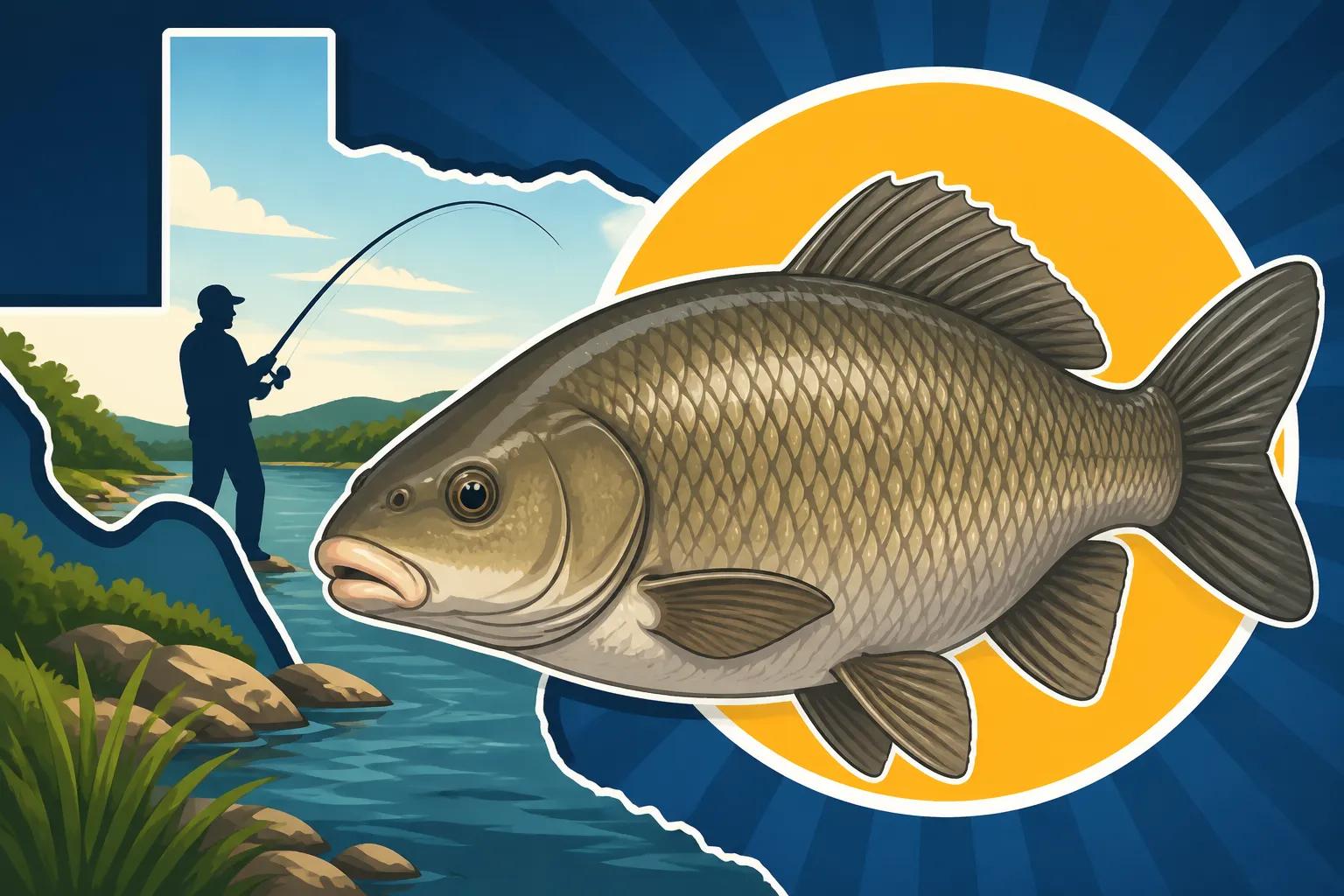
What is a smallmouth buffalo fish
You've probably heard the term "rough fish" tossed around by anglers, often with a shrug or a hint of disdain. And if you're like many folks, you might not even know what some of those so-called rough fish actually are. Well, let's talk about one of them that deserves a lot more respect than it often gets here in Texas: the smallmouth buffalo. This isn't just some bottom-dwelling nuisance; it's a fascinating, hard-fighting, and often underestimated native fish that's abundant in our lakes and rivers, and this guide is going to peel back the layers on this unique species.
Understanding the Smallmouth Buffalo: More Than Just a "Rough Fish"
The smallmouth buffalo is a species that often gets overlooked, mistakenly lumped in with common carp or other less desirable catches. But that's a real disservice to this incredible fish. It's a true native Texan, and understanding its unique characteristics is the first step to appreciating it.
What Exactly Is a Smallmouth Buffalo?
At its core, the smallmouth buffalo (scientific name Ictiobus bubalus) is a large, deep-bodied freshwater fish belonging to the sucker family (Catostomidae). Unlike the carp, which is an introduced species in North America, the smallmouth buffalo is a bona fide native resident of our continental waters, especially prevalent throughout the Mississippi River basin and, of course, right here in Texas. They're often found in large schools, peacefully grazing on plankton and detritus. Think of them as the gentle giants of the lakebed, filter-feeding their way through the water column. They're incredibly important to the aquatic ecosystem, playing a vital role in nutrient cycling and keeping the water clean.
Many anglers new to the scene might confuse them with carp, but once you know what to look for, the differences are quite clear. For starters, buffalo lack the barbels (whisker-like appendages) around their mouths that are characteristic of carp. Their mouths are also, as the name suggests, quite small and downturned, perfectly adapted for sifting through sediment for food. They're built for power, with a deep body and strong tail, which you'll definitely notice if you ever hook into one!
Identifying Features: Spotting a Smallmouth Buffalo
When you pull a smallmouth buffalo out of the water, several key features will help you identify it immediately. Their body is generally a bronze to olive-brown color on the back, fading to a lighter, sometimes silvery, belly. Their scales are large and distinct, often creating a slightly rough texture.
The most defining characteristic, of course, is their small, subterminal mouth – meaning it's located on the underside of the head and points downwards. This is what gives them their "sucker" designation and differentiates them from the more forward-facing mouths of most game fish. They also have a distinctly humped back, giving them a stout, almost football-like appearance, especially in larger specimens. Their fins are typically a dark, dusky color. If you're wondering about other fish in Texas, you might find it useful to check out our Texas Catfish Species Guide to see how they compare visually.
Here's a quick comparison table to help distinguish smallmouth buffalo from their oft-confused cousin, the common carp:
| Feature | Smallmouth Buffalo | Common Carp |
|---|---|---|
| Mouth Position | Small, downturned, on the underside of the head | Forward-pointing, sometimes protractible |
| Barbels (Whiskers) | Absent | Present, usually two pairs around the mouth |
| Body Shape | Deep-bodied, humped back, less torpedo-shaped | More elongated, torpedo-shaped, less humped |
| Scales | Large, uniform | Large, sometimes irregular, or sparse/absent (mirror/leather carp) |
| Origin | Native to North America | Introduced (non-native) to North America |
Common Misconceptions and Clarifications
One of the biggest misconceptions about smallmouth buffalo is that they're a "trash fish" or "bottom feeder" in the derogatory sense. While they do feed on the bottom, sifting through detritus, that doesn't make them inherently bad or undesirable. In fact, they're incredibly clean eaters, primarily consuming plankton, insect larvae, and organic matter. This diet, along with their robust nature, means they can thrive in a variety of water conditions.
Another common myth is that they taste muddy or undesirable. This couldn't be further from the truth, especially if you clean them properly. Many seasoned anglers consider them excellent table fare, with a mild, white, flaky flesh that can stand up to various cooking methods. We'll dive more into that later, but let's just say, don't knock it until you've tried it! They're also incredible fighters on a rod and reel, offering a tough, drag-screaming battle that can surprise even experienced anglers.
Where Smallmouth Buffalo Roam in Texas Waters
Texas is a vast state with an incredible diversity of aquatic environments, and smallmouth buffalo have found a way to thrive in many of them. Knowing their preferred habitats can greatly increase your chances of finding them.
Preferred Habitats and Environments
Smallmouth buffalo are incredibly adaptable fish, but they do have their preferences. They generally favor large rivers and reservoirs, particularly those with turbid (cloudy) or slow-moving water and abundant organic matter on the bottom. Think of environments with soft, silty, or muddy bottoms where they can easily sift for their microscopic meals. While they can tolerate a wide range of water quality, they tend to do best in productive waters that support a rich plankton community.
You'll often find them in deeper main lake basins or river channels, but they'll also move into shallower flats and coves, especially during warmer months or when forage is abundant. They don't typically hang around heavy structure like submerged timber or rock piles in the same way a bass might, but they will use contours and ledges to orient themselves. Understanding Texas Fishing Seasons Month by Month can help you predict their movements and feeding patterns throughout the year.
Notable Texas Lakes and Rivers for Smallmouth Buffalo
Many of Texas's large reservoirs and river systems hold healthy populations of smallmouth buffalo. Some of the top spots include:
- Lake Fork: While famous for its trophy bass, Lake Fork also has a thriving population of large buffalo, which contributes to its overall ecosystem health.
- Sam Rayburn Reservoir: Another legendary bass lake that also boasts significant buffalo numbers.
- Toledo Bend Reservoir: Straddling the Texas-Louisiana border, Toledo Bend's vast waters and abundant forage make it prime buffalo territory.
- Trinity River: This expansive river system, particularly the lower and middle sections, is a known hotbed for buffalo and other rough fish. Its slow-moving, often turbid waters are ideal.
- Brazos River: Similar to the Trinity, the Brazos offers excellent habitat for smallmouth buffalo, especially in its deeper pools and slower stretches.
- Lake Livingston: Known for its abundant catfish and white bass, Lake Livingston also supports a robust buffalo population.
- Choke Canyon Reservoir: This South Texas lake, while famous for its bass and alligators, also has plenty of smallmouth buffalo.
Essentially, if you're fishing a large, mature Texas lake or a major river, there's a good chance smallmouth buffalo are present. They might not be the target species for everyone, but they're certainly out there, often in impressive sizes.
Seasonal Movements and Patterns
Like most fish, smallmouth buffalo exhibit seasonal movements influenced by water temperature, spawning cycles, and food availability.
- Spring: As water temperatures rise, buffalo will become more active and begin their spawning rituals. This is often a great time to target them, as they move into shallower flats, creeks, and coves. They typically spawn in shallow, vegetated areas.
- Summer: During the heat of a Texas summer, buffalo will often retreat to deeper, cooler water, though they may still move into shallower areas to feed during low-light conditions or after dark. Targeting main lake channels or deep river bends can be productive. If you're fishing in the scorching heat, remember to brush up on How to Fish in Hot Texas Summers.
- Fall: As temperatures cool, buffalo become more active again, feeding heavily to prepare for winter. They can be found in a variety of depths, often following schools of plankton or moving into creek arms.
- Winter: In colder months, they'll typically congregate in deeper holes, channels, and humps, becoming less active but still catchable for persistent anglers.
Understanding these patterns will help you hone in on the best locations and times to target them, making your buffalo fishing efforts much more efficient.
Techniques for Catching Smallmouth Buffalo in Texas
Catching smallmouth buffalo isn't rocket science, but it does require a bit of patience and the right approach. Forget fancy lures; this is primarily a bait-fishing game, and it's incredibly rewarding when that rod bends over!
Simple and Effective Baits
Smallmouth buffalo are filter feeders, so their diet isn't focused on chasing down flashy lures. They're looking for small, organic matter. This means your bait selection should reflect that. The beauty is, the best baits are usually incredibly simple and inexpensive.
- Dough Balls/Prepared Baits: This is arguably the most classic and effective bait for buffalo. You can buy pre-made dough baits (often marketed for carp or catfish), or you can make your own. Simple recipes involve flour, cornmeal, water, and sometimes a flavoring like vanilla or a commercial attractant. The key is to have a bait that's firm enough to stay on the hook but soft enough to release scent and be easily consumed.
- Sweet Corn: Believe it or not, canned sweet corn is a fantastic buffalo bait. It's affordable, readily available, and buffalo seem to love it. You can fish it directly on the hook, or mix it into a pack bait.
- Worms (Nightcrawlers/Redworms): While not their primary diet, worms can definitely entice a buffalo, especially if they're rooting around in the bottom. A small piece of worm on a hook near the bottom can often do the trick.
- Small Prawn/Shrimp: Sometimes, a small piece of cooked or raw shrimp, especially the kind sold for human consumption, can be irresistible. This works well when fished on the bottom.
When choosing your bait, think about presentation. You want something that sits naturally on the bottom and slowly disperses its attractant, creating a small feeding cloud that appeals to their filter-feeding instincts. Don't be afraid to experiment! Many anglers even combine ingredients to make unique blends. For a broader look at what attracts different fish, check out Best Bait and Lures for Texas Fishing.
Rigging Up for Success
The rigging for smallmouth buffalo is straightforward and durable. You're generally looking for a bottom-fishing setup that can handle a strong fight.
- Rod and Reel: A medium-heavy to heavy spinning or baitcasting rod, about 7-9 feet long, paired with a reliable reel spooled with 15-30 lb monofilament or braided line is a good starting point. You need enough backbone to cast weight and handle a powerful fish. While bass anglers might focus on finesse, for buffalo, it's about brute strength. You don't need the most expensive gear, a solid setup from brands available on platforms like Amazon will do just fine. If you need a comprehensive list, our Beginner Fishing Gear Checklist for Texas has some great recommendations.
- Terminal Tackle:
- Hooks: Smallmouth buffalo have small mouths, so a smaller hook is essential. A size 4 to 8 treble hook, or a size 4 to 2 single Kahle or circle hook, is usually perfect. The key is to conceal the hook within the bait.
- Weight: A sinker that's heavy enough to hold your bait on the bottom in current or wind is crucial. Pyramid, egg, or flat weights ranging from 1/2 oz to 2 oz are common.
- Leader: A strong leader (around 15-20 lb fluorocarbon or monofilament) can be used, especially if you're fishing in clear water or areas with sharp bottom features.
- The Carolina Rig or a Simple Bottom Rig:
- Carolina Rig: Thread your main line through an egg sinker, then tie on a swivel. Attach a 12-24 inch leader to the other end of the swivel, and then your hook. This allows the fish to take the bait without immediately feeling the weight.
- Simple Bottom Rig: Tie a swivel to your main line. On one eye of the swivel, attach a short leader (6-12 inches) with your sinker. On the other eye, attach a longer leader (12-36 inches) with your hook. This keeps your bait slightly off the bottom or allows it to drift naturally.
- Bank Fishing: Smallmouth buffalo are a fantastic target for bank anglers. Find a spot with a relatively clean bottom, cast your bait out, engage the reel, and set your rod in a sturdy holder. Many anglers prefer this method, and you can learn more about general techniques in How to Catch Catfish from the bank, which shares many similarities.
Remember, buffalo hits can sometimes be subtle, a slow pull, or a steady bend of the rod. Don't snatch at every twitch; let them really take the bait.
Patience and Persistence: The Key to Buffalo Fishing
Unlike actively predatory fish that strike aggressively, smallmouth buffalo are methodical feeders. They'll often mouth the bait, sample it, and then slowly move off with it. This means patience is your best friend.
- Rod Holders: Use sturdy rod holders that can withstand a powerful fish. When a buffalo decides to run, it runs hard, and you don't want your rod ending up in the lake!
- Bite Indicators: Often, anglers use visual bite indicators like a sensitive rod tip or even a bell attached to the rod tip. A steady bend in the rod or a continuous slow pull is usually the sign of a buffalo taking the bait.
- Slack Line vs. Tight Line: Some anglers prefer a slightly slack line to allow the fish to take the bait without feeling resistance. Others prefer a tight line, watching the rod tip for even the slightest movement. Experiment to see what works best for you.
- The Fight: When you hook into a smallmouth buffalo, be ready for a fight! They're known for their powerful, sustained runs. They don't typically jump or make acrobatic displays, but they'll pull hard and deep, testing your drag and your endurance. Keep steady pressure, and let your rod and reel do the work. Don't try to horse them in, especially larger ones, or you might end up with a broken line.
Preparing Your Catch: Cooking Smallmouth Buffalo
Now for the fun part – enjoying the fruits of your labor! There's a persistent myth that smallmouth buffalo aren't good to eat, but I'm here to tell you that's just plain wrong. With proper cleaning and preparation, they offer delicious, flaky white meat.
Cleaning and Filleting Tips
Proper cleaning is essential for any fish, but especially for buffalo, to ensure the best taste.
- Descaling: Buffalo have tough scales. A sturdy fish scaler or even a stiff brush can help. Some anglers prefer to skin them rather than scale them, which can be quicker.
- Filleting: The most common method is filleting. Start by making a cut behind the gill plate, down to the backbone. Then, turn your knife and run it along the backbone towards the tail, separating the fillet. Flip the fish and repeat. You'll then need to remove the rib cage from the fillet.
- Removing the "Mud Vein": Like catfish, buffalo have a dark "mud vein" or lateral line that runs along the side of the fillet. Many anglers prefer to trim this out, as it can sometimes impart a stronger, less desirable flavor. Simply make a shallow V-cut along this line and remove it.
- Skinning (Optional but Recommended): If you're not going to scale them, skinning is the way to go. After filleting, lay the fillet skin-side down on a cutting board. Hold the tail end of the skin firmly, and with a sharp, thin-bladed knife, work your way between the skin and the meat, keeping the knife blade at a slight downward angle towards the skin. This leaves the skin behind and gives you clean, skinless fillets.
A sharp, flexible fillet knife is your best friend here. Brands available on Amazon offer a wide range of choices that can make this process much easier.
Popular Cooking Methods
Once cleaned, smallmouth buffalo fillets are incredibly versatile. The meat is mild, firm, and white, making it suitable for a variety of preparations.
- Frying: This is probably the most popular method in Texas. Cut your fillets into smaller, manageable pieces, dip them in an egg wash or buttermilk, then dredge them in seasoned cornmeal or a fish fry batter. Fry them in hot oil (vegetable, peanut, or canola) until golden brown and flaky. Serve with hushpuppies, coleslaw, and a squeeze of lemon.
- Baking/Broiling: For a healthier option, buffalo fillets bake beautifully. Season them with salt, pepper, garlic powder, and paprika, add a pat of butter or a drizzle of olive oil, and bake at 375°F (190°C) until cooked through and flaky (usually 15-20 minutes depending on thickness). Broiling works well too for a crispier top, just keep a close eye on them to prevent burning.
- Grilling: Marinate the fillets in a zesty citrus marinade or a simple blend of olive oil and herbs, then grill over medium heat. Keep the skin on if you're grilling directly on the grates, or use a fish basket or foil packet to prevent sticking.
- Smoking: For a truly unique flavor, try smoking smallmouth buffalo. Brine the fillets overnight, then smoke them at a low temperature (around 200-225°F or 93-107°C) for several hours until they develop a beautiful smoky flavor and firm texture. This also makes excellent fish dips or spreads.
- Fish Tacos: Flaky, fried, or grilled buffalo makes incredible fish tacos. Shredded cabbage, a spicy crema, and fresh pico de gallo are all you need for a culinary treat.
Don't let preconceived notions about "rough fish" deter you from trying smallmouth buffalo. They are a valuable, delicious, and hard-fighting native Texas fish that are worth your time and effort on the water and in the kitchen.
Disclaimer
This article is for general informational purposes only and does not constitute professional advice. Laws, prices and regulations vary by location and change over time. Consult a qualified professional for guidance on your specific situation.