Best Boats for Texas Lake Fishing
Oh, the quest for the perfect fishing boat in Texas! It's a journey many of us embark on, often filled with excitement, a little bit of confusion, and certainly a lot of dreaming. Choosing the right vessel for our vast and varied Texas lakes can feel like trying to pick one lure for every fish – impossible and a little overwhelming. This guide is here to cut through the noise, helping you navigate the options and confidently find the best boat to make your Texas lake fishing dreams a reality, no matter your style or budget.
Why Choosing the Right Boat for Texas Lakes Matters So Much
Let's be honest, buying a boat is a big deal. It's not just a purchase; it's an investment in countless hours of enjoyment, adventure, and perhaps even a few trophy catches. But Texas isn't just one type of fishing destination. We've got everything from vast, deep reservoirs to shallow, stump-filled timber lakes, and each demands something a little different from your vessel. Getting this decision right means more fish, more comfort, and frankly, more fun.
The Diverse Landscape of Texas Lakes
Texas lakes are incredibly diverse, stretching from the piney woods of East Texas to the rugged canyons of the Hill Country, and each body of water presents its own unique challenges and opportunities. For example, a lake like Lake Fork, famous for its giant largemouth bass, is often characterized by submerged timber, shallow stump fields, and numerous creek arms. Fishing here often requires a boat with a relatively shallow draft that can navigate tight spaces and withstand occasional bumps from unseen underwater obstacles.
Contrast that with a massive, deep reservoir like Lake Texoma, renowned for its striped bass. On Texoma, you're dealing with vast open waters, strong winds, and often significant chop that can make a smaller, flatter-bottomed boat feel like a roller coaster. Here, a boat capable of handling rough water comfortably and safely becomes paramount. Understanding these differences is the first step in narrowing down your choices, because what works perfectly on one lake might be a nightmare on another.
Then you have lakes like Sam Rayburn Reservoir, another East Texas giant, which combines elements of both. It has open main lake areas that can get rough, but also extensive submerged hydrilla beds and timber that require careful navigation. Your ideal boat needs to be a balance of stability for open water and maneuverability for tight, cover-filled spots. This isn't a one-size-fits-all state, and your boat needs to reflect that varied reality to truly maximize your fishing experiences across our great state.
Matching Your Fishing Style and Species
Beyond the lake itself, your fishing style and what you like to catch are huge factors. Are you a dedicated tournament bass angler, constantly on the move, chasing that next lunker with high-speed runs and precise casting? Or are you a relaxed catfisherman, content to anchor up with multiple rods, soaking baits while enjoying the peace and quiet? These two scenarios require vastly different boat characteristics.
For the serious bass angler, speed, expansive casting decks, multiple livewells, and specialized rod storage are non-negotiable. You need to get to your spot quickly, fish effectively from a stable platform, and keep your catch healthy for weigh-in. Think about those long runs across Lake Palestine or the fast dashes on Richland Chambers Reservoir during a tournament. You need a boat built for that kind of performance and functionality.
On the other hand, a family looking for a leisurely day of crappie fishing or chasing sunfish with the grandkids might prioritize comfort, seating, and ease of access. A boat that can accommodate several people comfortably, perhaps with a bimini top for shade from the relentless Texas sun, and isn't overly complicated to operate, would be a better fit. You might not need blistering speed or the latest sonar, but you'll certainly appreciate stability and a safe environment for everyone on board.
The Investment and Long-Term Satisfaction
Let's face it, a boat is a significant financial commitment, often second only to a house or a vehicle. Because of this, making an informed decision upfront is crucial for your long-term satisfaction and to avoid that dreaded buyer's remorse. Nobody wants to spend their hard-earned money on a boat only to discover it's uncomfortable, unsafe, or simply not suited for the kind of fishing they love to do.
Beyond the initial purchase price, there are ongoing costs like maintenance, fuel, insurance, and storage. A boat that's a joy to fish from and easy to maintain will bring years of happiness, while a poorly matched or problematic vessel can quickly become a source of frustration and drain your wallet. Think about the durability of the hull against oyster shells in a brackish bay (though we're focused on lakes here, durability is still key for accidental bumps) or the reliability of the engine when you're far from the ramp on a hot summer day.
Furthermore, considering the resale value can be smart. While you're buying a boat to enjoy, life happens, and you might eventually want to upgrade or change your boating lifestyle. Well-maintained boats from reputable brands tend to hold their value better, making your investment a little more secure down the road. It’s all about making a choice that serves you well today and continues to do so for many seasons to come on the beautiful Texas waters.
Understanding Different Boat Types for Texas Lakes
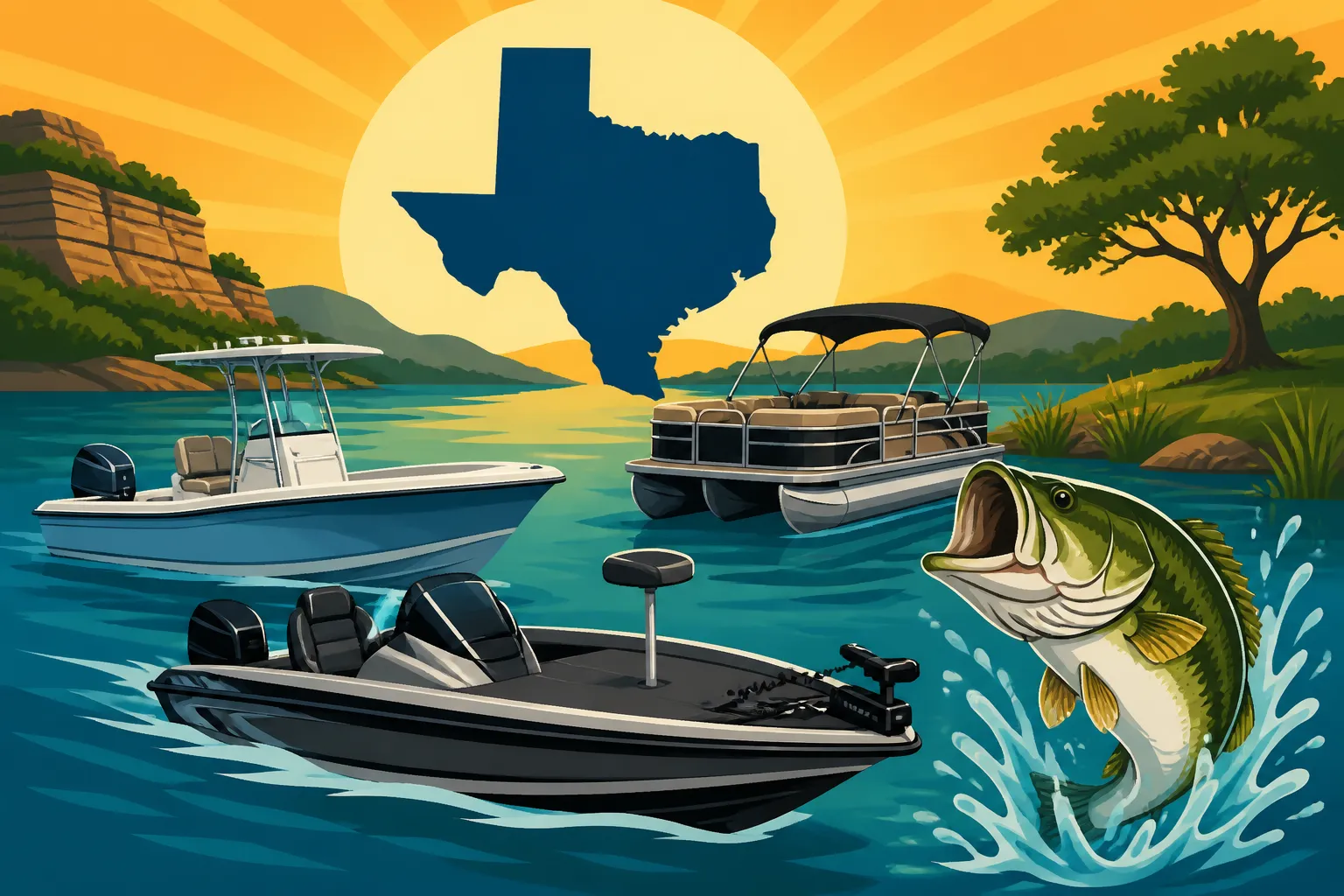
When you start looking at boats, the sheer variety can be mind-boggling. It's like walking into a tackle store with hundreds of different lures – where do you even begin? For Texas lake fishing, there are a few primary boat types that dominate, each designed with specific purposes and trade-offs in mind. Getting to know these categories is vital for matching a boat to your individual needs and the specific Texas waters you plan to explore.
Bass Boats: The King of Tournament Waters
Ah, the bass boat. Just seeing one roar across the water instantly conjures images of professional anglers, big bass, and high-stakes tournaments on legendary lakes like Lake Fork or Sam Rayburn. These sleek, low-profile fiberglass machines are purpose-built for one thing: aggressive freshwater bass fishing. They are designed for speed, stability while casting, and the efficient pursuit of trophy fish.
The pros of a bass boat are undeniable for their intended use. They are incredibly fast, allowing anglers to cover vast distances quickly between fishing spots, which is a huge advantage in competitive fishing where every minute counts. Their wide, flat casting decks provide an excellent, stable platform for standing and pitching baits, giving you a commanding view of the water. Modern bass boats also come equipped with advanced livewell systems designed to keep multiple large bass healthy for weigh-ins, along with an abundance of integrated storage for rods, tackle, and gear. You can fit an astonishing amount of fishing equipment into these boats, keeping everything organized and easily accessible.
However, bass boats also come with some cons. Their low profile, while great for casting, means they can offer a very wet and rough ride in choppy water, which is common on large Texas reservoirs like Lake Livingston when the wind kicks up. Passenger capacity is typically limited to two or three, making them less ideal for family outings or general recreation. Their specialized design also means they often have deeper drafts than some other options, making extreme shallow water navigation a bit trickier, and they are generally not suitable for saltwater. Plus, they can be a significant investment, both upfront and in ongoing fuel costs for those powerful engines. If your primary goal is tournament bass fishing, you really can't beat them, but for anything else, you might find yourself compromising.
Aluminum Jon Boats: Versatility and Affordability
If bass boats are the flashy sports cars of the fishing world, then jon boats are the reliable, hard-working pickup trucks. These flat-bottomed, open boats made of aluminum are the workhorses of many Texas anglers, especially those who prioritize versatility, durability, and a more budget-friendly approach. They are a common sight on smaller lakes, rivers like the Trinity, and even some of the shallower coves of larger reservoirs.
The biggest advantages of jon boats are their lightweight construction, exceptional durability, and incredibly shallow draft. Being lightweight means they are easy to trailer, launch, and retrieve, often requiring less powerful tow vehicles. Their aluminum construction can take a beating from stumps, rocks, and general wear and tear that might cause concern on a fiberglass hull. That shallow draft is a game-changer for getting into skinny water where other boats can't go, opening up access to hidden fishing holes in backwaters and creeks. They are also highly customizable; many anglers enjoy outfitting a basic jon boat with aftermarket seating, casting decks, and even trolling motors to suit their specific needs, often at a fraction of the cost of a specialized fishing boat. They are definitely an entry point for many new boat owners or those on a tighter budget. You can often find a basic jon boat for a relatively accessible price, even new.
However, jon boats do have their drawbacks. Their flat-bottomed design, while excellent for shallow water, means they tend to be less stable and provide a very bumpy, wet ride in choppy conditions. Taking a jon boat across a windy Lake Travis can be a truly bone-jarring experience. They are generally slower than fiberglass boats, and standard models offer limited built-in storage or comfortable seating, often requiring DIY additions. While modifications can improve comfort and functionality, they rarely reach the refined level of a purpose-built bass or multi-species boat. But for getting into those hidden gems on a river, or fishing a small pond or creek, they are absolutely invaluable and tough as nails. Best Jon Boats for Texas Rivers might be a good read if this sounds like your style.
Multi-Species/Deep-V Boats: For Bigger Water and Varied Fish
Sitting somewhere between the specialized bass boat and the utilitarian jon boat, you'll find the multi-species or deep-V fishing boat. These vessels are designed to be more adaptable, capable of handling a wider range of conditions and targeting various fish species, making them a fantastic choice for many Texas anglers who enjoy diversity in their fishing pursuits. They are often fiberglass, but many excellent aluminum models exist as well.
The primary benefit of a multi-species boat is its ability to handle rough water with much greater comfort and safety than a bass boat or jon boat. Their deeper V-hull design cuts through chop, providing a smoother, drier ride when the wind howls on a big lake like Lake Texoma or Buchanan. This makes them excellent for chasing striped bass, navigating large open waters for catfish, or simply enjoying a day on the lake with the family without getting tossed around. They typically feature higher sides, which adds a sense of security, especially for anglers with kids or pets on board. Many models offer a good balance of casting deck space, comfortable seating, and versatile storage, often including well-designed livewells that can accommodate different types of fish.
While they are more versatile, they do have some compromises. They are generally not as fast as dedicated bass boats, and while they can be used for bass fishing, their deck layout might not be quite as optimized for rapid-fire casting and moving as a bass boat's. Their deeper draft means they can't get into the absolute skinniest water that a jon boat can access, which could limit some shallow backwater exploration. Also, they tend to be more expensive than jon boats, often putting them in a similar price range to some entry to mid-level bass boats. However, if your fishing adventures take you from the large open water chasing striper on Lake Whitney to anchored up for catfish on Lake Conroe, a multi-species boat truly offers the best of many worlds, providing comfort, safety, and adaptability.
Key Features to Look for in a Texas Lake Fishing Boat
Once you've got a general idea of the type of boat that suits your fishing style and the waters you plan to tackle, it's time to dive into the nitty-gritty: the specific features that will make or break your boating experience. This isn't just about bells and whistles; these are the practical elements that impact performance, comfort, safety, and your ability to fish effectively across Texas's diverse lakes.
Hull Design and Material
The hull is the foundation of your boat, and its design and the material it's made from dictate much of the boat's performance, durability, and ride quality. In Texas lake fishing, you'll primarily encounter boats made of either fiberglass or aluminum. Each has distinct characteristics that are important to consider.
Fiberglass boats, often seen in bass boats and many multi-species designs, are typically heavier and offer a smoother, more cushioned ride in choppy water due to their ability to flex and absorb impact. They allow for more complex hull shapes, which can be optimized for speed, stability, or rough water performance. Fiberglass also offers a superior finish, with slick gel coats that come in a dazzling array of colors and are easier to clean and maintain their shine, though they can scratch or chip. For serious bass anglers or those who value a comfortable ride on large, windy lakes, fiberglass is often the material of choice. However, they are generally more expensive and can be more susceptible to damage from hard impacts with submerged objects, which is a real concern on some of our stump-filled lakes like Toledo Bend.
Aluminum boats, on the other hand, are lighter, more durable against impacts, and generally more affordable. They can withstand bumps and scrapes from rocks, stumps, and dock rash with less cosmetic or structural damage than fiberglass, making them ideal for fishing shallower, more obstacle-laden waters or for anglers who are rougher on their equipment. However, their lighter weight can lead to a choppier ride in rough water, as they tend to bounce more rather than cut through waves. Modern aluminum boats, particularly those with deep-V or modified-V hulls, have significantly improved in ride quality and comfort, but a flat-bottomed jon boat will still offer a much harsher experience in waves. The choice between fiberglass and aluminum often comes down to your budget, how you intend to use the boat, and the specific conditions of your favorite fishing spots.
Engine Power and Performance
The engine is the heart of your fishing boat, and its power and type will directly influence your speed, range, and ability to navigate various conditions. Most Texas lake fishing boats will be powered by outboard motors, which are mounted on the transom. The horsepower (HP) rating of the engine should be carefully matched to the boat's size and hull design, adhering to the manufacturer's maximum HP rating for safety and performance.
For dedicated bass boats, you'll often see powerful outboards ranging from 150 HP to 300 HP. These engines provide the blistering speed needed for long runs on sprawling lakes like Falcon or Ray Roberts, allowing tournament anglers to quickly move between distant hotspots. However, such power comes with higher fuel consumption, which can add up quickly over a full day of fishing. For multi-species boats, engine sizes might range from 75 HP to 250 HP, balancing speed with fuel efficiency and the ability to comfortably plane with a heavier load of passengers and gear. Best Bass Boats for Texas Reservoirs will give you a good idea of typical engine sizes.
Smaller jon boats and utility boats might utilize smaller outboards, from 9.9 HP up to 50 HP or 75 HP, sufficient for navigating rivers and smaller lakes at moderate speeds. When considering engine performance, don't just think about top speed. Also, consider how quickly the boat planes (gets up on top of the water), its fuel efficiency at cruising speeds, and its reliability. A reputable engine brand is worth its weight in gold when you're miles from the ramp. Always remember to check recommended service intervals and consider maintenance costs as part of your overall boat ownership budget.
Storage, Livewells, and Deck Space
These features are where a fishing boat truly distinguishes itself from a pleasure cruiser. Effective storage, well-designed livewells, and ample deck space are crucial for a productive and enjoyable day on the water, especially for serious anglers.
Storage is paramount. You need space for rods, reels, tackle boxes, safety gear, anchor, cooler, and personal items. Look for boats with dedicated rod lockers that can protect your expensive fishing rods, often built into the deck or side walls. Tackle storage compartments, frequently integrated into the bow or stern, should be easily accessible and ideally watertight to protect your gear from spray and rain. Having dedicated spaces for everything prevents your boat from becoming a cluttered mess and ensures you can find what you need quickly. Some boats even have built-in cooler spaces, which is a fantastic feature for keeping drinks and snacks cold on those scorching Texas summer days.
Livewells are a non-negotiable feature for many Texas anglers, particularly those targeting bass or participating in tournaments. A good livewell system will have aeration, recirculation, and often a pump-out function to keep your catch healthy throughout the day. Look for capacity that matches the size and number of fish you typically keep, and ensure the system is easy to operate. For example, in a bass tournament on Lake Conroe, keeping your fish alive and stress-free is critical for minimizing penalties. A large, insulated livewell with oxygenation is key.
Finally, deck space matters for comfort and casting. Bass boats excel here with their wide, open casting decks in both the bow and stern, allowing anglers to move freely and make unimpeded casts. Multi-species boats often balance casting space with comfortable seating, offering versatile layouts that can be converted for different activities. Jon boats, while often basic, can be customized with elevated casting decks. Consider how many people will typically be fishing with you and whether you prefer to stand or sit while casting. Having enough room to comfortably maneuver, cast, and land fish without tripping over gear is a huge benefit that you'll appreciate on every trip.
Essential Electronics and Accessories for Texas Lake Fishing
Once you have your boat, it's time to deck it out! In modern fishing, electronics and the right accessories aren't just luxuries; they're vital tools that can dramatically increase your success and enjoyment on the water. For Texas lakes, where fish can be deep, scattered, or hiding in complex cover, having the right gear can be the difference between a frustrating day and a fantastic haul.
Fish Finders and GPS
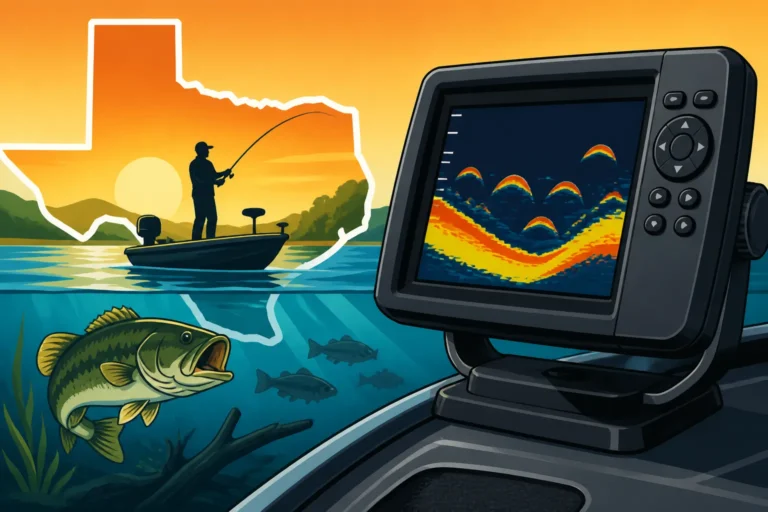
If there's one piece of technology that has revolutionized freshwater fishing, it's the fish finder. These units use sonar to paint a picture of what's beneath your boat, helping you locate fish, identify structure, and understand the bottom contour. For Texas lakes, where vast areas of water can hold subtle ledges, submerged brush piles, or old roadbeds, a good fish finder is an indispensable tool. You're not just looking for fish; you're looking for the habitat they prefer.
Modern fish finders often combine multiple technologies. 2D sonar is the classic "fish arch" view, showing you fish and structure directly beneath the boat. Down Imaging (or DownScan) provides a photo-like view of what's directly below, making it easier to distinguish individual pieces of timber or brush. Side Imaging (or SideScan) is a game-changer, allowing you to scan wide areas to either side of your boat, revealing structure and fish that might be hundreds of feet away without having to drive over them. Imagine cruising down a creek channel on Lake Fork and seeing a brush pile off to the left, loaded with bass – that's the power of side imaging. Brands like Lowrance, Humminbird, and Garmin offer incredible technology that can pinpoint cover and fish with amazing clarity.
Integrated GPS and mapping capabilities are equally crucial. Texas lakes are often huge and can be confusing, especially if you're exploring new waters. A detailed map on your fish finder allows you to mark waypoints for productive spots, navigate safely through channels, and return to specific areas with precision. You can often overlay contour lines, satellite imagery, and even historical lake data. This is invaluable for finding those offshore humps on Lake Ray Roberts or navigating the cypress trees on Caddo Lake. Having up-to-date mapping helps you understand the topography of the lakebed, identifying hidden drop-offs, points, and cover that fish relate to.
Trolling Motors and Batteries
For precise boat control and stealthy approaches, a trolling motor is an absolute must-have on almost any Texas lake fishing boat. These electric motors allow you to move slowly, hold your position, or creep along shorelines without scaring the fish. They are powered by marine batteries, and the choice of motor and battery setup is critical for extended time on the water.
Bow-mount trolling motors, which pull the boat from the front, are overwhelmingly popular for their superior steering control and precision, especially for bass and crappie fishing. They come in various thrust levels (measured in pounds of thrust), which need to be matched to your boat's weight and the typical wind conditions you'll encounter. On a large lake where winds can reach 20+ mph, you'll want a higher thrust motor (80 lbs or more) to effectively hold your boat. Many modern trolling motors also feature GPS-controlled spot-lock technology, which uses satellite positioning to automatically hold your boat in place over a fishing spot, even in wind and current. This is a truly revolutionary feature for staying on that brush pile or submerged point without constantly adjusting your position.
The batteries that power your trolling motor are just as important. Most serious fishing boats will have a dedicated battery bank for the trolling motor, separate from the engine's starting battery. This typically involves one, two, or even three deep-cycle marine batteries, depending on the trolling motor's voltage (12V, 24V, or 36V). Longevity on the water, especially during a full day of fishing in the hot Texas summer, is key. Investing in good quality batteries and a reliable onboard charger is crucial. You don't want your trolling motor dying on you when you're still miles from the ramp or need to hold your position in a strong current. For more on this, check out Best battery upgrade for a trolling motor in Texas summer heat.
Safety Gear and Comfort Additions
While the thrill of the catch is usually what's on our minds, safety should always be the top priority on the water. Texas regulations require certain safety equipment, and it's always wise to go beyond the minimum to ensure peace of mind for you and your passengers. Beyond safety, a few comfort additions can turn a good day into a great one, especially under the intense Texas sun.
Basic safety gear includes enough Coast Guard-approved life jackets for everyone on board, a fire extinguisher, a sound-producing device (like a horn or whistle), navigation lights, and a throwable flotation device. These aren't suggestions; they're legal requirements in Texas, and Game Wardens do check. Make sure your life jackets are easily accessible and fit properly, especially for kids. For more details on what's required, you can refer to Texas Life Jacket Requirements for Boats. Beyond the essentials, a well-stocked first-aid kit, a communication device (like a marine radio or fully charged cell phone in a waterproof case), and an anchor appropriate for your boat size and the lake bottom are all smart additions.
For comfort, especially during the scorching Texas summers, a bimini top or some form of shade can be a lifesaver. Prolonged exposure to the sun can lead to fatigue and sunburn, potentially cutting your fishing day short. Comfortable seating is also important, particularly on longer runs or if you have passengers who prefer not to stand all day. Many multi-species boats offer excellent seating options. Finally, consider a good quality cooler to keep drinks, snacks, and any keepers cold. A day on the lake should be enjoyable, and comfort plays a big role in that experience, allowing you to focus on the fishing rather than battling the elements.
Considering Your Budget and Ownership Costs
The initial price tag of a boat is just the beginning of the financial journey. Many new boat owners are surprised by the ongoing costs associated with boat ownership. Understanding the full financial picture, from the initial investment to long-term maintenance and storage, is crucial for making a wise decision and avoiding sticker shock down the road.
New vs. Used Boats
Deciding between a new or used boat is often the first major budget-related choice. Both options have their clear advantages and disadvantages.
A new boat comes with the latest technology, a full factory warranty, and the peace of mind that no one else has put wear and tear on it. You get to choose all the options and colors to perfectly match your preferences. Walking into a dealership like Bass Pro Shops and seeing all the shiny new models can be incredibly tempting. However, new boats also come with a higher price tag and typically depreciate rapidly in the first few years, much like a new car. You’ll be paying top dollar, and while you get the latest and greatest, you’ll also feel the brunt of that initial depreciation.
Used boats, on the other hand, offer significant savings. You can often get a much larger or better-equipped boat for the same budget compared to a new one, letting someone else absorb that initial depreciation hit. There’s a vast market for used boats in Texas, from local listings to specialized boat brokers. The downside is that you’re buying someone else’s history. You might inherit maintenance issues, and warranties are often expired or limited. Thorough inspection is paramount when buying used. This includes a test drive, checking the engine (compression test is wise), inspecting the hull for damage, and ensuring all electronics and systems are operational. If possible, consider having a qualified marine mechanic do a pre-purchase inspection. While a used boat can be a fantastic deal, it requires more diligence on the buyer's part to ensure you're not buying a headache.
Hidden Costs of Boat Ownership
Beyond the purchase price, there are several "hidden" costs that can quickly add up and surprise new boat owners. Budgeting for these from the start will prevent future stress and ensure your enjoyment isn't overshadowed by unexpected expenses.
First up is insurance. Just like a car, you'll need boat insurance to protect your investment and cover liability in case of an accident. The cost varies based on the boat's value, your boating history, and where you store it. Next is registration with the Texas Parks and Wildlife Department. This is an annual or biennial fee, and it's legally required. Don't forget the cost of boat titles and renewals as well. Texas Boat Registration Requirements and Texas Boat Title and Renewal Rules are essential reads to understand these obligations.
Maintenance is another big one. Even if you're handy, regular engine service (oil changes, spark plugs, lower unit fluid), trailer bearing checks, and general upkeep are necessary. If you're not doing it yourself, professional marine service can be costly. Then there's storage. Do you have space at home with secure parking? If not, marina slips or dry storage facilities can add a substantial monthly or annual fee, especially in popular boating areas. Finally, fuel and oil costs can quickly eat into your budget. Those powerful outboards guzzle gas, and oil for two-stroke engines can be pricey. A full day of running and fishing on a large lake can easily consume many gallons of fuel.
Financing Options and Resale Value
For most people, purchasing a boat involves financing. Understanding your options and how they impact your overall cost is crucial. Boat loans are typically available from banks, credit unions, and marine lenders. Loan terms can vary significantly, often ranging from 5 to 20 years, depending on the loan amount and the age of the boat. Longer terms mean lower monthly payments but also more interest paid over the life of the loan. Interest rates will depend on your credit score and current market conditions. It’s always a good idea to shop around for the best rates and understand all the terms before committing. Be sure to factor in taxes and any dealer fees into the total financed amount.
Considering resale value might seem premature, but it's a smart long-term financial play. Just like cars, some boat brands and models hold their value better than others. Well-known, reputable brands with a strong dealer network tend to maintain higher resale values. The condition of your boat is also a massive factor. A boat that has been meticulously maintained, kept clean, serviced regularly, and stored properly will always command a higher price than one that’s neglected. Minor cosmetic damage, engine issues, or a dirty interior can significantly reduce its value. Keeping service records and documentation of all upgrades and maintenance can also help when it's time to sell. Think of it as protecting your investment by treating your boat well from day one.
Where to Buy and Get Expert Advice
Finding the perfect boat isn't just about knowing what you want; it's also about knowing where to look and who to trust for advice. The Texas fishing community is vibrant, and there are many resources available, from large retailers to local experts, that can guide you through the purchase process and beyond.
Local Dealerships and Boat Shows
Visiting local dealerships is often the first step for many prospective boat buyers. Places like a local Bass Pro Shops Boating Center, often located near major Texas lakes, offer a range of new boats, competitive financing, and often have service departments. The biggest benefit of buying from a dealership is the ability to see boats in person, walk on the decks, sit at the console, and get a real feel for the layout and size. You can also often arrange for a test drive, which is invaluable for understanding how a boat handles on the water – how it planes, how it turns, and how it feels in chop. This hands-on experience is something you just can't get from browsing online.
Dealerships also provide valuable after-sale support, including warranty service, routine maintenance, and access to parts. Building a relationship with a local dealer can be incredibly helpful for any issues that arise down the road. Additionally, keeping an eye out for regional boat shows, like those held in Houston or Dallas, can be a great way to see a massive selection of boats from various manufacturers all in one place. You can often find special pricing, compare models side-by-side, and talk directly with factory representatives who can answer highly specific questions. It's an immersive experience that can help you quickly narrow down your options.
Online Marketplaces and Retailers
For those comfortable with online shopping, the digital world offers a vast selection of boats, both new and used, often with competitive pricing. Websites specializing in boat sales, general online marketplaces, and even local social media groups are brimming with listings. The primary advantage here is the sheer volume of options and the potential to find a unique boat or a better deal, especially on used models. You might find a private seller offering a well-maintained boat at a price lower than a dealership might offer a similar model.
However, buying online, particularly from private sellers, carries more risks. You don't have the same consumer protections as buying from a reputable dealership, and there's no guaranteed after-sale support. Thorough due diligence is absolutely critical. If you're looking for accessories or specific gear for your new boat, online retailers like Amazon offer a massive selection and convenience, often with quick shipping to get you outfitted faster. Just remember, for the boat itself, seeing it in person and ideally getting it inspected by a professional is always recommended before committing to an online purchase, especially for used boats where hidden issues can be a costly surprise.
Connecting with the Texas Fishing Community
One of the most valuable, and often overlooked, resources for boat buying advice is the vast and passionate Texas fishing community itself. Forums, social media groups dedicated to Texas fishing, local fishing clubs, and even talking to seasoned fishing guides can provide a wealth of real-world insights that brochures and salespeople can't. These are people who are out on the water regularly, facing the same challenges and enjoying the same triumphs, and they've got firsthand experience with different boats and gear.
Engaging with these communities can help you get honest opinions on specific boat brands and models, hear about common issues or beloved features, and even learn about local mechanics or reputable sellers. Many fishing guides, for example, run their boats day in and day out on specific lakes. They can tell you exactly what works (and what doesn't) for the conditions on Lake Whitney or the intricacies of the Red River. Attending local fishing club meetings or tournaments can also connect you with experienced anglers willing to share their knowledge. Don't be shy about asking questions! Most anglers are happy to talk about their boats and offer advice, often helping you avoid common pitfalls and guiding you towards a boat that will truly serve your needs for years to come.
Choosing a Boat for Specific Texas Lake Scenarios
Texas is a truly massive state, and its lakes reflect that diversity. What works perfectly on the timber-filled waters of East Texas might be completely inadequate for the deep, wind-swept reservoirs of the Hill Country or North Texas. Tailoring your boat choice to the specific scenarios you anticipate encountering most often is key to maximizing your fishing success and enjoyment.
Big Bass Lakes (e.g., Lake Fork, Sam Rayburn, O.H. Ivie Reservoir)
If your heart beats for trophy largemouth bass, then you're likely dreaming of lakes like Lake Fork, Sam Rayburn, or O.H. Ivie Reservoir. These lakes are famous for producing giants, but they also present unique challenges. They are often characterized by extensive submerged timber, brush piles, hydrilla beds, and wide-open main lake areas that can get incredibly choppy with strong winds. For these scenarios, the bass boat reigns supreme, but with specific considerations.
You'll want a bass boat that can handle both the speed needed for long runs and the shallow draft required to navigate intricate stump fields and hydrilla. A well-designed V-hull can help cut through the main lake chop, while still allowing access to shallower coves and creek arms. Powerful trolling motors with advanced GPS spot-lock capabilities are essential for holding position over precise structure or working a productive weed line in windy conditions. And, of course, a robust fish finder with side and down imaging is non-negotiable for locating those hidden brush piles and identifying bass relating to structure. Many anglers will also opt for jack plates to allow their outboard to be raised, providing even more shallow water capability when needed. For more insights on specific hotspots, you might check out Lake Fork Bass Fishing Hot Spots.
While speed is important, stability at rest for pitching and flipping into heavy cover is equally vital. The expansive, flat casting decks of bass boats provide this stability. Durable carpet or non-skid flooring is also important, as you'll be standing and moving around a lot. Essentially, for these big bass lakes, you need a boat that is a finely tuned fishing machine, built for aggressive pursuit, precision placement, and keeping your catch healthy.
Striped Bass and Catfish on Large Reservoirs (e.g., Lake Texoma, Buchanan, Livingston)
When your target species are hard-fighting striped bass, massive blue catfish, or channel cats on vast, open waters like Lake Texoma, Lake Buchanan, or Lake Livingston, your boat requirements shift dramatically. These reservoirs are known for their immense size, deep open water, and potential for truly rough conditions when the wind picks up. Here, comfort, safety, and the ability to handle big water take precedence over extreme shallow-water access.
For these conditions, multi-species or deep-V boats are often the best choice. Their deeper V-hulls are designed to cut through waves, providing a much smoother and drier ride when crossing large expanses of water or encountering strong winds. Higher freeboard (the distance from the water to the top of the boat's side) offers increased safety, especially if you're bringing family, kids, or pets, preventing spray from coming over the bow and keeping everyone more secure in rough conditions. You'll want a boat with a capable outboard that can handle long runs to distant fishing spots and provides reliable power. Fuel capacity should be a consideration, as you'll likely be covering significant mileage.
Navigation and communication are also paramount on these large lakes. A reliable GPS with detailed mapping is crucial for navigating vast open water and finding those offshore humps or submerged creek channels where stripers often school. Strong, reliable anchoring systems are important for holding your position when bottom fishing for catfish. Comfortable seating for multiple passengers, a bimini top for sun protection, and plenty of storage for extra gear (like large cast nets for bait or heavy catfish rods) are also highly valued. If you're specifically targeting stripers, you might be interested in Lake Texoma Striped Bass Fishing Spots. And for the whiskered giants, Lake Livingston catfish fishing spots can offer guidance.
Rivers and Smaller, More Remote Lakes (e.g., Brazos River, Caddo Lake)
For anglers who prefer the tranquility of winding rivers, smaller community ponds, or the unique challenges of cypress-laden waters like Caddo Lake, a different kind of boat is called for. These environments demand maneuverability, extreme shallow-water capability, and often a higher degree of durability against unseen obstacles.
In these scenarios, jon boats or smaller utility boats are often the top contenders. Their flat bottoms and shallow drafts allow them to glide over very shallow water, accessing areas that deeper-hulled boats simply can't reach. This is critical for navigating the often-changing sandbars and shallow riffles of a river like the Brazos or easing through the narrow channels and ancient cypress tree knees of Caddo Lake. Durability is also key; aluminum jon boats can absorb impacts from stumps, rocks, and logs with far less worry than fiberglass, making them ideal for exploring less-traveled waters. If you're heading to Caddo Lake, reading Caddo Lake fishing among the cypress trees will give you a good visual of the terrain.
Maneuverability is also paramount. A smaller, lighter boat with a nimble outboard and a responsive trolling motor allows for precise control when navigating tight turns in a river or weaving through dense aquatic vegetation. You might not need a high-horsepower engine, but one that is reliable and efficient for slower, more deliberate navigation is crucial. Customization is a huge advantage for jon boats in these environments. Anglers often add elevated casting decks, rod holders, and simple seating to tailor the boat to their specific river or lake needs, creating an efficient fishing platform without the hefty price tag of a specialized boat. For these intimate and often challenging waters, simplicity, ruggedness, and shallow-water access are your best allies.
Maintenance and Care for Your Texas Fishing Boat
Owning a boat in Texas, especially with our intense sun, heat, and sometimes surprising winter weather, means being proactive about maintenance. Think of your boat like your truck – it needs regular care to perform its best and stay looking good. Neglect can quickly lead to costly repairs, diminished resale value, and worst of all, missed days on the water. A little effort consistently goes a long way to keeping your investment in prime condition.
Routine Cleaning and Detailing
The elements can be tough on a boat, whether it's the baking Texas sun, bird droppings, or fish guts. Routine cleaning is essential not just for aesthetics, but also for preserving the materials of your boat, especially fiberglass. The sun's UV rays can be brutal on gel coat, causing it to oxidize and dull over time. Regular washing with boat-specific soaps (which are designed not to strip wax or damage surfaces) helps remove grime, salt (if you've ventured into brackish water or just dealt with spray), and algae.
After washing, applying a good marine wax or sealant helps protect the gel coat from UV damage and makes future cleaning much easier. Think of it as sunscreen for your boat. For aluminum boats, while they don't require waxing in the same way, cleaning helps prevent corrosion and keeps the surface looking tidy. Don't forget the interior – regularly wiping down vinyl seats, cleaning out compartments, and vacuuming carpet helps prevent mold, mildew, and lingering fish odors. A clean boat is a happy boat, and it extends the life of all its components, from the upholstery to the console.
Engine and Electrical System Checks
The engine is the heart of your boat, and its health directly impacts your ability to get to and from your fishing spots safely. Regular engine service, as recommended by the manufacturer, is non-negotiable. This typically includes oil changes, fuel filter replacement, spark plug checks, and lower unit gear lube changes. Even if you're not putting a ton of hours on the motor, annual service is often a good idea to ensure everything is running smoothly and to catch potential issues early. While many parts of Texas don't experience hard freezes, even a mild winterization can be beneficial if your boat is stored for extended periods, especially protecting the fuel system. How to winterize a boat in Texas offers some good tips.
Beyond the engine itself, the electrical system deserves attention. Check battery terminals regularly for corrosion and ensure they are clean and tight. Test your navigation lights, bilge pumps, livewell pumps, and fish finder periodically to ensure they are all working correctly. Loose connections or corroded wires can lead to frustrating breakdowns on the water. Keep an eye on your battery voltage, especially for your trolling motor batteries, and ensure your onboard charger is functioning properly. A well-maintained engine and electrical system provide peace of mind and minimize unexpected interruptions to your fishing adventures.
Trailer and Storage Best Practices
Your boat trailer often takes a beating, bouncing down highways and being submerged in lake water, yet it's frequently overlooked. However, a properly maintained trailer is essential for safe transport and extending the life of your boat. Regularly check tire pressure, inspect the tires for wear and tear, and ensure lug nuts are tight. Bearings are particularly vulnerable, especially when exposed to water, so regular inspection and greasing are critical to prevent costly roadside breakdowns. Make sure all trailer lights are working before every trip, as faulty lights are a common reason for law enforcement stops. For more information, you might find How often to service a boat trailer in Texas heat a helpful read.
When it comes to storage, protecting your boat from the elements is paramount. If you don't have indoor storage, a good quality boat cover is an absolute must. The intense Texas sun can wreak havoc on upholstery, gel coat, and electronics. A cover protects against UV rays, rain, dust, and debris. Make sure the cover fits well and is securely fastened to prevent it from flapping in the wind and causing damage. If storing outside, consider elevating the trailer tongue slightly to allow water to drain from the boat. Secure storage, whether at home or at a marina, also helps protect your investment from theft. Taking these simple steps ensures your boat is ready to hit the water whenever you are, looking great and performing reliably for years to come. For tips on choosing the right cover, check out Best boat cover for Texas weather.
Boat Type Comparison for Texas Lake Fishing
To help you visualize the different options and their primary characteristics, here's a quick comparison of the main boat types we've discussed for Texas lake fishing. This table highlights typical uses, advantages, and disadvantages to give you a clearer picture as you weigh your choices.
| Feature | Bass Boat | Jon Boat | Multi-Species/Deep-V Boat |
|---|---|---|---|
| Primary Use | Tournament/Serious Bass Fishing | Shallow Water, Rivers, Utility | Versatile Fishing, Family, Rough Water |
| Typical Cost | High | Low to Moderate | Moderate to High |
| Ride Quality | Fast, but rough in chop | Bumpy in chop, good in calm | Smooth in chop, comfortable |
| Draft | Shallow to Moderate | Very Shallow | Moderate |
| Speed | Very Fast | Slow to Moderate | Moderate to Fast |
| Stability (Casting) | Excellent | Moderate | Good |
| Storage | Extensive Rod/Tackle Storage | Basic, Highly Customizable | Good, Versatile |
| Livewells | Advanced, Multiple | Basic (often optional) | Good, Often Aerated |
| Passenger Capacity | Limited (2-3) | Moderate (2-4, depends on size) | Good (3-6+) |
| Ideal Texas Lakes | Lake Fork, Sam Rayburn, O.H. Ivie | Trinity River, Caddo Lake, Small ponds | Lake Texoma, Livingston, Buchanan |
| Pros | Speed, Casting Deck, Specialized | Affordable, Durable, Shallow Access | Versatile, Handles Rough Water, Family-Friendly |
| Cons | Rough in chop, Limited Seating, Specialized | Slower, Bumpy Ride, Less Refined | Not as fast as bass boats, Deeper Draft than Jon |
This table provides a snapshot, but remember that there's a wide range within each category, and specific models will have their own unique characteristics. Always consider your individual needs and the specific waters you'll be fishing most often.
Disclaimer
This article is for general informational purposes only and does not constitute professional advice. Laws, prices and regulations vary by location and change over time. Consult a qualified professional for guidance on your specific situation.