Best Bay Boats for the Texas Coast
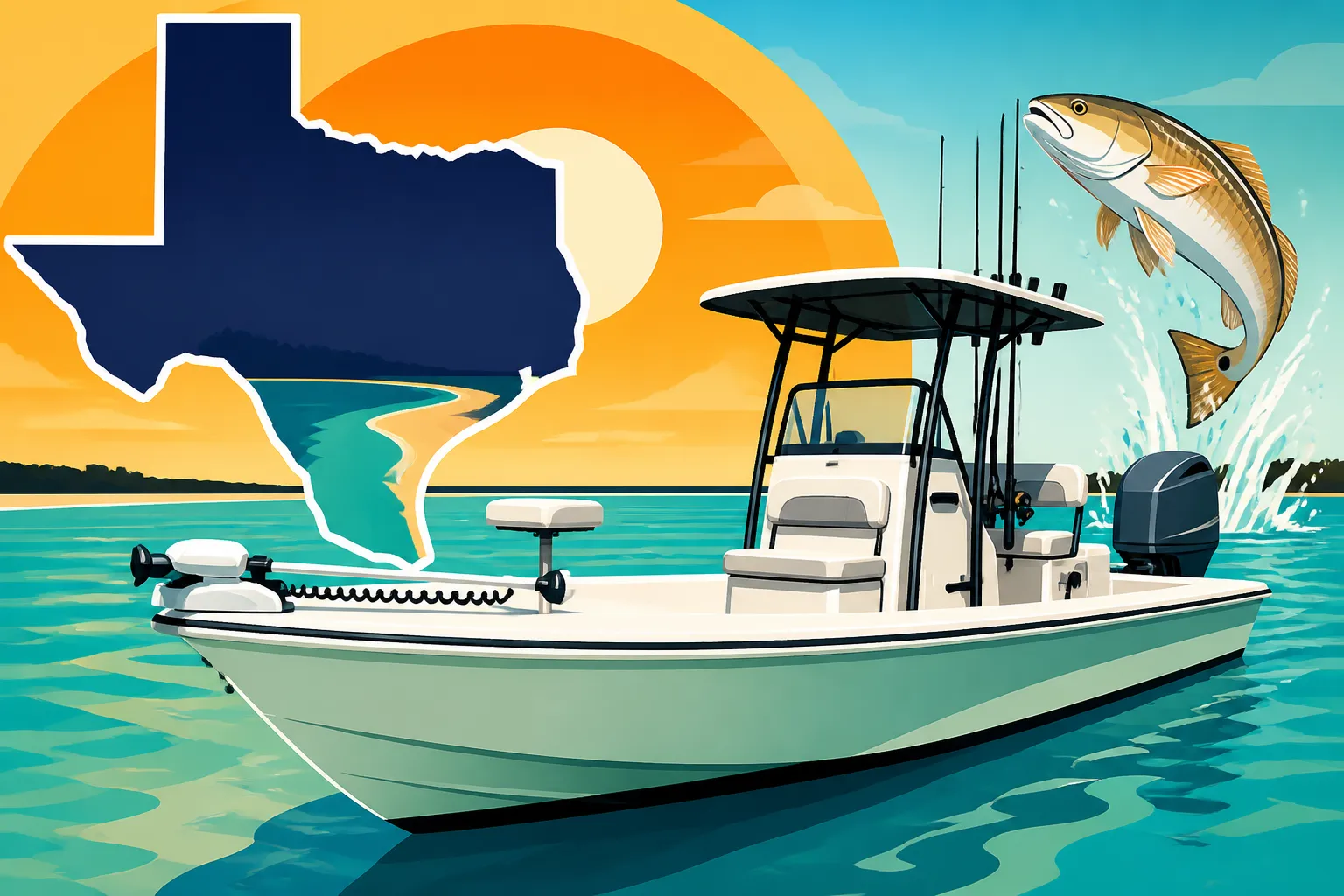
Oh, the Texas coast! There's nothing quite like the salty air, the cry of gulls, and the thrill of a big redfish pulling line. But if you've spent any time chasing those coastal species, you know that having the right boat isn't just a luxury—it's practically a necessity. Many anglers struggle with finding a boat that can handle our famously shallow bays, chop from sudden squalls, and the occasional need to venture a bit further out. This guide is all about helping you navigate the waters of choosing the absolute best bay boat for fishing the diverse and sometimes challenging Texas coast.
Understanding the Texas Coast Environment
Before you even start looking at boat models, it's crucial to understand what you're asking a boat to do here in Texas. Our coast isn't a one-size-fits-all kind of place. From the vast, shallow flats of the Laguna Madre to the deeper channels of Galveston Bay, and the sometimes surprisingly open Gulf waters just beyond the jetties, the conditions can change dramatically within a few miles.
Shallow Water Challenges
Let's be real: much of the Texas coast is incredibly shallow. I've personally spent more time than I'd like pushing a boat off a sandbar, cursing myself for not paying closer attention to the depth finder. Those beautiful, fish-rich flats where redfish tail and speckled trout ambush bait are often just inches deep. This means your ideal bay boat absolutely must have a design that allows it to operate and pole in very skinny water without getting stuck. You'll want to be able to get into those back lakes and marsh drains where the big ones hide, and that usually means crossing some serious shallows.
It’s not just about getting into shallow water, either. It’s about getting out of it when the tide drops or a flat becomes exposed. You need a hull that can take off in a foot or less of water, not just float there. This is where specialized hull designs, often with tunnels, really shine. Without a boat built for these conditions, you'll be limited to deeper channels and open water, missing out on some of the most productive fishing grounds our state has to offer.
Rough Water Capabilities
While we talk a lot about the skinny water, let's not forget that Texas bays can get surprisingly nasty. A strong southeast wind can whip up a 2-foot chop in Galveston Bay or Matagorda Bay in no time, making for a bone-jarring ride if your boat isn't designed for it. You might start your day in glass-smooth conditions, but by lunchtime, those whitecaps can make a run across the bay feel like a battle. For those days, you need a boat that can cut through the chop without soaking everyone on board or shaking your fillings loose.
Beyond the bays, many Texas anglers like the option of making short runs offshore, perhaps to fish nearshore rigs, reefs, or even the jetties that guard our passes. While a bay boat isn't a dedicated offshore vessel, a good one should offer a comfortable enough ride to handle some light offshore conditions on calm days. This means looking for a hull that has enough V-shape forward to slice waves, rather than just slapping them. A truly flat-bottomed boat, while great in extremely shallow water, will punish you in any kind of chop, and you'll quickly regret not having a bit more hull underneath you.
Saltwater Durability
This might seem obvious, but it's worth emphasizing: the Texas coast is a saltwater environment, and saltwater is incredibly corrosive. Every component on your bay boat, from the hull material to the hardware, wiring, and engine, needs to be able to withstand constant exposure to salt spray, saltwater immersion, and the relentless Texas sun. A boat that's built for freshwater lakes simply won't hold up here. You'll spend more time fixing things than fishing if you cut corners on saltwater-specific features.
Think about things like stainless steel hardware, aluminum components that are anodized or powder-coated, and wiring harnesses that are sealed and protected from moisture. Even the engine needs to be flushed thoroughly after every saltwater use. Manufacturers that specialize in saltwater boats understand these demands and build their vessels accordingly. Investing in a boat designed for this harsh environment will save you countless headaches and repair bills down the line. It's about longevity and reliability in a challenging climate.
Key Features of an Ideal Texas Bay Boat
Now that we've set the stage with the environment, let's dive into the specifics of what makes a bay boat truly suited for Texas. These aren't just bells and whistles; they're functional necessities.
Draft and Hull Design
The single most critical feature for a Texas bay boat is its draft—how much water it needs to float. As we discussed, many of our best fishing spots are incredibly shallow. A boat with a true shallow draft, ideally under 12-14 inches with the motor trimmed up, is paramount. This often comes down to the hull design.
You'll typically see a few variations:
- Modified V-Hull: These boats have a V-shape forward that flattens out towards the stern. This design offers a good compromise, providing a decent ride in chop while still allowing for relatively shallow draft. Many popular bay boats use this design.
- Tunnel Hulls: A tunnel hull incorporates a recessed channel in the bottom of the boat, leading to the propeller. This allows the motor to be mounted higher, protecting the prop and skeg from damage in shallow water and enabling the boat to run in much skinnier conditions. This is a game-changer for serious shallow-water anglers and is very common on the Texas coast.
- Catamaran Hulls (or "Cats"): While not traditional bay boats, smaller catamarans are gaining popularity. They have two distinct hulls, which offer incredible stability and a very smooth ride in chop, often with a moderate draft. They might not get as shallow as a tunnel V-hull, but their comfort can be a huge plus on windy days.
The goal is to find a boat that balances shallow water access with enough V to handle the chop. Don't fall for marketing hype; look at the actual draft specifications and, if possible, test-drive a boat in varying conditions. Best Boats for Texas Saltwater Fishing will give you a wider perspective on what to look for generally.
Deck Layout and Fishing Features
A bay boat is a fishing tool, and its deck layout should reflect that. You want a functional space that allows you and your fishing buddies to move around freely, cast without obstruction, and keep all your gear organized and accessible.
Consider these essential features:
- Ample Casting Platforms: Both the bow and stern should have elevated, non-skid casting platforms. These give you a better vantage point for spotting fish, especially tailing reds on the flats. Make sure they're wide and stable enough to comfortably stand and cast from.
- Rod Storage: You'll need plenty of rod holders and storage options. This includes horizontal rod storage under the gunwales (sides of the boat) to protect expensive rods and reels, as well as vertical rod holders for quick access. Imagine having four different setups for different techniques—you need a place for all of them!
- Livewells and Baitwells: For many types of fishing on the Texas coast, live bait is king. You'll need at least one, if not two, generously sized livewells with good aeration and circulation systems to keep your bait (and eventually, your catch) healthy and lively. Look for insulated livewells that can maintain water temperature.
- Dry Storage: Electronics, safety gear, extra clothes, snacks—all need to stay dry. Ample, watertight dry storage compartments are crucial. These often double as seating or cooler space.
- Integrated Coolers: Beyond a livewell, you'll want dedicated cooler space for drinks and snacks, possibly even an insulated fish box if you plan on keeping a lot of fish.
- Console Design: The console should be functional, with enough space for modern electronics (GPS, fish finder), gauges, and switches. A T-top or leaning post with backrest is a popular upgrade for sun protection and comfort during long runs. You'll want to be able to comfortably drive and navigate, even in choppy conditions.
Power and Performance
The engine is the heart of your bay boat, and choosing the right one is paramount. Most bay boats are powered by reliable outboard motors, known for their efficiency and ease of maintenance.
- Horsepower (HP): Don't underpower your boat. While you don't need a drag racer, having enough horsepower ensures you can safely navigate rough waters, get up on plane quickly (which helps in shallow water), and outrun a sudden storm. Consult the boat manufacturer's recommendations for minimum and maximum horsepower. A general rule of thumb is to aim for the upper end of the recommended range if your budget allows.
- Hole Shot: This refers to how quickly the boat gets up on plane from a dead stop. A strong hole shot is vital in shallow water, as it allows you to get out of the skinny stuff without bogging down and digging a trench. Propeller selection plays a huge role here, with some props specifically designed to improve hole shot.
- Fuel Efficiency: Long runs across big bays mean you'll be burning a good bit of fuel. Look for modern, four-stroke outboards that offer excellent fuel economy. While speed is fun, efficiency means more time on the water and less time at the fuel dock.
- Reliability: The last thing you want is an engine breakdown miles from the ramp. Choose a reputable engine brand with a strong dealer network for service and parts. Think about brands like Mercury, Yamaha, Suzuki, or Honda. These are stalwarts for a reason.
Common Bay Boat Sizes for Texas Anglers
Bay boats come in a variety of sizes, and what's "best" for you really depends on your typical fishing grounds, how many people you usually fish with, and whether you plan to venture out into the Gulf.
Smaller Bay Boats (18-21 ft)
These are often the entry point for many Texas bay anglers, and for good reason.
- Pros: Smaller boats are incredibly maneuverable in tight marsh channels and skinny flats. They're typically easier to trailer and launch, making them a great choice for anglers who frequently move between different bay systems. They're also generally more fuel-efficient and less expensive to purchase and maintain. If you primarily fish solo or with one other person, an 18-21 footer can be perfect for exploring the back lakes of Port O'Connor or the shallow reaches of Laguna Madre. You might find some excellent deals on accessories for these sizes on Amazon.
- Cons: The smaller size means less deck space, which can feel cramped with more than two anglers. They are also more susceptible to rough water conditions. A 2-foot chop in a 19-footer can be a real challenge, making longer runs uncomfortable or even unsafe on certain days. Storage space is also more limited.
For many weekend warriors who stick to the shallower, protected bays, a boat in this size range offers an excellent balance of accessibility and affordability.
Mid-Size Bay Boats (22-24 ft)
This is often considered the sweet spot for versatility on the Texas coast.
- Pros: Mid-size bay boats offer a fantastic balance of shallow water capability and rough water comfort. They typically have a bit more V in the hull, allowing them to handle a chop with greater ease than their smaller counterparts, making them suitable for crossing larger bays like Galveston or Aransas. There's also significantly more deck space, allowing for 3-4 anglers to fish comfortably, and ample storage for gear, multiple livewells, and larger electronics. These boats are more capable of handling those calm-day runs out to the jetties or close-in reefs.
- Cons: They are, of course, more expensive than smaller boats, both to buy and to run. They can also be a bit trickier to maneuver in very tight quarters and might require a slightly deeper "hole shot" to get up on plane in extremely shallow water compared to some ultra-shallow designs. However, for most Texas anglers looking for an all-around performer, this size range hits the mark. Many popular brands offer robust options in this category, often seen at large retailers like Bass Pro Shops.
These boats are a great choice for families or groups of friends who want to fish a variety of bay habitats and occasionally venture into nearshore Gulf waters. Texas Saltwater Fishing Regulations apply to all boats, regardless of size, so always be aware of the rules.
Larger Bay Boats (25+ ft)
For those who want maximum comfort, space, and the ability to confidently tackle more challenging conditions.
- Pros: Larger bay boats offer the most deck space, often with dual livewells, extensive storage, and plenty of room for multiple coolers and advanced electronics. Their increased length and deeper V-hulls provide a much smoother and drier ride in rough chop, making them ideal for long runs across large bays or frequent trips offshore on favorable days. They can comfortably accommodate 4-6 anglers and all their gear. If you plan on doing a lot of fishing around the Sabine Lake jetties or venturing out into the Gulf regularly, this size provides the stability and confidence you need.
- Cons: The main drawbacks are cost, fuel consumption, and shallow water access. These boats are significantly more expensive to purchase, power, and maintain. Their deeper draft means they can't get into the absolute skinnies that smaller boats can, limiting access to some prime redfish flats. Trailering and launching a boat of this size also requires a more capable vehicle and often a second set of hands.
Ultimately, the best size for you will come down to your specific needs and priorities. Consider where you fish most often, how many people usually join you, and what your budget allows.
Essential Considerations When Choosing a Bay Boat
Beyond size and features, there are a few other critical factors to weigh before making such a significant investment.
Material and Construction
The material your bay boat is made from will dictate its durability, maintenance, and how it performs on the water.
- Fiberglass: This is the most common material for bay boats. Fiberglass hulls offer excellent rigidity, which translates to a smooth ride and solid feel in choppy water. They can be molded into complex shapes, allowing for efficient hull designs and integrated features like casting decks and storage. Fiberglass is durable, resistant to corrosion, and relatively easy to repair if damaged. However, it can be heavier than aluminum and generally requires more upkeep in terms of waxing and gel coat maintenance to keep it looking good.
- Aluminum: Aluminum bay boats are known for being lightweight, extremely durable, and requiring less maintenance. They can often get into shallower water due to their lighter weight and typically have a very tough, puncture-resistant hull, which is a big plus if you frequently encounter oyster reefs or stumps. While historically aluminum boats were seen as less refined, modern aluminum bay boats offer excellent ride quality and features. The main consideration is ensuring the aluminum is marine-grade and properly welded to withstand the saltwater environment. Be sure to check for proper corrosion protection, like zinc anodes.
There are pros and cons to each, and personal preference often plays a role. Both can make for excellent bay boats when constructed by reputable manufacturers. Texas Boat Registration Requirements are the same regardless of material.
Storage and Customization
Any serious angler knows that you accumulate a lot of gear. A great bay boat needs smart storage solutions and the flexibility to add your preferred accessories.
- Integrated Storage: Look for built-in tackle storage, dedicated spaces for anchor and cast net, and insulated compartments for drinks and food. The more organized and integrated the storage, the less clutter you'll have on deck. Consider whether the storage compartments drain properly and are truly waterproof.
- Rod Holders Galore: Beyond horizontal rod storage, you'll want flush-mount rod holders in the gunwales for trolling or resting rods, and possibly rocket launchers on a leaning post or T-top.
- Electronics Mounting: Ensure there's ample space on the console for your chosen fish finder, GPS, VHF radio, and any other electronics. Some boats come with integrated flush-mount options for a cleaner look. You might even consider a dual-screen setup for maximum information display. You can find a lot of great electronics, from fish finders to GPS units, on Amazon.
- Power Poles/Trolling Motors: Many bay boats are outfitted with shallow-water anchoring systems like Power-Poles or Minn Kota Talons, which are indispensable for quietly holding position on a flat. A bow-mounted trolling motor with GPS Spot-Lock is also a highly desired feature for precise boat control while fishing. Ensure the boat has the wiring and mounting points for these additions. You can learn more about similar concepts in Best Trolling Motors for Texas Bass Boats, even though it's bass-focused, the principles apply.
The ability to customize your boat to your specific fishing style is a huge advantage. Don't settle for a boat that doesn't offer the flexibility you need.
Trailerability and Maintenance
Owning a boat isn't just about being on the water; it's also about getting it there and keeping it in top shape.
- Trailer Design: A good quality trailer is essential for safe transport. Look for a galvanized or aluminum trailer with torsion axles, LED lights, and good quality tires. Brakes are critical for larger boats. Ensure the trailer is properly sized for your boat, providing adequate support to the hull. A common frustration is trailers that don't load and unload easily, especially at busy ramps. Test it out! Texas Boat Trailer Registration Rules will give you all the legal requirements.
- Ease of Launch and Retrieve: Consider how easy it is to launch and retrieve the boat, especially if you often fish alone. Self-centering bunks and guide poles on the trailer can make a big difference.
- Cleaning and Flushing: Saltwater fishing demands diligent cleaning. The easier your boat is to wash down and flush, the more likely you are to do it consistently. Look for self-bailing decks and easy access to engine flush ports.
- Accessibility for Maintenance: Can you easily access the bilge, wiring, fuel filter, and other critical components for routine maintenance? Good access can save you a lot of frustration and money on service calls. Regular maintenance is key to prolonging the life of your boat and engine in the harsh coastal environment.
A well-maintained boat holds its value better and provides more reliable service. Think about the entire ownership experience, not just the fishing itself.
Top Bay Boat Characteristics for Texas Fishing
While I can't name specific models or make direct endorsements, I can tell you what general characteristics distinguish the best bay boats for the Texas coast. These are the traits that make a boat a true workhorse in our unique environment.
Reputable Manufacturers and Quality Construction
When you're making such a significant investment, trust matters. Stick with manufacturers known for building high-quality, durable saltwater boats. These companies have a track record of understanding the demands of coastal fishing and using marine-grade materials and construction techniques. Look for boats with:
- Solid Transoms: The transom is where your engine mounts, and it takes a lot of stress. Look for solid, composite transoms that won't rot or fail over time.
- Foam-Filled Hulls: Many modern boats are foam-filled, which adds flotation (making them "unsinkable" to varying degrees), dampens sound, and provides structural rigidity.
- Quality Wiring and Plumbing: This is often overlooked but incredibly important. Neatly routed, properly crimped, and labeled wiring, along with high-quality plumbing for livewells and bilge pumps, indicates a well-built boat that will give you fewer electrical headaches down the line.
- Stainless Steel Hardware: All cleats, hinges, latches, and screws should be marine-grade stainless steel for corrosion resistance.
- Strong Resale Value: Brands known for quality often hold their value better, which is a nice bonus if you decide to upgrade down the road. Some of these reputable brands can often be found at dealers associated with Bass Pro Shops, for example.
You want a boat that's built to last, not just look pretty on the showroom floor.
Understanding the Trade-offs: Shallow vs. Rough
One of the biggest lessons you'll learn when choosing a bay boat for Texas is that everything is a trade-off. You rarely get the ultimate in both extreme shallow water access and super-smooth rough water ride in the same boat.
- Ultra-Shallow Boats: These boats, often specialized "flats boats" or very shallow-draft bay boats, are incredible for poling through inches of water. They typically have minimal V-hull and can get up on plane in incredibly skinny water. The trade-off? They will beat you up in anything more than a light chop. If 90% of your fishing is sight-casting for redfish on pristine, glassy flats, this might be your pick.
- Moderate V-Hull Bay Boats: These are the most popular for Texas anglers because they strike a good balance. They can get reasonably shallow (say, 12-14 inches draft) and still provide a decent ride in a 1-2 foot chop. They're versatile enough for both flats fishing and crossing open bays. Most anglers find this compromise to be the most practical.
- Deeper V-Hull Bay Boats: Some larger bay boats lean towards a deeper V, offering a superior ride in rough water, almost approaching offshore boat comfort. The trade-off is a deeper draft, limiting access to the very shallowest fishing grounds. If you prioritize comfort and occasionally run offshore on calm days, and don't mind sacrificing some extreme shallow water access, this might be your choice.
Think hard about what kind of fishing you'll be doing most often. That will guide you to the right balance.
Resale Value and Investment
A bay boat is a significant investment, so considering its potential resale value is a smart move. Boats from well-regarded manufacturers, especially those with popular features and good maintenance records, tend to hold their value much better than lesser-known brands or boats that have been neglected.
- Popularity: Boats that are popular for a reason often maintain demand in the used market. This is where researching what other Texas anglers are buying and enjoying can give you some clues.
- Condition: A boat that has been well-maintained, regularly serviced, and meticulously cleaned after each saltwater trip will always fetch a better price. Investing in covers, regular waxing, and engine service pays off.
- Features: Boats with desirable features like quality electronics, power poles, or a good trolling motor can be more attractive to buyers. While you might splurge on certain upgrades, remember that some additions don't add dollar-for-dollar value to the resale price.
- Market Trends: Keep an eye on the used boat market. What models are consistently being listed and sold? This can give you an idea of what holds its value in the Texas market.
| Feature Area | Crucial for Texas Coast | Why It Matters | Considerations |
|---|---|---|---|
| Hull Design | Shallow Draft & Mod V | Access to flats, stability in chop, safe take-offs in skinny water | Tunnel hulls for extreme shallow, modified V for balance, flat bottoms for minimal draft but rough ride |
| Engine | Reliable Outboard | Power for chop, quick hole shot, fuel efficiency for long runs | Match HP to boat size, modern 4-stroke for efficiency, reputable brands |
| Deck Layout | Open & Functional | Unobstructed casting, easy movement for multiple anglers | Elevated casting platforms, non-skid surfaces, ample gunwale space |
| Rod Storage | Ample & Protective | Protects expensive gear, keeps deck clear, quick access to different setups | Horizontal under gunwale, vertical on console/T-top, flush mounts |
| Livewells | Aerated & Insulated | Keeps live bait lively, preserves catch quality | Multiple wells, good circulation/aeration, insulation for temperature control |
| Storage (Dry) | Watertight & Accessible | Protects electronics, safety gear, clothes from salt and spray | Integrated compartments, good seals, easy to access |
| Durability | Saltwater-Specific | Resists corrosion, withstands harsh Texas climate | Marine-grade fiberglass/aluminum, stainless steel hardware, sealed wiring |
| Trailerability | Easy Launch/Retrieve | Reduces stress at ramps, enables travel to various bay systems | Galvanized/aluminum, torsion axles, guide poles, matching boat weight |
| Electronics Space | Sufficient Console Area | Accommodates GPS, fish finder, VHF, and other navigation/fishing tools | Flush-mount options, room for multiple screens, protected wiring |
| Comfort Features | Leaning Post/T-Top | Reduces fatigue on long runs, provides sun protection | Backrests, storage under leaning post, optional misters for summer |
Choosing the best bay boat for the Texas coast is a personal journey, but by focusing on these core characteristics and understanding the demands of our unique waters, you'll be well on your way to finding the perfect vessel for countless successful fishing adventures. Make sure to consider Best Bait and Lures for Texas Fishing too, as your boat will be carrying all that!
Disclaimer
This article is for general informational purposes only and does not constitute professional advice. Laws, prices and regulations vary by location and change over time. Consult a qualified professional for guidance on your specific situation.