Best waders for the Guadalupe River in winter
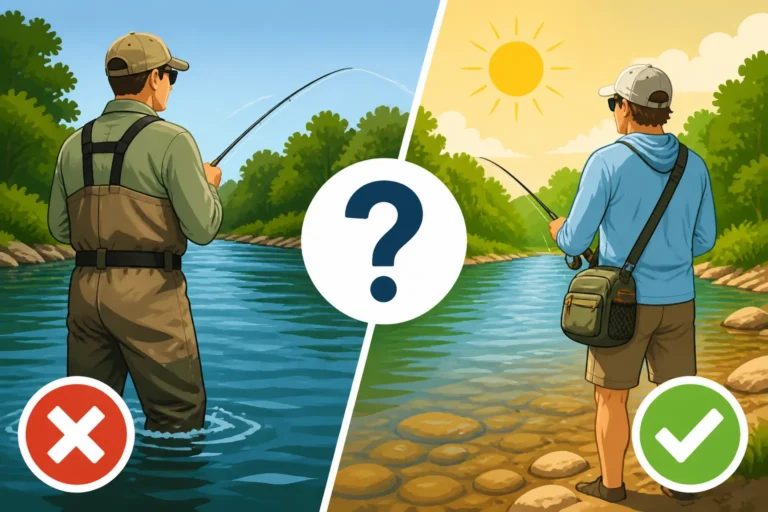
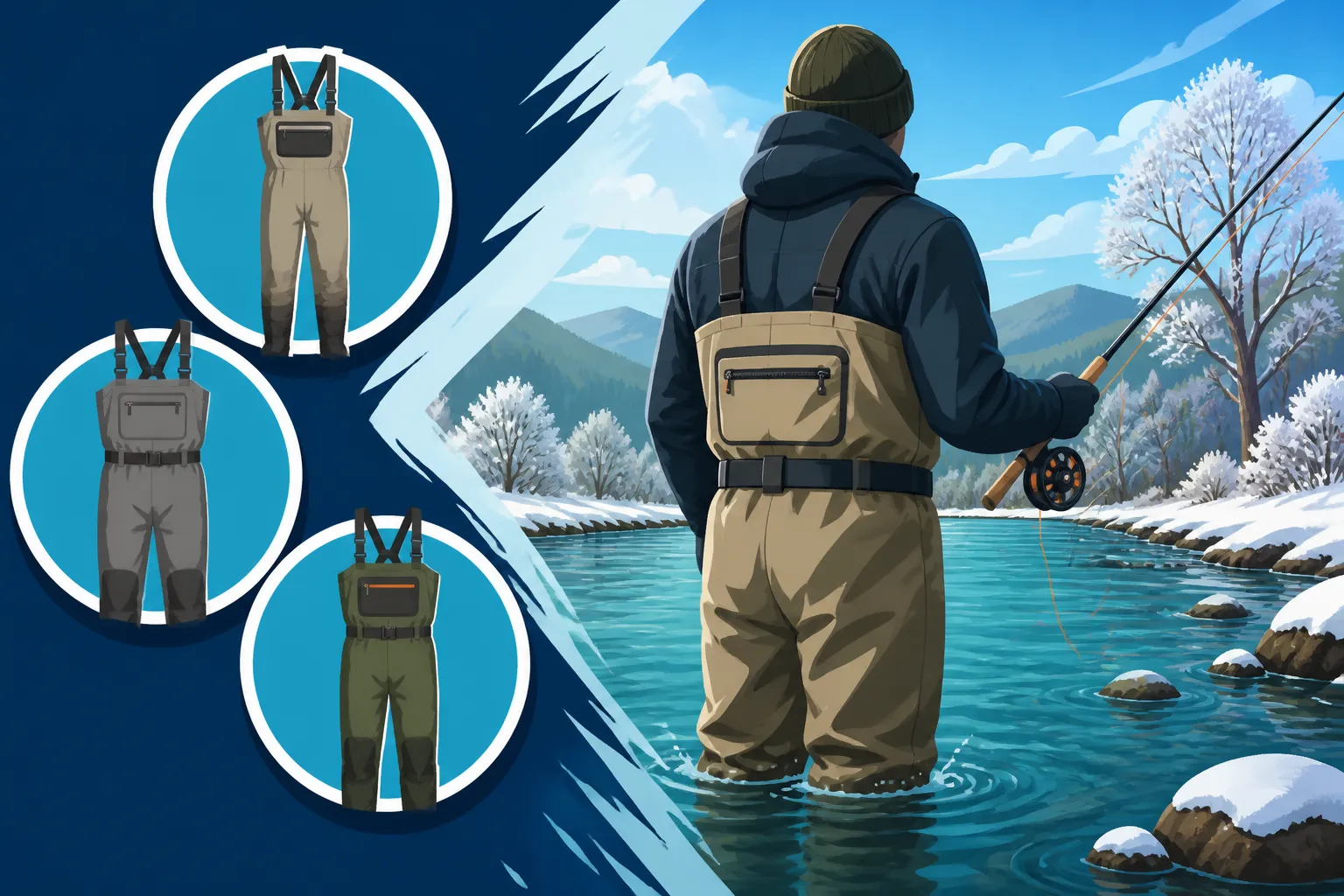
There’s nothing quite like the crisp air and serene beauty of fishing the Guadalupe River in winter, especially when you’re targeting those feisty rainbow trout. But let’s be real, facing that icy-cold water, even on a sunny Texas afternoon, can be downright brutal if you’re not properly prepared. Chilled to the bone feet and legs can cut a promising fishing trip short faster than a snagged lure. This comprehensive guide is here to help you navigate the often-confusing world of waders, ensuring you pick the absolute best ones to keep you warm, dry, and comfortable, so you can focus on reeling in your next big catch on the Guadalupe this winter.
Why Waders Are Non-Negotiable for Winter Guadalupe Fishing
You might think a quick dip in cold water isn't that bad, especially if the air temperature is mild, but anyone who has spent more than a few minutes submerged in the Guadalupe in January will tell you otherwise. Waders aren't just about staying dry; they're your first line of defense against hypothermia and a major factor in your overall comfort and enjoyment. Skimping on this essential piece of gear is a rookie mistake that can ruin an otherwise perfect day on the water.
The Chilling Reality of the Guadalupe River in Winter
The Guadalupe River, particularly the stretch below Canyon Lake Dam, is renowned as Texas's premier trout fishery. The Texas Parks and Wildlife Department When does Texas stock rainbow trout regularly stocks rainbow trout here, creating an incredible opportunity for anglers. However, these trout thrive in cold water, meaning the river's temperature hovers in the low to mid-50s (Fahrenheit) throughout the winter months, sometimes even colder. Stepping into this water without adequate protection is a shock to the system, to say the least. Even if the sun is shining brightly and the air feels pleasant, your legs and feet will rapidly lose heat to the constant cold flow.
Imagine you're carefully wading through a riffle, casting your fly into a promising run. You're focused, enjoying the peace and quiet. But then, a creeping numbness starts in your toes, slowly working its way up your ankles and calves. Suddenly, your concentration is broken, your casts become rushed, and all you can think about is getting out of the water to warm up. This isn't just uncomfortable; it can lead to shivering, loss of dexterity, and a significant drop in your spirits. The Guadalupe’s rocky bottom, sometimes slick with algae, also presents challenges that require stable footing, which we'll get into later.
Beyond Just Staying Dry: Insulation and Comfort
While "staying dry" is the primary function of waders, for winter fishing, "staying warm" is equally, if not more, important. Many people mistakenly think that any waterproof barrier will suffice, but there's a huge difference between being dry and being thermally protected. The material and construction of your waders play a massive role in how well you retain body heat.
The truth is, even the most waterproof waders will feel miserably cold if they don't offer some form of insulation or allow you to layer effectively underneath. Think of it like wearing a rain jacket in winter – it keeps the rain off, but you still need warm clothes underneath. The same principle applies to waders. Proper winter waders are designed either with built-in insulation (like neoprene) or with enough room and breathability to accommodate multiple layers of thermal clothing. Without this consideration, you're essentially just standing in a cold, waterproof bag, and your body will expend an enormous amount of energy trying to stay warm, leading to fatigue and discomfort. This is where the right choice in wader material truly shines, transforming a potentially miserable experience into a comfortable adventure.
Types of Waders: Matching Material to the Cold Texas Winter
When it comes to waders, you’re generally looking at two main material types: neoprene and breathable fabric. Each has its own strengths and weaknesses, and understanding them is key to making the right choice for the Guadalupe River's specific conditions. It’s not a one-size-fits-all situation, especially when dealing with the unpredictable swings of Texas winter weather.
Neoprene Waders: The Classic Cold-Weather Choice
Neoprene waders are the traditional workhorse for cold-weather fishing, and for good reason. Made from the same material as wetsuits, neoprene provides excellent thermal insulation due to its cellular structure, which traps tiny air bubbles. This means they actually help keep you warm by reducing heat loss, even when submerged in icy water. For dedicated winter angling on the Guadalupe, especially during the coldest snaps, neoprene offers a comforting embrace against the chill.
You'll find neoprene waders in various thicknesses, typically 3mm or 5mm. A 3mm pair is a good all-around choice for many Texas winters, offering a balance of warmth and mobility. However, if you plan on extended periods in the coldest parts of the river or are particularly susceptible to the cold, a 5mm pair might be worth the extra bulk for its superior warmth. The downside to neoprene is its breathability – or lack thereof. On warmer winter days, or if you're doing a lot of walking between fishing spots, you can quickly overheat and sweat inside them. This trapped moisture can then make you feel colder once you re-enter the water, negating some of the material's benefits. They can also feel a bit cumbersome and stiff compared to their breathable counterparts.
Breathable Waders with Layering: Versatility for Texas Weather Swings
Breathable waders, often made from advanced fabrics like GORE-TEX, Toray, or proprietary alternatives, have become incredibly popular due to their versatility. These materials are designed to let moisture vapor (sweat) escape from the inside while preventing water from entering from the outside. This means you stay dry and comfortable, even during more active fishing or on those surprisingly warm winter days Texas sometimes throws our way. The key to warmth with breathable waders lies entirely in your layering system underneath.
You'll need to invest in quality thermal layers to wear beneath breathable waders. Merino wool base layers are fantastic because they regulate temperature, wick moisture, and retain warmth even when damp. Fleece pants or mid-layers are also excellent for providing additional insulation. The beauty of this system is that you can adjust your layers based on the day's temperature and your activity level. A cold morning might call for heavy fleece, while a warmer afternoon might only require a light base layer. This adaptability makes breathable waders a favorite for many anglers on the Guadalupe, as they offer the flexibility to handle the full spectrum of Texas winter conditions. While they tend to be more expensive upfront, their comfort and ability to prevent clamminess are often worth the investment for serious anglers.
Bootfoot vs. Stockingfoot Waders for the River Environment
Beyond material, you also need to decide between bootfoot and stockingfoot waders. This choice significantly impacts comfort, mobility, and stability, especially when navigating the Guadalupe's varied terrain.
Bootfoot waders have the boots permanently attached, making them incredibly convenient. You just step in, pull them up, and you're ready to go. They often offer good insulation in the boot itself and are great for quick trips or less strenuous wading. However, the integrated boots rarely offer the same level of ankle support or precise fit as dedicated wading boots. This can be a real drawback on the Guadalupe, where slippery rocks, uneven gravel, and moderate currents are common. A loose-fitting boot can lead to instability, increasing your risk of a fall.
Stockingfoot waders, on the other hand, feature neoprene "socks" at the bottom, and you wear separate wading boots over them. This system allows for a much more customized and secure fit. You can choose wading boots specifically designed for grip, ankle support, and even additional insulation. For the Guadalupe River, with its often rocky and potentially slick bottom, stockingfoot waders paired with sturdy wading boots (often with felt or rubber soles designed for river traction) are generally the preferred choice. The superior ankle support and better grip provide crucial stability, allowing you to wade with confidence and focus on your fishing. While it's an extra purchase, the safety and comfort benefits far outweigh the inconvenience for most anglers tackling this specific river. Best boots for bank fishing in Texas also offers good advice on footwear.
| Feature | Neoprene Waders | Breathable Waders (with layering) |
|---|---|---|
| Primary Benefit | Excellent inherent warmth/insulation | Versatility, comfort, prevents overheating/sweating |
| Warmth Source | Material thickness (e.g., 3mm, 5mm) | Thermal layers worn underneath (e.g., fleece, wool) |
| Breathability | Low; can cause sweating and clamminess | High; allows moisture vapor to escape |
| Mobility | Can be bulky and restrict movement, especially 5mm | More flexible and lightweight, better range of motion |
| Best For | Very cold, static fishing; minimal walking | Varied winter temperatures, active fishing, long walks |
| Price Point | Generally more affordable | Often higher, plus cost of separate layers |
| Texas Winter Use | Excellent for coldest days, less versatile | Ideal for variable Texas winter, requires careful layering |
Key Features to Look for in Guadalupe River Winter Waders
Choosing the right waders isn’t just about the material; it’s also about the thoughtful details and construction that enhance your experience and ensure your gear stands up to the rigors of river fishing. Ignoring these features can lead to discomfort, premature wear, and even safety issues.
Durability and Puncture Resistance
The Guadalupe River, while beautiful, is not a gentle environment for fishing gear. Its bottom is often strewn with rocks, submerged branches, and other abrasive elements that can quickly take their toll on flimsy waders. Nothing is more frustrating than discovering a leak mid-trip, especially when the water is cold! Therefore, prioritizing durability and puncture resistance is paramount.
Look for waders that feature reinforced knees and seat areas. These high-wear zones are most susceptible to damage from kneeling, sitting on rocks, or navigating dense brush along the banks. Double-layered fabric, durable overlays, or even specialized abrasion-resistant panels in these areas can significantly extend the life of your waders. Pay close attention to seam construction as well; well-taped, welded, or stitched and glued seams are less likely to leak over time. Brands that utilize robust materials and rigorous manufacturing processes, even if they come with a slightly higher price tag, generally offer a better long-term investment. Consider it an insurance policy against cold, wet surprises, allowing you to worry less about your gear and more about How to fish for stocked trout in winter.
Fit and Mobility for Active Anglers
Picture this: you're trying to cast, mend your line, or scramble over a slippery bank, but your waders are pulling, bunching, and generally restricting your movement. It's a recipe for frustration, poor technique, and potentially a fall. A good fit is critical for comfort, safety, and fishing effectiveness. When trying on waders, remember to account for your winter layers underneath. They should be roomy enough to accommodate fleece pants or thick base layers without being baggy or allowing water to pool around your legs.
Look for features like adjustable suspenders, which allow you to customize the shoulder fit and distribute weight comfortably. A wading belt is non-negotiable for both comfort and safety. It helps keep the waders snug, preventing water from rushing in if you take a tumble, and also provides back support. Articulated knees, where the fabric is shaped to match the natural bend of your legs, significantly improve mobility, making it easier to walk, bend, and kneel without feeling like you're fighting your gear. Manufacturers like Simms, Patagonia, and Orvis are known for their ergonomic designs that prioritize angler movement. You can often find a good selection of these at outdoor retailers like Bass Pro Shops or explore a wider range online via Amazon.
Practical Features for the Texas Angler
Beyond the core function of keeping you dry and warm, modern waders often come with a host of thoughtful features that can greatly enhance your fishing experience on the Guadalupe. These aren't just luxuries; they're practical additions for a day on the river.
One of the most appreciated features during winter fishing is fleece-lined handwarmer pockets. There's nothing quite like slipping your chilly hands into a warm pocket for a quick reprieve from the cold, especially after releasing a fish or tying a knot. Many waders also include waterproof internal pockets, perfect for keeping your phone, keys, and wallet safe and dry. External zippered pockets are useful for storing small items like tippet, nippers, or a small fly box, keeping essentials easily accessible. Integrated gravel guards are another must-have for stockingfoot waders, preventing sand and pebbles from getting into your wading boots, which can be incredibly irritating and even lead to blisters. Loops or tabs for attaching tools like zingers or hemostats can also streamline your setup, ensuring your gear is always within reach. Don't forget to check out Fly fishing gear for the Guadalupe River for more accessory ideas!
Caring for Your Winter Waders and Extending Their Life
Waders are an investment, and like any good piece of gear, they’ll last much longer and perform better if you take care of them. Neglecting proper care can lead to unpleasant smells, reduced performance, and premature leaks, forcing you to replace them sooner than you’d like. Trust me, finding a pinhole leak on a freezing morning is not how you want to start your fishing trip.
Cleaning and Drying Best Practices
After a long day of fishing on the Guadalupe, especially if you’ve been scrambling through muddy banks or wading through silty areas, your waders will likely be dirty. A simple rinse is often all that’s needed. After each use, rinse your waders thoroughly with fresh, cool water, both inside and out. This removes dirt, algae, and any residue that could break down the fabric or harbor odors.
Proper drying is even more critical for longevity. Never store your waders wet. Start by hanging them inside out in a well-ventilated area, away from direct sunlight or intense heat sources (like a campfire or heater). Heat can degrade the waterproof membranes and glues, leading to cracking and delamination. Once the inside is completely dry, turn them right side out and allow them to dry thoroughly that way too. It might take a day or two, but patience here will prevent mildew, funky smells, and material degradation. For quicker drying, you can use a small fan, but again, avoid excessive heat. Taking these simple steps ensures your waders are fresh and ready for your next trip, whether it’s a quick outing or a full-day Guadalupe River Trout Fishing Guide adventure.
Storage and Maintenance for Longevity
How you store your waders between trips and during the off-season can significantly impact their lifespan. The goal is to prevent creases, punctures, and mildew buildup. The best way to store waders is to hang them in a cool, dry place, ideally using a wide-shouldered hanger (like a heavy-duty coat hanger or a specialized wader hanger) that supports the entire garment. Avoid folding them tightly or stuffing them into a bag, as this can create permanent creases that weaken the fabric and waterproofing over time.
For minor punctures or small tears, investing in a wader repair kit is a smart move. These kits typically include adhesive patches and a sealant, allowing you to fix small leaks at home, saving you from having to buy a new pair. Regular inspections for any signs of wear and tear, especially around the seams and high-stress areas, can help you catch problems before they become major leaks. If you notice any persistent odors even after rinsing, a gentle wash in a large tub with a specialized wader cleaner or mild, non-detergent soap can help. Always follow the manufacturer's specific washing instructions. With a little care and attention, your winter waders will serve you well for many seasons of comfortable and productive fishing on the beautiful Guadalupe River.
Disclaimer
This article is for general informational purposes only and does not constitute professional advice. Laws, prices and regulations vary by location and change over time. Consult a qualified professional for guidance on your specific situation.