What gear do you need to start fishing in Texas
Stepping into the vibrant, diverse world of Texas fishing can feel incredibly exciting, but also a little overwhelming. You walk into a tackle shop, and suddenly you're faced with an endless array of rods, reels, lures, and gadgets. It's easy to get lost in the sheer volume of options and wonder, "What do I actually need to start catching fish here in the Lone Star State?" Don't worry, friend, you're not alone in that feeling! This comprehensive guide is here to cut through the noise, breaking down the essential gear you need to confidently embark on your Texas fishing adventures, whether you're heading to a sprawling freshwater lake or the salty Gulf Coast.
The Absolute Essentials: What You Really Need to Start
When you're first getting started, the key is to keep it simple, versatile, and affordable. You don't need to break the bank or fill a massive tackle box to enjoy a successful day on the water. Focus on the core items that will get a line in the water safely and effectively. Think of this as your absolute minimum viable fishing kit.
It’s about getting out there and experiencing the joy of the catch, not about having the latest high-tech gadget. Many experienced anglers still swear by a simple setup. If you're wondering What gear do you need to start fishing in Texas, this section is your starting line.
A Basic Rod and Reel Combo
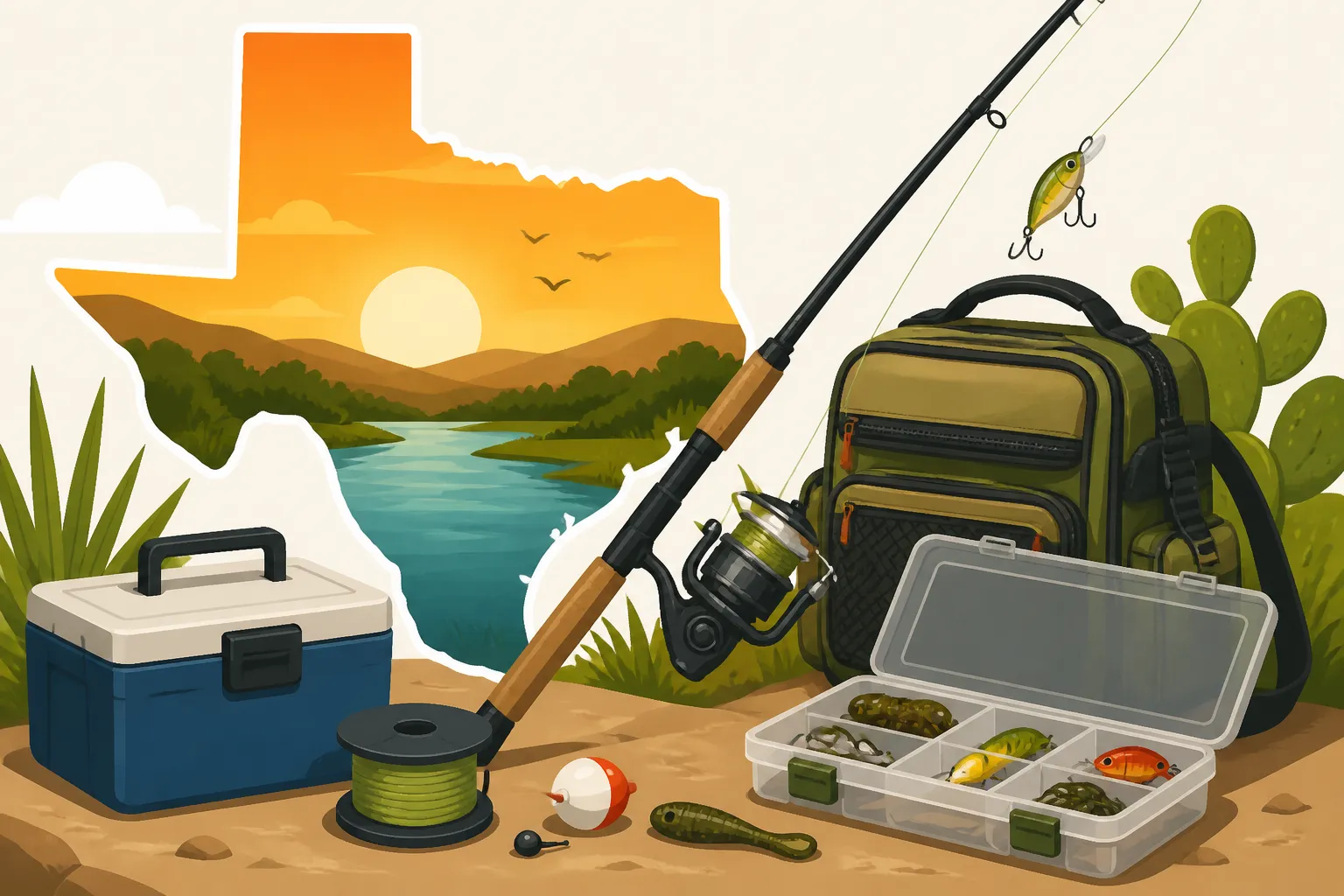
For most beginner anglers in Texas, a medium-action spinning rod and reel combo is your best friend. This setup is incredibly versatile, handling everything from panfish in a local pond to decent-sized bass in a reservoir or even smaller redfish in the bay. You're looking for something in the 6-foot to 7-foot range. This length provides good casting distance without being unwieldy, especially if you're fishing from the bank or a smaller boat.
The "medium action" refers to how much the rod bends and where it bends along its length. A medium-action rod offers a good balance of sensitivity for feeling bites and backbone for fighting fish. A spinning reel is also user-friendly; it's less prone to tangles than baitcasting reels, which makes it perfect for learning the ropes. You can find excellent beginner combos at most sporting goods stores, and many anglers often check online retailers like Amazon for competitive prices and reviews.
Fishing Line Spooled on Your Reel
Once you have your rod and reel, the next crucial component is the fishing line. For beginners, monofilament line is often recommended. It’s affordable, easy to tie knots with, and has a bit of stretch, which can be forgiving when you’re learning to set the hook and fight fish. A good starting point for all-around Texas fishing would be 8-12 pound test monofilament. This range is strong enough for most freshwater species you'll encounter and even some lighter saltwater applications.
Make sure your reel is properly spooled with line before you head out. Most shops will do this for you if you buy a new reel, or it's a simple process to do yourself with a bit of practice. Having fresh, correctly spooled line prevents frustrating tangles and lost fish.
A Small Selection of Hooks, Weights, and Bobbers
This is the core of your terminal tackle – the bits and pieces that go at the end of your line. You don't need a huge variety. Start with a small assortment:
- Hooks: A pack of bait holder hooks in sizes #6, #4, and #2 will cover most small to medium fish like sunfish, crappie, and even smaller catfish or bass. You might also grab some small circle hooks in similar sizes if you plan on targeting catfish, as they are often better for the fish's health and lead to fewer gut hooks.
- Weights (Sinkers): A small selection of split shot weights (these just pinch onto your line) and a few bullet weights (for Texas rigging soft plastics) will be plenty. Split shots are great for getting your bait down a bit when fishing with a bobber, while bullet weights are designed to slip through cover easily.
- Bobbers: A few simple red and white clip-on bobbers are fantastic for visual bite detection, especially for beginners or when fishing with kids. They allow you to present your bait at a set depth and make it easy to see when a fish takes the bait.
Keep these items organized in a small, simple tackle box or even a sturdy resealable plastic bag. Organization will save you a lot of frustration when you're out on the water.
Essential Tools and Comfort Items
Don't forget the tools that make fishing easier and safer, plus a few things for your own comfort!
- Pliers/Forceps: These are absolutely indispensable. They help you remove hooks from fish safely (for both you and the fish), cut line, and tighten knots. Get a pair with a good grip that can handle wet conditions.
- Line Clippers: While pliers can cut line, dedicated line clippers (like nail clippers) are often sharper and more precise for clean cuts, especially for tying knots.
- Sunscreen and Hat: Texas sun is no joke, even on cloudy days. Protect your skin! A wide-brimmed hat and good sunscreen are non-negotiable.
- Water/Drinks: Stay hydrated! Always bring more water than you think you'll need, especially during our hot Texas summers.
- Valid Texas Fishing License: This is perhaps the most essential item. Fishing without one can lead to fines and a ruined day. Make sure you understand Texas Fishing License Requirements Explained and pick up yours before you go. You can easily get one online or at most sporting goods stores like Bass Pro Shops. Don't forget to check Texas Fishing License Cost for Residents and Nonresidents if you're not sure which license you need.
| Gear Category | Item | Why You Need It |
|---|---|---|
| Rod & Reel | Medium-action Spinning Combo | Versatile, beginner-friendly for various Texas fish. |
| Line | 8-12 lb Monofilament | Easy to handle, good stretch, affordable. |
| Terminal Tackle | Assorted Hooks (#6, #4, #2) | Covers panfish to smaller game fish. |
| Split Shot & Bullet Weights | Control bait depth, assist casting. | |
| Clip-on Bobbers | Visual bite detection, depth control. | |
| Tools | Pliers/Forceps | Hook removal, cutting line, general utility. |
| Line Clippers | Clean line cuts for knots. | |
| Safety & Comfort | Sunscreen & Hat | Essential sun protection in Texas. |
| Water/Drinks | Stay hydrated! | |
| Legal | Texas Fishing License | Non-negotiable legal requirement. |
Choosing Your Rod and Reel: Freshwater vs. Saltwater
While a basic spinning combo is a great starting point, Texas offers vastly different fishing environments, from the vast freshwater reservoirs to the expansive saltwater bays and Gulf. Your rod and reel choice will naturally evolve as you decide where you want to spend most of your time wetting a line. Understanding these differences can prevent frustration and enhance your success. You wouldn't use a delicate crappie rod for heavy surf fishing, and vice versa!
Consider where you'll be fishing most often. Are you dreaming of big bass on Lake Fork, or sight-casting for redfish in Galveston Bay? Your gear should match your ambition and environment.
Freshwater Setups for Lakes, Ponds, and Rivers
For freshwater fishing in Texas, your medium-action spinning combo will serve you well for many species. However, as you get more into specific types of fishing, you might want to diversify a bit.
- Bass Fishing: If big largemouth bass are your target, you might eventually upgrade to a medium-heavy or heavy action rod, often paired with a baitcasting reel for more precision and power. This allows you to throw heavier lures, battle bigger fish out of thick cover, and truly experience the thrill of Texas Largemouth Bass Fishing Guide. Lakes like Sam Rayburn Reservoir and Toledo Bend are legendary for their bass, and a dedicated setup makes a huge difference. You'll find many specialized rods and reels designed specifically for bass fishing at retailers like Bass Pro Shops.
- Catfish Fishing: For channel, blue, and flathead catfish, a slightly heavier medium-heavy spinning or conventional rod with a stout reel is ideal. Catfish often hug the bottom and can be powerful fighters. You’ll want a rod with good backbone and a reel capable of holding 15-30 pound test line. This setup is perfect for fishing techniques like How to Catch Catfish in Texas.
- Crappie and Panfish: For lighter targets like crappie, bluegill, and sunfish, a light or ultralight action rod is incredibly fun. These rods are much more sensitive, making even a small fish feel like a trophy. They are typically shorter, around 5 to 6 feet, and pair well with small spinning reels spooled with 4-8 pound line. This is a great choice for family outings at smaller ponds or targeting crappie in brush piles on larger lakes. You can find excellent value combos for these species on Amazon.
When considering freshwater gear, remember to also review Texas Freshwater Fishing Regulations to ensure you're compliant with all the rules for the species you're pursuing.
Saltwater Setups for Bays, Piers, and Surf
Saltwater fishing demands different gear due to the corrosive environment and the often larger, stronger fish. If your sights are set on the Texas coast, from the jetties of Galveston to the flats of Port Aransas, you'll need gear built to withstand the elements and the fight.
- Corrosion Resistance: Saltwater reels are specifically designed with corrosion-resistant materials to protect against rust and saltwater damage. It's a critical investment if you plan to fish in the bay or surf regularly. You might pay a bit more upfront, but it will save you money and frustration in the long run.
- Heavier Action Rods: For saltwater, you'll generally use rods that are medium-heavy to heavy action, and often longer (7 to 9 feet) for casting distance, especially from the surf or jetties. These rods have the power to cast heavier baits and fight powerful fish like redfish, speckled trout, and black drum.
- Stronger Line: Braided line is very popular in saltwater due to its strength, thin diameter, and lack of stretch, which provides excellent sensitivity. You'll often use a fluorocarbon leader with braided line for invisibility and abrasion resistance. A 20-40 pound braided main line with a 15-30 pound fluorocarbon leader is a common setup for general bay fishing.
Whether you're targeting Texas Redfish Fishing Guide or Texas Speckled Trout Fishing Guide, having the right saltwater gear will significantly improve your experience and success. Always rinse your saltwater gear thoroughly with fresh water after each use to prolong its life. This is one of the most important tips for saltwater anglers. Be sure to check Texas Saltwater Fishing Regulations for specific limits and rules.
Tackle Box Basics: Baits, Lures, and Terminal Tackle
Once you have your rod and reel, the real fun begins with what you put on the end of your line. Your tackle box, even a small one, should be stocked with a versatile selection of baits, lures, and terminal tackle that can adapt to different conditions and target species in Texas. This isn't about having everything, but having the right things.
Think about the fish you want to catch and the environment you'll be in. Are you fishing for picky bass, hungry catfish, or aggressive redfish? The answers will guide your tackle choices.
Live Bait Essentials for Texas Anglers
For many species in Texas, especially for beginners, live bait is incredibly effective. It's often the easiest way to get a bite, as it appeals to a fish's natural instincts.
- Worms: Nightcrawlers or earthworms are universal freshwater bait. They catch everything from sunfish and crappie to catfish and even bass. They're readily available at bait shops and many convenience stores.
- Minnows/Shiners: These are excellent for crappie, white bass, and sometimes larger bass. You'll need a live bait bucket or aerated container to keep them healthy. They are fantastic for enticing predatory fish that feed on smaller baitfish.
- Shrimp: For saltwater fishing, fresh or frozen shrimp is a go-to bait. It's effective for redfish, speckled trout, flounder, and many other species found in Texas bays and surf. You can often buy it fresh at bait shops along the coast.
- Cut Bait: For catfish, particularly larger blue and flathead catfish, cut bait (pieces of shad, carp, or even hot dogs) can be incredibly potent. The strong scent draws them in. Always check regulations as some areas may have restrictions on what can be used as cut bait.
Having a selection of live bait can be a game-changer on slower days or when trying to figure out what the fish are biting. Many anglers consider live bait to be a fundamental part of Beginner Fishing Techniques for Texas Anglers.
Artificial Lures: Starting Simple
Artificial lures can be incredibly effective and offer a more active style of fishing. While the choices are endless, focus on a few proven types for Texas waters.
- Soft Plastics: These are incredibly versatile. Start with a pack of plastic worms (like a 7-inch Texas-rigged worm) or creature baits for bass. For saltwater, soft plastic shrimp or paddle-tail lures rigged on a jig head are dynamite for speckled trout and redfish. Learn How to Fish a Texas rig for bass for a simple, effective presentation.
- Spinnerbaits: These are excellent for bass, especially in stained or murky water. The flashing blades and vibrating skirt attract fish from a distance. A few different color patterns (like white, chartreuse, or black/blue) will cover most conditions.
- Spoons: Both casting spoons and jigging spoons can be effective. Casting spoons are great for covering water and targeting schooling fish like white bass or striped bass. Jigging spoons work well when fish are deep.
- Topwater Lures: While perhaps not strictly "essential" for a beginner, a simple topwater popper or walking bait can provide some of the most exciting bites, especially for bass and speckled trout, during low-light conditions.
Don't go overboard with lures. Choose a few colors and styles that match the primary forage in your local waters. When you're ready to dive deeper, you can always research Best Bait and Lures for Texas Fishing for more advanced options.
Additional Terminal Tackle
Beyond hooks, weights, and bobbers, a few other items will round out your tackle box:
- Swivels: Barrel swivels help prevent line twist, especially when using spinning lures or fishing with live bait that spins.
- Snaps: Snap swivels allow you to quickly change lures without retying. This is a huge time-saver.
- Leader Material: A spool of fluorocarbon leader (10-20 lb test) is invaluable, especially in clearer waters or when targeting finicky fish. It's nearly invisible underwater and more abrasion-resistant than monofilament. This is particularly useful when fishing for redfish or trout in the clear waters of our coastal bays.
- Hook Disgorger/Hemostat: These tools help you remove hooks cleanly and safely, especially if a fish swallows the bait deeply. Protecting the fish is crucial for maintaining healthy populations.
Beyond the Rod: Other Handy Gear for Texas Waters
While the basics will get you fishing, a few additional items can greatly enhance your comfort, safety, and overall enjoyment of a day on the Texas waters. These aren't necessarily required for your very first trip, but you'll quickly realize how useful they are.
Consider these as upgrades that will make your time fishing more productive and pleasant, allowing you to focus on the experience rather than discomfort or minor annoyances. Texas weather can be unpredictable, so being prepared is always a good idea.
Comfort and Protection
Texas can throw all kinds of weather at you, sometimes all in one day! Being prepared makes a huge difference.
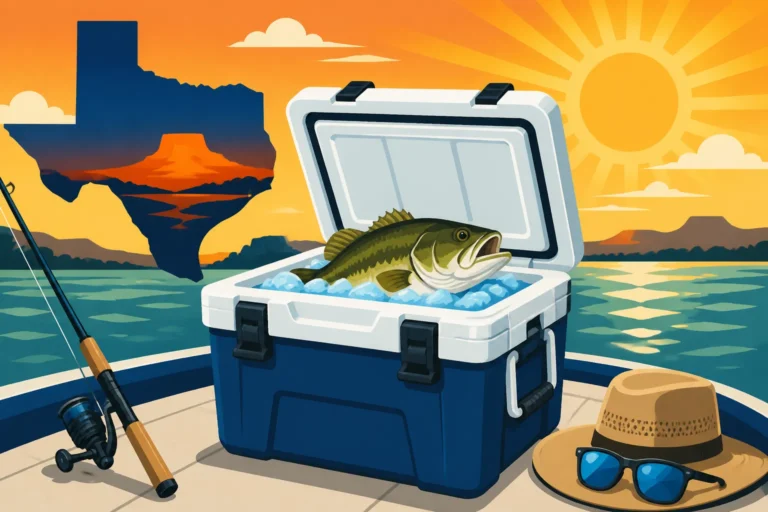
- Cooler: Not just for your drinks and lunch, but also for keeping any fish you catch fresh on ice, especially important in the Texas heat. A good cooler can be the difference between fresh fillets and spoiled fish. You can find robust, reliable coolers at Bass Pro Shops or online.
- Insect Repellent: Mosquitoes, gnats, and other biting insects can be a real nuisance, especially around dawn and dusk, or near stagnant water. Keep a small bottle in your tackle bag.
- First-Aid Kit: Accidents happen. A small kit with bandages, antiseptic wipes, pain relievers, and sting relief can address minor cuts, scrapes, or insect bites. Always better to be safe than sorry.
- Polarized Sunglasses: These are a game-changer. They cut glare off the water, allowing you to see deeper into the water, spot fish, and better observe underwater structure. Plus, they protect your eyes from the sun and errant hooks. If you're serious about seeing what's beneath the surface, check out advice on Best Sunglasses for Sight Fishing in Texas.
- Appropriate Clothing: Dress in layers, as mornings can be cool and afternoons scorching. Lightweight, breathable, sun-protective clothing is a must for summer. Consider a rain jacket if there's any chance of showers.
Fish Handling and Measurement Tools
Once you start catching fish, you'll need a way to handle them respectfully and ensure you're complying with regulations.
- Measuring Tape/Ruler: Many Texas fish species have specific length limits. A measuring tape or ruler is essential for verifying your catch is legal to keep. These are often built into cooler lids or can be found as inexpensive, flexible tapes. Always familiarize yourself with Texas Fish Bag and Length Limits for the species you plan to target.
- Small Net or Lip Gripper: A small landing net makes it easier and safer to bring fish into your boat or onto the bank, especially if they are feisty. Lip grippers are excellent for handling toothy fish or those with sharp fins, protecting both you and the fish.
- Fish Scale (Optional): If you're interested in knowing the weight of your catches, a small handheld digital scale can be a fun addition. It's not essential for beginners, but it's great for bragging rights!
Storage and Transport
How you carry your gear, especially if you're bank fishing or moving spots frequently, is important.
- Tackle Bag or Backpack: Instead of a hard tackle box, a fishing-specific backpack or soft-sided tackle bag can be much more comfortable for carrying gear to distant fishing spots. These often have specialized pockets and tackle tray storage. These are widely available, from budget-friendly options on Amazon to more robust models at Bass Pro Shops.
- Rod Holders: If you're fishing from a pier, dock, or the bank, a simple rod holder that stakes into the ground or clamps to a rail can save you from constantly holding your rod and prevent it from being pulled into the water.
By gradually building up your gear from the absolute essentials to these handy additions, you'll be well-equipped to enjoy all the incredible fishing opportunities Texas has to offer. The most important "gear" is a good attitude and a willingness to learn!
Disclaimer
This article is for general informational purposes only and does not constitute professional advice. Laws, prices and regulations vary by location and change over time. Consult a qualified professional for guidance on your specific situation.