How to winterize a boat in Texas
It's a common misconception among Texas boaters that our mild winters mean we can skip the crucial step of winterizing our boats. While we might not see the sustained deep freezes of the northern states, those sudden, sharp cold snaps can cause catastrophic damage if your boat isn't properly prepared, leading to expensive repairs and a ruined start to your next fishing season. This guide will walk you through the essential steps to properly winterize your boat in Texas, protecting your investment from unexpected dips in temperature, humidity, and general wear and tear, ensuring it's ready to hit the water when spring arrives.
Why Winterizing Your Boat in Texas Isn't Optional
Many Texas boaters often ponder the necessity of winterization, especially when a sunny 70-degree day can quickly follow a frosty morning. The truth is, "winter" in Texas isn't always a prolonged deep freeze, but rather a series of unpredictable temperature swings that can be just as damaging, if not more so, than consistent extreme cold. Skipping winterization based on the assumption of a "mild winter" is a gamble that rarely pays off for your boat's longevity and your wallet.
The Hidden Risks of Texas Winters
You might think that because the lakes don't typically freeze solid for months, your boat is safe. However, the real danger lies in those sporadic, intense cold fronts that sweep through. A sudden drop to below freezing overnight, even if it thaws the next afternoon, is enough to expand any water left in your engine block, cooling system, or livewell plumbing. This expansion creates immense pressure, often resulting in cracked engine blocks, burst hoses, or damaged pumps. Imagine the heartache of pulling your boat out in spring only to discover a massive engine repair bill because you thought "it wouldn't get that cold." It's not about the duration of the cold; it's about the presence of water in unprotected systems during any freezing event. The humidity in Texas can also play a role, contributing to moisture buildup in areas where it shouldn't be, leading to corrosion and mildew.
Beyond Freezing: Protecting Against Other Winter Woes
Winterization isn't solely about preventing freeze damage. It's a comprehensive maintenance routine that also guards against other off-season issues. For instance, without proper fuel stabilization, the gasoline in your tank can degrade over months of storage, leading to clogged fuel lines and carburetors, or damaged fuel injectors. Rodents and insects, seeking warmth and shelter, view an unsealed boat as an inviting winter home, often chewing through wiring, upholstery, and plastic components, creating a costly mess. Furthermore, neglecting to clean and protect your boat's surfaces can lead to mildew, fading, and deterioration from prolonged exposure to elements like rain and occasional sun. Think of winterization as preventative medicine for your boat, addressing a whole host of potential problems before they even have a chance to start.
Engine Protection: The Heart of Winterization
Your boat's engine is its most vital and expensive component, and properly preparing it for the off-season is paramount. Neglecting this step is akin to leaving your house keys in the ignition of your car all winter – an open invitation for trouble. Even in Texas, where winters are often unpredictable rather than consistently harsh, a sudden cold snap can cause irreparable damage to an unprepared engine.
Fuel System Care
The first step in safeguarding your engine is to address the fuel system. Modern ethanol-blended fuels can be particularly problematic during storage. Ethanol attracts and absorbs moisture, which can lead to phase separation – where the ethanol and water mixture separates from the gasoline, creating a corrosive, sludge-like layer at the bottom of your tank. This can severely damage fuel lines, carburetors, and injectors. To prevent this, add a high-quality marine fuel stabilizer to your tank, following the product's instructions for the correct ratio. Then, run the engine for about 10-15 minutes to ensure the treated fuel circulates throughout the entire fuel system, including the fuel lines, filter, and engine's internal components. This ensures that when the boat sits for months, the fuel remains stable and doesn't turn into a sticky, damaging varnish. You can pick up reliable fuel stabilizers at places like Bass Pro Shops or even order them through Amazon.
Oil, Filter, and Fogging
Next up, change your engine oil and filter. Used oil contains contaminants and acids that can cause corrosion if left in the engine during storage. Replacing it with fresh oil before storage provides optimal protection for internal engine components. While you're at it, inspect your lower unit gear lube for any milky appearance, which would indicate water intrusion and a need for seal repair.
After the oil change, it's time to "fog" the engine's cylinders. Fogging oil creates a protective coating on internal engine surfaces, preventing rust and corrosion that can occur from moisture exposure over time. For carbureted engines, spray the fogging oil directly into the carburetor throats while the engine is running until it stalls. For fuel-injected engines, you'll typically remove the spark plugs and spray the fogging oil directly into each cylinder. Be sure to check your engine's specific owner's manual for the correct procedure, as methods can vary. This step is crucial for preserving the life of your engine's most critical moving parts during its dormant period.
Finally, it's a good idea to remove the propeller and inspect it for any damage. Check for fishing line wrapped around the prop shaft seal, which can cause serious lower unit damage if left unchecked. Grease the prop shaft before reinstalling or storing the prop separately.
Protecting Your Boat's Plumbing and Systems
Beyond the engine, your boat is a complex network of plumbing, electrical systems, and sensitive electronics. Forgetting these components during winterization can lead to equally frustrating and costly issues when you're ready to launch again in the spring.
Fresh Water and Livewell Systems
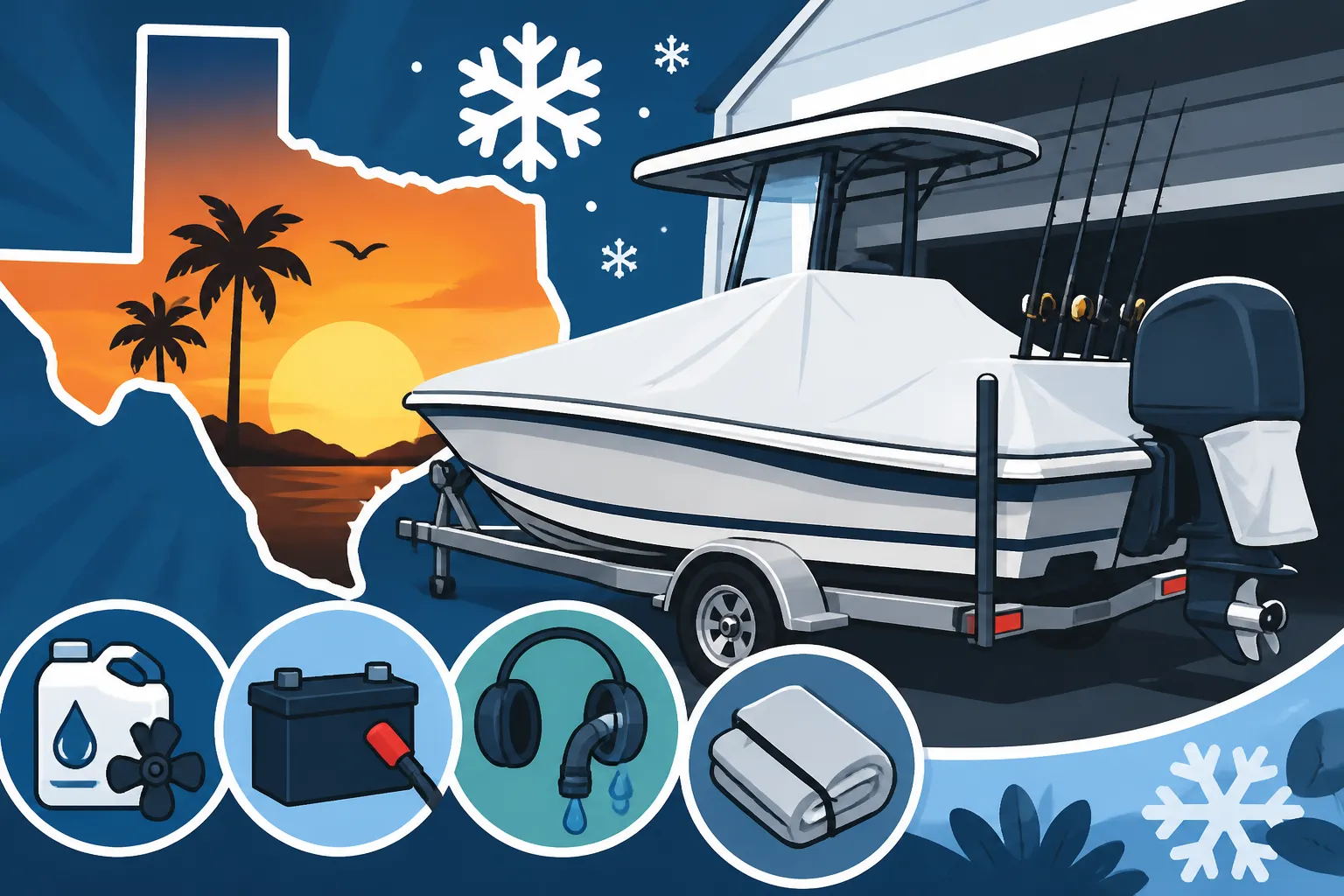
If your boat has a fresh water system, a head, or a livewell, these are prime candidates for freeze damage. Any residual water in hoses, pumps, or tanks can freeze and burst pipes, leading to significant leaks and damage. The process for plumbing winterization usually involves draining all fresh water tanks, running pumps dry, and then flushing the entire system with non-toxic, marine-grade antifreeze. You'll typically bypass your water heater if you have one, drain it, and then pump antifreeze through all hot and cold lines until it flows from every faucet and showerhead. Don't forget the livewell and bilge pumps; run a small amount of antifreeze through these systems as well to protect them. Remember, automotive antifreeze is toxic and should never be used in a marine fresh water system. You can easily find marine-grade antifreeze at retailers like Bass Pro Shops.
For your raw water washdown, ensure it's drained completely. If it draws directly from the lake, you might need to disconnect the intake hose and let it drain, or use a hand pump to introduce a bit of antifreeze. A burst water line in your boat's interior can lead to not only water damage but also persistent mildew problems, especially with Texas humidity.
Battery and Electrical Care
Batteries tend to discharge slowly over time, especially in colder temperatures. Leaving them connected and unmaintained can lead to them draining completely and suffering permanent damage. The best practice is to remove your boat batteries, clean the terminals, and store them in a cool, dry place where they won't freeze solid (a garage or shed is usually fine in Texas). Connect them to a trickle charger or battery maintainer that specifically charges in stages and then maintains, rather than constantly charges, to keep them topped off and healthy throughout the off-season. This prevents sulfation and extends battery life significantly. Before you remove them, ensure you label your battery cables to remember which connects to the positive and negative terminals when it's time to reinstall. Proper battery maintenance ensures that your boat will start reliably come spring, and extends the life of costly components like your Best battery for a 24-volt trolling motor or Best battery for a 36-volt trolling motor. You might be surprised how long a trolling motor battery can last with proper care, especially if you follow these steps.
| System Component | Winterization Action | Key Considerations |
|---|---|---|
| Engine | Fuel Stabilizer | Prevents fuel degradation, circulate thoroughly. |
| Oil & Filter Change | Removes contaminants, new protection. | |
| Fogging Engine | Prevents internal rust/corrosion. | |
| Lower Unit Lube | Check for water intrusion. | |
| Plumbing | Drain Fresh Water | Tanks, lines, pumps, water heater (bypass first). |
| Marine Antifreeze | Flush all systems, non-toxic type only. | |
| Livewell/Washdown | Drain and protect with antifreeze. | |
| Electrical | Remove/Maintain Battery | Clean terminals, trickle charge, store in dry place. |
| Disconnect Electronics | Protect from surges and extended draw. | |
| Hull/Deck | Thorough Cleaning | Prevents mildew, grime buildup. |
| Wax/Protectant | Guards against UV, elements. | |
| Drain Water | Remove all standing water from bilge, compartments. | |
| Trailer | Tire Pressure/Bearings | Prevents flat spots, inspect for wear. |
| Grease Fittings | Prevents rust, ensures smooth operation. |
Hull, Deck, and Storage Considerations
Once the internal systems are handled, don't overlook the exterior of your boat. The hull, deck, and proper storage methods are just as critical for protecting your investment from the elements, pests, and general deterioration during the off-season.
Cleaning and Protecting the Exterior
Start with a thorough cleaning of your boat's hull and deck. Remove any algae, grime, fish blood, or salt residue. For saltwater boats, a complete washdown to remove all salt is absolutely vital to prevent corrosion. Pay special attention to areas like cleats, rod holders, and any metal fixtures. After cleaning, apply a good quality wax or protectant to the hull and deck. This creates a barrier against UV rays, moisture, and grime, helping to prevent fading, oxidation, and mildew growth. For boats with vinyl upholstery, use a marine-grade vinyl cleaner and protectant to keep the material supple and prevent cracking. Don't forget to clean out all compartments, removing any perishable items, old fishing line, or stray hooks. This eliminates potential food sources for pests and reduces the chance of unpleasant surprises in the spring.
It's also essential to ensure all water is drained from the bilge and any self-bailing cockpits. If water sits in these areas, it can cause staining, corrosion, or, in a hard freeze, even structural damage to the hull or deck. Simply removing the drain plug isn't always enough; tilt your boat or use a wet-vac to ensure every drop is gone.
Proper Storage and Covering
How you store your boat makes a big difference. Ideally, indoor storage or a covered boat lift provides the best protection. If your boat will be stored outdoors, a quality boat cover is non-negotiable. It needs to be waterproof, breathable, and strong enough to withstand strong Texas winds and occasional ice storms. A well-fitted cover will protect your boat from direct sun exposure, rain, dirt, and bird droppings. Make sure the cover is properly supported to prevent water from pooling, which can stretch the material and even cause structural damage to your boat from the weight. For a robust cover that can withstand Texas weather, check out options available at marine suppliers like Bass Pro Shops or through online marketplaces like Amazon. Remember that even though you've winterized, ventilation is still important to prevent mildew, so ensure some airflow if your cover allows for it.
Consider removing sensitive electronics, such as your fish finder or GPS units, and storing them in a climate-controlled environment indoors. This protects them from extreme temperature fluctuations and potential theft. You might also want to remove throwable cushions, life jackets, and other gear that can absorb moisture and develop mildew. You can find essential gear for boat safety and storage at stores that focus on outdoor recreation. Speaking of safety, always make sure your Texas Boat Safety Equipment Requirements are met, even when storing your boat.
Trailer Maintenance
Finally, don't neglect your boat trailer! It's what gets your boat to and from the water, and its condition is paramount for safe travel. Check tire pressure, inspect for cracks in the sidewalls, and consider placing the trailer on blocks to prevent flat spots on the tires during prolonged storage. Grease wheel bearings and inspect the winch strap and safety chains for wear. Remember, even if the boat isn't moving, the trailer is still exposed to the elements. Regular maintenance, including checking your Texas Boat Trailer Registration Rules, ensures it's road-ready when spring rolls around. For more detailed guidance, you can also look into How often to service a boat trailer in Texas heat to keep your trailer in top shape.
By taking these comprehensive steps to winterize your boat, you're not just protecting it from a few cold days; you're actively preserving its value, extending its lifespan, and ensuring that your next fishing trip in the beautiful waters of Texas starts with excitement, not an unexpected repair bill.
Disclaimer
This article is for general informational purposes only and does not constitute professional advice. Laws, prices and regulations vary by location and change over time. Consult a qualified professional for guidance on your specific situation.