Best reel gear ratio for Texas bass fishing
Choosing the right fishing reel can feel like navigating a maze, especially when you start diving into the specifics like gear ratios. For Texas bass anglers, this isn't just a detail; it's a critical decision that impacts how effectively you present your lures and battle those hard-fighting bass. This comprehensive guide will demystify reel gear ratios, helping you understand what they are and how to select the perfect one for your specific bass fishing techniques across the diverse waters of the Lone Star State.
Understanding Fishing Reel Gear Ratios
Before we can even talk about which gear ratio is "best," we need to break down what a gear ratio actually is and why it holds so much weight in the fishing world. It's more than just a number; it's the heart of how your reel operates.
What is a Gear Ratio Anyway?
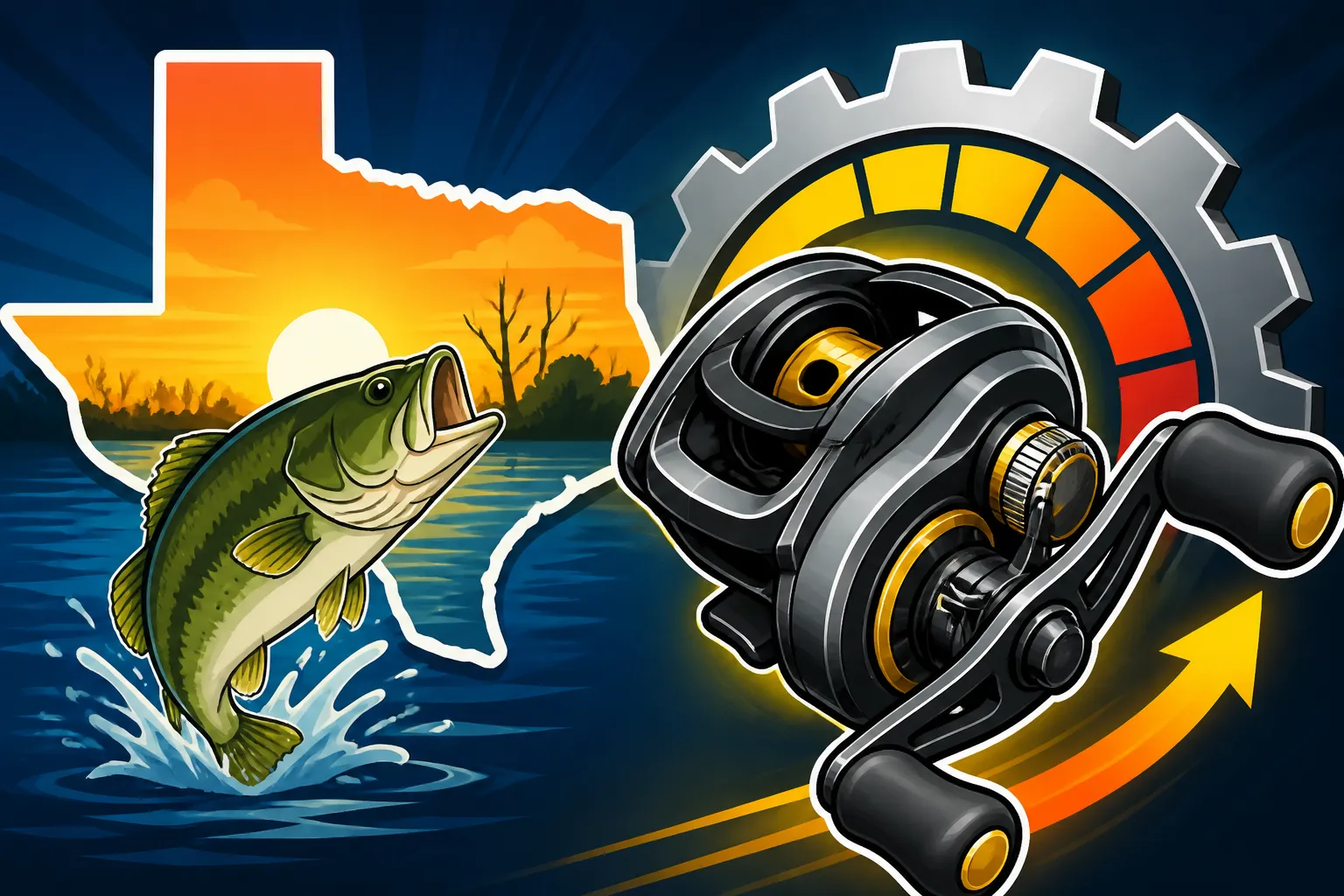
At its core, a fishing reel's gear ratio tells you how many times the spool or line roller rotates with one full turn of the reel handle. Think of it like the gears in your car or on a bicycle – different gears provide different levels of power and speed. For instance, a common baitcasting reel might have a gear ratio of 6.4:1. This means that for every single rotation you make with the reel handle, the spool inside the reel will spin 6.4 times.
This seemingly simple number dictates the speed at which you retrieve your line, often measured in Inches Per Turn (IPT). A higher gear ratio means more line is brought in with each crank of the handle, resulting in a faster retrieve. Conversely, a lower gear ratio pulls in less line per turn, providing more torque and a slower retrieve. Understanding this fundamental concept is crucial because it directly translates to how your lure moves through the water and how quickly you can react when a bass strikes, particularly when you’re fishing in varied conditions like those found in Texas.
Why Gear Ratios Matter for Texas Bass Fishing
Texas is a vast state with an incredibly diverse range of bass fishing environments, from the shallow, stump-filled waters of East Texas reservoirs like Lake Fork and Sam Rayburn to the deep, clear, rocky canyons of Highland Lakes such as Canyon Lake or Travis. Each of these unique settings, combined with the specific lures and techniques you employ, demands a different approach, and your reel's gear ratio is a huge part of that.
Imagine trying to effectively fish a deep-diving crankbait down to 20 feet with a super-fast reel; you'd likely pull it away from the strike zone too quickly or struggle to feel the bottom. On the other hand, trying to burn a buzzbait across the surface of a shallow pond with a slow reel would be an exhausting and often unsuccessful endeavor. The gear ratio directly influences your lure's presentation – its speed, its action, and its ability to stay in the strike zone. It also impacts your ability to generate power when fighting a fish. A lower gear ratio provides more torque, making it easier to pull a big bass out of heavy cover, while a higher ratio helps you quickly reel in slack line when a fish charges you, preventing them from spitting the hook. It's about matching the tool to the task, and in Texas, the tasks are many and varied.
Low Gear Ratios (5.X:1 and Below) for Power and Slow Presentations
When you're faced with specific situations in Texas bass fishing that demand raw power or a painstakingly slow retrieve, a low gear ratio reel is your best friend. These reels are designed to provide maximum torque, similar to a truck in a low gear climbing a steep hill.
Ideal Applications for Low Gear Ratios
Think about those times when you're fishing a massive deep-diving crankbait in the scorching Texas summer, trying to get it down to 20 or even 25 feet to tempt inactive bass. A low gear ratio, typically in the 5.X:1 range or even lower, makes this task manageable. It allows the lure to reach its maximum depth and stay there longer, grinding against the bottom or structure, which is often key to triggering bites. The slower retrieve speed also helps you feel subtle changes in the bottom composition or faint bites that a faster reel might mask.
Beyond deep cranking, these power-packed reels are invaluable for techniques that involve heavy cover. If you're punching through thick mats of hydrilla or flipping heavy jigs into dense brush piles for trophy Texas Largemouth Bass Fishing Guide, that extra torque becomes a non-negotiable asset. When a monster bass latches on in that kind of cover, you need to turn its head immediately and pull it out before it can wrap your line around a stump or burrow deep into the vegetation. A low gear ratio reel provides that brute force, giving you the upper hand in a tug-of-war with a determined fish. It minimizes the effort required on your part, allowing you to focus on the fight rather than struggling to retrieve.
Lures Best Suited for Low Gear Ratios
The types of lures that really shine with a low gear ratio reel are those that are inherently slow-moving, require significant resistance to retrieve, or are fished in heavy, snag-prone environments. Deep diving crankbaits are perhaps the most classic example; lures like a Strike King 6XD or a Norman DD22 simply demand the steady, powerful retrieve that a low ratio provides to achieve their maximum depth and enticing wobble.
Large swimbaits, especially those with significant water displacement, also pair perfectly with a low gear ratio. You want these big baits to have a natural, gliding motion, and trying to achieve that with a fast reel often results in an unnatural, rushed presentation. Similarly, Alabama rigs, with their multiple baits and associated drag, require a powerful, slow reel to effectively cast and retrieve without overworking yourself or the lure. When you’re fishing big spinnerbaits or bladed jigs slowly through thick cover or along deep ledges, the steady pull of a low gear ratio reel helps maintain consistent contact with the bait and allows it to work through snags more effectively. This ensures the lure stays in the strike zone longer and presents a more enticing target to wary bass.
Medium Gear Ratios (6.X:1) for Versatility and All-Around Use
If you're looking for a reel that can handle a wide array of techniques and conditions without feeling out of place, a medium gear ratio reel, typically in the 6.X:1 range, is probably what you're reaching for most often in Texas. It's the utility player of your tackle box.
The "Workhorse" Gear Ratio
For many Texas bass anglers, a 6.X:1 gear ratio is considered the absolute sweet spot – the true workhorse of their fishing arsenal. This range, which might include ratios like 6.3:1, 6.4:1, or 6.6:1, strikes an excellent balance between speed and power. It's fast enough to handle many reaction baits and quickly retrieve slack, yet still possesses enough torque to manage decent-sized fish and some moderate-resistance lures. If you're just starting out and only want to invest in one good baitcasting reel, or if you're looking for a versatile option for general purpose bass fishing, a reel in this range is usually the recommended choice.
The beauty of a medium gear ratio lies in its adaptability. You can throw a topwater bait, then switch to a jig, and then pick up a spinnerbait, all with reasonable effectiveness. This makes it ideal for a day on a new lake where you're not sure what the bass will be biting, or for a tournament where you need to quickly change tactics. Whether you're fishing the flooded timber of Toledo Bend or the brush piles of Lake Fork Fishing Guide, a medium gear ratio often gives you the flexibility to adjust on the fly without having to completely re-rig.
Common Lures and Techniques for Medium Gear Ratios
The list of lures and techniques that pair well with a medium gear ratio reel is extensive, truly highlighting its versatility. It's fantastic for bottom-contact baits like the ever-popular How to fish a Texas rig for bass or a How to fish a Carolina rig in deep water. The retrieve speed is just right to maintain feel and allow your plastic worm or creature bait to crawl along the bottom naturally, without dragging too fast or feeling sluggish.
Spinnerbaits, vibrating jigs (like ChatterBaits), and smaller crankbaits (medium divers) also perform exceptionally well with a 6.X:1 reel. You can retrieve them at a moderate pace, allowing the blades to thump or the bait to wobble enticingly, without burning them past the fish. It's also a good choice for some topwater presentations where a slightly slower walk-the-dog action is desired, or for pitching and flipping jigs into lighter cover where extreme power isn't as critical as quick lure placement and efficient slack take-up. This balance makes it an indispensable tool for covering various depths and structures found across Texas lakes.
High Gear Ratios (7.X:1 and Above) for Speed and Reaction Bites
Sometimes, speed isn't just an advantage; it's the absolute essence of your fishing strategy. When you need to generate lightning-fast retrieves, cover water at an incredible pace, or quickly pick up slack line, a high gear ratio reel is the answer.
When Speed is the Name of the Game
Imagine a scenario where bass are actively chasing shad on the surface, or you're trying to coax a reaction strike from finicky fish hiding in shallow cover. In these situations, a reel with a high gear ratio, typically 7.X:1 or even 8.X:1 and above, is indispensable. These reels allow you to retrieve your lure at blistering speeds, making it ideal for "burning" baits like spinnerbaits and buzzbaits across the surface or just below, triggering aggressive, impulsive strikes from bass that might ignore slower presentations.
The sheer speed also means you can make more casts in a shorter amount of time, effectively covering more water and increasing your chances of finding active fish. This is particularly useful in tournament fishing or when you're trying to locate bass quickly on a new lake. Furthermore, a high gear ratio is invaluable for quickly taking up slack line. If a bass strikes your topwater frog and swims towards you, or hits your jig after a pitch and runs under the boat, that fast retrieve allows you to catch up to the fish and set the hook with authority before it has a chance to shake free. It's all about maximizing your efficiency and reaction time.
Lures and Situations for Fast Gear Ratios
High gear ratio reels truly shine with lures and techniques that demand a rapid retrieve or require immediate slack line management. Topwater baits like frogs, buzzbaits, and poppers are perfect candidates. With a fast reel, you can make a precise cast with a frog deep into thick lily pads, work it enticingly, and then instantly pick up any slack line the moment a bass explodes on it, ensuring a solid hookset. Best time to throw a frog for bass is often when a high gear ratio reel comes into its own.
Unweighted soft plastics, often fished weightless across the surface or just subsurface, also benefit from the speed, allowing for quick retrieval and repositioning. Jerkbaits, which are typically fished with a twitch-pause retrieve, can be incredibly effective with a fast reel for quickly taking up slack during the pause and repositioning the lure for the next twitch. Flipping and pitching into tight spots or around boat docks, where a bass might strike on the fall or immediately after the bait hits the water, also calls for a high gear ratio. This allows you to quickly reel down to the fish and apply pressure, preventing them from tangling your line in structure. When you're fishing in clear water conditions or for highly pressured bass, a fast retrieve can sometimes be the key to getting a reaction bite before they get a good look at your bait.
Matching Gear Ratios to Texas Fishing Conditions and Species
Texas fishing isn't one-size-fits-all, and neither should your reel choices be. The specific bass species you're targeting and the environment you're fishing in play a huge role in optimizing your gear ratio selection.
Texas Bass Species and Their Habits
Texas is home to several prominent bass species, each with unique behaviors that might influence your reel choice. The Largemouth Bass, king of many Texas lakes, often lurks in heavy cover – thick hydrilla, standing timber, or dense brush piles. When targeting these powerful fish, especially trophy-sized ones, you might lean towards a lower gear ratio (5.X:1) for punching heavy jigs or throwing large swimbaits, offering the torque needed to extract them from dense vegetation. Conversely, if they're actively chasing baitfish in open water or schooling up, a medium to high gear ratio (6.X:1 to 7.X:1) might be better for quickly retrieving reaction baits or covering water. For specific tips on these fish, check out our Texas Largemouth Bass Fishing Guide.
Then there's the Spotted Bass, often found in the clearer, deeper reservoirs of Central and West Texas. These aggressive fish are known for schooling and chasing bait in open water. A higher gear ratio (7.X:1 and up) is often preferred for quickly working jerkbaits, topwaters, or even deep-diving crankbaits through schooling fish, allowing you to make quick casts and retrieve lures rapidly when they're actively feeding. The unique Guadalupe Bass, Texas's state fish, typically inhabits rivers and streams. When fly fishing or using lighter spinning gear for these agile fighters in current, the focus often shifts from gear ratio to rod action and line control, though a faster retrieve on a spinning reel can help manage slack in moving water. Understanding these distinct habits helps you fine-tune your approach, including your reel's gear ratio.
Adapting to Texas Lake Types and Cover
The physical characteristics of Texas lakes, from dense cover to open water, profoundly dictate which gear ratio will be most effective. East Texas lakes like Sam Rayburn and Toledo Bend Reservoir Fishing Guide are renowned for their abundant hydrilla, submerged timber, and brush piles. If you're flipping heavy jigs into these dense jungles, a low-speed, high-torque reel (5.X:1) is essential to power fish out before they get tangled. For fishing open water points or ledges with crankbaits, a medium ratio (6.X:1) provides a great balance.
In contrast, Central Texas lakes like Canyon Lake or Lake Travis, with their deep, clear waters and rocky bottom structures, might call for different strategies. While deep cranking still benefits from a low ratio, techniques like dropshotting or fishing shaky heads in deep water can be effective with a medium-speed reel that allows for precise bait manipulation and quick slack retrieval. When bass are suspended or chasing bait in open water, a faster reel (7.X:1+) is excellent for covering large areas with topwaters or spinnerbaits. Understanding the typical structure and cover of your chosen fishing spot, whether it's a specific bay for redfish or a local lake, is key to making an informed gear ratio decision. You might even find yourself needing different gear ratios for different parts of the same lake, or even for different sides of a single boat dock. For deep structure, for instance, you might want to learn How to fish deep drop-offs for bass with the right gear.
| Gear Ratio Range | Typical Speed | Primary Application | Common Lures/Techniques | Key Benefit for Texas Bass |
|---|---|---|---|---|
| 4.X:1 – 5.X:1 | Slow (Power) | Deep cranking, large swimbaits, heavy cover punching/flipping | Deep diving crankbaits, large swimbaits, Alabama rigs, heavy jigs | Max torque for extracting big bass from dense Texas cover |
| 6.X:1 | Medium | All-around versatility, bottom contact, moderate reaction baits | Texas rigs, Carolina rigs, spinnerbaits, medium crankbaits, topwater | Balanced speed and power for diverse Texas lake conditions |
| 7.X:1 – 8.X:1+ | Fast (Speed) | Burning reaction baits, quickly taking up slack, skipping/frogging | Buzzbaits, topwater frogs, jerkbaits, unweighted soft plastics, pitching | Rapid retrieves for active fish and quick hooksets in open water or around docks |
Practical Tips for Choosing Your Bass Reel Gear Ratio
So, how do you actually make the decision when you're standing in front of a wall of reels, or browsing online for your next piece of gear? It doesn't have to be overwhelming.
Don't Overthink It: Start with a Versatile Option
For many anglers, especially those just getting serious about bass fishing in Texas, the sheer number of options can be paralyzing. My advice is simple: don't overthink it at first. If you're building your first serious baitcasting setup, or you're looking for an all-around reel that can handle most situations, start with a medium gear ratio. A reel in the 6.3:1 to 6.8:1 range is incredibly versatile and will allow you to fish a wide variety of techniques – from throwing a Best lures for Lake Fork bass in spring to working a Texas rig – with reasonable efficiency.
As you gain more experience and refine your fishing style, you'll naturally start to identify techniques where a slower or faster reel would significantly improve your presentation or fish-fighting ability. That's when you can begin to expand your arsenal, adding specialized reels with lower or higher gear ratios to truly dial in your approach for specific applications. It’s a journey, not a sprint. Consider a good quality 6.X:1 reel as your foundation, then build outwards. For a deeper dive into selecting the right gear, check out our guide on Best Fishing Reels for Texas Anglers.
Consider Your Fishing Style and Budget
Ultimately, the "best" reel gear ratio is highly personal. Are you a power fisherman who loves to throw big baits and rip bass out of the heaviest cover? Then investing in a good low gear ratio reel for those specific tasks makes perfect sense. Do you prefer finesse techniques, or are you constantly trying to locate active fish with fast-moving reaction baits? A high gear ratio reel might be your priority. Your personal fishing style, what makes you feel confident and effective on the water, should be a major driver in your decision.
Of course, your budget will always play a role. The good news is that quality reels with various gear ratios are available across a wide range of price points from reputable brands. You can find a huge selection of reels with varying gear ratios at stores like Bass Pro Shops, where you can even feel them in your hand, or browse the extensive options available on Amazon to compare features and prices from the comfort of your home. It’s always a good idea to research customer reviews and compare models. Remember, a more expensive reel doesn't always mean it's the right gear ratio for your needs, so focus on the specs that align with your intended use. Don't forget to pair your reel with a suitable rod, as discussed in Best Fishing Rods for Texas Anglers, and fill up your tackle box using our Best Tackle for Texas Bass Fishing guide for a complete setup.
Choosing the right reel gear ratio is about making an informed decision that enhances your time on the water, whether you're targeting the biggest bass on Lake Fork or exploring a new community pond. Experiment, learn, and most importantly, enjoy the process of becoming a more skilled Texas angler.
Disclaimer
This article is for general informational purposes only and does not constitute professional advice. Laws, prices and regulations vary by location and change over time. Consult a qualified professional for guidance on your specific situation.