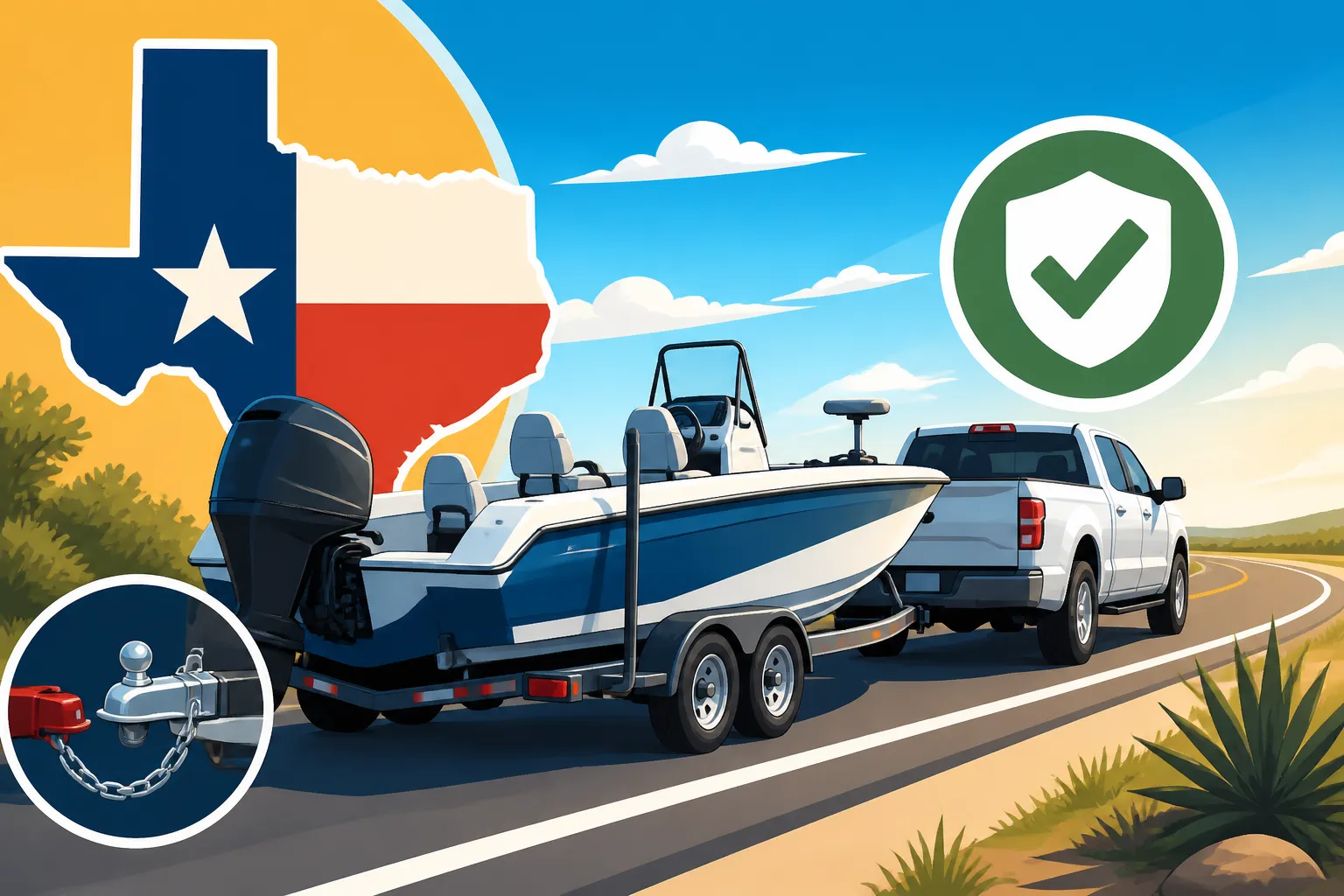
How to trailer a boat safely on Texas highways
There's nothing quite like the excitement of hitting the road, boat in tow, on your way to a fantastic fishing spot somewhere in our great state of Texas. But that excitement can turn into a real headache – or worse, a dangerous situation – if you're not properly prepared for trailering. Whether you're hauling your bass boat to Lake Fork or your bay boat to Galveston, navigating those long stretches of I-10 or the bustling loops of Dallas and Houston requires specific knowledge and diligent practice. This guide is all about helping you understand the ins and outs of safely trailering your boat on Texas highways, making sure your journey is as smooth as your cast.
Pre-Trip Essentials: Don't Leave Home Without These Checks
Before you even think about backing out of your driveway, a thorough pre-trip inspection of your boat and trailer is absolutely non-negotiable. Skipping these crucial steps is an open invitation for trouble, and frankly, a breakdown on the side of a busy Texas highway is the last thing any angler needs. This isn't just about avoiding a ticket; it's about your safety, the safety of other drivers, and protecting your valuable investment.
Tires, Bearings, and Brakes: Your Rolling Foundation
Think of your trailer's tires, bearings, and brakes as the unsung heroes carrying all that weight down the road. They take a beating, especially in the Texas heat, and often get overlooked until it's too late.
First, let's talk about tires. These are probably the most common culprit in roadside trailer breakdowns. You need to check the tire pressure on all tires – yes, even the spare! Don't just eyeball them; use a reliable tire pressure gauge. The proper PSI (pounds per square inch) is usually listed on the side of the tire itself or on a sticker on your trailer. Overinflated tires can lead to uneven wear and a harsher ride, while underinflated tires build up excessive heat, which is a recipe for a blowout, especially when the asphalt is cooking at 100 degrees. Look for any signs of wear, cracks, bulges, or embedded objects. A small nail today could be a flat tire tomorrow. If you're noticing significant wear, it might be time to invest in new rubber. You can often find a good selection of trailer tires at places like Bass Pro Shops or online retailers such as Amazon. Ensuring you have the correct Best trailer tires for a Texas bass boat for your specific trailer type is crucial for safety and longevity.
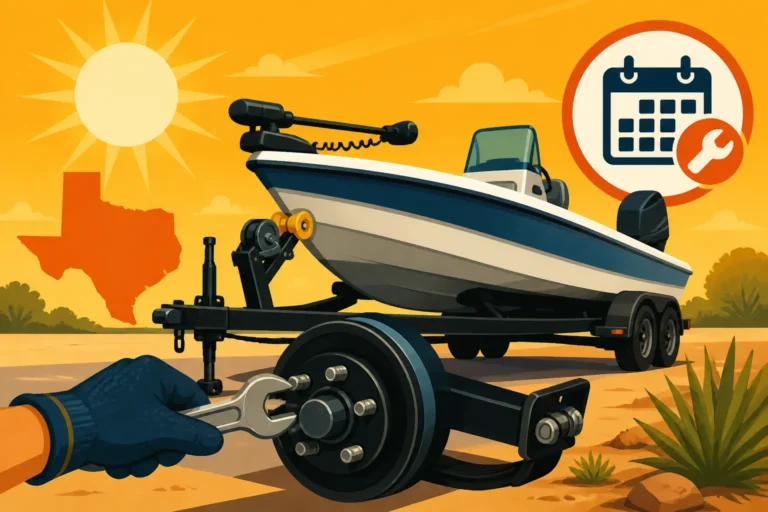
Next up are the wheel bearings. These little guys allow your wheels to spin freely, but they require proper lubrication. Over time, especially with frequent dunking in freshwater or saltwater, water can get into the bearings, washing out the grease and causing corrosion. If you hear any grinding, humming, or feel excessive heat coming from the wheel hubs after a short drive, that's a red flag. Before a long trip, it's a good idea to physically touch each hub (carefully, they can be hot) to check for unusual warmth compared to the others. For preventative maintenance, consider having them serviced annually, or more often if you launch frequently in saltwater.
Finally, for trailers equipped with them, brakes are vital. Most larger boat trailers will have surge brakes or electric brakes. Before each trip, do a quick visual check. Are the brake fluid levels adequate? Is there any noticeable rust or corrosion on the calipers or brake lines? Test the brakes gently in a safe area, like a quiet street, to ensure they engage smoothly and evenly. If you feel any pulsing, hear grinding, or notice the trailer pulling to one side, get them inspected by a professional immediately. A properly functioning brake system is paramount, especially when you need to make an emergency stop on a busy highway.
Lights, Connections, and Cargo: Staying Visible and Secure
Once your wheels are good to go, it's time to ensure your trailer is properly connected, visible, and that your boat isn't going anywhere.
The lighting system is your communication with other drivers. Before every single trip, do a full light check. Hook up your trailer to your tow vehicle and test everything: running lights, brake lights, turn signals, and any hazard lights. Have a friend stand behind the trailer while you run through the sequence. Make sure all lenses are clean and free of cracks, and that all bulbs are working. Faulty lights not only make you less visible, especially at night or in bad weather, but they can also lead to a traffic stop. Corroded connections are a common culprit for light issues, so keep an eye on your wiring harness and plugs.
The coupler and safety chains are your primary connection to your tow vehicle. Ensure the coupler is securely latched onto the hitch ball and that the locking mechanism is engaged. Give it a good tug to confirm it's seated. Then, cross your safety chains under the coupler and attach them to your tow vehicle's frame. This crisscross method helps cradle the tongue of the trailer in case the coupler detaches, preventing it from digging into the pavement. Also, check the condition of your breakaway cable (if your trailer has electric brakes); this cable should be attached to your tow vehicle's frame, designed to activate the trailer brakes if the trailer becomes completely unhitched.
Lastly, and this is where many people get complacent: securing your boat. Your boat must be firmly strapped down to the trailer, not just resting on it. Use proper transom straps at the stern (rear) and a bow strap or winch strap at the bow (front). These straps prevent the boat from shifting, bouncing, or even launching off the trailer during sudden stops, bumps, or accidents. Check the condition of your straps for fraying or wear. It's also smart to check that all your gear inside the boat is secured. Rods, tackle boxes, coolers, and life jackets can become projectiles if not properly stowed. Imagine your favorite bass rods flying out of the boat at 70 mph! A good quality boat cover can also help protect your boat and keep gear secure. Remember that proper Texas Boat Registration Requirements also mean your trailer lights are functional and your vessel is securely transported.
Navigating Texas Highways: Driving Smart with a Trailer
Now that your rig is prepped and ready, it's time to hit the road. But driving with a boat trailer isn't the same as driving your car solo. It requires a different mindset, adjusted techniques, and a lot more awareness of your surroundings. Texas highways are vast, often fast, and can be unforgiving.
Understanding Your Rig's Behavior: Longer, Wider, Heavier
The fundamental truth of trailering is that you are now operating a much longer, wider, and heavier vehicle combination. This changes everything from your turning radius to your acceleration and braking.
Increased Length and Width: Your rig is significantly longer, which means you need to account for the trailer's swing when making turns, especially tight ones. Always take turns wider than you normally would in your tow vehicle alone. When changing lanes, remember that your trailer needs space too. Those small side mirrors in your truck might be fine for daily driving, but they don't give you the full picture of your trailer. Consider investing in extension mirrors or using your side mirrors and rear-view mirror in conjunction with your judgment. Best backup camera for boat trailering can be a game-changer for visibility, especially in tight spots or when backing up.
Increased Weight and Momentum: All that added weight means your tow vehicle will accelerate slower and, critically, take much longer to stop. This is perhaps the most important safety consideration. You need to drastically increase your following distance from the vehicle in front of you. Think of it as leaving enough room for two or three car lengths for every 10 mph you're traveling, and then add even more for a heavy boat trailer. This extra space gives you precious seconds to react to sudden stops or traffic slowdowns. Driving with a trailer means driving defensively, anticipating potential hazards well in advance. Remember, when you're loaded down, the momentum is significant, and you don't want to find yourself in a situation where you can't stop in time.
Dealing with Traffic and Road Conditions: Defensive Driving is Key
Texas highways are notorious for their speed limits and often crowded conditions, especially around major metropolitan areas like Houston, Dallas, and Austin. Navigating these areas with a boat trailer demands your full attention.
Maintain a Safe Speed: While the speed limit might be 75 mph or even 80 mph in some parts of Texas, that doesn't mean it's safe to travel that fast with a heavy boat trailer. Most trailer tires are rated for lower speeds, typically around 65-70 mph. Pushing them faster, especially in hot weather, dramatically increases the risk of a blowout. Find a comfortable, safe speed that allows you to maintain control and react to traffic. It's better to arrive a little later than not at all. You'll likely be traveling in the right-hand lane, which is generally where you should be with a trailer anyway.
Lane Changes and Passing: These maneuvers require patience and planning. Signal early, check all your mirrors thoroughly (including those blind spots!), and make sure you have ample room before changing lanes. Don't cut anyone off, and be aware that other drivers might not anticipate your increased length. When passing, ensure you have plenty of clear road ahead, and remember it will take your rig longer to accelerate and get past another vehicle. Once you pass, allow plenty of space before signaling and moving back into the right lane.
Braking and Downhill Descents: On long downhill stretches, particularly common in parts of the Texas Hill Country, rely on your tow vehicle's engine braking (downshifting) rather than riding your brakes. Constant braking can overheat both your tow vehicle's brakes and your trailer's brakes, leading to brake fade and a dangerous loss of stopping power. Downshifting helps control your speed and saves your brakes for when you really need them.
Long-Term Care and Emergency Preparedness: Beyond the Road Trip
Safe trailering isn't just about the moments before and during your trip; it's also about consistent maintenance and being ready for the unexpected. A well-maintained trailer is a reliable trailer, and having an emergency plan can turn a crisis into a minor inconvenience.
Routine Maintenance: Keeping Your Trailer Ready
Just like your boat and tow vehicle, your trailer needs regular attention to stay in top shape. Neglecting it is asking for trouble down the line.
Post-Trip Rinse and Inspection: After every trip, especially if you've been in saltwater, thoroughly rinse your trailer with fresh water. Pay special attention to the hubs, springs, brakes, and any electrical connections. Saltwater is incredibly corrosive and will rapidly degrade components. While you're rinsing, take a few minutes to visually inspect everything again. Look for loose bolts, frayed wires, bent components, or new signs of wear. Early detection of a small issue can prevent it from becoming a major repair.
Bearing and Axle Care: As mentioned earlier, bearings are critical. If your trailer has bearing buddies or similar greaseable hubs, make sure you're keeping them properly greased according to the manufacturer's recommendations. Even if you have sealed bearings, an annual check or replacement by a qualified mechanic is a smart move. Axle alignment is another often-overlooked aspect. If your tires are wearing unevenly despite proper inflation, it could be an alignment issue, which can also affect handling. Proper maintenance will greatly extend the life of your Texas Boat Trailer Registration Rules. Understanding How often to service a boat trailer in Texas heat is vital for long-term care and safety.
Wiring and Electrical System: Inspect your trailer's wiring regularly. Look for cracked insulation, exposed wires, or loose connections. Critters sometimes like to chew on wires when a trailer is stored, so be vigilant. Use dielectric grease on electrical connections to help prevent corrosion, especially in humid Texas conditions. A faulty electrical system can lead to frustrating and dangerous light failures.
Your Roadside Emergency Kit: Hope for the Best, Prepare for the Worst
No matter how meticulous you are with your pre-trip checks and maintenance, things can still happen. Being prepared with a comprehensive roadside emergency kit can be the difference between a quick fix and being stranded for hours.
Here's what your kit should include:
- Spare Tire and Jack: Absolutely essential! Make sure your spare is properly inflated and that you have the right tools (lug wrench, jack, wheel chocks) to change it. Practice changing it once or twice in your driveway so you're not trying to figure it out on a busy shoulder.
- Basic Tool Kit: Wrenches, pliers, screwdrivers, a hammer, zip ties, and electrical tape can help with minor repairs or securing loose items.
- Emergency Lights and Signaling: Flares, reflective triangles, and a bright flashlight are crucial for making yourself visible to other drivers, especially at night or in low visibility.
- First Aid Kit: For minor cuts, scrapes, or other injuries.
- Jump Starter/Cables: Not directly for the trailer, but for your tow vehicle in case of a dead battery.
- Water and Snacks: If you're stuck for a while, staying hydrated is important, especially in the Texas heat.
- Fire Extinguisher: A small, ABC-rated extinguisher can be invaluable for electrical fires or other small blazes. This is often a Texas Boat Safety Equipment Requirements for the boat itself, but it's smart to have one accessible for the trailer and tow vehicle too.
By having these items on hand, you're empowering yourself to handle many common roadside issues, reducing stress and getting you back on the road faster.
| Component | Pre-Trip Check Items | Frequency | Notes |
|---|---|---|---|
| Tires | Pressure (incl. spare), tread wear, cracks, bulges | Every Trip | Consult tire sidewall for recommended PSI. |
| Wheel Bearings | Heat from hubs, unusual noises, signs of grease leakage | Every Trip / Monthly | Service annually or as needed, especially after submersion. |
| Brakes (if equip.) | Fluid level, corrosion, functionality | Every Trip / Monthly | Test gently in a safe area for smooth, even engagement. |
| Coupler | Securely latched, pin engaged, no excessive play | Every Trip | Give a strong tug to confirm connection. |
| Safety Chains | Crossed, securely attached, no fraying/damage | Every Trip | Ensure breakaway cable is also connected if applicable. |
| Lights | Running, brake, turn, hazards, wiring harness condition | Every Trip | Clean lenses, check for corrosion on plugs. |
| Boat Securing | Transom straps, bow strap/winch strap tight | Every Trip | Check all gear inside the boat is stowed securely. |
| Axle/Suspension | Bent components, loose U-bolts, excessive rust | Monthly / Seasonally | Address any visible damage promptly. |
| Winch & Cable | Functionality, cable condition, hook integrity | Monthly / Seasonally | Ensure smooth operation and no fraying. |
| Trailer Frame | Cracks, excessive rust, loose bolts | Seasonally | Pay close attention to welds and structural areas. |
Texas Specifics: Heat, Wind, and Wide-Open Roads
Texas is a big state with diverse climates and road conditions. What works for trailering in, say, Minnesota in the spring might not cut it on a Texas highway in August. Understanding these local nuances is key to safe travels.
Battling the Texas Summer Heat: A Tire's Worst Enemy
There's no sugarcoating it: Texas summers are brutally hot. The combination of scorching ambient temperatures, high asphalt temperatures, and extended highway speeds creates a perfect storm for trailer tire failure.
Heat Buildup: Tires generate heat through friction with the road. The hotter the air and pavement, the less efficiently that heat dissipates. If your tires are underinflated, old, or overloaded, they'll build up heat even faster, leading to tread separation or a catastrophic blowout. This is why checking tire pressure before you leave, when the tires are cold, is so critical. During long drives, it's not a bad idea to pull over periodically at a rest stop or gas station to visually inspect your tires and gently feel their temperature (again, carefully!). If one feels significantly hotter than the others, it could indicate an issue.
Tire Age: Rubber degrades over time, regardless of how many miles are on it. Sunlight, heat, and ozone all contribute to dry rot and cracking. Trailer tires generally have a shorter lifespan than car tires because they often sit for long periods and then get subjected to heavy loads and high speeds. Even if they look good, tires older than 5-7 years should be considered for replacement. You can often find the manufacturing date stamped on the sidew of the tire.
Wind and Weather: Staying Straight on the Straightaways
Texas is also known for its wide-open spaces and, consequently, its strong winds. From sudden crosswinds to the persistent gusts that can affect you for miles, wind is a significant factor when trailering.
Crosswinds: When driving across open plains, especially in West Texas or coastal areas, sudden crosswinds can push your trailer (and your tow vehicle!) around significantly. This can be startling and, if you're not prepared, can lead to overcorrection. Keep both hands firmly on the wheel and be ready to make small, steady corrections to maintain your lane position. Avoid quick, jerky movements.
Passing Big Rigs: The air turbulence created by large 18-wheelers passing you, or you passing them, can also create a similar "push-pull" effect. Anticipate this and maintain a firm grip on the steering wheel. If a big truck is passing you, hold your line steady. If you're passing one, be mindful of the sudden change in air pressure as you clear the front of their vehicle. This is another reason to ensure your Best hitch setup for towing a boat in Texas is robust and correctly installed.
Sudden Storms: Texas weather can change on a dime. Sunny skies can quickly turn into torrential downpours, severe thunderstorms, or even hail. When trailering, heavy rain dramatically reduces visibility and makes roads slicker. Reduce your speed significantly, increase your following distance even further, and use your hazard lights if visibility is very low. If weather conditions become too severe, the safest option is always to pull off the highway in a safe location until the worst of the storm passes.
By understanding and preparing for these Texas-specific challenges, you can greatly enhance your safety and peace of mind when trailering your boat across our beautiful, vast state.
Disclaimer
This article is for general informational purposes only and does not constitute professional advice. Laws, prices and regulations vary by location and change over time. Consult a qualified professional for guidance on your specific situation.