Texas Saltwater Bag Limits by Species
Navigating the ever-changing landscape of Texas saltwater fishing regulations can feel like trying to land a trophy redfish in a hurricane – confusing, challenging, and sometimes, frankly, frustrating. You've spent countless hours planning your trip, perfecting your casting, and dreaming of that perfect catch, only to wonder if you're even allowed to keep it. This comprehensive guide is here to clear the waters, detailing the specific bag and length limits for the most popular saltwater species you're likely to encounter along the Texas coast, ensuring you stay compliant and confident on your next angling adventure.
Understanding Texas Saltwater Bag and Length Limits
Before we dive into the specifics of each species, it's really important to grasp the core concepts of bag and length limits in Texas saltwater fishing. These aren't just arbitrary rules; they're scientifically determined measures put in place by the Texas Parks and Wildlife Department (TPWD) to ensure the health and sustainability of our precious marine ecosystems. Without these regulations, we’d quickly deplete fish stocks, leaving future generations with nothing but stories of what once was. It's a balance between allowing anglers to enjoy their sport and protecting the future of that sport.
Imagine the chaos if everyone could keep every fish they caught, regardless of size or number. Our bays and Gulf waters would be stripped bare in no time. That’s why these limits are so crucial. They help ensure that enough fish reach maturity to spawn, replenishing the population, and that there are still plenty of fish for everyone to enjoy catching. It's about responsible stewardship, and as anglers, we all play a part in that. Always remember that these regulations are subject to change, so a quick check of the official TPWD outdoor annual before each season is always a smart move.
The Difference Between Daily Bag and Possession Limits
Many new anglers, and even some seasoned ones, get tripped up by the distinction between daily bag limits and possession limits. It sounds like legal jargon, but it’s actually quite simple once you understand it, and it's vital for staying out of trouble with game wardens. The daily bag limit refers to the maximum number of fish of a specific species that an individual angler can keep in a single day. This limit applies from midnight to midnight. So, if the daily bag limit for speckled trout is five, you can only keep five trout in a 24-hour period.
Now, the possession limit is usually twice the daily bag limit. This refers to the maximum number of fish you can have in your possession at any given time, whether they are fresh, frozen, filleted, or otherwise processed. The idea behind this is to allow anglers to take multi-day trips and keep their catch without being penalized. For example, if you're on a two-day fishing trip out of Port Aransas and the daily bag limit for redfish is three, you could theoretically have six redfish in your cooler (three from day one, three from day two), as long as you haven't exceeded the daily limit on either day. This is particularly important for those of us who travel a bit to get to the coast and might not head straight home after a day's fishing. If you're filleting your catch, make sure to leave a patch of skin on the fillet for identification purposes, or be prepared to count your fish carefully.
How Slot Limits Work for Conservation
Slot limits are a really clever conservation tool, and you'll encounter them frequently for popular species like redfish and speckled trout. Instead of just a minimum length, a slot limit specifies both a minimum and a maximum length, meaning you can only keep fish that fall within that designated "slot." Fish that are too small are often juveniles that need more time to grow and reproduce, while fish that are too large are typically the mature, proven breeders, often referred to as "broodstock."
By protecting both the smallest and the largest fish, slot limits encourage the release of those fish most crucial to the species' reproductive success. The idea is to allow those big, healthy, egg-producing females to stay in the water and continue spawning, thereby contributing immensely to the future population. For instance, if a redfish has a 20-28 inch slot limit, you're encouraged to release that feisty 18-inch youngster and that massive 35-inch bull red. It’s a win-win: the fish population thrives, and we get to keep a healthy, table-sized fish that’s delicious to eat. This strategy has proven highly effective in maintaining robust fish populations in many Texas bays.
Specific Saltwater Bag and Length Limits for Popular Species
Alright, let’s get down to the nitty-gritty of the species you're most likely targeting. These are the fish that get our hearts pumping and our lines screaming, and knowing their limits is part of being a responsible angler. While these regulations are generally stable, remember they can be updated, so it's always wise to check the official TPWD Outdoor Annual. You can often find compact, waterproof versions of these guides, similar to what you might find on Amazon, which are perfect for keeping in your tackle box or boat console.
Redfish Scenarios and Regulations
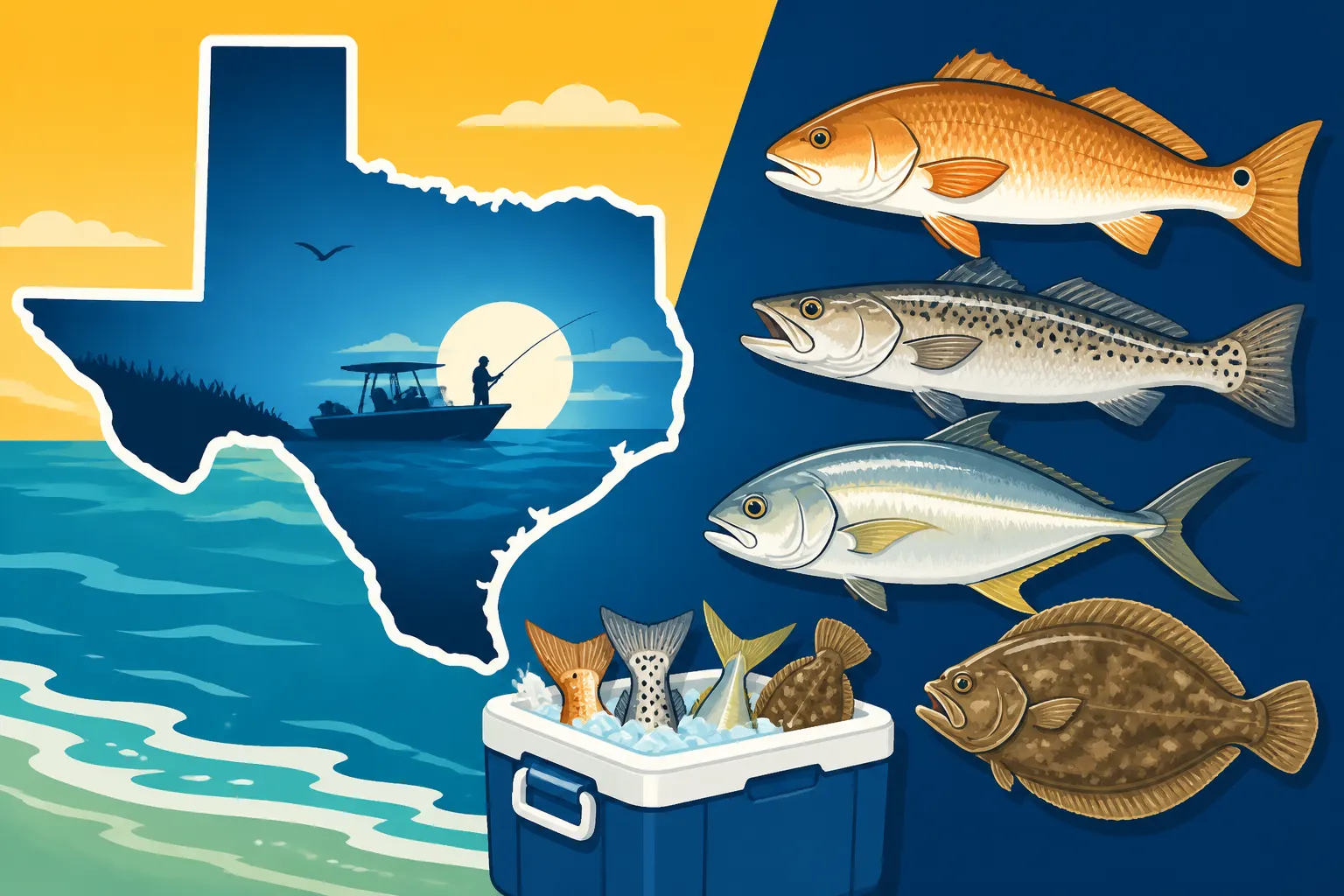
The red drum, or redfish, is arguably one of the most iconic saltwater fish in Texas. Known for their powerful runs and their distinctive tail spot, they're a favorite target for wade anglers, kayak enthusiasts, and boat fishermen alike. The current statewide regulation for redfish is a daily bag limit of three fish, with a slot limit of 20 to 28 inches. This means any redfish you keep must measure at least 20 inches but no more than 28 inches in total length.
Let's run through a few scenarios: You're fishing in Galveston Bay and hook into a beautiful 24-inch redfish. This one falls perfectly within the slot, so it's a keeper! You carefully measure it, maybe with a handy measuring board, and add it to your cooler. Later, you catch an absolute monster, a 30-inch bull red. While it's exciting to catch such a large fish, it's outside the slot limit, so you must carefully release it. This allows that big breeder to continue contributing to the population. And what about that little 18-inch pup that hammered your lure? That's a definite release, giving it time to grow into a legal keeper. The only exception to the slot limit for redfish is a special Red Drum Tag, which comes with certain licenses and allows one oversized redfish (over 28 inches) per license year, but even then, there are rules to follow. You can read more about Texas Redfish Size and Bag Limits to understand this further.
Speckled Trout Regulations Explained
Speckled trout, or "specs," are another Texas coast staple, prized for their delicious taste and exciting topwater bites. The regulations for speckled trout can sometimes feel a bit more complex due to variations in different bay systems, but the statewide limit is a good place to start. Generally, the statewide daily bag limit for speckled trout is five fish, with a minimum length of 15 inches and a maximum length of 25 inches. However, there's a unique wrinkle: only one fish over 25 inches may be retained as part of the five-fish daily bag limit.
So, let's break that down. You're out in Matagorda Bay, and you catch four trout between 16 and 22 inches. These are all perfectly legal. Then, you hook into a truly magnificent 27-inch gator trout! Since you haven't kept any other oversized trout today, you can keep this one, making it your fifth fish. Now, if you catch another 26-inch trout, you would have to release it because you’ve already retained your one oversized fish for the day. If you had only caught three smaller trout and then two oversized ones (say, 26 and 27 inches), you could only keep one of the oversized ones, plus your three smaller ones for a total of four, since you can't keep more than one over 25 inches. This system ensures plenty of trophy-sized trout are released to keep those genes strong in the population. Checking the specific Texas Speckled Trout Bag Limits for the bay system you're fishing is crucial, as some areas may have different rules, especially after conservation efforts.
Flounder Season and Limits
Southern flounder are unique, flat-bodied fish that provide a different kind of challenge and a fantastic meal. However, their populations have faced challenges, leading to very specific and sometimes quite restrictive regulations. Historically, the flounder season has seen changes, particularly concerning the month of November, which is a critical spawning migration period for these fish. Always, always check the current year’s regulations for flounder before heading out, especially in the fall. You can delve into the details of the specific Texas Flounder Season and Limits on the TPWD website.
Currently, the daily bag limit for southern flounder is two fish per person, with a minimum length of 15 inches. This applies from December 15 through November 9. However, during the period of November 10 through December 14, the daily bag limit drops to a single flounder per person, and fishing for flounder is restricted to pole-and-line only. This means activities like gigging are prohibited during this specific window. This strict regulation during the fall migration is a direct effort to protect the species when they are most vulnerable, traveling offshore to spawn. It's tough when you really want to gig some flounder in November, but these rules are in place for a vital reason, and respecting them helps ensure future flounder runs.
Other Important Saltwater Species Regulations
While redfish, speckled trout, and flounder often steal the spotlight, the Texas coast is home to a rich diversity of other game fish that deserve our attention – and their own specific regulations. Knowing these limits is just as important, whether you're targeting them specifically or they show up as a surprise on your line. Keeping a small, laminated copy of the current regulations in your boat or tackle bag, perhaps one secured from a boating supply store or Amazon, can be a real lifesaver when an unexpected catch bites.
Black Drum and Sheepshead Limits
Black drum and sheepshead are often found in similar habitats, especially around structure like jetties, piers, and oyster reefs. Both are excellent eating fish and provide a good fight. For black drum, the daily bag limit is five fish per person, with a slot limit of 14 to 30 inches. Similar to redfish, you are allowed to keep one oversized black drum (over 30 inches) as part of your five-fish bag limit, but only if you possess a special Black Drum Tag, which is an additional purchase with your fishing license. This rule mirrors the redfish tag system, allowing anglers to keep a truly memorable large fish while still protecting the overall breeding stock.
Sheepshead, with their distinctive human-like teeth, are notorious bait stealers but offer a fun challenge. The daily bag limit for sheepshead is eight fish per person, with a minimum length of 15 inches. There is no maximum length or slot limit for sheepshead, which is a bit simpler than some of the other species. So, if you're hitting the jetties at Port O'Connor, you can confidently keep up to eight sheepshead as long as they all measure at least 15 inches. These straightforward rules make them a popular target, especially for anglers seeking a productive day of pier or jetty fishing.
Shark Regulations in Texas Waters
Fishing for sharks in Texas waters can be an incredibly thrilling experience, but it comes with some of the most complex and frequently updated regulations. Due to the vulnerable nature of many shark species and conservation efforts, shark fishing rules are often stringent and require careful attention. Many species are prohibited from harvest, and those that can be kept often have specific size, bag, and even seasonal limits.
For recreationally caught sharks, specific federal and state regulations often apply, depending on where you are fishing (state waters vs. federal waters). It's not uncommon to find that different species, like the Atlantic Sharpnose, Blacktip, Bonnethead, or Bull Shark, have varying minimum lengths and bag limits. For example, many common species might have a one-shark daily bag limit with a specific minimum length, while others are catch-and-release only. It’s absolutely critical to be able to identify the shark species you've caught before you decide whether to keep it or release it. Carrying a detailed shark identification guide is highly recommended, and even then, when in doubt, it’s always best to practice catch-and-release. The penalties for keeping a protected species can be significant.
Tarpon and Other Special Cases
Tarpon, often called the "Silver King," are magnificent, acrobatic fish that draw anglers from all over the world to the Texas coast. While incredibly exciting to catch, tarpon are almost exclusively a catch-and-release species in Texas. The regulations reflect their protected status and their value as a sport fish. Currently, the daily bag and possession limit for tarpon is zero. This means that if you are fortunate enough to hook into one of these incredible fish, you must release it unharmed. This conservation measure ensures that these majestic creatures continue to grace our waters for generations to come.
Beyond tarpon, there are other species like cobia (ling) and tripletail that have specific, though perhaps less complex, regulations. Cobia typically have a one-fish daily bag limit with a minimum length of 37 inches. Tripletail usually have a three-fish daily bag limit with a minimum length of 17 inches. It’s important to familiarize yourself with these less common but equally thrilling species, as encountering them can be a highlight of any Texas saltwater trip. Always be prepared to quickly measure and identify your catch to ensure compliance. You can learn more about general Texas Saltwater Fishing Regulations for a broader overview.
Practical Tips for Staying Compliant
Nobody wants a run-in with a game warden, especially when you're just trying to enjoy a relaxing day on the water. Staying compliant with Texas saltwater bag and length limits is not just about avoiding fines; it's about being a responsible angler who contributes to the health of our fisheries. It might seem like a lot to remember, but with a few simple habits, it becomes second nature.
Essential Gear for Measuring Your Catch
Having the right tools on hand is half the battle. You absolutely need a reliable, easy-to-read measuring device. A good quality measuring board or tape measure is indispensable. For most saltwater species, you'll be measuring "total length," which means from the tip of the longest jaw to the end of the longest lobe of the tail, with the fish laid flat on its side. Trying to eyeball it or use a bent-up tape measure from your garage is a recipe for disaster.
Many anglers opt for a dedicated measuring board that can be permanently mounted to their boat or kayak, or a portable, roll-up version that tucks away easily. These often have clear markings and are built to withstand the harsh saltwater environment. You can find excellent options on Amazon, often made from durable materials like plastic or aluminum, designed specifically for fishing. Also, consider having a good pair of pliers or a dehooking tool. These aren't for measuring, but they are crucial for safely releasing undersized or oversized fish, minimizing stress and injury, which is part of responsible angling.
Knowing Your Fishing Location and Applicable Rules
Texas is a big state, and while many saltwater regulations are statewide, there can be specific localized rules that apply to certain bay systems, passes, or even federal waters that extend beyond the state's jurisdiction. For instance, specific closures or different limits might be implemented for certain bays if a particular species is struggling there. This is especially true after significant environmental events, like freezes or hurricanes, which can impact fish populations.
Always double-check the current TPWD Outdoor Annual for the specific area you plan to fish. Don't rely solely on what you remember from last year or what your buddy told you. Regulations can and do change. The TPWD website and their mobile app are fantastic resources for up-to-the-minute information. Taking a few minutes to confirm the rules before you launch your boat or hit the pier can save you a lot of headache and potential penalties later on. Understanding the nuances, like those covered in Texas Saltwater Endorsement Explained, can make a big difference.
Handling Multiple Anglers and Commingled Catches
This is where things can get a little tricky, especially if you're fishing with a group of friends or family on a boat. Each individual angler is subject to the daily bag limit. However, the catch on the vessel must be easily assignable to each individual, or the game warden might consider the entire catch as one collective haul, and everyone could be cited for over-possession if the total exceeds what one person is allowed.
The best practice is to keep each angler's fish separate. Use individual stringers, clearly marked coolers, or separate compartments in a large cooler. For example, if you have three anglers on a boat, and the redfish limit is three per person, you could theoretically have nine redfish on board. But if all nine are in one cooler, and they aren't distinguishable by angler, a game warden could potentially argue that one person caught all nine, leading to a violation. It’s also important that if someone leaves the boat, their fish go with them, or they are officially distributed among the remaining anglers without exceeding their individual limits. Transparency and organization are key here.
Summary Table of Common Texas Saltwater Fish Limits
To help you keep track of the most frequently targeted saltwater species, here's a handy table summarizing their current daily bag and length limits. Remember, these are general guidelines, and it's always best to verify with the current TPWD Outdoor Annual before your trip.
| Species | Daily Bag Limit | Minimum Length (inches) | Maximum Length (inches) | Special Notes |
|---|---|---|---|---|
| Red Drum (Redfish) | 3 | 20 | 28 | One oversized redfish (over 28") allowed with special Red Drum Tag as part of annual license. |
| Speckled Trout | 5 | 15 | 25 | Only one fish over 25" may be retained as part of the five-fish daily bag. Local variations may apply. |
| Southern Flounder | 2 (Nov 10-Dec 14: 1) | 15 | None | Nov 10 – Dec 14: one fish, pole-and-line only. Other periods: two fish, pole-and-line or gigging. |
| Black Drum | 5 | 14 | 30 | One oversized black drum (over 30") allowed with special Black Drum Tag as part of annual license. |
| Sheepshead | 8 | 15 | None | No maximum length limit. |
| Cobia (Ling) | 1 | 37 | None | |
| Tripletail | 3 | 17 | None | |
| Tarpon | 0 | N/A | N/A | Catch-and-release only. |
| Sharks | Varies | Varies | Varies | Highly variable by species. Many are prohibited. Strict identification and federal rules often apply. |
This table serves as a quick reference, but nothing beats consulting the official TPWD resources for the most current and detailed information.
The Importance of Ethical Angling and Conservation
Beyond simply following the rules, truly enjoying Texas fishing means embracing ethical angling practices. It’s about more than just numbers on a stringer; it’s about respecting the fish, the habitat, and your fellow anglers. This commitment to conservation is what ensures that the incredible opportunities we have to fish in Texas will be there for our kids and grandkids. It’s about paying it forward.
Catch and Release Best Practices
Even when you're targeting keeper fish, you'll inevitably encounter undersized, oversized, or non-target species. Knowing how to properly release fish is a critical skill. Minimize the time the fish is out of the water. Handle them gently with wet hands or a wet towel, avoiding contact with their gills and eyes. If a fish is deeply hooked, especially in the gills or gut, it's often best to cut the line as close to the hook as possible rather than trying to rip the hook out, which can cause more damage. Circle hooks, which you can easily purchase from fishing retailers or online through Amazon, are fantastic for reducing gut hooking, especially when fishing with natural baits.
When releasing, support the fish horizontally, allowing it to reorient itself and swim away under its own power. For larger fish, like a bull red or gator trout, reviving them by gently moving them back and forth in the water until they regain their strength is incredibly beneficial. Proper catch and release practices drastically increase a fish's survival rate, meaning those fish live to fight another day and, more importantly, to reproduce.
Reporting Violations and Supporting Conservation
Sometimes, despite our best efforts, we witness others who aren't as diligent in following the rules. It can be frustrating and disheartening to see someone keeping undersized fish or exceeding bag limits. While it's never recommended to confront individuals directly, reporting suspected violations to the Texas Parks and Wildlife Department is a crucial step in protecting our fisheries. You can often do this discreetly through their Operation Game Thief hotline or online. These reports provide vital information to game wardens, allowing them to address illegal activities and protect our natural resources.
Beyond reporting, actively supporting organizations dedicated to marine conservation can make a huge difference. Groups like Coastal Conservation Association (CCA) Texas work tirelessly to advocate for sustainable fisheries, habitat restoration, and responsible management. Your participation, whether through membership, volunteering, or simply spreading awareness, contributes directly to the health and future of Texas saltwater fishing. Remember, we all want to keep catching those amazing fish, and that means doing our part, both on and off the water.
Disclaimer
The information provided in this guide is for general informational purposes only and is subject to change. While we strive to provide accurate and up-to-date information, fishing regulations can be complex and are periodically updated by the Texas Parks and Wildlife Department (TPWD). Always consult the official TPWD Outdoor Annual or website for the most current and precise regulations before engaging in any fishing activities. Compliance with all federal, state, and local fishing laws is the responsibility of each individual angler.