Texas nonresident saltwater fishing license cost
Planning a fishing trip to the beautiful Texas coast from out-of-state can bring a wave of excitement, but also a sprinkle of confusion when it comes to figuring out all the regulations and, let's be honest, the costs involved. It's frustrating to anticipate a relaxing day on the water only to hit a snag with unexpected fees or licensing rules. This guide is here to untangle the specifics of what a nonresident saltwater fishing license will actually set you back in Texas, ensuring you're ready to hit the water without any unwelcome surprises.
Understanding the Basic Nonresident Saltwater License Costs
For those of us who don't call the Lone Star State home but yearn for its incredible coastal fishing, getting your license squared away is step number one. Unlike resident licenses, which offer a broader range of options and often lower price points, nonresident licenses are structured a bit differently, reflecting the fact that you're not contributing to the state's resources year-round through taxes. It's a system designed to help fund the Texas Parks and Wildlife Department's (TPWD) conservation efforts, which benefit everyone who fishes here.
The Standard Annual Nonresident Saltwater Fishing Package
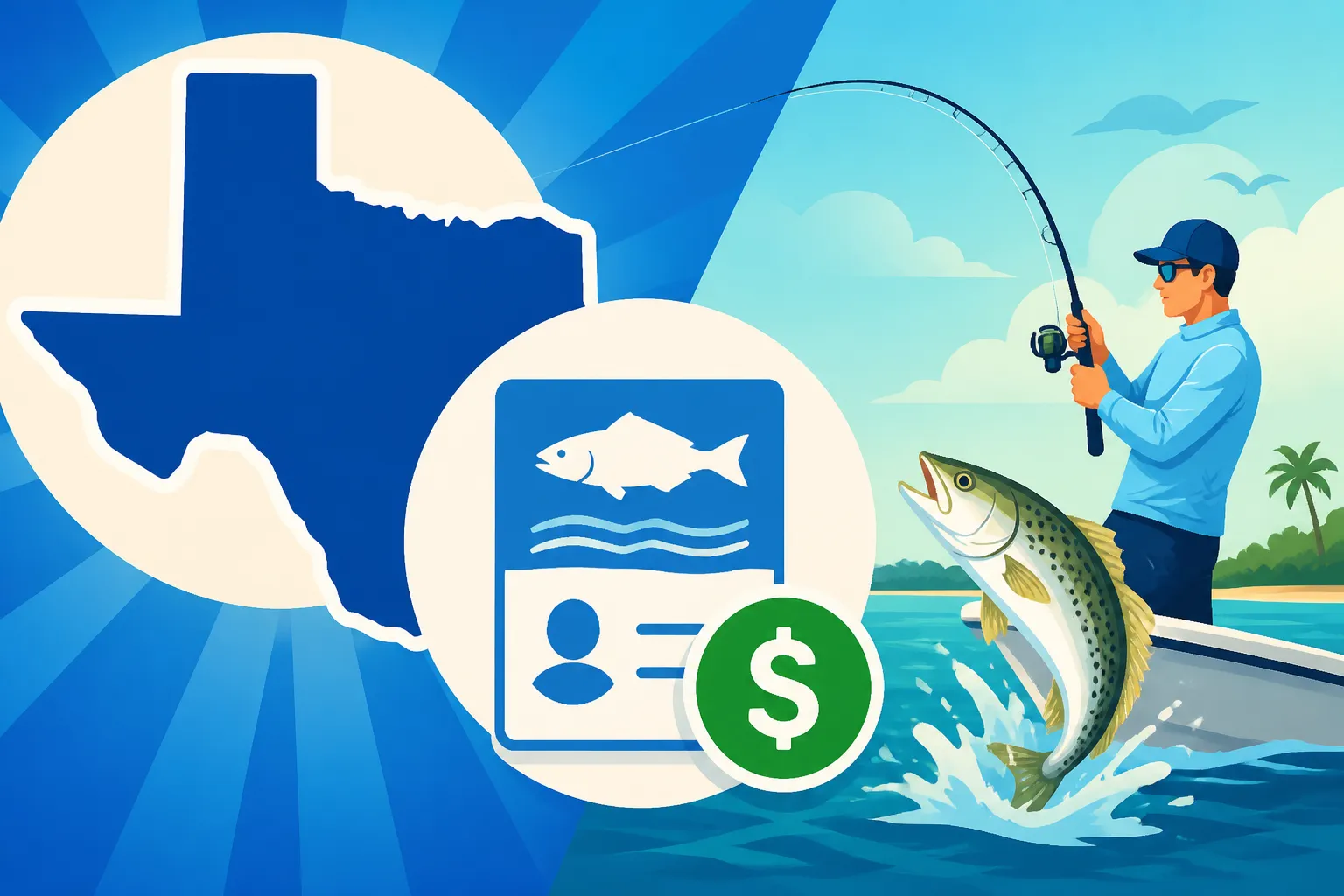
If you're planning an extended stay, or perhaps several fishing trips throughout the year to the Texas coast, the standard annual nonresident saltwater fishing license is likely your best bet. This comprehensive license is specifically designed for out-of-state anglers looking to target species like redfish, speckled trout, and flounder in the state's bays, estuaries, and Gulf waters. The cost for this annual license typically runs in the range of approximately $68, though it's always wise to check the current Texas Parks and Wildlife Department website for the most up-to-date pricing, as fees can be subject to minor adjustments.
It's important to understand that this annual license is valid from September 1st through August 31st each year, regardless of when you purchase it. So, if you buy it in March, it will still expire on August 31st. This calendar year structure is a common point of confusion, especially if you're used to a license that's valid for 12 months from the date of purchase. Factor this into your planning, especially if you're visiting late in the license year; sometimes, waiting a couple of weeks for the new license year to begin can give you more bang for your buck if your trip falls right around the August 31st cutoff.
When you purchase this license, you're buying the privilege to fish legally in Texas saltwater. This includes an inherent "saltwater endorsement" which is a key component for coastal fishing. Understanding this distinction is helpful, especially if you ever consider other license types. For a deeper dive into the overall costs for various anglers, you can check out our comprehensive guide on Texas Fishing License Cost for Residents and Nonresidents.
Short-Term Options for Quick Trips
Not everyone has the luxury of an annual pilgrimage to the Texas Gulf Coast. Many out-of-state anglers visit for a long weekend, a week-long vacation, or even just a single day of fishing. For these shorter excursions, the Texas Parks and Wildlife Department offers a far more flexible and budget-friendly option: the nonresident one-day all-water fishing license. This is a fantastic solution for visitors, as it covers both freshwater and saltwater fishing, removing any ambiguity about where you can cast your line.
The current cost for a nonresident one-day all-water license is usually around $16. This makes it an incredibly appealing choice if you're only going to be fishing for a day or two. Imagine you're visiting Galveston for a weekend and want to try your luck in the bay for some speckled trout on Saturday, and maybe even hit a freshwater pond for bass on Sunday – this single license covers both scenarios. It's truly designed with the casual or short-term visitor in mind, simplifying the process and making Texas fishing accessible for brief trips.
While the per-day cost might seem higher compared to breaking down an annual license, for most short-term visitors, it's significantly more economical than buying an annual license that you'll only use once. For example, if you were to fish for three days, three individual one-day licenses would cost you roughly $48, which is still less than the annual saltwater license. So, if your trip is brief, don't hesitate to opt for the daily permit, which is often detailed further in guides like Texas One-Day Fishing License for Visitors.
Additional Fees and Endorsements that Affect Total Price
While the base price of your chosen nonresident saltwater fishing license is the main factor, there are a couple of additional elements that often contribute to the final amount you'll pay. It's easy to overlook these smaller fees, but knowing about them upfront means no surprises when you get to the checkout.
Understanding the Saltwater Endorsement
For those buying a specific nonresident saltwater license, the "saltwater endorsement" is generally integrated into the price. It's not usually an extra fee you add on top, as the very purpose of that license type is saltwater fishing. However, the concept of a saltwater endorsement is crucial to understand because it can become an add-on for other types of licenses. For instance, if a nonresident were to purchase a general freshwater license (which is a separate category) and then decide they wanted to fish in saltwater, they would need to purchase a separate Texas Saltwater Endorsement Explained to legally do so.
Think of it this way: your nonresident saltwater license already has that "coastal access pass" built in. The Texas Parks and Wildlife Department ensures that all anglers participating in saltwater fishing contribute to the management and conservation of these unique ecosystems. This endorsement fee directly supports the stocking programs, habitat restoration, and enforcement efforts that keep our bays and Gulf teeming with fish. So, while you might not see it as a separate line item on your nonresident saltwater license, know that its value and purpose are included.
Administrative and Online Processing Fees
Almost every fishing license purchased in Texas, whether by a resident or nonresident, comes with a mandatory administrative fee. This fee, typically $5.00, is applied to cover the operational costs associated with issuing licenses, maintaining the licensing system, and supporting broader TPWD initiatives. It's a flat fee that you'll see added to your total, regardless of the license type you choose or where you purchase it. This is not unique to Texas; many states have similar administrative charges.
If you choose the convenience of purchasing your license online through the TPWD website, you might also encounter a small online processing fee. This fee is usually quite minimal, often just a couple of dollars, and covers the transaction costs and digital service provided by the online portal. While it's a minor addition, it's good to be aware of it so that the final charge on your credit card matches your expectation. For more details on these smaller additions, our article on How much is the online fee for a Texas fishing license can provide a comprehensive breakdown. These fees are standard across the board, whether you're buying a simple one-day permit or an annual combination license.
Here’s a quick overview of potential nonresident saltwater fishing license costs:
| License Type | Base Cost (Approx.) | Administrative Fee | Online Processing Fee (Approx.) | Total Cost (Approx.) | Validity Period |
|---|---|---|---|---|---|
| Nonresident Annual Saltwater Fishing | $63.00 | $5.00 | $1.00 – $2.00 | $69.00 – $70.00 | Sept 1st – Aug 31st |
| Nonresident One-Day All-Water Fishing | $10.00 | $5.00 | $1.00 – $2.00 | $16.00 – $17.00 | 24 hours from purchase |
Note: Prices are approximate and subject to change by the Texas Parks and Wildlife Department. Always verify current costs on the official TPWD website before purchase.
Navigating Purchase Options and What to Expect
Once you've decided which nonresident saltwater fishing license is right for your Texas adventure, the next step is actually getting your hands on it. Thankfully, the Texas Parks and Wildlife Department has made this process quite accessible, offering both online and in-person options. Both methods are straightforward, but each has its own unique advantages depending on your preferences and travel plans.
Buying Your License Online for Convenience
For many out-of-state anglers, purchasing their fishing license online is the easiest and most efficient route. You can do this directly through the official Texas Parks and Wildlife Department website. The process is pretty intuitive: you'll navigate to their licensing section, select the appropriate nonresident saltwater license, fill in your personal details, and process payment. Within minutes, you'll have a valid license.
One of the biggest advantages of an online purchase is immediate proof of licensure. After completing your transaction, you'll receive an email confirmation that often includes a temporary license you can print out. Even better, Texas allows anglers to display their license digitally on a smartphone or other mobile device. This means you don't have to worry about losing a physical copy or remembering to print it before you head out to the water. It's incredibly handy when you're traveling and want to minimize the amount of paper you're carrying. For a full breakdown of the digital process, our guide on How to buy a Texas fishing license online can walk you through it step-by-step. This flexibility makes it super convenient for nonresidents who might not be familiar with local retail locations upon arrival.
Local Retailers and Sporting Goods Stores
If you prefer a more traditional approach, or simply enjoy the experience of stopping by a bait shop before hitting the water, you have plenty of in-person options. Fishing licenses can be purchased at numerous locations across Texas, including most sporting goods stores like Academy Sports + Outdoors and Bass Pro Shops, as well as many Walmart stores. You'll also find them available at smaller, independent bait and tackle shops, and even some grocery stores or convenience stores, particularly in coastal towns.
The great thing about buying in person is that the price will be consistent with what you'd find online, including the $5 administrative fee. There are no hidden markups from these vendors. Plus, stopping into a local bait shop can be a fantastic way to gather real-time fishing reports, pick up some fresh bait, and get invaluable advice from seasoned locals about where the fish are biting. Just be sure to bring a valid form of identification, as it's required for license issuance. For a complete list of common places to buy your license in person, check out Can you buy a Texas fishing license at Walmart?. It's a great way to support local businesses while getting all your fishing needs met.
Planning Beyond the License Cost for Your Coastal Adventure
Securing your nonresident saltwater fishing license is undoubtedly a crucial first step, but it's just the beginning of preparing for a successful and enjoyable fishing trip on the Texas coast. There's so much more to consider, from the specialized gear you'll need to the intricate regulations that govern what you can catch and keep. Thinking about these elements beforehand will ensure your adventure is smooth sailing, or rather, smooth fishing!
Essential Gear and Supplies for Saltwater Fishing
Texas saltwater environments, from the shallow flats of the Laguna Madre to the deeper waters of Galveston Bay, demand specific gear. Your trusty freshwater bass rod might not cut it against a powerful redfish or a hard-fighting speckled trout, let alone the corrosive effects of salt spray. Investing in appropriate saltwater rods and reels is paramount; they're built to withstand the elements and provide the necessary power. You'll also need corrosion-resistant tackle, including hooks, swivels, and lures that can stand up to the harsh saltwater.
Many out-of-state anglers find it incredibly convenient to research and purchase their specialized saltwater gear, from sturdy rods and reels to corrosion-resistant tackle, on platforms like Amazon before they even hit Texas soil. It saves time and ensures you have exactly what you need when you arrive, rather than scrambling around local shops at the last minute. Consider items like sturdy fishing pliers, a good pair of polarized sunglasses for spotting fish, and appropriate sun protection clothing. For more in-depth advice on what to bring, explore resources like Best Saltwater Rods for Texas Redfish to get your setup dialed in, ensuring you're ready for anything the Texas coast throws your way.
Understanding Texas Saltwater Regulations and Limits
Once your license is secured and your gear is packed, the next critical step is to thoroughly familiarize yourself with the Texas saltwater fishing regulations. Knowing the cost of your license is important, but understanding the rules regarding bag limits, length limits, and seasonal closures is equally vital to avoid hefty fines and ensure sustainable fishing practices. These regulations are designed to protect fish populations and maintain healthy ecosystems for future generations of anglers.
For instance, species like redfish and speckled trout have specific slot limits – meaning you can only keep fish within a certain size range, with specific daily bag limits. Flounder even have a seasonal closure, usually in November, when they migrate offshore to spawn. It's not enough to just know what you can catch; you need to know what you can legally keep. Ignorance of the law is never an excuse, and game wardens patrol Texas waters diligently. Before your trip, make sure to consult the current TPWD Outdoor Annual or visit their website for the latest rules. Dive deeper into specific rules with our guides on Texas Saltwater Fishing Regulations, Texas Redfish Size and Bag Limits, or even Texas Flounder Season and Limits to ensure you're a responsible and well-informed angler.
Disclaimer
Please note that fishing regulations, license costs, and requirements are subject to change by the Texas Parks and Wildlife Department. While every effort has been made to provide accurate and up-to-date information, it is always the angler's responsibility to verify the most current rules and fees directly with the official TPWD resources before engaging in any fishing activities. This guide is for informational purposes only and should not be considered legal advice.