Can kids under 17 fish without a license in Texas?
It’s a common question, and honestly, a bit of a relief for many parents and guardians: do my kids really need a fishing license to enjoy a day on the water in Texas? The good news is, for the most part, the answer is a resounding "no," which makes getting out there with the little ones a whole lot easier and more affordable. This guide will cut through the confusion and clarify exactly when and why children are exempt from needing a Texas fishing license, helping you plan your next family angling adventure with confidence.
Understanding Texas Fishing License Exemptions for Youth
Navigating fishing regulations can sometimes feel like trying to untangle a particularly stubborn bird's nest of fishing line. But when it comes to getting kids out on the water, Texas Parks and Wildlife Department (TPWD) has made it wonderfully simple, actively encouraging youth participation in the sport we all love.
The Simple Answer: Age-Based Exemptions
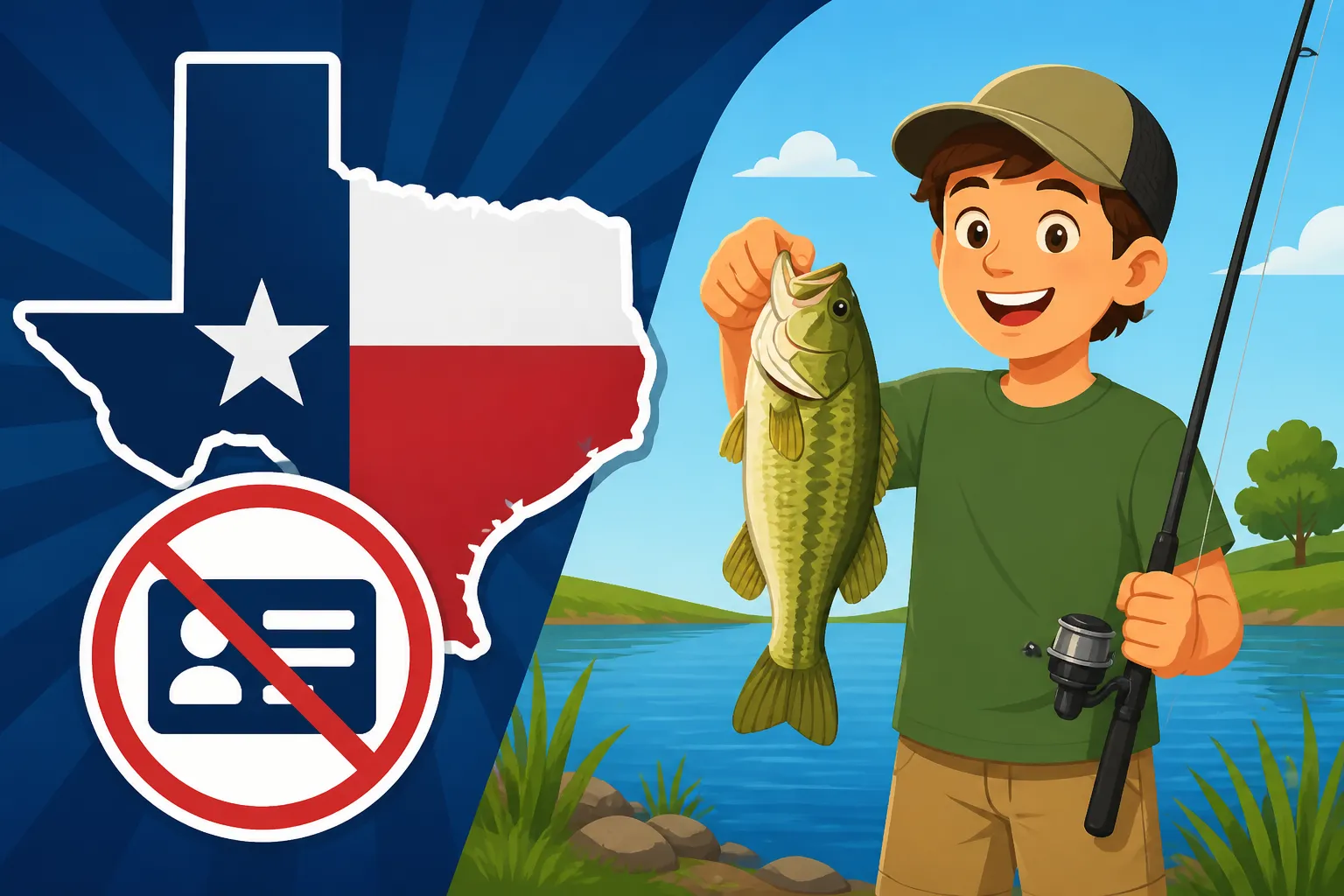
The most straightforward rule is that any child under 17 years of age does not need a fishing license to fish in Texas. This applies across the board, whether they're casting a line in a freshwater lake, a sprawling reservoir, or exploring the rich saltwater opportunities along the Gulf Coast. This exemption is a fantastic initiative aimed at making fishing accessible and enjoyable for younger generations, removing one of the biggest barriers—cost and paperwork—for families looking to introduce their children to the joys of angling. It means your 5-year-old, your 10-year-old, and even your 16-year-old can all legally fish without having to purchase a license.
The rationale behind this rule is beautifully simple: fostering a love for the outdoors and conservation from an early age. By removing the financial and administrative hurdles, TPWD hopes to inspire more families to spend time together fishing, which in turn helps ensure the future of our fisheries. It's an investment in the next generation of anglers and stewards of our natural resources.
What "Under 17" Truly Means
Let's clarify what "under 17" specifically means because this can sometimes trip people up. When the regulations state "under 17," it means that as long as your child has not yet reached their 17th birthday, they are exempt. The day they turn 17, however, the exemption ends, and they will need to purchase a valid Texas fishing license to continue fishing legally.
For instance, a 16-year-old can fish without a license, but on their 17th birthday, they would need to obtain one. It's not a grace period or a "17 and under" rule; it's strictly "under 17." This distinction is important to avoid any misunderstandings or potential issues with game wardens down the line. It's often a good idea to start talking to your child about the upcoming requirement as their 17th birthday approaches, so they're prepared to get their first official license.
Other Exemptions That Might Apply
While the "under 17" rule is the most prominent for youth, it's worth noting that other exemptions exist that could occasionally overlap. For example, Texas has a special Texas Free Fishing Day each year, usually in early June, when everyone can fish without a license in public waters. This is a fantastic opportunity for all ages to enjoy fishing, but it's a specific date, not a year-round exemption.
Another important point: if you're fishing exclusively on private property, such as a stock pond or lake completely enclosed within private land and not connected to public waterways, a license is generally not required for anyone, regardless of age. This applies if you have permission from the landowner, of course. For more details on this, you can look up information on Do you need a license to fish on private property in Texas?. However, the primary and most broadly applicable exemption for kids is simply their age.
What Kids Can Do Without a License
The age exemption for fishing licenses opens up a world of possibilities for young anglers across the diverse waters of Texas. It's not just about saving a few bucks; it's about making fishing an easy, spontaneous activity for families.
Fishing Public Waters
When your child is under 17, they can legally fish in any public freshwater or saltwater in Texas without a license. This means they can cast their line in iconic freshwater spots like Lake Fork, known for its trophy bass, or Sam Rayburn Reservoir, a crappie haven. They can also enjoy the local community ponds that are part of the Texas Neighborhood Fishin' program stocked lakes, which are specifically designed to make fishing accessible in urban areas.
On the saltwater side, the Gulf Coast is their oyster (pun intended!). Kids can fish from the many public piers along Galveston Bay, Matagorda Bay, or Corpus Christi Bay. They can wade fish the shallow flats with you for redfish and speckled trout, or drop a line from a jetty without any license requirements for themselves. This freedom is incredibly empowering, allowing families to explore the vast aquatic landscapes Texas has to offer without having to worry about an extra purchase for each child. Just imagine the memories you can make, exploring new fishing holes and catching their first big one, all thanks to this simple rule.
Participating in Family Fishing Trips
The "under 17" exemption is a massive boon for family fishing trips. It eliminates the need to buy multiple licenses, making a day on the water significantly more affordable and less complicated. Whether you're heading out in your own boat, fishing from the bank at a state park, or even booking a guided trip where your child is simply a participant, they're covered.
This encourages a deeper connection with nature and creates invaluable bonding opportunities. Imagine a trip to a state park where everyone can fish freely. Many state parks, like Inks Lake State Park or Lake Tawakoni State Park, offer fantastic bank fishing access and are often included in lists of Best Texas Lakes for Family Fishing. The focus shifts from paperwork to pointers—teaching them how to cast, identify different species, and appreciate the aquatic environment. It's about building traditions and instilling a love for the outdoors that can last a lifetime.
Exceptions and Special Circumstances
While the age exemption is broad, there are a few niche scenarios to keep in mind, although they rarely apply directly to youth simply fishing. For instance, if a minor were somehow engaged in commercial fishing activities or acting as a paid fishing guide, their role might change the requirements, but for typical recreational fishing, this is not a concern. Similarly, certain boundary waters, like Lake Texoma, have special reciprocal agreements with Oklahoma. While the Texas "under 17" rule generally holds, it's always wise to be aware of the specific Lake Texoma Fishing License Rules if you're fishing there and have a child from a bordering state who might be older than their state's exemption age, though Texas's 17-year-old cutoff is quite generous. For the vast majority of family outings, these nuances won't apply, but it's good to know they exist for very specific situations.
Important Regulations That Still Apply to Young Anglers
While children under 17 don't need a license, it's absolutely crucial to remember that they are not exempt from other vital fishing regulations. Think of it this way: the license grants permission to fish, but the rules govern how and what you can catch. These regulations are in place to conserve fish populations and ensure healthy fisheries for everyone, now and in the future.
Bag and Length Limits
This is perhaps the most important rule for young anglers and their accompanying adults to understand. Even without a license, all bag limits and length limits still apply to fish caught by children. This means that if the daily bag limit for Largemouth Bass is 5 fish, your child can only keep 5, and they must meet the Texas Largemouth Bass Length Limits. The same goes for saltwater species; if they catch a redfish, it must be within the legal slot limit, as detailed in the Texas Redfish Size and Bag Limits.
It's the adult's responsibility to ensure that any fish kept by a child adhere to these rules. The wardens don't distinguish by who caught the fish, but rather by whether the fish in possession (in the livewell, cooler, or on a stringer) are legal. Ignorance of the rules is not an excuse. Familiarize yourself with the Texas Fish Bag and Length Limits for the specific body of water and species you are targeting before you even head out. It's a great opportunity to teach your children about conservation and responsible angling practices.
Gear Restrictions and Methods
Beyond bag and length limits, young anglers must also abide by all general Texas Freshwater Fishing Regulations and Texas Saltwater Fishing Regulations regarding legal fishing methods and gear. This includes restrictions on the number of fishing rods they can use at one time (typically two in most public freshwater areas, but always check local rules), and prohibitions on certain types of gear.
For example, if you're introducing your child to bank fishing, they can't suddenly set up a dozen lines. If you're planning to use methods like trotlines or juglines, specific rules apply regarding tagging, hook numbers, and attendance, as outlined in the Texas Trotline and Jugline Rules. Even if the child is merely assisting, the primary operator (usually an adult) and the gear itself must comply. These rules are crucial for fair chase, preventing overharvest, and ensuring public safety on the water.
Respecting Private Property and Access
A fishing license (or the exemption from one) grants you the right to fish in public waters, not the right to trespass on private land to access those waters. This is a fundamental principle that applies to all anglers, regardless of age. If a child is fishing from a bank or pier, they must be on public property or have explicit permission to be on private land.
This might seem obvious, but it's an important point to reinforce. Teaching kids about respecting property rights, both public and private, is as important as teaching them how to cast. There are many fantastic public access points across Texas, from state parks to city-run fishing piers, so there's rarely a need to venture onto private land without permission. Always look for designated public access points, such as boat ramps, public parks, or fishing piers.
Encouraging Youth Fishing and Next Steps
The generous age exemption for fishing licenses in Texas is more than just a regulatory detail; it's an open invitation for families to connect with the outdoors and build lasting memories. It simplifies access and significantly reduces the financial burden, making fishing an accessible pastime for virtually every family.
Making Fishing Accessible for Families
The primary goal of the "under 17" rule is to make fishing as welcoming as possible for young people. This accessibility is key to fostering a new generation of conservationists and outdoor enthusiasts. Think about it: a family of four, with two kids under 17, only needs to purchase licenses for the adults. This can save a significant amount of money that can then be put towards tackle, bait, or even a new beginner rod and reel combo that you might find on Amazon or a local sporting goods store.
This policy aligns perfectly with programs like the TPWD's Neighborhood Fishin' Program, which regularly stocks urban ponds with channel catfish and rainbow trout, specifically to provide convenient, family-friendly fishing opportunities. These spots are fantastic for kids to practice their skills and experience the thrill of a catch without needing extensive travel or expensive equipment. You can find quality, affordable kids' fishing kits on Amazon, making it easy to get started without a huge upfront investment.
When a License Becomes Necessary
The clock starts ticking, so to speak, on a child's 17th birthday. From that day forward, they are considered an adult angler in the eyes of Texas law and will need to purchase a fishing license to legally continue fishing in public waters. This is an important milestone and a great teaching moment.
The process to get a Texas fishing license is relatively straightforward. They can purchase one online through the TPWD website, by phone, or in person at many sporting goods stores like Academy Sports + Outdoors, Walmart, or local bait shops. The cost varies depending on whether they are a resident or non-resident, and what type of license they choose (e.g., all-water, freshwater-only, saltwater-only). You can find comprehensive details on How to Get a Texas Fishing License. Preparing them for this transition helps reinforce their responsibility as a full-fledged angler.
Gifting a Future License
As a child approaches their 17th birthday, what better gift could there be than their very first fishing license, or perhaps a gift card from Amazon or their favorite tackle shop to put towards it? It's a meaningful way to acknowledge their growing passion and equip them for many more years of angling adventures. A Texas All-Water Fishing License Explained might be a great option for a versatile angler.
Consider bundling it with a new piece of gear, like a more advanced rod or a specific lure they've been eyeing. This transition from fishing without a license to requiring one is a natural progression in their journey as an angler. By making it a positive and anticipated event, we help ensure they continue to embrace the sport and uphold the regulations that protect our precious aquatic resources for generations to come.
Here's a quick reference table to help clarify:
| Age of Angler | Texas Fishing License Required? | Additional Notes |
|---|---|---|
| Under 17 | No | Must still follow all bag limits, length limits, and gear restrictions. |
| 17 or Older | Yes | Must purchase a valid Texas fishing license (resident or non-resident). |
| Any Age | No | During the annual Texas Free Fishing Day (usually early June). |
| Any Age | No | When fishing exclusively on entirely private waters with landowner permission. |
Disclaimer
Please remember that fishing regulations can change. While this guide provides accurate information based on current Texas Parks and Wildlife Department rules, it is always your responsibility to consult the official TPWD Outdoor Annual or their website for the most up-to-date and complete regulations before heading out to fish.