Texas speckled trout bag limit explained
It's incredibly frustrating when you're out on the water, having a great day catching speckled trout, and suddenly you're second-guessing yourself about the rules. Texas fishing regulations, especially for popular species like speckled trout, can feel like they're constantly shifting, leaving many anglers confused about what's legal to keep. This comprehensive guide is here to clear up all the confusion surrounding the Texas speckled trout bag limit, helping you fish confidently and avoid any unwelcome surprises from game wardens.
Understanding the Texas Speckled Trout Bag Limit
When it comes to catching a prized speckled trout along the Texas coast, knowing the specific regulations isn't just a good idea; it's absolutely essential. The rules for Cynoscion nebulosus, our beloved "speck," are designed to ensure a healthy, sustainable fishery for generations to come, but they can sometimes trip up even experienced anglers. The Texas Parks and Wildlife Department (TPWD) sets these guidelines, and they are rigorously enforced to protect our natural resources.
Statewide Daily Bag and Possession Limits
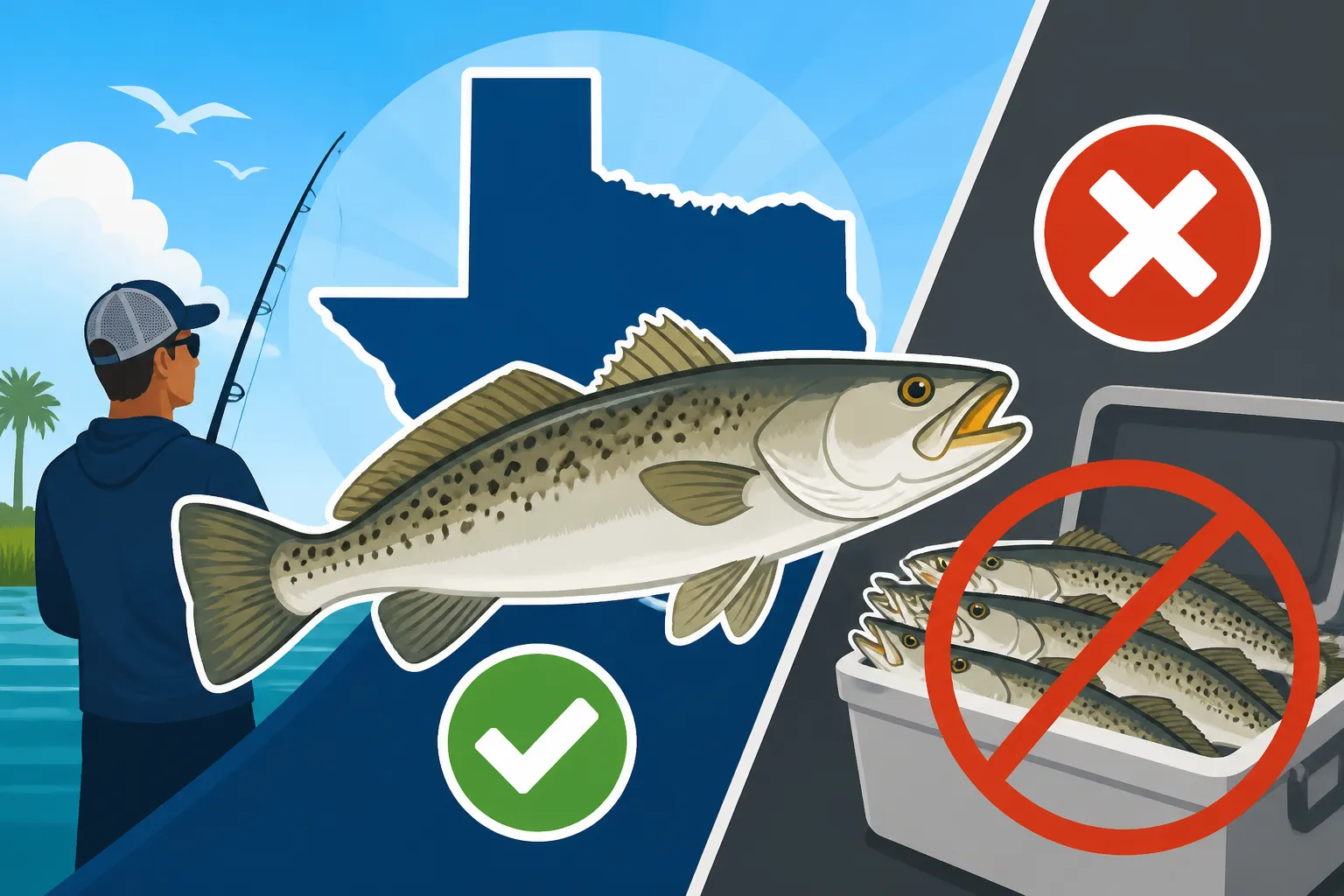
Across most of the Texas coast, the daily bag limit for speckled trout is five fish per person. This means that in any given 24-hour period, from midnight to midnight, you can keep a maximum of five speckled trout that meet the legal size requirements. It's a straightforward rule, but it's often combined with other regulations that can make it seem more complex. The "possession limit" for speckled trout is also typically five fish, meaning that's how many legal-sized speckled trout you can have in your possession at any time, whether you're still on the water, back at the dock, or heading home. For instance, if you're on a multi-day fishing trip at Port Aransas and have already kept your five fish for day one, you cannot catch and keep more on day two without first consuming or processing the fish from day one to reduce your possession total. This rule helps prevent overharvesting, even if you're fishing for multiple days. For a broader overview, you can check out the article on Texas Saltwater Fishing Regulations.
The Crucial Slot Limit and Why It Matters
Here's where many anglers, especially those who haven't updated their knowledge in a few years, can get confused. For a long time, there was a statewide regulation that allowed anglers to keep one speckled trout over 25 inches as part of their daily bag. However, this rule was changed by the TPWD in September 2019, and it's a critical update you need to be aware of.
Currently, all legally kept speckled trout statewide must fall within a 15- to 25-inch slot limit. This means any speckled trout you catch that measures under 15 inches must be immediately released back into the water. Likewise, any speckled trout you catch that measures over 25 inches must also be immediately released. There is no longer a provision to keep one "oversized" speckled trout over 25 inches. If you catch a truly massive "gator trout" exceeding 25 inches, you must, unfortunately, let it go.
This slot limit is a vital conservation tool. It allows smaller, juvenile trout to grow to maturity and contribute to the spawning population, while also protecting the largest, most prolific breeders (those over 25 inches) that are essential for replenishing the stock. These big females lay the most eggs, so protecting them ensures a healthier future for the fishery. It's a tough pill to swallow when you hook into a giant, but it's for the greater good of all our future fishing trips. Understanding the reasoning behind these regulations helps us appreciate their importance, even when they're inconvenient. For more details on what other fish species are protected, consult Texas Fish Bag and Length Limits.
Regional Variations and Special Regulations
While the statewide regulations for speckled trout cover most areas, Texas is a huge state with diverse ecosystems. This means that certain bays or specific regions might have slightly different or even stricter rules, often due to unique environmental factors or localized conservation needs. It's not always a one-size-fits-all situation, and getting caught off guard by a regional exception can be a real headache.
Lower Laguna Madre Specifics
One of the most notable regional variations for speckled trout is found in the Lower Laguna Madre. This unique hypersaline bay system, stretching from Corpus Christi Bay south to Port Isabel, is a crucial nursery ground and habitat for many species, including speckled trout. Historically, the trout population in the Lower Laguna Madre has faced specific pressures, leading to more conservative regulations.
For anglers fishing in the Lower Laguna Madre, the daily bag limit is even stricter than the statewide rule: you are allowed to keep only three (3) speckled trout per person per day. The slot limit, however, remains the same as statewide: 15 to 25 inches. Just like the statewide rule, there is no allowance for keeping an oversized trout over 25 inches in the Lower Laguna Madre. This reduced bag limit aims to provide additional protection for the speckled trout population in this sensitive ecosystem, ensuring its long-term health. If you're heading to this beautiful but fragile part of the coast, double-checking the Texas Saltwater Bag Limits by Species in the TPWD Outdoor Annual is always a smart move.
Impact of Environmental Factors and Conservation Efforts
The regulations aren't just set in stone and forgotten. They are dynamic, constantly reviewed, and sometimes modified in response to significant environmental events or scientific data. Texas has experienced several severe winter freezes in recent years, such as Winter Storm Uri in 2021, which can devastate fish populations, especially in shallow coastal waters where trout seek refuge.
In the wake of such events, the TPWD often implements emergency closures or temporary stricter bag and size limits to allow affected populations to recover. These are short-term, but critical, measures. For example, after the 2021 freeze, temporary rules were put in place for certain areas to limit speckled trout harvest even further. These actions, though sometimes inconvenient for anglers, are a testament to the state's commitment to conservation and its adaptive management approach. They highlight why it's so important to consult the most current TPWD Outdoor Annual or their website before every trip, because what was true last year might not be true this year. These efforts are part of a broader strategy to ensure the resilience of species, a practice you can learn more about in the Texas Speckled Trout Identification Guide which often mentions their habitat needs.
Here's a quick summary of the current Texas Speckled Trout Regulations:
| Area | Daily Bag Limit | Size Limit (Slot) | Oversize (Over 25") |
|---|---|---|---|
| Statewide | 5 fish | 15 to 25 inches | Must be released |
| Lower Laguna Madre | 3 fish | 15 to 25 inches | Must be released |
Common Mistakes and How to Avoid Penalties
It’s easy to get excited when you hook into a beautiful speckled trout, but a momentary lapse in judgment or an incorrect measurement can quickly turn that excitement into a legal headache. Many citations issued by Texas game wardens for speckled trout relate to misunderstanding or misinterpreting the regulations. Trust me, you don't want to explain to a game warden why your "keeper" is actually illegal.
Measuring Your Catch Correctly
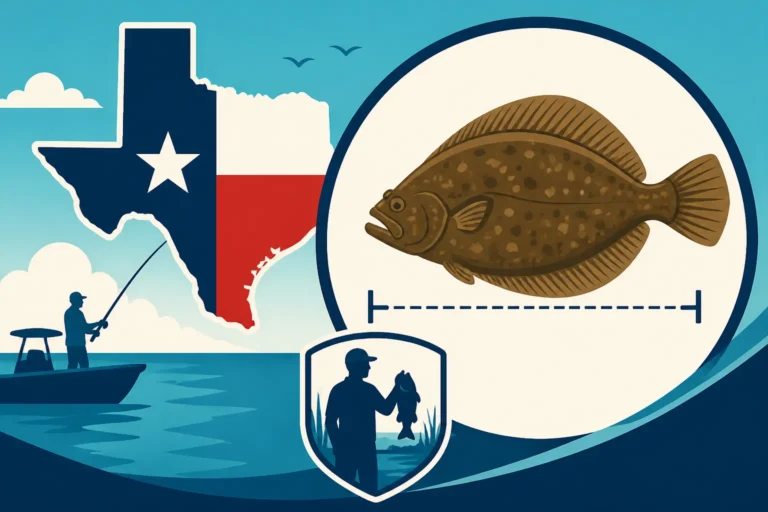
One of the most common pitfalls is incorrect measurement. Texas regulations specify that fish length is measured from the tip of the snout to the farthest extremity of the tail. This means you need to lay the fish flat, with its mouth closed, against a measuring device, and then pinch the tail to get the maximum length. Do not measure along the curve of the fish's body, and do not just eyeball it.
To avoid mistakes:
- Use a reliable measuring device: A rigid measuring board is ideal. Many tackle shops and online retailers like Amazon sell specialized fishing measuring boards designed for this exact purpose, often with markings at key legal lengths. A flexible tape measure can be harder to use accurately on a squirming fish.
- Lay the fish flat: Ensure the fish is straight and not curled up.
- Close the mouth: The measurement starts from the tip of the snout.
- Pinch the tail: Gently compress the tail fins to get the maximum possible length.
- Measure immediately: Have your measuring device ready. If a fish is clearly too short or too long, release it quickly without unnecessary handling.
Imagine you're out fishing in Galveston Bay, and you've got a stringer that looks good. A game warden pulls up, checks your fish, and one of your "15-inch" trout actually measures 14.75 inches when properly pinched and measured. That quarter-inch difference can be the difference between a clean trip and a ticket. It's a harsh reality, but ignorance of the law is no excuse.
What Happens if You Exceed the Limit
The question "Can you keep a speckled trout over 25 inches in Texas?" used to have a nuanced answer, but as we've established, the answer now is a definitive NO. Any speckled trout measuring over 25 inches must be immediately released. Keeping an oversized trout, or exceeding your daily bag limit (five fish statewide, three in the Lower Laguna Madre), can lead to serious consequences.
Penalties for violating fishing regulations in Texas can range from significant fines to civil restitution for the value of the fish, and potentially even the loss of your fishing license. For example, getting caught with an undersized or oversized fish, or having more than your daily bag limit, often results in a Class C misdemeanor, which carries a fine of up to $500. Repeated offenses or more severe violations can lead to higher fines, court appearances, and the forfeiture of fishing gear. It's certainly not worth the risk.
Think about it: you spent money on your gear, your boat, your bait, and your Texas Fishing License Cost for Residents and Nonresidents. Why risk all that, plus a hefty fine and a ruined day, by not knowing or following the rules? It's always a good idea to refresh your memory on all the rules, perhaps even buying a new copy of the Outdoor Annual each year, which you can often find at sporting goods stores or easily reference digitally on the TPWD website. Making sure you're compliant will help you enjoy your fishing trips without any unnecessary stress. For a deeper dive into the repercussions, see Penalties for Fishing Without a Texas License.
Disclaimer
The information provided in this guide is for general informational purposes only and is subject to change. While we strive to keep this information accurate and up-to-date, fishing regulations can be modified by the Texas Parks and Wildlife Department at any time. It is always the angler's responsibility to consult the most current official Texas Parks and Wildlife Department Outdoor Annual or their official website (tpwd.texas.gov) before engaging in any fishing activities to ensure compliance with all applicable laws and regulations.