Do you need a license to run a trotline in Texas?
It can be incredibly confusing trying to figure out all the nuances of Texas fishing regulations, especially when it comes to specific gear like trotlines. You just want to set up your line, catch some fish, and enjoy the peace of the outdoors, but the thought of accidentally breaking a rule and facing a fine is a real headache. This comprehensive guide is here to clear up that specific question: do you actually need a fishing license to run a trotline in Texas? We’ll cover everything you need to know to stay legal and keep those lines baited without worry.
The Straight Answer: Yes, You Need a Texas Fishing License for Trotlines
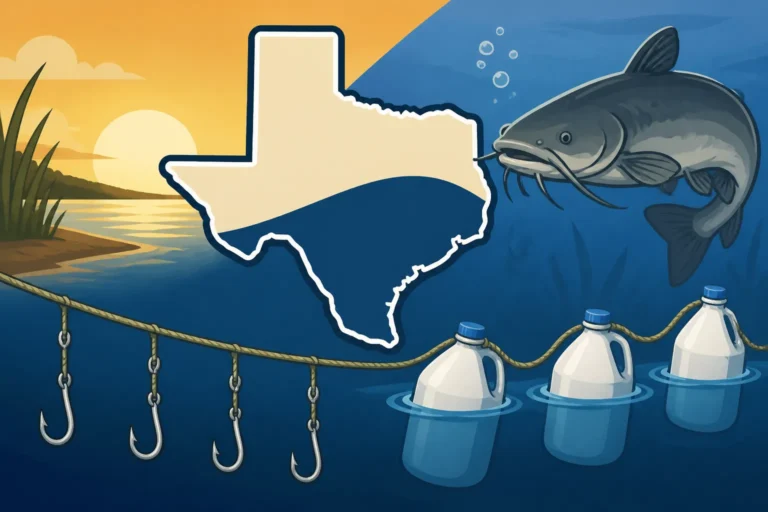
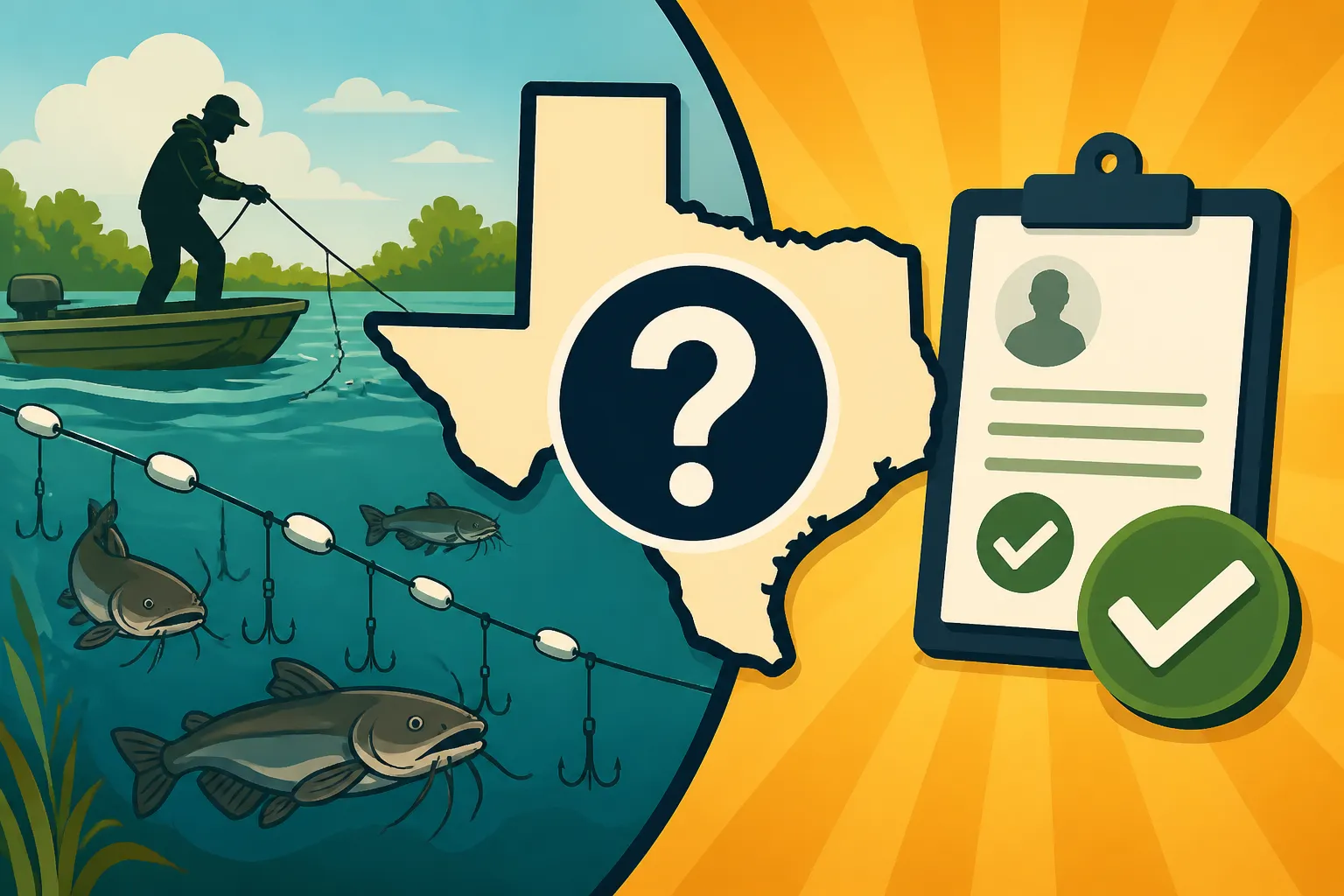
Let's get right to it, because nobody wants to waste time guessing. The clear and undeniable answer is yes, you absolutely need a valid Texas fishing license to set, tend, and harvest fish from a trotline in Texas waters. There’s no special exemption for trotlines, even though they’re a more passive fishing method compared to rod and reel. The Texas Parks and Wildlife Department (TPWD) considers using a trotline as a form of fishing, and any person actively participating in fishing activities must hold the appropriate license.
This requirement isn't just some arbitrary rule; it's fundamental to how Texas manages its incredibly diverse and precious fisheries. Every license purchased contributes directly to conservation efforts, fish stocking programs, habitat restoration, and the enforcement that keeps our waters healthy and productive for generations to come. So, while it might feel like an extra step, consider it your contribution to keeping Texas fishing legendary. Whether you’re planning to set a line in a quiet pond or a bustling reservoir, that license is your ticket to legally enjoying the activity. Trying to skirt this rule isn't worth the risk, as game wardens are very active in monitoring compliance, particularly for methods like trotlines that are often set and left unattended for periods.
Why a Fishing License is Always Required for Trotlines
The core principle here is that any activity designed to catch or take aquatic life from public waters in Texas generally falls under the umbrella of "fishing." A trotline, by its very nature, is a device specifically deployed to catch fish. Therefore, anyone involved in placing, checking, or retrieving fish from a trotline is considered an angler by the TPWD. It doesn't matter if you're using live bait, cut bait, or even artificial lures on your trotline hooks; the intent and method of capture necessitate a license.
Imagine a scenario where you and a buddy go out to set a trotline on Lake Livingston. You’re doing all the hard work, baiting hooks and securing the line, while your buddy is just chilling in the boat offering advice. If a game warden approaches, both of you could potentially be cited if neither of you has a license, depending on the warden's interpretation of "participating." To be safe, anyone involved in the direct operation of the trotline should have their own valid license. This also extends to family members. If your spouse or child is helping you check the line, and they are over the age requiring a license, they need one too. You can find more details about general requirements in our guide on Texas Fishing License Requirements Explained.
What Kind of Fishing License Do You Need for a Trotline
So, we've established that a license is a must-have. But which kind of license? Texas offers a variety of fishing licenses, and the specific one you need depends primarily on your residency status and where you plan to deploy your trotline – whether it's in freshwater, saltwater, or both. For most trotline enthusiasts, a standard annual fishing license is the way to go, but let's break down the common options.
Texas Resident Fishing Licenses
If you're a Texas resident, you have a few options, but the most common for trotlining are the Freshwater Fishing Package, Saltwater Fishing Package with a Red Drum Tag, or the All-Water Fishing Package.
- Freshwater Fishing Package: This is your go-to if you only plan to set trotlines in Texas's inland lakes, rivers, and streams, like the Brazos River or a local reservoir. This license covers all legal freshwater fishing activities. It's often the most affordable option if you're certain you won't be venturing to the coast.
- Saltwater Fishing Package with a Red Drum Tag: If your trotline adventures take you to the coastal bays and estuaries, such as Galveston Bay or Matagorda Bay, this is what you'll need. The Red Drum Tag is included and is necessary for keeping legal-sized red drum, a popular catch on trotlines in saltwater. Remember that saltwater fishing often has different regulations concerning gear and species, so be sure to check those specific rules.
- All-Water Fishing Package: This is the most comprehensive and often the most convenient option for many Texas anglers. It covers both freshwater and saltwater fishing activities across the entire state. If you enjoy the flexibility of trotlining in both environments or aren't sure where your next trip will take you, this package provides peace of mind. It also includes the Red Drum Tag. Our article on the Texas All-Water Fishing License Explained offers a deeper dive into this popular choice.
It’s worth noting that if you are a Texas resident over the age of 65, you might be eligible for a discounted license. You can learn more about this in our guide on the Texas Senior Fishing License Discount. Non-residents also have options, which are usually a bit pricier. Check out Texas Nonresident Fishing License Cost for more information if you're visiting from out of state.
Special Endorsements and Tags
While the basic fishing license covers the act of fishing, there are a few other considerations, especially for trotlines:
- Saltwater Endorsement (Red Drum Tag): As mentioned, if you're fishing in saltwater, your license must include the Red Drum Tag. This is automatically part of the Saltwater Fishing Package or the All-Water Fishing Package. Even if you're not specifically targeting redfish, if you're in saltwater and use a trotline, this tag is required as part of your overall saltwater privilege. You can read more about this in Texas Saltwater Endorsement Explained.
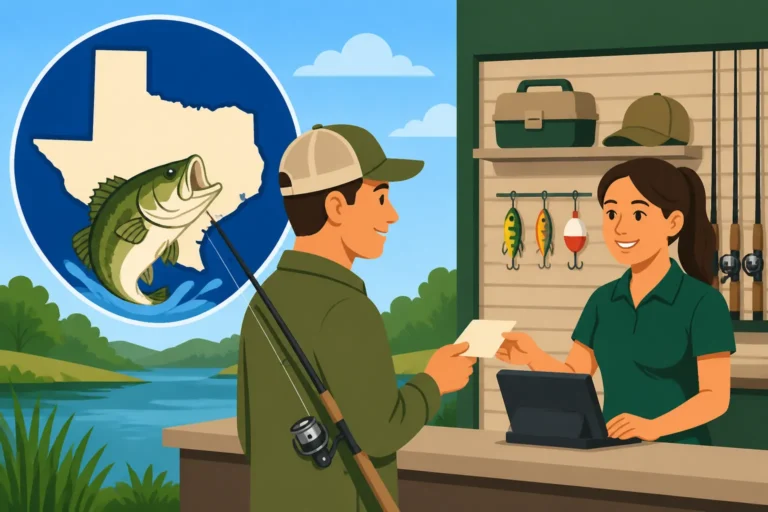
- Gear Tags: This is a crucial one specifically for trotlines. Beyond your personal fishing license, every trotline you deploy in public water must be equipped with a valid gear tag issued by the TPWD. These tags are usually sold in conjunction with your fishing license and must display your customer number and the date the line was set. This is not optional; it’s a non-negotiable part of legal trotline usage. We cover this extensively in Texas Gear Tag Requirements for Trotlines and Juglines. You can often buy these gear tags when you purchase your license online, at a retail location like Walmart, or sometimes directly from the TPWD website. Many anglers will purchase their annual license and a few extra gear tags at the same time, making sure they’re ready for the season. Sites like Amazon also sell durable blank tags where you can write your information, but you'll still need the official TPWD-issued tag to be legal.
Here's a quick comparison of common Texas fishing licenses for residents:
| License Type | Covered Waters | Includes Red Drum Tag | Ideal For | Cost (approx. annual) |
|---|---|---|---|---|
| Freshwater Fishing Package | Freshwater only | No | Anglers strictly fishing inland lakes and rivers | $30 |
| Saltwater Fishing Package | Saltwater only | Yes | Anglers strictly fishing coastal bays and Gulf waters | $35 |
| All-Water Fishing Package | Freshwater & Saltwater | Yes | Anglers who fish both freshwater and saltwater, or want maximum flexibility | $40 |
| Senior Resident All-Water Package | Freshwater & Saltwater | Yes | Texas residents 65 and older fishing both fresh and saltwater | $12 |
Note: Prices are approximate and subject to change by TPWD. A $5 administrative fee is often added to online and retail purchases.
Texas Trotline Regulations Beyond the License
Having the right fishing license is just the first step. Trotlines are highly regulated in Texas to ensure fair distribution of resources, prevent overfishing, and maintain safety for other water users. Ignoring these rules, even with a valid license, can lead to serious penalties.
Gear Tagging and Marking Requirements
As mentioned, every single trotline you set in public water must have a gear tag. This isn't just a suggestion; it's law. The tag needs to be attached to the line and must clearly show the date the line was set and the angler's customer identification number from their fishing license. This helps game wardens identify who is responsible for the line and ensure it’s being checked regularly. Without a proper tag, your trotline can be confiscated, and you could face a citation.
Beyond the tag, trotlines also need to be clearly marked. Both ends of the trotline must have a white buoy or block attached that is at least six inches in height, width, or diameter. These markers need to be visible on the surface of the water, making it clear to other boaters and anglers that a line is present. This helps prevent prop entanglement and ensures general safety on the water. You can find durable buoy markers and high-visibility rope on Amazon to help you meet these requirements.
Hook Limits and Line Restrictions
Texas has specific rules about how many hooks you can have on a trotline and how the line itself can be constructed.
- Hook Limit: In freshwater, a trotline can have no more than 50 hooks. In saltwater, the limit is 100 hooks. These limits are set to prevent excessive harvesting by a single individual and to manage fishing pressure on different species. This is a common point of confusion, so always double-check whether you are in freshwater or saltwater when setting up your lines.
- Hook Spacing: There are also rules about how close together hooks can be. In freshwater, hooks must be at least three feet apart. In saltwater, the minimum spacing is two feet. This helps prevent multiple fish from getting tangled on closely spaced hooks and allows smaller fish a better chance to escape.
- Length Restrictions: Trotlines cannot exceed 600 feet in length in freshwater. There is no specific length restriction for saltwater trotlines, but they must still comply with all marking and tagging requirements and cannot obstruct navigation.
- Prohibited Areas: You can't just set a trotline anywhere you please. Trotlines are generally prohibited in specific areas like navigation channels, public fishing piers, or within 50 feet of a marked swimming area. Always check local regulations for any additional restrictions in specific lakes or rivers. For example, some municipal lakes have their own specific rules about gear use.
It's a good idea to always carry a copy of the current Outdoor Annual (available digitally via the TPWD app or physically at license vendors) or consult the TPWD website for the most up-to-date information on Texas Trotline and Jugline Rules and Texas Freshwater Fishing Regulations or Texas Saltwater Fishing Regulations.
Penalties for Violating Trotline Rules
You might be thinking, "What's the big deal if I forget a tag or have too many hooks?" Well, the TPWD takes these regulations seriously, and the penalties for non-compliance can be quite steep. It's not just about a slap on the wrist; these violations can hit your wallet and even impact your future fishing privileges.
Fines and Court Costs
If you're caught running a trotline without a valid fishing license, the most immediate consequence will be a hefty fine. Fishing without a license is a Class C misdemeanor in Texas, which carries a potential fine of up to $500. On top of that, you'll likely incur court costs, which can significantly increase the total amount you have to pay.
And it's not just the license. Violating other trotline regulations, such as not having a gear tag, exceeding the hook limit, or failing to properly mark your line, can also result in citations and fines. Each violation is typically treated as a separate offense, so if you're missing a license and a gear tag, you could be looking at multiple fines. These costs can quickly add up, making that initial license fee look like pocket change.
Confiscation of Gear and Catch
One of the more frustrating consequences for anglers is the potential for confiscation. If a game warden finds an illegally set trotline – whether it's untagged, improperly marked, or being used without a license – they have the authority to confiscate the entire setup, including the line, hooks, and any fish caught on it. This means you lose your gear, which can be a significant investment, and you lose your day's catch. There's no getting it back once it's confiscated.
Imagine spending hours rigging a new trotline, buying all the necessary weights, swivels, and hooks, only to have it taken away on its first outing because you forgot to buy a gear tag. It's a tough lesson to learn, and one that's easily avoidable by simply adhering to the rules. Don't let a small oversight lead to a total loss of your fishing equipment.
Revocation of Fishing Privileges
For more serious or repeat offenses, especially those involving multiple violations or significant disregard for conservation laws, the penalties can escalate beyond fines and confiscation. Game wardens can recommend the suspension or revocation of your fishing license. This means you could lose the privilege to fish in Texas for a certain period, or even permanently in extreme cases.
This is particularly true for violations that involve exceeding bag limits, taking protected species, or using illegal methods, all of which could potentially occur with a trotline if not managed correctly. The TPWD maintains records of citations, and repeated infractions can lead to more severe punishments. Losing your ability to enjoy fishing in Texas is a far greater penalty than any fine, especially for those of us who cherish our time on the water. It’s always best to err on the side of caution and ensure you’re fully compliant with all state regulations. For more information on potential consequences, see our guide on Penalties for Fishing Without a Texas License.
Final Thoughts on Responsible Trotlining
Trotlining is a time-honored tradition in Texas, a fantastic way to catch some delicious fish like catfish, especially in our bigger lakes and rivers. However, with this tradition comes the responsibility of understanding and following the rules. It boils down to respecting our natural resources and ensuring that everyone can continue to enjoy the bountiful waters of Texas for years to come.
Always double-check the latest regulations, as they can sometimes change from year to year. The TPWD Outdoor Annual is your best friend, available online, through an app, or in print at most places where you can buy a fishing license, like Academy Sports + Outdoors or Bass Pro Shops. When you buy your Texas Fishing License Cost for Residents and Nonresidents, make sure to grab those gear tags for your trotlines too. It’s a small step that makes a huge difference in avoiding potential legal trouble and ensuring your fishing trips are enjoyable and worry-free.
Disclaimer
The information provided in this guide is for general informational purposes only and does not constitute legal advice. Fishing regulations in Texas can change, and it is the sole responsibility of the angler to understand and comply with all current Texas Parks and Wildlife Department laws and local ordinances before engaging in any fishing activities. Always consult the most recent official TPWD Outdoor Annual or their website for precise and up-to-date regulations.