Sam Rayburn Reservoir Fishing Guide
Sam Rayburn Reservoir can feel like a vast, intimidating puzzle to even seasoned anglers, with its sheer size and ever-changing conditions. It's easy to feel overwhelmed, wondering where to even start or how to consistently find fish in such a massive body of water. This comprehensive guide is designed to cut through that confusion, offering you the deep insights and practical advice you need to confidently navigate and successfully fish the legendary Sam Rayburn.
Sam Rayburn Reservoir Overview and Geography
Nestled in East Texas, often referred to as "Big Sam," Sam Rayburn Reservoir is a true jewel in the crown of Texas freshwater fishing. This isn't just another lake; it's a sprawling, dynamic ecosystem that captivates anglers with its incredible beauty and abundant fish populations. The reservoir was impounded in 1965, forming the largest lake wholly within the state of Texas, covering an impressive 114,500 acres at its conservation pool elevation. Its primary purpose, beyond recreation, is flood control and hydroelectric power generation, but for anglers, it's a world-class fishery.
The sheer scale of Sam Rayburn means it boasts over 560 miles of shoreline, winding through the piney woods of Angelina, Jasper, Sabine, and San Augustine counties. This extensive shoreline provides an incredible diversity of habitats, from shallow, timber-filled coves to steep bluffs and open-water expanses. The Angelina River is its main tributary, feeding the lake with nutrients and creating distinct riverine sections that transition into the broader main lake body. Understanding this geographical layout is key to unlocking Sam Rayburn's fishing potential, as different areas will hold different species and require varied approaches depending on the season and water levels.
What really sets Big Sam apart is its incredible underwater structure. Before it was impounded, the land was heavily forested, and much of that timber remains standing beneath the water's surface. This submerged forest creates a labyrinth of cover that fish, especially largemouth bass, absolutely thrive in. Along with the timber, you'll find submerged roadbeds, old creek channels, humps, points, and grass beds—specifically hydrilla, coontail, and milfoil—that provide essential forage and ambush points for predatory fish. Navigating these submerged structures can be challenging, but mastering them is often the difference between a good day and a truly epic one.
Prime Species to Target at Sam Rayburn
When you talk about Sam Rayburn Reservoir, one fish immediately comes to mind: the largemouth bass. However, to pigeonhole Big Sam as only a bass lake would be a disservice to the incredible diversity of other species that call its waters home. This reservoir is a multi-faceted fishery, offering fantastic opportunities for anglers targeting crappie, catfish, and white bass, each with their own unique challenges and rewards. Understanding the habits and preferred habitats of these different species will significantly increase your chances of success and add exciting variety to your fishing trips.
Sam Rayburn's reputation as a trophy bass factory is well-deserved, attracting anglers from across the country hoping to land a lunker. But beyond the bass, the lake's rich aquatic environment supports robust populations of other popular game fish. Whether you're a serious tournament angler focused on bass or a family looking for a relaxing day catching dinner, Sam Rayburn has something for everyone. It’s a place where you can switch gears throughout the day, chasing different species as conditions and your interests dictate.
Largemouth Bass Strategies
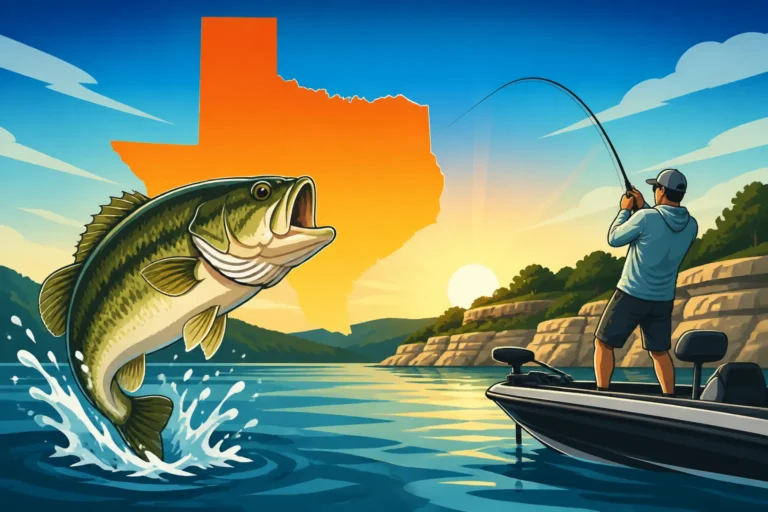
The largemouth bass reigns supreme at Sam Rayburn, and for good reason. The lake consistently produces sharelunker-class bass, those elusive giants that push the scales past 13 pounds. The sheer amount of cover – from dense submerged timber to vast hydrilla beds and creek channels – provides endless opportunities for these apex predators to thrive. Anglers often focus on areas like the major creek arms, such as Ayish Bayou, Harvey Creek, and Mill Creek, or the vast timber stands found in the mid-lake region. The key to success often lies in finding isolated cover within these larger areas.
During the pre-spawn and spawn periods, typically late winter through spring, bass move to shallower waters, making them more accessible. Look for them around boat docks, cypress trees, and the edges of grass lines in protected coves. When the temperatures soar in summer, the bass retreat to deeper, cooler water, often suspending in the submerged timber or holding tight to structure along creek channels. This is when understanding your electronics, like a good fish finder, becomes absolutely critical for locating schools of fish that might be overlooked by the naked eye. In the fall, as temperatures drop, bass become highly active, feeding aggressively in preparation for winter, and can be found chasing baitfish in both shallow and mid-depth ranges. If you're looking for an in-depth guide on specifically targeting these powerful fish, check out our Texas Largemouth Bass Fishing Guide.
Anglers employ a wide array of techniques for bass fishing on Sam Rayburn. Texas rigs and Carolina rigs are staples for probing the timber and deep grass, while crankbaits and spinnerbaits excel for covering water along points and flats. Topwater lures can be incredibly effective during low light conditions or when bass are actively busting bait on the surface. When the bite gets tough, finesse techniques like shaky heads and drop shots become essential tools. The dynamic nature of the lake means you need to be versatile, ready to switch tactics and presentations based on the conditions. Many local guides, which you can often find through platforms like FishingBooker, specialize in bass fishing and can provide invaluable insights into current patterns and hotspots.
Crappie Fishing Hotspots
Crappie are another popular species on Sam Rayburn, offering exciting action, especially for those who enjoy filling a cooler for a delicious fish fry. Both white and black crappie thrive here, growing to impressive sizes. These panfish are structure-oriented, meaning they'll always be found relating to some form of cover, whether it's submerged brush piles, standing timber, or the abundant bridge pilings. The main tributaries, like the Angelina and Ayish Bayou, are particularly known for their crappie populations, especially during the spring spawn.
In early spring, when water temperatures climb into the 60s, crappie move into shallow water to spawn. This is prime time to find them concentrated around cypress trees, fallen timber, and shallow brush in coves and protected areas. Small jigs, often tipped with minnows, are incredibly effective when fished vertically in these areas. As summer progresses and water temperatures rise, crappie retreat to deeper, cooler water, often suspending in brush piles or around the dense submerged timber. Anglers use electronics to locate these brush piles and fish vertically with jigs or minnows. Understanding how to find crappie in the winter can also lead to some fantastic catches, as they tend to school up tightly in deeper channels.
During the cooler months, especially late fall and winter, crappie will often be found in the deeper creek channels and river bends, congregating in large schools. Again, brush piles and standing timber in these deeper areas are key. Spider rigging, where multiple rods are deployed from the front of the boat to cover a wide area, is a popular and highly effective technique for locating and catching these schooling fish. Many anglers mark their productive brush piles with GPS coordinates, building a personal library of crappie hotspots over time.
Catfish and White Bass Opportunities
Sam Rayburn also boasts excellent populations of catfish, including channel, blue, and flathead varieties, providing a different kind of angling challenge and reward. Catfish are widely distributed throughout the lake and can be caught year-round. Channel and blue catfish are often found in the deeper creek channels and main lake bends, particularly where there's current or structure. Flatheads prefer more isolated, heavy cover like log jams and large submerged trees, and are typically targeted with live bait.
For channel and blue catfish, cut bait, stink baits, and shrimp are highly effective. Anglers often fish them on the bottom using a slip-sinker rig or trotlines and juglines in deeper sections of the lake. Night fishing for catfish can be particularly productive during the warmer months, as they become more active under the cover of darkness. The upper reaches of the Angelina River arm are particularly good for all three species. When it comes to the legalities of using various gear, it's always a good idea to refresh yourself on the latest Texas Freshwater Fishing Regulations.
White bass, known for their aggressive schooling behavior and excellent table fare, offer another thrilling opportunity on Sam Rayburn. These feisty fish are notorious for their "runs" upriver during the late winter and early spring, where they congregate to spawn. The Angelina River and its tributaries become prime locations during this time, with anglers casting small spoons, jigs, and spinners into the current. Later in the year, particularly during summer and fall, white bass can be found schooling in the main lake, often busting baitfish on the surface. Look for diving birds, which are a dead giveaway that white bass are pushing shad to the surface. Trolling small crankbaits or casting chrome spoons into these feeding frenzies can lead to non-stop action.
Best Seasons and Times to Fish Sam Rayburn
Understanding the seasonal patterns and optimal times to hit the water is paramount to consistent success on Sam Rayburn. This massive reservoir, like any large body of water, undergoes significant changes throughout the year, impacting everything from water temperature and clarity to fish behavior and location. What works in the spring might be completely ineffective in the summer, and vice-versa. Being adaptable and knowing what to expect in each season will give you a significant advantage and help you plan your trips around the most productive windows.
Texas weather can be notoriously unpredictable, but general seasonal trends hold true for fishing. From the explosive pre-spawn bass bite to the challenging summer heat and the abundant fall feeding frenzies, each period presents its own set of opportunities and strategic considerations. Don't just show up and expect fish to jump in the boat; a little homework on the best time of year to fish in Texas, specific to Sam Rayburn, will go a long way.
Spring Fishing Excitement
Spring is arguably the most anticipated season for many anglers on Sam Rayburn, largely due to the incredible largemouth bass spawn. As water temperatures begin to rise from the upper 50s into the 60s and 70s, typically from late February through April, bass move from their deeper wintering grounds into shallower protected coves and pockets to reproduce. This makes them more accessible and aggressive, leading to some of the best fishing of the year. During the early pre-spawn, crankbaits, spinnerbaits, and lipless crankbaits fished on main lake points and secondary points can be highly effective as bass stage before moving shallow.
Once the actual spawn begins, sight fishing for bedding bass around cypress trees, shallow grass lines, and boat docks becomes a popular tactic. Soft plastics like lizards, worms, and creature baits are excellent choices for tempting these territorial fish. It's not just bass; crappie also move shallow to spawn in spring, congregating around submerged brush and standing timber in shallower coves. Small jigs and minnows fished under a bobber can lead to fast and furious action. The white bass run up the Angelina River and its tributaries also peaks in early spring, offering fantastic light tackle action for those willing to brave the river current.
However, spring can also bring unpredictable weather, including cold fronts that can temporarily shut down the bite. Following a strong cold front, fish may retreat to slightly deeper water or become less active, requiring a slower presentation. Watch for stable weather patterns, rising water temperatures, and overcast days, which often coincide with peak activity. The sheer volume of anglers during this time means that popular spots can get crowded, so exploring lesser-known areas or fishing during weekdays might offer a more peaceful and productive experience.
Summer Challenges and Rewards
Texas summers are legendary for their heat, and fishing Sam Rayburn during these months (June through August) presents unique challenges, but also distinct rewards. As surface water temperatures climb into the 80s and even 90s, most fish species, particularly bass and crappie, retreat to deeper, cooler water and become less active during the bright midday sun. This doesn't mean fishing is impossible; it just requires a change in strategy and often, a commitment to fishing during low light hours.
Early mornings, late evenings, and even night fishing become incredibly productive during the summer. Bass will often move shallower to feed under the cover of darkness or twilight, chasing baitfish along grass edges and points. Topwater lures, large worms, and spinnerbaits can be deadly during these periods. During the day, focus on deep structure: submerged timber, creek channels, humps, and points where bass will suspend or hold tight. A good fish finder is essential for locating these fish. If you’re looking to battle the heat, our guide on How to Fish in Hot Texas Summers might come in handy. Crappie will also be found in deeper brush piles and standing timber, requiring vertical jigging or slow trolling with minnows. Catfish, however, often remain active throughout the summer, especially at night, making them a reliable target.
The intense summer heat also means taking extra precautions for personal safety. Stay hydrated, wear sun protective clothing, and consider taking breaks during the hottest parts of the day. For boaters, ensuring all your safety equipment is in order is crucial. While the fishing can be challenging, the rewards of a big summer bass caught from deep timber or a cooler full of crappie from a secret brush pile can be incredibly satisfying. Consider booking a guide through a platform like FishingBooker for a summer trip, as their local knowledge is often invaluable for finding those deep-water honey holes.
Fall and Winter Opportunities
Fall on Sam Rayburn (September through November) is often hailed as another excellent fishing season, particularly for aggressive feeding. As water temperatures begin to cool from the summer highs, fish sense the approaching winter and engage in a massive feeding spree to pack on weight. This "fall turnover" can scatter baitfish, and predatory fish like bass and white bass will actively chase them, often making themselves more visible and easier to locate.
During the fall, bass can be found in a variety of depths, from shallow flats where they ambush bait to mid-depth points and creek channels. Spinnerbaits, crankbaits, and lipless crankbaits are highly effective for covering water and locating these active fish. Topwater action can also be phenomenal, especially in the mornings and evenings, as bass smash schooling shad on the surface. White bass will also be actively schooling and busting bait, creating exciting opportunities for fast action with small spoons and jigs. Catfish remain a good bet, especially in the deeper channels as they prepare for winter.
Winter fishing (December through February) on Sam Rayburn, while often overlooked by fair-weather anglers, can provide some of the most rewarding and peaceful experiences, particularly for trophy bass and crappie. While the fish population is generally less active in the cold water, they tend to congregate in predictable deeper areas, making them easier to target once located. Bass will often be found holding tight to deep structure along creek channels, main lake points, and especially in the dense submerged timber. Slowly working jigs, spoons, and Alabama rigs in these areas can tempt less active but often larger fish.
Crappie fishing can be outstanding in winter, as these fish often school up tightly in deep brush piles or suspended in timber in the main lake and creek channels. Using electronics to pinpoint these schools and then vertically jigging with small minnows or jigs is a proven technique. Catfish also gather in deeper holes and channels, and can be caught using cut bait or stink bait fished on the bottom. While the weather can be chilly, dressing appropriately and focusing on slow, methodical presentations can lead to some incredible catches and a serene fishing experience with far less boat traffic.
Essential Techniques for Sam Rayburn Success
Mastering Sam Rayburn Reservoir requires more than just knowing where the fish are; it demands an understanding of the techniques that will effectively catch them. Given the lake's diverse habitats—from thick hydrilla beds and towering submerged timber to wide-open main lake expanses and intricate creek channels—a versatile approach is key. Anglers who can adapt their strategies based on the season, water conditions, and target species will consistently fare better than those who stick to a single, rigid method. This section delves into some of the most productive techniques that will put fish in your boat on Big Sam.
The sheer volume of cover and structure on Sam Rayburn means that traditional tactics are often amplified, and sometimes, entirely new approaches are necessary. Whether you're a seasoned pro with a boat full of the latest electronics or a bank angler looking to catch some dinner, there are proven methods to increase your chances. Remember, patience and persistence are often the best tools in your tackle box on a lake of this magnitude.
Navigating Dense Timber and Hydrilla
Sam Rayburn is legendary for its submerged timber and expansive hydrilla beds, which are both a blessing and a curse for anglers. These dense covers provide incredible habitat for fish, but they can also be challenging to fish effectively without getting snagged constantly. For largemouth bass, this cover is their sanctuary, their ambush point, and their feeding ground. Successfully fishing these areas often means using heavy gear and specific presentations designed to get your bait in and out of the thick stuff.
When tackling submerged timber, think vertically. Flipping and pitching jigs or Texas-rigged soft plastics (like worms or creature baits) into openings or alongside tree trunks is highly effective. Use heavy braided line to cut through vegetation and muscle fish out of the cover. A stout rod is crucial for controlling fish once they bite. Electronics, especially side imaging and 2D sonar, are indispensable for locating isolated trees or clusters of timber that hold fish. Often, the bass won't be in the densest part of the timber, but rather on its edges or in slightly more open lanes within it.
Hydrilla and other aquatic vegetation also demand specific techniques. During the warmer months, bass will burrow deep into these grass beds. Punching a heavy tungsten weight with a creature bait or jig through the mat is a fantastic way to target these fish. Along the edges of the hydrilla, crankbaits, spinnerbaits, and swim jigs can be very productive. In open pockets within the grass, topwater frogs or soft plastic toads can draw explosive strikes. For white bass and crappie, the edges of the grass provide feeding lanes, and sometimes, deep submerged grass offers cooler water for crappie to hide in. Learning to fish a Texas rig effectively is often the cornerstone of fishing these types of covers.
Deep Water and Open Water Tactics
While shallow water and heavy cover get a lot of attention, Sam Rayburn also offers vast expanses of deep water, particularly in the main lake and along its major creek channels. This deep water becomes critical during summer and winter when fish seek more stable temperatures. Understanding how to effectively fish these open and deep zones is essential for year-round success.
For deep-water bass, techniques like the Carolina rig excel. This rig allows you to present a soft plastic bait a foot or two off the bottom, making it enticing to bass suspending over humps, roadbeds, or creek channels. Deep-diving crankbaits are also fantastic for probing contours and forcing reaction strikes. Vertical jigging with heavy spoons or blade baits can be effective when fish are tightly schooled on structure. Using your boat's electronics to identify subtle changes in depth, isolated brush piles, or schooling baitfish in open water is paramount. If you want to dive deeper into maximizing your use of technology, our guide on Best Fishing Electronics for Texas Anglers is a great resource.
White bass are frequently found schooling in open water, especially when chasing shad. Look for active feeding frenzies on the surface, often indicated by diving birds. Casting chrome spoons, swimbaits, or small inline spinners into these schools can result in multiple hook-ups. For crappie in open, deep water, they'll typically relate to submerged brush piles, standing timber, or suspended baitfish schools. Slow trolling with multiple poles (spider rigging) using minnows or crappie jigs can cover a lot of water and help locate active schools. Catfish in deep water are best targeted with bottom rigs using cut bait or stink bait in main lake channels and deep holes.
Access, Amenities, and Local Resources
Successfully navigating a lake the size of Sam Rayburn extends beyond just knowing where and how to fish; it also involves understanding the practical aspects of access, amenities, and available local resources. Big Sam is a popular destination, and as such, it's well-equipped to handle anglers and recreational users, but knowing the best places to launch, where to get supplies, or how to connect with local experts can significantly enhance your trip. This section will guide you through the logistical side of planning your Sam Rayburn adventure.
From public boat ramps and private marinas to bait shops and guide services, Sam Rayburn offers a robust infrastructure to support your fishing endeavors. Whether you're making a quick day trip or planning an extended stay, having a clear picture of these resources will help ensure your experience is as smooth and enjoyable as possible.
Boat Ramps and Marinas
Given its immense size, Sam Rayburn Reservoir features numerous public and private boat ramps spread across its various arms and main lake areas. The U.S. Army Corps of Engineers maintains several excellent public ramps, often accompanied by picnic areas and restrooms, in popular recreational zones. Examples include the Mill Creek Park boat ramp, Twin Dikes Park, and Powell Park, all offering concrete ramps and ample parking suitable for a variety of boat sizes. These ramps are generally well-maintained and provide good access to different parts of the lake, allowing anglers to choose their launch point based on their target fishing areas.
In addition to public access, there are several private marinas around the lake that offer boat ramps, fuel, bait and tackle shops, and often dining options. Popular marinas like Umphrey Family Pavilion and Rayburn Park Marina are not just places to launch; they are often community hubs where anglers gather, share tips, and access essential services. Many of these marinas also offer boat slips for rent, which can be a convenient option for multi-day trips. Before heading out, especially during peak seasons or after heavy rains, it's always wise to check the current water levels and ramp conditions, as some ramps can become less accessible at extreme highs or lows.
Choosing the right boat ramp often depends on where you plan to fish. If you're targeting the upper reaches of the Angelina River, a ramp further north might be ideal, while south lake fishing might call for a launch closer to the dam. Always remember to practice good boating etiquette, especially during busy times, to ensure a smooth experience for everyone.
Tackle Shops and Bait Stores
No fishing trip to Sam Rayburn would be complete without a visit to a local tackle shop. These establishments are more than just places to buy lures; they are often vital sources of current fishing intelligence. The staff at local shops typically have up-to-the-minute knowledge of where the fish are biting, what baits are working best, and what current lake conditions (like water clarity or temperature) are. They can offer invaluable advice that you won't find anywhere else.
Throughout the communities surrounding Sam Rayburn, such as Jasper, Zavalla, and Broaddus, you'll find various bait and tackle stores. Popular choices often include local independent shops that cater specifically to the Sam Rayburn fishery, as well as larger retail chains. These stores typically stock a wide array of live bait, including minnows, shad, and worms, as well as an extensive selection of lures, lines, and fishing accessories tailored to the lake's specific conditions and target species. Whether you need a specific color of jig for crappie or the latest big-bass swimbait, these shops are your go-to.
Don't hesitate to strike up a conversation with the locals or the shop owners. They are often passionate anglers themselves and are usually happy to share a tip or two. This kind of local wisdom can be the difference between a frustrating day and a successful one. Remember to check their operating hours, especially if you plan an early morning start, to ensure you can grab your essentials before hitting the water.
Fishing Guides and Charters
For those unfamiliar with Sam Rayburn or looking to maximize their fishing experience, hiring a local fishing guide or charter service is an excellent investment. Sam Rayburn is a massive and complex lake, and the learning curve can be steep. An experienced guide possesses intimate knowledge of the lake's ever-changing patterns, seasonal fish movements, and secret spots that might take years for an individual angler to discover. They can teach you effective techniques, help you understand the nuances of the lake, and put you on fish faster than you might on your own.
Sam Rayburn is home to numerous professional fishing guides specializing in various species, primarily largemouth bass, but also crappie, white bass, and catfish. Many of these guides are tournament anglers themselves, with years, if not decades, of experience on Big Sam. They provide all the necessary gear, bait, and often even clean your catch at the end of the day, allowing you to focus purely on the fishing experience. This can be especially beneficial for beginners, families with children, or experienced anglers looking to learn new tactics or explore unfamiliar parts of the lake.
When choosing a guide, consider their specialization (e.g., bass, crappie), their experience level, and what their trips include. Reading reviews and getting recommendations from other anglers can also be helpful. Platforms like FishingBooker make it incredibly easy to find and book reputable local guides for Sam Rayburn, allowing you to compare options, read testimonials, and secure your trip with confidence. Investing in a guided trip can provide an invaluable education and significantly increase your chances of a memorable and successful day on the water.
Navigating Regulations and Licensing
Fishing on a major reservoir like Sam Rayburn means adhering to specific rules and regulations designed to protect the fishery and ensure fair sport for all. It's not enough to simply know how to fish; you must also understand the legal framework governing angling in Texas. Ignoring these rules can lead to hefty fines and confiscation of equipment, turning a fun day into a costly headache. Being well-informed about your Texas Fishing License Requirements Explained and specific lake regulations is a non-negotiable part of responsible angling.
The Texas Parks and Wildlife Department (TPWD) sets these regulations, and they are generally consistent across public waters, with some specific exceptions or special limits for certain lakes. Sam Rayburn Reservoir falls under these general statewide regulations for most species, but it's always wise to double-check for any lake-specific rules that might apply to bag or length limits.
Texas Fishing License Essentials
Before you even think about wetting a line in Sam Rayburn, you need a valid Texas fishing license. This is a fundamental requirement for nearly all anglers over the age of 17. The good news is that obtaining a license is straightforward and can be done in several ways: online through the Texas Parks and Wildlife Department website, by phone, or in person at various retail locations like sporting goods stores, Walmart, or local bait shops.
There are different types of licenses available, depending on your residency and age. Texas residents typically purchase an annual "Freshwater" license, or an "All-Water" license if they plan to fish both fresh and saltwater. Non-residents also have options, including annual or short-term licenses like the Texas One-Day Fishing License for Visitors, which can be perfect for a quick trip. There are also specific exemptions for certain groups, such as children under 17, disabled veterans, or those fishing on Texas Free Fishing Day. Always carry proof of your license while fishing, whether it's a physical copy or an electronic version on your phone, as game wardens regularly patrol Sam Rayburn.
It's also crucial to remember that your Texas fishing license typically runs from September 1st to August 31st each year, regardless of when you purchase it. So, if you buy a license in May, it will still expire on August 31st. This is an important detail to keep in mind to avoid unintentionally fishing with an expired license.
Bag and Length Limits
Beyond the license, understanding and adhering to bag and length limits is critical for conservation and maintaining a healthy fishery. These limits dictate how many fish of a certain species you can keep per day and what their minimum or maximum legal size must be. For Sam Rayburn, as with most Texas freshwater lakes, the general statewide regulations apply to most species, but special regulations can sometimes be in effect for specific lakes or species.
For the primary species on Sam Rayburn:
- Largemouth Bass: The statewide regulation for largemouth bass is typically a 14-inch minimum length limit and a 5-fish daily bag limit. However, it's always best to check the current TPWD Outdoor Annual for any specific regulations for Sam Rayburn, as these can change.
- Crappie (White and Black): The statewide regulation is usually a 10-inch minimum length limit and a 25-fish daily bag limit. Sam Rayburn is renowned for its crappie, so respecting these limits is essential to sustain the population.
- Catfish (Channel and Blue): For channel and blue catfish, the statewide limits are generally a 12-inch minimum length and a 25-fish daily bag limit, in any combination.
- White Bass: White bass typically have a 10-inch minimum length limit and a 25-fish daily bag limit. These limits help manage the popular white bass runs.
It's your responsibility as an angler to know these rules. Always consult the latest TPWD Outdoor Annual, available online or at license retailers, before you head out. These regulations are in place for a reason—to ensure that future generations of anglers can continue to enjoy the fantastic fishing opportunities that Sam Rayburn Reservoir provides.
| Species | Minimum Length Limit | Daily Bag Limit | Notes |
|---|---|---|---|
| Largemouth Bass | 14 inches | 5 | Check for any special lake regulations |
| Crappie | 10 inches | 25 | Applies to both white and black crappie |
| Channel Catfish | 12 inches | 25 | Combined with blue catfish |
| Blue Catfish | 12 inches | 25 | Combined with channel catfish |
| White Bass | 10 inches | 25 | Excellent for fast action and table fare |
| Flathead Catfish | 18 inches | 5 |
Navigating Sam Rayburn Reservoir Safely
Fishing on a body of water as expansive and complex as Sam Rayburn Reservoir presents its own set of navigational challenges and safety considerations. Its vastness, combined with its unique underwater topography—especially the dense submerged timber—means that careful planning and a strong awareness of your surroundings are absolutely crucial. This isn't a small, simple pond; it's an inland sea that demands respect and preparedness from every boater.
Ignoring these aspects can not only lead to lost fishing time but can also pose serious safety risks, including damaging your boat or, worse, putting yourself and your passengers in danger. Therefore, a comprehensive understanding of how to safely navigate Big Sam is just as important as knowing where to find the fish.
Understanding Submerged Hazards
The most notorious navigational challenge on Sam Rayburn is undoubtedly its submerged timber. As a reservoir created by damming a river and flooding a vast forested area, much of the original timber remains standing under the water's surface. While this provides incredible habitat for fish, it poses a significant hazard to boaters, particularly those unfamiliar with the lake. In some areas, entire forests of trees can be found just inches below the surface, even in what appear to be open stretches of water.
Boaters must exercise extreme caution, especially when running at high speeds. Sticking to marked boat lanes is highly advisable, as these areas have been cleared of major hazards. However, even within marked lanes, shifting sandbars, floating debris, or smaller stumps can still be present, so a vigilant eye is always necessary. When venturing outside of marked channels, reduce your speed significantly and use your electronics (sonar, GPS mapping) to identify submerged structure. A good mapping chip specific to Sam Rayburn will often show timber lines and old creek channels, providing crucial visual cues.
Prop damage, lower unit damage, and even hull damage are common occurrences for those who are careless. If you hear or feel anything unusual, slow down immediately. Having a spare prop and the tools to change it can save a day, or even a trip. When fishing, be mindful of where you cast, as snagging a lure on a submerged tree can quickly lead to frustration. Always assume there's timber below, especially when in areas known for productive fishing, as these often coincide with dense structure.
Weather Preparedness and Safety Gear
Texas weather, particularly in East Texas, can change rapidly and dramatically. Sunny, calm mornings can quickly give way to severe thunderstorms, strong winds, or even hail in the afternoons. Being prepared for these sudden shifts is paramount for safety on a large body of water like Sam Rayburn. Always check the forecast before heading out, and keep an eye on the sky and radar throughout the day.
If severe weather approaches, seek shelter immediately. Strong winds can quickly whip up dangerous waves on such an expansive lake, making navigation difficult and hazardous, especially for smaller boats. Lightning is also a serious threat on open water. Having a weather app on your phone with real-time radar can provide critical alerts, allowing you enough time to get back to a ramp or find a safe cove.
Beyond weather, standard boat safety equipment is non-negotiable. This includes having enough U.S. Coast Guard-approved life jackets for everyone on board, a throwable flotation device, a whistle or horn, navigation lights (if operating after dusk), and a fire extinguisher. It's also wise to have a first-aid kit, a fully charged cell phone (in a waterproof case), and a spare battery or portable charger. Knowing your Texas Boat Safety Equipment Requirements is not just about avoiding a ticket; it's about ensuring everyone's well-being. Informing someone on shore of your float plan – where you're going and when you expect to return – is a simple yet crucial safety measure.
Local Wisdom and Pro Tips for Sam Rayburn
While maps, electronics, and official regulations provide a solid foundation for fishing Sam Rayburn, there's an invaluable layer of knowledge that only comes from experience and local insight. The nuances of "Big Sam" are often best understood through the eyes of those who fish it regularly – the seasoned locals, tournament veterans, and professional guides. Tapping into this collective wisdom can elevate your angling game significantly, transforming a good trip into an unforgettable one.
Sam Rayburn is a living, breathing fishery that constantly changes. Water levels fluctuate, grass beds grow and recede, and fish patterns shift with the seasons and even daily weather fronts. Being armed with a few pro tips and a willingness to learn from the locals can provide the edge you need to unlock the lake's legendary potential.
Reading the Lake and Adapting to Conditions
One of the most profound pieces of advice for Sam Rayburn is to learn how to "read the lake." This isn't about looking at a map; it's about observing subtle clues that tell you what's happening beneath the surface. Pay attention to water color – clear water, stained water, or muddy water will dictate your lure choices and presentation. Look for current, especially near the river channels, as it can concentrate bait and game fish. Observe the wind direction and strength, as it can position baitfish and push game fish onto specific points or into protected coves.
Beyond the visible clues, develop a feel for the underwater terrain. Your electronics are key here, but so is simply dragging a Carolina rig or a deep crankbait. If you’re consistently hitting timber, grass, or shell beds, that's valuable information. Don't be afraid to move if an area isn't producing. Sam Rayburn is huge, and conditions can vary greatly from one end to the other. A cold front might shut down fishing in one arm, while a protected southern cove remains productive. The ability to adapt your location, technique, and lure to the prevailing conditions is the mark of a truly successful Sam Rayburn angler. Regularly checking the Sam Rayburn Reservoir Bass Fishing Spots and recent fishing reports can also provide real-time insights.
Tackle Box Essentials and Go-To Lures
While personal preference plays a big role in lure selection, there are certain baits and tackle items that are considered Sam Rayburn essentials, earning their place through consistent performance over the years. Having these staples in your tackle box will ensure you're prepared for most situations the lake throws at you.
For largemouth bass, a good selection of jigs (football, swim, and flipping jigs in various weights and colors like black/blue, green pumpkin), Texas-rigged soft plastics (worms, creature baits in green pumpkin, junebug), and deep-diving crankbaits (shad and crawfish patterns) are paramount. Don't forget lipless crankbaits for ripping through grass, and a few topwater lures (frogs, poppers, walking baits) for those magical low-light hours. Heavy braided line (50-65 lb test) and fluorocarbon leaders are essential for fishing the dense cover.
For crappie, stock up on small jigs (1/16 to 1/8 oz) in chartreuse, white, and black/chartreuse, paired with matching soft plastic bodies or live minnows. Light line (4-6 lb test monofilament or fluorocarbon) is crucial for sensitivity. For catfish, an assortment of circle hooks, heavy weights, and braided line (20-50 lb test) for bottom rigs, along with stink bait, cut bait, or live perch, will get the job done. For white bass, small chrome spoons, inline spinners, and clear/silver shad-colored swimbaits are consistently productive. Having a variety of lure colors to match different water clarities (natural colors for clear, bright colors for stained/muddy) is also a smart move.
The Value of Local Knowledge
Never underestimate the power of local knowledge. Chatting with anglers at the boat ramp, bait shop, or even on the water (respectfully, of course) can yield invaluable tips. Guides, in particular, are repositories of current information. As mentioned earlier, platforms like FishingBooker can connect you with these experts. A guide can help you understand subtle nuances, like what specific timber line is holding fish, which brush pile is producing crappie, or how the current lake level is affecting the bite.
Many local clubs and online forums also exist for Sam Rayburn anglers. Participating in these communities can keep you informed about current hot spots, techniques, and even share camaraderie with fellow enthusiasts. While it's great to explore and discover on your own, don't be afraid to lean on the collective experience of the Sam Rayburn fishing community. Their insights can save you countless hours of trial and error and significantly boost your success rate on this truly magnificent Texas fishery.
Disclaimer
Please note that fishing regulations, including license requirements, bag limits, and length limits, are subject to change by the Texas Parks and Wildlife Department. Always consult the most current TPWD Outdoor Annual or their official website before any fishing trip to ensure you are in compliance with all applicable laws and regulations. The information provided in this guide is for general informational purposes only and should not be considered legal advice.