Lake Whitney Fishing Guide
It can feel a bit daunting when you're staring at a map of a massive Texas lake like Whitney, wondering where in the world to even cast your line. You've heard the stories, seen the pictures of incredible catches, especially those legendary striped bass, but translating that hype into your own successful fishing trip is a whole different ballgame. Don't worry, you're not alone in that feeling, and this guide is here to cut through the confusion and give you the real-world insights you need to confidently tackle Lake Whitney and reel in some fantastic fish.
Understanding Lake Whitney: A Jewel in Central Texas
Lake Whitney, often called the "Gateway to the Bosque," is more than just a big body of water in Central Texas; it's a dynamic ecosystem that offers an incredible variety of fishing experiences. Located just a short drive south of Fort Worth and west of Waco, it’s easily accessible for a weekend warrior or a dedicated angler looking for a new challenge. But what makes it so special?
A Brief History and Geography
This magnificent reservoir was created in 1951 by the U.S. Army Corps of Engineers through the impoundment of the Brazos River, primarily for flood control, water supply, and hydroelectric power. Over the decades, it's evolved into a premier recreational destination, with fishing being a major draw. Lake Whitney boasts over 225 miles of picturesque shoreline, carved by the Brazos River and its tributaries, particularly the Nolan River. Unlike some of the flatter, more agricultural lakes in Texas, Whitney is characterized by its dramatic limestone cliffs, deep canyons, and clear, often cool waters. This diverse topography creates a multitude of habitats for various fish species, from shallow coves to deep ledges and submerged timber. It’s this unique blend of natural beauty and structural complexity that makes it so intriguing, yet sometimes challenging, to fish.
Getting to know the lake’s general layout can really help. The northern end near the dam tends to be deeper with more prominent rock structures and clear water, while the upper reaches, where the Brazos and Nolan rivers feed in, become shallower, muddier, and feature more timber and brush. Understanding these geographic differences is your first step to unlocking its fishing potential. Different species prefer different environments, and knowing where these zones are will immediately narrow down your search.
Why Anglers Love Lake Whitney
Beyond the sheer volume of water and its stunning scenery, anglers are drawn to Lake Whitney for several compelling reasons. First and foremost, it's renowned for its fantastic striped bass fishery. These hard-fighting fish provide exhilarating action, often schooling up and offering opportunities for multiple catches. Unlike some other Texas lakes where striped bass populations might fluctuate, Whitney consistently delivers. It’s a true striper paradise, attracting anglers from all over the state.
But Whitney isn't a one-trick pony. It also hosts healthy populations of white bass, which offer thrilling runs during their spring spawning migration. The lake is also home to robust populations of channel, blue, and flathead catfish, providing excellent opportunities for both trophy hunters and those looking for a delicious meal. Crappie anglers also find success, especially around submerged brush piles and timber. And let's not forget about the largemouth and smallmouth bass, which thrive in the lake's diverse structures. The sheer variety means you can switch up your target species depending on the season, your preferred fishing style, or simply what's biting best on any given day. It truly offers something for everyone, from the dedicated tournament angler to the family just looking to spend a relaxing day on the water.
The Prime Targets: Fish Species of Lake Whitney
Lake Whitney offers an impressive roster of fish, but certain species truly stand out, drawing anglers with their size, fight, or sheer abundance. Knowing what's biting and when is half the battle, giving you a significant edge when you plan your trip.
Striper Central: Chasing White and Hybrid Striped Bass
When most folks talk about fishing Lake Whitney, their minds immediately go to the striped bass. And for good reason! Whitney is one of Texas's premier destinations for pure striped bass and their close cousins, the hybrid striped bass. These powerful, schooling fish provide some of the most exciting action you'll find anywhere in the state. They're often found chasing shad in open water, creating explosive topwater bites that can get your adrenaline pumping. The Texas Striped Bass Fishing Guide offers more detailed insights into these magnificent fish.
The best times to target stripers on Lake Whitney are typically during the cooler months, from late fall through spring. In the fall, as water temperatures begin to drop, stripers become more active, moving into shallower water to feed. You'll often find them busting baitfish on the surface, especially early mornings and late evenings. Trolling with shad-imitating lures like Sassy Shads or Road Runners, or casting spoons and topwaters, can be incredibly effective. As winter sets in, stripers often move to deeper main lake points and humps. Vertical jigging with heavy spoons or fishing live bait (like shad) down deep becomes the go-to technique. Don't be surprised to hook into some truly massive fish during this time. Spring sees them moving upriver, particularly the Brazos and Nolan arms, for their spawning run, offering fantastic opportunities for anglers to intercept them. During the brutally hot Texas summers, stripers descend to the cooler, oxygenated deep water, often near the dam or in deeper creek channels. Finding them can be a challenge, but using electronics to locate schools of bait and then dropping live shad directly onto the fish is a proven tactic.
Bottom Dwellers and Panfish: Catfish and Crappie
While stripers get a lot of the glory, Lake Whitney's catfish and crappie populations are equally impressive and provide consistent action for those who prefer a different kind of fight or a tasty dinner. The lake is home to abundant channel, blue, and flathead catfish, catering to both casual anglers and serious trophy hunters. If you're looking for detailed information on these species, check out our Texas Catfish Species Guide.
Catfish fishing on Whitney is excellent year-round. Channel cats are ubiquitous and can be caught almost anywhere with cut bait, stink bait, or shrimp, particularly in the shallower coves and feeder creeks. Blue catfish, which grow to impressive sizes, prefer deeper channels, humps, and ledges. They are often targeted with fresh cut shad or perch. Flathead catfish are ambush predators that love structure like submerged timber and rocky outcroppings, and they typically prefer live bait, such as bluegill or small perch. During the warmer months, night fishing for catfish can be particularly productive as they move into shallower feeding areas. For crappie, spring is undoubtedly the prime time. As water temperatures rise, crappie move into shallow brush piles, submerged timber, and around docks to spawn. Small jigs, minnows, or even tiny crankbaits are highly effective. During the summer, they retreat to deeper brush piles and creek channels, often holding suspended around structure. In the cooler months, they can still be found deeper, though fishing pressure often lessens.
Largemouth and Smallmouth Bass: The Fighter's Delight
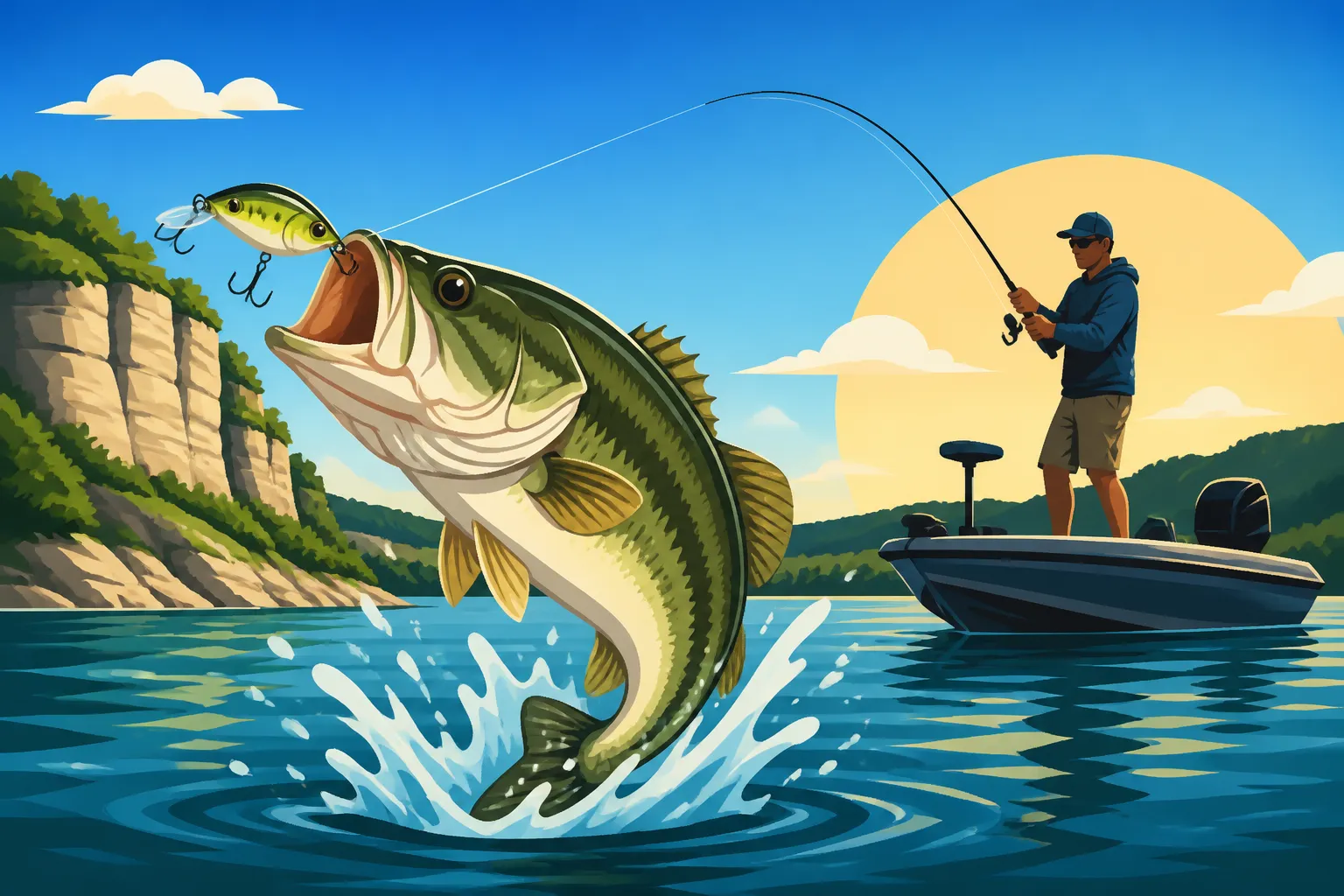
Lake Whitney might not be as famous for bass as some other Texas lakes, but it offers a very respectable fishery for both largemouth and smallmouth bass. For those who love the classic bass fishing experience, Whitney definitely delivers. The clear water and rocky structures, especially in the central and lower lake areas, provide ideal habitats for smallmouth bass, while largemouth tend to prefer the muddier, timber-rich upper arms. Our comprehensive Texas Largemouth Bass Fishing Guide can help you understand the nuances of chasing these popular game fish.
Largemouth bass fishing on Lake Whitney follows typical seasonal patterns. In spring, they'll be found in shallower coves and creek arms, staging for the spawn around brush, docks, and submerged vegetation. Jigs, spinnerbaits, and soft plastics like Texas-rigged worms are excellent choices. During summer, they move deeper to find cooler water and cover, often relating to ledges, humps, and submerged timber. Crankbaits, deep-diving spoons, and Carolina rigs can be effective. Fall sees them moving back shallower as they follow baitfish, and topwater lures, chatterbaits, and lipless crankbaits can produce explosive strikes. Smallmouth bass, on the other hand, are often found year-round around rocky points, bluffs, humps, and deep ledges. They love clear water and hard bottom. Tubes, Ned rigs, drop shots, and small crankbaits that mimic crawfish are highly effective for these hard-fighting fish. They are known for their incredible fighting ability, often making powerful runs and acrobatic jumps, providing an exciting challenge for any angler. The diversity of cover and structure across Lake Whitney ensures that, no matter the season, there's always a good spot to target your favorite bass species.
Navigating the Waters: Top Fishing Spots and Access
Lake Whitney is a vast body of water, and knowing where to focus your efforts can make a huge difference in your success. While a good fish finder is invaluable, understanding the lake's topography and popular areas will give you a head start.
Key Coves and Structures for Success
When you're out on Lake Whitney, certain areas consistently produce fish due to their unique structures and the way they hold baitfish. For striped bass, the main lake points, especially those with steep drops and access to deeper water, are always worth checking. Areas around the main dam and the power plant discharge (when active) can be hotspots, particularly for deep-water stripers in summer or cold-weather periods. Look for schooling baitfish on your electronics; where there's bait, stripers are usually not far behind. The mouth of major creek arms, like the Nolan River arm or Ham Creek, also serve as funnels for stripers moving to and from spawning grounds or feeding areas. For more tips on striper fishing, check out our guide on Lake Texoma Striped Bass Fishing Spots, many principles apply.
For crappie and catfish, the upper reaches of the lake in the Brazos and Nolan River arms are often prime. Here, you'll find more submerged timber, brush piles, and shallower flats. Key areas include the numerous coves and bends where brush has accumulated. Anglers often place their own brush piles, marking them with GPS, to create consistent crappie spots. Marinas and boat docks also attract crappie, especially in cooler weather, as they offer shelter and baitfish. For largemouth bass, focus on the timbered coves and creek channels in the upper end of the lake, as well as around any visible cover like boat docks, fallen trees, or lily pads if present. Smallmouth bass, however, will be found primarily in the clearer, rockier sections of the main lake, particularly around bluff walls, rocky points, and submerged rock piles. Pay close attention to changes in depth and current, as these can concentrate bait and game fish.
Public Access Points and Marinas
Accessing Lake Whitney is relatively easy, with numerous public boat ramps and marinas scattered around its shores. The U.S. Army Corps of Engineers manages many recreation areas that include boat ramps, campgrounds, and day-use facilities. Some popular ramps include those at McCown Valley Park, Cedar Creek Park, Kimball Bend Park, and the North Plowman Creek Park. These offer ample parking and good access to different parts of the lake. Many of these parks also provide excellent opportunities for bank fishing, though specific areas may be designated.
Several full-service marinas provide not only boat ramps but also fuel, tackle shops, boat rentals, and sometimes even restaurants and lodging. Lighthouse Marina, Lake Whitney Marina @ Kimball Bend, and Cliffside Park Marina are well-known options. These facilities can be invaluable resources, especially if you're visiting for the first time. The staff at local marinas and tackle shops are often a wealth of current information on fishing conditions, hot spots, and preferred baits and lures. Don't be shy about striking up a conversation – local knowledge is gold! Before heading out, it's always a good idea to confirm ramp conditions, especially during periods of low water, which can sometimes impact accessibility.
Bank Fishing Opportunities
You don't always need a boat to enjoy the fishing on Lake Whitney. There are several excellent bank fishing opportunities, particularly within the many Corps of Engineers parks and public access areas. Parks like McCown Valley, Kimball Bend, and Cedar Creek often have designated fishing piers or accessible shoreline areas where you can cast a line. These spots are fantastic for catching catfish, crappie, and even some smaller bass. You might find success targeting brushy areas, submerged structures visible from the bank, or casting into deeper water from a pier.
For families or beginners, these bank fishing spots are ideal. They provide easy access, often with amenities like picnic tables and restrooms, making for a comfortable day outdoors. Just remember to be mindful of your surroundings, pack out all your trash, and be aware of any specific park rules regarding fishing. Sometimes, you might even stumble upon a hidden gem of a spot along the roadside access points, where a small creek feeds into the lake, creating a natural congregation point for fish. Keep an eye out for areas that offer a quick drop-off near the bank or submerged timber, as these often hold fish closer to shore.
Mastering the Techniques: Gear and Strategies for Lake Whitney
Having the right gear and understanding effective techniques are crucial for success on Lake Whitney. The lake's diverse fisheries mean you'll likely need a varied tackle box and a willingness to adapt your approach.
Essential Tackle for Each Species
Fishing for stripers, bass, crappie, and catfish often requires different setups to be truly effective. For those hard-fighting striped bass, you'll want a medium-heavy to heavy action spinning or baitcasting rod, typically 6'6" to 7'6" in length. Pair this with a reel spooled with 15-20 lb monofilament or fluorocarbon, or 30-50 lb braided line with a fluorocarbon leader. Lures like heavy spoons (1/2 to 1 oz), topwater plugs (such as Zara Spooks or One Knockers), swimbaits (like Sassy Shads on jig heads), and large crankbaits are essential. Live shad, if you can catch them, are arguably the most effective bait for stripers, especially when drifting or downrigging.
For largemouth and smallmouth bass, a versatile medium-heavy baitcasting rod (6'6" to 7') is a good all-around choice, with a 12-17 lb fluorocarbon or monofilament line. Your tackle box should include Texas rigs with soft plastics (worms, creature baits), jigs (football jigs, flipping jigs), crankbaits (both shallow and deep divers), spinnerbaits, and topwater frogs or poppers. For smallmouth, consider lighter line (8-12 lb) and finesse baits like tubes, Ned rigs, and drop shot rigs. Crappie fishing typically calls for ultra-light spinning gear, often a 5-7 foot rod with a fast tip, spooled with 4-6 lb monofilament or braided line. Small jigs (1/16 to 1/8 oz) tipped with minnows or soft plastic crappie baits are key. Finally, for catfish, a stout medium-heavy to heavy action rod (7-9 ft) with a durable spinning or baitcasting reel spooled with 20-50 lb mono or braided line is necessary. Baits include cut shad, punch bait, chicken livers, and live bluegill for trophy flatheads. Having a good variety ensures you're ready for whatever bites.
Seasonal Tactics and Patterns
Lake Whitney's fish behavior changes dramatically with the seasons, making adaptable tactics vital. In spring, bass move shallow for the spawn, so focus on warmer coves with jigs and soft plastics. Crappie will be in shallow brush piles, hitting minnows and small jigs. Stripers make their run up the river arms, where casting swimbaits or live bait can be very productive. White bass also make their spawning run, offering incredible action on small jigs and inline spinners up the Brazos and Nolan rivers.
Summer fishing on Whitney means beating the heat. Stripers often go deep to find cooler, oxygenated water, requiring downriggers or weighted lines with live bait. Bass also move deep to ledges and submerged timber, making deep-diving crankbaits and Carolina rigs effective. Catfish, however, remain active and can be caught day or night with various baits, often moving shallower to feed at dusk and dawn. Early morning and late evening topwater bites for bass and stripers can still occur, but the midday sun usually pushes fish deep.
Fall is a fantastic time on Lake Whitney. As temperatures cool, baitfish become more active, and game fish follow suit. Stripers often bust shad on the surface, making for thrilling topwater action, or can be caught trolling. Bass will be aggressively feeding, and spinnerbaits, crankbaits, and jigs can all be productive. Crappie can be found around brush piles and structure, moving between shallower and deeper water. The fall transition brings some of the most consistent and exciting fishing of the year.
Winter fishing can be challenging but rewarding. Stripers often school up in large numbers on main lake points and humps, requiring vertical jigging with spoons or fishing live bait deep. Bass will be slow, relating to deep structure, and finesse techniques like a drop shot or slow-rolled jig can entice bites. Crappie will be suspended in deep brush piles. While the bites can be fewer, the fish caught often tend to be larger, making the effort worthwhile. Always consult current Texas Fishing Seasons Month by Month reports to fine-tune your approach.
Reading the Lake: Electronics and Water Conditions
In a lake as large and diverse as Whitney, modern fishing electronics are practically essential. A good fish finder with sonar and down/side imaging can help you locate baitfish schools, identify submerged structure, and pinpoint game fish. For deep-water striper fishing, understanding your sonar returns to identify thermoclines and fish arches is crucial. GPS mapping, often integrated into modern fish finders, allows you to mark productive spots, navigate safely, and find public access points or areas you've heard about. Investing in quality electronics is like having an X-ray vision into the underwater world, dramatically increasing your chances of success. You can learn more about picking the right tools in our guide on the Best Fishing Electronics for Texas Anglers.
Beyond electronics, always pay attention to water conditions. Water clarity can dictate your lure color choice and presentation depth. Clear water often calls for more natural colors and subtle presentations, while stained or muddy water might require brighter colors, noisy lures, or heavier scents. Wind is another critical factor. A good choppy wind can create a "current" that positions baitfish and makes game fish more active, but too much wind can make boat control and casting extremely difficult. Barometric pressure changes, especially before a cold front, can often trigger aggressive feeding. Learning to "read" the lake – from the surface conditions to what your electronics tell you – will transform your fishing from guesswork to strategic angling.
Planning Your Lake Whitney Fishing Adventure
A successful fishing trip to Lake Whitney isn't just about what you do on the water; it's also about the preparation beforehand. From finding the right guide to understanding local rules, a little planning goes a long way.
Choosing a Fishing Guide or Charter
For many, especially those new to Lake Whitney or targeting a specific species like striped bass, hiring a professional fishing guide can be an absolute game-changer. A good guide has spent thousands of hours on the water, knows the lake's quirks, understands seasonal patterns, and can put you on fish faster than you ever could on your own. They provide all the necessary gear, bait, and invaluable local knowledge, allowing you to focus purely on the fishing experience. It's an investment, but one that often pays dividends in both fish caught and lessons learned.
When choosing a guide, look for someone specializing in the species you want to target (e.g., a striper guide, a bass guide). Check their reviews, ask about their experience on Lake Whitney specifically, and inquire about what's included in the trip. Reputable guides will be licensed and insured, and they'll prioritize your safety and enjoyment. Many excellent guides operate on Lake Whitney, and you can often find them through local tackle shops, marina referrals, or by searching online platforms like FishingBooker. Using a service like FishingBooker allows you to compare different guides, read reviews from other anglers, and book with confidence, ensuring you find a perfect match for your Whitney adventure. A local guide knows exactly how to navigate the lake's unique features, from hidden brush piles to deep-water humps, giving you an unparalleled advantage.
Lodging, Amenities, and Local Flavor
Lake Whitney offers a wide range of lodging and amenities to suit every preference and budget. For those who love the outdoors, numerous campgrounds are managed by the Corps of Engineers, offering everything from primitive tent sites to full hook-up RV spots. Many of these campgrounds, like those in Cedar Creek Park or Kimball Bend Park, offer direct lake access, boat ramps, and stunning views. If camping isn't your style, there are several vacation rentals, cabins, and even some bed and breakfasts in the towns surrounding the lake, such as Whitney, Laguna Park, and Clifton.
These local towns offer basic services like grocery stores, gas stations, and a handful of local restaurants where you can grab a bite after a long day on the water. While Lake Whitney isn't a bustling metropolitan area, it offers a charming, relaxed atmosphere that perfectly complements a fishing getaway. Many anglers also appreciate the opportunity to cook their fresh catch at their campsite or cabin. Don't forget to check out local bait and tackle shops; they're not just for gear, but also for the latest fishing reports and a dose of local camaraderie. From quiet lakeside cabins to bustling campgrounds, Lake Whitney has options that will make your stay comfortable and convenient, whether you're just visiting for a day or staying for a week.
Understanding Regulations and Safety
Before you even think about casting a line in Lake Whitney, it's absolutely crucial to understand the rules and regulations set forth by the Texas Parks and Wildlife Department (TPWD). This is vital not just for legal compliance, but for the conservation of the lake's incredible fisheries. First and foremost, you'll need a valid Texas Fishing License Requirements Explained unless you qualify for an exemption. It’s important to know How to Get a Texas Fishing License and to have it with you, either physically or digitally on your phone, at all times while fishing.
Beyond the license, familiarize yourself with the Texas Freshwater Fishing Regulations. Pay close attention to bag limits and length limits for each species you plan to target. For instance, specific rules might apply to striped bass, white bass, crappie, and catfish regarding how many you can keep and their minimum or maximum sizes. These regulations are in place to ensure healthy fish populations for future generations of anglers. Safety on the water is also paramount. If you're using a boat, make sure it meets all Texas Boat Registration Requirements and carries the necessary safety equipment, including life jackets for everyone on board. The Brazos River Authority and the Corps of Engineers often have specific rules regarding safe boating practices, especially in busy areas. Checking weather forecasts, understanding basic navigation, and having a plan for emergencies will help ensure your trip is not only successful but also safe and enjoyable.
Disclaimer
The information provided in this guide is for general informational purposes only and is subject to change. Always consult the official Texas Parks and Wildlife Department (TPWD) regulations before fishing, as rules regarding licenses, bag limits, and legal methods can change seasonally or annually. Fishing conditions can vary greatly based on weather, water levels, and other environmental factors.