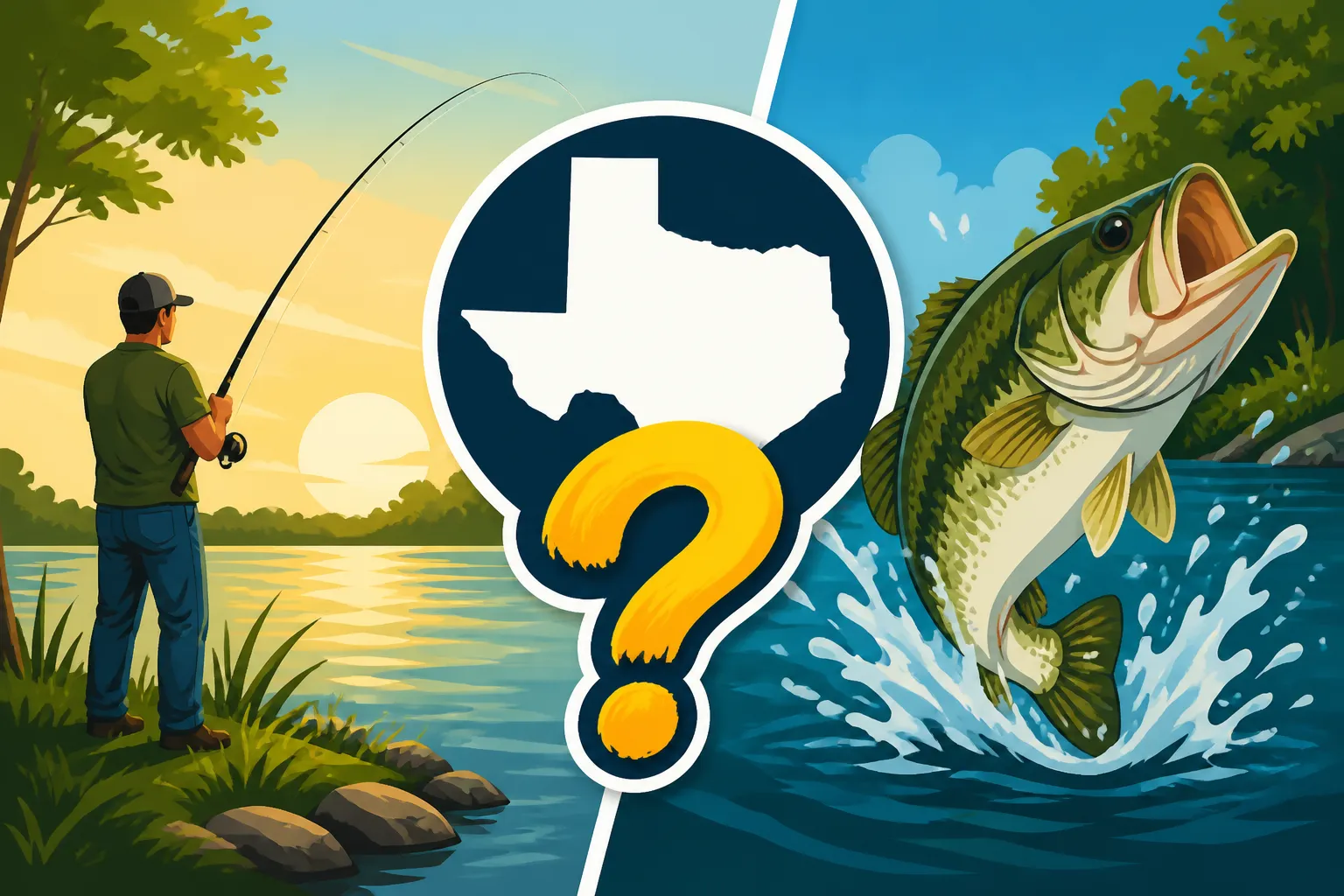
Is Lake Fork good for bank fishing?
It's a common dilemma, isn't it? You hear all the legendary stories about Lake Fork, the absolute monster bass that come out of its waters, and the thought immediately pops into your head: "I want a piece of that action!" But then reality sets in. Maybe you don't own a fancy bass boat, or you're just looking for a simpler, more accessible way to wet a line. The question of whether Lake Fork is good for bank fishing is one many anglers ponder, and it's totally understandable to feel a bit overwhelmed trying to figure it out. This guide is here to give you the realistic lowdown on bank fishing Lake Fork, exploring the challenges, the limited opportunities, and how you can still make the most of your time near this iconic Texas fishery.
The Reality of Bank Fishing Lake Fork: A Challenging but Not Impossible Endeavor
Let's cut right to it: Lake Fork is, by and large, a boat angler's paradise. The lake was specifically designed as a trophy bass fishery with an incredible amount of standing timber left in it, along with diverse submerged structure like creek channels, humps, and ledges. These features, while fantastic for growing huge bass, are incredibly difficult to access from the shoreline. For many bank anglers, this can feel like standing on the edge of a treasure chest you can't quite open.
The Lay of the Land: Why Public Bank Access is Scarce
One of the biggest hurdles for bank anglers on Lake Fork is the sheer lack of widespread, easily accessible public shoreline. Much of Lake Fork's 315 miles of irregular shoreline is privately owned. You'll find countless homes, cabins, and private docks lining the banks, and trespassing is simply not an option. This private ownership means that large stretches of prime fishing real estate are completely off-limits to anyone without direct access.
Compounding this is the lake's topography. Unlike some other Texas lakes with expansive, gently sloping public parks, Lake Fork often has dense woods, steep banks, or thick brush right up to the waterline. This isn't just an inconvenience; it can be a real physical barrier, making it tough to even get close to the water, let alone cast effectively. Then there are the fluctuating water levels. Depending on rainfall and reservoir management, the waterline can shift significantly. What might be a walkable bank one month could be submerged or turn into a muddy bog the next, further limiting reliable access. Because of these challenges, anglers often find themselves looking into options like a Texas Boat Registration Requirements or even a Texas Boat Title and Renewal Rules if they're serious about consistently fishing these waters.
The Big Bass Draw: Why Boats Reign Supreme on Lake Fork
Lake Fork's reputation as a trophy bass lake is largely built on its deep, timber-filled structure and offshore humps, where giant largemouth bass often reside. These areas are almost exclusively reachable by boat. Tournament anglers and seasoned locals alike rely on advanced electronics, powerful trolling motors, and specialized boats to navigate the dense timber and pinpoint these elusive giants. From the bank, you're mostly limited to casting into relatively shallow, open water near the shore. While you can catch bass near the bank, especially during certain times of the year like the spring spawn or when fish move shallow to feed, the truly legendary fish often hold in deeper, more complex cover that's just out of casting range for a shore-bound angler. It's not to say there aren't any bass near the bank, but your odds of hooking into a ShareLunker-sized fish from shore are significantly lower than from a well-equipped boat.
Where to Find Shoreline Opportunities on Lake Fork
Despite the challenges, a determined bank angler can find a few spots to cast a line on Lake Fork. You just need to know where to look and manage your expectations. These aren't vast, pristine stretches of easily accessible bank, but rather specific, localized areas.
Limited Public Access Points and Parks
Your best bet for legal bank access will be at public boat ramps or designated parks that offer a small amount of shoreline. One primary location that often provides some bank access is the Lake Fork Area Chamber of Commerce Park in Alba, Texas. This park typically has a small pier and some adjacent shoreline where you might be able to cast. It's not extensive, but it's a legitimate public spot. Similarly, some boat ramps operated by the Texas Parks and Wildlife Department (TPWD) or local counties might have a bit of bank around the ramp area that's safe and legal to fish from. These spots are usually geared towards boaters launching, so the bank fishing aspect is often a secondary consideration and can be limited in space.
Another potential area to explore, though it requires careful scouting, is around bridges that cross arms of the lake. Often, there might be a small pull-off or a grassy area that allows for some bank access near the bridge pilings. Always be mindful of traffic, private property signs, and safety when considering bridge fishing. Remember that specific regulations, like Texas Fishing License Requirements Explained, still apply no matter where you cast your line.
Fishing from Piers and Bridges
Piers, while not abundant on Lake Fork, do offer a distinct advantage for bank anglers: they provide access to deeper water and structure that would otherwise be out of reach. The pier at the Lake Fork Area Chamber of Commerce Park is a prime example. Fishing from a pier allows you to cast further out, potentially reaching creek channels or submerged timber lines that hold fish. It also elevates you above shoreline vegetation, giving you a clearer casting path.
When fishing from a pier or bridge, consider targeting species beyond just bass. Catfish, especially channel and blue catfish, are often readily caught from these elevated positions, particularly if you're using bait on the bottom. Crappie can also be found congregating around pier pilings or bridge structures, especially during cooler months. Using small jigs or minnows under a bobber can be effective. Always check local signage for specific rules regarding fishing from bridges, as some may prohibit it for safety reasons. For example, some areas might have restrictions on Texas Trotline and Jugline Rules if you were thinking of using those from an accessible bank.
Table: Lake Fork Bank Fishing Access Points & Considerations
| Access Point Type | Typical Location | Best For | Challenges | Recommended Gear |
|---|---|---|---|---|
| Public Boat Ramps | Various points around lake | Bass (seasonal), Catfish | Limited bank space, high boat traffic, muddy/steep banks | Medium-heavy spinning/baitcasting, plastics, jigs |
| Designated Parks | E.g., Lake Fork Chamber | Bass (seasonal), Catfish, Crappie | Small areas, can get crowded, limited reach into main lake | Medium spinning, small jigs, live bait, bottom rigs |
| Bridges/Causeways | Road crossings | Catfish, White Bass (seasonal), Crappie | Safety concerns with traffic, limited parking, strong currents, private land | Heavy spinning, bottom rigs, heavier weights |
| Private Rental Access | Vacation rentals | Bass (seasonal), Catfish, Bream | Requires booking a private property, variable access quality | All-around setup, whatever fish are present |
Strategies and Gear for Lake Fork Bank Anglers
If you're committed to bank fishing Lake Fork, you'll need to adjust your approach and gear compared to what a typical boat angler might use. It's all about maximizing your limited casting range and making the most of the accessible water.
Targeting Specific Species from the Bank
While Lake Fork is synonymous with largemouth bass, bank fishing opens up opportunities for other species that are often more accessible from shore.
- Catfish: This is probably your most consistent bet from the bank. Both channel and blue catfish thrive in Lake Fork and are often found cruising shallower areas or congregating around structure near public access points. Using traditional bottom rigs with stink bait, cut bait, or even chicken liver can yield excellent results, especially in the evenings or early mornings. You can learn more about Texas Catfish Bag Limits before you go.
- Crappie: During the spring and fall, crappie will move shallower, often schooling up around brush piles, submerged timber close to the bank, or pier pilings. Small jigs (1/16 to 1/8 oz) tipped with a minnow or soft plastic are deadly. A slip bobber rig can help you suspend your bait at the right depth.
- Bass: Yes, you can still catch bass from the bank! Focus on springtime when bass move shallow for the spawn. Look for areas with any kind of cover: downed trees, sparse grass, boat docks (if on private rental property), or even gradual points. Soft plastics like Texas-rigged worms or Senkos, spinnerbaits, and small crankbaits can be effective. Early morning and late evening are often your best times for bass from the bank, especially during warmer months. Remember to check Texas Largemouth Bass Length Limits.
Essential Gear for Bank Fishing Lake Fork
Since you won't have the luxury of moving your boat around, your gear choices become even more critical for reaching fish and battling them effectively from a fixed position.
- Longer Rods: A longer rod (7' to 7'6") will give you increased casting distance, which is a huge advantage when you're limited to one spot. This extra length also helps with leverage when fighting a fish through any shoreline vegetation or around obstacles. A medium-heavy to heavy power rod is a good choice for tackling potential trophy bass or larger catfish.
- Durable Line: You're going to be casting into and around submerged timber and other snags. Spool up with a strong, abrasion-resistant line. Fluorocarbon or braided line with a fluorocarbon leader are excellent choices. For braid, 30-50 lb test is not overkill; for fluorocarbon, 15-20 lb test will serve you well.
- Snag-Resistant Lures: Texas-rigged soft plastics (worms, creature baits, flukes) are your best friend for bass, as the hook point is shielded, making them relatively snag-proof in timber. Weightless Senkos can also be incredibly effective fished slowly. For crappie, small jigs with weed guards can help. For catfish, simple circle hooks on a Carolina or slip-sinker rig are ideal.
- Pliers, Line Cutters, and a Net: These are non-negotiable. You'll inevitably get snagged, and strong pliers or cutters will save you time and frustration. A long-handled net is invaluable for landing fish from a higher bank or pier, preventing lost fish at the very last moment.
- Comfortable Footwear and Bug Spray: You might be doing some walking to find those precious access points, and Texas summers mean bugs. Be prepared!
Alternatives to Bank Fishing Lake Fork for Trophy Bass
While bank fishing Lake Fork offers a unique challenge, it's also important to acknowledge that it might not deliver the "trophy bass" experience many associate with the lake. If catching a true monster is your goal, and bank fishing isn't cutting it, consider these alternatives.
Exploring Nearby Bank Fishing Hotspots
Texas is blessed with an abundance of lakes and rivers, many of which offer far more extensive and accessible bank fishing opportunities than Lake Fork. If your primary goal is simply to enjoy a day of fishing from shore, expanding your search beyond Lake Fork might lead to a more rewarding experience.
- TPWD Neighborhood Fishin' Program: Many urban and suburban parks across Texas have ponds stocked by TPWD with catfish and rainbow trout (in winter). These are specifically designed for easy bank access, often with paved paths, fishing piers, and amenities. While you won't catch a Lake Fork giant, you'll have a much higher chance of success and a more comfortable experience.
- State Parks: Many Texas State Parks offer fantastic bank fishing, often from designated piers or open shorelines. Lakes like Inks Lake, Lake Tawakoni, or even smaller state park lakes can be excellent for family fishing trips and offer a variety of species. You can find more information about Best Texas State Parks for Fishing.
- Other Lakes and Rivers: Lakes closer to major cities, like Lake Conroe near Houston or Grapevine Lake near DFW, often have more developed public parks with good bank access. Rivers like the Trinity or Brazos can also offer excellent catfish and bass fishing from various access points.
The Guided Experience: Maximizing Your Lake Fork Trip
If your heart is set on experiencing the legendary Lake Fork bass fishing, but you don't own a boat, hiring a local fishing guide is undoubtedly the best way to do it. A professional guide on Lake Fork isn't just someone who takes you out on a boat; they are a local expert with years of experience, specialized equipment, and an intimate knowledge of the lake's ever-changing conditions.
Guides understand the patterns of the fish, where they're holding in the timber, and what baits they're biting on any given day. They have the right boat to navigate the treacherous timber, the electronics to find fish, and the tackle to catch them. While it's an investment, a guided trip significantly increases your chances of landing a trophy bass and provides an invaluable learning experience. You'll get to fish the spots you hear about, learn techniques from a pro, and see firsthand why Lake Fork is so famous. Platforms like FishingBooker make it easy to find and book experienced Lake Fork fishing guides, offering a range of options to fit different budgets and group sizes. This way, you get the full Lake Fork experience without having to buy or trailer a boat, and you'll likely learn a thing or two about fishing these challenging waters.
Disclaimer
Fishing conditions and regulations in Texas can change. Always consult the official Texas Parks and Wildlife Department (TPWD) website for the most current rules, license requirements, and lake-specific information before heading out on your fishing adventure. Safety first!