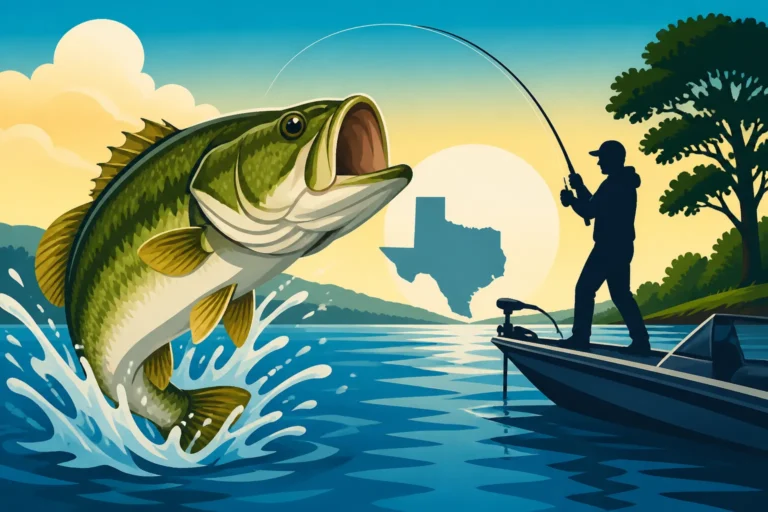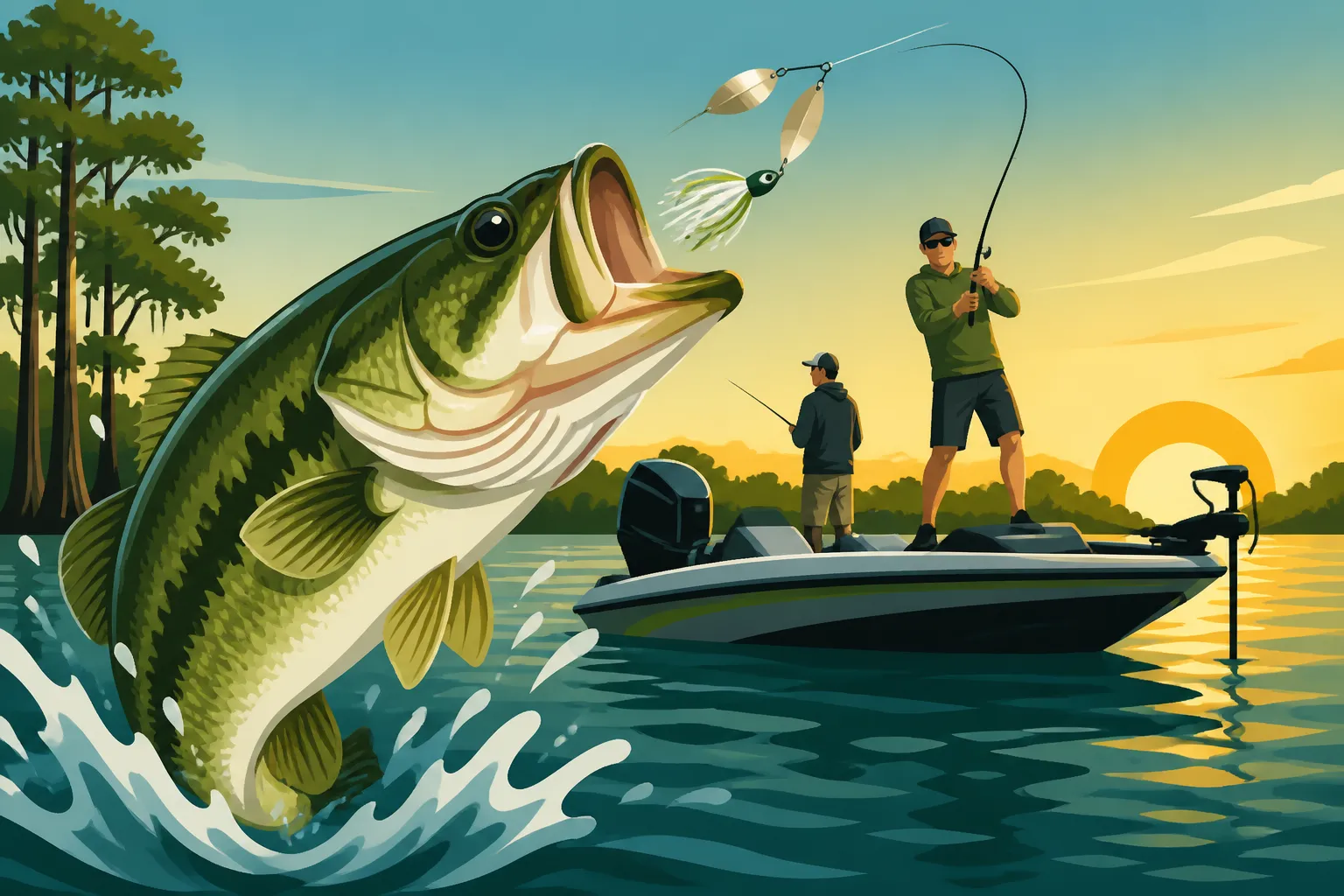
Lake Fork bass fishing guides and charters
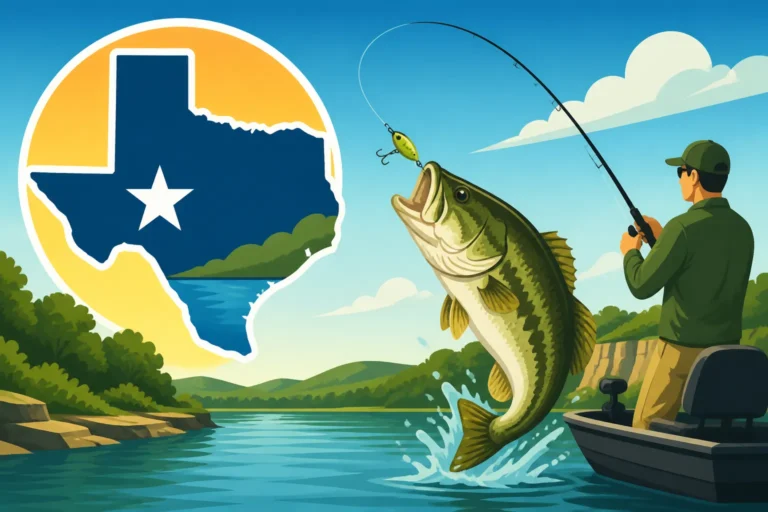
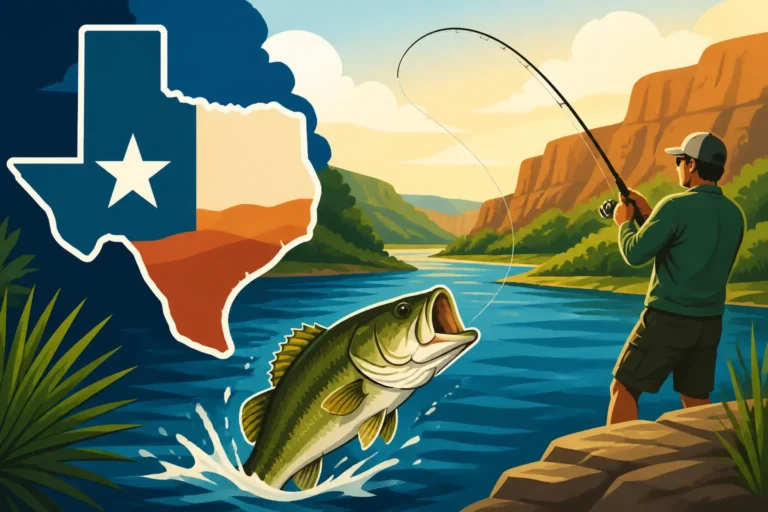
Trying to tackle Lake Fork for bass on your own can feel like trying to solve a puzzle with half the pieces missing, especially if you're chasing those legendary trophy largemouths. It's a vast, complex lake known for its giant bass, but also for its challenging structure. This guide is all about connecting you with the right Lake Fork bass fishing guides and charters, helping you navigate the options and find that perfect expert to make your fishing trip a true success.
Why You Need a Guide for Lake Fork Bass Fishing
Lake Fork isn't just another pretty Texas lake; it's a world-renowned trophy bass fishery, but one that demands respect and a whole lot of local knowledge. For many anglers, especially those visiting for the first time or looking to significantly improve their odds of landing a true lunker, a guide isn't a luxury – it's practically a necessity. These pros cut down the learning curve, making your day on the water exponentially more productive and enjoyable.
Navigating the Complexities of Lake Fork
Imagine trying to navigate a dense forest without a map or compass; that's a bit like trying to find the best bass spots on Lake Fork without prior experience. This reservoir, created in 1980, was designed with standing timber and intentionally left inundated, creating incredible habitat but also a labyrinth of submerged hazards. There are literally thousands of acres of timber, stumps, and hydrilla beds, making it a very challenging environment for an unfamiliar boat captain.
A seasoned Lake Fork guide knows these underwater highways and hazards like the back of their hand. They can safely navigate the dense timber, identify subtle changes in depth and structure that hold fish, and steer you away from prop-damaging stumps or shallow areas. This expertise saves you precious fishing time that would otherwise be spent searching for safe passage or, worse, dealing with boat damage. Their intimate knowledge allows you to focus solely on fishing, not on the anxiety of hitting something hidden beneath the surface.
Beyond the visible structure, Lake Fork's contours are complex. It features deep creek channels, shallow flats, points, and humps, all interacting with various types of cover like submerged brush, hydrilla, and timber. An experienced guide understands how these elements combine to create prime bass habitat at different times of the year. They know exactly where to position the boat to maximize your casting opportunities and present your bait effectively, whether you're targeting fish holding tight to timber or schooling on an open-water hump. This kind of deep structural understanding is something that takes years of dedication to acquire, and a guide brings that wealth of knowledge directly to your trip.
Unlocking Local Expertise and Patterns
The biggest advantage a Lake Fork bass fishing guide offers is their unparalleled local expertise. These aren't just boat drivers; they're professional anglers who spend hundreds of days a year on these waters. They live and breathe Lake Fork bass. This means they possess up-to-the-minute knowledge of where the fish are, what they're biting on, and the most effective techniques for the current conditions.
Consider the ever-changing seasonal patterns that dictate bass behavior. Whether it's the pre-spawn staging in early spring, the intense heat of summer that pushes fish deep, or the fall feeding frenzy, a guide understands these cycles implicitly. They know exactly when and where to find bass during the Texas Bass Spawning Season Guide, for instance, or how to adapt when the fish move offshore in the summer heat. This insight is invaluable, as bass patterns can shift dramatically with water temperature, clarity, and even recent weather fronts. A good guide isn't guessing; they're applying years of accumulated data and daily observations to put you on fish.
Furthermore, guides often have a selection of specialized baits and lures that are proven producers on Lake Fork. They understand the nuances of local forage, water color, and fishing pressure, allowing them to recommend or provide the absolute best presentations. You might arrive with your favorite tackle, but a guide can suggest that a specific color of a Senko, a particular retrieve for a deep-diving crankbait, or the perfect placement of a jig will make all the difference on that given day. This kind of localized tackle knowledge, combined with their understanding of Best Bait and Lures for Texas Fishing, significantly elevates your chances of a successful outing.
Accessing Top-Notch Gear and Boats
For many recreational anglers, investing in high-end fishing equipment can be a significant financial burden. Booking a guide completely bypasses this issue. Most professional Lake Fork bass fishing guides operate out of meticulously maintained, fully equipped bass boats – often top-of-the-line models from brands like Skeeter, Bass Cat, or Ranger. These boats are designed for performance, comfort, and, most importantly, putting you in the best position to catch fish.
Beyond the boat itself, guides provide all the necessary tackle. This includes a wide array of rods and reels – often specialized setups for specific techniques like cranking, flipping, or deep-diving. Imagine showing up and having access to multiple premium setups, perfectly spooled with the right line for Lake Fork’s notoriously big bass. This saves you from having to purchase expensive gear that you might only use once or twice a year, or from bringing inadequate equipment that could cost you a trophy fish. You'll find yourself fishing with the best tools for the job, without the upfront cost or the hassle of transporting your own extensive tackle collection.
Moreover, professional guide boats are outfitted with the latest in marine electronics. This includes state-of-the-art fish finders, side-imaging, and forward-facing sonar systems that can pinpoint fish and structure with incredible accuracy. Learning to use these complex systems effectively takes time, but with a guide, you benefit from their expertise immediately. They can interpret the sonar readings, identify schools of baitfish, locate submerged timber, and even spot individual bass, dramatically increasing your chances. This blend of cutting-edge technology and experienced interpretation is a powerful combination that enhances your entire fishing experience and provides insights into Best Fishing Electronics for Texas Anglers.
What to Look For in a Lake Fork Bass Fishing Guide
Choosing the right guide can make or break your Lake Fork experience. It's not just about finding someone with an open date; it's about finding a professional who matches your expectations, prioritizes safety, and genuinely wants to help you succeed. Just like you'd research a new fishing spot, putting in the effort to find the right guide pays dividends.
Experience and Specialization
When it comes to Lake Fork, experience is paramount. This isn't a lake where generalist guides thrive; you want someone who specializes specifically in bass fishing on this particular body of water. Look for guides who have dedicated years, if not decades, to understanding Lake Fork's unique ecosystem, seasonal patterns, and, of course, its monster largemouth bass. These are the individuals who have witnessed countless changes in the lake, from droughts to floods, and know how the bass react to each scenario.
A guide with deep specialization in bass fishing will also be attuned to different techniques that excel on Lake Fork. Whether you're interested in throwing big swimbaits for trophy fish, flipping heavy jigs into dense timber, or fishing deep with spoons and Carolina rigs, they should be proficient in these methods and capable of teaching them. They often have a reputation for consistently putting clients on quality fish, and their client testimonials will often highlight their ability to find and catch impressive largemouths. This specialization means they aren't dividing their attention between bass, crappie, or catfish; their sole focus is on the pursuit of Lake Fork's legendary green fish, which aligns perfectly with anyone seeking a Texas Largemouth Bass Fishing Guide experience.
Reputation also plays a huge role. Ask around at local tackle shops, marinas, or even online fishing forums. Guides who have been around for a while and consistently deliver good experiences tend to build a strong, positive reputation. Look for guides who are known not just for catching fish, but for being patient, knowledgeable teachers who genuinely enjoy helping their clients learn and improve. It's not always about catching the biggest bass, but about the overall experience and the knowledge you gain, especially when learning How to Fish for Bass in Texas.
Licensing, Insurance, and Safety
This might sound like dry stuff, but it's absolutely critical for your safety and peace of mind. Any legitimate fishing guide operating in Texas needs to be properly licensed by the U.S. Coast Guard if they're taking clients on federal waters (which most major Texas lakes qualify as) and should also adhere to all state regulations. This ensures they've passed certain qualifications related to seamanship, navigation, and safety. Don't hesitate to ask about their credentials; a professional guide will be happy to provide them.
Beyond licensing, a reputable guide will carry appropriate liability insurance. This protects both you and the guide in the unlikely event of an accident. While no one wants to think about mishaps on the water, having insurance is a sign of professionalism and responsibility. Before stepping onto the boat, it's perfectly reasonable to inquire about their insurance coverage, demonstrating their commitment to client safety.
Safety equipment is another non-negotiable. Ensure the guide's boat is equipped with all necessary safety gear, including enough life jackets for every passenger, a first-aid kit, fire extinguisher, navigation lights, and communication devices. A good guide will give you a brief safety orientation at the beginning of your trip, explaining where safety equipment is located and what to do in case of an emergency. They should also be well-versed in Texas boating safety regulations, including those concerning Texas Boat Safety Equipment Requirements and ensuring all participants, particularly children, are wearing appropriate personal flotation devices.
Communication and Personality
Fishing is supposed to be fun, and a significant part of that comes down to the guide's personality and their ability to communicate effectively. You want a guide who is not only skilled at finding fish but also patient, friendly, and enthusiastic. They should be someone who makes you feel comfortable, whether you're a seasoned angler or a complete novice.
A great guide is also a great teacher. They should be able to explain why they're using a certain bait, why they're fishing a particular spot, and how to best present your lure. If you're looking to improve your skills, finding a guide who is willing to share knowledge and offer tips on casting techniques, reading electronics, or understanding bass behavior will make the trip much more rewarding. Pay attention to reviews where clients mention how much they learned during their trip.
Consider what kind of trip you're looking for. Do you want intense, non-stop fishing, or a more relaxed pace where you can enjoy the scenery and camaraderie? Some guides are more focused on numbers, others on trophy fish, and some balance both. Discuss your expectations with potential guides beforehand. Platforms like FishingBooker often include detailed guide profiles and client reviews that give a good sense of a guide's personality and guiding style, helping you find someone whose approach aligns with your own.
Booking Your Lake Fork Bass Fishing Charter
Once you've done your homework on what makes a great guide, the next step is actually booking your trip. This process has become increasingly streamlined thanks to online resources, but there are still some key considerations to ensure a smooth and successful booking.
Researching and Comparing Options
The digital age has made it incredibly easy to research and compare Lake Fork bass fishing guides from the comfort of your home. Many anglers start their search online, and platforms like FishingBooker offer a fantastic way to browse a wide array of licensed Lake Fork guides. These sites typically feature profiles for each guide, complete with photos, detailed descriptions of their services, available dates, and, crucially, reviews from past clients. Take your time to read through these testimonials; they often provide invaluable insights into a guide's personality, fishing success, and overall client experience.
Beyond online platforms, don't underestimate the power of local resources. Marinas around Lake Fork, such as Lake Fork Marina & Hotel or The Minnow Bucket, often have lists of reputable guides. Local tackle shops are also goldmines of information; the staff there are usually local anglers themselves and can offer personal recommendations based on their knowledge of who consistently puts clients on fish and provides a great experience. Asking around can sometimes lead you to a hidden gem of a guide who might not have a huge online presence but is highly respected in the community.
When comparing, pay attention to what each guide explicitly states they specialize in. While most guides on Lake Fork will target largemouth bass, some might have a particular knack for catching giant fish, using specific techniques like swimbait fishing, or catering to families with young children. Clarify these specifics to ensure their specialty aligns with your fishing goals. This research phase is vital for setting realistic expectations and finding a guide whose expertise truly matches the kind of bass fishing adventure you're dreaming of on Lake Fork Fishing Guide.
What to Discuss Before Booking
Before you commit to a booking, it's essential to have a clear conversation with your chosen guide or their booking agent. This helps to iron out any potential misunderstandings and ensures everyone is on the same page. Start with the basics: what is the total cost for the trip, and what exactly is included? Does the price cover bait, tackle, fuel, and non-alcoholic beverages? Understanding the full financial picture upfront prevents any surprises later.
You'll also want to discuss the duration of the trip (half-day versus full-day), the target species (confirming it's largemouth bass), and the maximum number of anglers allowed. If you have specific techniques you'd like to try, or if you're hoping to learn a particular skill, now is the time to mention it. A good guide will be flexible and eager to tailor the trip to your preferences as much as possible, though they'll also advise if your expectations are unrealistic for the current conditions. Don't forget to inquire about their cancellation policy, especially for weather-related issues, as unexpected storms can quickly change plans in Texas.
Finally, confirm what you need to bring. While guides provide most of the gear, you'll typically be responsible for your fishing license (remember to check Texas Fishing License Requirements Explained), appropriate seasonal clothing, sunscreen, snacks, and any personal medications. Knowing these details beforehand ensures you arrive prepared and can focus on the fishing from the moment you step onto the boat.
Maximizing Your Day on the Water
You've booked your guide, arrived at Lake Fork, and it's time to hit the water. To get the absolute most out of your charter, a little mindful preparation and a good attitude go a long way. First and foremost, be punctual. Guides often have a tight schedule, and showing up late can cut into your precious fishing time. Arrive a few minutes early, ready to go.
Once on the boat, listen attentively to your guide. They are the experts on this water and their instructions, whether about casting technique, lure presentation, or where to cast, are based on years of experience. Don't be afraid to ask questions; a good guide loves to teach and share their knowledge. This is a fantastic opportunity to learn about bass behavior, how to read electronics, or specific techniques like the Texas rig or Carolina rig, which are highly effective on Lake Fork. Remember, you're not just paying for a fishing trip; you're investing in an educational experience that can elevate your own angling skills for future trips.
Keep your expectations realistic. While Lake Fork is famous for trophy bass, fishing is still fishing. There are no guarantees. Focus on enjoying the experience, the scenery, and the chance to learn from a pro. If you go in with an open mind and a willingness to learn, you'll likely have a fantastic time, regardless of the size or number of fish you catch. Remember to respect Texas Fish Bag and Length Limits and ensure any fish you keep are within legal parameters. Your guide will handle this, but it’s good to be aware.
The Financial Side: Understanding Costs and Value
Booking a professional fishing guide is an investment, but it's an investment in an experience, education, and significantly increased chances of success on a challenging lake like Lake Fork. Understanding the typical costs and what goes into them can help you budget appropriately and appreciate the value you're receiving.
Typical Pricing for Lake Fork Charters
The cost of a Lake Fork bass fishing charter can vary based on several factors: the guide's experience and reputation, the duration of the trip, the number of anglers, and what's included in the package. Generally, you can expect to pay anywhere from $400 to $700+ for a full-day trip (8 hours) and $300 to $500+ for a half-day trip (4-5 hours). These are rough estimates, and prices can fluctuate.
Factors that influence the price include if the guide is providing all tackle and bait, if they include drinks or snacks, and if there's any additional cost for specialized techniques or targeting truly massive fish. Some guides might offer a slight discount for a solo angler or charge an additional fee for a third or fourth person on the boat. While it might seem like a significant expense, consider what that fee covers: the guide's time, expertise, fuel, boat maintenance, insurance, high-end equipment (rods, reels, electronics), and often the cost of live bait if used. It's a comprehensive service that provides immense value, especially when chasing trophy bass in a legendary location like Lake Fork.
Comparing costs across different guides is wise, but don't let price be the only deciding factor. A slightly more expensive guide with a stellar reputation and proven track record might be a better investment than a cheaper option that delivers a subpar experience. Look for guides who are transparent about their pricing and clearly outline what is and isn't included, so there are no surprises once you're on the water.
Beyond the Booking Fee: Tips and Extras
While the booking fee covers the core service, there are a few other financial considerations to keep in mind to ensure a smooth and appreciative experience. The most common extra is the tip for your guide. Tipping is customary in the guiding industry, much like in restaurants or other service professions. A standard tip for a fishing guide who provides excellent service and works hard to put you on fish is typically 15-20% of the trip's cost. If they went above and beyond, showed exceptional patience, or helped you land a personal best, you might consider tipping a bit more.
Cash is usually preferred for tips, and it's best to present it directly to the guide at the end of the trip. Even if the fishing was slow (which can happen, it's fishing after all!), if the guide was knowledgeable, worked hard, and provided a great overall experience, a tip is still warranted for their effort and professionalism. They can't control the fish, but they can control their attitude and dedication.
Other potential extras might include special requests, like a specific type of expensive live bait that isn't typically included, or if you want to purchase any custom lures or merchandise the guide might offer. If you plan to keep any fish (within legal Texas Largemouth Bass Length Limits, of course!), some guides might charge a small fee for cleaning and bagging your catch. Always clarify these potential additional costs when discussing the trip details beforehand, so you can factor them into your overall budget and avoid any awkward situations at the end of your fantastic Lake Fork adventure.
| Feature | What to Look For | Why it Matters |
|---|---|---|
| Experience | Years specifically on Lake Fork, bass specialization | Deep knowledge of complex lake, seasonal patterns, trophy bass |
| Licensing/Safety | U.S. Coast Guard license, insurance, complete safety gear | Ensures legality, protection, and your well-being on the water |
| Communication | Patient teacher, friendly, clear explanations | Enhances learning, improves enjoyment, avoids misunderstandings |
| Boat/Gear | High-end, well-maintained bass boat, quality rods/reels | Comfort, safety, access to optimal equipment, better fishability |
| Reviews | Consistent positive feedback, specific praise for skill | Indication of reliable performance and client satisfaction |
| Cost Transparency | Clear pricing, explicit inclusions/exclusions, tip guidance | Helps budget accurately, avoids hidden fees, fosters trust |
| Flexibility | Willingness to adapt to preferences, teach new skills | Tailors trip to your goals, maximizes personal growth |
Disclaimer
The information provided in this guide is for general informational purposes only and does not constitute professional advice. Fishing regulations, guide availability, and pricing can change frequently. Always verify current Texas Parks and Wildlife Department regulations, licensing requirements, and confirm all booking details directly with your chosen fishing guide or charter service before making any decisions or payments.