Canyon Lake trout fishing below the dam
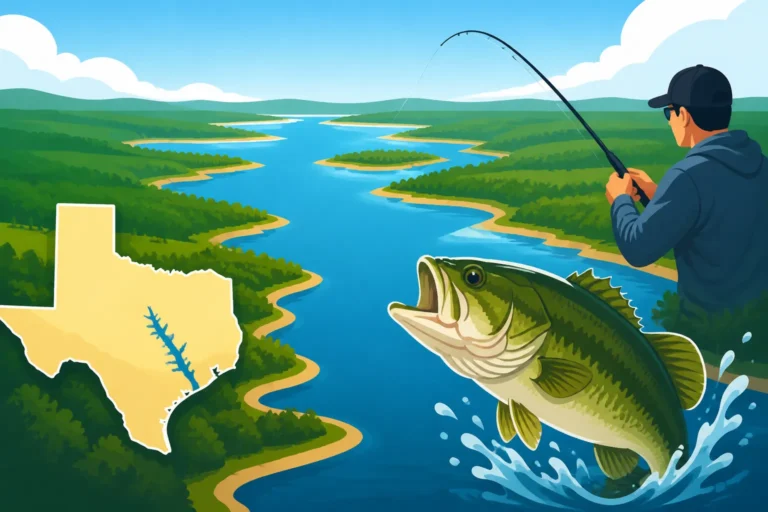
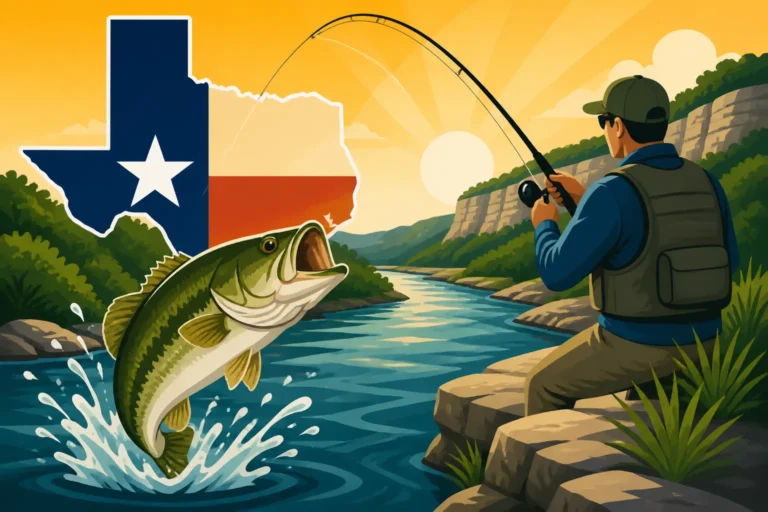
Oh, the idea of chasing trout in Texas! For many folks, it sounds like an oxymoron, doesn't it? We're known for our scorching summers and big bass lakes, not chilly mountain streams. But believe it or not, there's a truly special place where you can find vibrant trout, and that's in the cold waters flowing directly below the Canyon Lake dam on the Guadalupe River. This guide will walk you through everything you need to know to successfully fish for these beautiful cold-water gems in the heart of the Texas Hill Country, from understanding the unique environment to the best gear and techniques.
Understanding the Unique Trout Fishery Below Canyon Lake Dam
When most people picture trout fishing, they envision Colorado mountains or crisp streams in the Pacific Northwest. Texas, with its often-blistering heat, doesn't typically come to mind. But Mother Nature, with a little help from modern engineering, has created an anomaly right here in the Lone Star State: a thriving, year-round trout fishery in a surprising location.
How the Guadalupe River Supports Trout
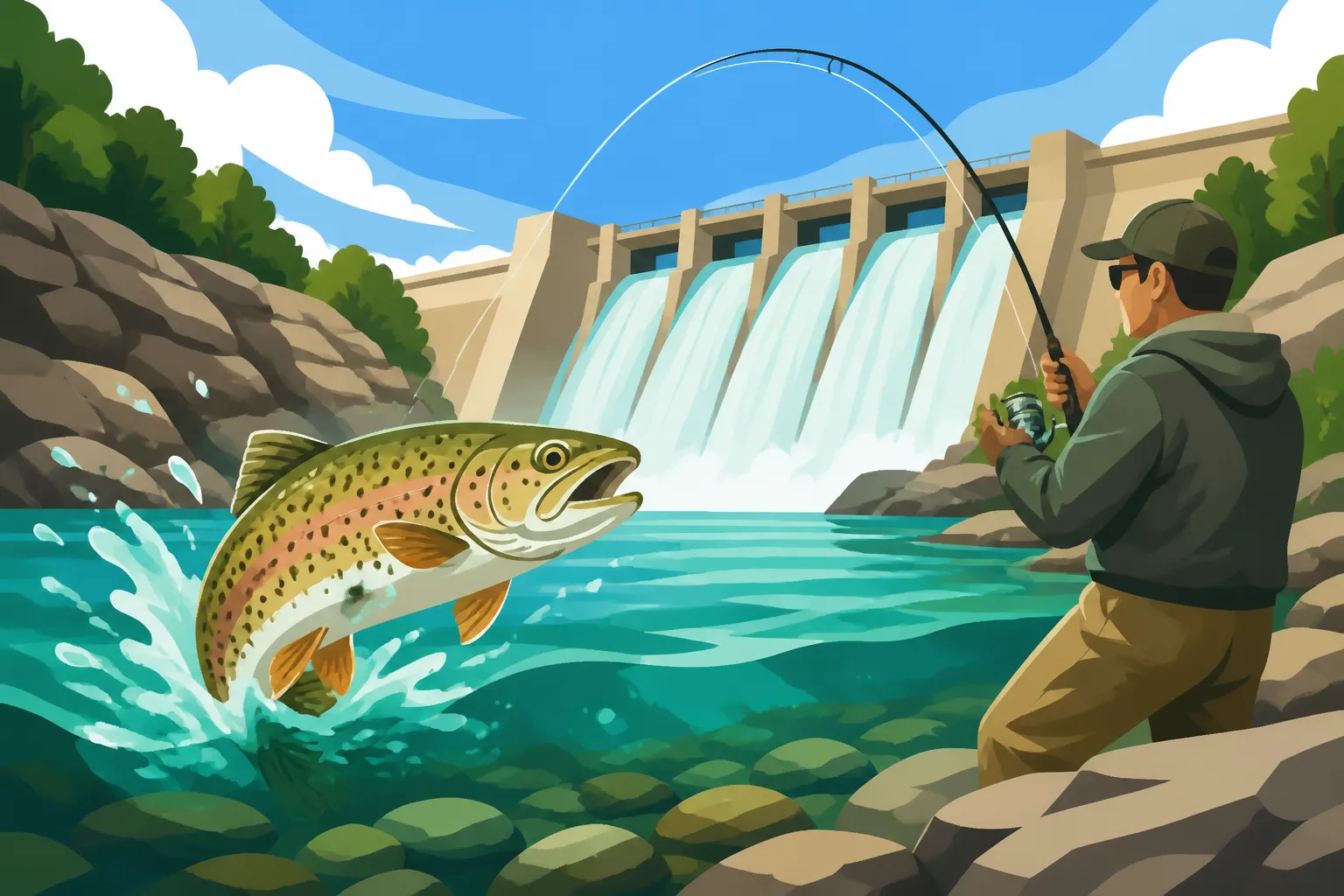
The magic happens thanks to the Canyon Lake dam. This massive structure, built by the U.S. Army Corps of Engineers, holds back the waters of the Guadalupe River, creating Canyon Lake. The key, however, lies in how the water is released from the dam. Instead of surface water, the releases come from the deep, cold layers of the lake. This creates a downstream section of the Guadalupe River, stretching for miles, where water temperatures remain consistently low, often in the 50s and 60s Fahrenheit, even during the peak of summer. This is absolutely critical for trout, as they simply cannot survive in warm water.
This tailrace section, particularly from the dam down to about Canyon Lake's second crossing, is a unique cold-water refuge. The river here flows through limestone bedrock, creating diverse habitats with riffles, runs, and deep pools that provide perfect holding spots for trout. This unique thermal stratification makes the Guadalupe River below Canyon Lake dam the southernmost trout fishery in the contiguous United States, offering a truly distinctive angling experience. It's a testament to how specific conditions can create incredible opportunities, defying what you might expect from our Texas climate.
The Species You'll Encounter
When you drop a line into the Guadalupe River below Canyon Lake, your primary target will be Rainbow Trout. These aren't native Texas fish; they're brought in as part of a fantastic put-and-take stocking program orchestrated by the Texas Parks and Wildlife Department (TPWD) and various conservation groups like Trout Unlimited. These stockings typically occur from November through March, when ambient air temperatures are cooler, helping the newly introduced fish acclimate.
These stocked rainbows range from feisty fingerlings to impressive "lunkers" weighing several pounds, offering a wide variety of challenges. While Rainbow Trout are the main attraction, you might occasionally hear whispers or even see evidence of Brown Trout, which have been stocked in smaller numbers in the past, though they are less common and typically harder to catch. The goal of these programs is to provide an exciting and accessible cold-water fishing opportunity for Texans, and for many, it's their first experience catching a trout without leaving the state. It's truly a special resource that many anglers cherish.
Navigating the Waters and Access Points
Fishing the Guadalupe River below Canyon Lake dam is a different beast than fishing our big Texas lakes. The river's flow, unique access points, and sometimes challenging terrain require a bit of planning and understanding. It's not just about finding a spot; it's about finding the right spot for the conditions.
Key Fishing Zones and Public Access
The most popular and productive stretch of the Guadalupe River for trout fishing extends from just below the Canyon Lake Dam downstream for several miles. Public access can be a bit tricky, as much of the riverfront is privately owned. However, there are several key areas where anglers can get to the water:
- Guadalupe Park (TPWD Access Point): This is perhaps the most well-known public access point, located right below the dam. It offers good bank access and is a popular spot for wade fishing. The currents here can be swift, especially during high water releases, so caution is always advised. It’s also a fantastic place to observe the river and plan your approach.
- Whitewater Camp / Guadalupe River State Park: Further downstream, locations like Whitewater Camp and sections of Guadalupe River State Park offer additional access. These spots often require a fee, but they provide good facilities and sometimes less crowded fishing opportunities. Whitewater Camp is particularly popular for tubing in the summer, but in the cooler months, it transforms into a prime fishing locale.
- Private Resorts and Outfitters: Many private resorts, campgrounds, and fishing outfitters along the river offer day passes or guided trips, providing access to prime stretches of the river that might otherwise be inaccessible. These can be excellent options, especially if you're looking for amenities or a more secluded experience. If you're new to the area, checking out guides on platforms like FishingBooker can help you find experienced local captains who know the best spots and current conditions. They can often provide insights into less-frequented areas and tailor a trip to your skill level.
- Wade Fishing vs. Kayak/Canoe: Wade fishing is extremely popular here, allowing you to move silently and target specific runs and pools. However, the riverbed can be rocky and slippery, so good wading boots with felt soles or studs are a must. Kayaks and canoes also offer a fantastic way to cover more water and reach less pressured spots. Just be mindful of private property along the banks and always know your put-in and take-out points. Remember, having your Texas Fishing License Requirements Explained and readily available is essential, no matter how you choose to access the water.
Understanding Water Flow and Its Impact
This is perhaps the single most crucial factor for fishing the Guadalupe River tailrace. The water flow is entirely dependent on releases from Canyon Lake dam, which are managed by the Guadalupe-Blanco River Authority (GBRA). These releases can vary dramatically based on upstream rainfall, lake levels, and downstream water needs.
- Low Flow (Below 200 CFS): During low flow periods (often below 200 cubic feet per second, or CFS), the river becomes clearer and shallower. This can be excellent for wade fishing, as more of the riverbed is exposed, allowing for easier navigation and sight fishing for trout. However, trout can become more skittish in clear, shallow water.
- Moderate Flow (200-500 CFS): This is often considered the "sweet spot" by many anglers. The water has enough current to spread out the fish and provide good oxygenation, but it's not so strong as to make wading or fishing difficult. It offers a good balance of challenge and opportunity.
- High Flow (Above 500 CFS): When the dam releases significant amounts of water, the river becomes powerful, fast, and often murky. Wading can be dangerous or impossible, and fishing from the bank becomes the only safe option. While challenging, high water can push bait and dislodge insects, sometimes leading to active feeding periods for trout. However, it requires heavier tackle and the ability to get your bait down quickly.
It is absolutely imperative to check the Guadalupe River flow rates before you even think about heading out. Websites like the USGS National Water Information System or the GBRA website provide real-time data. Never take chances with high water; the currents are stronger than they appear, and the rocky bottom can be treacherous. Being prepared and understanding the conditions is key to a safe and successful trip.
Essential Gear and Techniques for Guadalupe Trout
Successfully catching trout in the Guadalupe River requires a bit of finesse and the right tools. It's not about brute force; it's about presenting your bait or lure naturally in the cold, clear water. This isn't your typical bass fishing scenario, so adjust your mindset and your tackle accordingly.
Rods, Reels, and Line Selection
The choice of gear largely depends on your preferred fishing style:
- Spinning Gear: For many Texas anglers, spinning gear is the most familiar and accessible option.
- Rods: Opt for a light to ultralight spinning rod, typically 5'6" to 6'6" in length. A fast or moderate-fast action will give you the sensitivity to detect subtle bites and the backbone to handle fighting fish without overpowering them. Brands like Ugly Stik or St. Croix offer great options suitable for this kind of fishing.
- Reels: Pair your rod with a small spinning reel (1000 to 2500 size). A smooth drag system is essential for protecting light lines when a feisty rainbow makes a run. Shimano and Daiwa produce excellent, reliable reels in these sizes.
- Line: This is critical. Spool your reel with 4-6 lb test monofilament or fluorocarbon line. Fluorocarbon is excellent for its low visibility in clear water and its abrasion resistance against rocks. A clear or low-visibility monofilament also works well. Avoid heavy braid directly to your lure; if you use braid as your main line, always tie on a fluorocarbon leader of 4-6 lb test.
- Fly Fishing Gear: The Guadalupe River is renowned as a premier fly-fishing destination in Texas, and it's a truly rewarding way to target these trout.
- Rods: A 4-weight or 5-weight fly rod, typically 8'6" to 9' in length, is ideal. This weight offers enough power to cast small nymphs and streamers while providing delicate presentation.
- Reels: A matching fly reel with a smooth, reliable drag. It's more of a line holder than a fighting tool for most trout, but a good drag is still appreciated for larger fish.
- Line: A weight-forward floating line matched to your rod weight (WF4F or WF5F) is standard. For nymphing, you'll often use a tapered leader (9-12 feet, 4x-6x tippet) to connect your fly to the main line, allowing for delicate presentations and helping to absorb the shock of a strike. If you're looking to dive deeper into this specialized approach, explore our guide on Fly Fishing Techniques for Texas Rivers.
Baits, Lures, and Flies That Get Bites
Trout in the Guadalupe can be finicky, so having a variety of options is always a good idea.
- For Spinning Anglers:
- PowerBait & Corn: These are classic trout baits for a reason. Brightly colored PowerBait (chartreuse, orange, rainbow) molded around a small treble hook or corn kernels fished on a small single hook are incredibly effective, especially for freshly stocked fish. Fish them on the bottom with a small split shot or under a bobber in slower sections.
- Inline Spinners: Small inline spinners like Mepps Aglia or Panther Martin in sizes #0 to #2 are deadly. Silver, gold, or brass blades with a squirrel tail or feather dressing are highly effective. Cast them upstream and retrieve just fast enough to make the blade spin, letting the current do some of the work.
- Small Spoons: Tiny Kastmaster or Little Cleo spoons (1/16 oz to 1/8 oz) in silver or gold can imitate small baitfish and trigger aggressive strikes.
- Soft Plastics: Micro jigs (1/32 oz – 1/16 oz) with tiny grub or tube bodies, or small trout worms (e.g., Berkley Gulp! Trout Worms) fished under a bobber or on a tiny jig head, can be irresistible. Natural colors like white, brown, or black often work best. For more ideas on what to use, check out our recommendations for the Best Bait and Lures for Texas Fishing.
- For Fly Anglers:
- Nymphs: By far the most consistent producers, as trout feed primarily subsurface. Popular patterns include Pheasant Tail Nymphs, Hare's Ear Nymphs, Prince Nymphs, Copper Johns, and various midge patterns (zebra midges, tiny cream midges). Sizes #14-#20 are common.
- Streamers: Woolly Buggers (black, olive, brown), sculpin patterns, and small Clouser Minnows can imitate baitfish and are effective in deeper pools or faster currents.
- Dry Flies: While not always the most productive, when conditions are right (hatches, rising fish), dry flies can be exhilarating. Elk Hair Caddis, Adams, and Parachute Adams in smaller sizes are good to have.
Rigging Strategies for Success
Presentation is everything when trout fishing.
- Natural Drift (Spinning & Fly): Whether you're using bait or a nymph, the goal is often a "drag-free drift." This means your bait or fly is moving at the exact same speed as the current, without any unnatural tugging from your line. For spinning anglers, this involves carefully mending your line (picking up slack) or using a float. For fly anglers, it's a cornerstone of nymphing techniques, often achieved with strike indicators and precise mending.
- Bottom Bouncing: Many trout hold near the bottom. Using a small split shot or two (or a weighted leader for fly fishing) a foot or two above your bait/lure/fly will help it get down into the strike zone. You want to tick the bottom occasionally, but not constantly snag.
- Target Current Seams: Look for areas where fast water meets slow water (current seams), behind large rocks, or in the calmer water on the inside bends of the river. These are prime ambush points where trout conserve energy while waiting for food to drift by.
- Stealth: Trout in clear water are easily spooked. Move slowly, keep a low profile, and avoid stomping along the bank. Longer casts from a distance can also be beneficial.
- Small Hooks: Use small, sharp hooks (#10 to #16 for bait, similar sizes for flies) to match your bait and ensure a good hookset in the trout's typically soft mouth. Barbless hooks are highly recommended, especially if you plan to practice catch and release.
Here’s a helpful table summarizing gear recommendations:
| Fishing Style | Rod Type / Weight | Reel Size / Type | Line Type / Test | Primary Baits / Lures / Flies |
|---|---|---|---|---|
| Spinning | Ultralight to Light | 1000 – 2500 | Mono/Fluorocarbon 4-6 lb | PowerBait, Corn, Small Spinners (#0-2), Micro Jigs, Trout Worms |
| Fly Fishing | 4wt – 5wt (8'6" – 9') | Matching Fly Reel | WF Floating Line + 4x-6x Tippet | Nymphs (Pheasant Tail, Hare's Ear), Midges, Small Streamers (Woolly Bugger) |
Best Times and Seasonal Considerations
Understanding when to fish is just as important as how to fish, especially for a put-and-take trout fishery like the Guadalupe River. Texas seasons play a huge role in the success of the stocking program and your angling experience.
The Prime Fishing Season
The Guadalupe River's trout season is largely dictated by the Texas Parks and Wildlife Department's stocking schedule and the natural cooling of the Texas climate.
- Fall (November) through Spring (March): This is, without a doubt, the prime season for Guadalupe River trout fishing. Starting in November, when the first substantial cold fronts typically arrive, TPWD begins its intensive stocking program. These fresh stockings mean a good number of eager trout are introduced into the river. The cooler air temperatures help maintain stable, cold water, making the trout more active and less stressed. You'll find trout fishing at its peak during the winter months, offering a fantastic cold-weather outdoor activity that's a welcome change from typical Texas fishing. Knowing the Texas Freshwater Trout Stocking Program License Rules and keeping an eye on the stocking reports from TPWD can really help you plan your trips around the best opportunities.
- Summer (April through October): While the cold water discharge from Canyon Lake dam technically allows trout to survive year-round in the immediate tailrace section, fishing during the hot Texas summer months becomes significantly more challenging and ethically questionable for the fish. As the river moves further downstream from the dam, the water gradually warms, reducing the available "trout zone." Even in the coldest sections, prolonged periods of extreme heat can raise water temperatures to stressful levels for trout, making catch and release efforts less successful. Most serious trout anglers avoid fishing from late spring through early fall to minimize stress on the fish. While some hardier, more acclimated trout might survive, their activity levels drop dramatically. This is a time when many anglers pivot to other species or focus on learning How to Fish in Hot Texas Summers for species that thrive in warmer waters.
Daily Timing and Weather Influence
Beyond the season, daily timing and prevailing weather conditions also heavily influence trout behavior.
- Early Mornings and Late Afternoons: These are generally the most productive times for trout fishing, especially during the shoulder seasons (late fall and early spring). Trout are often more active during these cooler periods, moving into shallower feeding lanes. The lower light conditions also make them less wary.
- Overcast Days: Cloudy or overcast days can be fantastic for trout fishing. The reduced light penetration makes fish feel more secure and less likely to dart for cover. They might feed more aggressively throughout the day compared to bright, sunny conditions.
- Post-Frontal Conditions: Following a strong cold front, fishing can be tough for a day or two as the fish adjust. However, once conditions stabilize, the cooler water and increased oxygen often lead to excellent fishing.
- Water Temperature: Keep an eye on the river's water temperature. Trout are most comfortable and active when water temperatures are between 50-65°F. If the water gets much warmer, they become sluggish; if it drops too low (though rare in the Guadalupe), their metabolism slows. Using a simple stream thermometer can give you a crucial edge. Considering the Best Time of Year to Fish in Texas for trout is really about aligning with the cold weather and stocking schedule.
Regulations and Responsible Angling
Fishing the Guadalupe River for trout isn't just about catching fish; it's about preserving this incredible, unique resource. The Texas Parks and Wildlife Department has implemented specific regulations to protect this fishery, and responsible angling practices are paramount.
Specific Trout Regulations for the Guadalupe
The Guadalupe River below Canyon Lake dam isn't just any old fishing spot; it's a designated "Trout Zone," and as such, it comes with special regulations that differ from statewide general fishing rules. It's absolutely critical to be aware of these before you even wet a line. These rules are in place to maximize the survival of the stocked fish and, in certain sections, to foster a truly wild, self-sustaining population of Rainbow Trout – a remarkable feat for Texas!
- Special Trout Zones: The most notable regulations apply to the section from the third bridge crossing upstream to the eastern boundary of Guadalupe Park (just below the dam). This stretch often has specific rules regarding bag limits, length limits, and even tackle restrictions. For instance, some areas may be "Artificial Lures Only" or "Catch and Release Only." These regulations are designed to reduce mortality and protect the few trout that manage to survive and adapt to the Texas environment year-round, giving them a chance to grow and potentially spawn.
- Bag and Length Limits: While general statewide regulations might apply to other species, the trout in the Guadalupe will have their own set of rules. This could mean a specific daily bag limit (e.g., 5 trout per day) with a minimum length (e.g., 10 inches), or a slot limit where only fish within a certain size range can be kept. It's not uncommon to find areas designated for catch-and-release only, where all trout must be immediately returned to the water unharmed.
- Tackle Restrictions: Some special zones may restrict you to using only artificial lures with single, barbless hooks. This rule is particularly important for catch-and-release, as barbless hooks cause less damage and are easier to remove, greatly increasing the fish's chances of survival.
- Always Check Current Regulations: The most important piece of advice is to always check the current Texas Parks and Wildlife Outdoor Annual or their website before your trip. Regulations can change, and what was true last year might not be true this year. Ignorance of the law is no excuse, and wardens patrol these waters. Our guide on Texas Freshwater Fishing Regulations offers a broader overview, but for the Guadalupe trout, specific sections of that document are what you need to focus on. Make sure you understand the rules for the exact stretch of river you plan to fish.
Practicing Catch and Release
Even if you're in a section where keeping trout is allowed, practicing responsible catch and release is a cornerstone of being a good steward of this unique fishery. Many anglers choose to release all the trout they catch, especially the larger, healthier ones, to ensure others can enjoy the experience and to support the possibility of a truly self-sustaining population.
- Minimize Stress: Trout are delicate fish, especially those unaccustomed to the Texas heat. The longer a fish is out of water, the lower its chances of survival. Try to land fish quickly and efficiently, minimizing the fight time.
- Wet Hands: Always wet your hands thoroughly before handling a trout. Dry hands can remove the fish's protective slime coat, making it vulnerable to disease and infection.
- Barbless Hooks: As mentioned, using barbless hooks makes removal incredibly easy and reduces tissue damage. You can buy barbless hooks, or simply pinch down the barb on your existing hooks with a pair of pliers.
- Proper Hook Removal: Use hemostats or needle-nose pliers to quickly and carefully remove the hook. If the fish is deeply hooked, it's often best to cut the line as close to the hook as possible rather than tearing internal organs trying to retrieve it.
- Keep Fish in Water: Try to keep the fish in the water as much as possible while unhooking and taking a quick photo (if you choose to). Support the fish gently, allowing it to recover in the current before letting it swim away on its own power. Never drop a fish or throw it back into the water.
- Consider a Guide: If you're new to trout fishing or the Guadalupe River, hiring a local guide, perhaps found through services like FishingBooker, can be an invaluable experience. They not only know the best spots but also teach you the best practices for catch and release, ensuring the sustainability of this cherished fishery. Learning from an expert is one of the best ways to ensure you're fishing effectively and responsibly.
Following these guidelines not only makes you a better angler but also helps to preserve the Guadalupe River's trout fishery for future generations. It's a special place, and it's up to all of us to treat it with the respect it deserves.
Disclaimer
Please note that fishing regulations, stocking schedules, and river conditions can change. Always consult the latest Texas Parks and Wildlife Department (TPWD) Outdoor Annual and real-time river flow data (e.g., USGS, GBRA) before planning any fishing trip to ensure you have the most up-to-date information and prioritize safety. This guide is for informational purposes only.