Choke Canyon Reservoir alligator gar fishing
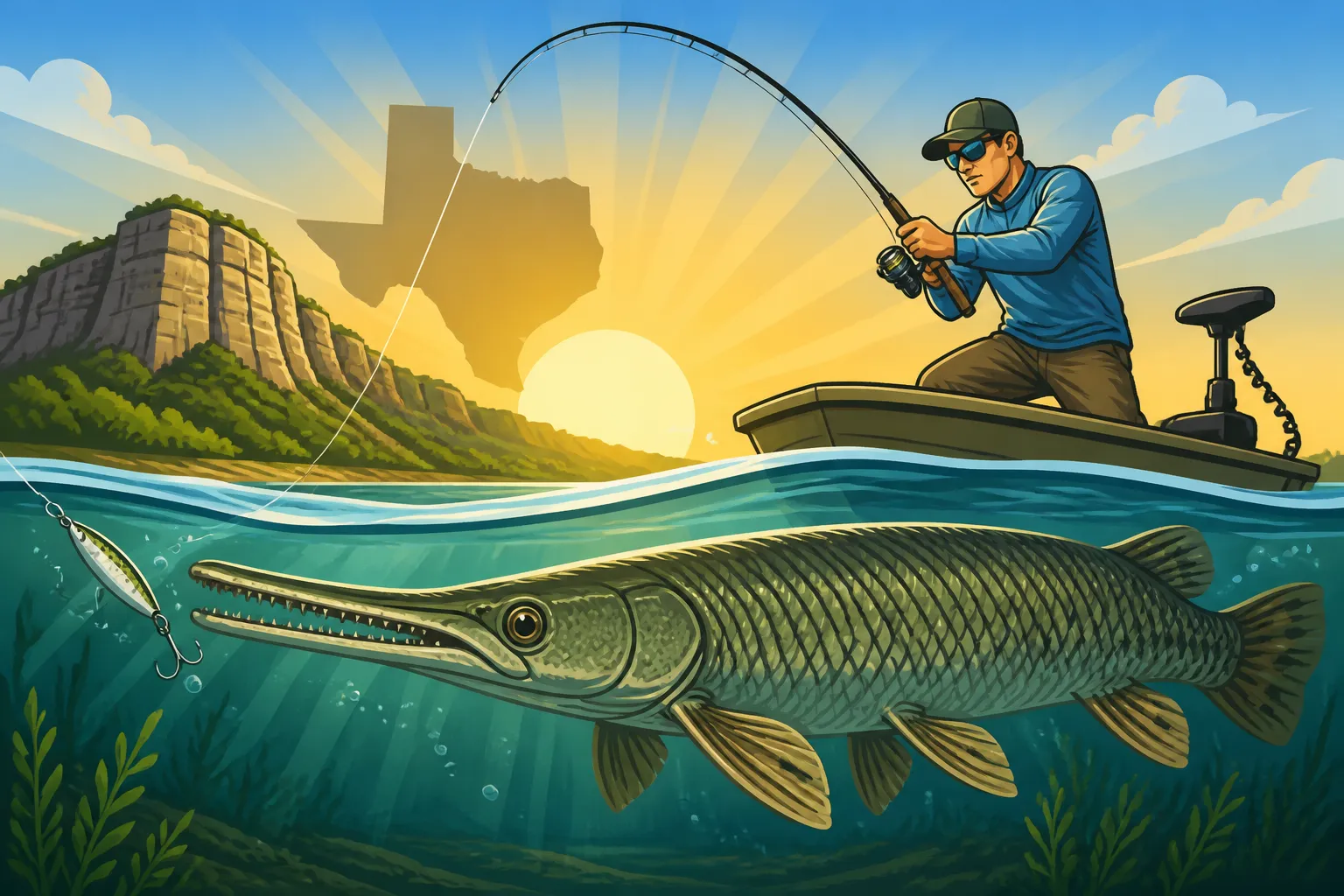
Trying to land an alligator gar can feel like an impossible feat for even seasoned anglers; their prehistoric appearance and immense power make them one of the most challenging and rewarding catches in Texas waters. If you've been dreaming of tangling with one of these magnificent giants, Choke Canyon Reservoir offers some of the best opportunities in the state, and this guide will walk you through everything you need to know to make that dream a reality.
Understanding Alligator Gar in Texas Waters
Alligator gar are truly unique creatures, often described as living fossils due to their ancient lineage and distinctive, alligator-like snouts filled with rows of formidable teeth. For many anglers, targeting these behemoths isn't just about catching a fish; it's about connecting with a primal force of nature. Texas, with its vast and varied freshwater systems, is one of the premier destinations for pursuing alligator gar, and Choke Canyon Reservoir, in particular, stands out as a hotspot.
The Allure of Alligator Gar and Why Choke Canyon Excels
What makes alligator gar so captivating for anglers? It's a combination of their impressive size, their incredible fighting strength, and the sheer challenge of landing one. They're not a fish you'll accidentally catch on light tackle; they require specialized gear and a methodical approach. They are native apex predators, playing a crucial role in maintaining the balance of their ecosystems by preying on slower, less fit fish. In Texas, they hold a revered status, attracting anglers from all over the world.
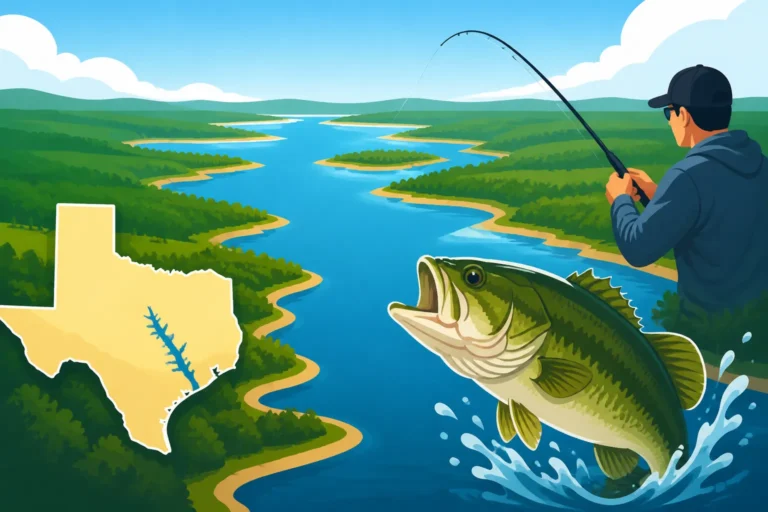
Choke Canyon Reservoir, located about 65 miles south of San Antonio, provides an ideal environment for these giants to thrive. This sprawling lake, known for its extensive timber, hydrilla beds, and diverse forage base, offers the perfect blend of shallow ambush points and deeper holes where large gar can lurk. The reservoir’s warm, nutrient-rich waters support a healthy population of prey fish like carp and buffalo, which form the primary diet of adult alligator gar. The sheer size of Choke Canyon, combined with its relatively wild and less pressured areas, means that trophy-sized gar have ample space and resources to grow to astonishing dimensions. If you're looking for a serious battle, this reservoir is a fantastic choice, far exceeding what many smaller, more urban lakes can offer for this particular species.
Alligator Gar Size, Growth, and Longevity
When we talk about alligator gar, we're not just talking about big fish; we're talking about massive fish. These incredible creatures can easily exceed six feet in length and weigh well over 100 pounds, with some truly gargantuan specimens approaching eight feet and weighing upwards of 300 pounds. Imagine the raw power needed to reel in a fish the size of a grown man! Their growth rate is impressive, especially in waters with abundant food sources like Choke Canyon, allowing them to quickly become dominant predators.
One of the most fascinating aspects of alligator gar is their incredible longevity. They are slow-growing, long-lived fish, capable of living for 50 to 70 years, or even longer in undisturbed habitats. This long lifespan contributes to their potential for monumental size, as they have decades to grow. Catching one isn't just a moment of triumph; it's a testament to the enduring nature of these ancient fish. This also means that many of the biggest gar in Choke Canyon have been residents for a very long time, making them wise and formidable opponents. Remember, catching one is often about patience and understanding their habits honed over many years.
Identifying Alligator Gar and Similar Species
Before you even cast a line, it's crucial to know your target. Alligator gar are distinct from their smaller gar cousins found in Texas waters, like longnose, shortnose, and spotted gar. The most obvious identifying feature of an alligator gar is its broad, flattened, alligator-like snout, which contains two rows of large, prominent teeth on the upper jaw. In contrast, longnose gar have a much narrower, elongated snout, while shortnose and spotted gar have shorter, broader snouts, but still lack the distinctive double row of teeth and the sheer girth of an alligator gar.
Understanding these differences isn't just for bragging rights; it's vital for adhering to state regulations. Texas has specific rules regarding the retention of alligator gar, including a one-per-day bag limit, and different rules apply to other gar species. Misidentifying your catch could lead to serious legal trouble. Always be sure of what you've caught before making any decisions about keeping it, or if in doubt, practice catch and release. This due diligence is part of being a responsible angler and respecting these magnificent fish.
Top Strategies for Alligator Gar Fishing at Choke Canyon Reservoir
Choke Canyon offers a fantastic backdrop for pursuing alligator gar, but it's not a "show up and catch" situation. Success here hinges on understanding the reservoir's unique characteristics and employing tactics specifically tailored to these powerful predators. From knowing where they hide to selecting the right tools, a strategic approach will significantly increase your chances of landing one of these giants.
Prime Locations and Habitats within Choke Canyon
Alligator gar are masters of ambush, preferring areas where they can lie in wait for unsuspecting prey. At Choke Canyon, this means focusing on specific types of structure and habitat. Key areas to target include:
- River Channels and Creek Mouths: The Frio River and various creeks feed into Choke Canyon. Gar often patrol these channels, especially after rainfall when currents can bring in food. The mouths of these creeks where they meet the main lake are prime feeding zones.
- Deep Holes and Drop-offs: While gar are often associated with shallow water, large individuals will retreat to deeper holes, especially during the hottest parts of the day or year. Look for sudden drops in depth along creek channels or near old riverbeds.
- Extensive Hydrilla Beds and Standing Timber: Choke Canyon is renowned for its submerged vegetation and acres of standing timber. Gar will lurk in the edges and pockets of these dense covers, using them as ambush points. It's tough fishing, but incredibly productive.
- Shallow Flats Adjoining Deeper Water: At dawn, dusk, or during cooler weather, gar will move into shallow flats to sun themselves or hunt. If these flats are adjacent to a deeper channel or timber line, they become high-percentage areas.
When scouting, pay attention to any disturbances on the surface, like large boils or swirls, which could indicate a gar surfacing for air. Their ancient respiratory system allows them to breathe atmospheric air, so they will periodically come to the surface. This can give away their presence. If you're planning a trip, looking up a guide on a platform like FishingBooker that specializes in Choke Canyon can give you a significant advantage, as they'll have intimate knowledge of current gar hotspots.
Recommended Gear and Tackle for Choke Canyon Gar
You absolutely cannot skimp on gear when targeting alligator gar. These fish are incredibly strong, durable, and possess mouths that can easily shred inadequate tackle.
- Rods: Opt for heavy to extra-heavy action rods, at least 7 to 8 feet long. Muskie or catfish rods are often a good starting point, but specialized gar rods are even better. You need a rod with serious backbone to handle their weight and power.
- Reels: Large conventional reels (like those used for saltwater bottom fishing or big catfish) or heavy-duty baitcasting reels are essential. They need a strong drag system and ample line capacity. A reel like a Penn Squall or an Abu Garcia Ambassadeur 7000 is a good example of what you'd need.
- Line: Forget about anything under 80-pound braided line. Many serious gar anglers use 100-pound test or even heavier. Braid offers superior strength, sensitivity, and abrasion resistance. Pair this with a heavy-duty leader.
- Leaders: This is where many anglers fail. Gar have razor-sharp teeth that can cut through monofilament or fluorocarbon like butter. You must use a steel leader, heavy-duty cable, or thick nylon-coated wire. A minimum of 150-pound test wire leader, at least 18-24 inches long, is recommended. Some anglers even use heavier aircraft cable.
- Hooks: Large, strong circle hooks are the standard for gar fishing. Sizes 16/0 to 20/0 are common. Circle hooks are crucial because gar have bony mouths; the hook needs to set in the corner of their jaw, which circle hooks are designed to do. This also minimizes harm if you're practicing catch and release. Ensure they are heavy-gauge wire hooks that won't straighten out under pressure.
- Other Essentials: Heavy-duty pliers or bolt cutters (for cutting hooks if necessary), thick gloves (to protect against their scales and teeth), and a large landing net or Boga Grip are also critical.
Effective Baits and Techniques
Gar are primarily scavengers and opportunistic predators, making fresh cut bait one of the most effective options.
- Cut Bait: This is the most popular and often most successful method. Large chunks of oily, fresh dead fish like carp, buffalo, shad, or gizzard shad are irresistible to gar. Cut bait should be fresh, ideally caught from the same waters. A common rig involves a large circle hook threaded through a substantial piece of cut bait, fished on the bottom with a heavy sinker to hold it in place.
- Technique: Cast your bait to likely gar holding areas – near drop-offs, along timber lines, or in deep channels. Let it settle on the bottom. The key with circle hooks is not to set the hook like you would with a J-hook. Instead, let the fish take the bait, then slowly reel in until the line comes tight. The circle hook will usually set itself in the corner of the gar's mouth.
- Live Bait: Large live baits, such as carp, small buffalo, or large mullet (in brackish areas if applicable, though Choke Canyon is freshwater), can also be highly effective. The movement of live bait can sometimes entice a hesitant gar.
- Technique: Free-line live bait or suspend it under a large float near structure. Again, give the gar time to fully take the bait before gently applying pressure.
- Bowfishing: While not traditional rod and reel fishing, bowfishing for alligator gar is very popular in Texas and at Choke Canyon. It requires specialized archery equipment designed for shooting fish. This method allows for precise targeting of large gar basking near the surface.
- Technique: Requires patience and good aim. Spot the gar, often in shallow, clear water, and shoot with an arrow attached to a reel line. This is a highly active and visual form of fishing. Be aware that specific regulations may apply to bowfishing.
Remember, alligator gar often "mouth" the bait or swim with it for a while before fully committing. Patience is paramount. Don't snatch the rod at the first bump; wait for a steady pull or the line to move off deliberately.
Essential Tips for a Successful Choke Canyon Gar Trip
Fishing for alligator gar at Choke Canyon is an adventure. To maximize your chances of success and ensure a safe, memorable experience, a few extra considerations can make all the difference. From timing your trip right to understanding local nuances, these tips are invaluable.
Best Times to Target Alligator Gar
Timing can be everything when it comes to trophy alligator gar, especially at a sprawling location like Choke Canyon.
- Seasonality: While gar can be caught year-round, spring (March to May) and fall (September to November) are often considered prime times. In spring, warming waters stimulate their feeding activity as they prepare for spawning. In fall, as temperatures cool slightly, they feed aggressively to build up reserves for winter. Summer can also be productive, especially during cooler periods or by focusing on night fishing.
- Time of Day: Early morning and late evening (dawn and dusk) are generally good for gar activity as they move into shallower water to hunt. However, many of the largest gar are caught at night. Gar are nocturnal predators, and the cover of darkness often makes them bolder and more active. Night fishing requires good lighting, extra caution, and adherence to safety protocols.
- Weather Conditions: Look for stable weather patterns. Extreme cold fronts can slow down their metabolism, making them less likely to bite. Overcast days with stable temperatures can be good, as bright sunlight can sometimes push them into deeper cover. After a rain, when new water flows into the reservoir, can also stimulate feeding.
Keep an eye on water temperatures; gar are warm-water species and become more active as the water heats up. However, in the peak of Texas summer, extremely hot water can make them sluggish during the day, shifting activity almost entirely to the cooler night hours.
Navigating Regulations and Safety
Understanding and adhering to regulations is non-negotiable when fishing for alligator gar in Texas, and safety is paramount due to the size and power of these fish.
- Texas Fishing License: First and foremost, you'll need a valid Texas fishing license. Even if you don't plan to keep a gar, you must have a license to fish. You can easily purchase one online through the Texas Parks and Wildlife Department (TPWD) website, at most sporting goods stores, or even at some local bait shops. Remember, your Texas Fishing License Cost for Residents and Nonresidents can vary, so ensure you get the correct one.
- Alligator Gar Regulations: Texas has specific regulations for alligator gar, which are distinct from those for other gar species. Generally, the statewide bag limit is one alligator gar per person per day. However, there are exceptions and specific restrictions in certain areas. It's crucial to consult the current Texas Parks and Wildlife Outdoor Annual before your trip, as regulations can change. For instance, some waters might have different length restrictions or specific harvest reporting requirements. The TPWD website is your best source for the most up-to-date rules on Texas Freshwater Fishing Regulations.
- Safe Handling: Alligator gar are powerful, heavy, and have incredibly sharp teeth and scutes (bony plates) that can easily cause injury.
- Gloves: Always wear heavy-duty gloves when handling a gar.
- Control the Head: Keep their head controlled, as they can thrash violently. Many anglers use a sturdy stick or "bat" to help subdue the fish if they intend to harvest it.
- Pliers/Bolt Cutters: Have long-nosed pliers or even bolt cutters ready. Sometimes, a hook can be deeply embedded, and it's safer to cut the hook shank than to try and pry it out, especially if you plan to release the fish.
- Never Put Your Hands in Their Mouth: This seems obvious, but in the excitement of a catch, accidents can happen. Their teeth are designed to grip and tear.
- Hydration: Especially when fishing Choke Canyon in the Texas heat, stay hydrated! Bring plenty of water, wear protective clothing, and take breaks.
Responsible angling means knowing the rules and prioritizing safety for both yourself and the fish.
Hiring a Local Guide for Choke Canyon Gar
Let's be real, alligator gar fishing isn't like casting for sunfish. It's a specialized pursuit that benefits immensely from local expertise, especially on a large and complex reservoir like Choke Canyon. Hiring a professional fishing guide who specializes in alligator gar can dramatically increase your chances of success and provide an invaluable learning experience.
- Local Knowledge: A good guide knows the reservoir like the back of their hand. They understand the seasonal movements of gar, where the biggest fish are likely to be hiding, and which baits are working best on any given day. They've spent countless hours on the water, deciphering the patterns that would take an independent angler years to learn. This local knowledge extends to understanding the nuanced rules of Texas Fish Bag and Length Limits for various species, not just gar.
- Specialized Equipment: Gar guides will have all the heavy-duty, specialized tackle needed to land these monsters. This means you don't have to invest in expensive rods, reels, and leaders just for one trip. They'll also have the right boat, safety gear, and fish-handling tools.
- Safety and Experience: Handling a 100+ pound alligator gar safely requires experience. A guide knows how to properly subdue, unhook, and, if desired, photograph a gar without harming the fish or the angler. Their expertise ensures a safer and more enjoyable experience for everyone on board.
- Efficiency: Instead of spending your precious fishing time scouting and experimenting, a guide can take you straight to the action. This is especially beneficial if you're traveling a long distance for this unique fishing experience.
- Finding a Guide: Platforms like FishingBooker are excellent resources for finding reputable guides specializing in alligator gar on Choke Canyon Reservoir. You can read reviews, compare prices, and see what equipment they provide. Many of these guides are passionate about these ancient fish and are dedicated to providing a thrilling and educational trip. Just search for "alligator gar Choke Canyon" on FishingBooker, and you'll find options for experienced captains who live and breathe this type of fishing. Even for general Texas fishing experiences, FishingBooker can help you connect with guides for Best Places to Fish in Texas or even specific species like Texas Alligator Gar Fishing Guide.
| Aspect | Description |
|---|---|
| Prime Locations | River channels (Frio River), creek mouths, deep holes, drop-offs, edges of hydrilla beds, standing timber. |
| Recommended Gear | Extra-heavy rods (7-8ft), large conventional/baitcasting reels, 80-100lb+ braided line, 150lb+ wire leaders, 16/0-20/0 circle hooks. |
| Effective Baits | Fresh cut bait (carp, buffalo, shad), large live bait. |
| Best Seasons | Spring (March-May) and Fall (Sept-Nov) for overall activity; Summer (especially night) also productive. |
| Best Time of Day | Dawn/Dusk (general activity); Night (most productive for trophy gar). |
| Key Techniques | Bottom fishing with heavy sinkers, free-lining live bait, patient waiting, proper hook-setting (no snatching). |
Disclaimer
Fishing conditions and regulations in Texas can change. Always consult the latest Texas Parks and Wildlife Department Outdoor Annual or website for the most current information regarding fishing licenses, bag limits, and specific regulations before you head out on the water. This article is for informational purposes only and does not constitute legal advice.