Matagorda Bay flounder fishing spots
Trying to pinpoint the best spots for flounder in a vast and dynamic system like Matagorda Bay can feel like searching for a needle in a haystack, especially when you're dreaming of those delicious flatfish for dinner. It's frustrating to spend hours on the water only to come up empty-handed. This comprehensive guide will cut through the guesswork, taking you through the prime locations, understanding flounder behavior, and sharing the most effective techniques to help you consistently land more Matagorda Bay flounder.
Understanding Matagorda Bay Flounder Habits
Flounder are fascinating creatures, perfectly adapted to their bottom-dwelling, ambush predator lifestyle. To consistently find them in Matagorda Bay, you first need to understand their patterns, preferences, and the environmental factors that drive them. It's not just about throwing a line in the water; it's about knowing where they're likely to be and why.
Seasonal Movements and Spawning Cycles
Texas flounder, primarily the Southern Flounder, have a very distinct migratory pattern tied directly to their spawning cycle. This is the phenomenon famously known as the "flounder run," and it’s a crucial time to target them. As autumn approaches and water temperatures begin to drop, adult flounder that have spent the warmer months fattening up in the bay systems start their journey offshore to spawn. This migration typically kicks off in September, intensifies through October, and reaches its peak in November, though the season is often closed for recreational harvest during November to protect the spawning fish. Knowing about the Texas Flounder Season and Limits is crucial before you head out.
During this "run," flounder will congregate in passes, channels, and cuts that lead to the Gulf of Mexico. They become more aggressive as they move, making them a prime target for anglers. After spawning offshore, a smaller number of flounder will eventually make their way back into the bays in late winter and early spring, though these movements are less pronounced than the fall run. For a deeper dive into this exciting period, check out our guide on How to Fish the Texas Flounder Run. The key takeaway here is that if you're targeting flounder, especially larger ones, timing your trips around these seasonal migrations will dramatically increase your success rate.
Preferred Habitats and Bottom Structure
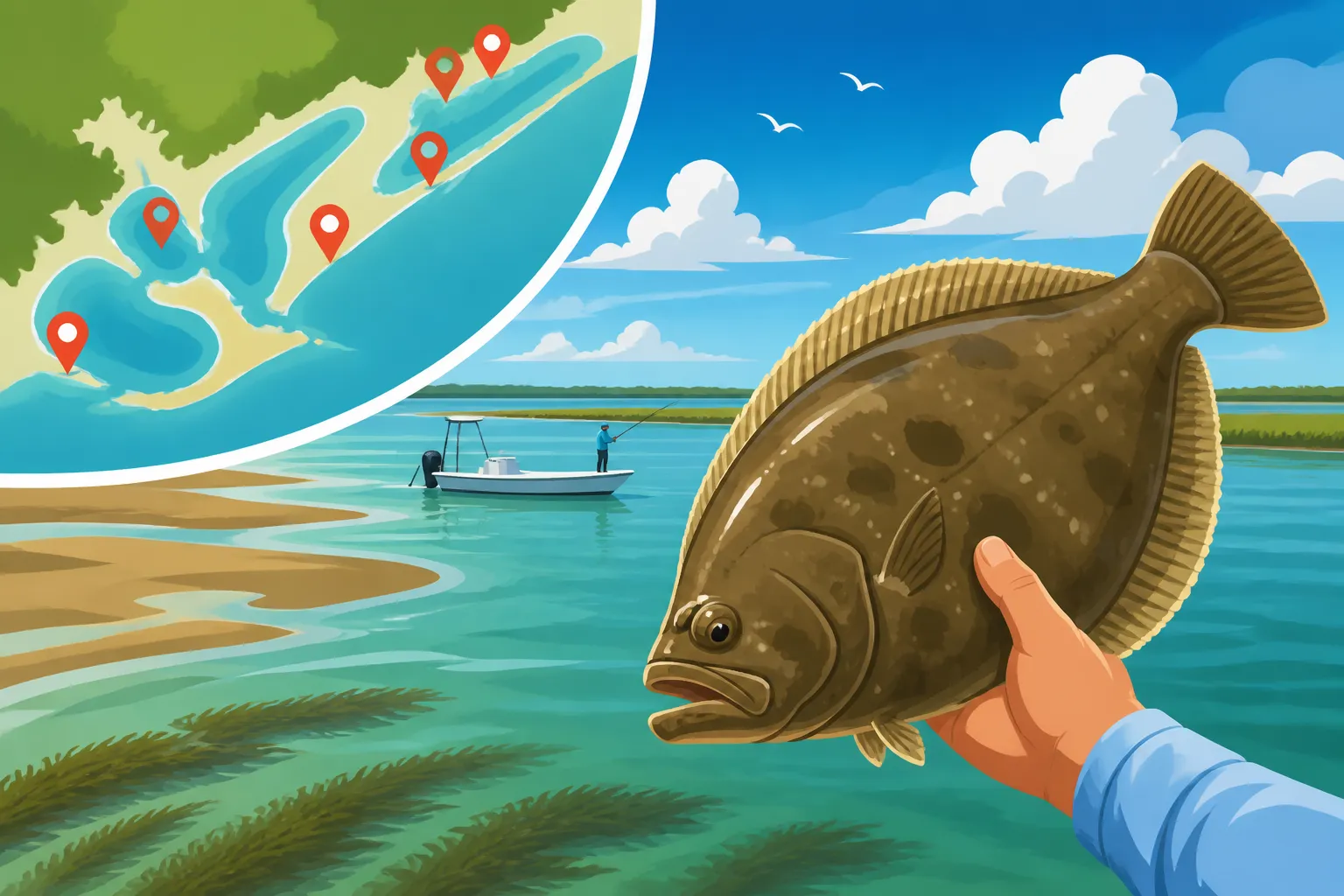
Flounder are masters of camouflage, burying themselves in the bottom sediment, waiting for an unsuspecting baitfish or shrimp to swim by. This means their preferred habitats are areas that allow them to effectively ambush prey and blend in. In Matagorda Bay, you'll want to focus on areas with sandy or muddy bottoms, especially where there's some structure or change in depth. These might include oyster reefs, grass beds, drop-offs, channel edges, and around man-made structures like piers, jetties, and bulkheads.
They love transitional zones – places where a hard bottom meets soft mud, or where a shallow flat drops off into deeper water. These areas create natural ambush points. Keep an eye out for areas with scattered shell or a mix of sand and mud, as this often indicates a healthy ecosystem where flounder can thrive and find plenty to eat. Also, remember that flounder are extremely sensitive to water clarity. They prefer clearer water where they can better see their prey, but also where they can remain camouflaged. Excessive turbidity after heavy rains can push them out of certain areas.
Tides and Water Conditions for Flounder Success
Understanding the tides in Matagorda Bay is paramount for successful flounder fishing. Flounder are opportunistic feeders, and moving water is their friend. A strong incoming or outgoing tide will concentrate baitfish and shrimp, bringing them right to the flounder's doorstep. As the tide moves, it washes food sources past the flounder's ambush points.
Generally, an outgoing tide is often considered best, especially during the fall run, as it draws flounder out of the bay and towards the passes and channels. However, a strong incoming tide can also be productive as it pushes bait into the bay, and flounder will position themselves to intercept this flow. Look for points, eddies, and current breaks where flounder can sit out of the main current flow but still have easy access to passing food. Water temperature also plays a significant role; flounder are more active and feed more aggressively in water temperatures between 60-75°F. Extreme heat or cold can make them sluggish and less willing to bite. Paying attention to these subtle changes can make a huge difference in your fishing success.
Top Flounder Fishing Spots in Matagorda Bay
Matagorda Bay is a massive system, comprised of East Matagorda Bay, West Matagorda Bay, and several connecting passes and rivers. Each area offers unique opportunities for flounder anglers. Knowing where to focus your efforts can save you a lot of time and frustration. When looking for a guide to help navigate these waters, services like FishingBooker can connect you with experienced local captains who know these specific spots inside and out.
East Matagorda Bay Hotspots
East Matagorda Bay is known for its shallow, expansive flats and numerous oyster reefs. While it might seem less structured than other bays, these features are precisely what make it a flounder haven. The key here is targeting the edges of the bay's many reefs and the mouths of drains or bayous that empty into the main bay.
- Oyster Reef Edges: Areas like Crab Lake or the numerous unnamed oyster reefs throughout the bay provide excellent ambush points. Flounder will lie on the sandy or muddy perimeter of these reefs, waiting for baitfish to get swept off by the current. Drifting along these edges or anchoring upcurrent and casting towards the reef can be highly effective. The deeper cuts and channels around these reefs are also prime areas during strong tidal movements.
- Bayou and Drain Mouths: When the tide is falling, small baitfish and shrimp are flushed out of the marsh and into the bay. Flounder will stage themselves at the mouths of these drains, especially those with deeper pockets or trenches just outside. The area around Caney Creek, where it meets East Matagorda Bay, is a consistent producer, particularly after some rain has pushed water through the marshes. These spots are often best fished from a kayak or by wading, as boat access can be tricky in the shallower areas.
West Matagorda Bay Productive Areas
West Matagorda Bay is a deeper, more structured system compared to its eastern counterpart, featuring deeper channels, larger oyster reefs, and more pronounced bayous connecting to the Gulf. This makes for a different, but equally rewarding, flounder fishing experience.
- Port O'Connor Jetties and Channels: The jetties around Port O'Connor and the main channels leading out to Pass Cavallo are absolute magnets for flounder, especially during the fall run. Flounder stack up along the rock edges and in the deeper troughs here, preparing for their offshore migration. Fishing the channel edges with a strong current flow, particularly during outgoing tides, can yield excellent results.
- Deeper Reef Systems: West Matagorda Bay has more substantial oyster reefs that rise more prominently from the bottom. Focus on the leeward side of these reefs during stronger currents, or on the edges where the reef drops off into deeper water. Areas closer to Big Boggy and the Intracoastal Waterway also offer significant drop-offs and current seams that flounder love. Wading or drifting with live bait along these deeper contours can be very productive. Remember to keep an eye on your Texas Saltwater Bag Limits by Species as you fill your cooler.
Pass Cavallo and Inlet Access Points
Pass Cavallo is the primary tidal pass connecting West Matagorda Bay to the Gulf of Mexico, making it arguably the most critical flounder fishing spot during the migration. This is where a huge portion of the bay's flounder population will funnel through.
- Pass Cavallo Proper: The entire pass, from the bay side entrance to the Gulf side exit, is a flounder highway. Anglers in boats will drift through the pass, bouncing baits along the bottom. The deeper channels and eddies formed by the strong currents are key. The trick is to get your bait down quickly and keep it in the strike zone. Wade anglers can also find success closer to the shorelines within the pass, especially at low light. Keep in mind the Texas flounder minimum length limit and other regulations, as this area is heavily monitored.
- Decros Point and Other Smaller Cuts: South of Pass Cavallo, toward Port O'Connor, you'll find other smaller cuts and secondary passes that also serve as migratory routes. Decros Point, a narrow stretch of land that often has small cuts through it, can be a fantastic wade fishing spot during the fall. Flounder will use these smaller, shallower routes to move from the backlakes and marshes into the main bay and then towards the Gulf. The same principles apply here: target moving water, especially outgoing tides, and focus on current breaks and deeper pockets. If you're looking for an experienced guide to navigate these complex passes, consider booking through a service like FishingBooker, where local experts can pinpoint the exact locations and optimal times.
Essential Techniques and Baits for Matagorda Bay Flounder
Catching flounder isn't just about finding them; it's about presenting your bait or lure in a way that triggers their predatory instincts. They are ambush predators, so your technique needs to cater to that. Don't be afraid to experiment, but these proven methods will give you a solid foundation for success.
Best Live Baits and Artificial Lures
Flounder are primarily piscivorous, meaning they love fish, but they won't turn down a juicy shrimp. The absolute king of flounder baits is a live mud minnow (also known as a killifish), finger mullet, or small croaker. These baits, fished on a Carolina rig or a simple jighead, are incredibly effective because they mimic the flounder's natural prey. The key is to keep the bait on the bottom, moving slowly, allowing the flounder to ambush it.
When live bait isn't available or you prefer to use artificials, soft plastic lures are your best bet. A 3-4 inch soft plastic paddle tail, jerk shad, or Gulp! Shrimp in natural colors like New Penny, white, or chartreuse can be deadly. Rig these on a 1/8 to 1/2 ounce jighead, depending on current and depth. The retrieve should be a slow drag-and-hop along the bottom. Just like live bait, you want to keep that lure down where the flounder are lying in wait. Think of it as imitating a wounded baitfish struggling on the bottom. For a more detailed look at effective rigs, our article on Best rigs for flounder fishing is a great resource.
Gigging for Flounder in Matagorda
Flounder gigging is a popular and incredibly effective method, especially during the fall migration in Matagorda Bay. This nocturnal activity involves spotting flounder on the shallow bottom using powerful lights and then spearing them with a long-handled gig. It's an exhilarating way to fish, offering a unique challenge and a direct connection to your catch.
Successful gigging relies on clear, shallow water and a keen eye. You'll typically be out on a calm night, either wading the flats or from a specially equipped shallow-draft boat with lights mounted on the bow. Look for the distinct outline of a flounder on the bottom – sometimes all you'll see is their eyes or the slight depression they create in the sand. Timing is important; calm conditions and a slowly falling tide are ideal, as the water pulls out, concentrating flounder in shallower depressions and cuts. Before you head out, make sure you understand How to gig flounder legally in Texas and all local regulations to avoid any issues. Gigging can be a fantastic way to harvest multiple flounder in a short amount of time, but it demands patience and precision.
Rod, Reel, and Line Setup for Flounder
A balanced and sensitive setup is crucial for flounder fishing, allowing you to feel the subtle bite of these often-finicky eaters. You're generally looking for something that can handle light to medium tackle, yet has enough backbone to control a decent-sized flounder once hooked.
- Rod: A 6'6" to 7' medium-light to medium power spinning rod with a fast action is ideal. The fast action tip provides the sensitivity needed to detect those soft bites, while the medium power gives you enough leverage to fight the fish. Brands like Ugly Stik or St. Croix offer great options that blend durability with sensitivity.
- Reel: Pair your rod with a 2500-sized spinning reel. This size offers a good balance of line capacity, drag power, and lightweight performance. Shimano Sedona or Daiwa Revros are excellent choices for their smooth drag systems and reliability.
- Line: Spool your reel with 10-15 lb braided line. Braided line offers superior sensitivity, which is a huge advantage when feeling those light flounder bites on the bottom. To this, tie a 2-3 foot leader of 15-20 lb fluorocarbon. Fluorocarbon is nearly invisible underwater, more abrasion-resistant, and helps keep your bait presentation natural.
Here's a quick comparison of common flounder fishing methods:
| Method | Best Time | Gear Required | Pros | Cons |
|---|---|---|---|---|
| Bait Fishing | All seasons | Rod, reel, line, live bait | Highly effective, less skill needed | Requires bait, slower action |
| Lure Fishing | All seasons | Rod, reel, line, artificials | More active, covers more water | Can be less effective on slow days |
| Gigging | Fall (night) | Gig, light, wading boots/boat | Exciting, high success rate | Night-only, weather dependent, requires clear water |
| Wade Fishing | All seasons | Rod, reel, waders | stealthy, accesses shallow areas | Limited range, exposed to elements |
Maximizing Your Flounder Catch in Matagorda Bay
Beyond knowing the spots and the gear, there are a few practical tips that can truly elevate your flounder fishing game. Remember, these fish are masters of their domain, and a little extra effort and observation can make all the difference.
Reading the Water and Spotting Flounder
Flounder fishing isn't always about blind casting. Learning to "read the water" and even visually spot flounder can be a game-changer. Look for subtle changes in bottom contour, areas where currents create eddies or sand depressions, or slight color changes in the water that might indicate a drop-off or an oyster reef.
When wading or in a shallow-draft boat, keep an eye out for tell-tale signs:
- Eyes: Sometimes, all you'll see are the two eyes of a flounder poking up from the sand, perfectly camouflaged.
- Depressions: Flounder often leave a slight impression in the sand or mud where they've been lying. If you see several, it could indicate a good feeding area.
- Baitfish Activity: Schools of baitfish suddenly scattering, or birds diving, can indicate predatory fish activity, including flounder.
- Clean Water: Flounder prefer clear water. If one area is murky, move to an area with better visibility.
Learning to quietly move through the water, especially when wading, is also critical. Heavy footsteps or splashing can spook these wary flatfish, sending them scurrying away before you even get a chance to present your bait.
Safety and Regulations in Matagorda Bay
Safety should always be your top priority, especially when fishing in a large bay system like Matagorda. The weather in Texas can change rapidly, and being prepared is essential. Always check the marine forecast before you head out, and if you're on a boat, ensure all safety equipment, including life jackets, flares, and a reliable communication device, is on board. If wading, be mindful of currents, sudden drop-offs, and potential marine life like stingrays – shuffling your feet can help prevent accidental encounters.
Beyond personal safety, it's absolutely vital to be intimately familiar with the Texas Saltwater Fishing Regulations. Flounder have specific bag and length limits, and seasonal closures (like the November closure for recreational flounder harvest) are strictly enforced by the Texas Parks and Wildlife Department. Penalties for violating these regulations can be steep, so always double-check the current rules before your trip. Knowing the regulations protects the fishery for future generations and ensures you have a legal and enjoyable time on the water.
Matagorda Bay is an incredible fishery, and with the right knowledge and approach, you can have fantastic success targeting flounder. Whether you're drifting live bait over oyster reefs, working soft plastics along channel edges, or gigging the flats at night, understanding flounder habits and knowing the best spots will put you in prime position for a memorable catch.
Disclaimer
Please note that fishing conditions, regulations, and fish populations can change. Always consult the latest Texas Parks and Wildlife Department regulations before engaging in any fishing activity. This guide is for informational purposes only and does not constitute professional fishing advice.