How to catch bass in the heat of a Texas summer
Oh, the Texas summer. Just saying it out loud makes me want to find some shade! If you're an angler like me, you know that when that thermometer starts pushing triple digits, the thought of trying to catch bass can feel utterly defeating. The fish disappear, the water feels like bathwater, and you wonder if it's even worth tying on a lure. But don't despair! This guide is here to unravel the mysteries of summer bass behavior and equip you with the knowledge and tactics to land those elusive lunkers, even when the Texas sun is doing its absolute worst.
Understanding Summer Bass Behavior in Texas Heat
When the dog days of summer hit Texas, the bass aren't exactly doing cannonballs off boat docks. They're trying to survive, just like us. Their entire routine shifts dramatically in response to rising water temperatures and decreasing oxygen levels. Understanding these fundamental changes is the first step to consistently finding and catching them.
Why Bass Go Deep or Seek Shade
Imagine trying to run a marathon in a sauna – that's what shallow, open water feels like to a bass in July. As surface water heats up, two major things happen that drive bass away: temperature and dissolved oxygen. Bass are cold-blooded, meaning their body temperature matches their environment. Too hot, and their metabolism goes into overdrive, requiring more oxygen. The problem is, warmer water holds less dissolved oxygen. It's a double whammy!
This is why bass head for deeper, cooler water. Think about those beautiful, sprawling reservoirs like Lake Fork or Sam Rayburn. Below the surface, a thermocline forms – a distinct layer where water temperature changes rapidly. Bass will often position themselves just above or within this thermocline, finding that sweet spot where the water is cooler and still retains enough oxygen. They might also seek out natural springs or creek channels that feed into the lake, bringing in slightly cooler, more oxygenated water. It’s not about being lazy; it's about being efficient with their energy and finding a comfortable living space.
The Importance of Low Light Conditions
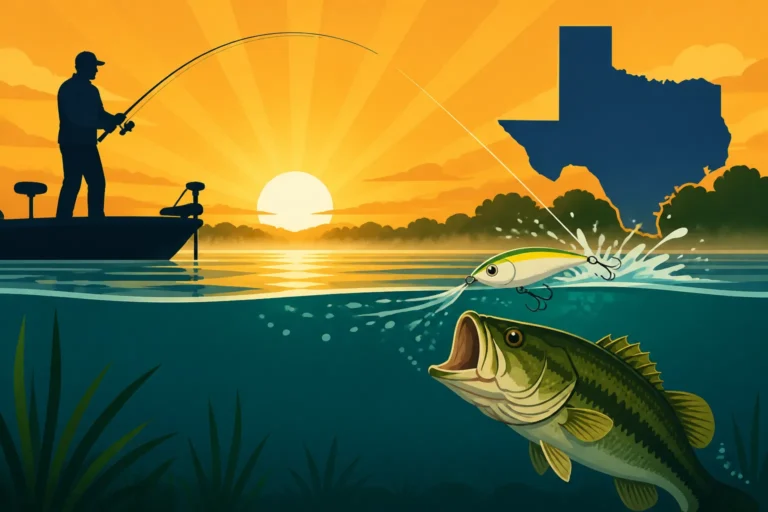
You've probably noticed that on those scorching summer days, the best fishing often happens at the bookends of the day, or even in the dead of night. This isn't a coincidence. During low light conditions – dawn, dusk, and especially overnight – the sun's intense rays aren't penetrating the water as fiercely. This allows the surface temperatures to drop a few degrees, making shallow water far more tolerable for bass.
Beyond temperature, low light provides a crucial advantage for bass: ambush predation. Bass are sight predators, but too much light can make them vulnerable or reveal their position. In dim light, they can hunt more effectively, ambushing baitfish like shad or sunfish that might venture out. This is when you'll see them moving into shallower coves, around boat docks, or along weed lines. If you're wondering about the Best time of day to catch bass in summer, it almost always boils down to these periods when the sun isn't directly overhead. Fishing before sunrise or after sunset allows bass to feed more comfortably and aggressively without the added stress of extreme heat.
Prime Locations for Summer Bass in Texas
Knowing why bass move is one thing; knowing where to find them is the key. Texas lakes are vast and varied, but certain types of structures and covers consistently hold bass when the mercury climbs.
Targeting Deep Structure
When bass aren't cruising the shallows under the cover of darkness, they're almost certainly hunkering down on deep structure. This is where your electronics become your best friend. Look for prominent features like submerged creek channels, river bends, roadbeds, humps, and ledges. These aren't just random underwater features; they're highways and neighborhoods for bass.
For example, on a reservoir like Toledo Bend, finding the old river channel or a major creek arm and following its contours with your depth finder can lead you straight to schools of bass. Ledges, in particular, are fantastic because they offer a sudden depth change, providing bass with easy access to both deep comfort and shallower feeding zones. Submerged timber fields, often remnants of flooded forests, also act as colossal condos for bass, providing both shade and ambush points. Using a good fish finder is critical here; you're not just looking for bottom contours but also for baitfish schools and arcs that indicate larger predators. This detailed approach is a cornerstone of How to Fish Deep Structure in Texas Reservoirs.
Finding Shade and Oxygenated Water
While deep structure is prime, bass will also congregate in shallower areas that offer specific relief from the heat: shade and current. Any permanent overhead cover that casts a consistent shadow can be a magnet. Think about those sprawling boat docks and marinas on Lake Conroe or Canyon Lake. The undersides of these structures provide a cool, dark refuge from the sun's glare, often attracting schools of baitfish, which in turn attract bass. Bridges are another fantastic option, offering expansive shade and often creating current breaks where bass can lie in wait.
Current is another vital factor. Areas where water flows, such as near dams (observing the 600-foot restriction, of course), spillways, or even natural springs entering a lake, can be extremely productive. This moving water is typically cooler and, most importantly, carries higher levels of dissolved oxygen. Bass will position themselves in current breaks, expending minimal energy while waiting for food to be swept past them. Dense vegetation, like hydrilla beds or lily pads, also provides excellent shade and oxygen, particularly if it grows tall enough to create a canopy over the water. These "green zones" are miniature ecosystems, often teeming with baitfish and insects, making them irresistible to bass, even in the heat.
Effective Techniques and Lures for Summer Bass
Once you've zeroed in on the probable locations, it's time to talk tactics. Summer bass can be finicky, requiring specific presentations and lure choices to trigger a bite. Slow and deliberate is often the name of the game, but don't rule out aggressive bites during those magical low-light windows.
Deep Water Presentations
When bass are glued to deep structure, you need presentations that get down to them efficiently and mimic their forage. The Carolina Rig is a legendary deep-water setup. It allows your soft plastic bait, such as a lizard or a creature bait, to float tantalizingly above the bottom, trailing a lead weight. This rig covers water effectively and is excellent for subtle bites on those lethargic bass. To master this, understanding How to fish a Carolina rig in deep water is essential.
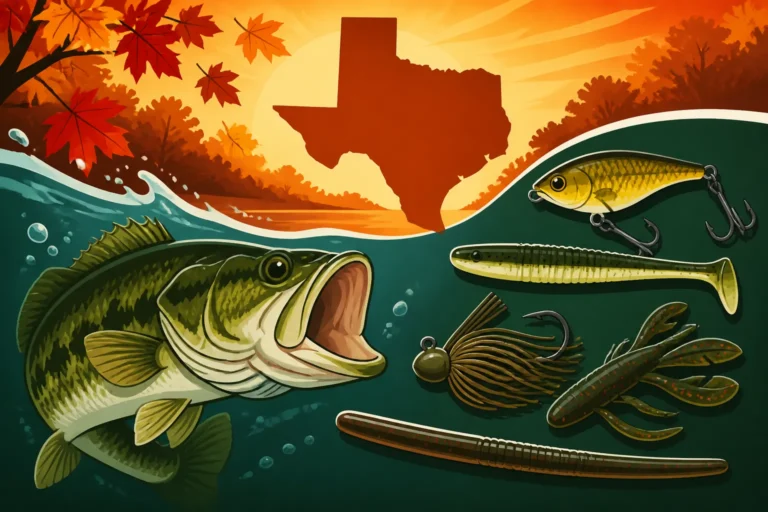
Similarly, the Texas Rig with a heavy weight is crucial for punching through dense cover or getting down quickly. Thread a worm or creature bait on a Texas rig with a 1/2 oz or 3/4 oz tungsten weight, and cast it to the edges of creek channels or into submerged timber. Let it sink, then slowly drag and hop it along the bottom. Deep diving crankbaits, like a Strike King 6XD or a Rapala DT Series, are also fantastic for covering large areas of deep structure quickly, especially when you suspect bass are actively feeding along a contour. Don't be afraid to experiment with different sizes and colors; sometimes a subtle difference can make all the difference. Many anglers stock up on these versatile deep-diving lures from reliable online retailers like Amazon. Shaky heads with finesse worms are another excellent choice for pressured deep-water fish, providing a subtle, almost irresistible presentation.
Low Light and Heavy Cover Tactics
When the sun begins to dip below the horizon or before it rises, bass often move shallow to feed. This is prime time for more aggressive, reaction-strike baits. Topwater lures are incredibly exciting to fish during these periods. Poppers, walking baits, and buzzbaits can draw explosive strikes from bass that are actively hunting. Cast them near shallow cover – lily pads, boat docks, or submerged grass lines – and work them with a slow, deliberate cadence.
For dense vegetation or matted hydrilla, frog lures are unbeatable. Brands like SPRO and LIVETARGET make some incredible frogs that can be walked right over thick cover where other lures would snag. When a bass blows up on a frog, it's an unforgettable experience. Jigs, especially casting jigs tipped with a craw-style trailer, are also highly effective around boat docks, laydowns, and brush piles in low light. These lures mimic crawfish or bluegill, both favorite meals for bass. Finally, don't forget big plastic worms, fished on a Texas rig. A 10-inch worm worked slowly through cover or along drop-offs can entice a strike from a cautious bass that's looking for an easy meal during its nocturnal feeding excursions. Learning the nuances of How to fish a frog lure in heavy cover can really elevate your low-light game.
Essential Gear and Best Practices for Hot Weather Fishing
Beyond lures and locations, your personal safety and ethical fish handling are paramount when tackling the Texas summer heat. Being prepared can make the difference between an enjoyable, successful day and a miserable, potentially dangerous one.
Hydration and Sun Protection
This might sound obvious, but it bears repeating: the Texas summer sun is no joke. Dehydration and heatstroke are real risks. Always bring plenty of water – and I mean plenty. Electrolyte drinks can also be a lifesaver, especially if you're sweating a lot. Think about a good insulated cooler to keep your beverages icy cold all day long. A Yeti or RTIC cooler can make a huge difference, ensuring your water stays refreshing.
Sun protection is equally crucial. Wear long-sleeved, breathable shirts with UPF protection. A wide-brimmed hat will protect your face and neck, and quality polarized sunglasses are a must, not just for reducing glare but for protecting your eyes. Don't skimp on sunscreen, and reapply it throughout the day. Consider fishing during the coolest parts of the day, as discussed in How to Fish in Hot Texas Summers, to minimize your exposure to the most intense heat.
Electronics and Boat Control
Modern fishing electronics have revolutionized summer bass fishing. Your depth finder isn't just for showing depth anymore; it's a window into the underwater world. Side imaging and down imaging allow you to "see" ledges, brush piles, and even individual fish arches well beyond your boat. Learning How to use a fish finder for bass fishing can drastically increase your efficiency in locating those deep-water bass.
GPS mapping, often integrated into fish finders from brands like Humminbird or Lowrance, is indispensable for marking productive spots, creek channels, and submerged features. It lets you return to those specific sweet spots time and time again. For precise boat control over deep structure, a reliable trolling motor with GPS Spot-Lock features (like those from Minn Kota or Garmin) is a game-changer. It allows you to hold your boat precisely over a deep brush pile or along a contour line, even in windy conditions, freeing you up to focus on fishing. You can find excellent deals on many of these high-tech gadgets on Amazon.
Handling Bass with Care
Catching a bass in 100-degree weather can be thrilling, but it's important to remember that these fish are already stressed by the warm water. Prolonged handling and exposure to hot air can be deadly for them. If you plan to release the fish, minimize its time out of the water. Have your camera ready, snap a quick photo, and get it back in the water as quickly and gently as possible.
If you're fishing a tournament or planning to keep your catch (within legal limits, of course), a well-maintained livewell is critical. Ensure it's aerated and consider adding ice or a livewell additive to keep the water cooler and reduce stress on the fish. For more detailed advice on this, check out How to keep fish alive in a Texas summer live well. Always wet your hands before handling a fish to protect its protective slime coat, and support the fish horizontally to avoid damaging its jaw or internal organs. Respecting the fish ensures healthy populations for future generations of Texas anglers.
Here's a quick reference table for summer bass fishing strategies:
| Condition | Location Type | Recommended Techniques | Key Lures | Best Time of Day |
|---|---|---|---|---|
| Mid-Day Heat | Deep Ledges, Creek Channels, Submerged Timber | Carolina Rig, Texas Rig, Drop Shot | Large Worms, Creature Baits, Deep Cranks | Early Morning, Late Evening |
| Low Light (Dawn/Dusk) | Shaded Docks, Bridges, Shallow Hydrilla, Points | Topwater, Jigs, Texas Rig | Poppers, Buzzbaits, Frogs, Soft Plastics | Dawn, Dusk, Night |
| Current Areas | Below Dams, Spillways, Inflow Creeks | Jigging, Carolina Rig | Swimbaits, Jigs, Worms | Anytime, especially Mid-Day |
| Heavy Cover | Matted Vegetation, Thick Hydrilla, Lily Pads | Punching, Frogging | Heavy Jigs, Soft Plastics, Frog Lures | Low Light, Overcast Days |
Disclaimer
The information provided in this guide is for general informational purposes only and does not constitute professional advice. Fishing regulations, conditions, and best practices can change. Always consult the latest Texas Parks and Wildlife Department (TPWD) regulations before heading out and prioritize safety on the water. Fishing involves inherent risks, and conditions can be unpredictable.