How to catch catfish from the bank
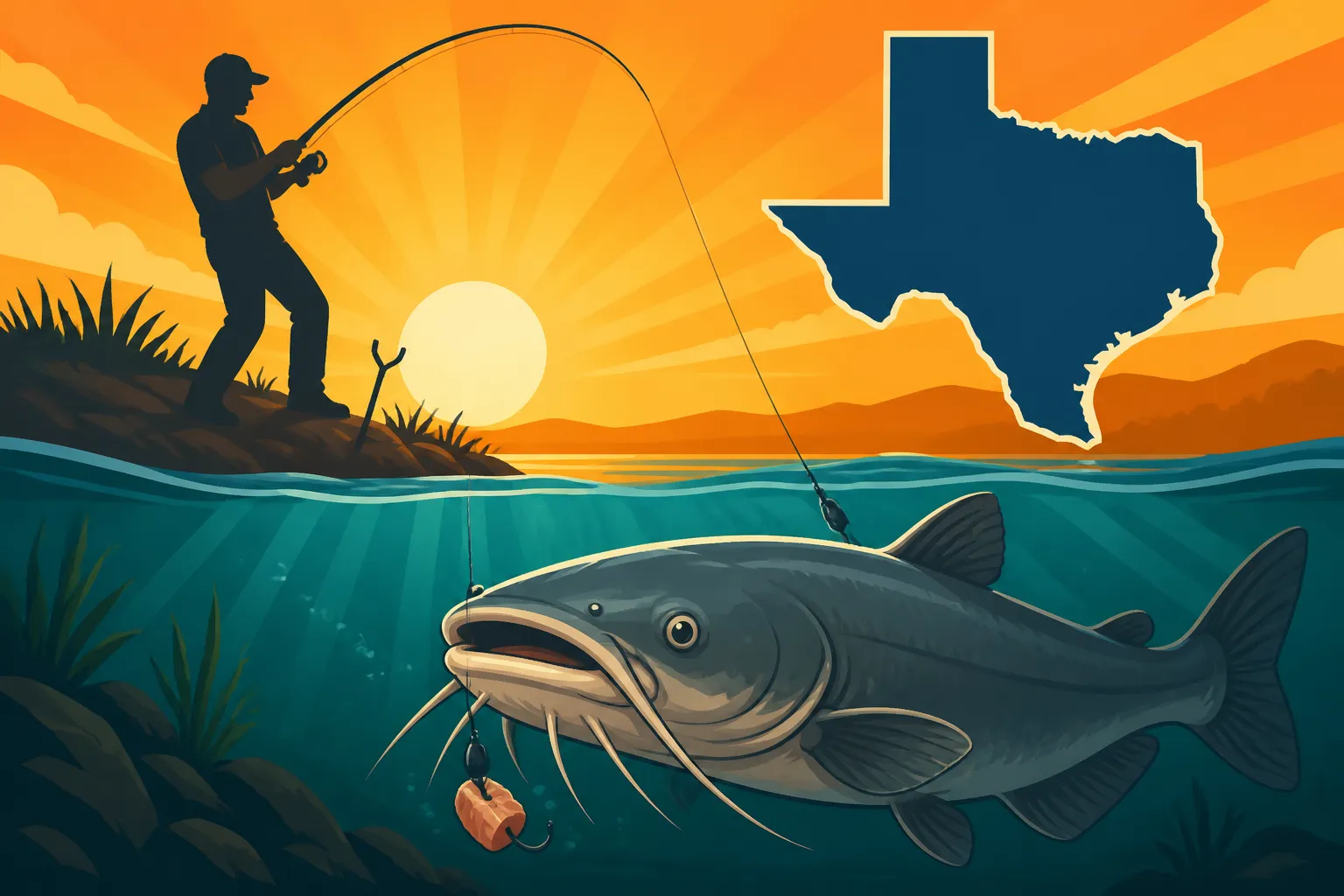
There's nothing quite like the thrill of a big catfish bite, especially when you're casting from the comfort of the bank. But let's be real, many anglers get frustrated trying to target catfish from shore, feeling limited by access or gear, and often wondering if they're even in the right spot. This guide is here to cut through that confusion, offering practical, actionable advice on how to consistently catch more catfish directly from the bank in Texas, turning those "what if" moments into "fish on!" realities.
Understanding Catfish Habits and Prime Bank Locations
Catching catfish from the bank isn't just about throwing out a line; it's about understanding where these whiskered wonders hang out and what makes them tick. From the bank, you're looking for specific features that concentrate catfish activity, putting them within your casting range.
Where Catfish Hide Near the Shoreline
Catfish are structure-oriented fish, just like bass, but their preferred structures often align with deeper, murkier areas. When you're standing on the bank, scan the water for clues. Drop-offs are gold mines; if you can find a spot where the bank quickly slopes into deeper water, you've likely found a catfish highway. Creek channels, even small ones that feed into a larger lake or river, act as natural funnels for baitfish and, consequently, catfish. Look for visible signs of these, like darker water or subtle current changes.
Timber, whether it's submerged logs, standing flooded trees, or brush piles, provides both cover and ambush points. Catfish love to hide in these areas, waiting for an easy meal to swim by. If you see old tree stumps or brush near the bank, cast your bait as close as safely possible. Similarly, rock piles, ledges, and rip-rap (the rocky shorelines often found near bridges or dams) offer crevices for smaller baitfish and crawfish, attracting hungry catfish. Even an old concrete culvert or a discarded tire can hold fish. Don't underestimate the power of shade during hot Texas days; catfish will often retreat to cooler, darker areas, which can be found close to banks with overhanging trees or structures.
The Role of Current and Depth in Catfish Location
Current is a significant factor, especially in rivers and streams, but even in lakes near dam outflows or feeder creeks. Catfish often position themselves just out of the main current, in eddies or slack water pockets, allowing them to conserve energy while waiting for food to be swept past. These current breaks are prime feeding zones. From the bank, look for areas where the water flow changes or slows, perhaps behind a large boulder, a point, or an old bridge piling. Even a slight current can carry the scent of your bait to distant fish.
Depth isn't just about how deep the water is right off the bank, but how that depth changes. Catfish will move between shallow and deeper water depending on feeding patterns, water temperature, and time of day. Early mornings and late evenings, they might cruise shallower flats or shorelines looking for food. During the heat of the day, especially in Texas summers, they'll often retreat to the cooler, deeper pockets. If you can cast to a channel edge or a deep hole within reasonable range, you're increasing your chances. Don't be afraid to experiment with casting at different distances and depths along the bank to pinpoint where the fish are holding. Understanding the topography of the bottom, even without a fish finder, is key; envisioning how the bottom slopes and what features might be down there helps immensely.
Gearing Up: The Essential Bank Fishing Arsenal for Catfish
When you're confined to the bank, every piece of gear has to pull its weight. You don't have the luxury of a boat full of tackle, so choosing the right rods, reels, and bait is crucial for a successful catfish outing.
Rods, Reels, and Line Choices for Bank Anglers
For bank catfishing, durability and casting distance are your best friends. You're typically not making short, accurate pitches; you're often trying to launch heavy baits a good distance. This calls for a medium-heavy to heavy action rod, usually 7 to 10 feet long. The extra length aids in casting and provides better leverage when fighting larger fish, helping to keep them out of snags. Look for rods with a stout backbone and a sensitive tip, like those offered by Best Fishing Rods for Texas Anglers, which can handle the weight of your bait and the power of a Texas blue cat. Fiberglass rods are often preferred for their robustness, though composite rods offer a good balance of strength and sensitivity.
When it comes to reels, a spinning reel in the 4000-6000 size range or a conventional baitcasting reel designed for heavy line and big fish is ideal. Spinning reels are generally easier for beginners and excel at casting lighter baits, while baitcasters provide more power for really big fish and heavy lines. Whichever you choose, ensure it has a smooth, strong drag system – it's your shock absorber against a surging catfish. For line, 15-30 lb monofilament or fluorocarbon is standard, but many serious catfishermen opt for braided line in the 30-80 lb range. Braid offers superior strength, sensitivity, and a smaller diameter for its breaking strength, allowing for longer casts. Just remember to add a monofilament or fluorocarbon leader (2-4 feet) to your braid, as braid can be visible to fish in clearer water and is more susceptible to abrasion on rocky bottoms. You can find robust options for all these on Amazon, often at competitive prices.
The Right Rigs for Shoreline Catfishing
Simplification is key when fishing from the bank, but that doesn't mean sacrificing effectiveness. The two most common and highly effective rigs for bank catfishing are the Santee Cooper Rig and the Carolina Rig.
The Santee Cooper Rig is a favorite among Texas catfish anglers, especially when fishing over soft bottoms or areas with light vegetation. It consists of a swivel, a leader (usually 18-36 inches), a float (often a peg float or cigar float) placed about 6-12 inches above the hook, and a weight (pyramid or egg sinker) above the swivel. The float lifts your bait off the bottom, presenting it just above any snags or mud, making it highly visible and accessible to passing catfish. This is particularly effective for channel catfish and smaller blue catfish.
The Carolina Rig, sometimes called a sliding sinker rig, is incredibly versatile and straightforward. It features an egg sinker or similar sliding weight on the main line, followed by a swivel, and then a leader (12-24 inches) tied to your hook. The sliding weight allows the fish to pick up the bait without feeling the resistance of the sinker, making it less likely to drop the bait. This rig is excellent for fishing clean bottoms, channel edges, or when you want your bait to stay firmly on the bottom in current. For both rigs, use a stout, sharp hook, such as a 5/0 to 8/0 circle hook, which is excellent for hooking fish in the corner of the mouth, making for easier release and less harm to the fish. Circle hooks also tend to self-set, which is a huge advantage when you might not be holding your rod constantly.
Bait Selection That Catfish Can't Resist
Catfish are opportunistic eaters with an incredible sense of smell, which is why bait choice is paramount, particularly from the bank where your scent trail is your primary attractor.
Natural Baits: Live or cut bait is often king. Fresh cut shad, perch, or carp are incredibly effective for blue and flathead catfish. The oil and blood trail they leave in the water are irresistible. For channel catfish, smaller pieces of cut bait work well, as do live worms, grasshoppers, or even shrimp. Don't overlook the power of hot dogs or small pieces of chicken liver, especially for channel cats – they're cheap, easy to get, and surprisingly effective. When fishing around structures or drop-offs, a fresh piece of cut bait on a Santee Cooper rig can be deadly.
Prepared Baits: Stink baits, punch baits, and pre-made dough baits are fantastic for bank anglers, especially for channel catfish. Brands like Catfish Charlie, Secret 7, and Sonny's Super Sticky Baits are popular choices in Texas. These baits are designed to disperse a strong scent trail in the water, attracting catfish from a distance. They're often messy but incredibly effective. You'll usually apply them to a specially designed "worm" hook or a treble hook with a bait holder. Many anglers even make their own concoctions using cheese, garlic, and other pungent ingredients. While flatheads prefer live bait, blue and channel cats will readily take these prepared options. It's always a good idea to have a variety on hand, as catfish can be picky depending on the day and water conditions. For a deeper dive into bait, check out our guide on Best Catfish Bait for Texas Lakes.
| Bait Type | Target Species (Primary) | Key Advantages | Best Rig for Bank Fishing | Notes |
|---|---|---|---|---|
| Cut Shad | Blue, Flathead, Channel | Strong scent trail, highly natural | Carolina, Santee Cooper | Use fresh bait for best results. |
| Chicken Liver | Channel, smaller Blue | Strong scent, readily available | Carolina | Can be messy; use bait threads or small bags. |
| Live Perch | Flathead, large Blue | Natural movement, irresistible to big fish | Carolina (weighted) | Requires a livewell or bucket; regulations apply. |
| Worms | Channel, small Blue | Universal appeal, easy to use | Carolina, bottom rig | Great for beginners and panfish too. |
| Stink Baits | Channel | Intense scent, attracts from afar | Punch bait holder, worm hook | Messy but very effective; good for warmer water. |
Mastering Bank Catfishing Techniques and Strategies
Fishing from the bank presents unique challenges, but with the right techniques, you can overcome them and consistently land catfish. It's about maximizing your limited reach and understanding how to present your bait effectively.
Casting and Presentation Strategies from the Bank
When you're bank fishing, your cast is your lifeline to the fish. Practice makes perfect, but there are a few things to keep in mind. First, don't just heave your bait out randomly. Observe the water for any features discussed earlier – drop-offs, submerged timber, current breaks, or even subtle changes in water color that might indicate deeper pockets. Aim for these areas. A powerful overhead cast is generally what you'll use to achieve maximum distance, but be mindful of any overhead obstructions like trees or power lines.
Once your bait hits the water, the presentation is crucial. If using a Carolina rig, let your weight sink to the bottom and then slowly reel in any slack. You want the line taut enough to feel a bite, but loose enough for the fish to run with the bait. With a Santee Cooper rig, you're aiming for your bait to float just off the bottom. If you're fishing in current, cast slightly upstream and let the current carry your bait naturally downstream into the target zone. Sometimes, a very slow retrieve or a slight twitch can impart action to your bait, mimicking struggling prey and enticing a bite. Remember, catfish often pick up a bait subtly at first, so don't mistake a light tap for a snag; wait for the definitive pull.
Reading the Water and Adjusting Your Approach
Being a successful bank angler means being a keen observer. The water tells a story, and learning to read it can significantly improve your catch rates. Look for signs of baitfish activity, such as ripples on the surface or small schools jumping – where there are baitfish, there are usually predators like catfish. Observe the current; where does it eddy, and where does it create slack water? These are prime ambush points. Pay attention to water clarity; in muddier water, scent is king, and brighter, more pungent baits will be more effective. In clearer water, a natural, less conspicuous presentation might be better.
Don't be afraid to move if a spot isn't producing. Bank fishing offers the flexibility to walk the shoreline, trying different areas until you find where the fish are holding. Try casting to various depths and distances. If you're not getting bites near a drop-off, try a shallower flat, or vice-versa. Time of day and weather conditions also play a huge role. Catfish are often more active during low-light conditions (dawn, dusk, night) and on cloudy days. After a good rain, especially if it raises the water level slightly and introduces fresh nutrients into the lake, catfish can go into a feeding frenzy near the banks. Understanding how to find productive spots, much like understanding How to find bass on a new lake, involves continuous observation and adaptation.
Handling Your Catch and Staying Safe
Once you hook a catfish, especially a big one, the fight can be exhilarating. Use the leverage of your longer rod to steer the fish away from snags and structure. Keep your drag set appropriately; you want it tight enough to fight the fish but loose enough to prevent your line from breaking under a strong run. When landing a catfish from the bank, a long-handled net is invaluable. A good net minimizes stress on the fish and ensures you don't lose it at the last second. For larger blue or flathead catfish, you might need to carefully beach them on a gentle slope.
Safety is paramount. Catfish have sharp spines on their dorsal and pectoral fins that can inflict painful wounds, especially on channel cats. Always handle them carefully. Use heavy-duty gloves or a fish gripper to hold them securely. When removing the hook, a pair of long-nosed pliers is essential. If you plan to keep your fish, understand the Texas Channel Catfish Length and Bag Limit regulations. Many anglers practice catch-and-release, especially for larger breeding-size fish, but keeping a few smaller "eaters" for the frying pan is part of the tradition. Always carry a first-aid kit, especially when fishing alone, and let someone know your plans and location. In the summer heat, stay hydrated and wear appropriate sun protection.
Optimizing Your Catfishing Trips: Seasons, Regulations, and Best Practices
To truly maximize your bank catfishing success in Texas, it's not just about the gear or the technique; it's about understanding the nuances of the seasons, adhering to regulations, and adopting responsible fishing practices.
Seasonal Considerations for Shoreline Success
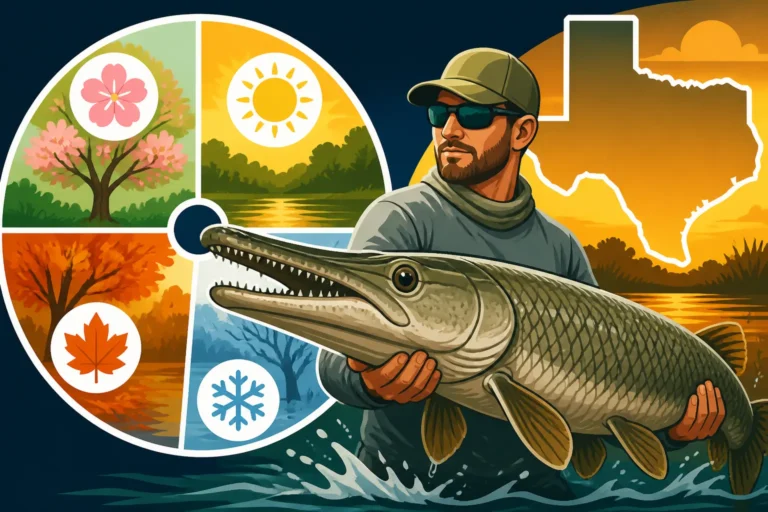
Catfish can be caught year-round in Texas, but their activity levels and locations change with the seasons.
- Spring: This is prime time! As water temperatures rise, catfish become incredibly active, feeding heavily to prepare for spawning. They'll often move into shallower areas, especially near creek mouths and protected coves, making them highly accessible from the bank. This is when cut bait and live worms truly shine.
- Summer: The Texas heat can make summer challenging, but not impossible. Catfish often feed more actively during cooler periods: early mornings, late evenings, and especially at night. During the day, they'll retreat to deeper, cooler water or seek out shade under overhanging trees or docks. Focus your bank efforts on deeper holes, channel edges, and fishing after dark. Stink baits and chicken liver are very effective in warm water.
- Fall: As temperatures cool, catfish go on another feeding binge, packing on weight for winter. They can be found in a variety of depths, often moving along channel ledges or foraging in shallower water during the day. This can be a fantastic time for both cut bait and prepared baits.
- Winter: Catfishing slows down significantly in winter, but it's still possible. Catfish will often congregate in deep holes, thermal refuges (like power plant discharge areas), or the deepest parts of channels. Your bites might be subtler, and you'll need to present your bait patiently on the bottom. Focus on slow-moving, large pieces of cut bait in these deeper, calmer areas.
Essential Texas Catfishing Regulations and Licensing
Before you even wet a line, you need to ensure you're in compliance with Texas Parks and Wildlife Department (TPWD) regulations. Most importantly, you will need a valid Texas fishing license if you are 17 years of age or older. There are exceptions for certain groups, like those born before 1931, or specific days like Texas Free Fishing Day, but for the majority of anglers, a license is mandatory. You can purchase these online, over the phone, or in person at various retailers like Walmart or local tackle shops.
Beyond the license, it's critical to know the specific bag and length limits for the catfish species you're targeting. These limits can vary by species (channel, blue, flathead) and sometimes even by specific body of water. For instance, the general statewide rule for channel and blue catfish is a 25-fish daily bag limit (in any combination) with a 12-inch minimum length limit, but special regulations may apply to certain lakes. Flathead catfish usually have a stricter 5-fish daily bag limit and an 18-inch minimum length. Always consult the current TPWD Outdoor Annual before your trip. Fines for violating these regulations can be significant, so it pays to be prepared. Also, be aware of specific rules regarding fishing near dams; the Texas 600-foot dam fishing restriction explained is a critical one for safety and regulation compliance.
Maximizing Your Chances and Being a Responsible Angler
Beyond the technicalities, a few best practices can make a huge difference in your bank catfishing success and your overall enjoyment. Always tell someone where you're going and when you expect to return, especially if you're exploring new bank access points. Pack light but smart; a good fishing backpack can carry your tackle, water, snacks, and any essentials. Consider a small, portable chair or bucket for comfort during long waits.
Leave no trace behind. Pack out everything you pack in, including bait containers, fishing line scraps, and any trash. Respect private property and only fish in areas with public access. If you're fishing near other anglers, be mindful of their space and avoid casting over their lines. For those times when the fish just aren't biting, try to learn from the experience. Did you try different baits? Different depths? Did you move to a new spot? Every trip, whether successful or not, offers valuable lessons. By combining knowledge, preparation, and responsible practices, your bank catfishing adventures in Texas will be more productive and enjoyable than ever.
Disclaimer
The information provided in this guide is for general informational purposes only. Fishing regulations, license requirements, and local conditions can change frequently. Always consult the latest Texas Parks and Wildlife Department (TPWD) Outdoor Annual and local advisories before engaging in any fishing activities. Adherence to all applicable laws and regulations is the sole responsibility of the angler. Fishing carries inherent risks, and caution should always be exercised.