How to catch striped bass from the bank at Texoma
Trying to catch striped bass from the bank at Lake Texoma can feel like an impossible task, especially with its vast open waters and reputation for boat-centric fishing. Many anglers get frustrated thinking they need a fancy boat and expensive electronics to even stand a chance. But let me tell you, with the right knowledge, gear, and a bit of patience, you absolutely can find success chasing those hard-fighting stripers right from the shoreline. This comprehensive guide is going to walk you through exactly how to do it, making those elusive Texoma stripers a real possibility for every bank angler.
Understanding Lake Texoma Striped Bass and Their Habits from Shore
Lake Texoma is truly unique, a massive reservoir straddling the Texas-Oklahoma border, famed for its thriving population of striped bass. Unlike many other lakes, stripers here are self-sustaining, meaning they naturally spawn in the Red and Washita Rivers. This natural reproduction cycle, coupled with the sheer size and diverse forage base of Texoma, contributes to some truly impressive catches. However, fishing from the bank requires understanding where these fish might congregate and how their behavior changes with the seasons and environmental factors.
Texoma's Unique Environment and Striped Bass Behavior
Lake Texoma is a big body of water, over 89,000 surface acres at normal pool, with a mix of rocky banks, sandy beaches, and deeper channels, especially around the dam and river mouths. Striped bass are schooling fish, always on the hunt for baitfish like gizzard shad and threadfin shad. From the bank, your goal is to intercept these schools as they move into accessible areas or to target structure where baitfish, and therefore stripers, are likely to hold. They tend to prefer cooler, oxygen-rich water, which influences their depth and location, particularly during the hot Texas summers. Early mornings and late evenings, or even night fishing, often provide the best opportunities as stripers venture closer to the shore to feed under lower light conditions.
One of the biggest misconceptions is that stripers are always way out in the main lake. While trophy-sized fish often hold in deeper water, many active schools will push bait into coves, along rocky points, or around bridge pilings that are very much within casting distance from the bank. Wind direction can play a huge role, pushing baitfish against certain shorelines, which then attracts stripers. Learning to "read the water" – looking for nervous baitfish, diving birds, or even subtle surface disturbances – can give you crucial clues about where the fish are.
Striped Bass Seasonal Movements and Bank Access
Understanding the seasonal migration patterns of striped bass in Lake Texoma is key to consistent bank success.
In the spring, as water temperatures rise, stripers begin their spawning runs up the Red and Washita Rivers. During this time, areas around the river mouths and main lake points near these river channels can be absolute goldmines for bank anglers. They're actively feeding and moving, making them more vulnerable to shoreline presentations.
As summer heat sets in, stripers often move to deeper, cooler water. However, don't despair! They still make pushes into shallower areas during low-light hours. Points, humps, and areas near deeper channels that offer quick access to cooler water become prime targets. Look for schools busting on the surface during dawn or dusk. You can find more detailed information on their yearly habits in our Texas Fishing Seasons Month by Month guide.
Fall sees a resurgence of activity, often considered one of the best times for bank fishing. As water temperatures cool, stripers become incredibly active, aggressively feeding to build up fat reserves for winter. They can be found in a variety of depths and locations, often pushing shad into coves and along main lake shorelines.
Winter can be challenging, but not impossible. Stripers tend to school up tightly in deeper areas, often near channels or power plants where water might be warmer. However, a mild winter day can still bring them shallower, especially if there's a good baitfish presence. Key into protected coves and sunny banks that warm up slightly.
Essential Gear and Tackle for Bank Fishing Stripers
You don't need a boatload of gear to catch Texoma stripers from the bank, but having the right tools for the job makes all the difference. Think durable, strong, and capable of handling a powerful fish.
Rod and Reel Selection for Bank Anglers
When it comes to rods, you'll want something with a good backbone for casting heavier lures and fighting strong fish, but with enough sensitivity to feel those subtle bites. A medium-heavy to heavy power spinning or casting rod, typically 7 to 9 feet long, is ideal. The extra length helps with longer casts, which is crucial when fishing from shore, and provides better leverage when fighting a large striper. For spinning reels, look for a 4000 to 6000 size that can hold a decent amount of line and has a smooth, powerful drag system. Brands like Penn, Shimano, or Daiwa offer reliable options. If you prefer baitcasting, a robust reel with a strong retrieve and a good line capacity is essential. You can often find great deals and a wide selection on platforms like Amazon if you're looking to upgrade your setup.
For line, braided line is a popular choice due to its strength, sensitivity, and lack of stretch, which aids in casting distance and hook sets. A 30 to 50-pound test braid is generally sufficient. If you're using braid, it's wise to attach a fluorocarbon leader (20-30 pound test) using a strong knot like an FG knot or an Albright knot. Fluorocarbon is nearly invisible in water and more abrasion-resistant, which is helpful around Texoma's rocky bottom. This setup allows you to cast a good distance and maintain control over larger fish, which is exactly what you need when you're limited to the bank. For a deeper dive into rod and reel choices, check out our guides on Best Fishing Rods for Texas Anglers and Best Fishing Reels for Texas Anglers.
Key Baits and Lures for Shoreline Stripers
Striped bass are predators, so your baits and lures should mimic their natural forage: shad. The key is to have a variety on hand to adapt to different conditions and striper preferences.
Bait/Lure Type Description
Pummel those fish from the bank at Lake Texoma! You're talking about taking advantage of the natural movements of those stripers, especially when they're chasing bait.
Let's talk about the gear.
Live Bait Rigs: Live shad or sunfish are gold on Texoma. A simple Carolina rig is incredibly effective. This rig involves a barrel swivel, a leader (say, 20-pound fluorocarbon, about 2-4 feet long), and a circle hook (3/0 to 6/0, depending on bait size) to hook your bait through the nose or back. Above the swivel, you slide an egg sinker (1-3 ounces, adjusting for current and casting distance) and a bead (to protect your knot). Cast it out, let it settle on the bottom, and wait. The key here is not to hold your rod constantly, but to let the fish take the bait. The circle hook will do its job, usually hooking the fish in the corner of the mouth, as they swim away.
Artificial Lures:
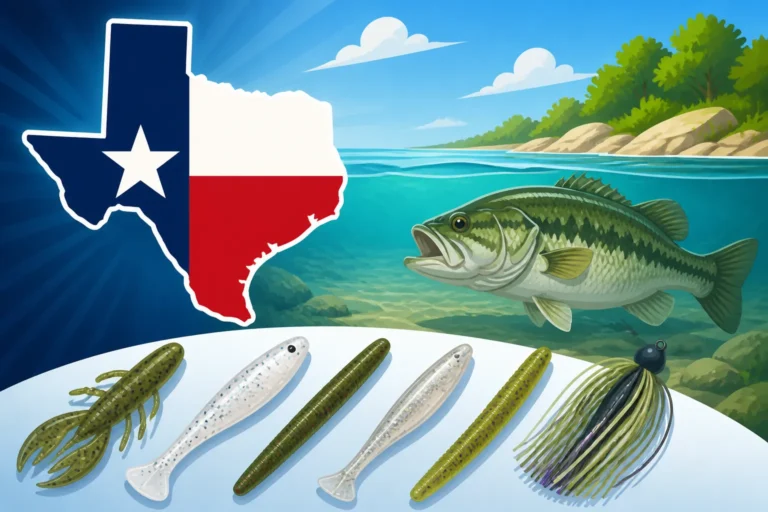
- Slabs/Jigging Spoons: These are probably the most iconic striper lures on Texoma. They mimic injured baitfish perfectly. Cast them out as far as you can, let them sink to the bottom, then rip them up sharply, letting them flutter back down on a semi-slack line. Most bites happen on the fall. Chrome, white, and chartreuse are classic colors. Popular brands like Rattle Trap or various spoon manufacturers are readily available at local tackle shops or online.
- Swimbaits: Soft plastic swimbaits, either paddle tail or boot tail, rigged on a weighted swimbait hook or jig head (1/2 to 1 ounce), are fantastic for imitating shad. Work them with a steady retrieve, maybe adding a few twitches. White, chartreuse, and pearl are go-to colors. Some anglers even add a bit of scent to these to entice a reluctant striper.
- Topwater Lures: During low light conditions (dawn, dusk) or overcast days, especially in spring and fall, stripers will absolutely obliterate topwater lures. Walk-the-dog style baits or poppers can be incredibly exciting. These require a specific retrieve, but the explosion of a striper hitting a topwater lure is unforgettable. These are especially effective when you see stripers actively busting bait on the surface within casting range.
- Bucktail Jigs: A classic for a reason, bucktail jigs in white, chartreuse, or pink (1/2 to 2 ounces) can be incredibly effective. Tip them with a piece of cut bait or a soft plastic trailer for added appeal. A slow, steady retrieve with occasional jigs and pauses often works best.
For more detailed information on lure selection, check out our Best Bait and Lures for Texas Fishing guide.
Prime Bank Fishing Locations on Lake Texoma
Knowing where to cast your line from shore is just as important as what you're casting. Texoma offers several fantastic public access points that put you in striking distance of productive waters.
Public Access Points and Parks
Several Texas State Parks and Corp of Engineers parks around Texoma offer excellent bank fishing opportunities. These spots often feature parking, restrooms, and sometimes even fishing piers, making them ideal for a day trip.
Eisenhower State Park (Denison, TX): This park offers miles of shoreline, rocky points, and access to deeper water. The area around the dam is particularly good, as are some of the larger coves. You can often find baitfish congregating here, which in turn attracts stripers. Pay attention to wind direction; a strong wind blowing into a cove can push baitfish right to you.
Lighthouse Resort and Marina (Pottsboro, TX): While primarily a marina, there are accessible shoreline areas nearby that offer good fishing, especially around the main lake points. The combination of deeper water nearby and available structure can hold fish.
Preston Bend Park (Pottsboro, TX): This is another Corp of Engineers park with good access. Look for points that extend into the main lake or areas where there's a quick drop-off.
Highport Marina (Pottsboro, TX): Similar to Lighthouse, nearby public access areas can be productive. While you can't fish directly from the marina itself, the surrounding public lands often provide good spots.
When visiting any of these areas, always check for specific park rules or any local fishing regulations. Remember, even from the bank, you’ll need a valid Texas Fishing License Requirements Explained, and it's essential to be aware of the Texas Fish Bag and Length Limits for striped bass.
Strategic Shoreline Features to Target
Beyond general access points, understanding what specific features to target along the shoreline will significantly increase your success.
Points and Humps: Any point that juts out into the main lake or a large cove is a natural ambush spot for stripers. They use these features to trap baitfish. Cast along both sides of the point and out towards the deeper water. If there’s an underwater hump nearby, even better.
Bridge Pilings and Riprap: Bridges that span coves or river channels, like the US-377 bridge, often have riprap (rocky banks) and pilings that attract baitfish and provide cover for stripers. These structures create current breaks and eddies where fish can rest and feed. Casting parallel to the riprap or letting your lure sink near the pilings can be very effective.
Coves with Deep Water Access: Larger coves, especially those near the main lake channel, can be productive. Stripers will push baitfish into these areas, particularly during the fall and spring. Look for coves that have a sharp drop-off or a channel running through them.
River Mouths: As mentioned earlier, during the spring spawning run, the mouths of the Red and Washita Rivers, or areas immediately downstream, become hotspots. Even outside of the spawn, these areas have consistent current and abundant bait, making them attractive to stripers.
Always be on the lookout for signs of baitfish activity—small splashes, nervous water, or even diving birds. Where there's bait, there are usually stripers nearby.
Effective Techniques and Baits for Shoreline Stripers
Catching stripers from the bank isn't just about casting and hoping; it involves strategic techniques, knowing how to present your bait, and adapting to the conditions of the day.
Casting and Retrieving Strategies
One of the biggest challenges with bank fishing is limited casting distance. That's why those longer rods and braided lines are so important. However, once your lure is out there, how you retrieve it is critical.
Fan Casting: Don't just cast in one direction. Work an area thoroughly by fan casting – making casts that radiate out from your position like spokes on a wheel, covering as much water as possible. Start close, then gradually cast further and further.
Vary Your Retrieve: Stripers can be finicky. Sometimes they want a fast, erratic retrieve, mimicking a panicked baitfish. Other times, a slow, steady retrieve is the ticket. Experiment with speed, twitches, pauses, and even letting your lure hit the bottom before reeling. For slabs, the "lift and drop" technique is paramount; let it sink, rip it up, let it fall. For swimbaits, a steady retrieve often works wonders, sometimes with a brief pause.
Current and Wind: Always be mindful of current, especially near river mouths or the dam. Cast upstream of where you think the fish are, allowing your lure to drift naturally into the strike zone. Wind can be your friend, too, helping you cast further and pushing baitfish towards you. Cast into the wind if you're targeting areas where bait is being blown in, but be prepared to adjust your weight if needed. You can learn more about specific techniques in our How to Catch Striped Bass on Lake Texoma guide.
Live Bait Rigs and Presentation
While artificials can be very exciting, live bait often outfishes lures, especially when stripers are being particularly finicky or holding deeper. Catching your own shad can be done with a cast net in shallower coves or around docks. If that's not an option, some local bait shops might carry live shad, though they can be pricey.
When using live bait, a simple Carolina rig is king. The weight gets your bait down to where the stripers are, and the leader allows the baitfish to swim freely and naturally. Hook your shad through the lips for a natural presentation that allows it to swim and attract attention. Alternatively, hooking it behind the dorsal fin can be effective, especially if you want it to stay in one general area.
For maximum success, consider using a rod holder and letting the fish "take" the bait without resistance before engaging the reel. This gives the striper time to mouth the bait and get the circle hook properly seated. Often, when bank fishing with live bait, less is more – don't constantly reel in and re-cast. Find a good spot, set your rig, and be patient.
Adapting to Conditions and Time of Day
Fishing success often hinges on your ability to adapt. What worked yesterday might not work today, and what works at dawn might not work at noon.
Early Morning and Late Evening: These are prime times for stripers, as they often move shallower to feed under reduced light. Topwater lures, swimbaits, and slabs are all great choices during these periods.
Midday in Summer: When the sun is high and temperatures soar, stripers typically retreat to deeper, cooler water. This is when heavier slabs, or live bait fished on a Carolina rig, become more effective. Look for areas with quick access to deeper water, like steep drop-offs from a point.
Cloudy or Overcast Days: These conditions can extend the "prime time" fishing window, as stripers are less sensitive to light. Don't be afraid to try topwater or shallower presentations later in the day.
Windy Days: Wind can be a blessing or a curse. A light chop can break up the water surface, making it harder for fish to see you and more comfortable for them to feed shallow. A strong wind can make casting challenging but can also push baitfish to specific shorelines. Identify those wind-blown banks and fish them aggressively.
By being observant and flexible, you can dramatically increase your chances of landing a magnificent Lake Texoma striped bass right from the bank.
Disclaimer
Please remember that fishing regulations, conditions, and fish behavior can change. Always consult the latest Texas Parks and Wildlife Department (TPWD) regulations before you head out, and prioritize your safety while fishing.