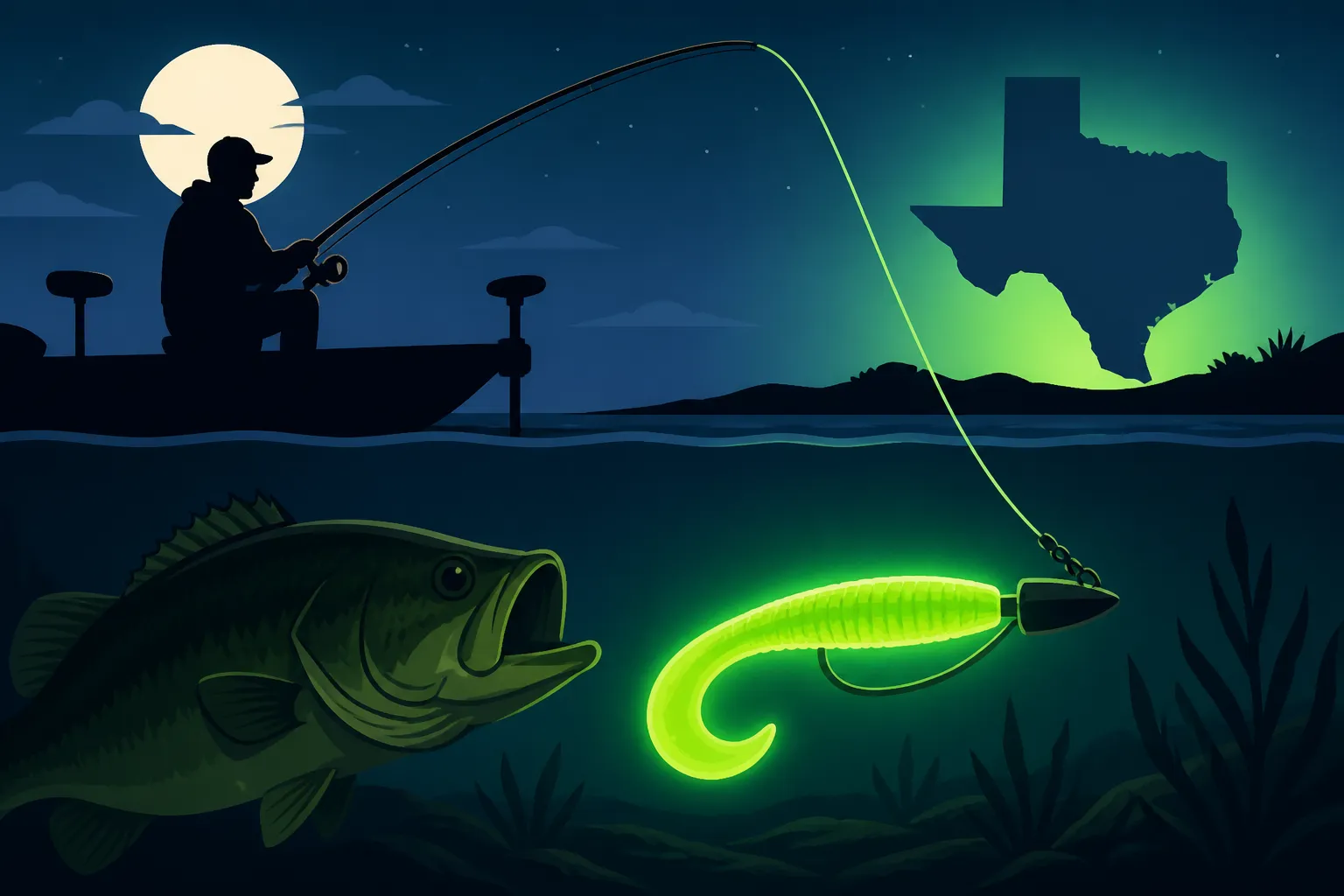
How to fish glow-in-the-dark lures at night
Night fishing in Texas can be an absolutely magical experience, but let's be honest, trying to see what you're doing, let alone entice a bite, in the pitch-black darkness can be incredibly frustrating. Traditional lures often disappear into the void, leaving you wondering if they're even visible to hungry fish. This guide is all about shedding some light on that problem, specifically by exploring how to effectively use glow-in-the-dark lures to make your nocturnal angling adventures more successful and a whole lot less guesswork.
Why Glow-in-the-Dark Lures for Night Fishing?
When the sun dips below the horizon and the stars begin to pepper the vast Texas sky, the underwater world transforms. Many fish species become more active, venturing out from daytime hiding spots to feed under the cover of darkness. But without natural light, how do they find their meals, and more importantly, how do your lures stand out? That's where the captivating power of glow-in-the-dark lures comes into play.
The Science Behind the Glow
It's not magic, though sometimes it feels like it when a lure lights up the murky depths! Glow-in-the-dark lures work through a process called phosphorescence. Essentially, these lures contain special pigments that absorb energy from a light source (like sunlight, a flashlight, or a UV light) and then slowly re-emit that energy as a visible glow. Think of it like a tiny, self-powered beacon under the water. This persistent, soft glow can be incredibly attractive to fish, mimicking the natural bioluminescence found in some baitfish or invertebrates, or simply acting as an irresistible curiosity in the otherwise dark environment. The intensity and duration of the glow depend heavily on the quality of the phosphorescent material and how well it was "charged."
Advantages Over Traditional Lures
The most obvious advantage is visibility. In low-light conditions, a glowing lure is far more conspicuous than a dull, traditional one. This increased visibility can draw fish from a greater distance, making your presentation easier to find in expansive waters. It also helps you, the angler, track your lure, especially if you're fishing near cover or trying to gauge your retrieval speed. Imagine trying to explain to your buddy exactly where your lure is in a pitch-black lake without that faint glow! Furthermore, some species, particularly those with excellent night vision or those that hunt by sight in low light, might be more readily drawn to a glowing target. It can cut through stained water better than natural colors might during the day, giving your offering an undeniable presence.
Common Misconceptions About Glow Lures
One common myth is that glow-in-the-dark lures will spook fish. The idea is that the unnatural glow is too alarming. However, in reality, many fish species are naturally curious, especially in low light where visibility is limited. A subtle, consistent glow often acts as an attractant rather than a deterrent. It’s also often believed that the glow needs to be incredibly bright to be effective. While a strong charge is good, sometimes a softer, more ethereal glow is exactly what's needed to mimic natural food sources without being overpowering. The goal isn't to blast fish with light, but to offer a beacon they can hone in on. Another misconception is that you need specialized equipment to use them. While UV flashlights are excellent for charging, any bright light source will work in a pinch.
Choosing the Right Glow-in-the-Dark Lures
Just like with daytime fishing, selecting the right lure depends on what you're targeting and the conditions you're facing. But for night fishing with glow lures, there are some extra considerations to keep in mind.
Types of Lures that Glow
Virtually any type of lure can be made with phosphorescent properties. Soft plastics are incredibly popular for their versatility and subtle action. Think glow-in-the-dark worms, grubs, or shad imitations on a jig head. These are fantastic for slow retrieves, giving fish plenty of time to find and strike. Hard baits like crankbaits and jerkbaits also come in glowing versions, offering flash and vibration along with the visual appeal. Spoons can be deadly, especially for species that hit aggressive presentations. Even some spinnerbaits and buzzbaits incorporate glowing skirts or blades. Consider the depth you're fishing; a glow jig might be perfect for deep structure, while a glowing topwater popper could attract bass or stripers feeding on the surface during a calm night. You can find a vast array of these options on platforms like Amazon, offering everything from glowing jig heads to full-bodied soft plastics.
Activating and Recharging Your Lures
To get that beautiful glow, your lures need to be "charged" by a light source. The most effective way to do this is with a UV flashlight. UV light provides a quick, intense charge that makes the phosphorescent pigments really pop and often lasts longer. A quick flash for 10-20 seconds is usually enough to get a good, strong glow. If you don't have a UV light, a regular flashlight will work, though it might take a bit longer and the glow might not be as intense or long-lasting. Even the light from your phone screen can work in a pinch, though it's certainly not ideal. The key is to recharge your lures frequently, especially if you notice the glow diminishing. For some presentations, you might be recharging every few casts, particularly if you're fishing deep or in really murky water where the lure's initial charge might not last as long. Keep your charging source handy and easily accessible for quick re-ups.
Color and Intensity Considerations
While green is the classic and often most potent glow color due to how fish eyes perceive light in low-light conditions, don't overlook other options. Blue glows can be very effective, especially in saltwater environments where bioluminescence often has a blue tint, making it a more natural presentation. Some lures even offer subtle red or orange glows. The intensity of the glow is also crucial. Sometimes, a super bright, almost blinding glow can be too much, particularly in very clear water. Other times, a softer, more subtle glow is just the ticket to mimic a struggling baitfish or insect. It's often a good idea to have a few different options with varying glow colors and intensities in your tackle box. Experimentation is key; what works wonders one night on Lake Texoma Fishing Guide might be completely ignored the next.
Effective Techniques for Fishing Glow Lures at Night in Texas
Night fishing with glow lures isn't just about throwing them out and hoping for the best. Strategic presentation and understanding fish behavior in the dark can significantly boost your success.
Targeting Specific Texas Species
Texas offers a fantastic variety of fish that are active after dark, and glow lures can be excellent for many of them.
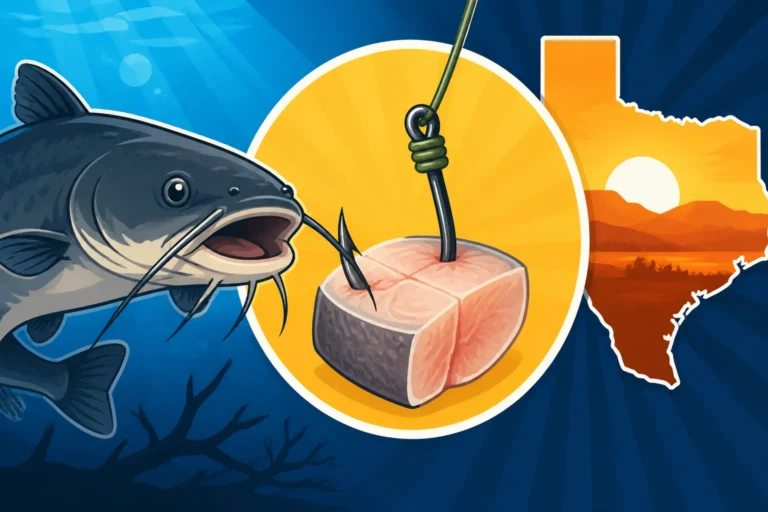
- Catfish: This is probably one of the most popular night fishing targets. Channel cats, blue cats, and flatheads all feed aggressively at night. Glowing circle hooks or glow-in-the-dark bobbers can help you track your bait and detect bites. Using a glow-in-the-dark worm or grub on a bottom rig can also attract their attention. For specific techniques, check out How to Catch Catfish at Night in Texas.
- Crappie: Often called "slab" crappie for their size, these fish love to feed under lights at night. A small glow jig, tipped with a minnow or a scented soft plastic, fished slowly around brush piles, submerged timber, or bridge pilings can be incredibly effective. Consider a white or chartreuse glow for maximum visibility. Learn more about catching them with How to Catch Crappie in Cold Water, as similar slow presentations are often effective at night.
- White Bass: During their famous runs or when schooled up in open water, white bass can be aggressive night feeders. A small glowing spoon or a white/chartreuse glow jig worked through schools can yield fast action. Keep an eye on your fish finder (if you have one) for bait balls and active fish.
- Speckled Trout and Redfish (Saltwater): On the Texas coast, particularly in the bays, speckled trout and redfish will hunt under the moon and stars. A glow-in-the-dark soft plastic shrimp or jerkbait, often with a chartreuse or natural shrimp color, can be deadly, especially when fished slowly along grass lines or oyster reefs. The subtle glow acts as an irresistible target in the dark water. For more on these coastal fighters, consider Texas Speckled Trout Fishing Guide.
Presentation and Retrieval Tips
The general rule of thumb for night fishing, especially with glow lures, is to slow everything down. Fish tend to be less aggressive and more deliberate in their movements when visibility is limited. A slower retrieve gives them more time to locate your glowing lure and decide to strike.
- Slow Roll Jigs: Cast a glow jig (perhaps with a soft plastic tail) and retrieve it just fast enough to keep it off the bottom. Let it hit the bottom occasionally to stir up some sediment.
- Pause and Go: For crankbaits or jerkbaits, a retrieve that includes frequent pauses can be very effective. The lure glows while suspended, mimicking a wounded baitfish.
- Vertical Jigging: If you've located a school of fish directly beneath your boat, vertical jigging a glow spoon or jig can be irresistible. The constant up-and-down motion with a glowing target is hard for fish to ignore.
- Pay Attention to Feel: Since you can't always see your line or the subtle twitches, you'll need to rely more on feel. Use a sensitive rod and braided line (with a fluorocarbon leader) to detect even the lightest bites.
Combining with Other Senses
While the glow is a powerful visual attractant, don't forget that fish use other senses to hunt in the dark.
- Scent: Adding a scent attractant to your glow lures can make them even more potent. Fish like catfish and crappie rely heavily on smell. A strong scent trail combined with a visual beacon is a one-two punch they often can't resist. You can find a variety of gel and spray scents online, including on Amazon, that adhere well to soft plastics.
- Vibration: Lures with built-in rattles or those designed to produce a lot of water displacement (like some spinnerbaits or vibrating jigs) add an auditory element. The combination of glow and vibration can call fish in from a wider area, especially in murky conditions where visual cues are limited. For general night fishing strategies, checking out Night Fishing Techniques for Texas Lakes can provide additional context on sensory appeals.
Essential Gear for Night Fishing with Glow Lures
Beyond the glow lures themselves, having the right supporting gear is critical for a safe and successful night fishing trip.
Lighting for Anglers
Just because your lures glow doesn't mean you should be fumbling around in the dark! A reliable light source for yourself is paramount.
- Headlamps: These are non-negotiable. They keep your hands free for tying knots, rigging lures, and unhooking fish. Choose a headlamp with multiple brightness settings and, ideally, a red light option. Red light preserves your night vision better than white light and is less likely to spook fish or bother other anglers. A good quality headlamp can be found readily on Amazon.
- Boat Lights: If you're fishing from a boat, ensure all your navigation lights are working properly. Interior deck lighting can be helpful for rigging, but use it sparingly to avoid disturbing the fish or your night vision. Some anglers use submersible green or white lights off the side of the boat to attract baitfish, which in turn attract game fish.
- UV Flashlight: As mentioned, this is your best friend for charging glow lures. Keep it tethered to yourself or your boat to prevent losing it overboard in the dark.
Rod, Reel, and Line Considerations
While specific gear choices will always vary based on target species and personal preference, night fishing with glow lures does benefit from certain characteristics.
- Sensitive Rods: You're relying heavily on feel, so a sensitive graphite rod is crucial for detecting subtle bites. Medium-light to medium power rods are versatile for many night fishing scenarios. For general rod recommendations, Best Fishing Rods for Texas Anglers has some great advice.
- Smooth Reels: A smooth-operating reel, whether spinning or baitcasting, is important for consistent retrieves and fighting fish in the dark. You don't want any hitches or jerks when you can't see what's happening. Pair your sensitive rod with a quality reel, as suggested in Best Fishing Reels for Texas Anglers.
- Braided Line with Fluorocarbon Leader: Braided line offers superior sensitivity and minimal stretch, allowing you to feel those faint bites. Since it's typically opaque, adding a fluorocarbon leader (which is nearly invisible underwater) provides stealth and abrasion resistance. A 10-20 lb braid with a 6-12 lb fluorocarbon leader is a good starting point for many freshwater species.
Safety First: Navigating in the Dark
Safety should always be your top priority, especially when fishing at night. The risks of falls, disorientation, and collisions are significantly higher.
- Know Your Waters: Before heading out at night, familiarize yourself with the area during the day. Know where submerged hazards, boat lanes, and shallow spots are.
- Life Jackets: Always wear a life jacket, even if you're a strong swimmer. Accidents happen quickly in the dark.
- Buddy System: If possible, fish with a buddy. Two sets of eyes and hands are always better in an emergency.
- Communication: Carry a fully charged cell phone and a marine radio if you're on a boat. Let someone know your fishing plans and expected return time.
- First Aid: A well-stocked first aid kit is essential, as medical attention might be harder to access quickly at night.
- Bug Spray: Don't forget the insect repellent! Texas nights can bring out a swarm of mosquitoes, which can quickly ruin a peaceful fishing trip.
Here's a quick look at some popular glow lure options and their typical uses:
| Lure Type | Best For | Glow Colors | Retrieval Style | Texas Species Targeted |
|---|---|---|---|---|
| Soft Plastic Jig | Vertical jigging, slow bottom bouncing | Green, Chartreuse, Blue | Slow, steady retrieve with pauses | Crappie, Catfish, White Bass, Speckled Trout |
| Hard Body Crankbait | Trolling, casting and retrieving | Green, Blue | Moderate retrieve with occasional stops | Largemouth Bass, Striped Bass, Redfish |
| Spoon | Casting and retrieving, vertical jigging | Green, Pink, White | Jigging, steady retrieve, flutter on fall | Striped Bass, White Bass, Crappie, Speckled Trout |
| Soft Plastic Worm/Grub | Texas Rig, Carolina Rig, Jig Trailer | Green, Chartreuse, Orange | Slow drag, hop, or swim | Largemouth Bass, Catfish, Crappie |
| Glow Bobber/Float | Live bait or still fishing | Green, Red | Still | Catfish, Crappie, Panfish |
Fishing with glow-in-the-dark lures at night opens up a whole new dimension to your angling experience. It's a fantastic way to tackle those often-fickle night bite periods, and with a little preparation and the right techniques, you can turn those dark waters into your new favorite fishing grounds.
Disclaimer
This article is for general informational purposes only and does not constitute professional advice. Laws, prices and regulations vary by location and change over time. Consult a qualified professional for guidance on your specific situation.