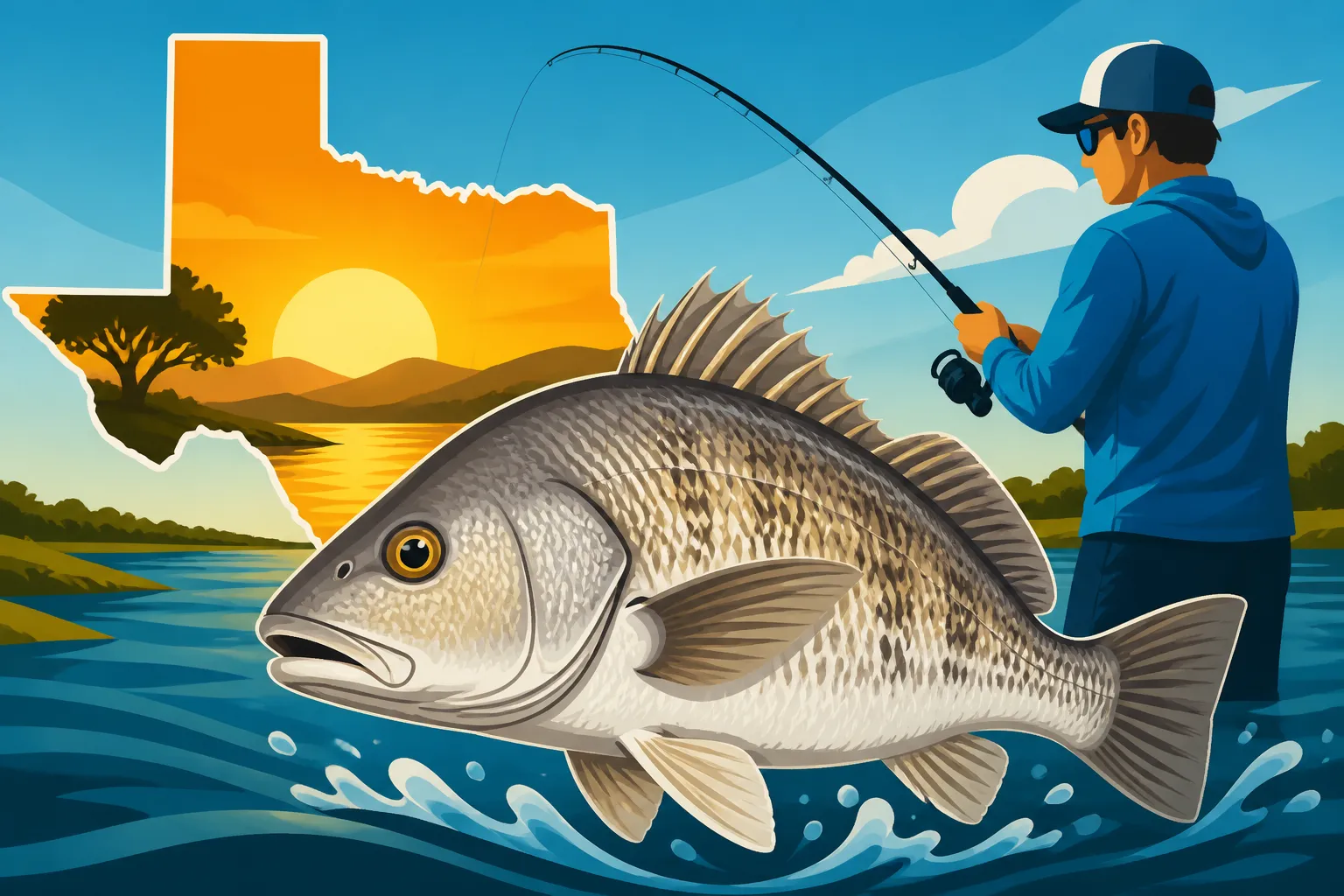
Texas Freshwater Drum Fishing Guide
If you've spent any time fishing in Texas, chances are you've encountered the freshwater drum – often a surprise catch, sometimes dismissed, and frequently misunderstood. Many anglers overlook them entirely, thinking they're just "trash fish" or only good for bait, but let me tell you, that's a huge disservice to a truly fun and accessible game fish! This guide is here to shed light on the Texas freshwater drum, helping you identify them, understand their habits, and discover proven techniques to target them for an exciting fight on the line or even a surprisingly delicious meal.
Understanding the Texas Freshwater Drum
The freshwater drum, often affectionately called a "gaspergou" or "gou" by local Texas anglers, is a fascinating and often overlooked species. They're widespread, feisty fighters, and incredibly adaptable, making them a fantastic target for anglers of all skill levels, especially if you're looking for consistent action when other species are finicky. Don't let their reputation fool you; these fish are a blast to catch and are an integral part of our diverse Texas aquatic ecosystems.
What Exactly is a Freshwater Drum?
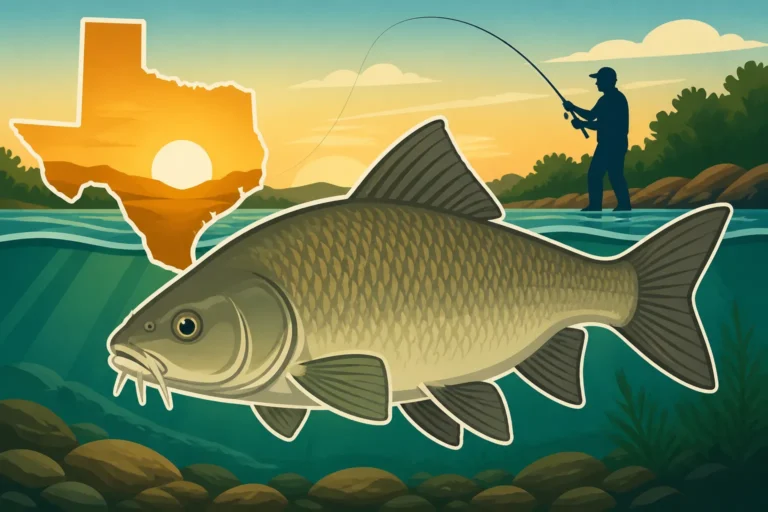
The freshwater drum ( Aplodinotus grunniens) is North America's only freshwater member of the drum family, a group that includes many popular saltwater species like redfish and speckled trout. This genetic connection is why they put up such a strong fight, pulling hard and often shaking their heads vigorously – a true "drumming" sensation on the line! They typically have a silvery-bronze body, a high, arched back, and a noticeable lateral line that extends all the way to their rounded tail fin. Their mouth is small and downturned, perfect for rooting around on the bottom, and they possess crushing pharyngeal teeth designed to munch on mollusks and crustaceans.
One of their most distinguishing features, and how they earned the "drum" name, is their ability to produce a drumming or croaking sound. They do this by vibrating muscles against their swim bladder, often heard when they are stressed or during spawning. It's a truly unique aspect of this fish that sets them apart. Unfortunately, because they aren't as flashy or prized as a largemouth bass or a channel catfish, they often get a bad rap. However, anyone who has hooked into a good-sized drum will tell you they are formidable opponents that demand respect.
Where Do Freshwater Drum Live in Texas?
Freshwater drum are incredibly widespread throughout Texas, thriving in almost any large body of freshwater, from major rivers to vast reservoirs. They are true bottom dwellers, preferring slow-moving or still waters with soft, muddy, sandy, or gravelly bottoms where they can easily forage for food. You'll find them in large numbers in many of our state's iconic waterways.
Think about our major river systems, like the Trinity River, Brazos River, and Colorado River – these are prime habitats for drum. They also absolutely thrive in large reservoirs such as Lake Livingston, Toledo Bend, Lake Ray Hubbard, Lake Fork, and Sam Rayburn. They gravitate towards areas with good food sources, often congregating around submerged timber, rock piles, ledges, and channels. If you're fishing for catfish or even crappie in these areas, you're very likely to stumble upon a drum or two. They're adaptable and can tolerate a wide range of water conditions, from clear to turbid, making them a consistent presence in many fishing spots year-round. You can learn more about specific river fishing in our Trinity River Fishing Guide and Lake Livingston Fishing Guide for some excellent drum opportunities.
The Freshwater Drum's Diet and Behavior
The freshwater drum is primarily a bottom feeder, and their diet consists mainly of invertebrates. They absolutely love to munch on mollusks like clams and snails, crawfish, aquatic insects, and insect larvae. Their specialized pharyngeal teeth are perfectly adapted for crushing the shells of these creatures. While their primary forage is bottom-dwelling invertebrates, they aren't opposed to occasionally feeding on small baitfish, especially if the opportunity presents itself.
Drum are also known for their schooling behavior, particularly the younger fish. You might catch one, and then suddenly you're reeling in drum after drum from the same spot! This can make for some incredibly fast-paced and exciting action, especially for kids or beginners who are looking to keep a bent rod. Larger drum tend to be more solitary but will still congregate in areas with abundant food. They are generally most active during dawn, dusk, and even at night, though they can be caught throughout the day, especially in deeper, cooler waters during the hot Texas summers. Understanding their foraging habits is key to selecting the right baits and targeting the right areas, which we'll dive into next.
Gear Up for Freshwater Drum Fishing
One of the great things about fishing for freshwater drum is that you don't need a highly specialized or expensive setup. Much of the gear you'd use for catfish, carp, or even some bass fishing techniques will work perfectly well for drum. It's all about matching your tackle to the size of the fish and the environment you're fishing in, ensuring a good fight without risking broken lines or lost fish.
Rods, Reels, and Line for Drum
For freshwater drum, a medium to medium-heavy action rod is generally ideal. This type of rod provides enough backbone to handle a strong fighting drum, but also enough flexibility in the tip to detect their often subtle bites. A good length would be anywhere from 6 to 7.5 feet. You don't need anything fancy, just a reliable rod that can take a beating, as these fish definitely pull.
When it comes to reels, a spinning reel in the 2500-4000 size range or a baitcasting reel with a medium retrieve ratio will serve you well. Smooth drag is crucial because drum fight hard, and you want to be able to let them run when they need to without snapping your line. For line, 10 to 20-pound test monofilament or fluorocarbon is a solid choice, offering a good balance of strength and abrasion resistance, especially when fishing near rocky or shelly bottoms. If you prefer braided line for its sensitivity and strength, an equivalent breaking strength (say, 20-30 pound test) would also work, perhaps with a fluorocarbon leader for stealth. Many anglers find great value and reliable performance in gear readily available on platforms like Amazon, making it easy to put together an effective drum fishing kit without breaking the bank. For similar gear recommendations, check out our guide on Best Rods for Texas Catfish Fishing.
Best Baits and Rigs
Drum are not particularly picky eaters, which is another reason they are such a fun target! They respond well to a variety of natural baits, especially those that mimic their natural diet of invertebrates. Here are some of the most effective baits:
- Nightcrawlers/Worms: These are arguably the king of drum baits. They are natural, readily available, and drum absolutely love them. Thread a whole or partial worm onto a hook, ensuring some dangles for maximum appeal.
- Shrimp: Both fresh and frozen peeled shrimp are incredibly effective, especially for larger drum. The scent trail they put out is irresistible.
- Cut Bait: Small pieces of shad, mullet, or other oily baitfish can also work, though perhaps not as consistently as worms or shrimp. It's a good alternative if you're targeting other species alongside drum.
- Small Crawfish: If you can find live crawfish, drum will often attack them with gusto.
- Prepared Baits: Some anglers have success with commercial "stink baits" or dip baits designed for catfish, though they typically prefer the natural stuff.
For rigging, simplicity is key:
- Carolina Rig: This is a classic bottom-fishing rig and one of the best for drum. It consists of an egg sinker (1/2 to 1 ounce, depending on current) threaded onto your main line, followed by a swivel, and then an 18-36 inch fluorocarbon leader (10-15 lb test) tied to a circle hook (sizes 1/0 to 3/0). The sinker allows the bait to sit on the bottom while the leader lets it move naturally.
- Bottom Rig/Santee Cooper Rig: Similar to a Carolina rig, but sometimes with a float on the leader to lift the bait slightly off the bottom, preventing crabs or smaller nuisance fish from getting to it immediately.
- Drop Shot Rig: While often used for bass, a drop shot can be deadly for drum, especially when they are suspended slightly off the bottom or you want to present a worm enticingly just above the debris. Use a small weight and a hook (size 1 or 2) with a piece of worm or shrimp.
You can find more detailed information on various baits in our Best Bait and Lures for Texas Fishing guide.
| Bait Type | Effectiveness | Best Conditions | Notes |
|---|---|---|---|
| Nightcrawlers | High | All conditions, especially murky water | Easy to get, highly attractive, good scent trail. |
| Peeled Shrimp | High | All conditions, good in light current | Strong scent, firm enough to stay on hook, great for larger drum. |
| Cut Bait (Shad) | Medium-High | Strong current, targeting larger fish | Oily scent attracts fish from a distance. |
| Small Crawfish | Medium | Clearer water, where crawfish are prevalent | Natural prey, can be harder to keep alive and hook properly. |
| Prepared Baits | Medium | Still water, when other baits aren't working | Can be messy, less natural appeal but strong odor can draw in curious drum. |
Essential Accessories
Beyond your basic rod, reel, and tackle, a few accessories can make your freshwater drum fishing experience much more enjoyable and successful. You don't need a boatload of gear, but these items can be game-changers.
First, a good pair of pliers is absolutely essential. Drum have tough mouths, and a pair of long-nosed pliers will help you safely and easily remove hooks, especially if you're using circle hooks. Second, a sturdy landing net is a smart investment. Drum can grow surprisingly large, and trying to hoist a 10-pound fish by the line can lead to heartbreak. A net helps protect both your catch and your tackle. You can find excellent, affordable options for both of these on Amazon.
Other helpful items include extra weights and hooks of various sizes, a cooler with ice if you plan on keeping any drum for the table (they do make for good eating!), and a basic first-aid kit, just in case of any mishaps. A Best Fishing Backpacks for Texas Bank Anglers can help you keep all these essentials organized and easily accessible, especially if you’re hiking to a bank fishing spot. Having these small but mighty tools at the ready means less frustration and more time enjoying the fight.
Techniques for Catching Texas Freshwater Drum
Catching freshwater drum isn't rocket science, but understanding a few key techniques can significantly increase your success. Since they are primarily bottom feeders, the most effective methods revolve around presenting your bait where they are most likely to find it. Whether you're casting from the bank or drifting from a boat, patience and proper bait presentation are your best friends.
Bank Fishing Strategies
Bank fishing for freshwater drum is incredibly rewarding and accessible. You don't need a boat, just a keen eye for good spots and the right approach. When choosing a spot, look for areas with current breaks, drop-offs, submerged structure like logs or rocks, or simply deeper holes. River bends and confluence points are often goldmines for drum. Casting your bait out and letting it settle on the bottom is the standard approach.
Once your bait is out, let it sit. Drum aren't usually aggressive chasers; they're methodical feeders. Keep a close eye on your rod tip for any twitching or bending. Their bite can sometimes be subtle, a light tap, but more often, it's a steady pull as they mouth the bait before swallowing. It's often helpful to use a rod holder to keep your rod steady and prevent it from being pulled into the water by a strong run. Patience is key here; sometimes it takes a while for a drum to find your offering, but when they do, you'll know it! Don't be afraid to cast to different depths and distances to locate schooling fish. If you're new to fishing from shore, our Beginner Fishing Techniques for Texas Anglers guide offers excellent foundational advice.
Boat Fishing Approaches
Fishing for freshwater drum from a boat opens up a wider range of opportunities, allowing you to access deeper waters and more remote structures. Drifting is a highly effective technique, especially in rivers or large lakes with a gentle current or wind. By drifting, you cover more water, allowing your bait to present naturally to more fish. Use your trolling motor or the wind to control your drift, letting your Carolina rig or bottom rig drag along the bottom.
If you find a productive spot, anchoring up can be very effective, particularly if you're seeing signs of schooling fish on your electronics. Look for humps, ledges, or channel swings where drum might congregate. Using a fish finder to locate schools of baitfish or even individual large fish near the bottom can dramatically improve your chances. Once you're anchored, fan-cast around the boat to cover different angles and depths. Vertical jigging with a heavy spoon or a drop shot rig can also be effective if you're precisely over a school of fish. For fishing large reservoirs, our Toledo Bend Reservoir Fishing Guide offers insights into boat fishing strategies that can be adapted for drum.
Reading the Water for Drum
Understanding how to "read the water" and interpret environmental factors can give you a significant edge when targeting freshwater drum. While drum are adaptable, certain conditions can make them more active and predictable. Water clarity is one factor: drum are well-suited to murky or turbid water, often doing quite well after a rain event that stirs up the bottom, making their food sources more available. However, they can be caught in clear water too, especially in deeper areas.
Current is another important element. In rivers, drum will often hold in slack water areas adjacent to strong currents, where they can ambush food without expending too much energy. Look for eddies, behind submerged rocks, or in the calmer water on the inside bends of rivers. In lakes, wind-blown points or shorelines can concentrate baitfish and other forage, attracting drum. As for time of day, drum can be caught at any time, but they tend to be most active during low-light periods like dawn, dusk, and even throughout the night. Learning how to interpret these subtle cues will help you put your bait where the drum are feeding. You can also consult a How to Read a Texas Lake Fishing Report for current conditions and trends.
When and Where to Find Them
Freshwater drum are incredibly resilient and can be found across Texas throughout the year. However, certain seasons and specific locations tend to be more productive. Knowing when and where to cast your line can turn a good day into an unforgettable one, especially if you're looking for consistent action.
Best Seasons for Drum Fishing
One of the great things about freshwater drum is that they are available and catchable year-round in Texas. Unlike some species that become incredibly lethargic in winter or hide deep in summer, drum offer relatively consistent opportunities. However, there are definitely peak seasons when their activity ramps up.
Spring, particularly from March to May, is an excellent time to target drum. As water temperatures rise, they become more active, and their metabolism increases. They'll be on the move, foraging heavily in preparation for and after spawning. Post-spawn, usually late spring into early summer, can also be incredibly productive as they look to replenish their energy stores. During the hot Texas summers, drum can still be caught, but you might need to target deeper, cooler waters, especially during the middle of the day. Early mornings and late evenings will generally be more productive in shallow areas. Fall can also be fantastic as water temperatures begin to drop, triggering another feeding frenzy as they prepare for winter. For a broader overview of seasonal fishing, refer to our Texas Fishing Seasons Month by Month guide.
Hot Spots Across Texas
Given their widespread distribution, you can find freshwater drum in many Texas waterways, but some places stand out as consistent producers.
- Trinity River: This river system, especially the lower to middle stretches, is absolutely teeming with drum. They love the muddy bottoms and abundant food sources. Areas around large bends, deep holes, and feeder creek mouths are prime.
- Lake Livingston: As one of Texas's largest freshwater lakes, Livingston offers vast drum habitat. Look for them around the old river channel, humps, and submerged timber.
- Toledo Bend Reservoir: This massive border lake is known for its bass and crappie, but it also holds an incredible population of large drum. Target areas near the main river channel and rocky points.
- Lake Ray Hubbard: Closer to the DFW metroplex, this lake is another excellent spot for drum, particularly around the many bridges and roadbeds.
- Canyon Lake: Though known for its clear water, the deeper sections and the Guadalupe River below the dam can hold good numbers of drum.
Essentially, any large Texas lake or river with a healthy population of mussels, crawfish, or other invertebrates is likely to hold drum. Don't be afraid to experiment with local ponds and smaller rivers in your area too; you might be surprised at what you find.
Fishing in Different Water Conditions
Adapting your approach to varying water conditions is a hallmark of a successful angler. Freshwater drum, while resilient, can respond differently to changes in their environment.
After heavy rains, many Texas rivers and lakes can become swollen and muddy. This might deter some anglers, but it can actually be a great time for drum fishing. The stirred-up water often dislodges their preferred food sources, making them more active in their foraging. In these conditions, rely heavily on baits with a strong scent, like shrimp or cut bait, as their visibility will be limited. Increased current might also require heavier weights to keep your bait on the bottom. Conversely, in very clear water, drum can become a bit more wary. Using a lighter fluorocarbon leader and smaller hooks can help with stealth, and fishing during low-light hours or in deeper areas might be more productive. Always pay attention to how recent weather has affected your chosen fishing spot, and adjust your tactics accordingly.
Freshwater Drum: Eating and Regulation
While often stigmatized, freshwater drum are a perfectly fine table fish when properly handled and prepared. And like all species in Texas, there are regulations to keep in mind, even if they are often quite lenient for drum.
Are Freshwater Drum Good to Eat?
This is perhaps the most debated aspect of the freshwater drum: their edibility. Many people write them off as "trash fish" not worth eating, but I'm here to tell you that's simply not true! Freshwater drum, especially smaller ones (under 2-3 pounds), have white, flaky meat with a mild flavor. The key is proper handling and preparation. They're often called "gaspergou" or "gou" by those in the know, especially along the Gulf Coast, where they are valued for the table.
The trick to good-eating drum is to clean them immediately and properly. Bleed them, gut them, and skin them, removing any red lateral line meat, just like you would with a catfish or redfish. Many anglers prefer to fillet them, removing any darker meat and the "mud vein." Once filleted, they can be fried, baked, grilled, or even smoked. They take well to various seasonings and preparations. If you're hesitant, try frying a few smaller fillets with a simple cornmeal batter – you might just find a new favorite! Don't knock it till you've tried it, especially after enjoying the powerful fight they give you. For more on the various fish species you can find on the table, our Texas Catfish Species Guide touches on many delicious options.
Texas Regulations for Freshwater Drum
One of the beauties of targeting freshwater drum in Texas is that they are generally not under strict regulations, primarily because they are so abundant and not typically considered a prime "game fish" by most. As of my last check, there are typically no statewide length or daily bag limits for freshwater drum in Texas. This means you can keep what you catch (within reason, of course, and always practicing ethical harvesting).
However, it is absolutely crucial to always double-check the latest regulations from the Texas Parks and Wildlife Department (TPWD) before you head out. Regulations can change, and specific water bodies might have unique rules. What never changes, however, is the requirement for a valid Texas fishing license for anyone 17 years of age or older. Always make sure you have your license in tow; the fines for fishing without one aren't worth the risk. You can find detailed information on what you need in our Texas Fishing License Requirements Explained and Texas Freshwater Fishing Regulations articles. Being a responsible angler means being informed and compliant with all local and statewide rules.
Catch and Release vs. Keeping Your Catch
With no statewide limits, you have a lot of flexibility when it comes to deciding whether to keep or release your freshwater drum. This is where personal preference and ethical angling come into play. Many anglers enjoy the fight of a large drum but prefer to release them, especially the really big ones, so they can continue to grow and reproduce. These larger fish are also often considered less palatable than their smaller counterparts.
If you plan to eat drum, focusing on smaller fish (under, say, 3-5 pounds) is generally recommended for the best flavor and texture. When practicing catch and release, handle the fish as gently as possible. Minimize its time out of the water, use appropriate tools like pliers for hook removal, and if necessary, revive the fish by holding it upright in the water until it swims away strongly. This ensures the health of the fish population and contributes to a sustainable fishery for everyone to enjoy.
Disclaimer
This article is for general informational purposes only and does not constitute professional advice. Laws, prices and regulations vary by location and change over time. Consult a qualified professional for guidance on your specific situation.