Where does the Guadalupe bass live in Texas
Oh, the Guadalupe bass! If you're an angler in Texas, you've probably heard whispers about this feisty, iconic fish. Many folks yearn to catch Texas's official state fish, but often they're left scratching their heads, wondering exactly where these elusive beauties call home. It's easy to assume they're everywhere, like their largemouth cousins, but that's just not the case. This guide is going to clear up the confusion and dive deep into the specific rivers and regions of Texas where the Guadalupe bass lives and thrives, helping you plan your next angling adventure to target this truly unique species.
Understanding the Guadalupe Bass: Texas's Official State Fish
Before we pinpoint their exact addresses, let's chat a bit about why the Guadalupe bass is such a special fish. It's not just another bass; it holds a place of honor in the hearts of Texas anglers, and for good reason.
Why the Guadalupe Bass is So Special
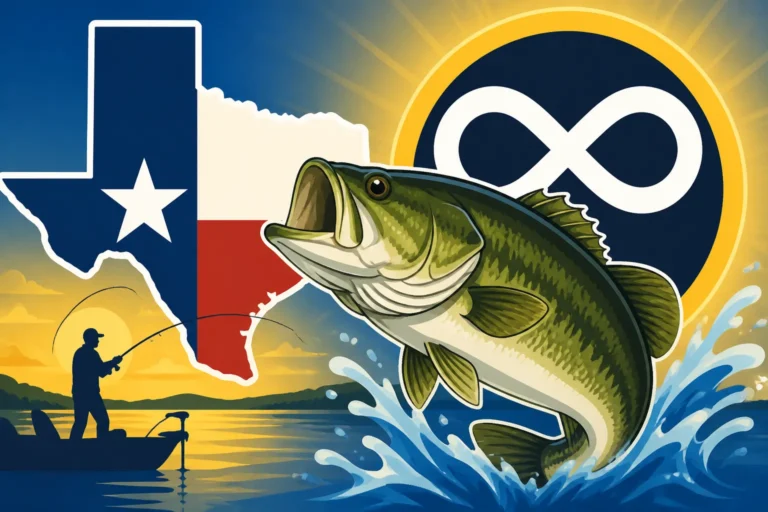
The Guadalupe bass, or "Guad" as many affectionately call it, is truly unique to our great state. It's not found anywhere else in the world in its native form, making it a Texas treasure. In 1989, it was officially designated the state fish of Texas, a testament to its ecological and recreational significance. What makes them so special to anglers, beyond their unique status, is their incredible fighting spirit. For a fish that doesn't typically grow to massive sizes like a trophy largemouth, a Guadalupe bass punches far above its weight. Hook into one, and you're in for a spirited battle, full of powerful runs and acrobatic jumps that will test your tackle and your resolve. They're often mistaken for smallmouth bass or even spotted bass due to similar appearances, but once you've learned to identify them, you'll appreciate their distinct characteristics. You can learn more about this incredible fish in our Guadalupe Bass Texas State Fish Guide.
Their coloration can vary, but generally, they have a lighter olive-green back fading to a silvery white belly, with a distinct pattern of diamond-shaped spots or chain-like blotches running horizontally along their sides. Unlike largemouth bass, their jaw typically doesn't extend beyond the rear edge of their eye. And while a 15-inch Guadalupe bass is a fantastic catch, don't let their average size fool you; their tenacity on the line rivals fish twice their weight. They are an absolute joy to catch on light spinning gear or even fly rods, offering a thrilling experience in the beautiful waters they inhabit.
A Native Son: Where It Doesn't Typically Live Naturally
One of the biggest misconceptions about the Guadalupe bass is that you can find them in any Texas lake or river. While Texas has an abundance of fantastic fishing opportunities, including some of the Best Places to Fish in Texas for other species, the Guadalupe bass has a much more specific and confined natural range. They are true riverine fish, meaning they are adapted to flowing water environments, not the expansive, often murky, still waters of large reservoirs and lakes.
Unlike the ubiquitous largemouth bass, which thrives in almost every impoundment across the state, Guads prefer clear, cool, flowing streams and rivers with rocky bottoms and plenty of oxygen. You won't typically find healthy, naturally reproducing populations of Guadalupe bass in the middle of Lake Fork or Sam Rayburn. While some might be stocked or migrate into reservoir arms from tributary streams, their primary, self-sustaining populations are found in specific river systems within a particular geographical region of Texas. Understanding this distinction is key to successfully targeting them and appreciating their unique ecological niche.
Pinpointing the Native Range: The Texas Hill Country's River Gems
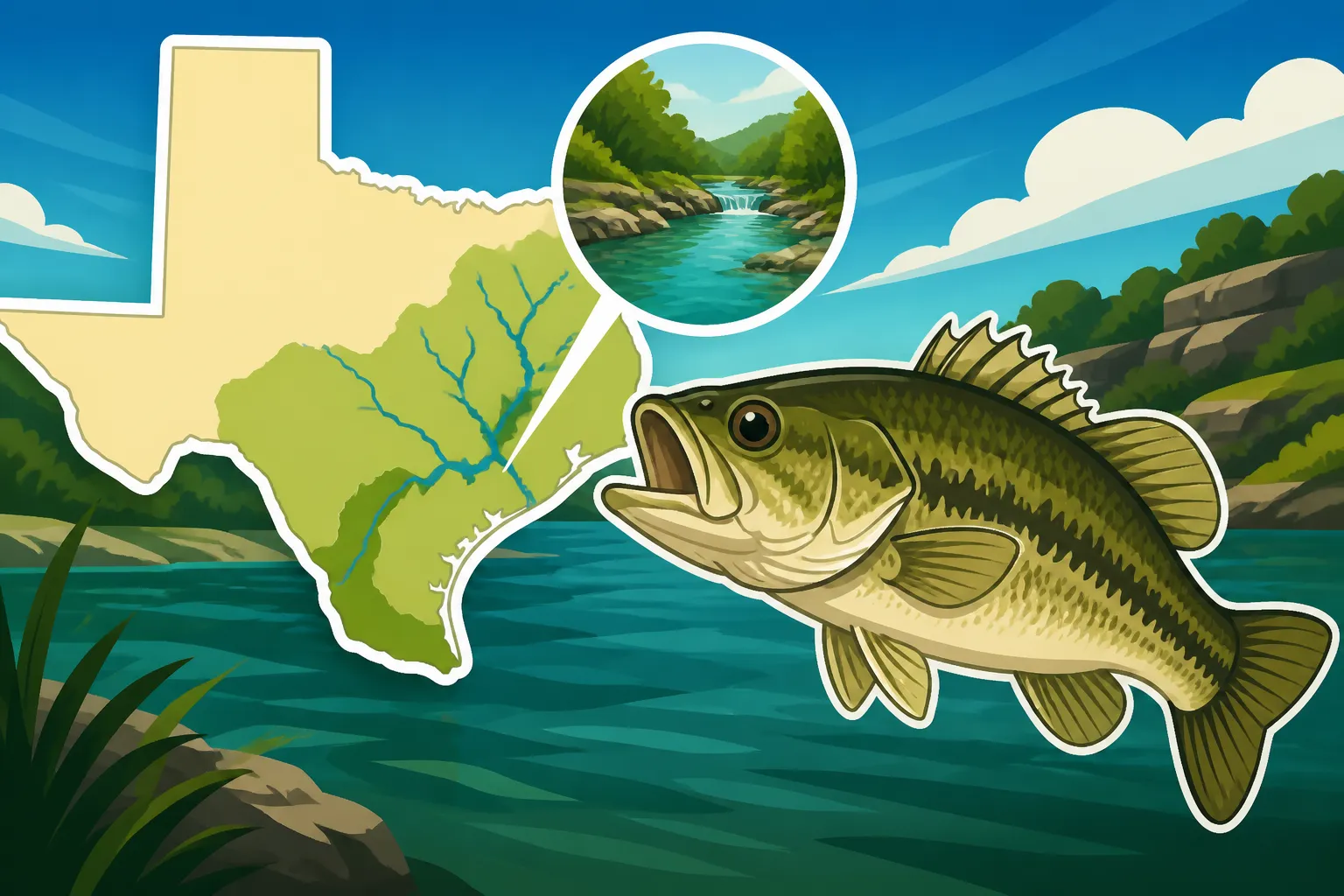
Alright, let's get down to brass tacks. If you're serious about catching a Guadalupe bass, you need to head to the heart of Texas—the stunning and rugged Hill Country. This region, with its spring-fed rivers and limestone geology, provides the perfect habitat for our state fish.
The Guadalupe River System: The Heart of the Range
It should come as no surprise that the Guadalupe River itself is the absolute epicenter of the Guadalupe bass's native range. This river, which lends its name to the species, is a vibrant, dynamic waterway that flows through some of the most scenic parts of the Hill Country. When we talk about the best places to find them, we're primarily looking at the upper to mid-sections of the Guadalupe River, particularly above Canyon Lake, and in some areas below the dam where cold water releases create unique trout fishing opportunities, but also support Guads.
These sections of the river are characterized by their crystal-clear, cool, flowing water, a stark contrast to many other Texas waterways. The riverbed is typically dominated by limestone bedrock, gravel, and large boulders, creating a complex bottom structure with plenty of current breaks and ambush points for predatory bass. Healthy riparian zones—the trees and vegetation lining the banks—provide crucial shade, stability, and a consistent source of insects and other food items. Anglers often wade or use kayaks to explore the numerous riffles, runs, and deep pools that are perfect Guadalupe bass habitat. While the Guadalupe River Trout Fishing Guide focuses on another popular species in these waters, the techniques and access points often overlap, making it a great place to start.
The Llano, San Gabriel, and Colorado River Tributaries
While the Guadalupe River is the namesake, several other significant river systems within the Texas Hill Country boast robust and healthy populations of Guadalupe bass. These rivers share many of the same characteristics as the Guadalupe, offering that clear, flowing, rocky habitat that Guads adore.
The Llano River is another prime destination. Both the North and South Llano rivers, which merge to form the main Llano, are celebrated for their incredible Guadalupe bass fishing. The South Llano River, in particular, flows through a state park that offers excellent public access for wading and kayaking, making it a favorite for many. Its pristine waters and abundant natural cover create an ideal environment. Similarly, the San Gabriel River system, including its North and South Forks, holds strong populations. These rivers, fed by springs, maintain cooler temperatures and good flow, which are critical for Guadalupe bass survival, especially during our scorching Texas summers. Finally, the upper reaches and tributaries of the Colorado River system within the Hill Country are also home to these unique bass. It's important to specify "upper" and "tributaries" because the main stem of the Colorado, especially further downstream, changes dramatically in character and is less hospitable to Guads. The smaller, clearer creeks and rivers that feed into the Colorado in this region are where you'll find them thriving.
Other Notable Hill Country Streams
Beyond the major river systems, there are numerous smaller, often less-traveled, but equally important streams and creeks scattered throughout the Texas Hill Country that contribute to the Guadalupe bass's range. These hidden gems are often spring-fed, ensuring a consistent supply of cool, clear water even during dry spells.
The Blanco River, for instance, is a beautiful waterway known for its clear pools and rocky sections, supporting good Guadalupe bass numbers. The Pedernales River, especially its upper sections, also provides suitable habitat. These smaller streams are often more intimate fishing experiences, requiring a stealthier approach and making them perfect for wade fishing or exploring with a very small kayak. While they might not be as famous as the Guadalupe or Llano, they are crucial strongholds for the species and offer fantastic opportunities for anglers willing to explore. Remember, these rivers are part of a delicate ecosystem, and respecting private property boundaries and practicing ethical angling is paramount when exploring these precious waters. Always check local access regulations before heading out.
Habitat Preferences and Conservation Efforts
Understanding where the Guadalupe bass lives is intrinsically linked to understanding what kind of habitat it needs to survive and thrive. This species has very specific requirements, and ongoing conservation efforts are critical to ensure its future.
Ideal Habitat: What Makes a Guadalupe Bass River
Imagine a pristine, flowing stream in the Texas Hill Country. That's essentially the ideal home for a Guadalupe bass. They absolutely flourish in rivers and larger creeks that have several key characteristics. First and foremost is clear, flowing water. Unlike many other bass species that can tolerate murky conditions, Guads prefer water so clear you can often see the bottom and spot the fish you're targeting. This clarity allows them to hunt effectively and is a hallmark of the spring-fed systems they inhabit. This flowing water is also highly oxygenated, which is vital for their health and activity.
Secondly, a rocky or gravelly bottom is essential. You'll find them hugging submerged boulders, hiding behind limestone ledges, and cruising over clean gravel. This type of substrate provides structure, ambush points, and is crucial for their spawning rituals. Lastly, abundant instream cover like large boulders, fallen logs, undercut banks, and healthy aquatic vegetation (where present) gives them protection from predators and strong currents, and offers prime real estate for ambushing prey. A healthy riparian zone—the native trees, shrubs, and grasses along the riverbanks—is also incredibly important. It helps filter runoff, stabilizes banks, provides shade to keep water temperatures cool, and contributes to the insect life that forms part of the bass's diet. These specific requirements mean that many large, silty, or slow-moving Texas reservoirs simply aren't suitable for self-sustaining populations of Guadalupe bass.
Conservation Challenges and Successes
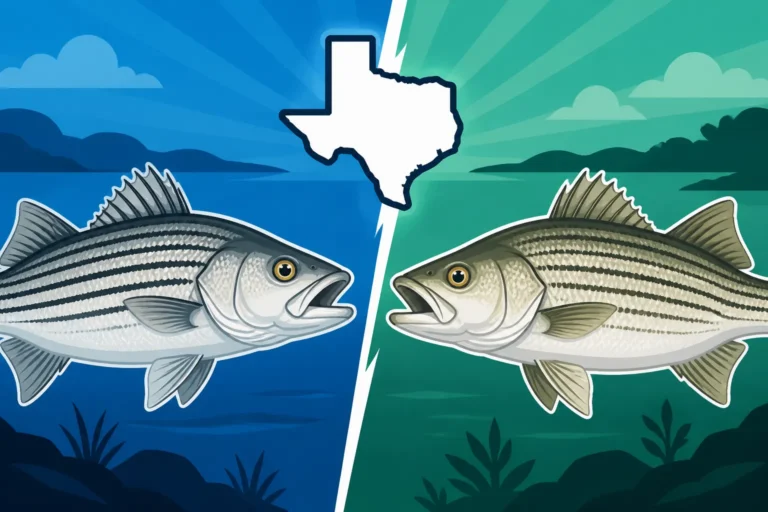
Despite their resilience, Guadalupe bass have faced significant challenges over the years. One of the primary threats was hybridization with non-native smallmouth bass. When smallmouth bass were stocked into Guadalupe bass rivers in the past, the two species sometimes interbred, creating hybrids that diluted the genetic purity of the native Guadalupe bass. This was a major concern for conservationists and anglers alike. You can read more about telling the two apart and why it matters in Guadalupe Bass vs Smallmouth Bass.
Habitat degradation due to altered water flows, pollution, and increased development in the Hill Country has also impacted populations. Thankfully, the Texas Parks and Wildlife Department (TPWD) and various conservation organizations have stepped up with dedicated efforts. They've focused on removing smallmouth bass from certain Guadalupe bass strongholds, stocking genetically pure Guadalupe bass in suitable waters, and educating the public about the importance of protecting this unique species. Initiatives aimed at preserving water quality and habitat integrity are ongoing. These efforts are crucial, and thanks to them, the Guadalupe bass is making a strong comeback in many areas. While it’s not considered endangered statewide, localized populations can be vulnerable, which is why continued vigilance and conservation are so important. Is the Guadalupe bass endangered in Texas delves into this topic in more detail.
Planning Your Guadalupe Bass Fishing Adventure
So, you're ready to hit the Hill Country rivers and try your hand at catching a Guadalupe bass? Fantastic! Here’s how to set yourself up for success and ensure you have an enjoyable, responsible outing.
Best Methods for Targeting Guadalupe Bass
Catching Guadalupe bass is a rewarding experience, and you'll find that lighter tackle often provides the most fun and effective approach. These fish are spirited fighters, but they aren't often massive, so finesse techniques can really shine.
For spinning gear, a light to medium-light rod, around 6 to 7 feet long, paired with a small spinning reel spooled with 6-8 pound fluorocarbon or monofilament line, is perfect. If you prefer baitcasting, a light action rod with a low-profile reel and similar line weight will do the trick. As for lures, think small and natural. Small crankbaits that mimic minnows, finesse jigs in natural colors (green pumpkin, black and blue), and small topwater lures (like tiny poppers or walking baits) can be incredibly effective, especially during low light conditions. Soft plastics, such as small worms, creature baits, or craw imitations, rigged on a lightweight Texas rig or a jig head, are also go-to options. Many of these effective lures can be easily found and ordered through retailers like Amazon, making it convenient to stock up before your trip. Fly fishing is another immensely popular and highly effective method for Guads. Small streamers, woolly buggers, clouser minnows, and various terrestrial patterns (like grasshopper or cicada imitations) are all excellent choices. Stealth is key in these clear waters, so accurate casting and a quiet approach will greatly increase your chances. Check out our Best Fishing Rods for Texas Anglers for recommendations that would suit this style of fishing.
Accessing Guadalupe Bass Waters
Finding access to these pristine river systems can sometimes be a challenge, as much of the land along Texas rivers is privately owned. However, there are still plenty of public access points, particularly in state parks and local county parks. Places like South Llano River State Park or the Guadalupe River State Park offer excellent opportunities for wade fishing or launching a kayak.
Many anglers find that wade fishing is the most intimate and effective way to fish for Guadalupe bass. You can slowly cover water, reading the currents and targeting specific pockets of cover. Alternatively, using a kayak or a very small jon boat is ideal for covering more ground and accessing spots that might be difficult to reach on foot. Kayaks, especially those designed for fishing, offer a quiet and maneuverable platform. Consider looking into Best Kayaks for Texas Fishing if you're thinking about investing in one. Before you head out, always research public access points and be mindful of private property lines. Respecting landowners and the environment is crucial to preserving these unique fishing experiences for everyone. Also, don't forget your Texas Fishing License Requirements Explained before you even wet a line!
Respecting the Resource: Catch and Release
Given the unique status and specific habitat requirements of the Guadalupe bass, practicing catch and release is highly encouraged, especially for larger fish. Releasing your catch helps ensure that these populations remain healthy and continue to thrive for future generations of anglers. When you do catch a Guadalupe bass, handle it with care. Wet your hands before touching the fish to protect its slime coat, minimize its time out of the water, and use needle-nose pliers or a de-hooking tool to remove hooks quickly and gently.
Always be aware of current Texas freshwater fishing regulations, including bag and length limits for Guadalupe bass, which can vary by river system. The TPWD frequently updates these regulations to ensure sustainable fishing practices, so a quick check of the Texas Freshwater Fishing Regulations before your trip is always a good idea. Consider investing in a good quality pair of polarized sunglasses, available on Amazon, to help you spot these fish in the clear water and make releasing them even smoother. Your commitment to conservation helps protect this magnificent Texas native.
Here's a quick overview of the prime Guadalupe bass river systems:
| River System | Primary Location | Key Characteristics | Best Access Methods | Notes |
|---|---|---|---|---|
| Guadalupe River | Upper to Mid Hill Country | Clear, cool, rocky, good flow, spring-fed | Wade, Kayak, Small Raft | Namesake river, excellent populations. Below Canyon Lake for coldwater sections. |
| Llano River | Central Hill Country | Clear, strong flow, granite/limestone bottoms | Wade, Kayak, Bank (limited) | North and South Llano Forks are productive. South Llano River State Park is popular. |
| San Gabriel River | Central Texas, east of Austin | Clear, rocky, varied flow with pools and riffles | Wade, Kayak | North and South Forks offer good opportunities. |
| Colorado River | Upper Hill Country Tributaries | Clear, smaller streams feeding into the main Colorado | Wade, Kayak (smaller) | Focus on upstream tributaries, not the main, larger river further down. |
| Blanco River | Central Hill Country | Clear, spring-fed, limestone bedrock | Wade, Kayak | Scenic river, can have excellent fishing in suitable conditions. |
| Pedernales River | Central Hill Country | Rocky, varied flow, some deeper pools | Wade, Kayak | Upper sections are best; can be affected by drought more easily. |
Always remember that river levels and access can change, so a little pre-trip research goes a long way. And whether you're after a trophy largemouth or a tenacious Guadalupe bass, remember to enjoy the beauty of Texas and fish responsibly. Happy angling!
Disclaimer
This article is for general informational purposes only and does not constitute professional advice. Laws, prices and regulations vary by location and change over time. Consult a qualified professional for guidance on your specific situation.