Texas Free Fishing Day
Many folks dream of dipping a line into Texas's abundant lakes and coastal waters, but the thought of navigating licenses and upfront costs can sometimes feel like a significant barrier, especially for beginners or families just wanting to try out the sport. The good news is that Texas offers a fantastic opportunity to experience the joy of fishing without needing a license: Texas Free Fishing Day! This comprehensive guide will walk you through everything you need to know to make the most of this special day, ensuring a fun, legal, and memorable outing for everyone.
Understanding Texas Free Fishing Day: Your Gateway to Angling Adventures
There's a unique excitement that comes with casting a line into the clear waters of a Texas lake or the salty expanse of the Gulf, hoping for a bite. But for many, especially those new to fishing or visitors to the state, the first hurdle often involves understanding and acquiring a fishing license. This is where Texas Free Fishing Day shines, offering a stress-free entry point into the world of angling. It’s an initiative designed to remove that initial barrier and invite everyone to experience the state's incredible fishing opportunities.
What is Free Fishing Day and Why Does it Exist?
Texas Free Fishing Day is a specific day each year when residents and non-residents alike can fish in any public water in Texas without needing to purchase a Texas fishing license or a stamp endorsement. Think of it as an open house for fishing – a chance for anyone, from seasoned anglers who forgot to renew their license to curious newcomers, to enjoy the sport. The primary goal of this day, spearheaded by the Texas Parks and Wildlife Department (TPWD), is to encourage participation in fishing. It’s about fostering a love for the outdoors, creating family memories, and introducing people to a relaxing and rewarding pastime they might otherwise overlook due to perceived complexities or costs.
This initiative is particularly beneficial for families with young children who might be testing the waters for the first time. Instead of committing to the cost of a full license for everyone, they can use this day to see if fishing clicks with their kids. It's also a great way for adults who haven't fished in years, or perhaps never have, to give it a go without any financial commitment beyond their basic gear. It truly levels the playing field, making fishing accessible to everyone, regardless of their budget or prior experience with Texas Fishing License Requirements Explained.
The Philosophy Behind License Exemptions
The concept of a Free Fishing Day isn't unique to Texas; many states across the U.S. offer similar programs. The underlying philosophy is rooted in conservation and community engagement. By removing the license requirement for a single day, wildlife agencies hope to:
- Introduce new anglers: Many people are intimidated by the process of getting a license, or simply don't want to spend the money if they're unsure whether they'll enjoy fishing. Free Fishing Day eliminates this apprehension, allowing them to try before they buy.
- Boost public awareness: It draws attention to the recreational opportunities available in local lakes, rivers, and coastal areas, encouraging people to explore the natural beauty of Texas.
- Promote outdoor recreation: In an increasingly digital world, these events remind people of the simple pleasures of spending time outdoors, fostering physical activity and mental well-being.
- Long-term conservation: While licenses fund conservation efforts, introducing more people to fishing can create a larger constituency of conservation-minded individuals who understand the value of healthy aquatic ecosystems and are more likely to support them in the future.
It's a small investment from the state's perspective that often yields significant returns in terms of public goodwill and future participation. Many who discover a passion for fishing on this day go on to purchase an annual license, contributing directly to the very conservation efforts that make Texas a fantastic place to fish year-round.
When is Texas Free Fishing Day Held?
One of the most common questions people have about Texas Free Fishing Day is, naturally, "When exactly is it?" It's crucial to mark your calendars correctly because missing the date means you'll need a license! Knowing the precise date allows you to plan your outing, gather your gear, and scout potential fishing spots well in advance, ensuring you don't miss this fantastic opportunity.
Annual Dates and How to Confirm Them
Unlike some holidays, Texas Free Fishing Day isn't always on the same fixed date each year, which can admittedly be a bit confusing. Historically, it has typically fallen on the first Saturday in June. However, it's absolutely vital to confirm the exact date for the current year. The Texas Parks and Wildlife Department (TPWD) is the official authority, and they announce the date well in advance.
The best way to confirm the official date is to visit the TPWD website directly. A quick search for "Texas Free Fishing Day" will usually lead you straight to their official announcement. You can also sign up for TPWD's email newsletters or follow their social media channels for updates. Local tackle shops and state parks often post flyers or announcements as well. Don't rely on old calendars or word-of-mouth; always double-check with an official source. This proactive step ensures you won't show up at your favorite fishing hole only to realize you needed a license after all!
For instance, if you're planning a trip for early summer, verifying the specific Saturday in June is key. Many families plan their outdoor activities around school schedules, so knowing this date in advance can help coordinate a fun, educational outing without the added cost of a license.
Why These Specific Dates?
The choice of the first Saturday in June for Texas Free Fishing Day is strategic and makes a lot of sense when you consider fishing conditions and family schedules.
- Optimal Weather: Early June generally offers fantastic weather across much of Texas. The scorching summer heat hasn't usually kicked in full force yet, making for more comfortable daytime fishing, especially for kids. Water temperatures are typically rising, which means fish are often more active and feeding aggressively after the spring spawn, increasing the chances of a successful catch.
- School's Out: For many families, early June marks the beginning of summer vacation. Kids are out of school, and families are looking for engaging, affordable activities to fill their newfound free time. Free Fishing Day slots perfectly into this window, providing an easy and accessible way for families to connect with nature and each other.
- Encouraging Engagement: Placing the day at the start of summer helps kick off the season with an emphasis on outdoor recreation. It serves as a reminder that Texas has incredible natural resources waiting to be explored, hopefully inspiring participants to continue fishing throughout the summer and beyond.
- Conservation Messaging: The date also allows TPWD to bundle educational outreach around conservation messages. Often, local events and clinics are organized on or around Free Fishing Day, offering tips on responsible angling, fish identification, and waterway stewardship. It's a prime time to engage the public not just in fishing, but in caring for Texas's aquatic environments.
This carefully chosen date maximizes participation and provides an ideal environment for newcomers to discover the simple joys of fishing, from casting a line to reeling in their first catch.
Who Can Enjoy Texas Free Fishing Day?
One of the most appealing aspects of Texas Free Fishing Day is its broad accessibility. It's designed to be an inclusive event, opening the doors to fishing for nearly everyone. There's no special caveat about residency or age that often complicates other license exemptions. This universal approach removes a significant barrier, truly making it a day for all Texans and visitors to enjoy.
Universal Access for Residents and Non-Residents
This is where Texas Free Fishing Day really shines: it's not just for Texans! Both residents and non-residents of any age are exempt from the fishing license requirement on this designated day. So, if you've got friends or family visiting from out of state who've always wanted to try fishing in Texas, this is their golden opportunity. They can join you on the lake, river, or coast without needing to purchase a potentially costly Texas Nonresident Fishing License Cost or a shorter-term Texas One-Day Fishing License for Visitors.
Imagine having your cousins from Oklahoma or your college buddy from California come visit, and instead of just showing them the sights, you take them out on Lake Travis or Galveston Bay for a fishing adventure. On Free Fishing Day, they don't need to worry about permits; they can simply grab a rod and reel and experience a quintessential Texas pastime. This broad access not only encourages tourism but also strengthens the community's connection to Texas's rich aquatic resources, regardless of where they typically call home. It's about sharing the joy of fishing, pure and simple.
Special Considerations for Age and Veteran Status
While Free Fishing Day offers a universal license exemption for everyone, it's worth noting that certain groups in Texas are often exempt from license requirements year-round, not just on this special day. Understanding these ongoing exemptions can help clarify who truly benefits most from Free Fishing Day.
For example, children under the age of 17 never need a fishing license in Texas, regardless of whether it's Free Fishing Day or not. This means that if you're planning a fishing trip with your kids, their participation is always license-free. On Free Fishing Day, the exemption primarily impacts adults aged 17 to 64 who would otherwise require a license. Similarly, Texas residents born before September 1, 1931, are also exempt from needing a fishing license for life, a "grandfather clause" that recognizes their long-standing connection to the state. Additionally, active-duty military personnel, and specifically disabled veterans, may also qualify for various license exemptions or free licenses through the TPWD, depending on their specific circumstances. For instance, eligible disabled veterans can often obtain a free Texas Disabled Veteran Fishing License Rules that covers them all year.
So, while Free Fishing Day offers a blanket exemption for one day, it's essential to remember that some individuals might already be covered by year-round exemptions. If you fall into one of these categories, Free Fishing Day is just another day you can enjoy fishing without a license, though it's still a great reminder for those around you who might need one! If you're unsure if you qualify for a year-round exemption, it's always best to check the official TPWD website.
Where Can You Fish Without a License?
The beauty of Texas Free Fishing Day isn't just that you don't need a license, but also that this exemption applies to a vast array of fishing locations across the state. You're not limited to a few specific ponds; nearly all public waters are open for your angling pleasure. This flexibility means you can plan an outing that suits your preferred style of fishing and local accessibility, whether you're dreaming of bass in a freshwater lake or redfish in a coastal bay.
Public Waters Across the State
On Texas Free Fishing Day, the license exemption extends to all "public waters" in Texas. This is a wonderfully broad category, encompassing almost every body of water you’d typically think of fishing. We're talking about:
- Freshwater Lakes and Reservoirs: From the massive Sam Rayburn Reservoir in East Texas, famous for its bass, to the scenic Canyon Lake in the Hill Country, and countless smaller community lakes.
- Rivers and Streams: The Brazos River, the Trinity River, and the many smaller creeks and tributaries that flow through the state are fair game.
- Coastal Waters: This includes the entire Texas Gulf Coast, from the sandy beaches and jetties of Galveston to the Laguna Madre near South Padre Island. Bays, estuaries, and the nearshore Gulf are all open.
- State Parks: Many Texas State Parks offer excellent fishing opportunities, often with piers or easy bank access. You can typically fish from the shore or piers within a state park on Free Fishing Day, as long as the water is considered public. You don't need to worry about a separate license for park fishing either. In fact, many parks, regardless of Free Fishing Day, offer Free Shoreline Fishing at Texas State Parks throughout the year, but the license exemption for all public waters on this special day is a bonus.
The key here is "public water." If a body of water is publicly owned and accessible, you can likely fish it without a license on Free Fishing Day. This wide-open access truly makes the day an invitation to explore the diverse aquatic landscapes of Texas. For those looking for local options, checking the TPWD website for local community fishing ponds or neighborhood fishing programs can also yield some surprisingly good spots.
Specific Exemptions and Restrictions
While "public waters" generally covers a lot of ground, it's important to understand a few nuances and places where even Free Fishing Day rules might not apply or where specific additional requirements exist. This is not to confuse you, but to ensure you're fully prepared and avoid any unintentional hiccups.
- Private Property: If you are fishing on entirely private property, such as a private pond or lake, the owner's rules apply. While you might not need a state fishing license for a private pond if it's wholly enclosed and doesn't have a natural connection to public waters, you still need the landowner's permission. Free Fishing Day doesn't override private property rights. So, if you're invited to fish on a friend's ranch pond, for example, Free Fishing Day doesn't change the need for their consent.
- Commercial Operations/Pay Lakes: Some commercial fishing operations or "pay lakes" might have their own specific rules or fees, even on Free Fishing Day. These are typically privately managed facilities that stock their own fish. Always check with the establishment directly if you plan to fish at such a location.
- Federal Waters: While rare for typical recreational shore or lake fishing, specific federal regulations might apply in certain federal waters, which could potentially differ slightly. However, for the vast majority of Texas recreational fishing, the TPWD rules are paramount.
- Border Waters: If you plan to fish in border waters shared with other states or countries (like Lake Texoma with Oklahoma, or the Rio Grande with Mexico), remember that while Texas might have Free Fishing Day, the other state or country's regulations and license requirements might still apply for their side of the water. For instance, Lake Texoma Fishing License Rules can be quite specific due to its shared nature. Always clarify reciprocal agreements or separate license needs for such shared waterways.
The main takeaway is to stick to clearly public access points for lakes, rivers, and the coast, and you'll be golden. If in doubt about a specific location, a quick call to a local TPWD office or a park ranger can clear things up.
Essential Regulations That Still Apply
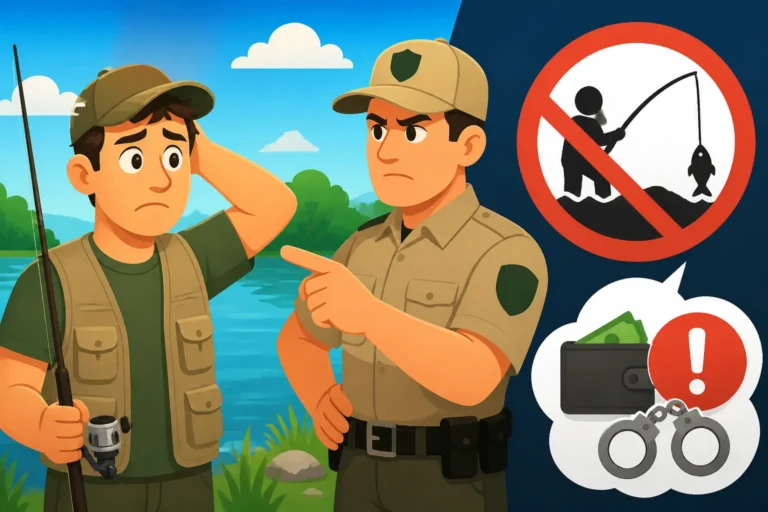
Here's one of the most critical pieces of information about Texas Free Fishing Day: the "free" part only applies to the license. It doesn't mean it's a free-for-all when it comes to how many fish you can catch or what size they are. Many new anglers sometimes misunderstand this, thinking all rules are suspended. That's a mistake that can lead to fines and a ruined day. All other fishing regulations are still firmly in place to protect fish populations and ensure sustainable angling for everyone.
Bag and Length Limits Remain in Force
This is non-negotiable: on Texas Free Fishing Day, just like any other day, you must adhere to all statewide and site-specific bag limits and length limits. This means:
- Daily Bag Limit: This is the maximum number of fish of a certain species you can keep in a single day. For example, if the daily bag limit for Largemouth Bass is 5, you can only keep five bass, even if you catch twenty.
- Possession Limit: This is the maximum number of fish of a certain species you can possess at any time, including fish from previous days' fishing trips that are still in your possession (e.g., in a cooler at home). Usually, the possession limit is twice the daily bag limit.
- Length Limits: Many species have minimum and/or maximum length limits (slot limits). For example, you might only be able to keep Largemouth Bass between 14 and 24 inches. Anything shorter or longer must be immediately released. Catching a "trophy" fish that's over the maximum length limit can be a proud moment, but you might still have to let it go if it falls outside the legal slot.
These limits are crucial for managing fish populations and preventing overfishing. They vary significantly by species and even by specific body of water. For instance, Texas Largemouth Bass Length Limits differ from Texas Redfish Size and Bag Limits on the coast. Before you head out, it's absolutely essential to check the current year's Texas Outdoor Annual (available online via TPWD or in print at most tackle shops and sporting goods stores like Academy Sports + Outdoors or Bass Pro Shops). This guide outlines all the specific regulations for freshwater and saltwater species. It's a lifesaver, and you should always have access to the most current version. Remember, ignorance of the law is not an excuse for breaking it!
| Regulation Type | Applies on Free Fishing Day? | Description |
|---|---|---|
| Fishing License | NO (Exempt) | The core exemption for Free Fishing Day. |
| Daily Bag Limit | YES | Max number of fish of a certain species you can keep per day. |
| Possession Limit | YES | Max number of fish of a certain species you can have in possession. |
| Length Limits | YES | Minimum/maximum size requirements for keeping certain fish. |
| Gear Restrictions | YES | Rules about legal fishing methods and equipment (e.g., number of rods, trotlines). |
| Endorsements | NO (Exempt) | Any required stamps (e.g., saltwater endorsement) are also waived. |
Gear Restrictions and Legal Methods
Beyond bag and length limits, you also need to abide by all regulations pertaining to fishing gear and methods. Texas has specific rules about what equipment you can use and how you can use it, which are designed to ensure fair chase, prevent harm to non-target species, and maintain safety.
- Number of Poles: For most recreational fishing in Texas, you are limited to using two fishing poles or rods. Each pole can have multiple hooks, but the two-pole limit is a common one to remember. This prevents anglers from setting out an excessive number of lines, which can lead to tangled messes and difficulty managing catches.
- Trotlines and Juglines: If you're into passive fishing methods like trotlines or juglines, these have very specific regulations regarding the number of hooks, tagging requirements, and where they can be set. For example, there are strict Texas Trotline and Jugline Rules regarding identification tags and locations. These rules are particularly important in high-traffic areas to prevent hazards for other boaters and anglers.
- Netting and Seines: The use of cast nets, seines, and other nets for catching baitfish also has restrictions on size and mesh, and where they can be used. You can't just throw out a large net to catch game fish, for example.
- Illegal Methods: Methods like electrofishing, dynamiting, or using poisons are absolutely forbidden and carry severe penalties. These destructive practices harm the ecosystem and are highly illegal.
It’s your responsibility to know these rules. Again, the Texas Outdoor Annual is your best friend here. Before you even pack your tackle box, flip through the regulations section to confirm what's allowed for the type of fishing you plan to do. Being caught with too many fish, undersized fish, or using illegal gear can result in significant fines and the confiscation of your equipment, turning a fun free day into a very expensive lesson.
Preparing for Your Free Fishing Day Outing
Texas Free Fishing Day is a fantastic opportunity, but like any good fishing trip, a little preparation goes a long way. You don't need a boatload of expensive gear to have a great time, especially if you're just starting out. The goal is to make it easy and enjoyable, so let's talk about what you'll need and how to pick a spot.
Basic Gear for Beginners
If you're new to fishing, don't feel pressured to buy the fanciest gear. The beauty of fishing, especially for panfish or smaller bass, is that it can be incredibly simple and affordable to start. Here's a basic checklist for a successful beginner setup:
- Rod and Reel Combo: A simple spinning rod and reel combo, typically a medium-light or medium action rod between 6 to 7 feet long, is perfect for most freshwater fishing. You can find decent beginner combos for a very reasonable price at stores like Walmart, Academy Sports + Outdoors, or easily order one from Amazon. Look for something pre-spooled with 6-10 lb test monofilament line.
- Tackle Box Basics:
- Hooks: A variety of small hooks (sizes 6-10) for bait fishing.
- Bobbers/Floats: Essential for watching for bites, especially for kids. Small clip-on bobbers work great.
- Sinkers/Weights: Split shot weights or small egg sinkers to get your bait down.
- Swivels: Small barrel swivels to prevent line twist.
- Pliers/Forceps: Crucial for safely removing hooks from fish.
- Line Clippers: Nail clippers work just fine for cutting fishing line.
- Bait: Live worms (earthworms or red wigglers) are universal and catch almost anything. Other good beginner baits include corn, hot dogs, or small pieces of bread for panfish, or shrimp/squid for saltwater.
- A Cooler: For drinks, snacks, and any fish you plan to keep within legal limits.
- Sun Protection: Hat, sunglasses, sunscreen. Texas sun is no joke, even in early June!
- Water: Stay hydrated!
- Chair or Blanket: For comfort while waiting for bites.
- Small Net: A small landing net can make it easier and safer to bring fish in, especially for kids.
Don't overthink it. You're aiming for fun and discovery, not a tournament win. The simpler, the better for your first outing. This Beginner Fishing Gear Checklist for Texas can help you further refine your selections.
Finding the Perfect Fishing Spot
Once you have your basic gear, the next step is figuring out where to go. Texas offers an incredible variety of fishing environments, and choosing the right spot can significantly impact your experience.
- Local Ponds and City Parks: Many cities and towns in Texas participate in the TPWD's Neighborhood Fishin' program, stocking urban ponds with catfish or rainbow trout (in cooler months). These spots are often easily accessible, have fishing piers, and are perfect for beginners and families. Check your local city parks and recreation website or the TPWD site for a list of these urban fishing destinations.
- State Parks: Texas State Parks are consistently excellent options. Many have dedicated fishing piers, easy bank access, and often provide loaner fishing gear. They’re usually well-maintained and offer amenities like restrooms and picnic areas. Sites like Inks Lake State Park or Galveston Island State Park are popular choices. Remember, some parks may have entrance fees, even on Free Fishing Day, so check ahead. You can find a list of Best Texas State Parks for Fishing on the TPWD website.
- Larger Lakes and Reservoirs: If you're feeling more adventurous, larger lakes like Lake Conroe, Lake Livingston, or Lake Grapevine offer ample bank access at various public parks, boat ramps, and recreational areas. These lakes hold a wider variety of species, from bass and catfish to crappie and even striped bass.
- Coastal Piers and Jetties: For saltwater fishing, public fishing piers along the Texas coast (e.g., in Galveston, Port Aransas, or Corpus Christi) are fantastic. They offer access to deeper water without a boat and often have bait shops right on site. Jetties also provide great opportunities, but can be rocky and require more caution.
When choosing a spot, consider accessibility, amenities (restrooms, shade), and what kind of fish you hope to catch. If you’re bringing young children, a calm, shallow pond with easy access is often best. The TPWD also provides weekly fishing reports for many major lakes and bays, which can give you an idea of what's biting where, helping you scout the Best Places to Fish in Texas before you go.
Maximizing Your Free Fishing Day Experience
You've got your gear, you know the date, and you've picked a spot. Now, how do you ensure that Texas Free Fishing Day is not just legal, but truly memorable and enjoyable for everyone, especially if you're bringing along first-timers or the whole family? It’s all about setting expectations, embracing the moment, and respecting the environment.
Tips for Families and First-Timers
Making Free Fishing Day a positive experience for everyone, especially those new to the sport, requires a bit of patience and a focus on fun over catch counts.
- Keep it Simple: For beginners, particularly kids, the goal isn't necessarily to catch a trophy fish, but to catch anything at all. Focus on easy-to-catch species like sunfish (perch), small catfish, or crappie. These fish are often abundant in shallow, accessible areas and are eager biters, which keeps engagement high. A simple setup with a bobber, a small hook, and a worm is often all it takes.
- Patience is Key: Fishing teaches patience, but for first-timers, long waits can be frustrating. Bring snacks, drinks, and maybe even a non-fishing activity (like a book or a small game) for lulls in the action. Celebrate every nibble, every tug, and every tiny fish caught like it's a world record.
- Safety First: Always review basic water safety. If near deeper water, ensure children wear life jackets. Teach them how to properly handle a fish (wet hands, support its body) and how to safely cast. Be mindful of hooks and sharp objects.
- Educate and Explore: Use the time as an educational opportunity. Teach about different fish species, explain why certain baits work, or talk about the importance of clean water. Explore the shoreline for interesting plants or wildlife. Make it an immersive outdoor experience, not just about fishing.
- Manage Expectations: Be prepared that you might not catch anything. That’s okay! Reframe it as a day spent enjoying nature, learning a new skill, and spending quality time together. The memory of the outing is often more important than the fish in the cooler. Remember, you can always pick up a full Texas All-Water Fishing License Explained later if everyone falls in love with the sport!
By making the experience about joy, learning, and connection rather than just success, you create lasting positive memories that encourage future fishing adventures.
Catch and Release Etiquette and Conservation
Even though it's Free Fishing Day, our responsibility to Texas's aquatic resources doesn't take a day off. Practicing proper catch and release techniques and adhering to conservation principles are vital to ensuring healthy fish populations for years to come.
- Handle Fish Carefully: If you plan to release a fish, minimize its time out of water. Use wet hands to hold it gently, supporting its body, especially if it's a larger fish. Avoid squeezing or touching its gills. Use needle-nose pliers or a hook remover to quickly extract the hook. If the fish is deeply hooked, it's often best to cut the line as close to the hook as possible rather than attempting to rip it out.
- Respect Length and Bag Limits: As discussed, Texas Fish Bag and Length Limits still apply. If you catch a fish that is too small, too large, or you've already met your bag limit, release it immediately and gently. Don't be tempted to keep an illegal fish; game wardens are often out and about, especially on busy days like Free Fishing Day.
- Leave No Trace: Pack out everything you pack in. This includes all trash, broken fishing line, bait containers, and food wrappers. Litter not only spoils the natural beauty of a fishing spot but can also be harmful to wildlife. Consider bringing an extra trash bag for any litter you might find, setting a good example for others.
- Proper Disposal of Bait: Never release live bait purchased from a bait shop into Texas waters. These non-native species can introduce diseases or outcompete native fish, disrupting the local ecosystem. Dispose of unused bait properly in the trash.
- Observe Posted Rules: Always pay attention to any local signage at your chosen fishing spot. These signs might indicate specific local rules, closed areas, or safety warnings.
By being mindful and responsible anglers, we contribute to the health of Texas's waterways and ensure that future generations can enjoy the same fantastic fishing opportunities we have today. Conservation isn't just for scientists; it's a practice for every single person who picks up a fishing rod.
Beyond the Free Day: Continuing Your Texas Fishing Journey
Texas Free Fishing Day is a fantastic taste test, a delightful introduction to the world of angling. For many, that one day isn't enough, and the desire to continue fishing throughout the year takes hold. If you find yourself hooked (pun intended!), there are straightforward ways to ensure you can keep casting your line whenever the mood strikes.
The Value of a Texas Fishing License
If Free Fishing Day ignites a passion for fishing in you, the next logical step is to purchase a regular Texas fishing license. While it might seem like an extra cost, understanding the value behind that small purchase makes it a worthwhile investment.
- Year-Round Access: A license gives you the freedom to fish almost any public water in Texas for an entire year (from September 1st to August 31st of the following year), without having to worry about specific dates or exemptions. This flexibility means you can plan spontaneous trips or hit the water whenever conditions are prime. This is particularly convenient, as Texas fishing license year explained: why it ends August 31 can sometimes trip up new anglers.
- Funding Conservation: The revenue generated from license sales is the backbone of the Texas Parks and Wildlife Department's (TPWD) conservation efforts. This money goes directly towards:
- Stocking Programs: Ensuring healthy fish populations in lakes and rivers, like the stocking of rainbow trout in winter or catfish in urban ponds.
- Habitat Restoration: Protecting and improving aquatic habitats essential for fish to thrive.
- Research and Management: Scientists study fish populations, water quality, and environmental factors to make informed decisions about bag limits and regulations.
- Enforcement: Funding game wardens who protect our natural resources and ensure fair play.
- Public Access: Creating and maintaining boat ramps, fishing piers, and shoreline access points.
- Supporting the Sport: By purchasing a license, you become an active participant in the fishing community, contributing to the health and longevity of the sport in Texas. It's a small investment that yields massive returns for the environment and fellow anglers.
Think of it as your membership to the incredible outdoor club that is Texas fishing. The cost of a license is usually quite reasonable, especially when considering the year of enjoyment it provides. For details on various options, check out topics like Texas Resident Fishing License Cost or Texas All-Water Fishing License Explained.
Exploring How to Get a Texas Fishing License
Once you've decided to embrace fishing beyond Free Fishing Day, getting your license is a simple and straightforward process. The Texas Parks and Wildlife Department has made it incredibly convenient to purchase one.
- Online: The quickest and easiest way for many is to buy your license directly from the TPWD website. You can purchase it 24/7 from the comfort of your home, and in most cases, you can print a temporary license immediately to use until your physical card arrives. This is often the preferred method for modern anglers. Find out more about How to Buy a Texas Fishing License Online.
- In Person: If you prefer a more traditional approach, you can purchase a license at numerous retail locations across the state. This includes most Academy Sports + Outdoors, Walmart stores, Bass Pro Shops, or local tackle and bait shops. These locations usually have staff on hand who can answer questions and ensure you get the right license package for your needs. A full list of vendors can usually be found on the TPWD website under Where to Buy a Texas Fishing License In Person.
- By Phone: You can also purchase a license over the phone by calling the TPWD sales office during business hours. This is a convenient option if you have specific questions or prefer to speak with a representative.
When purchasing, you'll need some basic identification, and you'll choose the type of license that best suits your fishing habits (e.g., freshwater, saltwater, or an all-water package). Don't forget that many licenses come with a required $5 administrative fee. Regardless of how you purchase it, carrying proof of your valid license while fishing is essential. The TPWD even allows you to show it on your phone now, which is super handy! So, if you've been inspired by Free Fishing Day, taking the next step to secure your year-round license is a breeze, opening up endless possibilities for future Texas fishing adventures.
Disclaimer
The information provided in this guide is for general informational purposes only and is not intended as legal advice. Fishing regulations in Texas can change, and it is the responsibility of each angler to consult the current Texas Parks and Wildlife Department (TPWD) Outdoor Annual or official TPWD website for the most up-to-date and specific regulations regarding licenses, bag limits, length limits, and legal fishing methods before engaging in any fishing activity. Non-compliance with fishing regulations can result in penalties.