What is a speckled trout also called
It can be incredibly confusing when you're out on the Texas coast, talking to fellow anglers, and everyone seems to call the same fish by a slightly different name. You might hear folks discussing "specs" or "speckleds" when you're sure they're talking about that beautiful fish with the spots. This guide is here to clear up that confusion, diving deep into the various aliases of the beloved speckled trout and helping you speak the local lingo with confidence.
Understanding the Primary Names for Speckled Trout
Let's cut right to the chase: the most widely accepted and scientifically recognized common name for the fish we love to catch in Texas bays is the "spotted seatrout." However, it's rarely called that by most anglers. The term "speckled trout" has become the dominant colloquial name, especially in the Gulf Coast states, due to its distinctive dark spots. It's almost universally understood shorthand for the species Cynoscion nebulosus.
When you're browsing fishing forums or even checking out the latest fishing reports, you'll see "speckled trout" used interchangeably with "spotted seatrout." Think of it like this: "spotted seatrout" is its formal full name, while "speckled trout" is its popular nickname that everyone uses. This distinction is subtle but important, particularly if you're ever looking up scientific studies or more formal documentation about the species. For your average day on Galveston Bay or Matagorda Bay, "speckled trout" is perfectly fine.
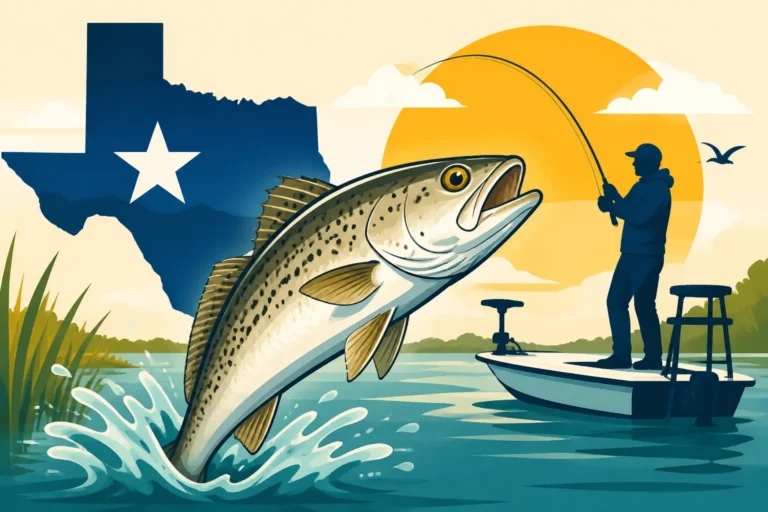
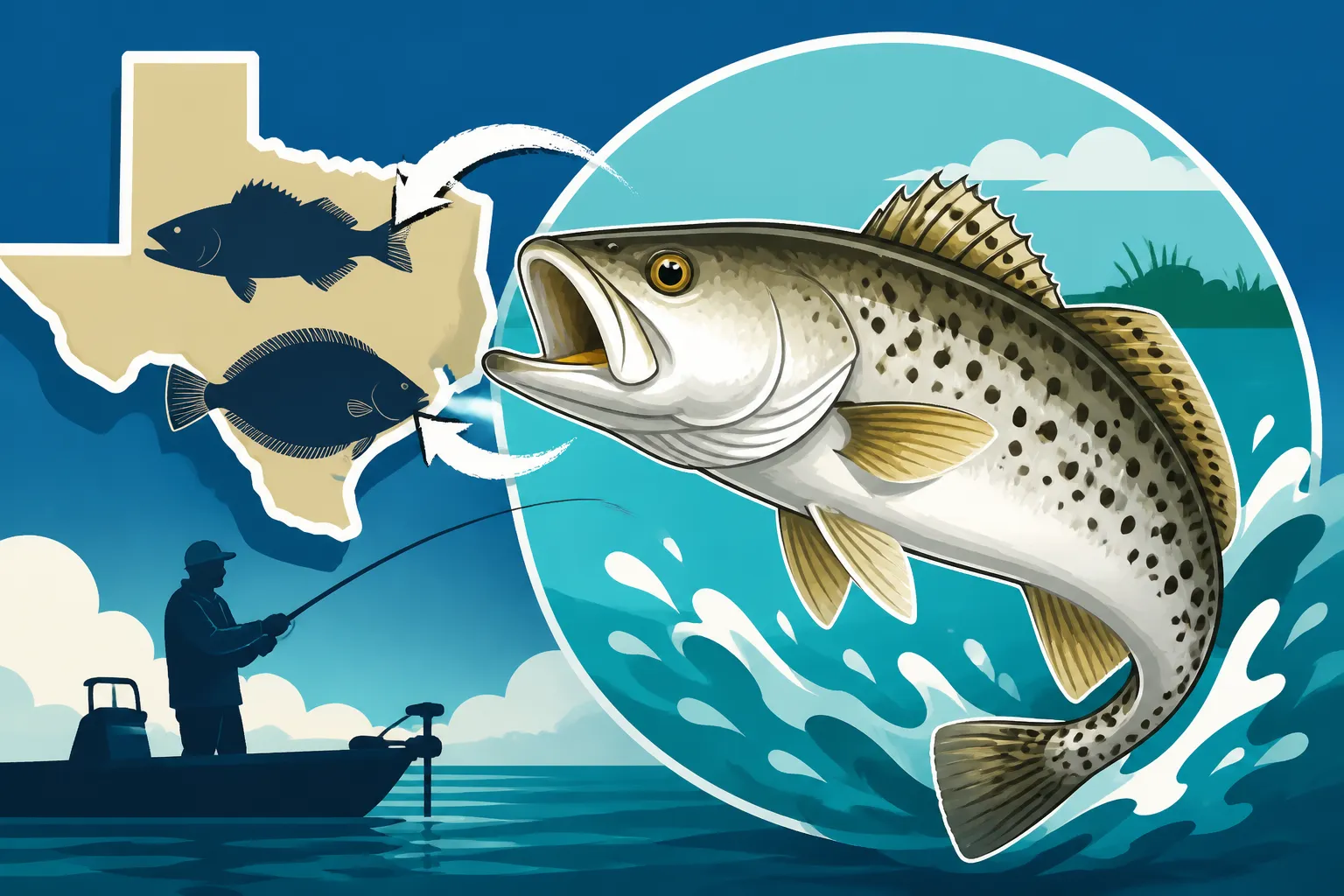
The beauty of the speckled trout isn't just in its fighting spirit or its delicious fillets; it's also in its distinctive appearance. Those prominent black spots that dot its back and fins are what give it both its scientific and common names. Anglers often appreciate these markings, which help them easily identify their catch and differentiate it from other species. You can often find great field guides on platforms like Amazon that show detailed illustrations of these spots, helping you quickly identify your catch when you're on the water.
Why "Spotted Seatrout" is the Formal Name
The "spotted seatrout" designation isn't just arbitrary; it’s rooted in biological classification and widespread scientific agreement. The "seatrout" part of the name indicates that it's a marine fish, living in saltwater or brackish environments, and shares characteristics with other fish in the Sciaenidae family, often referred to as "drums" or "croakers." It's not a true trout in the freshwater sense, despite the "trout" in its name, which can sometimes be a source of confusion for newcomers to saltwater fishing. Its elongated body shape, predatory nature, and preference for certain types of cover, however, do remind anglers of freshwater trout species.
This formal name helps researchers and fisheries management agencies, like the Texas Parks and Wildlife Department (TPWD), ensure everyone is discussing the exact same species, preventing misidentification or confusion in regulations or conservation efforts. Imagine trying to set bag limits if half the population thought you were talking about a red drum! It simply wouldn't work. The consistency provided by a formal name is crucial for effective management. You can always check the official Texas Speckled Trout Bag Limits to ensure you're compliant.
For instance, when TPWD publishes its annual fishing regulations, they typically refer to the species as "spotted seatrout" to maintain that scientific accuracy, even if the general public calls them "speckled trout." This dual-naming convention is common in the natural world, where scientific names and widely used common names coexist, each serving a slightly different purpose. It’s important to respect both, even if you mainly use the colloquial one.
The Popularity of "Speckled Trout" in Angler Circles
Around the docks, in tackle shops, and among friends on the boat, "speckled trout" or simply "specks" are the terms you'll hear most often. This informal shorthand is a testament to the fish's popularity and the strong angling culture surrounding it. It rolls off the tongue easily and conjures immediate recognition among those who regularly fish the bays and estuaries of Texas.
The term "specks" is a common endearment, a way to refer to these prized game fish in a casual, friendly manner. It’s part of the camaraderie of fishing. When someone asks, "How many specs did you catch today?" they're not looking for a scientific dissertation; they're sharing in the excitement of the catch. This kind of casual reference is part of the charm of fishing, connecting anglers through shared experience and language.
The sheer volume of content, from articles like this one to YouTube videos and fishing guides, that uses "speckled trout" demonstrates its dominance in the popular fishing lexicon. It’s become ingrained in the identity of coastal Texas fishing. If you were to ask a local guide what they target most often, chances are "speckled trout" would be high on their list, alongside Texas Redfish Fishing Guide.
Regional and Local Nicknames for Speckled Trout
While "speckled trout" is king, you might also hear a few other regional or localized nicknames, especially depending on where you're fishing along the Texas coast or even further east into Louisiana or Florida. These names might pop up in casual conversation or old fishing tales, adding a bit of flavor to the local fishing culture.
One common variation you might encounter, particularly with larger fish, is "gator trout." This isn't a separate species; it's simply a term of endearment for an unusually large speckled trout, one that has grown to a size where its head might resemble a gator's, with a powerful jaw capable of crushing baitfish. Catching a "gator trout" is a badge of honor for many anglers, signifying a truly impressive specimen. You'll often hear tales of anglers chasing these trophy fish in specific parts of the bays.
Another, less common, but still occasionally heard term is "yellow mouth" or "yellow-mouthed trout." This refers to the distinct yellowish coloration often found inside the mouth of a speckled trout. While not as widespread as "gator trout," it's another descriptive nickname that keen observers use. These slight variations in terminology highlight the rich tapestry of local fishing traditions and the close observations anglers make of their quarry.
"Gator Trout": A Name for the Big Ones
The term "gator trout" isn't found in any official fish identification guide, but it holds significant meaning among seasoned saltwater anglers. It specifically refers to speckled trout that have reached an exceptionally large size, often exceeding 25 inches, sometimes even pushing past the 30-inch mark. These are the fish that make your drag scream and demand respect. Their heads become more pronounced, and their mouths indeed can look quite formidable, hence the "gator" comparison.
Catching a "gator trout" is often the goal of many dedicated speckled trout anglers. These fish are typically older, wiser, and much harder to fool, requiring specific techniques and baits. Think about it: a bait that works for a 15-inch "schoolie" might not even get a glance from a massive "gator." Anglers often share stories of these big catches, sometimes even posting them on social media, excitedly calling them "gators." They are true trophies of the Texas coast.
When targeting these giants, anglers often shift to larger baits or employ specialized techniques like wade fishing with topwater lures early in the morning, hoping to entice a strike from one of these elusive fish. Knowing the difference between a regular "speck" and a "gator trout" can even influence your approach and the gear you choose. If you're looking for specialized tackle for big fish, searching for "heavy-duty saltwater fishing gear" on Amazon might turn up some suitable options.
"Yellow Mouth" and Other Less Common Aliases
Beyond "gator trout," you might hear a handful of other descriptive, though less ubiquitous, nicknames. "Yellow mouth" is one such term, referring to the yellowish interior of the fish's mouth, which becomes more pronounced in some individuals. This is a purely visual characteristic, not indicative of a different species or even a distinct subspecies, but rather a unique feature some anglers notice and use as a descriptor.
In some historical texts or very localized communities, you might find even more obscure names, but they are generally not in common use today on the Texas coast. The prevalence of "speckled trout" and "spotted seatrout" (and "gator trout" for the big ones) means that most other aliases have faded into relative obscurity. The angling community, like any other, tends to gravitate towards the most efficient and widely understood terms for clear communication.
However, understanding these less common names can still be valuable. If you're ever chatting with an old-timer at a bait shop in a small coastal town, they might drop a term you haven't heard before. Knowing that they're likely just referring to the good old speckled trout can help you keep the conversation flowing and show that you're in the know. It's all part of embracing the rich local culture of Texas fishing.
The Importance of Consistent Naming for Regulations and Conservation
While nicknames are fun and part of the fishing culture, using a consistent, recognized name for speckled trout is critical when it comes to understanding and adhering to fishing regulations and contributing to conservation efforts. Imagine the chaos if everyone referred to fish by their own unique names when discussing catch limits or closed seasons!
Fisheries management, like that conducted by TPWD, relies on precise species identification to set appropriate limits, monitor populations, and ensure the long-term health of the fishery. When you look up the rules for Texas Saltwater Bag Limits by Species, you'll see the scientific and commonly accepted names clearly listed. This precision ensures that anglers know exactly which fish they can keep, how many, and at what size, protecting the resource for future generations.
If you mistakenly identify a speckled trout as another species due to a confusing nickname, you could inadvertently violate regulations, leading to fines or other penalties. This is why resources like the TPWD website and official fishing guides are so important—they provide the definitive answers. Always double-check regulations if you're unsure, especially if you're fishing in a new area or targeting a species you're less familiar with.
Avoiding Confusion with Other Trout Species
One of the biggest reasons for sticking to the widely accepted "speckled trout" or "spotted seatrout" is to avoid confusion with actual freshwater trout species, such as rainbow trout, brown trout, or even the native Guadalupe Bass Texas State Fish Guide, which, despite being a bass, is sometimes informally called a "river trout" by some. Remember, "speckled trout" is a saltwater fish. True trout belong to the Salmonidae family and primarily inhabit cold, clear freshwater rivers and lakes.
While Texas does have a Texas Freshwater Trout Stocking Program License Rules that brings rainbow trout to certain freshwater bodies during cooler months, these are entirely different fish. Their habitat, appearance, and even how you fish for them are distinct. Misidentifying a speckled trout as a freshwater trout could lead to trying the wrong fishing techniques, using inappropriate gear, or worse, violating regulations if you’re fishing in an area where only one type is allowed or managed differently.
For instance, if you're primarily a freshwater angler moving to the coast, the "trout" in "speckled trout" might throw you off. Understanding that it's a "seatrout"—a marine species—is key to grasping its biology and how to best target it. It's crucial for anglers to educate themselves on the specific characteristics of the fish they're pursuing, no matter the common name.
| Name Type | Name Commonly Used | Description | Habitat |
|---|---|---|---|
| Formal Scientific | Cynoscion nebulosus | The universally recognized biological name | Salt/Brackish |
| Widely Accepted | Speckled Trout | Most common angler term in Gulf states, due to spots | Salt/Brackish |
| Formal Common | Spotted Seatrout | Officially recognized common name, emphasizes spots and marine nature | Salt/Brackish |
| Nickname (Large) | Gator Trout | Colloquial for exceptionally large individuals, impressive size | Salt/Brackish |
| Nickname (Visual) | Yellow Mouth / Yellow-mouthed | Less common, refers to yellowish interior of mouth in some fish | Salt/Brackish |
| Avoid Confusion With | Rainbow Trout / Brown Trout | True freshwater trout (Salmonidae family), distinct species and habitat | Freshwater |
How to Confirm You're Catching a Speckled Trout
So, how do you know you've got a true speckled trout on the end of your line, regardless of what anyone calls it? It comes down to a few key identifying characteristics:
- Prominent Spots: This is the most obvious one. Speckled trout have numerous distinct black spots scattered across their backs, sides, and fins. These spots are usually well-defined and don't extend below the lateral line in a uniform pattern like some other species.
- Two Dorsal Fins: They have two distinct dorsal fins, with the first being spiny and the second soft-rayed. This is a common trait among many drum and croaker species.
- Elongated Body: Their bodies are streamlined and somewhat elongated, built for ambush predation.
- Canine Teeth: Take a peek inside their mouth (carefully!). Speckled trout have two prominent, sharp canine teeth at the front of their upper jaw, perfect for grasping slippery baitfish.
- Habitat: You'll find them in saltwater bays, estuaries, and along the Gulf Coast, often preferring grassy flats, oyster reefs, or deeper channels. If you're in a clear, cold freshwater river, it's almost certainly not a speckled trout.
By focusing on these features, you can confidently identify your catch, no matter what informal name you might hear. Having a good field guide, perhaps one you ordered from Amazon, can be an invaluable tool to keep on your boat or in your tackle bag for quick reference. It’s better to be certain than to make a mistake when it comes to adhering to fishing laws.
The Cultural Significance of "Speckled Trout" in Texas
Beyond the scientific and regulatory aspects, the name "speckled trout" holds a special place in the hearts of Texas anglers. It evokes images of serene sunrises over glassy bays, the thrill of a topwater blow-up, and the camaraderie of sharing a cooler full of fresh fish with friends and family. It's more than just a name; it's a cornerstone of the coastal Texas fishing experience.
This species is not only a fantastic game fish, known for its strong fight and acrobatic jumps, but also a highly sought-after table fish. Many Texans consider fresh "speckled trout" to be among the finest seafood the Gulf has to offer. This combination of sporting challenge and culinary delight cements its iconic status and ensures its name is spoken with reverence and excitement across the state.
The continuous discussion and shared knowledge around catching, identifying, and respecting "speckled trout" contribute to a vibrant fishing community. From local tournaments to fishing clubs and online forums, the "speckled trout" is a constant topic of conversation, fostering a sense of shared passion and collective guardianship of this incredible natural resource. Understanding the various names simply deepens your connection to this rich tradition. If you're interested in learning more about fishing for them, a good starting point might be Texas Speckled Trout Fishing Guide.
A Staple of the Texas Coastline
The speckled trout is arguably one of the most iconic and beloved fish species along the entire Texas Gulf Coast. Its prevalence and popularity mean that its common name is ingrained in the cultural fabric of coastal communities. From Port Aransas to Sabine Pass, if you mention "specks," people know exactly what you're talking about. This shared understanding fosters a strong community among anglers, guides, and coastal residents.
Fishing for speckled trout is a tradition passed down through generations. Grandparents teach their grandchildren how to cast for them off piers, parents take their kids out on the bay to target them on artificial lures, and friends bond over the shared pursuit of these beautiful fish. This deep cultural connection reinforces the name "speckled trout" as a symbol of coastal life and recreation in Texas.
Many local businesses, from bait and tackle shops to fishing guide services, explicitly use "speckled trout" in their branding and advertising. It's a key identifier that resonates with their target audience, ensuring that everyone is on the same page when discussing what fish they're after. The economic impact of speckled trout fishing on these coastal towns is substantial, further solidifying its importance and the common name associated with it.
Communicating Effectively with Fellow Anglers
One of the most practical reasons to understand the common names for speckled trout is to communicate effectively with other anglers. Whether you're asking for advice at a bait shop, listening to a fishing report on the radio, or swapping stories at the boat ramp, knowing that "speckled trout," "spotted seatrout," and "specs" all refer to the same fish is invaluable.
Imagine asking a local for tips on catching "yellow mouth" and getting a blank stare, only to realize they only know them as "specks." While it might lead to a chuckle, it's far more efficient and productive to use the most common terminology. This shared language helps build rapport and ensures that valuable information, like where the fish are biting or what lure they're hitting, can be easily exchanged. For instance, knowing how to fish Best Lures for Speckled Trout in Winter can be a game-changer, but only if you're calling the fish by its common name.
Ultimately, while scientific accuracy has its place, the art of fishing often thrives on the informal, conversational exchange of knowledge. By being familiar with both the formal and informal names for this amazing fish, you're not just learning about fish; you're becoming a more integrated and knowledgeable member of the vibrant Texas fishing community. And who knows, you might even pick up a few more tips and tricks by simply understanding the local jargon.
Disclaimer
This article is for general informational purposes only and does not constitute professional advice. Laws, prices and regulations vary by location and change over time. Consult a qualified professional for guidance on your specific situation.