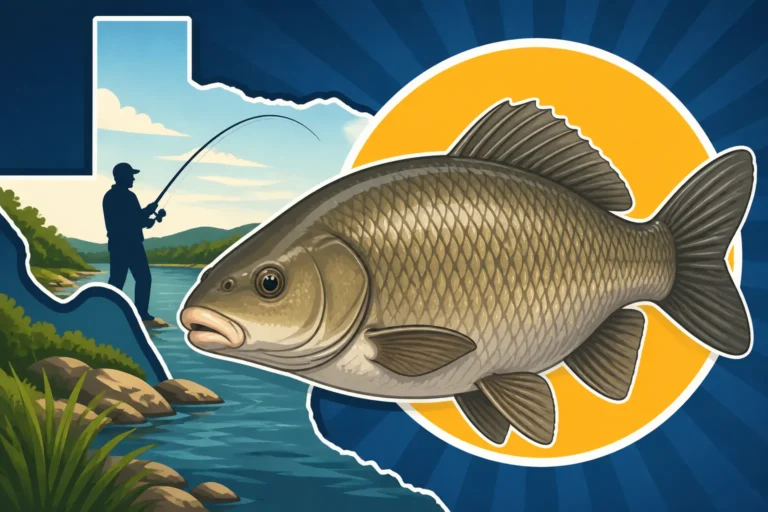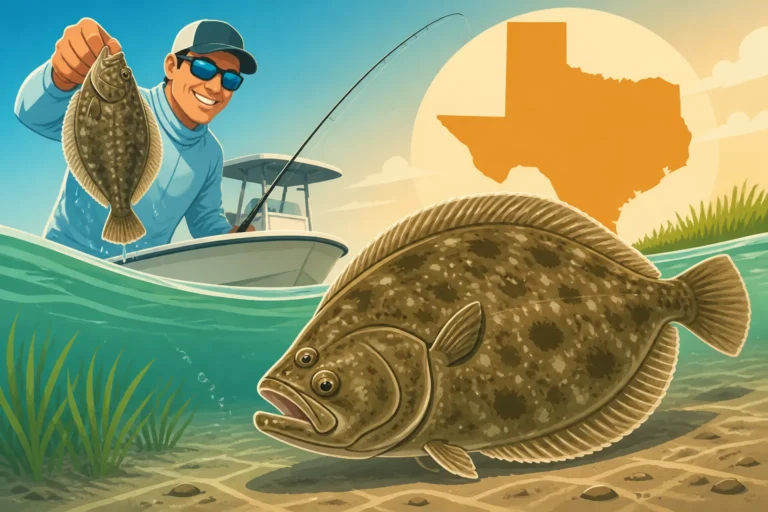
Difference between black drum and redfish
It's easy to get a little mixed up when you're out on the Texas coast, especially when you reel in a fish that looks a lot like another one you've caught before. Many anglers, new and experienced alike, often struggle to tell the difference between a black drum and a redfish. While they share some similarities, mistaking one for the other can impact your fishing strategy, whether you're targeting dinner or aiming for a specific species. This comprehensive guide will walk you through all the key distinctions, from their physical appearance to their habits and the best ways to catch them, ensuring you can confidently identify your next coastal catch.
The Core Distinctions: Unmistakable Visual Cues
Let's start with what you can see. While both black drum and redfish are strong, bottom-feeding fish found in Texas saltwater, a closer look reveals several clear differences that will help you identify them instantly. You don't need to be a marine biologist to spot these traits, just an observant angler.
Fin Markings and Tail Spots
One of the most defining characteristics that sets a redfish apart is its distinctive caudal (tail) spot, or often, multiple spots. These spots are usually found at the base of the tail fin and can vary in size and number, from one prominent spot to a scattering of several smaller ones. Sometimes you'll even see them higher up on the body, but the tail is the most common place. The theory behind these spots is that they mimic eyes, confusing predators like sharks and helping the redfish escape. The redfish's body color itself often ranges from a reddish-bronze in clearer, shallower water to a darker copper in muddier areas, fading to white on its belly. Their fins are generally uniform in color with the rest of their body, perhaps a little darker.
Black drum, on the other hand, do not have these spots. Their tail is typically a solid, often dark, color. Instead of spots, young black drum often display prominent dark vertical bars along their sides, which tend to fade as the fish matures. These bars give them a resemblance to sheepshead when they're small, which can add to the confusion for novice anglers. As they grow older, these bars disappear, and the black drum takes on a more uniform gray or silvery-black coloration, sometimes with a bronze or brassy sheen, especially on larger "bull" drum. Their fins are usually dusky or dark, matching their overall body tone.
Mouth Structure and Barbel Count
This is perhaps the easiest and most definitive way to tell them apart, even in low light. Redfish have a mouth that's positioned slightly under their snout, a characteristic often called "subterminal." This mouth is designed for picking up small crabs, shrimp, and baitfish from the bottom, but also allows them to strike at lures and bait higher in the water column. Crucially, redfish do not have barbels, those whisker-like sensory organs, under their chin. Their lower jaw is smooth.
Black drum, however, have a distinctive downturned mouth, positioned squarely on the underside of their head. This mouth is perfectly adapted for grubbing along the seafloor, rooting out oysters, clams, and worms. The most telling feature? Black drum possess several prominent barbels under their chin. These barbels are essentially sensory feelers, helping the drum locate food buried in the mud and sand, much like a catfish uses its whiskers. If you catch a fish and feel these little whiskers under its chin, you've got yourself a black drum, no doubt about it.
Body Shape and Scale Appearance
While both fish are generally robust, there are subtle differences in their overall body shape and scale texture. Redfish typically have a more streamlined, elongated body compared to the black drum, giving them a more athletic appearance. Their scales are relatively large and smooth to the touch, often overlapping neatly, contributing to that classic "game fish" look. The profile of a redfish is often described as torpedo-like, especially larger specimens, which allows them to make powerful runs and quick directional changes in shallow water. You can almost feel the power just by looking at their shape.
Black drum tend to have a stockier, deeper body profile, especially as they get larger. They often look a bit more "hunchbacked" or robust, particularly in the shoulder area. Their scales are also quite large but can feel rougher and coarser than those of a redfish. Larger black drum, often referred to as "bull reds," have thick, bony heads and a very coarse feel to their scales, sometimes almost abrasive. When you pick one up, you'll immediately notice the difference in the bulk and texture. This difference in body shape often reflects their different lifestyles, with redfish being more active predators and black drum being more sedentary bottom feeders.
Habitat and Behavior: Where and How They Live
Knowing where these fish prefer to hang out and what they like to eat can not only help you identify them but also significantly improve your chances of catching them. While there's some overlap, their ecological niches in Texas bays and estuaries are distinct.
Preferred Habitats in Texas Bays
Redfish are masters of the shallow flats. They thrive in skinny water, often found cruising grass beds, oyster reefs, and sandy bottoms in depths of just a few inches to a few feet. They love areas with good current flow that brings them food, and they often school up, especially smaller "rat reds." You'll find them tailing in the grass, their tails breaking the surface as they root for crabs, or cruising the edges of potholes. Popular spots for redfish include the vast grass flats of Corpus Christi Bay or the intricate marsh systems of Galveston Bay. They are highly adaptable and can tolerate a wide range of salinity levels, moving between the Gulf passes and brackish marsh creeks. For those who enjoy wade fishing, chasing redfish in these shallow environments is a quintessential Texas experience. Texas Redfish Fishing Guide goes into more detail about targeting these prized fish.
Black drum, while certainly present in bays, generally prefer slightly deeper water and areas with more structure. You'll often find them congregating around oyster reefs, jetties, bridge pilings, submerged wrecks, and deeper channels. They are less prone to venturing into the absolute shallowest grass beds unless the tide is high and food is abundant. Black drum are built for rooting around hard bottom and structure where shellfish cling. You'll commonly find them around the jetties of Port Aransas or under bridges in the Galveston complex. They can also be found in deeper holes within the bay system. While smaller drum might be found alongside redfish in certain areas, the really big "bull drum" are usually in deeper, more open water or near significant structures. They also tolerate a wide range of salinities and can be found far up brackish rivers.
Feeding Habits and Diets
The feeding habits of redfish are quite dynamic. They are opportunistic predators, meaning they'll eat just about anything they can get their mouths on. Their primary diet consists of crustaceans like blue crabs and shrimp, as well as various baitfish such as mullet, pinfish, and croaker. Redfish are often seen "tailing" in shallow water, a behavior where their head is down, and their tail is sticking out of the water as they root through the bottom for crabs and shrimp. They also actively chase down schools of baitfish, making them a prime target for anglers using artificial lures that mimic these prey items. Their mouth, as mentioned, is well-suited for both picking off the bottom and snatching prey from the water column.
Black drum, on the other hand, are true bottom specialists. Their diet is heavily concentrated on shellfish and worms. They use those distinctive barbels under their chin to feel for prey buried in the mud, then crush their hard-shelled meals with powerful pharyngeal teeth located in their throat. Oysters, clams, mussels, and various marine worms are staples of their diet. While they will occasionally take a shrimp or a small crab, they aren't typically chasing down baitfish. This strong preference for bottom-dwelling invertebrates is why they are so often found near oyster reefs and other hard structures. If you're using fresh dead bait on the bottom, chances are you'll run into a black drum.
Schooling and Solitary Tendencies
Redfish are known for their schooling behavior, especially younger fish. Large schools of "rat reds" or even adult fish can be found cruising the flats, sometimes numbering in the hundreds. This schooling behavior offers protection from predators and makes finding them a feast for the eyes when you spot a giant "redfish slick" on the water. Even larger trophy redfish might be found in smaller pods or pairs, especially in super shallow water. Spotting a school of redfish tailing or busting bait is an exciting event that every Texas angler dreams of. Learning How to Wade Fish for Redfish in Texas can put you right in the middle of these schools.
Black drum tend to be a bit more solitary or gather in smaller groups, especially the larger adults. While you might find several smaller black drum grouped around an oyster reef or jetty, it's rare to see the massive schools often associated with redfish. The huge "bull drum" are often caught individually or in small clusters around prime structure. They aren't generally as active or wide-ranging as redfish, preferring to work a specific area thoroughly for food. This difference in schooling behavior can influence how you approach targeting them – casting to a visible school for reds versus blind casting or soaking bait for drum.
Angling Approaches: Catching Each Species
Understanding the differences between black drum and redfish goes beyond identification; it extends into how you choose to pursue them. The baits, lures, and techniques that excel for one might not be as effective for the other.
Baits, Lures, and Techniques for Redfish
Redfish are incredibly fun to catch on both natural baits and artificial lures. For live bait, shrimp and mullet are always excellent choices, either free-lined or under a popping cork. When it comes to artificials, the options are vast. Spoons like a gold or silver Johnson Sprite are classic redfish attractors, especially when targeting schooling fish. Soft plastics, such as those from reputable brands often found on Amazon, rigged on a jig head are deadly. Varieties like shrimp imitations, paddle tails, or grub tails in natural colors like New Penny, root beer, or chartreuse can entice a strike. Hard plastic lures like topwater plugs or suspending twitchbaits also work, particularly during low light conditions or when reds are actively feeding on baitfish.
Technique-wise, wade fishing the flats is hugely popular for redfish. Anglers slowly stalk the shallows, sight-casting to visible fish. Drifting or trolling through grass beds and along oyster reefs with artificials can also be productive. When fishing from a boat, anchoring upcurrent of a promising flat and letting your bait drift back into the feeding zone is a common tactic. You can also target them around jetties and passes, casting soft plastics or spoons into the current. The key is often presenting the bait naturally and being ready for a strong fight! You can learn more about specific baits and Best Bait and Lures for Texas Fishing.
Baits and Techniques for Black Drum
Black drum, being bottom feeders, are primarily targeted with natural baits presented near the bottom. The absolute best bait for black drum is fresh dead shrimp, especially with the head still on. Other excellent choices include cracked blue crabs, small chunks of crab, cut mullet, or even pieces of oyster or clam. Scent is crucial for black drum, as they rely heavily on their sense of smell to locate food on the bottom. Artificial lures are generally less effective for black drum, though they might occasionally strike a slow-moving soft plastic or a jig tipped with a piece of shrimp.
The primary technique for black drum is bottom fishing. This typically involves a Carolina rig or a similar setup that allows your bait to rest directly on the seafloor. You'll want to target areas with structure: bridge pilings, jetties, oyster reefs, or deeper channels. Anglers often fish from piers, docks, or anchored boats, casting their baits out and letting them settle. Patience is often key when targeting black drum, as they can be slow biters, especially the larger ones. Their bite often feels like a gentle "thump" or a steady pull rather than an aggressive strike. Once hooked, they put up a heavy, stubborn fight, often described as a "tug-of-war."
Gear Considerations for Each Fish
While both fish are strong, your gear setup can be optimized for each. For redfish, especially when targeting them in shallow water with artificials, a medium to medium-heavy spinning rod (7' to 7'6") paired with a 3000-size reel is a popular choice. This setup allows for long casts, good sensitivity for detecting subtle bites, and enough backbone to handle a strong redfish. Braided line (15-20 lb test) is favored for its casting distance and sensitivity, often with a fluorocarbon leader (20-30 lb test) for abrasion resistance and stealth. Lighter tackle can be used for smaller "rat reds," while heavier gear might be needed for bull reds in passes or jetties. Best Fishing Rods for Texas Anglers and Best Fishing Reels for Texas Anglers offer more insights.
For black drum, particularly the larger specimens, a slightly heavier setup is often preferred due to their brute strength and the possibility of encountering very large fish. A medium-heavy to heavy conventional or spinning rod (7' to 8') with a 4000-6000 size reel will provide the necessary power. Monofilament line (20-30 lb test) or braided line (30-50 lb test) with a heavy mono or fluorocarbon leader (40-60 lb test) is suitable. Strong hooks are essential, as black drum have tough mouths and powerful crushing teeth. Circle hooks (2/0 to 5/0, depending on bait size) are popular for their effectiveness and ability to hook fish in the corner of the mouth, making for easier release if desired. You can find a good selection of these fishing hooks and leader materials on Amazon.
Culinary and Regulatory Differences
Finally, once you've successfully landed your catch, there are important distinctions regarding their eating quality and the regulations governing their harvest in Texas. Understanding these aspects is crucial for responsible angling.
Taste and Texture: What to Expect on the Plate
Redfish are widely regarded as an excellent table fish. Their meat is firm, white, and flaky, with a mild flavor that holds up well to various cooking methods. Smaller redfish, often called "puppy drum" or "rat reds," are generally considered the best for eating. As redfish grow larger, their meat can become coarser and develop a stronger, more "fishy" flavor. Many anglers prefer to release larger redfish or only keep those within the slot limit for consumption. A fresh redfish fillet, grilled or pan-fried, is a true Texas delicacy.
Black drum also offer good eating, especially the smaller ones, sometimes referred to as "black drum pups." Their meat is also white and flaky, with a slightly firmer texture than redfish, and a mild, slightly sweet flavor. However, just like redfish, the eating quality of black drum significantly diminishes with size. Large "bull drum" often have very coarse meat, and their flesh can become riddled with parasitic worms, making them less desirable for the dinner table. Because of this, most anglers targeting black drum for food will focus on fish under about 20-25 inches. Many larger bull drum are caught for the thrill of the fight and then released.
Texas Regulations: Bag and Length Limits
This is where precise identification becomes legally important. Texas Parks and Wildlife Department (TPWD) enforces specific bag and length limits for both species, which are critical to follow.
For redfish, there's generally a slot limit, meaning you can only keep fish within a specific length range, and a daily bag limit. For instance, a common regulation might be a 5-fish daily bag limit with a 20-28 inch slot. You might also be allowed one "oversize" redfish over the slot length per year, which must be tagged. These regulations are designed to protect the breeding stock and ensure a sustainable fishery. Always check the current Texas Saltwater Fishing Regulations for the most up-to-date information, as limits can change.
For black drum, the regulations are typically a bit more generous in terms of size, reflecting their abundance and slightly different life cycle. A common regulation for black drum might be a daily bag limit of 5 fish, with a slot limit of 14-30 inches, and often an allowance for 1 fish over 52 inches as part of the daily bag (or sometimes one over 30 inches, depending on specific rules). The large "bull drum" that exceed the normal slot limit can be kept, but again, always verify the latest Texas Fish Bag and Length Limits with TPWD.
Furthermore, regardless of the species, if you are fishing in saltwater, you will need a valid Texas fishing license with a saltwater endorsement. You can easily purchase these online, over the phone, or at various retailers, including many local fishing shops or even some sporting goods sections on Amazon (though you'd buy the license from TPWD-authorized vendors, not directly on Amazon, of course). Texas Fishing License Requirements Explained and Texas Saltwater Endorsement Explained offer more details on this.
To help visualize the key differences, here's a handy comparison table:
| Feature | Redfish (Red Drum) | Black Drum |
|---|---|---|
| Tail Spots | Typically 1 or more distinct spots on tail | None (young fish have vertical bars that fade) |
| Mouth Position | Subterminal (slightly under snout) | Inferior (directly on underside of head) |
| Barbels | None | Multiple, prominent barbels under chin |
| Body Shape | Streamlined, elongated, athletic | Stockier, deeper body, often "hunchbacked" |
| Scale Texture | Relatively smooth | Coarser, rougher scales |
| Color | Reddish-bronze to copper, white belly | Silvery-gray to dusky black, sometimes brassy sheen |
| Preferred Habitat | Shallow grass flats, oyster reefs, sandy bottoms | Deeper channels, jetties, bridge pilings, oyster reefs |
| Primary Diet | Crabs, shrimp, baitfish | Oysters, clams, worms, crabs |
| Eating Quality | Excellent (especially smaller fish) | Good (especially smaller fish), coarser/wormy in large fish |
| Texas Slot Limit | E.g., 20-28 inches (always check current TPWD rules) | E.g., 14-30 inches (always check current TPWD rules) |
Now that you're armed with this knowledge, you can confidently identify your catch and comply with regulations. Happy fishing, and may your cooler be full of exactly what you intended to catch!
Disclaimer
This article is for general informational purposes only and does not constitute professional advice. Laws, prices and regulations vary by location and change over time. Consult a qualified professional for guidance on your specific situation.