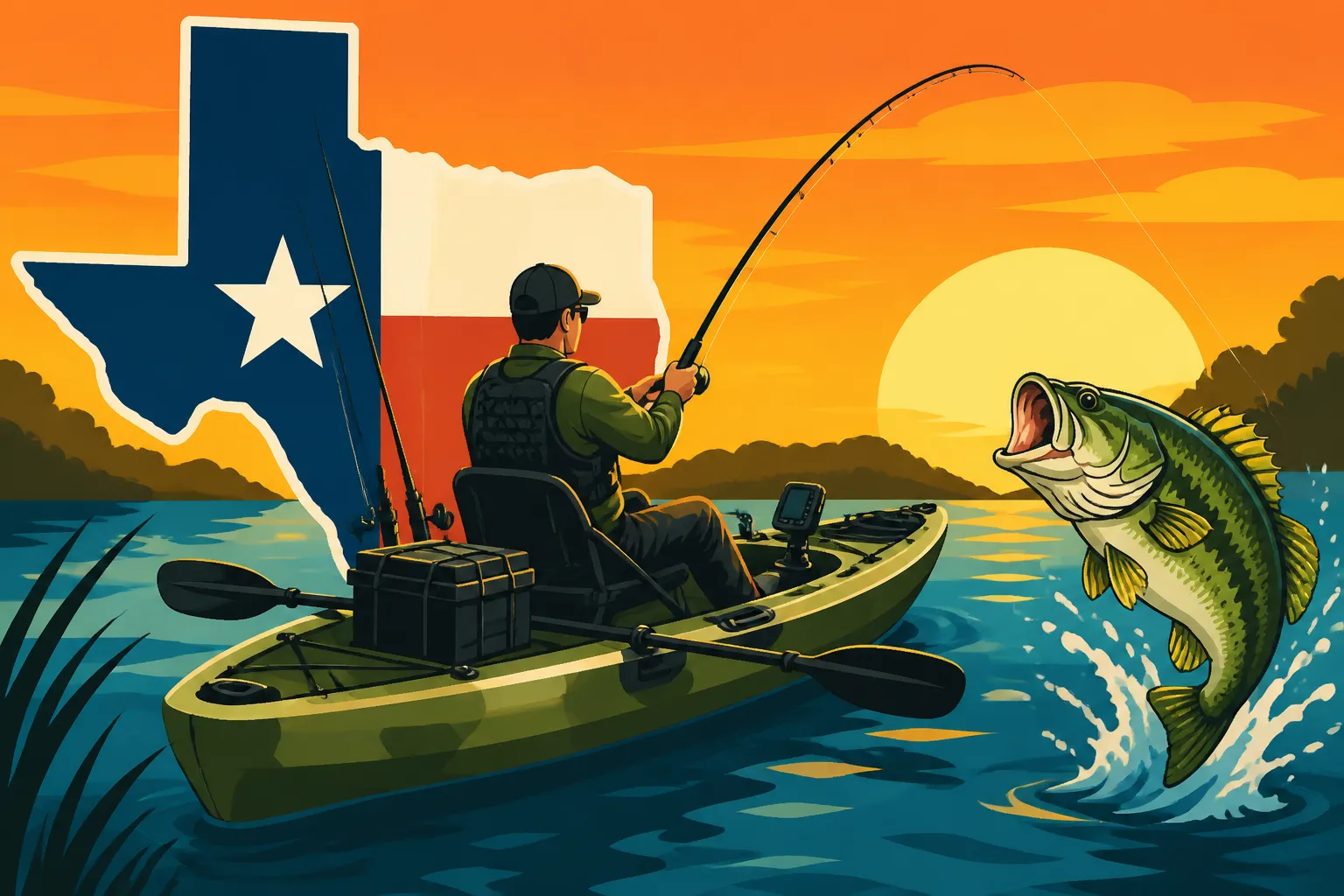
Best Kayaks for Texas Bass Fishing
Texas offers some incredible bass fishing opportunities, but let's be real – not everyone has a big bass boat, or even wants one, to explore every honey hole. The thought of trailering a huge boat, dealing with ramp crowds, and the sheer cost can be a real deterrent. This guide is for all you anglers who crave that intimate connection with the water and the thrill of landing a lunker from a more personal craft. We're going to dive deep into the best kayaks for Texas bass fishing, helping you pick the perfect vessel to stalk those elusive largemouth.
Why Kayak Fishing for Texas Bass is a Game Changer
There's a unique satisfaction that comes with gliding silently across a glassy lake at dawn, or navigating a tight creek bend, knowing you're truly immersed in the fishing experience. Kayak fishing offers unparalleled access to spots bigger boats can't reach, a lower barrier to entry, and a more eco-friendly way to enjoy our beloved Texas waters. It’s not just about the catch; it’s about the journey and the quiet solitude.
Accessibility and Stealth on the Water
One of the biggest frustrations for many anglers is crowded boat ramps and the inability to get into those skinny water pockets where the big bass often hide. Kayaks completely flip this script. You can launch from nearly any shoreline, often avoiding the hustle and bustle of public ramps. Imagine pulling up to a remote cove on Lake Fork, or slipping into a quiet backwater slough on the Trinity River, unheard and unseen by your quarry.
The stealth factor is huge for bass fishing. Bass are incredibly sensitive to vibrations and noise. A kayak, especially a paddle-driven one, allows you to approach fishing spots with minimal disturbance. You can sneak right up to weed lines, submerged timber, or lily pad fields, presenting your bait without spooking the fish. This quiet approach often translates into more bites, especially from wary, pressured fish. It opens up an entirely new world of possibilities, from exploring the hidden corners of Lake Palestine Fishing Guide to finding secluded coves on larger reservoirs.
Cost-Effectiveness and Low Maintenance
Let's talk about the elephant in the room: fishing can be an expensive hobby. A fully rigged bass boat can set you back a pretty penny, not to mention the fuel, insurance, and ongoing maintenance. Kayaks, on the other hand, offer a far more budget-friendly entry point into serious bass fishing. While high-end fishing kayaks can still be an investment, they are generally a fraction of the cost of a powered boat.
Beyond the initial purchase, the running costs are minimal. There's no gas to buy, no expensive engine maintenance, and often, no need for trailer registration if you can transport it in a truck bed or on a roof rack. Cleaning is usually a simple hose-down. This means more money in your pocket for lures, bait, and those essential accessories, or maybe even a new Texas Fishing License Cost for Residents and Nonresidents each year. For many, this affordability is what makes kayak bass fishing not just an option, but a realistic and sustainable way to pursue their passion.
Key Features to Prioritize in a Bass Fishing Kayak
When you're shopping for a fishing kayak, it's easy to get overwhelmed by all the bells and whistles. However, for targeting Texas bass, there are a few core features that really matter. Thinking about how you fish, where you fish, and your personal comfort level will help you narrow down the endless choices. It’s all about finding that sweet spot between stability, comfort, and functionality.
Stability and Hull Design
For bass fishing, stability is paramount. You'll want to cast, retrieve, set the hook, and potentially even stand up to get a better vantage point without feeling like you're about to take an unexpected swim. This is especially true when you're battling a feisty Texas largemouth that decides to make a run under your boat.
Look for kayaks with wider hulls, often in the 30-40 inch range. Pontoon-style hulls or those with a pronounced tunnel often provide exceptional primary stability (how stable it feels when you're sitting still) and secondary stability (how resistant it is to tipping over once it starts to lean). While a wider hull might sacrifice a little bit of speed and tracking (how well it stays in a straight line), the added confidence you get from a stable platform is invaluable for casting accuracy and fighting fish. The design might look a bit different from a recreational kayak, but trust me, it’s worth it for those moments when you need to quickly pivot or retrieve a snagged lure.
Seating and All-Day Comfort
Texas summers can be brutal, and a long day on the water can turn into a painful one if your seat isn't up to snuff. The cheap, molded-in seats of basic recreational kayaks simply won't cut it for dedicated bass anglers. Comfort is key, especially if you plan to spend hours patrolling the shores of Lake Conroe Fishing Guide or exploring the vastness of Sam Rayburn.
Modern fishing kayaks often feature elevated, adjustable frame seats, similar to what you'd find in a small boat. These seats offer several advantages:
- Better Visibility: Sitting higher off the water improves your line of sight, making it easier to spot structure, fish, and obstacles.
- Improved Ergonomics: A proper seat supports your back and allows for better circulation, preventing numbness and aches.
- Drier Ride: Being off the floor of the kayak keeps you out of any standing water or scupper drainage.
When testing a kayak, sit in the seat for a good 10-15 minutes, if possible. Adjust it, lean back, and imagine casting. Is there enough legroom? Does it feel supportive? Remember, even the best fishing spot won't be enjoyable if you're constantly squirming in discomfort.
Storage and Rigging Options
Bass anglers, by nature, carry a lot of gear. From multiple rods for different techniques to tackle boxes, coolers, and electronics, you need a kayak that can accommodate it all. Adequate storage and thoughtful rigging options are crucial for an efficient and enjoyable fishing trip.
Look for kayaks with:
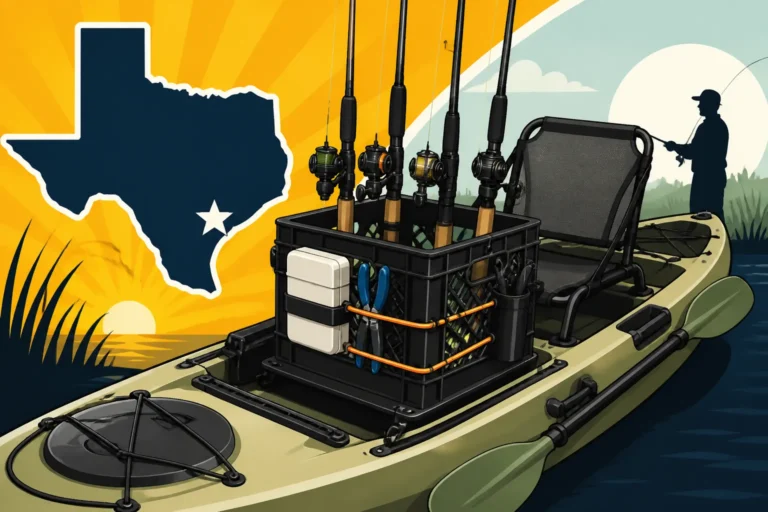
- Ample Deck Space: A flat, open deck area, often in the bow and stern, is ideal for strapping down coolers, tackle crates, or dry bags. Many popular bass fishing kayaks feature large tankwells designed to hold a standard milk crate or purpose-built fishing crate.
- Rod Holders: Built-in flush mount rod holders are a good start, but tracks for mounting additional adjustable rod holders are even better. You'll likely want to carry 3-5 rods for different presentations.
- Gear Tracks: These versatile rails, found along the gunwales, allow you to easily attach and adjust accessories like fish finders, GPS units, camera mounts, and even cup holders without drilling into your kayak. Brands like YakAttack and Scotty offer a vast array of track-mounted accessories.
- Internal Storage: Hatches that lead to the hull can keep valuables dry and secure, though they're less accessible while on the water.
A well-designed fishing kayak understands that anglers need their gear organized and within easy reach. The less time you spend fumbling for a lure or a tool, the more time you spend fishing effectively.
Types of Kayaks Best Suited for Texas Bass Fishing
The world of fishing kayaks is incredibly diverse, and what works for one angler or one type of water might not be ideal for another. When it comes to chasing Texas bass, there are a few primary categories that stand out, each with its own set of advantages and considerations.
Sit-on-Top (SOT) vs. Sit-Inside (SINK)
This is one of the most fundamental choices you'll make when selecting a fishing kayak.
- Sit-on-Top (SOT) Kayaks: These are by far the most popular choice for bass fishing, and for good reason. You sit on top of the kayak's deck, rather than inside a cockpit.
- Pros: Excellent stability, very easy to re-enter if you fall out (a big plus in open water or when standing), open deck space for gear, and scupper holes allow water to drain out, keeping the deck relatively dry. This design is fantastic for warm Texas weather, allowing you to easily get in and out of the water for a quick cool-down.
- Cons: Generally slower than SINKs, and you're more exposed to the elements (sun, wind, splashes). They can also be heavier due to their robust construction.
- Sit-Inside (SINK) Kayaks: These kayaks have an enclosed cockpit where you sit with your legs inside the hull.
- Pros: Generally faster and track better due to a narrower, more efficient hull design. They offer more protection from the elements, which might be a small advantage on a chilly winter day, and often have more internal storage space.
- Cons: Much harder to re-enter if you capsize, can feel more confining, and limited deck space for large fishing specific accessories like tackle crates or fish finders. The risk of swamping with water is also higher if you're frequently reeling in fish or dealing with waves.
For the vast majority of Texas bass anglers, a sit-on-top kayak will be the superior choice due to its stability, ease of use, and adaptability for carrying fishing gear.
Pedal-Drive vs. Paddle-Only Propulsion
This is where fishing kayaks have truly revolutionized the sport in recent years, offering a significant advantage for bass anglers.
- Pedal-Drive Kayaks: These utilize a pedal system, similar to a bicycle, to power a propeller or flippers beneath the kayak.
- Pros: The biggest advantage is hands-free propulsion. This means you can constantly fish, cast, and even fight a fish while still maneuvering your kayak. Imagine holding your rod with one hand and steering with your feet as you follow a hard-fighting bass into deeper water. They are also often faster and more efficient over long distances than paddling. Brands like Hobie (with their MirageDrive) and Old Town (with their Sportsman PDL drive) have really perfected this technology. Many models are available at retailers like Bass Pro Shops.
- Cons: Significantly more expensive than paddle-only kayaks. They are also generally heavier and require more maintenance due to the mechanical drive system. The drive unit can also get snagged in very shallow or weedy areas, though most can be easily lifted out of the water.
- Paddle-Only Kayaks: These are propelled in the traditional way, with a double-bladed paddle.
- Pros: More affordable, lighter weight, and simpler in design, meaning less maintenance. They can get into extremely shallow water or dense vegetation without worrying about a drive unit snagging. You also get a great upper body workout!
- Cons: You'll constantly need to put your paddle down to cast, retrieve, or manage your rod. This can be frustrating when trying to stay on a productive spot in windy conditions or when actively working a shoreline.
While pedal-drive kayaks are a fantastic investment for serious bass anglers due to the hands-free advantage, paddle-only kayaks still offer an excellent, accessible, and often more robust option for tackling diverse Texas waters and navigating challenging terrain. It really comes down to budget and your preferred style of fishing.
Specialty Kayaks: Hybrids and Inflatables
Beyond the two main categories, some specialized kayaks deserve a mention, especially for specific Texas fishing scenarios.
- Hybrid Kayaks/SUPs: These are essentially wider, very stable sit-on-top kayaks that often double as stand-up paddleboards (SUPs). They feature extremely stable platforms, often with integrated cooler mounts and fishing rod holders. Their primary advantage is the ability to stand and sight fish with ease, which can be fantastic for spotting cruising bass in clear water on lakes like Canyon Lake or Travis. However, they tend to be slower and heavier than traditional kayaks.
- Inflatable Fishing Kayaks: Modern inflatables are a far cry from the flimsy pool toys of yesteryear. High-pressure drop-stitch construction creates incredibly rigid and stable platforms.
- Pros: Portability is their superpower. They can be deflated and packed into a car trunk, making them ideal for apartment dwellers, travelers, or anglers who want to access remote spots without a roof rack or truck. They are also incredibly durable and surprisingly stable.
- Cons: Setup time can be longer due to inflation. They are generally slower and more susceptible to wind than hardshell kayaks. While durable, sharp hooks or fish spines always present a small risk of puncture. For someone looking for maximum portability to fish smaller, less accessible ponds or rivers, an inflatable from a brand like Sea Eagle could be a fantastic choice.
Choosing the right type depends on your priorities: maximum fishability, budget, access limitations, or portability. Each has its place in the diverse landscape of Texas bass fishing.
Understanding Kayak Sizes and Capacity for Bass Fishing
Just like with traditional boats, the size and capacity of your fishing kayak play a crucial role in its performance, stability, and suitability for different fishing situations. It's not just about fitting it in your garage; it's about how it handles on the water, how much gear you can comfortably carry, and ultimately, how effective you can be as an angler.
Length: Speed vs. Maneuverability
The length of a fishing kayak impacts two key performance characteristics:
- Longer Kayaks (12-14+ feet): These generally offer better tracking (they hold a straight line more easily) and greater hull speed. If you plan on covering long distances across large reservoirs like Sam Rayburn Reservoir Fishing Guide or Toledo Bend Reservoir Fishing Guide, or if you need to paddle against wind and current frequently, a longer kayak will be more efficient and less fatiguing. They also tend to have more storage space due to the extended hull. However, they can be more challenging to turn quickly and are heavier to transport.
- Shorter Kayaks (10-12 feet): These are typically more maneuverable, making them ideal for navigating tight spaces, winding creeks, or congested areas with lots of submerged structure. They are also lighter and easier to transport and store. The trade-off is often reduced speed, less efficient tracking, and sometimes less storage capacity. For creek fishing on the Guadalupe River or exploring smaller, more intricate waterways, a shorter kayak can be a real asset.
Consider your primary fishing grounds. If you're mostly hitting smaller ponds or narrow rivers, a shorter, more agile kayak might be perfect. If you're tackling big Texas lakes, the efficiency of a longer kayak will save you energy and allow you to explore more water.
Width: Stability Above All
We touched on stability earlier, but it's worth revisiting in the context of kayak width.
- Wider Kayaks (32+ inches): These are the workhorses for bass fishing, prioritizing stability above all else. The extra width creates a more forgiving platform, making it easier to cast, reel, and even stand up for better visibility. Many purpose-built fishing kayaks will fall into this category. The increased stability means you can focus on fishing without constantly worrying about tipping over, especially when standing to sight fish in shallow areas or when a big bass makes a sudden dart under your kayak.
- Narrower Kayaks (Under 30 inches): While narrower kayaks are typically faster and more hydrodynamic, they sacrifice a significant amount of stability. These are generally better suited for recreational paddling or touring, where speed and efficiency are prioritized over standing or heavy gear loads. For bass fishing, a narrower kayak can feel tippy and limit your ability to move around or manage multiple rods.
For serious bass fishing, especially if you plan to stand or carry a lot of gear, err on the side of a wider, more stable kayak. The slight decrease in speed is a small price to pay for the increased confidence and comfort you'll gain on the water.
Weight Capacity for Angler and Gear
Every kayak has a maximum weight capacity, which includes the weight of the angler, all their gear, and any fish they might keep. It's not just a guideline; it's a safety limit. Overloading a kayak will severely compromise its stability, make it harder to paddle or pedal, and potentially cause it to sit too low in the water, becoming unsafe.
When considering weight capacity, think about:
- Your Body Weight: Be honest with yourself!
- Kayak Weight: A heavier kayak often means more durable construction but also impacts its transport.
- Gear Weight: Rods, reels, tackle boxes, bait, anchor, cooler, PFD, fish finder, battery, water, snacks – it all adds up surprisingly quickly. If you run multiple rods and a sizable tackle bag, factor that in.
- Fish: If you plan on keeping your catch, especially a stringer full of catfish or a big bass for a tournament, remember that adds weight too.
As a general rule, aim for a kayak with a weight capacity that gives you at least 25-30% buffer above your estimated total load. So, if you and your gear come to 300 lbs, look for a kayak with a 375-400 lbs capacity or more. This buffer ensures optimal performance, stability, and safety. A kayak like the Old Town Sportsman series or the Hobie Pro Angler, often found at Bass Pro Shops, will have excellent weight capacities designed for serious angling.
Essential Kayak Fishing Accessories for Texas Bass
Getting the right kayak is a huge first step, but it's really just the beginning of your journey into bass fishing from a paddle or pedal craft. A well-outfitted kayak can significantly enhance your safety, comfort, and effectiveness on the water. Don't skimp on these crucial accessories, especially in the diverse and sometimes challenging environments Texas offers.
Paddles and Propulsion Beyond the Drive
Even if you opt for a pedal-drive kayak, a good paddle is still an absolute necessity. It's your backup propulsion, your tool for quiet repositioning, and sometimes, your push pole for navigating super shallow areas.
- Paddle-Only Kayaks: Invest in the lightest, most efficient paddle you can afford. Look for carbon fiber or fiberglass shafts, and properly sized blades for your height and kayak width. A paddle that's too short or too heavy will quickly lead to fatigue. Many anglers prefer a paddle with a leash to prevent it from floating away if dropped.
- Pedal-Drive Kayaks: While not your primary propulsion, a short, robust paddle is vital. Use it for launching, beaching, or navigating extremely shallow or obstacle-ridden areas where the pedal drive might get hung up. It’s also your emergency backup if your pedal drive malfunctions.
Beyond paddles, think about other propulsion enhancements. A lightweight, electric trolling motor can be a game-changer for covering long distances, fighting strong winds, or holding position on a spot. Many fishing kayaks are designed with motor mounts, and options from brands like Minn Kota or MotorGuide offer impressive battery life and thrust. Just remember to account for the battery weight and ensure your kayak's electrical system is waterproof. For insights into selecting the right motor, check out Best Trolling Motors for Texas Bass Boats.
Safety Gear and Personal Floatation Devices
Safety should always be your top priority. Texas waters, even lakes, can be unpredictable, with sudden winds or passing boat wakes creating choppy conditions.
- Personal Floatation Device (PFD): This is non-negotiable. Wear it, always. A PFD designed specifically for fishing will have pockets, tool holders, and a comfortable fit that doesn't hinder casting. Don't just throw one in your kayak; wear it from the moment you launch until you're back on shore. A good PFD can save your life.
- Whistle/Horn: Required by law for most vessels, including kayaks. It's essential for signaling other boaters, especially in low light or fog.
- Light: If you're planning on being on the water before sunrise or after sunset, you need a 360-degree white light. Many kayaks have mounting points for these, or you can get a portable battery-operated one.
- First-Aid Kit: A small, waterproof kit for minor cuts, scrapes, or insect bites is always a good idea.
- Sun Protection: Texas sun is intense. Wide-brimmed hats, polarized sunglasses (crucial for spotting fish and structure), long-sleeved UPF clothing, and sunscreen are absolute must-haves.
- Communication Device: A fully charged cell phone in a waterproof bag, or a VHF radio if you're venturing far offshore or into busy waterways.
Always check local regulations regarding Texas Boat Safety Equipment Requirements before you hit the water. It’s better to be overprepared than caught off guard.
Electronics and Rod Holders
Modern fishing electronics have found a comfortable home in kayaks, making them even more effective fishing machines.
- Fish Finder/GPS Combo: A compact unit with CHIRP sonar and GPS mapping can reveal depths, bottom structure, baitfish schools, and even individual bass. Look for models with side imaging or down imaging for an even clearer picture. Many brands like Humminbird, Garmin, and Lowrance offer excellent kayak-specific units. Mounting options include RAM mounts or specific kayak transducer mounts. Learning How to read a fish finder for bass will greatly enhance your success.
- Battery: Powering your fish finder and potentially a trolling motor requires a reliable 12V battery. Lithium batteries are lighter and last longer but are more expensive. A sealed lead-acid or AGM battery is a more budget-friendly option. Ensure your battery is stored in a waterproof box.
- Rod Holders: While many kayaks come with flush-mount holders, these are often for storage or trolling. For active bass fishing, adjustable rod holders that can be positioned for easy access, casting, or fighting a fish are invaluable. Brands like Ram Mounts and Scotty offer track-mounted or bolted options that allow you to customize your setup precisely to your liking. You'll likely want at least one or two adjustable holders in addition to any flush mounts.
- Anchor System: A small anchor (grapple or drag chain) with a trolley system (a rope and pulley system running the length of your kayak) allows you to quietly hold position in wind or current. This is invaluable for working a specific piece of structure or holding steady while battling a fish.
Outfitting your kayak with the right accessories transforms it from a simple paddling vessel into a highly efficient and safe bass fishing platform. Remember, you can always start with the basics and add more gear as your confidence and experience grow. You can find a vast array of these accessories on platforms like Amazon or at specialty shops like Bass Pro Shops.
Choosing the Best Kayak for Different Texas Waters
Texas is a massive state with an incredible diversity of fishing environments. From sprawling reservoirs to winding rivers and countless smaller ponds, the "best" kayak really depends on where you plan to do most of your bass fishing. Understanding these nuances will help you make a smart investment that maximizes your time on the water.
Large Reservoirs and Open Lakes
If your heart is set on tackling big bass in iconic Texas lakes like Lake Fork, Sam Rayburn, or Toledo Bend, you'll need a kayak that can handle expansive, often windy conditions and cover significant distances. These waters can quickly go from calm to choppy, and you don't want to be caught unprepared.
- Key Considerations:
- Length: A longer kayak (12-14+ feet) is highly recommended. The added length improves tracking and hull speed, making it easier to paddle or pedal against wind and waves, and more efficient for covering large areas to find fish.
- Propulsion: Pedal drive systems truly shine on large lakes. The ability to fish hands-free while maintaining speed and direction, especially when battling wind, is a massive advantage. If paddle-only, ensure you have a powerful, lightweight paddle and consider a small electric trolling motor for longer runs.
- Stability: A wide, stable hull is essential for confidence in chop and for fighting big bass without fear of capsizing.
- Storage: Ample dry storage and deck space for a cooler, multiple tackle boxes, and safety gear are critical for long days on big water.
- Electronics: A good fish finder with GPS is almost a necessity for navigating and finding structure on these vast bodies of water.
Imagine trying to paddle a short, recreational kayak across a windy Lake Fork trying to follow a Lake Fork Bass Fishing Hot Spots map; you'd be exhausted before you even got started. A longer, pedal-driven kayak gives you the power and efficiency to truly explore and conquer these larger bodies of water.
Rivers and Creeks
Texas boasts numerous rivers and creeks that offer fantastic, often overlooked, bass fishing opportunities. From the clearer waters of the Guadalupe to the slow, meandering stretches of the Brazos or Trinity, river fishing presents its own unique set of challenges and rewards.
- Key Considerations:
- Maneuverability: Shorter kayaks (10-12 feet) are often preferred here. Their nimble nature allows you to navigate tight bends, dodge submerged logs, and slip through narrow passages.
- Durability: Rivers often have rocks, logs, and shallow spots. Look for kayaks made of durable polyethylene that can withstand bumps and scrapes. Some anglers even prefer inflatables for their puncture resistance in rocky riverbeds, though they can be slower.
- Draft: A shallow draft (how much water the kayak displaces) is crucial for getting over shallow riffles and through skinny water without constantly getting stuck. Paddle-only kayaks often have a shallower draft than pedal drives.
- Propulsion: Paddle-only is often king in rivers due to the need for quick turns and navigating obstacles. If using a pedal drive, ensure it can be easily lifted out of the water to avoid snags.
- Storage: Smaller, more accessible storage options are useful. You might not carry as much gear as on a large lake, but quick access to specific lures is key.
When fishing rivers, you're constantly making micro-adjustments and moving through varied terrain. A shorter, more agile kayak allows you to "read" the water and respond quickly, making it easier to hit those precise casting targets along the banks. It's about precision and agility, not necessarily speed or brute force.
Urban Ponds and Smaller Lakes
For many anglers, especially those just starting out or living in cities, urban ponds, community lakes, and smaller private waters are the most accessible fishing grounds. These spots often hold surprisingly good bass, but require a different approach to kayak selection.
- Key Considerations:
- Portability: If you're car-topping or don't have a dedicated trailer, a lighter, shorter kayak that's easy to load and unload is a huge plus. Inflatables can also shine here for their ease of transport and storage.
- Maneuverability: Similar to rivers, you'll want a kayak that's easy to turn and navigate in tight spaces, especially if the pond has a lot of bank vegetation or submerged cover.
- Simplicity: You likely don't need the most advanced electronics or a powerful pedal drive for these smaller waters. A good paddle-only kayak with basic rod holders and comfortable seating will often suffice.
- Cost-Effectiveness: Smaller waters often mean a smaller budget for the kayak itself. There are many excellent entry-level fishing kayaks that are perfectly suited for these environments.
- Storage: Minimal storage is usually fine. A small cooler for drinks and snacks, a tackle box, and a couple of rods are often all you need for a few hours of fishing.
For these intimate fisheries, the goal is ease of use and the ability to get on the water quickly. You want a kayak that's hassle-free to transport, launch, and paddle, allowing you to maximize your fishing time. Many anglers start with a basic paddle-only sit-on-top kayak for these smaller waters and then potentially upgrade if they venture into larger lakes.
| Kayak Feature | Best for Large Reservoirs | Best for Rivers & Creeks | Best for Urban Ponds |
|---|---|---|---|
| Length | 12-14+ feet (Speed, Tracking) | 10-12 feet (Maneuverability) | 10-12 feet (Portability) |
| Width | Wide (Stability in chop) | Medium-Wide (Stability, agility) | Medium-Wide (Stability, comfort) |
| Propulsion | Pedal Drive (Hands-free, Distance) | Paddle-Only (Agility, Shallow) | Paddle-Only (Simplicity, Cost) |
| Durability | Good (Handle wakes) | Excellent (Rocks, logs) | Good (General use) |
| Storage | Ample (Multi-day, Big gear) | Moderate (Essential gear) | Minimal (Quick trips) |
| Electronics | Essential (Navigation, Structure) | Optional (Spot-specific) | Optional (Basic depth) |
| Weight | Heavier (Stability, Features) | Lighter (Transport, Maneuver) | Lightest (Easy car-top) |
| Cost | Higher-end investment | Mid-range | Entry-level to mid-range |
No matter which type of kayak you choose, the most important thing is to get out there and enjoy the incredible bass fishing that Texas has to offer. Just make sure you understand Texas Fishing License Requirements Explained before you wet a line! Happy paddling and tight lines!
Disclaimer
This article is for general informational purposes only and does not constitute professional advice. Laws, prices and regulations vary by location and change over time. Consult a qualified professional for guidance on your specific situation.