Best entry-level kayak for Texas fishing
Stepping into the world of kayak fishing can feel a bit daunting, right? You're excited about the idea of silently gliding across a peaceful Texas lake or bay, but then you start looking at kayaks and suddenly you're drowning in options, features, and price tags. It's enough to make anyone feel like just sticking to the bank! This guide is here to cut through the confusion and help you pinpoint the best entry-level kayak for fishing in our beautiful Texas waters, getting you on the water without breaking the bank or your spirit.
Why Kayak Fishing is a Game Changer in Texas
There's something incredibly special about being out on the water in a kayak, especially when you're fishing. It's not just a trend; it's a movement that's empowering countless anglers to access waters they never could before, offering a unique blend of adventure, tranquility, and serious fishing opportunities. For us Texans, with our sprawling lakes, winding rivers, and vast coastal bays, kayak fishing opens up a whole new playbook.
The Appeal of Stealth and Accessibility
One of the biggest draws of kayak fishing, especially for targeting wary fish, is the unparalleled stealth it provides. Picture this: you're paddling silently towards a secluded cove on Lake Fork, your paddle barely breaking the surface, and you spot a bass shadowing baitfish in the shallows. No loud trolling motor whir, no thrum of an outboard engine to spook them. You're just part of the environment, a quiet observer, which often translates to more bites. This silent approach is a game-changer when you're trying to fool educated fish or when fishing in really clear water where vibrations carry far.
Beyond stealth, accessibility is a huge win. Many of the best fishing spots in Texas are simply inaccessible to larger boats due to shallow water, submerged timber, or narrow passages. Think about those hidden creeks feeding into Sam Rayburn Reservoir or the skinny water flats of Galveston Bay. A kayak can slip into these areas with ease, taking you to untouched waters where fish might not have seen a lure in ages. You can navigate through cypress trees, glide over oyster reefs, and explore tight channels that only a paddle craft can reach, dramatically expanding your fishing horizons. This means more opportunities to find those untouched honey holes.
Cost-Effectiveness Compared to Power Boats
Let's be real, owning a power boat is a significant investment. From the initial purchase price to ongoing fuel costs, maintenance, insurance, and storage, the expenses can add up quickly. For many aspiring anglers, the financial barrier to boat ownership is just too high. This is where entry-level fishing kayaks shine as an incredibly cost-effective alternative. You get on the water, access fantastic fishing, and enjoy the same serenity, often for a fraction of the price.
An entry-level kayak purchase typically represents a one-time investment that's a small percentage of what even a basic jon boat or bay boat would cost. There's no gas to buy for the boat, minimal maintenance beyond rinsing and occasional inspection, and you can often store it in your garage, backyard, or even an apartment patio. This lower financial entry point makes kayak fishing an incredibly attractive option for beginners, students, or anyone looking to maximize their time on the water without sacrificing their savings. It levels the playing field, allowing more people to experience the joy of fishing from a personal watercraft. Plus, consider the money you'll save on Texas boat registration requirements and renewal fees!
Key Features to Look for in an Entry-Level Fishing Kayak
When you're just starting out, it's easy to get caught up in all the fancy gadgets and specialized features. But for an entry-level fishing kayak, simplicity, stability, and practicality are your best friends. You want a vessel that's forgiving, easy to handle, and won't make you feel overwhelmed when you're trying to cast, paddle, and manage a fish all at once. Focusing on these core features will ensure a positive first experience and help you build confidence on the water.
Stability: Your Foundation on the Water
For many new kayak anglers, especially those accustomed to fishing from the bank or a larger boat, stability is paramount. A wobbly kayak can quickly turn a fun outing into a nerve-wracking experience, especially when you're trying to stand up, reel in a fish, or even just reach for your tackle box. When looking at entry-level models, prioritize a wide, flat hull design. These designs inherently offer greater primary stability, meaning they feel solid and less prone to tipping even with small movements.
You'll often hear about "primary" and "secondary" stability. Primary stability is that initial feeling of steadiness when you first sit in the kayak, which is crucial for beginners. Secondary stability kicks in when the kayak is already tilted, resisting capsizing – less critical for a beginner's first kayak, as you want to avoid getting to that point! Many sit-on-top kayaks are designed with excellent primary stability, making them feel like a floating platform. This extra confidence allows you to focus on fishing and enjoying the scenery instead of constantly worrying about staying upright. Having that solid platform beneath you is key, whether you're bass fishing on Lake Conroe or targeting speckled trout in Aransas Bay.
Portability and Storage Solutions
You might find the perfect kayak, but if it's too heavy or bulky to get to the water, it's not the right kayak for you. For an entry-level angler, ease of transport and storage is a huge consideration. Think about how you'll get the kayak from your home to your chosen fishing spot. Will you car-top it, use a truck bed extender, or perhaps a small trailer? Lighter kayaks, typically in the 50-70 pound range, are much easier for one person to load and unload. Materials like polyethylene are common for entry-level kayaks because they're durable and relatively lightweight.
Beyond getting it to the water, where will you keep it when you're not fishing? If you live in an apartment, a shorter kayak (under 10-12 feet) might be your only option. If you have a garage, you might have more flexibility. Consider whether you can hang it, store it on sawhorses, or stand it on end. Good handles on the bow and stern are essential for carrying and tying down. Ultimately, a kayak that's easy to transport and store will mean you use it more often, leading to more enjoyable days out. Don't forget to check out Best kayak cart for launching solo if you're often heading out by yourself!
Basic Comfort and Ergonomics
Fishing can involve long hours on the water, so comfort isn't just a luxury; it's a necessity. An uncomfortable kayak will quickly lead to a shortened fishing trip and general frustration. For entry-level models, look for adjustable seating. Many budget-friendly kayaks come with molded-in seats, but an added seat pad or a basic framed seat that provides some back support can make a world of difference. Being able to adjust your seating position, even slightly, can help prevent fatigue and discomfort over time.
Beyond the seat, consider the footrests. Adjustable footrests allow you to brace yourself properly, which is crucial for efficient paddling and maintaining balance, especially when casting or fighting a fish. Finally, think about basic storage. You'll need a place for your tackle box, water bottle, and maybe a small cooler. Bungee cords over a rear tankwell or a small bow hatch are common features in entry-level kayaks that provide enough secure storage for a day trip. Simple, effective storage means less clutter and more focus on the fish. You can learn more about Best dry bag for kayak fishing gear for keeping your essentials safe.
Top Contenders for Beginner Kayak Anglers in Texas
When it comes to picking your very first fishing kayak, the sheer variety can be overwhelming. However, focusing on specific types and propulsion methods can quickly narrow down your choices. For beginners, the sit-on-top paddle kayak is often the most recommended starting point due to its balance of affordability, stability, and ease of use.
Sit-on-Top Models: The Go-To for Fishing
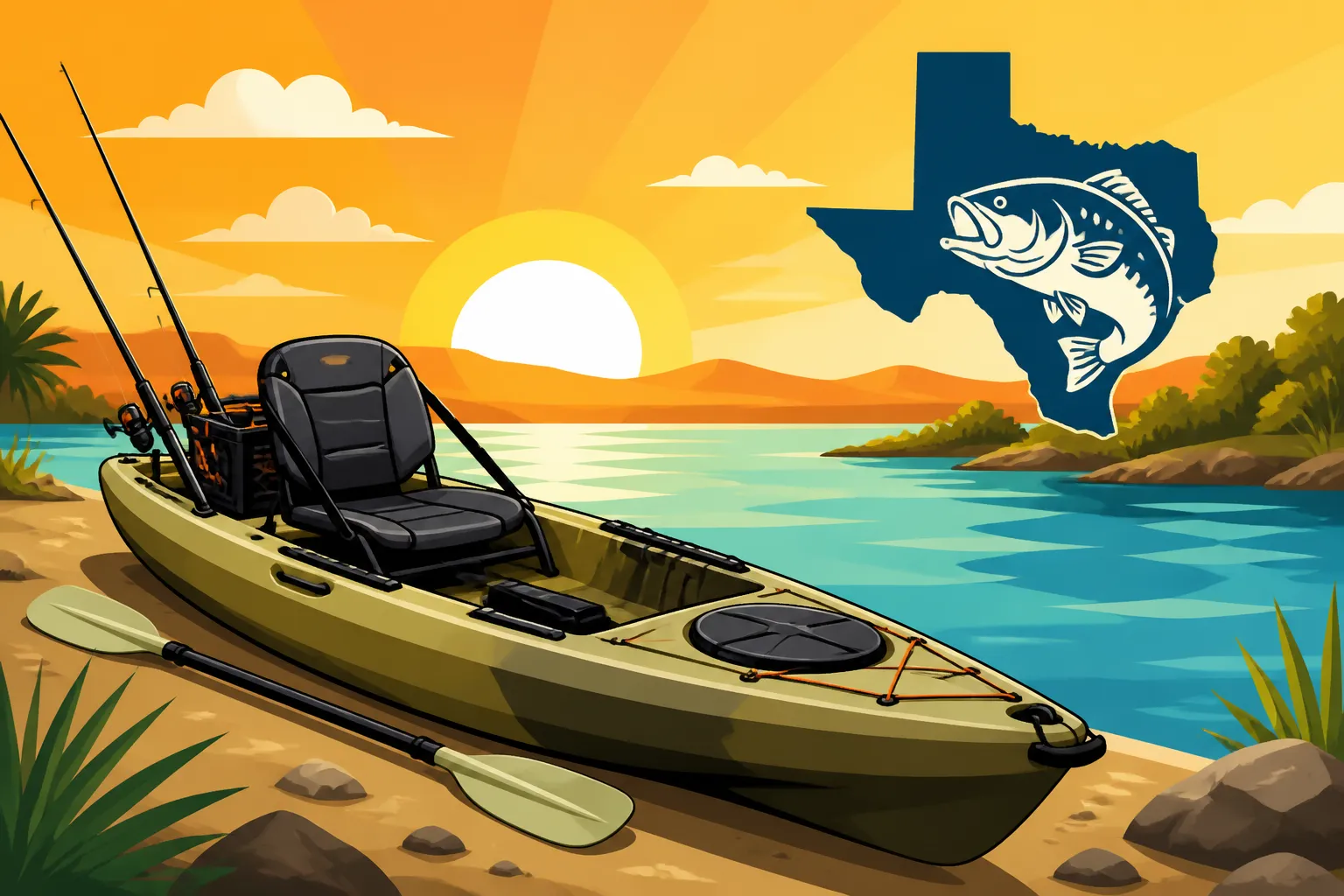
For new kayak anglers, particularly in Texas where we enjoy warm weather for much of the year, sit-on-top (SOT) kayaks are usually the top recommendation. Unlike sit-in kayaks where you're enclosed in the hull, SOTs feature an open deck, making them incredibly easy to get into and out of, even if you accidentally tip over. This self-bailing design means any water that splashes into the boat drains right out through scupper holes, keeping your cockpit dry. This is especially comforting for beginners who might be nervous about capsizing.
SOT fishing kayaks are also typically wider than their sit-in counterparts, which translates directly to enhanced stability. This extra width is fantastic for standing up to sight fish in shallow waters, like chasing redfish in the coastal flats, or just for a quick stretch during a long day of bass fishing on Lake Ray Roberts. Many entry-level SOTs come equipped with molded-in rod holders, ample deck space for tackle, and sometimes even a dedicated scupper hole for a fish finder. Brands like Perception and Pelican offer excellent value in this category, providing durable and feature-rich options that won't strain your wallet. The ease of use, coupled with their inherent stability, makes them a fantastic platform for learning the ropes of kayak fishing. For a deeper dive, check out Sit-on-top vs sit-in kayak for Texas lakes.
Pedal-Drive vs. Paddle-Only: Starting Simple
This is often one of the first big decisions new kayak anglers face, and for an entry-level perspective, "paddle-only" is almost always the smart move. Paddle kayaks are significantly less expensive than pedal-drive models, making them far more accessible for beginners on a budget. They are also generally lighter, which ties back into our earlier discussion about portability and ease of transport. Learning to paddle efficiently is a fundamental skill that all kayak anglers should master, and starting with a paddle-only model forces you to develop this crucial ability.
Pedal-drive kayaks, while offering hands-free propulsion and making long distances or battling wind much easier, come with a much higher price tag and added complexity. They are fantastic for experienced anglers, and something to aspire to, but as an entry-level option, they can be overkill and potentially discourage a new angler due to the upfront cost. Starting with a paddle kayak allows you to invest less initially, learn the basics, and decide if kayak fishing is truly for you before making a more significant financial commitment. You can always upgrade later to a pedal model, like those often found at Bass Pro Shops, once you're hooked and understand what features truly matter to your fishing style. Best pedal kayak for Texas bass fishing is a great resource if you're thinking ahead!
Here's a quick comparison of common entry-level kayak types:
| Kayak Type | Key Advantage | Ideal for | Common Length Range (feet) | Typical Weight Range (lbs) | Entry-Level Price Point |
|---|---|---|---|---|---|
| Sit-on-Top (SOT) | High Stability, Easy Re-entry, Open Deck | All-around fishing, warm weather, beginners, coastal flats | 10-14 | 50-80 | Lower to Mid |
| Recreational Sit-in | Lightweight, Efficient Paddling, Protected | Calm water, touring, less gear, shelter from elements | 8-12 | 35-55 | Lowest |
| Hybrid Kayak/Canoe | More Space, Higher Capacity, Stable | Family outings, larger gear loads, open water | 10-15 | 60-100 | Mid |
Making Your Purchase: Where to Find Your First Fishing Kayak
Finding your first kayak is an exciting step, but it's important to approach the purchase thoughtfully. There are many avenues to explore, and each has its own advantages, especially when you're looking for that perfect blend of quality, affordability, and beginner-friendliness. Remember, the goal is to get you on the water comfortably and confidently, not necessarily with the most expensive or feature-laden boat.
Researching and Testing Before You Buy
Before you commit to a specific model, do your homework. Read reviews from other anglers, watch videos of people using the kayaks you're interested in, and try to find local fishing forums or groups that might offer advice. Kayak anglers are often a passionate and helpful bunch, eager to share their experiences. Pay attention to comments about stability, tracking (how straight the kayak paddles), and comfort. It's especially useful to look for feedback from other Texas anglers, as their experiences in our local waters will be most relevant to you.
Even better than online research is getting hands-on experience. If possible, try to demo a few different kayaks. Some specialty paddle shops offer demo days or rentals where you can try out various models on the water. This is invaluable! Sitting in a kayak in a store is one thing, but actually feeling how it handles, paddles, and whether it's comfortable for your body on the water is completely different. See how easy it is to reach your gear, how much room you have, and how stable it feels when you shift your weight. This step can save you from buyer's remorse later on.
Budgeting for Your First Kayak and Essential Gear
When we talk "entry-level," we're not just talking about the kayak itself. It's crucial to budget for some essential gear right from the start. While your kayak might be the biggest purchase, there are non-negotiables that impact safety, comfort, and the ability to actually fish. A good paddle is paramount; don't skimp here, as a cheap, heavy paddle can quickly lead to fatigue and frustration. Look for a lightweight, adjustable paddle.
Next, a personal flotation device (PFD), or life jacket, is not optional – it's a critical safety item and often required by law. Always wear a PFD designed for paddle sports, as they offer better mobility for paddling and casting. You'll also need a whistle or horn, and a light if you plan to be on the water around dawn or dusk. Other essentials include a small dry bag for your phone and keys, a leash for your paddle, and perhaps a basic anchor system for holding your position in the wind. Many of these items can be found at retailers like Bass Pro Shops or online at Amazon, often in bundles or starter kits that offer good value. Remember to also factor in a fishing license! You'll need one, and understanding Texas Fishing License Cost for Residents and Nonresidents is a good place to start. Getting these foundational items ensures your first trips are safe and enjoyable.
Starting your kayak fishing journey in Texas is an adventure waiting to happen. By focusing on stability, portability, comfort, and a paddle-only, sit-on-top model, you'll be well on your way to discovering hidden coves, reeling in big bass, and enjoying the serene beauty of our state's waterways. It's an accessible, rewarding way to connect with nature and experience fishing like never before. Tight lines, and happy paddling!
Disclaimer
This article is for general informational purposes only and does not constitute professional advice. Laws, prices and regulations vary by location and change over time. Consult a qualified professional for guidance on your specific situation.