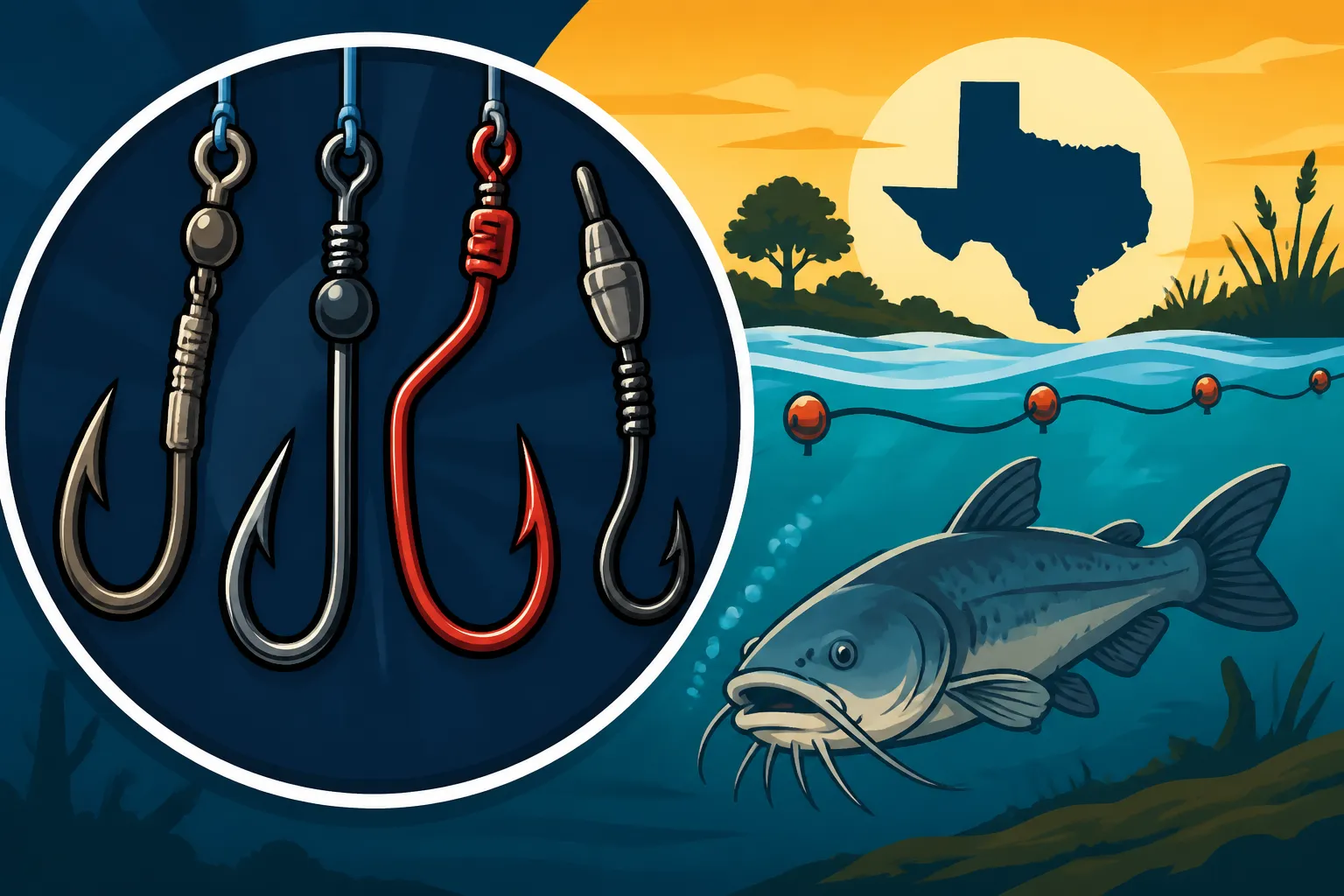
Best Hooks for Texas Trotline Fishing
There's nothing quite like the anticipation of checking a trotline in Texas, hoping for a stringer full of big catfish. But a common frustration many of us face, especially when starting out, is figuring out what hooks are actually best for those lines – not just what works, but what's effective, humane, and legal. This comprehensive guide will walk you through everything you need to know about choosing and rigging the best hooks for your Texas trotlines, ensuring you have a successful and compliant fishing experience.
Understanding Texas Trotline Regulations and Hook Requirements
Before we even talk about specific hooks, it's absolutely crucial to understand the rules. Texas Parks and Wildlife Department (TPWD) has specific regulations for trotlines, and these rules are designed to ensure fair chase, protect fish populations, and prevent unnecessary harm. Trust me, the last thing you want is a citation from a game warden for an illegal setup. It's always best to be informed and compliant.
Legal Hook Types for Trotlines
When it comes to trotlines, not all hooks are created equal in the eyes of the law. Generally, the TPWD regulations are pretty clear: you are allowed to use any type of hook that is legal for general fishing purposes. This primarily means single-point, barbless, or barbed hooks are usually permitted. However, the critical distinction comes with their use and associated restrictions, especially when fishing for certain species or in certain areas. For example, using a treble hook on a trotline is perfectly legal, but if you're targeting fish that are usually caught with single hooks, it might not be the most effective or humane choice.
The real key here is that the hook itself isn't usually the restriction, but rather how many you use and how you set them. It’s important to always double-check the latest TPWD Outdoor Annual for any changes, because regulations can be updated. What was perfectly fine last year might have a slight tweak this year. Thinking about those fine print details can save you a headache and a potential fine. Remember, a legal hook is just the first step; understanding the broader context of Texas Trotline and Jugline Rules is essential.
Hook Spacing and Quantity Limits
This is where many aspiring trotliners can get tripped up. Texas regulations are very specific about the number of hooks you can deploy and how far apart they must be spaced. For a trotline, you're generally limited to no more than 50 hooks per line. This isn't per person, it's per line. So if you and a buddy are running lines together, each individual line cannot exceed that 50-hook limit.
Beyond the quantity, the spacing is equally important. Each hook must be spaced at least 3 feet apart. This spacing isn't just an arbitrary rule; it's designed to reduce the chances of tangling, allow fish to move more freely once hooked, and make it easier for you to manage your line without getting hooks stuck in your arms or other fish. Imagine trying to check a trotline with hooks every foot – it would be a chaotic mess! Proper spacing also helps prevent "snagging" fish, which isn't the intent of trotline fishing. When you're setting up your line, take the time to measure this out properly. I've seen folks use a measuring tape or even just their outstretched arms as a rough guide. It seems tedious, but it makes a huge difference in the long run. Don't forget, these lines also need proper Texas gear tag requirements for trotlines and juglines, so ensure your identification is clearly marked!
Types of Hooks Best Suited for Texas Trotlining
Now that we've covered the legalities, let's dive into the types of hooks that really shine on a Texas trotline. Each has its pros and cons, and understanding them will help you make the best choice for your specific fishing goals.
Circle Hooks: The Game Changer
If there's one hook type that has revolutionized trotline fishing, especially for species like catfish, it's the circle hook. These hooks are designed with the point turned inward, forming a circular or "O" shape. The magic of a circle hook lies in its self-setting nature. When a fish bites and swims away, the hook slides to the corner of its mouth and sets itself without requiring a sharp tug from you. This means fewer gut-hooked fish, higher survival rates for released fish (which is great if you're not keeping every catch), and often, a more secure hookup.
For trotlining, this is a massive advantage. You're not actively holding the rod, so a self-setting hook means fish are more likely to be securely caught by the time you check your line. I've personally switched almost exclusively to circle hooks for my trotlines, especially when targeting blue and channel catfish. The consistency of the hookup is impressive, and it genuinely feels more ethical. You can find excellent quality circle hooks from brands like Bass Pro Shops, often in bulk packs, which is super convenient for trotlining. They come in various sizes, so you can tailor your choice to your target species.
J-Hooks: Traditional but with Considerations
The classic J-hook is what most of us picture when we think of a fishing hook – a simple "J" shape with a straight shank and a barb. These hooks have been a staple for generations of anglers, and they certainly still have their place in trotline fishing. They are widely available, generally more affordable, and come in a vast array of sizes and strengths. Many traditional trotliners still swear by J-hooks, and they can be very effective, particularly if you're running your lines for shorter durations or checking them frequently.
However, there's a trade-off. Unlike circle hooks, J-hooks often require the fish to swallow the bait and the hook before it gets a solid set. This can lead to more deeply-hooked fish, sometimes in the gills or gut, which can be fatal if you intend to release them. If you're using J-hooks, consider going up a size or two to try and prevent deep hooking, especially for smaller bait. Also, if you're not checking your lines every few hours, a fish that's gut-hooked for an extended period is less likely to survive, and it can also become bait for other critters. So while they work, be mindful of the potential impact and adjust your fishing strategy accordingly.
Treble Hooks and Barbed Hooks: When and Where (or not)
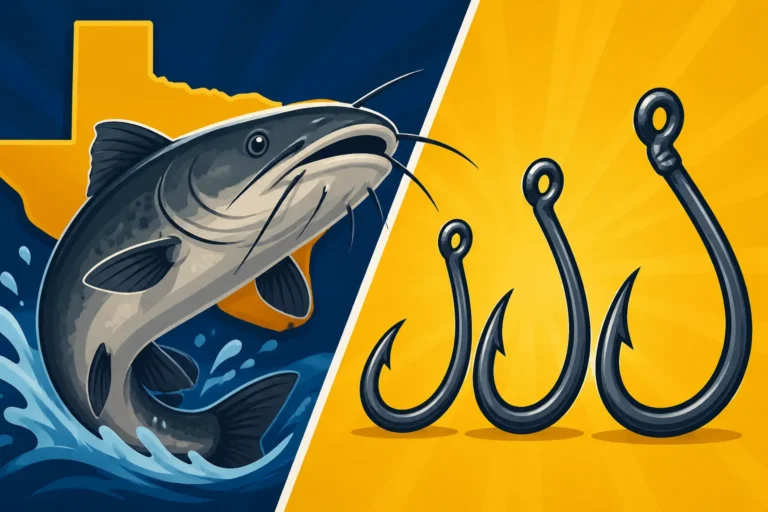
Treble hooks, with their three points, are legal for trotlines in Texas. However, they are rarely the best choice for typical trotline fishing scenarios. Their primary purpose is often for artificial lures where multiple points increase the chance of hooking a striking fish, or for certain types of live bait fishing where you want maximum holding power. For a trotline, especially one left unattended, treble hooks can cause excessive damage to the fish, making release nearly impossible if that's your intention. They also have a higher chance of snagging debris or even tangling your main line. While legal, I generally advise against using treble hooks on trotlines unless you have a very specific application in mind, and even then, carefully weigh the pros and cons.
Barbed hooks, on the other hand, are the standard for most trotline fishing. The barb helps prevent the fish from throwing the hook once it's set. While it's true that barbless hooks are generally more humane and easier to remove, they can also lead to more lost fish on trotlines where there's no immediate tension from an angler. For recreational trotlining where you're keeping your catch, barbed hooks are typically preferred for their holding power. If you are specifically practicing catch-and-release, consider crimping down the barbs on your hooks to make removal easier, or opt for circle hooks which naturally minimize deep hooking. Understanding these nuances helps you be a more responsible angler.
Here's a quick comparison of common hook types for trotlines:
| Hook Type | Pros | Cons | Best For |
|---|---|---|---|
| Circle Hook | Self-setting, higher mouth-hook rate, better for catch & release, secure hold. | Can be more expensive, requires fish to swim away to set. | Catfish (Blue, Channel, Flathead), General Trotlining. |
| J-Hook | Widely available, affordable, versatile. | Higher chance of deep hooking, less secure for unattended lines. | Traditional trotlining, frequent checking, keeping fish. |
| Treble Hook | Multiple points for striking fish. | Excessive damage, difficult removal, higher snag risk, less humane. | Generally NOT recommended for trotlines. |
Factors to Consider When Choosing Trotline Hooks
Selecting the right hook isn't a one-size-fits-all situation. Several factors come into play, and by considering them, you'll be able to optimize your trotline for maximum success and sustainability.
Target Species: Catfish, Gar, or Other
Your primary target species is arguably the most important factor in hook selection. Texas lakes and rivers are home to a diverse range of fish that can be caught on trotlines, but each has different mouth structures and feeding habits.
- Catfish (Blue, Channel, Flathead): This is the bread and butter of Texas trotlining. For these species, circle hooks in sizes 4/0 to 8/0 are often ideal. Channel catfish have smaller mouths, so a 4/0 or 5/0 might be perfect, especially with smaller baits. Blue catfish and flathead catfish, which can grow quite large, will benefit from larger hooks like 6/0, 7/0, or even 8/0, paired with bigger baits like shad or sunfish. The self-setting nature of circle hooks works wonderfully with their feeding style. If you're aiming for a trophy blue cat, a stout 8/0 circle hook is a must. Knowing the typical size and mouth of your Texas Channel Catfish Identification Guide or Texas Blue Catfish Identification Guide can really help.
- Alligator Gar: If you're specifically targeting these prehistoric giants, you'll need hooks that are incredibly strong and resistant to their bony mouths. While some anglers use large J-hooks, many prefer very heavy-duty, strong steel hooks, sometimes even modified with wire leaders. Circle hooks can work, but for gar, often the sheer force and bony plate require specialized gear. Hook sizes can range from 10/0 up to 14/0 or even larger, depending on the size of the gar you anticipate. They're a truly unique challenge, and targeting them often means understanding Texas Alligator Gar Fishing Guide and using appropriate, heavy-duty gear.
- Other Species (e.g., Drum, Buffalo): While less common, other species can occasionally find their way onto a trotline. For something like a freshwater drum or smallmouth buffalo, medium-sized circle hooks (e.g., 2/0 to 4/0) might work, especially with baits like worms or dough balls. However, if these aren't your primary target, focusing on catfish-appropriate hooks will serve you best.
Hook Size and Strength
Matching your hook size to your bait and target fish is crucial. A hook that's too small might get swallowed whole by a large fish, leading to a deep hookup. A hook that's too large might deter smaller fish from biting or make it difficult for any fish to get it in their mouth.
- Size: As a general rule, think about the size of the mouth of the fish you're after and the size of your bait. For typical catfish bait like cut shad or worms, 4/0 to 6/0 circle or J-hooks are a good starting point. If you're using larger live baits like sunfish or perch, jump up to 7/0 or 8/0 to ensure the hook point is exposed and can get a good set.
- Strength: This refers to the gauge or thickness of the wire used to make the hook. You'll often see hooks labeled "1X strong," "2X strong," or even "heavy duty." For trotlining, especially for larger catfish or gar, you want strong hooks. A fish fighting against a trotline can exert a lot of pressure, and a weak hook will straighten out, leading to lost fish. I always opt for at least "2X strong" hooks for my trotlines, preferring reputable brands that ensure quality steel construction. There's nothing worse than pulling up your line only to find a straightened hook where a trophy fish should have been.
Material and Corrosion Resistance
Trotlines spend a lot of time in the water, often for extended periods. This means your hooks are constantly exposed to moisture, and in some brackish river systems or bays, even saltwater. Corrosion is a real enemy of fishing hooks, weakening them and making them dull.
Most quality hooks are made from high-carbon steel, which offers excellent strength and sharpness. However, to combat rust, they are often coated or treated. Look for hooks that are:
- Black Nickel or Bronze Finish: These finishes offer good corrosion resistance for freshwater use. They might eventually show some rust, but they'll hold up well for many trips if cared for.
- Stainless Steel: While often more expensive, stainless steel hooks offer the best corrosion resistance, making them a fantastic choice for trotlines, especially if you plan to leave them deployed for longer periods or fish in areas with higher salinity. They require less maintenance in terms of rust prevention, though they can still dull over time.
Regardless of the material, always give your hooks a good rinse with fresh water after each trip and allow them to air dry completely before storing them. A little bit of Vaseline or a silicone-based lubricant can also help protect them during storage. Investing in good quality, corrosion-resistant hooks from places like Bass Pro Shops or even online through Amazon can save you money in the long run by reducing the need for constant replacements.
Rigging Your Trotline Hooks for Success
Having the right hooks is only half the battle; knowing how to properly rig them to your trotline is equally important. A poorly tied knot or inadequate leader can mean the difference between landing a fish and watching it swim away with your bait.
Proper Knot Tying Techniques
The strength of your entire trotline system is only as strong as its weakest knot. For trotline drops (the lines connecting your hook to the main trotline), you need knots that are strong, reliable, and resistant to slipping under prolonged tension.
- Snell Knot: This is an excellent knot for tying hooks to leaders, especially for circle hooks. It ensures the hook pulls in line with the shank, promoting proper hook set in the corner of the fish's mouth. It's a very strong knot that distributes pressure evenly.
- Palomar Knot: A highly popular and very strong knot for attaching hooks (and swivels) to line. It's relatively easy to tie, even in low light conditions, and boasts nearly 100% breaking strength retention. I use Palomar knots extensively for my main line connections and for attaching swivels.
- Uni Knot (Grinner Knot): Another versatile and strong knot that can be used for hooks, swivels, and even for joining two lines. It's known for its reliability and adjustability.
Always moisten your knots with saliva before cinching them down tightly. This reduces friction and heat, preventing weakening of the line. Practice these knots at home until you can tie them confidently and quickly. A knot that comes undone means a lost fish and potentially a lost hook and leader. Remember, the goal is to make a robust connection that can withstand the fight of a powerful catfish or gar. You can find many great video tutorials online, and a quick search will show you exactly how to tie a How to tie a Texas rig or other essential knots for fishing.
Leaders and Swivels: Essential Components
Your trotline isn't just a main line with hooks directly attached. Incorporating leaders and swivels is crucial for both functionality and success.
- Leaders (Gangions): These are the short lengths of line that connect your hook to the main trotline. They should be strong, abrasion-resistant, and slightly lighter breaking strength than your main trotline. This way, if a hook gets badly snagged, you might only lose the leader and hook, not the entire main line.
- Material: Monofilament leaders are common, offering good abrasion resistance and knot strength. However, for targeting toothy critters like alligator gar, you'll absolutely need steel leaders or heavy mono (e.g., 100+ lb test) to prevent bite-offs.
- Length: Leaders should be long enough to allow the bait to present naturally but short enough to prevent excessive tangling with other hooks or the main line. Typically, 12-24 inches is a good range. The 3-foot spacing rule applies to the hooks, not the leaders, so make sure your leader length doesn't allow hooks to come closer than 3 feet.
- Swivels: These are small, rotating connectors that prevent line twist. When a fish gets hooked and thrashes or spins, a swivel allows the leader to rotate independently, preventing your main line from twisting into a tangled mess.
- Type: Barrel swivels are standard, but heavy-duty ball bearing swivels offer superior rotation and strength, especially for larger fish.
- Placement: A swivel should be used at the connection point between your leader and the main trotline. This allows the leader to spin freely, protecting your main line and making it harder for fish to throw the hook by twisting.
The combination of a strong leader and a smooth-operating swivel creates a resilient connection that can handle the power of a hooked fish. Don't skimp on these components; they are often the weakest link if you choose poor quality.
Baiting Your Hooks Effectively
Even the best hooks won't catch fish if they're not baited properly. The goal is to present your bait in a way that is attractive to the fish and allows the hook to set effectively.
- Expose the Hook Point: This is critical, especially with circle hooks. When baiting a circle hook, thread the bait onto the shank so that the point and barb are completely exposed. If the hook point is buried in the bait, it can't grab hold of the fish's mouth. With J-hooks, ensure enough of the point is exposed to penetrate.
- Fresh Bait is Best: Catfish are primarily scavengers, but they are also attracted to fresh, oily baits. Cut shad, carp, perch, or even chicken liver are popular choices. The fresher and smellier, the better! Old, dried-out bait is less effective.
- Secure the Bait: You want your bait to stay on the hook, even if a small fish nibbles at it or the current pulls on it. For cut bait, threading the hook through the skin multiple times can help secure it. For softer baits like chicken liver, consider using a bait holder hook (a J-hook with small barbs on the shank) or tying the liver to the hook with a bit of thread or elastic bait wraps.
- Vary Your Bait: If you're not sure what the fish are biting on, try baiting different hooks with different types of bait. One section of your trotline might have cut shad, another chicken liver, and another some prepared stink bait. This can help you identify what's most effective on a given day in a particular body of water.
Remember, the goal is to tempt the fish into taking the hook. A well-presented, fresh bait on a correctly exposed hook dramatically increases your chances of a successful catch. To learn more about common baits, check out Best Bait and Lures for Texas Fishing or even Best Catfish Bait for Texas Lakes.
Maintenance and Storage of Trotline Hooks
You've invested time and effort into choosing and rigging your trotline hooks, so don't let them go to waste by neglecting proper care. Good maintenance ensures your hooks remain sharp, strong, and ready for your next fishing adventure.
Cleaning and Rust Prevention
Hooks, especially those made of high-carbon steel, are susceptible to rust if not properly maintained. Rust weakens the metal and dulls the point, making hooks less effective and more prone to breaking.
- Rinse Immediately: As soon as you're done fishing, rinse all your hooks and leaders with fresh water. This is especially important if you've been fishing in saltwater or brackish environments, as salt accelerates corrosion. Even freshwater has minerals that can contribute to rust.
- Dry Thoroughly: After rinsing, spread your hooks out on a towel or hang them to air dry completely. Don't store them wet in a tackle box, as this creates a perfect environment for rust to form quickly.
- Apply a Protective Coating: Once dry, you can apply a thin layer of oil (like mineral oil or even WD-40) or a silicone-based spray to your hooks. This creates a barrier against moisture. Some anglers even keep a small container of cornstarch or baking soda in their tackle box, which can help absorb moisture. For smaller hooks, a light spray from a product like Boeshield T-9, often available at Bass Pro Shops or Amazon, can work wonders for long-term storage.
Taking these steps after each trip might seem like a chore, but it will significantly extend the life of your hooks and ensure they perform optimally every time you hit the water. It's much cheaper and less frustrating than constantly replacing rusty hooks.
Sharpening and Inspection
Even the best hooks will lose their razor-sharp edge over time, especially after catching a few fish or dragging along the bottom. A dull hook is a missed opportunity, as it won't penetrate a fish's mouth as easily.
- Check the Point: Before each outing, take a moment to inspect every hook. Run the point lightly across your thumbnail. If it slides smoothly, it's dull. If it digs in and catches, it's sharp. This simple test is a reliable indicator.
- Use a Hook Sharpener: A small, fine-grit hook sharpener is an essential tool for any serious angler. These are inexpensive and can quickly restore a keen edge. Use short, even strokes, filing towards the point on all sides until it's sharp again. Be careful not to change the angle of the hook point too drastically.
- Inspect for Damage: Beyond sharpness, look for any signs of damage. Are the hook points bent or chipped? Is the shank straightened? Are there any cracks or severe signs of corrosion that indicate structural weakness? If a hook is severely bent or compromised, it's best to discard it and replace it. A weak hook can break under pressure, leading to a lost fish and a lot of disappointment.
Regular inspection and sharpening not only improve your hook's effectiveness but also help prevent unnecessary harm to fish by ensuring a clean, quick hook set.
Safe Storage Practices
Proper storage is key to both preserving your hooks and keeping yourself safe from their sharp points.
- Organized Tackle Box: Keep your hooks organized in a tackle box or specialized hook storage containers. This prevents them from rattling around, becoming dull, or tangling with other gear. Using small, compartmentalized boxes helps separate different sizes and types of hooks, making it easier to find what you need.
- Avoid Humidity: Store your tackle box in a dry, cool place away from extreme temperature fluctuations and high humidity. A garage that gets damp often isn't the best spot. An indoor closet or dedicated tackle cabinet is usually better.
- Protect Your Fingers: Always handle hooks with care. When removing them from storage or rigging, be mindful of where the point is. Store larger hooks with individual point protectors if available, or secure them in foam inserts within your tackle box. Trotline hooks, especially the larger sizes, can cause a nasty puncture wound if you're not careful. This kind of thoughtful handling applies to all your gear, including your Best Rods for Texas Catfish Fishing and other valuable equipment.
By diligently following these maintenance and storage tips, you'll ensure your trotline hooks are always in prime condition, ready to help you land that next big Texas catfish or gar.
Disclaimer
This article is for general informational purposes only and does not constitute professional advice. Laws, prices and regulations vary by location and change over time. Consult a qualified professional for guidance on your specific situation.