Do you need a life jacket for every passenger in Texas?
It’s a beautiful day out on a Texas lake or bay, the sun is shining, and the fish are biting. You’ve got your rods, your bait, maybe even some snacks and drinks. But then a thought pops into your head: "Do I have enough life jackets? And does everyone actually need to wear one?" It’s a common moment of uncertainty for many Texas anglers and boaters, and honestly, the rules can feel a little murky sometimes. You want to stay safe and legal, but deciphering the precise requirements for every passenger can be a real headache. This guide is here to untangle those knots, clarifying exactly when and where life jackets are mandatory in Texas waters, so you can enjoy your time on the water with confidence.
Understanding Texas Life Jacket Laws: The Basics
Navigating the waters of Texas comes with a responsibility to understand and abide by its boating safety laws, and perhaps none are more critical than those concerning personal flotation devices, or PFDs – what most of us simply call life jackets. It's not just a suggestion; it's a legal requirement designed to save lives, and the rules are quite specific, aiming to cover almost every scenario you might encounter on the vast and varied waterways of our great state. For a complete picture of general boating regulations, you might want to check out Texas Boat Safety Equipment Requirements.
The "Wear It!" Principle
At its core, Texas law, mirroring federal regulations, operates on a "wear it!" principle, especially for certain age groups and vessel types. This isn't about having a life jacket stashed away in a compartment; it's about having it on and properly fastened. Think about it: if an unexpected capsize or fall overboard happens, you won't have time to retrieve a life jacket, put it on, and secure it. Those precious seconds could be the difference between a minor scare and a tragic incident. The law recognizes this critical timing.
This means that for some, the life jacket isn't just a piece of safety equipment; it's part of the essential attire for being on the water. It’s a proactive measure, not a reactive one. The law is designed to eliminate that "what if" moment and ensure immediate flotation when it matters most. It's a testament to the idea that prevention is always better than a rescue.
Sizing and Fit Matters
A life jacket is only effective if it fits properly. This isn't just a matter of comfort; it's a matter of buoyancy and keeping a person's head above water. An adult-sized life jacket won't do much good for a small child, and conversely, a child's vest might not provide enough flotation for an adult. The law emphasizes US Coast Guard (USCG) approved PFDs, and part of that approval process involves specific weight and chest size ranges for each device.
When you're outfitting yourself or your passengers, take the time to check the label. It will clearly indicate the weight range and sometimes chest measurements for which the PFD is designed. A properly fitted life jacket should feel snug but not restrictive. You should be able to lift it by the shoulders and it shouldn't ride up over the ears. If it does, it's too big, or it's not adjusted correctly. Taking a few moments to ensure a good fit before hitting the water can dramatically increase its effectiveness in an emergency.
Types of Life Jackets and Their Approval
Not all life jackets are created equal, and understanding the different types of USCG-approved PFDs can help you choose the right one for your specific activity. Texas law generally requires USCG-approved PFDs, and these typically fall into various "Types." While the exact "Type" isn't always specified in Texas law for general wear, understanding them helps you select the best option.
For example, Type I PFDs are designed for offshore use, offering maximum buoyancy and turning an unconscious person face-up in the water. Type II are for nearshore, calmer waters, providing good buoyancy but might not always turn an unconscious person. Type III are often worn for watersports, providing comfort and allowing for active movement, but also may not turn an unconscious person. Lastly, Type V are special-use devices, like those built into fishing vests or designed for specific activities like kayaking. All these types must be in serviceable condition, meaning no rips, tears, or broken straps, and must fit the intended wearer. Choosing the right type for your activity, whether you're leisurely cruising on a lake or Best Kayaks for Texas Fishing, ensures both compliance and appropriate safety.
Specific Scenarios: Who Needs to Wear One and When?
The blanket statement that everyone needs a life jacket isn't quite accurate in Texas. The regulations are nuanced, often depending on the age of the person, the type of vessel they're on, and the activity they're engaged in. It’s these specifics that often trip people up, leading to confusion or, worse, unintended non-compliance.
Children Under 13: A Non-Negotiable Rule
This is perhaps the most critical and least flexible rule: Any child under 13 years of age must wear a USCG-approved PFD while on board any vessel under 26 feet in length, including kayaks, canoes, and stand-up paddleboards, while the vessel is underway. "Underway" means not at anchor, moored, or aground. If you're drifting, paddling, or being propelled by a motor, children under 13 must have their life jacket on.
This rule is a cornerstone of child safety on Texas waters. Small children, even those who can swim, are highly vulnerable in a boating accident. A sudden jolt, a capsize, or an unexpected fall can disorient them, and having a properly fitted PFD on can be a literal lifesaver. As a parent or guardian, ensuring your child is wearing their life jacket correctly is your absolute top priority before setting foot on the water. This also means making sure the PFD is not just any old vest, but one specifically designed for children, fitting their weight and size comfortably. It might sometimes feel like a hassle, especially if kids complain, but it's a non-negotiable safety standard that protects our youngest adventurers.
Paddlecraft, PWCs, and Towed Sports
The rules extend beyond traditional motorboats to cover a variety of popular water activities in Texas. If you're enjoying the serenity of paddling or the thrill of towed sports, life jackets are definitely part of the package.
For anyone on a kayak, canoe, stand-up paddleboard (SUP), or any other paddlecraft, a USCG-approved PFD must be on board for each person. This means if you're paddling solo in a canoe, you need one PFD with you. However, there's a crucial distinction: for these paddlecraft, if you are actively paddling or operating the vessel, it is highly recommended, and in some situations, practically mandatory for your own safety, to wear it. While the letter of the law for adults on paddlecraft might allow simply having it on board, logic dictates that you should be wearing it. If you capsize in a kayak in swift current or cold water, you won't have time to retrieve a stowed PFD. This is particularly true in areas like the Guadalupe River during trout season, where the water is cold and currents can be strong.
If you're operating or riding a Personal Watercraft (PWC), like a Jet Ski or WaveRunner, everyone on board must wear a USCG-approved PFD. This rule is absolute, regardless of age or swimming ability. PWCs are nimble and fast, and sudden maneuvers or collisions are a real possibility. A PFD ensures immediate flotation if you're thrown from the craft.
Similarly, for anyone being towed behind a boat (water skiing, wakeboarding, tubing, etc.), a USCG-approved PFD must be worn. The forces involved in these activities mean that if you fall, you'll hit the water at speed, and immediate flotation is paramount. These activities carry inherent risks, and wearing a PFD significantly mitigates one of the most serious: drowning.
Boats Over 16 Feet: Easily Accessible is Key
For vessels 16 feet in length or longer, the requirements shift slightly for adult passengers. While children under 13 still must wear their PFDs as mentioned earlier, adults on these larger boats are not legally required to wear their life jackets at all times. However, there's a vital stipulation: there must be one USCG-approved PFD readily accessible for every person on board.
"Readily accessible" is the key phrase here. It doesn't mean buried under a pile of gear in a locker or stuffed deep inside the anchor compartment. It means you should be able to get to it quickly and easily in an emergency. Think of it like this: if your boat takes on water rapidly, or someone unexpectedly goes overboard, you need to be able to grab a life jacket within seconds. Storing them in plain sight, in designated PFD bags, or in open storage compartments meets this requirement. It's also required to have at least one throwable flotation device (like a ring buoy or seat cushion) on board for these larger vessels, again, easily accessible. This throwable device is for someone who has fallen overboard and needs immediate flotation while the boat maneuvers to pick them up. This rule applies whether you're cruising on a big lake or heading out into the Gulf for some Best Boats for Texas Saltwater Fishing.
Choosing the Right Life Jacket for Your Texas Adventures
When it comes to life jackets, it's not just about compliance; it's about comfort and ensuring people actually want to wear them. A life jacket that's uncomfortable or ill-fitting is less likely to be worn, thereby defeating its very purpose.
Comfort and Compliance Go Hand-in-Hand
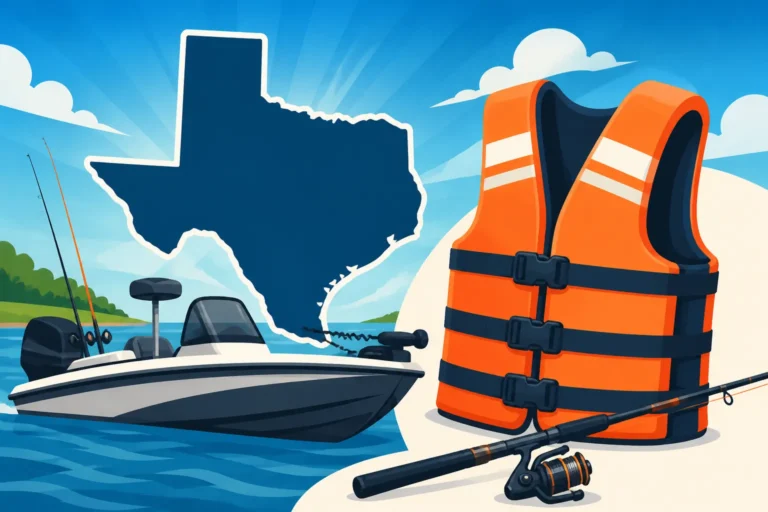
Modern life jackets have come a long way from the bulky, orange foam blocks of yesteryear. Today, you can find a wide array of designs that offer comfort, mobility, and even style, without sacrificing safety. For instance, inflatable PFDs are incredibly popular among adults who want minimal bulk. These devices inflate automatically upon immersion in water or can be manually inflated. They are very comfortable for activities like fishing, where freedom of movement is crucial. However, it's important to note that most inflatable PFDs are not approved for persons under 16 years of age or for use on personal watercraft.
When choosing a life jacket, consider the activity. If you're doing a lot of casting for bass, a vest-style PFD that allows for full range of arm motion is ideal. If you're just cruising, a more relaxed jacket might suffice. For younger children, look for PFDs with a head support pillow to keep their head above water and a crotch strap to prevent the jacket from riding up. Ensuring a proper fit means trying it on and adjusting all straps. A comfortable PFD is one that people will wear without complaint, significantly increasing safety for everyone on board.
Where to Find Approved Life Jackets
Finding USCG-approved life jackets is generally quite easy in Texas. Most major sporting goods stores, marine supply stores, and even many large retailers carry a wide selection. Stores like Bass Pro Shops are excellent resources, offering a vast inventory of PFDs for all ages and activities, from basic vests to specialized inflatable models. Their staff are usually knowledgeable and can help ensure you get the right fit.
Online retailers also offer a huge selection. Amazon, for example, has countless options from various brands, often with detailed descriptions and customer reviews to help you make an informed choice. When shopping online, always double-check for the USCG approval stamp and make sure you're selecting the correct size and type for your needs. It’s also wise to check the return policy, just in case the fit isn't quite right once it arrives. Remember, investing in good, comfortable life jackets is investing in the safety and enjoyment of your time on the water.
Maintenance and Inspection: Keeping Them Safe
A life jacket isn't a "set it and forget it" piece of gear. Over time, exposure to sun, saltwater, and general wear and tear can compromise its effectiveness. Regular maintenance and inspection are crucial to ensure your PFDs remain in serviceable condition, which is a legal requirement in Texas.
Before each outing, give every life jacket a quick once-over. Check for tears in the fabric, especially around the seams and straps. Ensure all buckles, zippers, and straps are in good working order and securely fastened. The flotation material inside should still be supple and not compressed or waterlogged. If a PFD is looking faded, brittle, or has lost its buoyancy, it's time to replace it. For inflatable PFDs, check the CO2 cylinder to ensure it's charged and ready, and periodically perform a manual inflation test according to the manufacturer's instructions. Proper storage, away from direct sunlight and extreme temperatures, will also extend the life of your PFDs. For more on general boat safety, you may want to read Texas Boat Safety Inspection Checklist.
Common Misconceptions and Penalties
Even with the best intentions, misconceptions about life jacket requirements can lead to dangerous situations and unwanted legal trouble. Clearing up these misunderstandings is crucial for safe and compliant boating in Texas.
"Just Having Them On Board is Enough" Myth
This is one of the most pervasive myths when it comes to life jacket rules, and it’s a dangerous one. As we've discussed, while having PFDs on board is a requirement for certain vessels and situations (like for adults on boats 16 feet or longer), it is absolutely not sufficient for everyone, everywhere. Children under 13, individuals on PWCs, and those being towed all have a strict "wear it" mandate.
The thought process behind the myth is understandable: "I'm a good swimmer, I'll put it on if I need it." But emergencies on the water happen fast. A rogue wave, a sudden collision, or an unexpected mechanical failure can send you into the water before you have a chance to react. If you're unconscious, injured, or disoriented, an un-worn life jacket is completely useless. The law's specific "wear it" requirements are designed to eliminate that dangerous gap in response time. It's a proactive measure that recognizes the unpredictable nature of open water.
What Happens If You're Caught Without Proper PFDs
Texas Parks and Wildlife Department (TPWD) game wardens and other law enforcement officials actively patrol Texas waterways to ensure boater safety and compliance. If you are caught operating a vessel without the legally required PFDs, or with improperly worn PFDs for those mandated to wear them, you can face consequences.
Typically, this will result in a citation or a fine. The exact amount of the fine can vary, and repeated offenses can lead to higher penalties. More importantly than the financial penalty, being caught without proper PFDs highlights a significant safety risk. Game wardens are there to enforce safety, and they take these violations seriously because of the potential for tragic outcomes. Beyond the legal ramifications, failing to have proper PFDs means you are putting yourself, your passengers, and especially any children, at unnecessary risk. Nobody wants to see their fun day on the water turn into a stressful encounter with law enforcement or, far worse, a preventable accident. It's always best to be over-prepared and compliant. You might also be interested in other boating rules, such as Texas Boat Title and Renewal Rules or if you need a specific license like the Texas All-Water Fishing License Explained.
When planning your next fishing trip or family outing, whether it's exploring Best Bass Lakes in Texas or enjoying the Best Texas Gulf Coast Fishing Spots, make sure life jacket safety is at the top of your checklist. It's a simple step that provides immense peace of mind and, most importantly, protects lives. For further guidance on general boating safety education, consider reviewing Do you need a boater education card? or Who needs a boater education certificate in Texas.
Disclaimer
This article is for general informational purposes only and does not constitute professional advice. Laws, prices and regulations vary by location and change over time. Consult a qualified professional for guidance on your specific situation.