Best pliers for removing hooks from gar
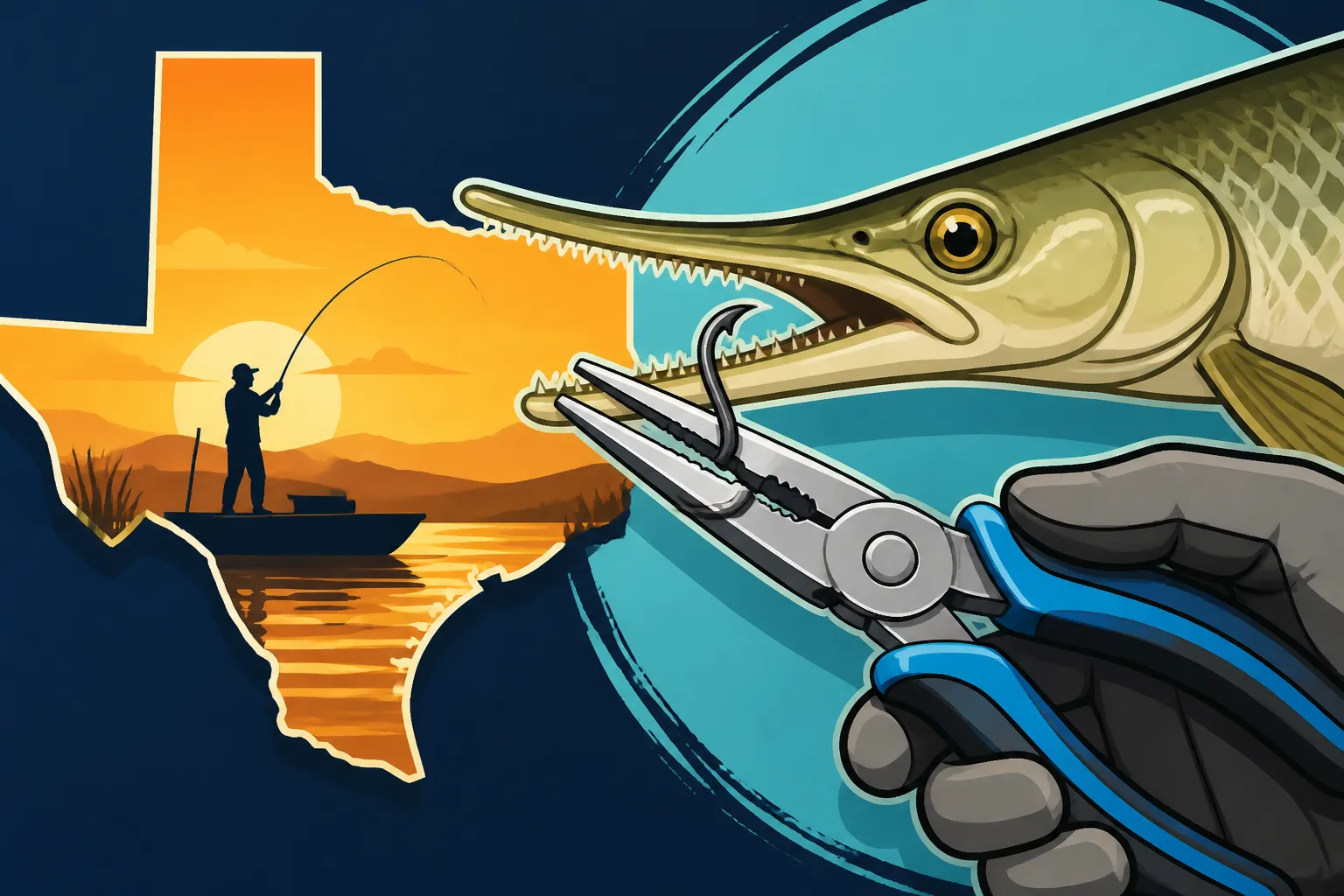
There's nothing quite like the thrill of hooking into a powerful Texas gar, whether it's a hard-fighting longnose or a monstrous alligator gar. But once you've reeled in one of these prehistoric beauties, you quickly run into a common problem: those bony jaws and sharp teeth make hook removal a serious challenge. Trying to get a hook out of a gar's mouth with the wrong tools isn't just frustrating; it can be dangerous for you and incredibly stressful for the fish. This guide is all about helping you find the absolute best pliers for removing hooks from gar, ensuring a safer and smoother release every time.
The Unique Challenge of Gar: Why Regular Pliers Fall Short
Gar aren't like your average bass or catfish. Their mouths are truly unique, built for their predatory lifestyle. Most species, especially the longnose and shortnose gar, have long, slender snouts packed with rows of razor-sharp, needle-like teeth. Alligator gar have broader, powerful jaws with a mix of pointed teeth and crushing plates. This distinct anatomy presents several hurdles when it comes to hook removal that your everyday fishing pliers just aren't designed to handle.
First off, the sheer hardness of their bony mouths can make it difficult to get a good purchase with standard pliers. The hook might be lodged firmly in cartilage or bone, requiring significant leverage and a robust tool. Many anglers have bent or even broken lesser pliers trying to extract a stubborn hook. Then there are those teeth! Regular pliers often force your hand too close to those sharp dangers, making the process risky. You need length, strength, and precision that a cheap pair of hardware store pliers simply can't offer.
Another common frustration is slipping. When a gar thrashes, as they often do when landed, it's easy for standard plier jaws to slip off the hook, prolonging the struggle for both you and the fish. This increased handling time puts more stress on the gar and heightens the chance of injury to the fish or the angler. If you've ever spent five minutes wrestling a gar with inadequate tools, trying to get a treble hook out while it snaps and rolls, you know exactly what I'm talking about. It's not a fun experience for anyone involved. That's why having the right specialized tool is so important for targeting these incredible Texas fish. Texas Alligator Gar Fishing Guide can tell you more about these fascinating creatures.
Essential Features for Gar Hook Removal Pliers
When you're out there on a Texas lake or river, facing down a gar with a deeply set hook, you want pliers that are up to the task. It's not just about having any pliers; it's about having the right pliers. Let's break down the critical features that make a pair of pliers excellent for safely and efficiently removing hooks from gar.
Length and Reach for Safety
This is arguably the most crucial feature for gar pliers. You want long-nose pliers, and I mean really long. Think 9 to 12 inches, or even longer for big alligator gar. The extended reach keeps your hands and fingers a safe distance from those rows of sharp teeth. Trying to get a small pair of pliers into a gar's mouth is just asking for trouble.
Longer pliers also provide better leverage. When a hook is buried deep or in tough cartilage, a longer handle gives you more mechanical advantage to twist and pull the hook free without excessive force. Imagine trying to loosen a tight bolt with a small wrench versus a long one – it's the same principle. This extra length also helps you reach hooks that might be set further back in the gar's mouth, making an otherwise impossible removal much more manageable.
Strength and Durability
Gar are tough, and their mouths are tougher. Your pliers need to match that strength. Look for pliers made from high-quality materials that won't bend, flex, or break under pressure.
- Materials: Stainless steel is a popular choice for its corrosion resistance, especially important if you're fishing saltwater areas or simply want your tools to last. High-carbon steel is also excellent for strength but requires more diligent care to prevent rust. Aluminum pliers are lighter but generally not as robust for extreme applications unless they are a very thick, high-grade aluminum. No matter the material, ensure it's heavy-duty.
- Joints and Rivets: A weak joint will compromise the entire tool. Look for strong, tight pivot points that don't wiggle or feel loose. A solid, well-constructed pivot ensures consistent force transmission and a longer lifespan for your pliers. You don't want them wobbling when you're trying to extract a stubborn hook.
- Jaw Thickness: The jaws themselves should be stout. Thin, flimsy jaws will flex and twist, losing their grip on the hook and potentially causing more damage to the fish. Thick, reinforced jaws will hold strong.
Jaw Design for Optimal Grip
The shape and texture of the plier jaws play a huge role in their effectiveness.
- Serrated Jaws: Absolutely essential for gar. The textured surface provides a much better grip on the hook, preventing slippage, especially if the hook is wet or slimy. Without serrations, the hook will just slide around, making removal frustrating and inefficient.
- Needle-Nose or Straight: Both styles have their merits. Long needle-nose pliers are great for precision, getting into tight spots, and manipulating smaller hooks. Straight-jaw pliers, often a bit more robust, can offer a stronger, more direct grip on larger hooks or when you need brute force. Some anglers prefer a slightly angled jaw to help with different hook angles.
- Spring-Loaded: While not strictly necessary, a spring-loaded design can be a nice ergonomic feature. It keeps the jaws open, ready for action, and reduces hand fatigue during multiple hook removals or during a long day of fishing. This can be especially helpful if you're battling a particularly feisty gar.
Handle Ergonomics and Grip
Even the strongest pliers are useless if you can't hold onto them.
- Comfortable Grip: Padded or ergonomically shaped handles reduce hand strain and provide a more secure grip. You might be applying significant force, so comfort is key.
- Non-Slip Material: Rubberized or textured grips are important, particularly when your hands are wet, slimy, or covered in fish scales. Losing your grip on a thrashing gar with pliers in hand is a scenario you definitely want to avoid. Look for grips that inspire confidence, even in less-than-ideal conditions.
Many reputable outdoor retailers like Bass Pro Shops carry a wide array of heavy-duty pliers suitable for challenging species like gar, offering various lengths and materials. You can also find a vast selection of different brands and styles on Amazon, often with customer reviews that can give you real-world insights into their performance on tough fish.
Recommended Pliers Types for Texas Gar Anglers
Given the specific challenges of gar fishing in Texas, certain types of pliers stand out above the rest. It’s about matching the tool to the task, and for gar, that task demands robust, long, and grippy implements.
Heavy-Duty Long Needle-Nose Pliers
These are often the go-to choice for many serious gar anglers, particularly for smaller to medium-sized gar like longnose or shortnose. Their extended length, typically ranging from 9 to 12 inches, is fantastic for keeping your hands far away from those rows of needle-sharp teeth. The narrow, pointed jaws are excellent for precision work, allowing you to carefully maneuver around teeth and bones to get a solid grip on the hook's bend.
The key here is "heavy-duty." Don't just grab any old long needle-nose pliers from your toolbox. You need ones specifically designed for fishing, with strong, hardened steel or stainless steel construction and deeply serrated jaws. Cheap models will twist, bend, or lose their tips when trying to get a hook out of a gar's bony mouth. A quality pair will feel solid in your hand, giving you the confidence to apply the necessary force. They’re great for reaching hooks set near the front of the jaw or slightly to the side, where precision is more important than brute force. If you're planning a trip to target these fish, check out How to Catch Gar in Texas for more tips.
Straight-Jaw or Hybrid Pliers with Enhanced Grip
For larger gar, especially big alligator gar where hooks can be deeply embedded or require serious leverage, straight-jaw pliers or hybrid designs offering a wider, stronger grip can be incredibly effective. While they might lack the pinpoint precision of needle-nose pliers, their beefier construction and broader jaw surface provide superior holding power on thicker hooks.
Some models combine the best of both worlds, offering a long reach with a slightly wider, more robust jaw that tapers to a finer point. These hybrid designs are often spring-loaded and feature aggressive serrations, making them excellent for a variety of hook sizes and depths. These pliers excel when the hook is set in a tougher part of the jaw or when you need to really pull and twist a larger hook free. They reduce the risk of the pliers slipping off the hook mid-extraction, which is a major benefit when dealing with a powerful, thrashing fish.
Comparison of Pliers Features for Gar Fishing
| Feature | Standard Fishing Pliers (e.g., for Bass) | Heavy-Duty Long Needle-Nose Pliers | Straight-Jaw/Hybrid Gar Pliers |
|---|---|---|---|
| Length | Short (6-8 inches) | Long (9-12+ inches) | Long (9-12+ inches) |
| Material | Often aluminum or lighter stainless | Robust stainless or high-carbon steel | Very robust stainless or high-carbon steel |
| Jaw Design | Light serration, sometimes smooth | Deeply serrated, narrow tip | Deeply serrated, wider, stronger grip |
| Durability | Good for soft-mouthed fish | Excellent for bony mouths | Superior for tough, deep hooks |
| Reach | Limited, puts hands close to teeth | Excellent, keeps hands safe | Excellent, keeps hands safe |
| Precision | Moderate | High | Moderate to High |
| Leverage | Low | High | High |
| Best Use | Small hooks, soft-mouthed fish | Most gar species, precise extraction | Large gar, deeply set hooks, maximum grip |
When making your choice, consider the size of gar you typically target. If you're frequently after monster alligator gar, prioritizing strength and leverage with a straight-jaw or hybrid option might be wise. If longnose gar are your main quarry, heavy-duty long needle-nose pliers often provide the perfect balance of reach and precision. Don't underestimate the value of a quality pair of pliers; they are an investment in both your safety and the welfare of the fish.
Mastering the Art of Safe Gar Hook Removal
Having the best pliers is only half the battle; knowing how to use them safely and effectively for gar hook removal is equally important. Gar, especially the larger ones, can be quite a handful, and a careful approach protects both you and the fish. Texas Alligator Gar Size and Growth shows just how large these fish can get, necessitating careful handling.
Securing the Gar Properly
Before you even think about reaching for the pliers, you need to immobilize the gar as best as possible. This is where a good set of lip grippers or a sturdy pair of fishing gloves can be invaluable.
- Lip Grippers: For most gar species (excluding the very largest alligator gar where this might not be practical or safe), a reliable set of lip grippers can help you control the fish's head and keep its body from thrashing wildly.
- Gloves: Heavy-duty, puncture-resistant fishing gloves are a must. They protect your hands from those sharp teeth and offer a better grip on the slippery scales. Even with long pliers, a sudden head shake could bring those jaws uncomfortably close.
- Minimize Movement: If you're on a boat, a wet mat can help reduce the gar's ability to slide and thrash. If you're on the bank, try to pin the fish down gently with your knee, covering its eyes to calm it if possible, while an assistant holds its tail. The less the fish moves, the safer and quicker the hook removal will be.
The Right Technique for Extraction
Once the gar is secure, approach the hook removal calmly and deliberately.
- Locate the Hook: Carefully assess where the hook is set. Gar often get hooked in the bony plate near the mouth, which can make things tricky.
- Grip the Hook Shank: Use your long pliers to get a firm, solid grip on the bend or shank of the hook. Avoid grabbing the point if possible, as it could slip or damage the pliers. The serrated jaws will really shine here, preventing slippage.
- Twist, Don't Pull Straight: Instead of simply pulling straight back, which can cause more damage, try to gently twist and back the hook out along the path it went in. This reduces tearing and makes for a cleaner extraction. With single hooks, a quick twist can often free them. For treble hooks, you might need to address one point at a time.
- Protect Yourself: Always be mindful of the gar's head and mouth. Keep your face clear, and never put your fingers inside its mouth. Even after the hook is out, gar can still snap.
Knowing When to Cut Your Line
Sometimes, despite your best efforts and the best pliers, a hook is just too deeply set, or the gar is too agitated to safely remove it. In these situations, the kindest and safest thing you can do is cut the line as close to the hook as possible.
While it's never ideal to leave a hook in a fish, deeply embedded hooks that require excessive force to remove often cause more trauma and can jeopardize the fish's survival. A small, stainless steel hook, especially if it's not a treble hook, will often rust out or be shed by the fish over time. It's a judgment call, but if you're struggling for more than a minute or two, or if the hook is in a vital area, cut the line. Always carry a good pair of line cutters on your person or attached to your pliers.
Swift and Gentle Release
Once the hook is removed (or the line is cut), get the gar back into the water as quickly and gently as possible. Support its body, especially if it’s a large specimen, and hold it upright in the water until it regains its strength and swims off under its own power. A quick, efficient hook removal process minimizes stress and gives the gar the best chance of survival. Learning about other Texas fish, like those covered in Texas Catfish Species Guide, will also highlight the importance of proper handling for release.
Remember, fishing for gar is an incredible experience, and with the right tools and techniques, you can ensure it's a positive one for both you and these magnificent ancient predators.
Disclaimer
This article is for general informational purposes only and does not constitute professional advice. Laws, prices and regulations vary by location and change over time. Consult a qualified professional for guidance on your specific situation.