Best frog lure for heavy cover in Texas
There's nothing quite as frustrating as spotting a potential trophy bass hiding deep within a dense mat of lily pads, submerged hydrilla, or gnarly cattails, only to have your perfectly cast lure immediately snag, foul, or come back completely covered in weeds. It's a common Texas angler's dilemma: how do you get your bait into those impenetrable zones where the big fish live, without spending all day de-tangling? This comprehensive guide is here to unravel that mystery, focusing on the ultimate weapon for heavy cover: the frog lure, and exactly how to choose and use the best ones for success in the Lone Star State.
Understanding Texas Heavy Cover and Why Frogs Excel
Texas lakes are renowned for their incredible bass fisheries, but they're also famous for their incredibly dense vegetation. From the vast hydrilla beds of Lake Fork to the expansive cattail marshes of Sam Rayburn, or the thick lily pad fields on many smaller community ponds, heavy cover is a defining characteristic of our fishing landscape. Learning to effectively fish these areas is not just a technique; it's a rite of passage for any serious Texas angler.
What "Heavy Cover" Really Means in Texas
When we talk about "heavy cover" in Texas, we're not just talking about a few scattered weeds. We're talking about thick, often impenetrable mats that can span acres. Picture a blanket of vegetation so dense you could almost walk on it. This includes:
- Hydrilla and Milfoil Mats: These invasive aquatic plants can form thick, submerged carpets that often reach the surface, creating massive floating islands of vegetation. Bass love to hold in the cooler, oxygenated water beneath these mats, ambushing prey that ventures overhead.
- Lily Pad Fields: Common in shallower, calmer waters, these offer excellent shade and ambush points. The thick stems and broad leaves create a labyrinth where traditional lures snag instantly.
- Cattails and Reeds: Along shorelines and in marshy areas, these tall, dense plants create vertical cover that bass use for protection and hunting. Getting a lure into these areas without it hanging up is nearly impossible with most baits.
- Laydowns and Brush Piles: While not strictly vegetation, dense submerged timber or fallen trees can be just as challenging. A frog lure, surprisingly, can often be worked over the top of semi-submerged branches and limbs where other baits would become irretrievably snagged.
The real challenge with these environments is getting a lure to the fish without accumulating a pound of weeds on every retrieve. Standard crankbaits, spinnerbaits, or even weedless jigs often pick up debris, rendering them useless and frustrating. This is where the magic of the frog lure truly shines.
The Frog Lure Advantage: Built for Battle
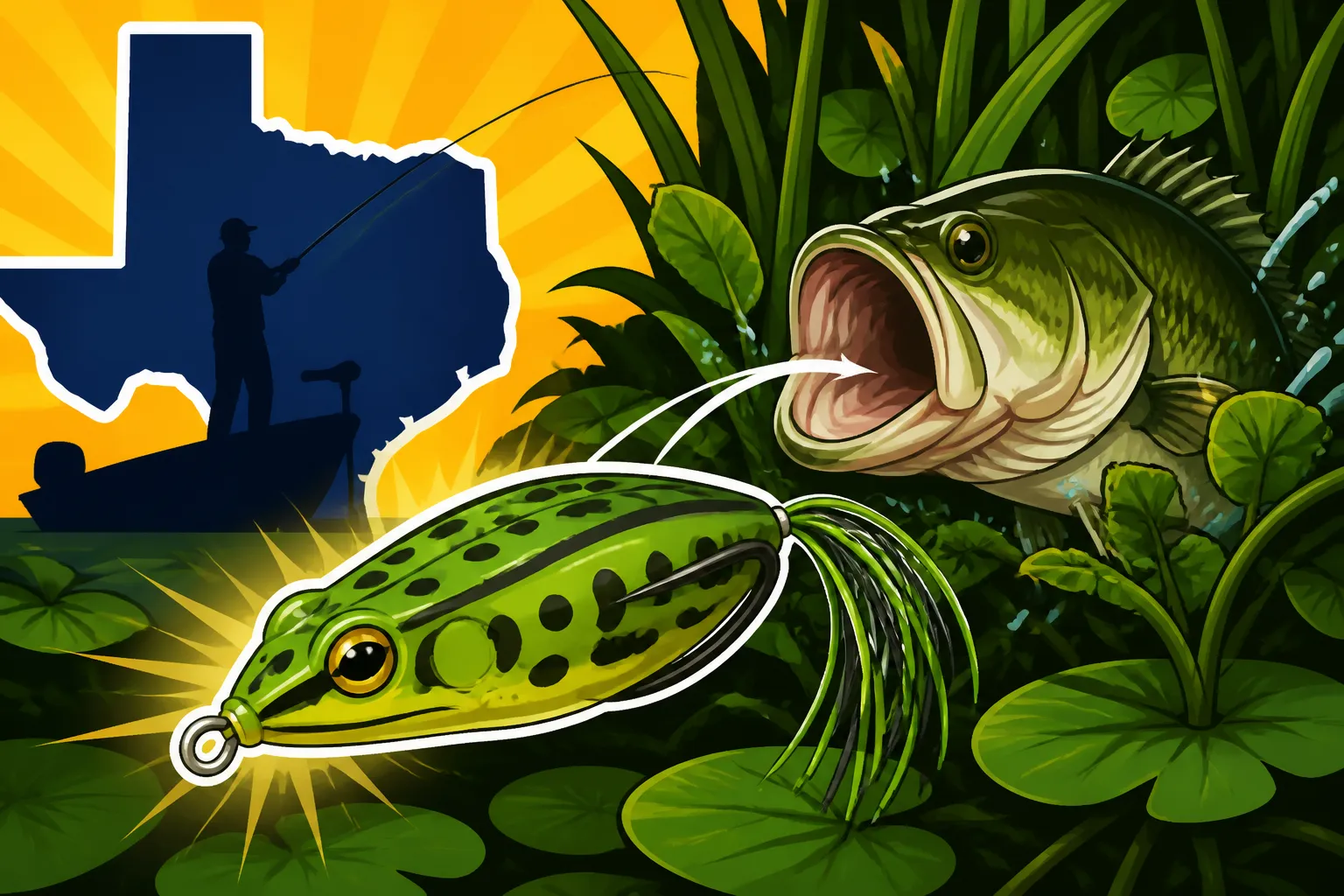
Frog lures aren't just another bait; they're specifically engineered for one purpose: to mimic a frog or other small creature moving across the absolute nastiest, thickest cover imaginable, without snagging. This isn't just about being "weedless" in the way a Texas-rigged worm is; it's about being virtually impervious to vegetation.
The primary advantage lies in their design. Most frog lures feature hooks that ride tight to the body, either tucked into recesses or flush against the plastic. This allows the lure to slide over leaves, stems, branches, and grass without catching. When a bass strikes, the soft body compresses, exposing the super-sharp hooks. This unique characteristic opens up a whole new world of fishing possibilities, letting you target fish that are simply inaccessible with other baits. You can literally throw a frog onto dry land next to the water, then slowly pull it into the water and over the cover. This level of weedlessness is unparalleled, making the frog lure an indispensable tool for any angler tackling Texas's notorious heavy cover. If you want to fish where the big bass truly live, you need to understand the frog's unbeatable advantage.
Key Characteristics of a Great Texas Frog Lure
Choosing the right frog lure isn't just about grabbing the first one you see. Just like with any specialized tackle, there are nuances in design, material, and profile that can make a significant difference in your success rate, especially when you're dealing with the demanding heavy cover found in Texas.
Material, Durability, and Hook Design
The construction of your frog lure is paramount. It needs to be tough enough to withstand repeated assaults from aggressive bass, yet soft enough to collapse easily on the strike.
- Durable, Yet Collapsible Body: The best frog lures are made from a high-quality, pliable plastic or rubber material. It needs to be soft enough that when a bass bites down, the body compresses, exposing the hooks. However, it also needs to be durable enough to handle multiple toothy strikes and being dragged across abrasive vegetation without tearing or filling with water. Frogs from brands like Bass Pro Shops or other dedicated fishing stores are often designed with this balance in mind. Cheap frogs might tear after one or two fish, becoming useless and frustrating.
- Sharp, Strong, Upward-Facing Hooks: This is perhaps the most critical component. The hooks must be extremely sharp to penetrate a bass's jaw, especially when they're hiding in dense cover. They also need to be strong enough not to bend or break under the strain of fighting a powerful fish out of a tangled mess. Most frog lures feature a double hook that points upward, riding flush with or slightly recessed into the back of the lure. This design is what makes them weedless. Look for models where the hooks are positioned to ensure a good hookup ratio once the fish commits, ideally with a wide gap that can really dig in. Some lures might have a slightly wider hook gap, which can improve hook-setting but might compromise weedlessness in the absolute densest cover.
A well-designed frog combines these elements into a package that's both effective at mimicking prey and robust enough to handle the abuse of heavy cover fishing.
Color, Size, and Profile Matters
Just like any other lure, the right color, size, and profile can significantly impact how many bites you get. Bass are opportunistic predators, but they can also be surprisingly selective.
- Color Choices for Texas Waters:
- Natural Colors: When fishing clear water or on bright, sunny days, natural frog patterns (greens, browns, black, yellow bellies) are often the most effective. These colors accurately imitate the frogs, salamanders, or other small creatures that bass naturally prey on.
- Darker Colors: For stained or muddy water, or on overcast days, darker colors like black, junebug, or dark greens create a more defined silhouette against the sky, making them easier for bass to see from below. A black frog fished over a thick mat at dawn or dusk can be absolutely deadly.
- Flashy or White: Occasionally, a brighter, flashier frog (like white or chartreuse) can be effective as a reaction strike bait, especially if the water has some color to it, or you're trying to draw attention from a distance. However, for most heavy cover situations, subtle is usually better.
- Size and Profile: The size of your frog should generally match the natural forage in the area. Most frog lures range from about 2.5 to 4 inches.
- Standard Size (3-3.5 inches): This is your all-around workhorse size, imitating most adult frogs and being a comfortable meal for a wide range of bass sizes.
- Larger Frogs (4+ inches): If you're specifically targeting bigger, trophy-sized bass on lakes like Lake Fork Fishing Guide or O.H. Ivie, a larger profile might be worth trying. Big bass aren't afraid of a big meal.
- Smaller Frogs (under 2.5 inches): These can be great for pressured fish or when bass are feeding on smaller bait, often mimicking juvenile frogs or even large insects.
- Legs and Skirts: The "legs" of a frog lure, whether they're solid plastic appendages or rubber skirt material, provide important action and vibration. Some frogs have straight legs that simply twitch, while others have curled or paddle-shaped legs that kick and create more disturbance. The amount of "action" these legs provide can trigger strikes, especially when twitched on top of cover. Consider lures with replaceable skirt material, so you can customize colors or refresh worn legs. You can find a wide variety of these options when browsing lures online through retailers like Amazon.
Matching these characteristics to the conditions and the fish's mood is key to maximizing your frog fishing success. Don't be afraid to experiment with different sizes and colors until you find what the bass are keying in on that day.
Top Frog Lure Styles for Different Texas Situations
Just like there are different types of heavy cover, there are also different styles of frog lures, each designed to excel in specific scenarios. Understanding these variations and when to deploy them will make you a much more effective frog angler on Texas waters.
Hollow-Bodied Frogs: The Classic Choice
When most anglers think of "frog lure," they're picturing the hollow-bodied frog, and for good reason. This is the undisputed king of thick, matted vegetation.
- Design and Function: Hollow-bodied frogs are made from a soft, flexible plastic or rubber shell, with a double hook embedded flush against the back. The hollow internal cavity allows them to float high on the surface and collapse easily on a strike. They typically have two rubber skirt "legs" that kick and twitch, mimicking a swimming or struggling frog.
- Best Use Cases in Texas: This is your go-to bait for the absolute nastiest stuff. Think dense hydrilla or milfoil mats that are so thick you could walk on them, vast fields of lily pads, or thick scum lines that form on calm coves. The hollow body allows them to glide effortlessly over this cover without snagging.
- How to Fish Them: Cast these lures directly onto or past the cover you want to fish. Let it sit for a few seconds, mimicking a frog that has just landed. Then, use short twitches of your rod tip to make the frog "walk" or "pop" across the mat, pausing frequently. The key is to create enough disturbance to attract attention, but with enough pauses to give the bass time to react and strike. You'll often see the mat "boil" or "explode" as a bass ambushes the lure from below. Remember to be patient before setting the hook – wait until you feel the weight of the fish. These lures are exceptional for working through areas where bass are hiding from the harsh Texas sun, making them indispensable during the How to Fish in Hot Texas Summers period.
Soft Plastic Frogs: Versatility in Openings
While hollow-bodied frogs dominate the heaviest stuff, soft plastic frogs offer incredible versatility, especially when you encounter more open water within or around vegetation.
- Design and Function: These are essentially weedless soft plastic baits shaped like a frog, often with paddle-like feet that create a lot of commotion. They are typically rigged Texas-style with a wide gap hook, making them highly weedless but not quite as impervious to snagging as a hollow-body in the densest mats.
- Best Use Cases in Texas: Soft plastic frogs shine in areas with sparse vegetation, pockets within larger mats, along weed lines, or over submerged grass beds that aren't quite reaching the surface. They can also be fished effectively in open water near cover, mimicking a frog swimming from one patch of weeds to another. Lakes with patchy hydrilla or scattered lily pads, like some areas of Lake Conroe Fishing Guide or Lake Livingston Fishing Guide, are ideal for these.
- How to Fish Them: Rig a soft plastic frog weedless with a heavy gauge wide-gap hook. You can fish them weightless for a slow, gliding retrieve, or add a small weight (like a belly-weighted hook) for faster retrieves or to get them to sink slowly into open pockets. Use a steady retrieve with occasional twitches, allowing the paddle feet to churn water and create a surface disturbance. Their action is often more continuous than a hollow-body, making them great for covering water quickly. Because they can be retrieved faster and through more open water, they are a fantastic search bait to locate active fish holding near cover.
Popping Frogs and Walking Frogs: Creating a Commotion
Beyond the standard hollow-body, there are specialized frog designs that are built to generate even more attention on the surface.
- Popping Frogs:
- Design and Function: These are hollow-bodied frogs with a concave, cupped face, similar to a traditional popper lure. When twitched, the cupped face catches water and creates a loud "bloop" or "pop" sound, along with a splash.
- Best Use Cases in Texas: Popping frogs are fantastic for attracting bass from a distance, especially in slightly more open areas adjacent to heavy cover, or when the bass are particularly aggressive. They are excellent when you need to call fish up from deeper under a mat or from dense submerged vegetation. If you're fishing along a cattail edge or a sparse lily pad line and want to make some noise, this is your lure.
- How to Fish Them: Cast them near or into cover. Retrieve with a "pop-and-pause" technique, similar to a traditional popper. Make sure to let the ripples disappear before the next pop. The loud disturbance can be irresistible to bass, particularly during low-light conditions or when the fish are actively feeding on the surface.
- Walking Frogs (or Spitting Frogs):
- Design and Function: These are also hollow-bodied, but often have a slightly different nose design or body shape that makes them easier to perform a "walk-the-dog" retrieve. They glide side-to-side across the surface, mimicking a frog or small rodent frantically swimming. Some might also have a small splash or "spit" as they walk.
- Best Use Cases in Texas: Walking frogs excel when bass are keying in on a more subtle, yet continuous, surface presentation. They are highly effective in open pockets within mats, along grass lines, or when bass are feeding aggressively on baitfish near cover. The side-to-side action can be incredibly enticing to bass that might be hesitant to commit to a more erratic popping retrieve.
- How to Fish Them: The "walk-the-dog" retrieve requires a bit of practice. Keep your rod tip down, use slack line, and make rhythmic twitches of the rod tip while reeling in slack. This creates a mesmerizing side-to-side glide that is often too much for a bass to ignore. The continuous motion makes them great for covering water and triggering reaction strikes, especially when fish are suspended just below the surface in areas like Texas White Bass Run Timing where predators are active.
By having a selection of these frog styles in your tackle box, you'll be prepared for almost any heavy cover scenario Texas lakes can throw at you.
Mastering the Art of Frog Fishing in Texas Heavy Cover
Catching bass on a frog lure is one of the most exciting and visually dramatic ways to fish. The explosive surface strikes are unforgettable. However, there's a definite learning curve to effectively fishing frogs, especially when dealing with dense Texas vegetation. It's not just about throwing the lure out there; it's about technique, timing, and using the right equipment.
Retrieve Techniques for Maximum Appeal
The way you work your frog lure is crucial to enticing strikes. It's all about mimicking natural movement and triggering that predatory instinct.
- Walk-the-Dog: This is arguably the most effective and popular retrieve for frog lures, particularly for hollow-bodied and walking frogs. The goal is to make the frog glide side-to-side across the surface. To do this, keep your rod tip pointed down towards the water (or slightly to the side). Make short, sharp twitches of the rod tip while simultaneously reeling in slack line with your retrieve hand. It takes a little practice to get the rhythm down, but once you do, the continuous, darting action is irresistible. This works exceptionally well in open pockets, along weed lines, and even over slightly less dense mats where you want to cover ground.
- Pop and Pause: For popping frogs, this is the classic technique. Cast your lure, let it sit for a few seconds. Then, give a sharp downward twitch of your rod tip to make the frog "pop" or "bloop," creating a splash and sound. Let the ripples completely disappear before the next pop. Vary the length of your pauses. Sometimes bass want a rapid-fire popping, other times they prefer a long, agonizing pause before the next disturbance. This technique is fantastic for calling fish out of thick cover where you need to create a disturbance to get their attention.
- Twitch and Crawl: This is ideal for hollow-bodied frogs in the thickest, nastiest mats. Cast the frog onto the mat. Use very short, subtle twitches of your rod tip to make the frog barely move, just a few inches at a time. Let it sit for extended periods between twitches, sometimes 10-20 seconds. This mimics a real frog slowly crawling or struggling across the dense vegetation. Bass hiding deep in the mat will often just suck the frog under with barely a ripple, so watch your line intently. This slow, deliberate approach is often key when fishing extremely pressured waters or when bass are lethargic.
- Ripping and Stopping (for soft plastics): When using soft plastic frogs in slightly more open areas or over sparse grass, a faster, more aggressive retrieve can be effective. Rip the lure across the surface, then pause and let it glide. The paddle feet of soft plastic frogs create a lot of commotion on a fast retrieve, and the sudden stop can often trigger a reaction strike. This is a great technique for covering water and locating active schools of fish in areas like Texas Largemouth Bass Fishing Guide hotspots.
Always vary your retrieve until you find what the bass are responding to on a particular day. Sometimes they want aggressive action, other times a subtle twitch is all it takes.
Essential Gear for Frog Fishing Success
You can't effectively fish a frog in heavy cover with just any old rod and reel. This technique demands specialized gear that can handle the abuse and provide the necessary power.
- Heavy Action Rod: A stout, heavy-action baitcasting rod, typically 7 to 7.5 feet in length, is absolutely essential. You need the backbone to cast heavy frogs accurately, but more importantly, to powerfully set the hook through a soft plastic body and a bass's jaw, and then to muscle a big fish out of dense cover. A medium-heavy rod just won't cut it when a 5-pound bass wraps itself around a submerged stump or buries itself in hydrilla. For serious frog fishing, consider rods designed for heavy cover, often available at retailers like Bass Pro Shops.
- High-Speed Baitcasting Reel: Pair your heavy rod with a high-gear ratio baitcasting reel (7.1:1 or higher). This allows you to quickly pick up slack line after a strike, which is crucial for a solid hookset, and to rapidly retrieve the lure between targets. A fast retrieve speed also helps you stay in control when a bass tries to dive back into the weeds.
- Braided Line is Non-Negotiable: Forget fluorocarbon or monofilament for frog fishing in heavy cover. You need braided line, and plenty of it. Opt for 50-65 lb test braided line.
- No Stretch: Braid has virtually no stretch, which gives you direct contact with your lure and a powerful, instantaneous hookset, even at a distance. This is critical for driving those hooks home.
- Abrasion Resistance: While not entirely immune, braid is highly resistant to abrasion from grass, lily pad stems, and wood, which is invaluable when fishing in gnarly environments.
- Cutting Power: The thin diameter and strength of braid allow it to cut through lighter vegetation, helping you retrieve both your lure and your fish from the thick stuff. Learn more about optimal line choices in Best line for Texas bass fishing.
- Sharp Hooks (Always Check!): Even the best factory hooks can dull over time or after multiple fish. Always carry a hook sharpener and ensure your frog hooks are needle-sharp before and during your fishing trip. This significantly increases your hook-up ratio.
Using the right gear isn't just about making fishing easier; it's about making it possible to land those big bass hiding in places you couldn't reach otherwise.
The Critical Hookset: Don't Miss That Bite!
One of the most common frustrations for new frog anglers is missed strikes. Bass explode on a frog, you swing, and nothing. It's incredibly disheartening, but there's a trick to it, and it boils down to patience and power.
- The Delay: When a bass blows up on your frog, your natural instinct is to set the hook immediately. Resist this urge! Bass often miss the lure on their first attempt, or they "slurp" it without fully getting it in their mouth. If you set the hook too soon, you'll pull the lure away from the fish.
- "Count to Two Mississippi": After the initial explosion, wait a beat or two. It feels agonizingly long, but this delay allows the bass to fully engulf the lure and turn away. You'll often feel the weight of the fish on your line during this short pause. This is your cue.
- The Power Sweep: Once you feel the weight, execute a powerful, sweeping hookset. Don't just jerk upwards. Instead, sweep the rod to the side, either horizontally or slightly upwards, with all your might. This ensures that the hooks are driven deep into the bass's jaw. Because you're using braided line and a heavy rod, you have the power to penetrate that tough mouth.
- Keep Pressure On: Once hooked, keep constant, heavy pressure on the fish. Do not let it dive back into the cover, or you risk tangling and losing it. Use your heavy rod and braid to muscle the fish out of the slop and into open water as quickly as possible. This is where the initial power of your gear truly pays off. If you're targeting those truly massive bass for programs like the Texas ShareLunker Program Explained, mastering this hookset is absolutely vital.
Mastering the hookset takes practice, but once you get it down, the thrill of landing a huge bass from seemingly impossible cover will make all those missed bites worthwhile. Enjoy the challenge and the explosive rewards that frog fishing in Texas heavy cover offers!
Disclaimer
This article is for general informational purposes only and does not constitute professional advice. Laws, prices and regulations vary by location and change over time. Consult a qualified professional for guidance on your specific situation.