Canyon Lake Fishing Guide
Canyon Lake, often called the 'Gem of the Texas Hill Country,' offers stunning views and incredible fishing opportunities, but its deep, clear waters can be intimidating if you're not sure where to start. This comprehensive guide will cut through the confusion, offering proven strategies and local insights to help you unlock Canyon Lake's angling potential, whether you're targeting trophy bass, hard-fighting stripers, or a mess of catfish.
Getting to Know Canyon Lake's Unique Waters
Canyon Lake isn't just another body of water; it's a deep, clear, limestone-bottomed reservoir fed by the Guadalupe River, offering a distinct challenge and reward compared to many other Texas lakes. Its unique characteristics profoundly influence fish behavior and the best fishing approaches. If you've ever cast a line here and felt overwhelmed by its sheer size and depth, you're not alone. The lake covers over 8,230 acres with depths plunging over 125 feet in some areas, especially near the dam, making it feel less like a typical Texas reservoir and more like a mountain lake.
Geological Features and Water Clarity
Unlike many murky, shallow lakes across the state, Canyon Lake boasts exceptional water clarity, often exceeding 10-15 feet of visibility. This crystal-clear water is a double-edged sword for anglers. On one hand, it allows you to spot submerged structure and even cruising fish on calm days, which can be thrilling. On the other hand, fish in clear water tend to be much warier of fishing lines, unnatural lures, and the shadows of boats, making a stealthy approach and lighter line choices crucial for success. The lake's bottom is predominantly rocky, a mix of limestone bluffs, chunk rock, and gravel, which provides ample cover and ambush points for various species, but can also be tough on tackle if you're not careful.
The steep drop-offs and ledges carved into the lake's banks are characteristic of a hill country reservoir. These dramatic topographical changes provide excellent deep-water habitat for species like striped bass and offer quick access to deep escape routes for largemouth bass when boat traffic or sunlight becomes too intense. Understanding how fish relate to these distinct features—from the shallow gravel flats to the sheer rock walls that plunge into the abyss—is key to consistent catches.
Understanding Lake Levels and Their Impact
Like all Texas reservoirs, Canyon Lake's water levels can fluctuate significantly depending on rainfall and the region's water needs, and these changes dramatically affect fishing patterns. When water levels are high, new shoreline cover like submerged bushes and grasses become available, creating fantastic shallow-water ambush points for bass and crappie. This might be a prime time to cast jigs or soft plastics into these freshly inundated areas. Conversely, during periods of low water, traditional shallow fishing spots might be completely exposed, forcing fish to retreat to deeper structure and making them harder to find.
Tracking the lake's current level, which you can usually find on the Guadalupe-Blanco River Authority (GBRA) website or through various fishing apps, is a critical step in planning your trip. A sudden drop in water can push baitfish and predators off the banks, concentrating them on main lake points, submerged humps, or the deep edges of creek channels. Conversely, a stable or rising lake level often encourages fish to move shallower, especially during spawning seasons. Adaptability is the name of the game here, and checking those water levels before you head out can save you a lot of frustration.
Key Fish Species to Target at Canyon Lake
Canyon Lake is a diverse fishery, offering a range of exciting species for anglers of all preferences. From the hard-fighting leviathans of the open water to the elusive ambush predators of the rocky banks, there's always something to chase. Knowing what you're targeting and what makes them tick in Canyon Lake's unique environment is the first step to a successful day.
Hard-Fighting Striped Bass
If there's one fish that epitomizes the Canyon Lake fishing experience, it's the striped bass. These powerful, open-water predators are a major draw, known for their aggressive strikes and sustained, drag-peeling runs. Canyon Lake is routinely stocked with striped bass by the Texas Parks and Wildlife Department (TPWD), ensuring a healthy and thriving population that keeps anglers coming back for more. They often suspend in open water, chasing schools of baitfish, or congregate around deep points and humps.
Catching these bruisers often involves trolling deep-diving crankbaits or live bait like shad in the main lake basin, especially around the dam or major creek channels. When they're schooling on the surface, which can happen year-round but is particularly exciting in cooler months, throwing topwater lures, spoons, or swimbaits into the frenzy can lead to explosive strikes. Many local guides, often found through platforms like FishingBooker, specialize in putting anglers on these schooling fish, which can be an incredible experience for those new to striper fishing. For more detailed tips on landing these powerful fish, check out our Texas Striped Bass Fishing Guide.
Elusive Largemouth Bass
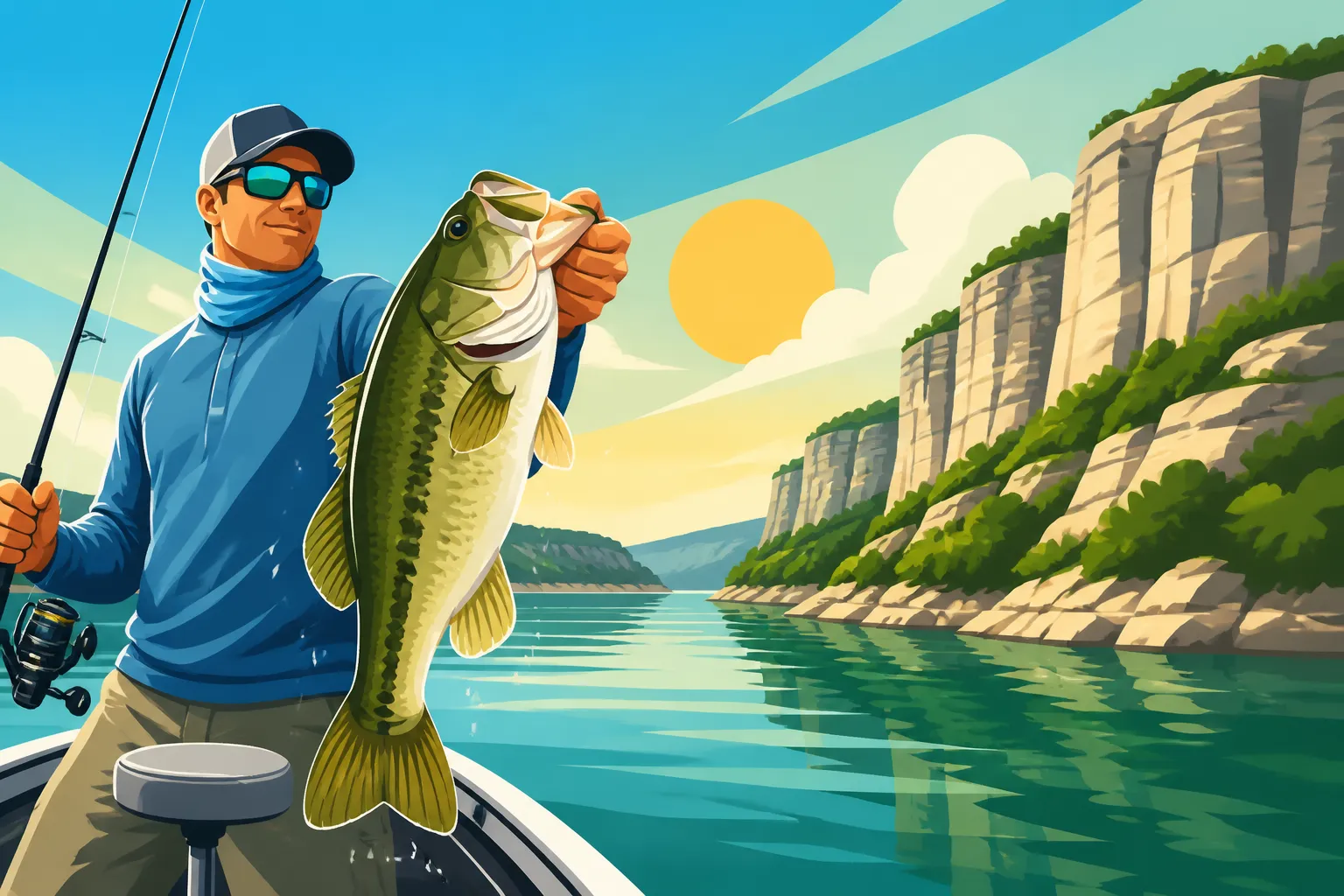
While striped bass get a lot of attention, Canyon Lake also harbors a healthy population of largemouth bass, including some true giants. However, fishing for largemouth here presents a distinct challenge due to the lake's clear water and rocky structure. These bass are often more wary and require a finessed approach compared to their counterparts in murkier lakes. You won't find endless fields of hydrilla to pitch into; instead, you'll be focusing on rock piles, submerged timber, ledges, and deep bluff walls.
Anglers targeting largemouth often find success using natural-colored soft plastics, jigs, and shaky heads presented slowly and meticulously along structure. Dropshotting is another incredibly effective technique, allowing you to present a bait precisely at the depth fish are holding, especially when they're suspended off deep ledges. During lower light conditions or when the fish are more active, crankbaits that mimic shad or crawfish can be productive along rocky points and creek channel swings. For those who want to really delve into the techniques, our How to Fish for Bass in Texas article offers great starting points. Remember, patience and a keen eye for subtle structure are your best friends when chasing Canyon Lake largemouth.
Catfish and Panfish Opportunities
Beyond the glamour of bass and stripers, Canyon Lake offers excellent fishing for several species of catfish and various panfish, providing fantastic action, especially for family outings or when the gamefish are slow. Channel catfish are abundant and can be caught throughout the lake, often preferring prepared baits like punch bait, cut bait, or shrimp fished on the bottom in creek channels, coves, or near underwater structure. Blue catfish, known for their larger size, inhabit the deeper, open waters and can be targeted with fresh cut bait. Flathead catfish, the ambush predators, prefer live bait and are usually found near woody cover or rock piles.
For panfish, Canyon Lake is home to good populations of sunfish (bluegill, redear sunfish) and white crappie. These smaller species are perfect for younger anglers or anyone looking for consistent bites. Bluegill and other sunfish readily hit small worms, crickets, or tiny artificial lures fished under a bobber in shallow coves, around docks, or near rocky banks. Crappie can be found around brush piles, submerged timber, and bridge pilings, especially in deeper water during the hotter months. Small jigs and live minnows are typically the most effective baits for them. Discover more specific tips in our Texas Crappie Bag Limits guide.
| Species | Primary Habitat | Best Season | Common Baits/Lures | Notes |
|---|---|---|---|---|
| Striped Bass | Open water, deep points, main lake basin | Year-round, best Fall/Winter | Live shad, deep-diving crankbaits, topwater, spoons | Schooling action can be intense |
| Largemouth Bass | Rock piles, ledges, submerged timber, bluff walls | Spring, Fall | Soft plastics (worms, jigs), dropshot, crankbaits | Clear water requires finesse; target structure |
| Channel Catfish | Creek channels, coves, docks | Year-round | Punch bait, cut bait, shrimp, stink bait | Excellent for bank anglers |
| Blue Catfish | Deep, open water | Year-round | Fresh cut bait | Can grow very large, target deeper areas |
| Flathead Catfish | Woody cover, large rock piles | Summer, Fall | Live perch, sunfish | Solitary, ambush predators; requires patience |
| White Crappie | Brush piles, submerged timber, bridge pilings | Spring, Fall | Small jigs, live minnows | Great for limits, often found schooled |
| Sunfish (Bream) | Shallow coves, docks, rocky banks | Spring, Summer | Worms, crickets, small artificials | Perfect for kids and easy action |
Navigating Canyon Lake's Fishing Hot Spots
Canyon Lake is vast, and knowing where to fish can be as crucial as knowing how to fish. The lake offers a variety of environments, from wide-open expanses to sheltered coves and intricate river channels, each holding potential for different species. Understanding the structure and typical holding patterns of fish in these areas will dramatically increase your chances of success.
Deep Main Lake Points and Humps
The main lake basin of Canyon Lake is characterized by numerous deep points and humps that drop off into significant depths. These structures act as highways and feeding grounds for open-water predators, particularly striped bass and larger blue catfish. These submerged topographical features often hold baitfish, which in turn attract the gamefish. Using your sonar to identify these contours, locate baitfish schools, and mark individual fish is paramount here.
When fishing these areas, start by idling over them to map the structure and look for signs of life. Once you've identified promising spots, consider a controlled drift while presenting live bait or jigging spoons. Trolling deep-diving crankbaits along the edges of these points or across the top of humps is also highly effective for covering water and intercepting cruising stripers. Remember that Canyon Lake's clear water means fish can be easily spooked, so approach with caution and try to keep your distance, especially on calm, sunny days.
Guadalupe River Arm and Its Channels
The upper reaches of Canyon Lake, particularly where the Guadalupe River enters, offer a distinctly different fishing environment. This area tends to be shallower and can have more current, especially after significant rainfall. The river channel itself, even as it widens into the lake, provides a crucial pathway and holding area for fish, especially during seasonal migrations or when they're seeking out slightly warmer or cooler water. This is an excellent area to target channel catfish, white bass during their runs, and even some largemouth bass that prefer moving water.
Focus your efforts on the bends and deeper holes within the river channel. Drop-offs along the channel edges are always prime spots. For catfish, anchor upcurrent and let your bait drift into these deeper pockets. For white bass, look for schooling activity and cast small jigs or inline spinners. Largemouth bass in this area will often relate to any available cover, such as fallen trees, rock piles, or subtle changes in bottom composition. Don't overlook the confluence of smaller creeks that feed into the main river arm, as these can create current breaks and concentrate baitfish.
Rocky Bluffs and Sheer Walls
One of Canyon Lake's most striking features is its abundance of steep, rocky bluffs and sheer walls that plunge straight into the water. These dramatic formations provide immediate access to deep water and offer unique fishing opportunities, especially for largemouth bass and occasionally suspended stripers. The shade created by these bluffs can also be a magnet for fish during bright, sunny days, offering a respite from the intense Texas sun.
Fishing these walls effectively often involves vertical presentations. Jigging spoons, dropshot rigs, and shaky heads are excellent choices for working the vertical face of the rock. Pay close attention to any subtle changes in the rock face – small ledges, cracks, or submerged bushes – as these are often where bass will position themselves to ambush prey. Skipping jigs or soft plastics under any overhanging rock ledges or small caves can also entice strikes from hidden bass. The clear water here means fish can be very visual, so a natural presentation is crucial. Consider using a guide found on platforms like FishingBooker to learn the ins and outs of fishing these challenging structures.
Effective Fishing Techniques and Baits
Fishing Canyon Lake successfully often requires a blend of traditional Texas fishing wisdom and specific adaptations for its deep, clear, and rocky environment. The techniques and baits you choose will heavily depend on your target species and the prevailing conditions, but a few core strategies consistently produce results.
Deep Water Finesse Tactics
Given Canyon Lake's depth and clarity, deep water finesse tactics are often indispensable, especially for largemouth bass and even suspended stripers. Fish in clear water are highly sensitive to line visibility and unnatural presentations, making lighter lines and subtle baits critical. Techniques like dropshotting, shaky heading, and Ned rigging excel in these conditions.
- Dropshotting: This involves a small hook tied above a weighted sinker, allowing your bait to suspend naturally in the water column at a specific depth. It's incredibly effective for bass holding on deep ledges, humps, or timber. Use light fluorocarbon line (6-10 lb test) and natural-colored soft plastic worms or minnow imitations. The key is to shake the rod tip gently, making the bait quiver without moving the sinker.
- Shaky Heads: A jig head with a spring keeper that allows you to screw on a soft plastic worm. This rig is fantastic for working rocky bottoms and edges. The worm stands upright, mimicking a feeding or injured baitfish. Drag it slowly, pause, and twitch, letting the natural buoyancy of the plastic do the work.
- Ned Rigs: A super-finesse technique using a small, mushroom-shaped jig head and a short, buoyant soft plastic bait. It's subtle, casts well, and can be deadly on highly pressured or lethargic fish. The bait floats up off the bottom, presenting a small, easy meal. This is particularly effective when targeting pressured bass that have seen every other lure.
Trolling and Live Bait Strategies
For striped bass, covering large expanses of open water is often the most productive approach, and trolling is king. This allows you to present baits at specific depths over long distances, effectively searching for scattered schools of fish. Deep-diving crankbaits in shad patterns are excellent choices, as are large spoons or umbrella rigs. Vary your trolling speed and depths until you find what the fish prefer on any given day. Your electronics will be crucial here to monitor depths and spot baitfish and stripers.
Live bait, particularly live shad, is arguably the most effective way to catch large striped bass and blue catfish in Canyon Lake. Acquiring live shad usually involves cast netting them from bait schools in open water or around lights at night. Once you have them, you can either freeline them in areas where stripers are busting the surface or fish them on a Carolina rig or under a balloon to present them at specific depths. Having a good aerated livewell is essential for keeping your bait lively throughout the day. For more on bait and lures specific to different species, our guide on Best Bait and Lures for Texas Fishing is a great resource.
Shoreline and Bank Fishing Access
Even without a boat, Canyon Lake offers plenty of opportunities for bank anglers, especially for catfish, sunfish, and smaller bass. Many public parks and access points around the lake provide excellent shoreline fishing. Popular spots include Canyon Park, Jacobs Creek Park, and various areas near the dam. Just be sure to check local regulations for specific park rules or any restrictions on fishing from certain areas.
For bank fishing, simplicity is often best. A medium-action spinning rod, 8-12 lb monofilament line, and a selection of basic tackle will get you started. For catfish, a simple bottom rig with a sinker and a hook baited with shrimp, cut bait, or prepared stink bait is highly effective. Cast it out into a deeper channel or hole and wait. For sunfish, a small hook with a piece of worm or a cricket under a bobber near shallow cover will provide steady action, making it a perfect activity for kids. Always be mindful of your surroundings, especially if you're venturing out onto rocky banks, and wear appropriate footwear. For information on regulations concerning fishing from the shore, refer to Free Shoreline Fishing at Texas State Parks.
Navigating Canyon Lake with a Boat
Canyon Lake is a boater's paradise, but its size and sometimes challenging conditions mean that proper navigation and safety are paramount. Whether you're in a bass boat, bay boat, or kayak, understanding the lake's unique features and regulations will ensure a safe and enjoyable trip.
Boat Ramps and Access Points
Canyon Lake has numerous public and private boat ramps, making access relatively easy from various points around the lake. Popular public ramps include those at Canyon Park, North Park, and Potter's Creek Park. Each ramp offers different amenities, from paved parking to courtesy docks and restrooms. Before heading out, always check the current lake levels, as some ramps might become unusable during periods of very low water. It’s a good practice to research ramp conditions beforehand, especially if you have a larger vessel or a specialized bass boat.
When launching and retrieving, remember that courtesy at the ramp goes a long way. Have your boat prepped and ready before you back down, and clear the ramp quickly once your boat is in the water. Parking can sometimes be an issue on busy weekends, so arrive early, especially during peak seasons like spring and summer. If you're looking for detailed information on what's required for your vessel, our guide on Texas Boat Registration Requirements is a great place to start.
Essential Boating Safety
Given Canyon Lake's deep waters and potential for sudden weather changes, boating safety is not something to take lightly. The lake can get rough quickly with strong winds, making a calm day turn choppy in a hurry. Always check the weather forecast before you leave the dock and be prepared for changing conditions. Life jackets are not just a recommendation; they are a legal requirement for certain ages and situations. Make sure you have enough serviceable life jackets for everyone on board, and wear them, especially if conditions are less than ideal.
In addition to life jackets, other essential safety equipment includes a fire extinguisher, a sound-producing device (like a horn or whistle), navigation lights if you'll be out at dusk or dawn, and a first-aid kit. A marine radio or fully charged cell phone can also be a lifeline in an emergency. Being aware of other boaters, observing speed limits in no-wake zones, and understanding right-of-way rules are crucial for preventing accidents. A little preparation can prevent a lot of heartache out on the water.
Using Fishing Electronics Effectively
Modern fishing electronics are an incredible asset on Canyon Lake, helping you pinpoint fish and structure in its deep, clear waters. A good fish finder with down imaging and side imaging capabilities can reveal a wealth of information about the bottom contours, submerged timber, and schools of baitfish or gamefish. Learn how to interpret the sonar returns; those arches could be suspended stripers, and the fuzzy clouds might be a massive bait ball.
GPS mapping is equally important for navigating the lake safely and efficiently. Mark your productive spots, track your trolling paths, and use the contours to identify potential fishing areas. Many units come with detailed lake maps that show depth changes, creek channels, and even some submerged structures. Combine your electronic insights with local knowledge (perhaps gleaned from a guide booked via FishingBooker) to maximize your fishing time. Knowing how to read your fish finder is a skill that takes time to develop, but it's invaluable on a lake like Canyon. For an in-depth look, consult our resource on Best Fishing Electronics for Texas Anglers.
Planning Your Canyon Lake Fishing Trip
A successful fishing trip to Canyon Lake isn't just about what bait you use; it's also about planning ahead, understanding the seasons, and knowing when to seek expert help. A little forethought can make all the difference between a frustrating day and a memorable one.
Best Times to Fish Canyon Lake
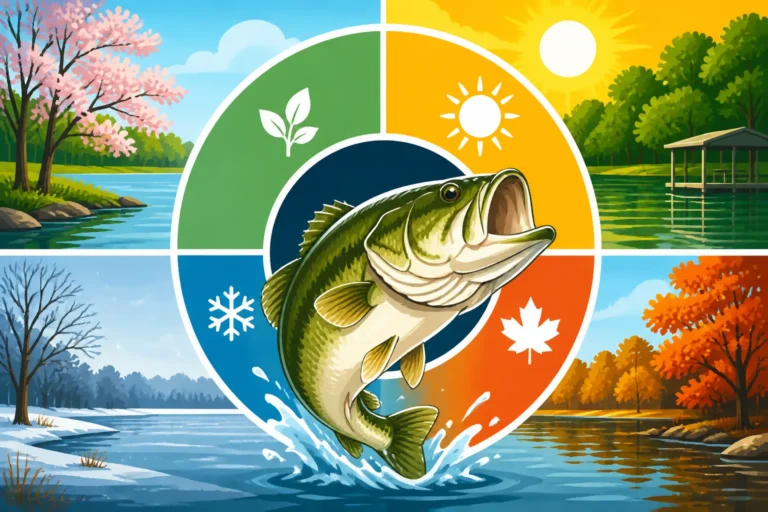
Canyon Lake offers fishing opportunities year-round, but specific seasons shine for different species:
- Spring (March-May): This is prime time for largemouth bass as they move shallow for the spawn. Crankbaits, jigs, and soft plastics around rocky points and coves are effective. White crappie also become more active in shallower brush piles. Striped bass are active, often schooling.
- Summer (June-August): The heat pushes fish deeper. Striped bass will suspend in the main lake basin, often schooling early and late in the day. Largemouth bass will relate to deep structure or seek shade under bluffs and docks. Catfish are very active, especially at night. Night fishing for bass can also be productive. Our article How to Fish in Hot Texas Summers provides more insights.
- Fall (September-November): A fantastic time as water temperatures cool, triggering feeding frenzies. Both largemouth and striped bass become highly aggressive, chasing baitfish. Topwater action can be explosive. Catfish remain active.
- Winter (December-February): Don't count Canyon Lake out in winter! Striped bass can be very active, schooling tightly and often caught trolling or jigging. Largemouth bass will be slower, but larger fish can be caught with slow presentations of jigs or spoons on deep structure. Rainbow trout are often stocked in the Guadalupe River below the dam, offering a unique cold-weather fishery.
Remember, daily conditions like weather fronts, wind, and cloud cover also play a huge role. Always check a reliable local fishing report before you go.
Hiring a Professional Fishing Guide
For those new to Canyon Lake, or even seasoned anglers looking to learn the nuances of this unique fishery, hiring a professional fishing guide is an investment that often pays dividends. A good guide knows the lake intimately – where the fish are, what they're biting on, and how to adapt to changing conditions. They have the right equipment, the knowledge to navigate safely, and often provide all the necessary tackle and bait. This can save you countless hours of trial and error and significantly increase your chances of success, especially when targeting elusive species like Canyon Lake's trophy striped bass or wary largemouth.
Platforms like FishingBooker make it easy to find and book reputable guides who specialize in Canyon Lake. You can read reviews, compare prices, and find a guide whose expertise aligns with your target species and fishing style. Many guides are happy to teach techniques, share local insights, and make sure your trip is both productive and enjoyable.
Licenses and Regulations
Before you even think about casting a line, ensure you have the appropriate Texas fishing license. Anyone aged 17 or older needs a valid license, and there are specific requirements for residents and non-residents. Depending on what you plan to catch and where, you might also need endorsements, though an All-Water Fishing License typically covers most bases for Canyon Lake's freshwater species. Our Texas Fishing License Requirements Explained guide covers all the essentials, including how to get one.
Beyond the license, it's crucial to be familiar with the statewide and site-specific fishing regulations for Canyon Lake. These include bag limits, length limits, and any special provisions for certain species. For example, striped bass and largemouth bass have specific length and bag limits, which are designed to protect the fisheries. Always consult the current Texas Parks and Wildlife Department Outdoor Annual or their website for the most up-to-date information. Ignorance of the law is not an excuse, and game wardens do patrol Canyon Lake. Being prepared with your license and knowing the rules keeps you on the right side of the law and helps conserve the fishery for future generations.
Disclaimer
The information provided in this guide is for general informational purposes only and is based on typical conditions and regulations. Fishing conditions, fish behavior, and regulations are subject to change without notice. Always consult the latest official regulations from the Texas Parks and Wildlife Department (TPWD) before fishing. Exercise caution and prioritize safety when on or near the water.