Best Time of Year to Fish in Texas
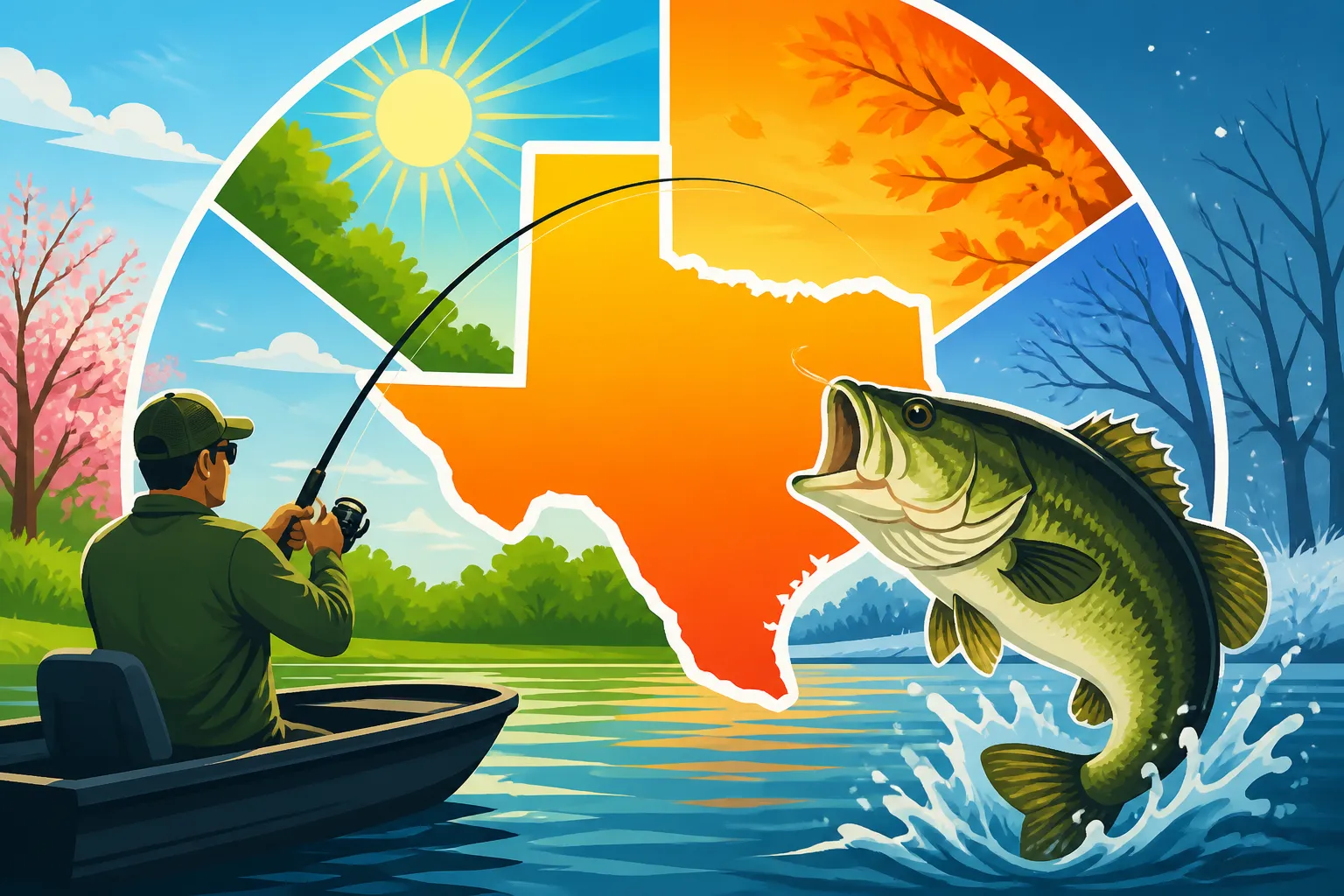
There's nothing quite like the excitement of planning a fishing trip, but for those of us in Texas, the sheer size and diverse ecosystems of our state can make figuring out the "best time" to hit the water feel like a monumental task. From the piney woods lakes to the vast Gulf Coast, conditions change dramatically, and what works for bass in East Texas in April certainly won't apply to redfish in Galveston in August. This comprehensive guide is here to untangle the seasonal complexities, helping you pinpoint the ideal times to pursue your favorite species across the Lone Star State, and ultimately, put more fish in your boat or on your stringer.
The Ever-Changing Texas Fishing Landscape
Texas isn't just big; it's geographically diverse, encompassing everything from arid western plains to humid eastern forests and, of course, a massive coastline. This incredible variety means that fishing conditions, prime seasons, and even target species can shift dramatically as you move from one region to another. What constitutes "good fishing weather" in the Panhandle might be entirely different from what you'd look for in South Padre.
Why Timing is Everything in the Lone Star State
Many anglers get frustrated when they hear general advice about fishing that doesn't account for local conditions. It's true! In Texas, timing isn't just about the month; it's about understanding the subtle cues the environment gives us. Water temperature, rainfall, frontal passages, and even tidal movements along the coast all play a critical role in fish behavior. If you go out on a beautiful, sunny Saturday without considering these factors, you might find yourself casting into an empty void while the fish are hunkered down elsewhere. The key to consistent success here isn't just having the right gear, but understanding the rhythm of the seasons and how they dictate where the fish will be and what they'll be willing to bite. Ignoring these nuances is often the difference between a memorable day on the water and one where you question why you even bothered.
Regional Differences Across Texas Fisheries
Imagine trying to apply a single fishing calendar to the entire state – it would be an absolute disaster! North Texas lakes like Lake Ray Roberts might see bass beginning their spawn in early March, while reservoirs further south, like Falcon Lake, could have fish on beds weeks earlier due to warmer temperatures. Similarly, the clear, cool rivers of the Hill Country, like the Guadalupe River, offer a unique Guadalupe River Trout Fishing Guide during winter, a fishery virtually nonexistent in other parts of the state. Along the coast, the influx of freshwater from rivers after heavy rains can push saltwater species further out, while calm, clear days with strong tides are gold for wade fishing. Understanding these regional distinctions is paramount. For example, East Texas lakes are renowned for their giant largemouth bass, while the upper and lower Laguna Madre are world-famous for trophy speckled trout and redfish. Each region presents its own set of optimal conditions and target species, making it crucial to research the specific area you plan to fish.
Spring: The Season of Renewal and Abundance
Spring in Texas is often heralded as the absolute best time for freshwater fishing, and for good reason. As the days lengthen and water temperatures gradually rise, fish shake off their winter lethargy and become incredibly active. This season is characterized by major spawning events and aggressive feeding, making it a dream for many anglers.
Targeting the Bass Spawn
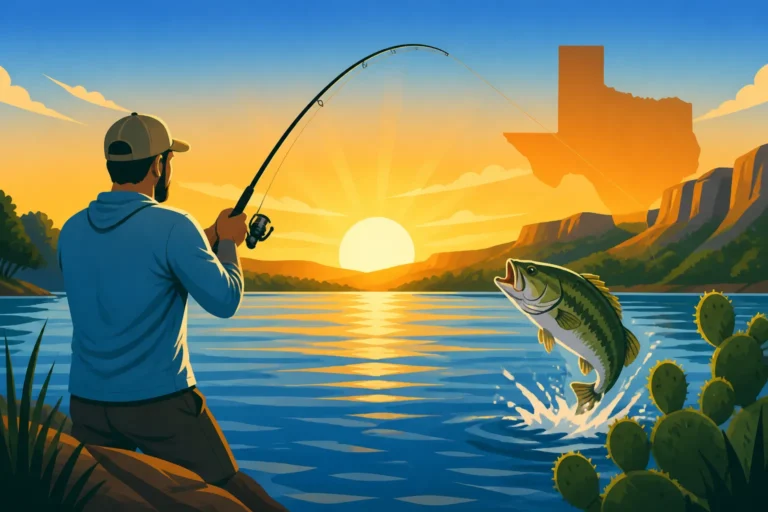
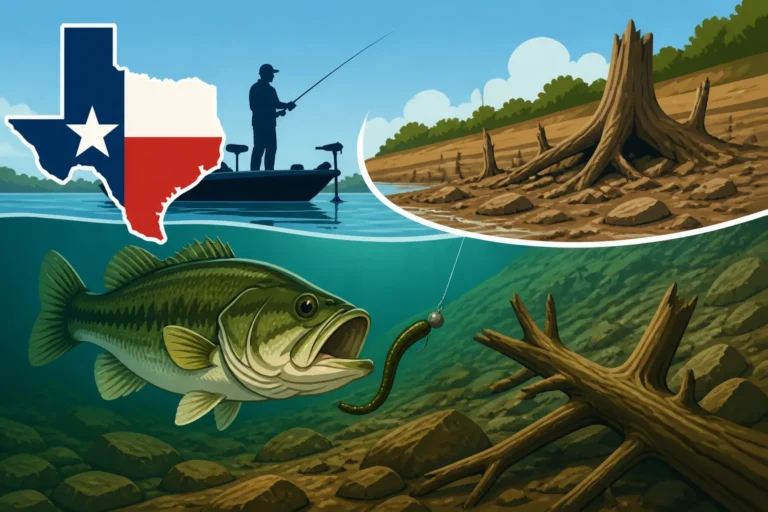
For many, spring means one thing: the bass spawn. This is arguably the most anticipated time of year for largemouth bass anglers in Texas. As water temperatures climb into the 60s Fahrenheit, big female bass move to shallow water to build nests, lay eggs, and guard their fry. The exact timing can vary, but generally, you'll see pre-spawn activity starting in late February or early March in southern Texas, progressing northward through April and even into May for cooler northern reservoirs. During the pre-spawn phase, bass are gorging themselves, trying to pack on calories for the arduous spawning process. This is when you can catch some of the heaviest bass of the year. Once they're on the beds, they become highly aggressive towards anything perceived as a threat to their eggs, making them susceptible to sight fishing with soft plastics or jigs. Post-spawn, the fish are often exhausted but quickly resume feeding to recover. Understanding the nuances of this cycle is key to consistent success; you can learn more about this in our Texas Largemouth Bass Spawning Months guide.
White Bass Runs and Crappie Action
Spring isn't just about bass; it's also prime time for the famous white bass runs and incredible crappie fishing. Around February and March, as rivers and creeks swell with spring rains and water temperatures hit the low 50s to low 60s, white bass migrate upstream from larger reservoirs to spawn. These runs are legendary, offering fast and furious action for anglers using small jigs, spinners, or spoons. Popular rivers for these runs include the Trinity, Brazos, Colorado, and Neches. You'll find entire stretches of riverbanks and boat ramps lined with eager anglers during this time. Check out our Texas White Bass Run Timing article for more details on predicting these exciting events.
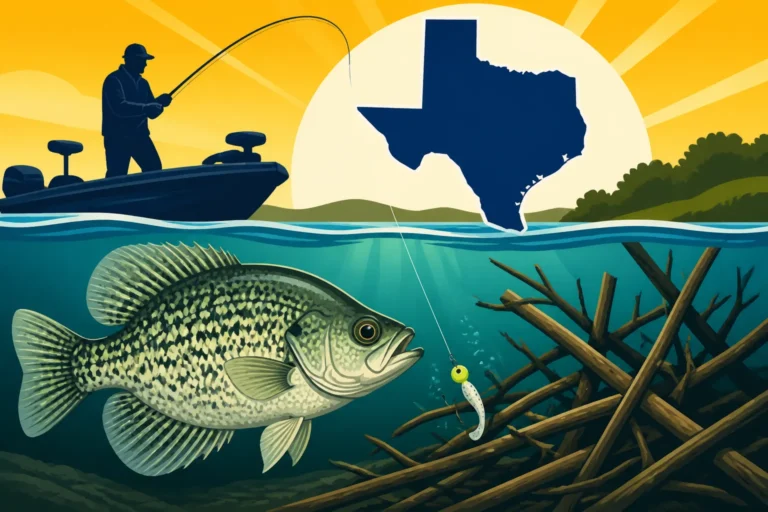
Simultaneously, crappie also move shallower during spring, congregating around brush piles, submerged timber, and bridge pilings in preparation for their spawn. This is a fantastic time to catch slabs using minnows or small jigs, especially in lakes like Lake Fork, Richland Chambers, or Sam Rayburn. They're often found in 3-15 feet of water, making them accessible to both boat and bank anglers. These fish are delicious, and the action can be non-stop once you locate a school.
Early Coastal Opportunities
While the scorching summer months tend to be peak for many coastal species, spring offers some unique early opportunities along the Texas Gulf Coast. As bay water temperatures rise into the 60s and 70s, speckled trout and redfish become more active in the shallow flats and along grass lines. This is a great time for wade fishing with topwater lures in the mornings or soft plastics fished under a popping cork. The weather is often more stable than in winter, and the crowds haven't fully descended yet, offering a more peaceful experience. Furthermore, the early spring can bring in migrant species like large black drum and sheepshead to the jetties and passes, providing excellent bottom fishing action. Just remember to always be mindful of Texas Saltwater Fishing Regulations, as coastal limits can be quite specific.
Summer: Conquering the Texas Heat
Ah, Texas summer. It's a love-hate relationship for anglers. While the heat and humidity can be brutal, the long days and generally stable weather patterns offer incredible opportunities if you know how to adapt. It's not about avoiding fishing; it's about smart fishing.
Adapting Your Approach for Warm Waters
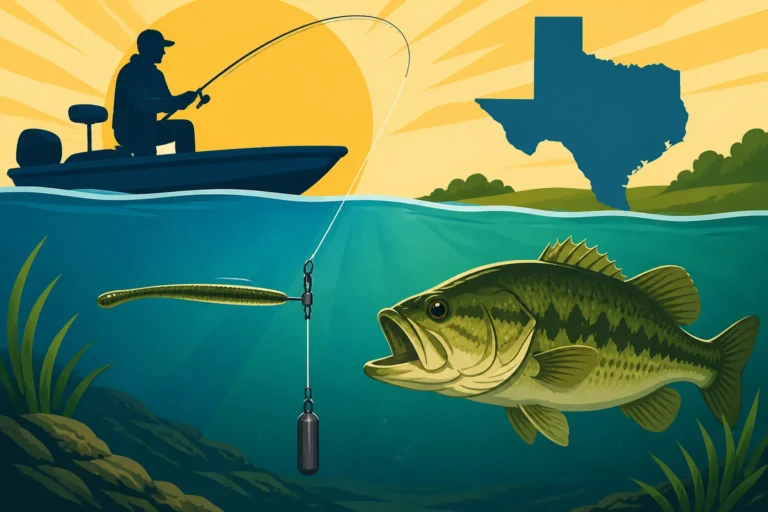
The biggest challenge in Texas summers is the heat, both air and water. Water temperatures in lakes and bays can easily climb into the 80s and even low 90s, making fish less active during the brightest, hottest parts of the day. This is where adaptation is crucial. Instead of casting frantically in the middle of the afternoon, savvy anglers switch to different techniques and target different parts of the water column. Fish often move deeper to find cooler, more oxygenated water, or they seek dense shade under boat docks, submerged timber, or thick vegetation. Fishing jigs, deep-diving crankbaits, or Carolina rigs slowly along ledges and deep structure becomes incredibly effective. You're not looking for explosive topwater bites as much as you are for subtle takes from lethargic fish. Successfully fishing in the heat truly requires a shift in mindset and technique, a topic we dive into deeply in our How to Fish in Hot Texas Summers guide.
Night Fishing and Early Morning Strategies
To beat the scorching Texas sun, many anglers simply shift their fishing hours. Early mornings, just before and during sunrise, are absolutely magical. The air is cooler, the water is often calmer, and many predatory fish, like bass and redfish, will move shallower to feed under low light conditions before retreating as the sun climbs high. Topwater lures, spinnerbaits, and chatterbaits can be highly effective during this golden hour.
Even more popular for some species is night fishing. Catfish, in particular, are extremely active after dark, as they use their keen sense of smell and touch to navigate and feed. Setting up on a deep channel, river bend, or along a dam with stink baits, cut bait, or live bait can lead to incredible hauls of blue and channel catfish. Crappie can also be targeted at night under lights that attract baitfish, creating a feeding frenzy. Even bass can be caught on large dark-colored spinnerbaits or jigs worked slowly along weed lines or boat docks. Always ensure you have proper lighting and safety gear if you venture out after sunset.
Deepwater Dwellers and Catfish Bonanzas
When the shallows are boiling, the deeper parts of Texas lakes become sanctuaries for many species. Largemouth bass will often suspend over deep water or hug creek channels and ledges in 20-30 feet of water. Electronics become indispensable for locating these schools. Vertical jigging spoons, drop shot rigs, or heavy Texas-rigged worms can coax bites from these deep-holding fish.
But summer truly belongs to the catfish. Blue, channel, and flathead catfish thrive in the warm waters. Blues and channels are abundant in most major Texas reservoirs and rivers, and are readily caught using a variety of baits from punch bait to cut bait. Flatheads prefer live bait and can be found near timber or rocky structure in deeper sections of rivers and larger lakes. Summer nights, in particular, are when these whiskered giants come out to play, offering a unique and often productive fishing experience. Our How to Catch Catfish in Texas article offers detailed strategies for targeting these bottom dwellers. When stocking up on your summer catfish bait, you can find a huge variety of options, from traditional stink baits to modern prepared baits, on platforms like Amazon, often with quick delivery.
Fall: The Pre-Winter Feeding Frenzy
Fall is another favorite season for Texas anglers, offering a welcome respite from the intense summer heat. As air and water temperatures begin to cool, many fish species enter a "feeding frenzy" phase, actively bulking up for the leaner winter months. This period often brings some of the most consistent and exciting fishing of the year.
Aggressive Bass and Hybrid Stripers
As lake temperatures drop into the 70s and 60s, largemouth bass become incredibly aggressive. They move out of their deep summer haunts and begin to school up and chase baitfish in shallower to mid-depth ranges, particularly around points, humps, and creek channel swings. This is a fantastic time for throwing reaction baits like crankbaits, spinnerbaits, and topwaters, especially on cloudy days or during early mornings and late evenings. The fish are actively hunting, and finding a school of feeding bass can lead to non-stop action.
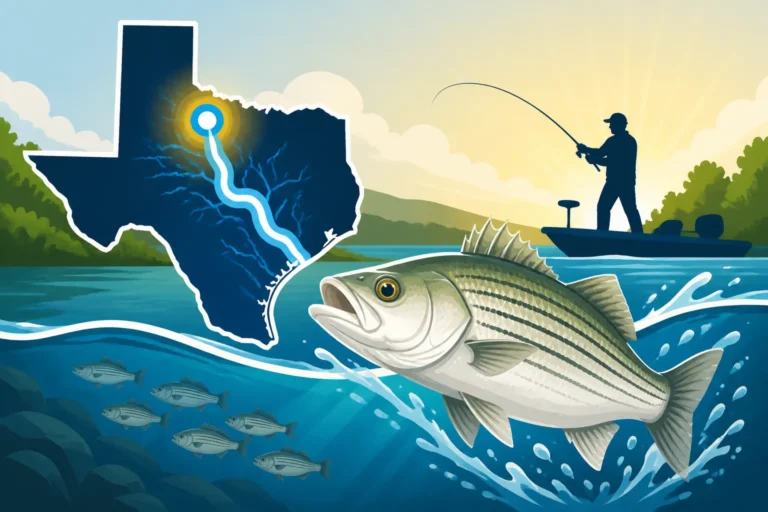
Hybrid striped bass and pure striped bass also become very active in the fall. These powerful, open-water predators often chase schools of shad near the surface, especially in reservoirs like Lake Texoma, Possum Kingdom Lake, or Lake Whitney. Look for birds diving into the water, as this is a tell-tale sign of a feeding frenzy below. Trolling with shad-imitating lures, casting spoons, or live bait fishing can be incredibly productive. The cooler weather means these fish fight even harder, providing an exhilarating experience.
Flounder Runs and Redfish Migrations
Along the coast, fall signals the famous flounder run. Starting around October and peaking in November, southern flounder migrate from the shallow bays and estuaries to the Gulf of Mexico to spawn. This annual migration creates exceptional opportunities for anglers to target these delicious flatfish as they funnel through passes, channels, and bay entrances. Flounder gigging at night also becomes incredibly popular during this period. Remember, the Texas Flounder Season and Limits are very specific and often include a closed season in November to protect spawning fish, so always check the latest regulations.
Redfish also remain a prime target throughout the fall. As bay waters cool, they often school up in large numbers and become incredibly active, feeding aggressively on shrimp and baitfish. Wade fishing with soft plastics or live bait, or casting spoons and topwaters along grass lines and oyster reefs, can yield excellent results. The cooler air makes long days of wade fishing much more enjoyable, and the sheer power of a fall redfish on the line is something every coastal angler cherishes.
Cooling Waters, Active Crappie
Crappie fishing also sees a resurgence in the fall. After being scattered and often deep during the summer, they begin to regroup and move into more predictable patterns as water temperatures fall into the 60s. They'll often be found around brush piles, standing timber, and bridge pilings in mid-depth ranges (10-20 feet), actively feeding on baitfish. Using small jigs tipped with crappie nibblers or live minnows is a classic and highly effective technique. Lakes like Cedar Creek Reservoir and Lake Palestine are known for their great fall crappie fishing. The cooler temperatures mean these fish are often more cooperative and willing to bite throughout the day, making it a great time for a family fishing outing.
Winter: Finding Success in the Chill
Winter fishing in Texas, while often overlooked by fair-weather anglers, can actually be incredibly rewarding. It demands patience and a nuanced approach, but the rewards can be substantial, especially for those targeting specific species that thrive in colder conditions.
Locating Deep-Holding Fish
As water temperatures plummet into the 40s and 50s, many freshwater species become more lethargic and tend to school up tightly in deeper water. For bass, this means searching for them on deep main lake points, ledges, creek channels, and around submerged timber. They'll often be found in 20-40 feet of water, and sometimes even deeper. Finesse techniques like dropshotting, jigging spoons, or slowly dragging a football jig or a small, Texas-rigged worm become highly effective. Electronics are absolutely essential for locating these tight schools of fish; without them, you're essentially looking for a needle in a haystack. The bites can be very subtle, often feeling like just a little weight on the line, but if you're persistent and can pinpoint their location, you can have some truly incredible days catching large numbers of fish.
Crappie also follow a similar pattern, moving into deeper brush piles, bridge pilings, and standing timber, sometimes in depths exceeding 25 feet. They'll still bite, but usually prefer slower presentations. Vertical jigging with tiny jigs or minnows directly over the fish, once located on your sonar, is the most productive method. In some instances, when conditions are right, you might find a massive school of crappie tightly packed, and you can fill a cooler in a short amount of time.
Trout Stocking and Guadalupe River Action
One of the unique winter fishing opportunities in Texas is the rainbow trout stocking program by the Texas Parks and Wildlife Department (TPWD). From November through March, TPWD stocks thousands of rainbow trout into various community fishing lakes, state park ponds, and several rivers, providing an exciting cold-water fishery. The Guadalupe River, particularly the stretch below Canyon Lake Dam, is nationally renowned for its year-round trout fishery, supported by cold-water releases from the dam and regular stockings. This is a premier destination for fly anglers and spin fishermen alike, offering the chance to catch feisty rainbows and even larger brown trout. Light tackle with small inline spinners, powerbait, or corn is often effective in stocked ponds, while the Guadalupe demands more specialized fly-fishing techniques or careful presentations with artificial lures. If you're looking for a winter fishing adventure, the Guadalupe River is a must-visit, a true gem in the heart of the Texas Hill Country.
Coastal Cold Weather Patterns
Winter on the Texas coast presents its own set of challenges and rewards. While sustained cold fronts can make fishing tough, causing "fish kills" in extreme cases, the periods between fronts can offer phenomenal fishing. Speckled trout, redfish, and flounder will often move into deeper channels, protected bayous, and dark-bottomed lakes or flats where the water warms faster. Target sunny, calm days when the water has had a chance to warm up a few degrees. These fish often become concentrated, and if you find a school, the action can be very good. Soft plastics fished slowly on the bottom, or even live shrimp under a popping cork on warmer days, can be effective.
One of the most exciting aspects of winter coastal fishing is the potential for trophy speckled trout. Many anglers believe that the largest trout are caught during the coldest months. They'll often be found in deeper guts or channels, and require a patient approach with larger baits or slow-moving artificials. The key to successful winter coastal fishing is monitoring weather patterns closely, looking for those brief windows of stable, warming weather between cold fronts.
Understanding Weather and Water Conditions
Beyond the broad strokes of seasonal changes, granular environmental factors play an immense role in day-to-day fishing success. True veteran anglers in Texas aren't just looking at the calendar; they're constantly observing and interpreting weather patterns, water conditions, and even celestial movements.
The Impact of Fronts and Barometric Pressure
Cold fronts are a double-edged sword in Texas fishing. Before a strong cold front hits, fish often go on a feeding spree. The rapidly dropping barometric pressure signals a change, and fish will often feed aggressively for a day or two. This "pre-frontal bite" can be absolutely phenomenal. However, once the front passes and high pressure settles in, fishing can become extremely tough. The fish often become lethargic, hugging the bottom or dense cover, and are much less willing to chase baits. They might bite, but it will be a much lighter, more subtle take. Understanding this phenomenon allows you to strategically plan your trips, aiming for those pre-frontal windows. For example, if a strong blue norther is predicted for Tuesday, Monday might be your best bet for a banner day on the lake or bay. These pressure changes affect everything from freshwater bass to saltwater redfish, making them a crucial consideration for any serious angler.
Water Temperature: The Angler's Thermometer
If there's one single factor that dictates fish behavior more than any other, it's water temperature. Every species has an optimal temperature range for feeding, spawning, and general activity. For largemouth bass, for instance, the ideal feeding range is typically from the mid-50s to low 70s Fahrenheit. Outside these ranges, they might still eat, but they'll be less active or require different presentations. In winter, fish seek out warmer water; in summer, they look for cooler water. Knowing the current water temperature of your target lake or bay helps you predict where fish will be and how active they might be. A simple handheld thermometer or the temperature gauge on your fish finder becomes an invaluable tool. For example, if you're targeting crappie in early spring and the main lake is 48 degrees, you know to look for warmer, shallower coves or creeks where the water might be 5-10 degrees warmer and the fish are more active. Conversely, in the summer, if the surface temperature is 90 degrees, you'll be focusing your efforts much deeper.
Tides and Currents: The Coastal Angler's Almanac
For anyone fishing the Texas coast, understanding tides and currents is as crucial as understanding water temperature in freshwater. Tides dictate water movement, which in turn influences baitfish movement and predator feeding patterns. Generally, a moving tide – either incoming or outgoing – is better than slack tide. Moving water concentrates bait, washes food items into the open, and positions predatory fish in ambush points. Strong currents, especially around passes, jetties, and major bay entrances, can be excellent for targeting species like speckled trout, redfish, and even sharks.
Savvy coastal anglers consult tide charts religiously. They'll know exactly when high and low tides occur, and plan their fishing around these movements. For instance, an incoming tide might be perfect for wade fishing shallow flats as baitfish are pushed in, while an outgoing tide might concentrate fish at the mouths of drains or bayous as water levels drop. Different species also have preferences; some might feed more aggressively on a strong incoming tide, while others prefer the outflow. Learning to read the water, observe current lines, and interpret local tide charts is a skill that takes time but will dramatically improve your success on the Texas coast.
Species-Specific Peak Seasons
While general seasonal advice is helpful, true mastery comes from understanding the peak seasons for specific fish species. Texas is home to an incredible array of game fish, each with its own preferred conditions and active periods.
Largemouth Bass: Year-Round, But Peak Spawns
Texas is undeniably a bass fishing paradise, and you can catch largemouth bass virtually year-round. However, certain times offer superior opportunities. The absolute peak for trophy bass is typically during the pre-spawn and spawn phases in spring, generally from late February through April, depending on the region. This is when the largest females are shallow and at their heaviest. Post-spawn through early summer can also be very productive as fish recover and feed aggressively. Summer requires adapting to deeper water or low-light conditions, but good catches are still possible. Fall sees another surge in activity as bass feed up for winter, often schooling and chasing bait. Winter can be challenging but offers the chance for big fish with finesse techniques if you can locate them. Overall, if you want numbers and trophy potential, spring is hard to beat, but persistent anglers can find success in every season. For targeting these coveted fish, a versatile rod and reel combo, which you can easily find on Amazon, will serve you well through the changing seasons.
Catfish: Consistently Good, Summertime Prime
Catfish are the workhorses of Texas fishing, offering consistent action and delicious table fare almost any time of year. However, summer is arguably their prime season. The warm water makes blue, channel, and flathead catfish incredibly active, especially during the long summer nights. They'll readily take a variety of baits, from traditional stink baits and cut bait to live perch. Many lakes and rivers throughout Texas, like Lake Livingston and the Trinity River, are renowned for their catfish populations. Beyond summer, spring offers excellent pre-spawn opportunities, and fall sees them feeding heavily before winter. Even in winter, deep-water catfishing can be productive, especially for larger blues. They're resilient, abundant, and generally less affected by minor weather changes than other species, making them a fantastic target for beginners and seasoned anglers alike.
Redfish and Speckled Trout: Coastal Favorites
For saltwater enthusiasts, redfish and speckled trout are the undisputed kings of the Texas bays. While catchable year-round, their peak seasons often coincide with the transition months. Spring and fall are generally considered prime. In spring, as water temperatures rise, both species become highly active in the shallows, feeding aggressively. This is a great time for topwater action in the mornings. Fall sees an even more intense feeding period as fish prepare for winter, and large schools of redfish can be found chasing bait. The Texas Redfish Size and Bag Limits are important to remember as these fish can grow quite large.
Summer fishing for trout and reds is also excellent, particularly during early mornings, late evenings, or at night. They'll often move to deeper grass beds, channels, or around structures like oyster reefs to escape the heat. Winter can be tough, especially after severe cold fronts, but the periods of stable weather between fronts can offer some of the best fishing for trophy-sized speckled trout, often found in deeper bayous and channels. Learning How to Wade Fish for Redfish in Texas will open up many opportunities across these prime seasons.
Essential Gear for Year-Round Texas Angling
Having the right equipment can make all the difference, especially when adapting to Texas's diverse fishing conditions and seasons. While you don't need to break the bank, investing in versatile, reliable gear tailored to your target species and preferred techniques will significantly enhance your experience.
Versatile Rods and Reels
For freshwater anglers targeting bass, a medium-heavy action rod between 6'6" and 7'3" with a fast tip, paired with a reliable baitcasting or spinning reel, will cover a wide range of techniques through all seasons. This setup is versatile enough for Texas rigs, jigs, spinnerbaits, and even some crankbaits. For crappie and panfish, lighter action rods (light or ultralight) with small spinning reels are ideal. Catfishing often requires heavier, sturdier rods with powerful reels capable of handling heavy weights and larger fish. Along the coast, a medium-heavy or heavy action spinning rod (7-7.5 ft) with a corrosion-resistant reel spooled with braided line is a great all-around choice for redfish and trout. Having a selection of a few versatile combos ensures you're prepared for whatever Texas throws at you. You can find excellent options for Best Fishing Rods for Texas Anglers suitable for different species and fishing styles, often with detailed reviews, on Amazon.
Adapting Your Lure and Bait Selection
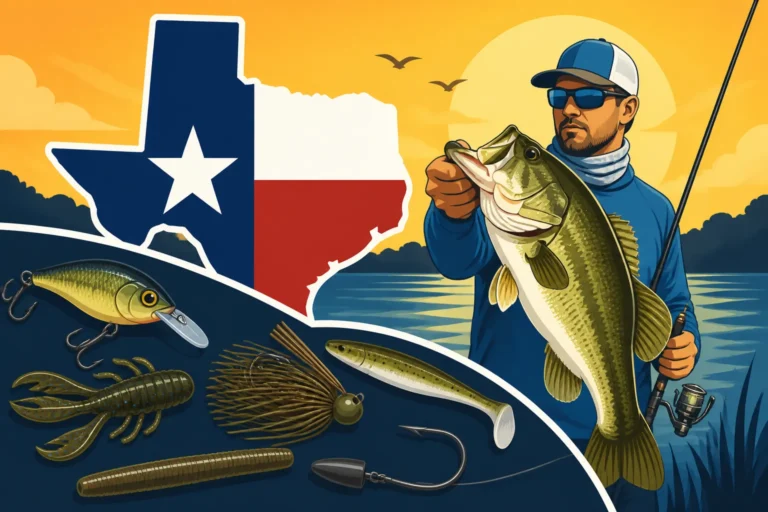
Your bait and lure choices should evolve with the seasons and water conditions. In spring, during the spawn, soft plastics, jigs, and slow-moving presentations are key for bass. White bass runs demand small inline spinners, spoons, or tiny jigs. Summer means switching to deeper presentations for bass (deep cranks, jigs, heavy worms), live or cut bait for catfish, and topwaters or soft plastics for coastal species in low light. Fall is a reaction bait paradise for bass (crankbaits, spinnerbaits), and jigs or minnows for crappie. Coastal anglers will use a mix of soft plastics, spoons, and live bait. In winter, finesse lures and slow presentations are paramount for freshwater bass and crappie, while live shrimp or slow-fished plastics are good for coastal fish. Always have a variety of colors, especially in soft plastics, to match water clarity and forage. For a comprehensive look at what works best, check out our guide on the Best Bait and Lures for Texas Fishing.
Staying Comfortable and Safe
Texas weather can be extreme, from blistering summer heat to surprisingly frigid winter days. Staying comfortable and safe is just as important as having the right rod. In summer, prioritize hydration, sun protection (wide-brimmed hats, long-sleeved UPF clothing, sunscreen, polarized sunglasses), and lighter clothing. For cooler months, layering is crucial. A good waterproof and windproof outer layer, along with warm underlayers, will keep you comfortable. Always carry basic first-aid supplies, especially if you're venturing to remote areas.
If you're fishing from a boat, ensure all required safety equipment is onboard and in good working order. Life jackets are non-negotiable, and understanding Texas Boat Safety Equipment Requirements is essential. Always let someone know where you're going and when you expect to return, particularly if fishing alone. Texas waters are beautiful but can also be unpredictable, so preparedness is key to enjoying your time on the water, regardless of the season.
Seasonal Fishing Snapshot for Texas
To give you a quick overview, here's a table summarizing the general peak times for some of Texas's most popular species. Remember, these are general guidelines, and local conditions can always vary!
| Season | Target Species | Primary Locations | Key Techniques / Baits | Notes |
|---|---|---|---|---|
| Spring | Largemouth Bass, White Bass, Crappie, Speckled Trout, Redfish | Freshwater Lakes (shallow), Rivers/Creeks, Coastal Bays | Soft plastics, jigs, spinnerbaits, minnows, topwaters | Bass spawn, white bass runs, crappie move shallow |
| Summer | Catfish, Largemouth Bass, Hybrid Striped Bass, Redfish, Speckled Trout | Freshwater Lakes (deep, shaded), Rivers, Coastal Bays (low light, deep) | Live/cut bait, deep jigs/crankbaits, topwaters (night), soft plastics | Catfish peak, night fishing, deep-water strategies |
| Fall | Largemouth Bass, Hybrid Striped Bass, Crappie, Redfish, Flounder | Freshwater Lakes (mid-depth), Coastal Bays/Passes | Crankbaits, spinnerbaits, topwaters, jigs, minnows, soft plastics | Feeding frenzy, flounder run, active all day |
| Winter | Rainbow Trout, Catfish, Largemouth Bass, Speckled Trout | Stocked Lakes/Rivers (Guadalupe), Deep Channels, Coastal Bays (protected) | Small lures, PowerBait, live bait, finesse jigs, soft plastics | Trout stocking, deep-water finesse, coastal cold fronts |
Disclaimer
Fishing conditions and regulations in Texas are subject to change. Always consult the latest Texas Parks and Wildlife Department (TPWD) Outdoor Annual for current licensing requirements, bag limits, and specific regulations for the water body you plan to fish. This guide is for informational purposes only and does not constitute professional advice.