Best Time to Catch Striped Bass in Texas
If you're anything like me, you've probably spent countless hours wondering when exactly those elusive striped bass decide to really turn on in Texas waters. It can feel like a guessing game sometimes, especially with our wild Texas weather, but there's definitely a method to the madness. This comprehensive guide is going to walk you through the seasonal shifts, daily rhythms, and environmental factors that truly influence when and where you'll have the best shot at catching those powerful stripers across our great state.
Understanding Striped Bass Behavior Across Texas Seasons
Striped bass, both the purebred and the popular hybrid varieties, are fascinating fish that really react to their environment, particularly water temperature and food availability. Unlike some of our more predictable freshwater species, stripers are constantly on the move, chasing baitfish and seeking out comfortable conditions. This migratory nature, even within a single reservoir, means that understanding their seasonal patterns is crucial for consistent success. It's not just about throwing a line in; it's about being in the right place at the right time, and that changes dramatically with the calendar.
The Critical Role of Water Temperature
Water temperature is, without a doubt, the single biggest factor dictating striped bass activity in Texas. Stripers thrive in cooler water, generally preferring temperatures between 55 and 70 degrees Fahrenheit. When the water gets too warm, typically above 80 degrees, their metabolism slows down, they become lethargic, and they'll seek out deeper, cooler, more oxygenated water. Conversely, when temperatures drop too low, their activity can also decrease, though they remain catchable.
Think about it like this: in the scorching Texas summer, finding that sweet spot means either going really deep or fishing at night when surface temperatures drop. In spring and fall, when temperatures are ideal, stripers are often found shallower and are much more aggressive, making for some truly exciting topwater action. I've spent many a morning on Lake Whitney just after a cool front, watching the water come alive as the stripers move up to feed.
Prey Availability and Migration Patterns
Striped bass are voracious predators, and their movements are almost entirely dictated by the presence of their food sources. In Texas, this largely means shad – both gizzard and threadfin shad. When the shad are schooling up in certain areas, you can bet the stripers won't be far behind. This often leads to predictable migration patterns throughout the year.
For example, in spring, as shad move into creek arms and shallower flats to spawn, stripers will follow them. In the heat of summer, when shad seek out cooler, deeper water, the stripers descend with them. Understanding the baitfish patterns on your chosen lake is like having a secret weapon. Sometimes, just spotting a school of bait on your fish finder or seeing birds diving can be your biggest clue. This relationship is a fundamental aspect of any successful fishing trip, whether you're targeting purebred stripers in Lake Texoma or hybrids in Lake Tawakoni.
Texas Striped Bass Versus Hybrid Striped Bass
It's important to recognize that while both purebred and hybrid striped bass share many characteristics, there are some subtle differences in their behavior and where you'll find them in Texas. Purebred stripers are largely confined to Lake Texoma, where they naturally reproduce in the Red and Washita rivers, as detailed in our comprehensive guide on Texas Striped Bass Fishing Guide. They tend to be larger on average and often exhibit more pronounced schooling behavior, especially in open water.
Hybrid stripers, a cross between a striped bass and a white bass, are stocked in numerous other Texas reservoirs like Lakes Whitney, Buchanan, Richland Chambers, and Belton. They are known for their incredible fight and tolerance for warmer water than their purebred cousins, which means they can be a bit more accessible during the hotter months in some lakes. Understanding Texas Hybrid Striped Bass vs Pure Striped Bass is key to adapting your tactics. While their core behaviors are similar, hybrids might be found in slightly shallower water during periods when purebreds would be deeper, simply due to their genetic makeup allowing for a broader temperature tolerance.
Spring: The White Bass Run Overlap and Early Striper Action
Ah, spring! This is a magical time to be on the water in Texas. As the days lengthen and the water temperatures gradually climb into that ideal 55-70 degree range, striped bass really start to become active. It's a period of transition where you can experience some of the most consistent and exciting fishing of the year, often overlapping with the famed white bass runs in many systems.
Pre-Spawn and Early Feeding Frenzies
In early spring, typically from late February through April, striped bass are entering their pre-spawn phase. While purebred stripers in Lake Texoma actually spawn, hybrid stripers in other lakes don't, but they still go through a similar biological conditioning. During this time, they're aggressively feeding to build up energy reserves. The water is cool, oxygen levels are high, and baitfish are becoming more active. This often means large schools of stripers pushing shad into tight balls, resulting in explosive surface feeds.
You'll find them congregating in creek channels, river bends, and main lake points where baitfish are abundant. Early mornings and late afternoons are prime times, but overcast days can extend the bite throughout the day. I've had incredible success on Lake Whitney during these months, casting lipless crankbaits or large swimbaits into schooling fish. It's a fantastic opportunity to catch some true trophy fish as they're at their heaviest before the summer heat.
Following the Baitfish Migration
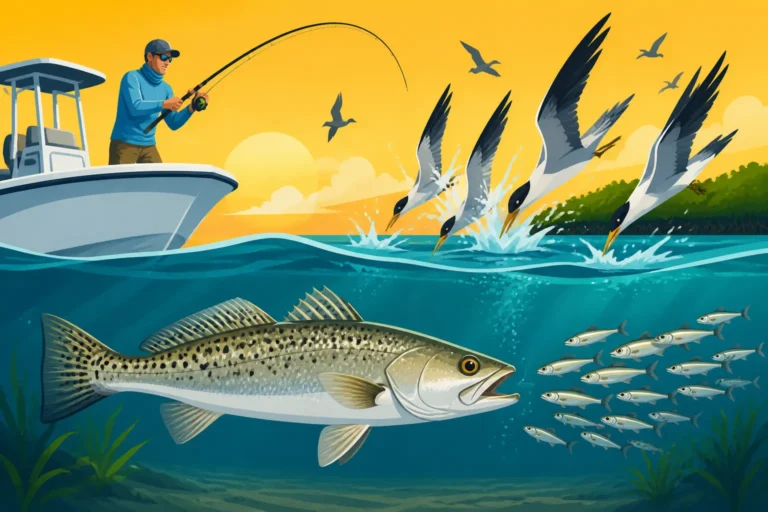
As spring progresses, often into May, the baitfish, especially shad, begin their own spawning rituals. This usually involves moving into shallower coves, creek arms, and even rocky banks. The stripers, being opportunistic predators, will follow them. This period is fantastic for targeting stripers in areas that might seem surprisingly shallow later in the year. Look for birds like gulls and terns diving – they're often key indicators of bait being pushed to the surface by hungry stripers from below.
Many anglers use topwater lures during this time because the stripers are actively feeding near the surface. Casting a Zara Spook or a Red Fin into a boil of feeding fish is one of the most exhilarating experiences in fishing. You can often predict their movements by observing where the bait is concentrated. On a clear spring morning, watching for those tell-tale splashes is a crucial skill to develop.
Prime Locations in Spring
While Lake Texoma is the undisputed king for purebred striped bass, other Texas lakes shine for hybrids in the spring. Lake Whitney, Lake Buchanan, and Lake Belton are fantastic for aggressive hybrid striper action. Look for these fish in the upper reaches of the lake where river or creek inflows create current and attract bait. Main lake points and submerged humps near channel swings are also consistent producers.
If you're specifically targeting Lake Texoma, the mouths of the Red and Washita Rivers become major hotspots as stripers stage for their spawning runs. Trolling large swimbaits or umbrella rigs can be incredibly effective when fish are spread out, while vertical jigging can work wonders when they're congregated on ledges or humps. Always keep an eye on How to Read a Texas Lake Fishing Report for up-to-the-minute information on where the fish are biting.
Summer: Deep Water Retreats and Night Fishing Strategies
When the scorching Texas summer arrives, usually from June through August, striped bass fishing undergoes a significant shift. The relentless heat drives water temperatures up, often pushing them beyond the striper's comfort zone, especially in the shallower sections of reservoirs. This means you need to adjust your tactics dramatically to find success. It's not impossible to catch them, but it requires strategy and often a willingness to brave the heat or embrace the night.
Deep Water Sanctuaries and the Thermocline
As surface temperatures soar, striped bass will seek refuge in the deepest, coolest, and most oxygenated water available. This often means finding them concentrated along the thermocline – a layer of abrupt temperature change in the water column. In many Texas lakes, this thermocline might be anywhere from 20 to 40 feet deep, depending on the lake's depth and structure.
Fish finders become indispensable tools during the summer. You're looking for schools of baitfish and prominent arcs (stripers!) hovering just above or within the thermocline. Trolling deep-diving crankbaits, using downriggers, or vertical jigging with heavy spoons and slab lures are go-to techniques. It's a game of electronics and precision, requiring you to present your bait directly to the fish in their preferred comfort zone. Often, these deep schools can be massive, leading to multiple hookups once you find them.
Night Fishing for Stripers
If you're not keen on battling the midday sun, night fishing for stripers in Texas summers can be incredibly productive and surprisingly comfortable. As the sun sets, surface temperatures cool, and stripers, especially hybrids, will often move shallower to feed under the cover of darkness. The absence of direct sunlight also makes them less wary.
One popular method is to use powerful underwater lights to attract baitfish, which in turn draws in the stripers. Once the bait is gathered around the lights, you can use live shad, large jigs, or even topwater lures to entice strikes. I've had some unforgettable nights on Lake Livingston and Lake Grapevine, with stripers crashing topwater plugs under the moon. This strategy can be especially effective around bridge pilings, lighted docks, and main lake points. Just remember your Texas Boat Safety Equipment Requirements and appropriate navigation lights for night operations!
Early Morning and Late Evening Bites
Even during the summer, there are windows of opportunity during daylight hours. The first few hours after sunrise and the last few hours before sunset offer slightly cooler conditions and often increased striper activity. During these times, stripers might briefly venture into shallower depths or school up near the surface to feed.
Keep an eye out for birds diving or sudden splashes on the surface, indicating a "striper boil." Have a topwater lure or a fast-sinking jig ready to cast into these frenzies. The key is to be on the water right at legal light and stay until the sun really gets high, or to head out as it begins to dip. These brief periods can yield some fantastic action before the fish retreat to deeper water for the day. You might even find some schooling action over deep humps or channel edges where they can quickly dive back down.
Fall: The "False Run" and Aggressive Feeding
Fall is arguably one of the best, if not the best, times to catch striped bass in Texas. As summer's oppressive heat finally breaks and water temperatures begin their gradual descent, stripers undergo a resurgence of activity. They know winter is coming, and they go into a major feeding mode to pack on reserves, leading to some of the most consistent and explosive fishing experiences. This is often referred to as the "false run" by anglers on purebred lakes like Lake Texoma, as fish mimic their spring spawning movements without actually reproducing.
Post-Summer Recovery and Aggressive Feeding
From September through November, the water temperatures typically fall back into that prime 60-75 degree range, reinvigorating the stripers. Their metabolism kicks into high gear, and they become incredibly aggressive. Baitfish are also abundant, having had a full summer to grow, and they too are schooling up in preparation for cooler weather. This creates perfect conditions for predator and prey encounters.
You'll find stripers actively chasing bait in shallower to mid-depth ranges, often right on the surface. They’ll be pushing schools of shad against banks, into coves, and over humps, creating spectacular feeding frenzies that can last for extended periods. This is a time when casting topwater lures, large swimbaits, and even crankbaits can be incredibly effective. The sheer power of a fall striper hitting a topwater bait is something every angler should experience.
Locating Fall Stripers
Finding stripers in the fall often revolves around locating baitfish. Look for large schools of shad in the backs of creeks, along main lake points, and over submerged humps. Again, diving birds are your best friends; they pinpoint where the stripers are actively pushing bait to the surface. Areas with a good amount of current, such as those near dam discharges or river inlets, can also be hotspots as current concentrates bait.
On Lake Texoma, the main lake points and humps become incredibly productive. For hybrid striper lakes, virtually any area with schooling bait can hold fish. Don't be afraid to cover water using your Best Trolling Motors for Texas Bass Boats or by simply running and gunning from spot to spot, watching your electronics for bait and fish. Once you find a school, chances are there are many more stripers in the vicinity.
Gear and Tactics for Fall Action
Fall striper fishing allows for a wide array of techniques. Trolling umbrella rigs or large bucktail jigs is highly effective when fish are scattered or holding deeper. When they're on the surface, topwater plugs like a Super Spook or a Pencil Popper, or even soft plastic flukes, will draw explosive strikes. For casting to breaking fish, a good quality spinning reel spooled with strong braided line can cast light lures a long distance.
Consider heavier gear than you might use for largemouth bass, as these fish pull hard! A medium-heavy to heavy action rod paired with a robust baitcasting or spinning reel is ideal. Many anglers find great deals on these items on Amazon as they prepare for the prime fall season. Don't forget a good pair of pliers and a fish gripper; these fish have sandpaper teeth and are notoriously tough to handle.
Winter: Cold Water Challenges and Productive Periods
Winter fishing for striped bass in Texas, from December through February, can be a mixed bag. While the overall activity level decreases compared to the frenetic pace of spring and fall, winter can offer some incredibly consistent and often overlooked opportunities, especially for larger fish. The key is understanding how stripers adapt to colder water and adjusting your approach accordingly.
Slower Metabolism and Concentrated Schools
As water temperatures drop into the 50s and even 40s, striped bass metabolism slows down. They don't need to feed as often, and their movements become less erratic. However, this often leads to them concentrating in large, dense schools in specific areas. Finding these schools is paramount, as once you do, you can often catch multiple fish from the same spot.
These winter schools will typically hold in deeper water, often along main lake channels, bluff walls, deep humps, or near thermal refuges like power plant discharges. Baitfish, too, will school tightly to conserve energy, and the stripers will simply follow. The challenge isn't necessarily getting them to bite once found, but rather locating those concentrated schools.
Jigging and Deadsticking Techniques
Traditional casting and retrieving lures can be less effective in winter because the fish aren't as willing to chase. This is where vertical presentations shine. Jigging spoons, heavy slab lures, or large bucktail jigs dropped directly onto schools of fish can be incredibly productive. The retrieve should be slower and more deliberate, mimicking a lethargic baitfish. A good fish finder is, once again, your best friend here, helping you pinpoint those deep schools.
"Deadsticking" is another excellent winter technique, especially for hybrid stripers. This involves dropping live bait, usually shad, down to the depth where the fish are holding and letting it sit with minimal movement. The subtle wiggles of a live shad are often enough to tempt a less-active striper. Having a Best Baitcasting Reels for Texas Bass Fishing or a heavy-duty spinning setup with a sensitive rod will allow you to detect those light winter bites.
Best Winter Striper Lakes
Lake Texoma remains a premier destination for purebred stripers in winter. The fish will congregate in the deeper parts of the lake, particularly in the lower end towards the dam and along the river channels. You might find them in depths of 40-80 feet or more. Other excellent winter hybrid striper lakes include Lake Whitney, Lake Buchanan, and Lake Belton, all of which have deep-water structure where fish can be found.
Remember that while fishing can be slower, the fish you do catch are often healthy and robust. Layering up is crucial for your comfort during winter fishing, as those Texas mornings can be quite chilly before the sun makes an appearance. Don't let the cold deter you; winter can be a truly rewarding time to target stripers if you adapt your approach.
Daily Timing and Environmental Factors for Striped Bass
Beyond the seasonal shifts, the precise time of day and various environmental conditions play a massive role in whether stripers are actively feeding or simply cruising. Even on the "best" day of the year, hitting the water at the wrong time or ignoring subtle cues can leave you scratching your head.
Early Morning and Late Evening Bites
This is a classic fishing rule that holds especially true for striped bass, regardless of the season. The periods around sunrise and sunset are almost always prime times. During these "low light" conditions, stripers feel more confident moving into shallower water to feed, and baitfish are often more active. The cooler temperatures during these hours are also more comfortable for stripers, especially in warmer months.
I've learned that being on the water an hour before official sunrise and staying an hour after sunset can make or break a trip. These are the times when topwater blow-ups are most common, and schools of fish are more likely to push bait to the surface. It's often worth battling the early alarm or staying out a little later to capitalize on these golden hours.
Cloud Cover and Overcast Conditions
Overcast days are a gift to striper anglers. Just like low light conditions, cloud cover diffuses sunlight, making stripers feel more secure in shallower water and extending their active feeding periods throughout the day. Instead of retreating to the depths by mid-morning, they might continue to hunt closer to the surface.
This is particularly noticeable in spring and fall. On a bright, sunny day, the bite might shut down by 9 or 10 AM, but under a heavy cloud cover, it could last well into the afternoon. Don't be afraid to hit the water on a dreary-looking day; those are often some of the best days for striper action. You can find gear that helps you combat these conditions, like specific polarized sunglasses for low light available on Amazon, to help spot fish and bait.
Wind and Barometric Pressure
Wind can be both a friend and a foe to striper anglers. A light chop on the water can actually be beneficial, breaking up the surface and making stripers less wary. It also creates current and concentrates baitfish, pushing them against points or shorelines where stripers can ambush them. However, strong winds can make boat control and casting difficult, potentially shutting down a bite. Learning How wind affects bass fishing on Texas lakes is a valuable skill for any angler.
Barometric pressure also has an impact. A steady or rising barometer, indicating stable or improving weather, often correlates with more active fish. A rapidly falling barometer, usually signaling an approaching cold front or storm, can sometimes trigger a pre-front feeding frenzy, but often results in the fish shutting down once the front passes. Keeping an eye on weather patterns and the forecast can give you a significant advantage. Sometimes, it's about timing your trip to hit before the front, not during or after.
Seasonal Summary and Striper Tactics
To really nail down the best time to catch striped bass in Texas, it comes down to being adaptable and understanding the fish's natural instincts throughout the year. Here's a quick overview of what to expect and how to approach each season:
| Season | Best Time of Day | Typical Location | Recommended Tactics | Key Notes |
|---|---|---|---|---|
| Spring | Early morning, late evening, overcast days | Creek arms, river channels, main lake points, shallow flats | Topwater lures, swimbaits, lipless crankbaits, trolling | Fish are active, aggressively feeding. Look for baitfish spawning in shallows. Lake Texoma for purebreds. |
| Summer | Nighttime, first light, last light | Deep water, thermocline, lighted areas (night) | Live bait, deep-diving crankbaits, vertical jigging, trolling, night fishing with lights | Fish seek cool, oxygenated water. Electronics are crucial for finding deep schools. |
| Fall | Early morning, late evening, all day overcast | Main lake points, humps, creek mouths, schooling bait | Topwater lures, large swimbaits, umbrella rigs, jigging | Explosive feeding frenzies as fish bulk up for winter. Often considered the best season. |
| Winter | Midday (when sun is highest), stable weather | Deep channels, bluff walls, humps, power plant discharges | Vertical jigging (spoons, slabs), deadsticking live bait | Slower metabolism, but fish are concentrated in large schools. Patience and precise presentation are key. |
Remember, this is a general guideline. Conditions can vary wildly from year to year and even week to week in Texas. Always check Texas Fishing License Requirements Explained and bag limits before heading out.
Final Thoughts on Your Next Striper Adventure
Catching striped bass in Texas is an incredibly rewarding experience, whether you're battling a hard-fighting hybrid in a Hill Country lake or a giant purebred striper on Lake Texoma. The "best time" really boils down to understanding their seasonal movements, paying attention to water temperatures and baitfish, and being willing to adapt your techniques. Don't be afraid to experiment with different lures and depths, and always keep an eye on the local fishing reports. With a little planning and persistence, you'll be consistently finding those powerful, acrobatic stripers and making memories out on the water.
Disclaimer
The information provided in this guide is for general informational purposes only. Fishing regulations, conditions, and fish behavior can change. Always consult the latest regulations from the Texas Parks and Wildlife Department (TPWD) before fishing and prioritize safety on the water.