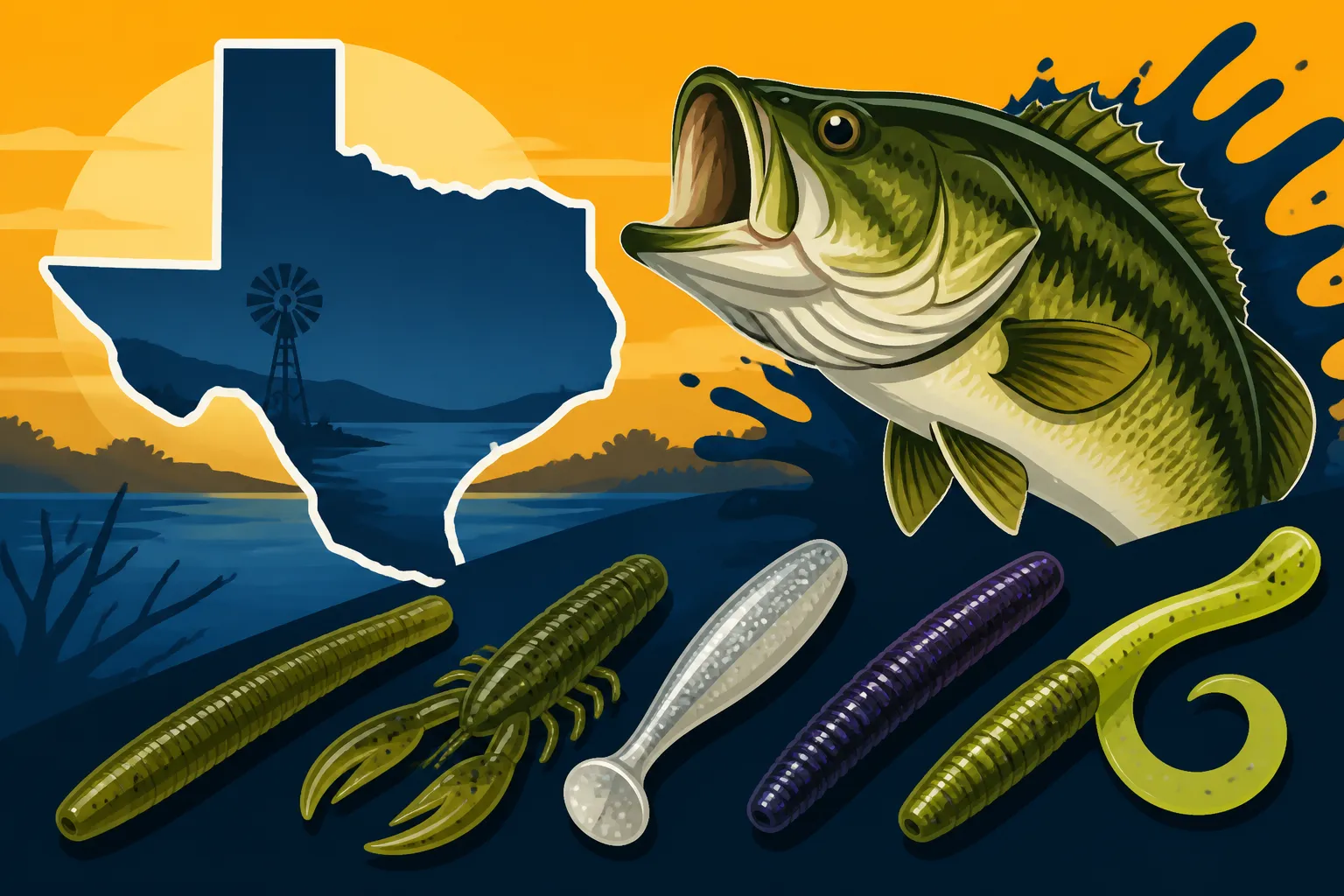
Best Soft Plastics for Texas Bass Fishing
Navigating the overwhelming array of soft plastics available for bass fishing can feel like trying to find a needle in a haystack, especially with the diverse fishing environments we have here in Texas. From the clear-water reservoirs of the Hill Country to the stained waters of East Texas lakes, figuring out which lure to tie on can be a real head-scratcher. This guide is designed to cut through the confusion, offering a detailed look at the best soft plastics for enticing those Texas bass, no matter the season or the water you're fishing.
Understanding Texas Bass and Their Soft Plastic Preferences
Before we dive into specific lures, it's really important to understand the environment and the fish we're targeting. Texas bass aren't a monolithic entity; their behavior, preferences, and even their forage change dramatically across our vast state and through the seasons.
The Diverse Habitats of Texas Bass
Texas boasts an incredible variety of lakes, rivers, and ponds, each with its own unique characteristics. Think about it: a bass in Lake Travis, known for its clear, deep waters, is going to behave differently and respond to different presentations than a bass in the timber-filled, stained waters of Sam Rayburn Reservoir.
For instance, in crystal-clear impoundments like Canyon Lake or Lake Amistad, bass often rely heavily on sight. This means your soft plastics need to look incredibly natural, mimicking local baitfish or crawfish with realistic colors and subtle movements. You'll want to focus on natural shades like green pumpkin, watermelon, or shades of brown and gray. These conditions also lend themselves well to finesse presentations where the bass has plenty of time to inspect your offering.
Conversely, when you're fishing murkier lakes such as Lake Livingston or even many of our smaller city park ponds, visual cues are less important. Bass in these waters often rely more on lateral line vibrations and scent. Here, larger profiles, darker colors like black and blue, junebug, or even brighter hues like chartreuse, coupled with plastics that displace a lot of water (like creature baits with flapping appendages), can be incredibly effective. The type of cover also plays a huge role; dense hydrilla demands weedless rigs, while open water points might call for a different approach entirely.
Seasonal Changes and Bass Behavior
Just like us, bass change their habits with the seasons, and their diet and preferred presentation methods shift right along with them. Understanding these annual cycles is key to picking the right soft plastic.
In the pre-spawn phase, typically late winter to early spring, bass are staging in deeper water adjacent to spawning flats, loading up on calories. During this time, they're often aggressive, but also somewhat cautious. Larger profile soft plastics like big worms, jigs with creature baits, or even slow-rolled swimbaits can be deadly as they imitate substantial meals. They're looking for energy-rich food sources to prepare for the rigors of spawning.
During the spawn itself, when water temperatures hit that sweet spot (usually 60-70 degrees Fahrenheit), bass move onto beds in shallow water. Males guard the nests, and females lay eggs. While catching them off beds can be controversial, the fact is, they're territorial. Small, intrusive soft plastics like a Texas rig creature bait or a weightless Senko dropped into the bed can often provoke a strike from a protective bass. After the spawn, during the post-spawn, bass are often tired and recuperating. They might be sluggish and spread out, making finesse presentations with smaller worms or tubes more effective.
As the brutal Texas summer sets in, bass often retreat to deeper, cooler waters or seek dense shade and cover during the day. This is when deep-diving soft plastics, heavy Carolina rigs with worms or lizards, or even night fishing with dark-colored creature baits become prime choices. They’ll move shallower during low-light conditions like dawn, dusk, or overcast days, presenting opportunities for topwater frogs or soft plastic toads in matted vegetation.
Fall brings a feeding frenzy as bass chase baitfish, preparing for winter. This is a fantastic time for soft plastic swimbaits, flukes, and fast-moving worms that mimic fleeing shad or minnows. Finally, winter fishing demands a slow, methodical approach. Bass are cold and lethargic, often suspending or holding tight to deep structure. Finesse techniques like a Ned rig, drop shot, or slow-dragged worms become your best friends, offering minimal effort meals to cold-blooded predators.
Water Clarity and Color Choices
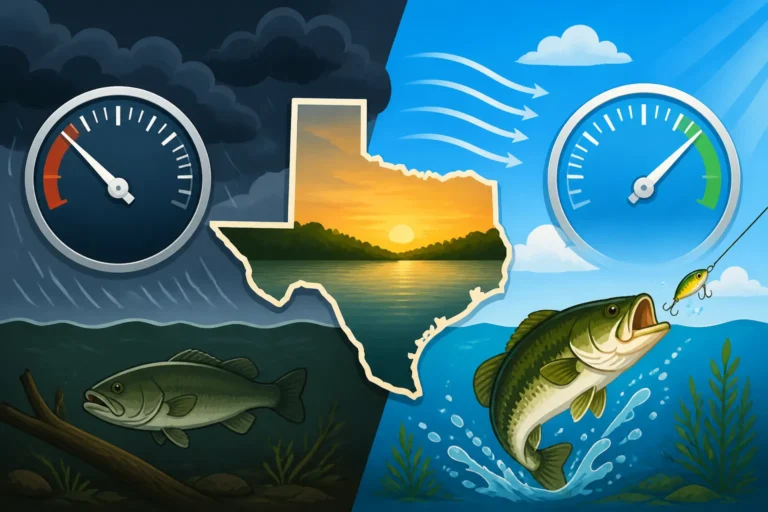
The clarity of the water you're fishing directly dictates the colors and even the retrieve speed of your soft plastics. This is one of those fundamental principles that can make or break your day on the water.
In clear water, which we often encounter in Hill Country lakes, strip pits, or some of our clearer reservoirs, bass have excellent visibility. This means your soft plastics need to be as natural-looking as possible. Think about what the local forage looks like: are there crawfish in subtle greens, browns, and oranges? Are the baitfish silvery and translucent? Colors like green pumpkin, watermelon, ghost shad, or natural browns with subtle flakes are highly effective. A lighter line, smaller bait, and a slower, more deliberate retrieve are usually the keys to success. Anglers often find that less is more in these conditions, letting the subtle action of the soft plastic do the work.
When dealing with stained or muddy water, which is common after heavy rains or in many East Texas lakes with tannin-rich inflows, visibility is low. Bass rely more on scent, vibration, and silhouette. This is when you can get away with, and often need, darker or more vibrant colors. Black and blue, junebug (a dark purple with blue flake), or even chartreuse can provide a strong silhouette against the murky background. Soft plastics with larger profiles or appendages that create more water displacement (like ribbon-tail worms or creature baits with big flapping claws) will help bass locate your lure. You might also want to impart a more aggressive action to create those necessary vibrations. Don't forget that some brands infuse their plastics with strong scents, which can be an added advantage in these low-visibility conditions. Many anglers swear by these scented options, readily available on platforms like Amazon.
Essential Soft Plastic Categories for Texas Anglers
When you walk into a tackle shop or browse online, the sheer volume of soft plastics can make your head spin. But at their core, most soft plastics fall into a few key categories, each designed for specific presentations and fish behaviors. Let's break down the main players that every Texas bass angler should have in their arsenal.
Worms: The Versatile Staple
The soft plastic worm is arguably the most fundamental and versatile lure in a bass angler's box. It's caught more bass than almost any other artificial bait, and for good reason: its simple, lifelike action can imitate a variety of forage, from earthworms to snakes to eels, and even dying baitfish.
One of the most iconic and universally effective worms is the stick bait, like the legendary Gary Yamamoto Senko. Its dense, salt-impregnated body gives it a unique, tantalizing wobble and fall when rigged weightless, often referred to as "the Senko wiggle." This subtle, natural descent is irresistible to bass, especially those that are finicky or heavily pressured. Rigged wacky-style, where the hook goes through the middle, it has an incredible shimmy on the fall. Rigged Texas-style, it can be pitched into heavy cover with minimal snagging. You can find a huge variety of these from different brands on Amazon, offering different actions and durability.
Beyond stick baits, you have straight-tail worms, which are fantastic for finesse techniques like a drop shot or Ned rig. Their subtle action is perfect for cold water or when bass are feeding on small baitfish. Then there are ribbon-tail worms or curly-tail worms, which are designed to create more vibration and motion. These are excellent for Texas rig or Carolina rig presentations, especially when fished in deeper water or when you need to cover ground. The flapping tail constantly moves, even on a slow retrieve, making it a great search bait. A 7-inch ribbon tail worm can be incredibly effective when you're trying to cover water, especially along creek channels or grass lines.
Creature Baits and Jigs: Impersonating Forage
Creature baits and their close companions, jigs, are designed to imitate larger, more substantial meals for bass, primarily crawfish, but also frogs, lizards, or even smaller baitfish. These are often the go-to choice when bass are looking for a hearty meal or when you're fishing in situations where a bass's predatory instincts are high.
Creature baits, such as the Zoom Brush Hog or the Strike King Rage Craw, feature multiple appendages – flapping claws, curly tails, and small legs – that create a lot of action and water displacement. This makes them incredibly effective in stained water where vibrations are key, or when punching through thick vegetation. They excel when rigged on a Texas rig with a heavy weight, allowing them to penetrate mats of hydrilla or dense lily pads to reach bass hiding underneath. The action of the claws flailing as the bait falls can be an instant trigger for a strike.
When paired with a jig, creature baits become even more versatile. A jig and trailer combination is a classic for a reason. The jig provides the weight and profile, while the creature bait acts as a trailer, adding bulk, color, and tantalizing action. This combination is fantastic for flipping into docks, laydowns, or rock piles. It effectively mimics a crawfish scurrying along the bottom or retreating into cover. The jig allows you to probe deeper structure or get into tight spots where bass might be ambushing prey. Learning how to catch bass on a jig can significantly up your game, especially when combining it with the right creature bait trailer. The subtle fall and thump of a jig with a flapping creature bait can be irresistible.
Tubes and Grubs: Subtle Presentations
For those days when bass are finicky, pressured, or simply not chasing aggressive baits, tubes and grubs step in as the unsung heroes of finesse fishing. These soft plastics offer a smaller, more subtle profile that can often coax a bite when other lures fail.
Tubes are hollow, cylindrical soft plastics with tentacled skirts. They're designed to mimic everything from crawfish to baitfish and even gobies or other bottom-dwelling creatures. Their unique characteristic is that they can be rigged in several ways: jig head inside, Texas rigged, or even on a Carolina rig. When rigged internally with a tube jig head, they spiral downward with a very erratic, lifelike action that's hard for bass to ignore. They're fantastic for smallmouth bass but are equally effective for largemouth, especially in cooler water, clear conditions, or around rocky bottoms and smallmouth bass habitats. You can skip them under docks or around overhanging cover with incredible precision.
Grubs, typically single or double-tail curly plastics, are another finesse option. These are often fished on a small jig head and are excellent for targeting suspended bass or for covering shallow flats. The curly tail provides a consistent, subtle vibration that attracts attention without being overly aggressive. Grubs are fantastic for panfish too, making them a great multi-species option for family fishing trips. They're particularly effective for school-sized bass or when working patchy grass beds. Their simplicity makes them an ideal choice for beginners, yet their effectiveness ensures they remain a staple for seasoned anglers.
Swimbaits: The Natural Imitators
Soft plastic swimbaits have revolutionized bass fishing by offering an incredibly realistic imitation of baitfish. They come in various shapes, sizes, and tail designs, each engineered to mimic the swimming action of shad, perch, or other forage.
The most common type is the paddle-tail swimbait, which features a broad, flat tail that kicks back and forth, creating a strong vibration and a realistic swimming motion. These are often rigged on a jig head, a swimbait hook (weighted or unweighted), or even as a trailer on a bladed jig. They're exceptional for covering water quickly, especially when bass are actively feeding on schools of shad. When you're trying to locate active fish on large Texas reservoirs like Lake Fork or Toledo Bend, casting and retrieving a paddle-tail swimbait is a fantastic search technique. The consistency of their action makes them reliable.
Another popular style is the fluke-style swimbait, like the Zoom Super Fluke. These have a split tail and are often fished weightless or with a very light weight, creating an erratic, darting action that perfectly mimics a dying or injured baitfish. They are absolutely deadly when bass are chasing shad near the surface or around schooling activity. You can twitch them, pause them, or retrieve them steadily, allowing the soft plastic to do all the work. They're a favorite during the fall when bass are actively chasing bait. For anglers looking to expand their understanding of realistic presentations, exploring how to fish a swimbait for big bass can reveal new dimensions of effectiveness.
Rigging Techniques to Maximize Soft Plastic Effectiveness
Having the right soft plastic is only half the battle; knowing how to rig it correctly for the conditions and the fish's mood is just as crucial. Texas bass anglers rely on a handful of key rigging techniques to get the most out of their plastics.
The Classic Texas Rig
The Texas rig is a cornerstone of bass fishing, and for good reason. It's incredibly weedless, allowing anglers to probe heavy cover where big bass often hide, and it offers a versatile presentation. This rig consists of a bullet-shaped weight, a glass or plastic bead (optional, but good for noise), and an offset worm hook, with the soft plastic threaded on so the hook point is skin-hooked back into the body, making it snag-resistant.
The beauty of the Texas rig lies in its ability to penetrate dense cover – think submerged brush piles, thick hydrilla, lily pads, or gnarly laydowns. The streamlined profile of the bullet weight and the weedless hook allows the bait to slide through obstructions where other lures would snag instantly. This is particularly valuable on timber-filled lakes like Toledo Bend or Sam Rayburn, or when pitching into dense vegetation mats on Lake Fork. You can vary the weight size to control the fall rate: a lighter weight for a slower, more natural fall in sparser cover, or a heavier weight to punch through thick mats and get to deeper fish quickly. Mastering how to tie a Texas rig is one of the most fundamental skills any bass angler can learn, opening up countless fishing opportunities. It's truly a technique that works year-round across all of Texas' diverse waters.
Carolina Rig: Covering Water and Deep Structure
When bass are scattered on open flats, holding on deep ledges, or simply need a more subtle, separated presentation, the Carolina rig is an absolute killer. It's designed to keep your soft plastic bait hovering enticingly off the bottom, ahead of a heavier weight, allowing for a natural, uninhibited action.
The Carolina rig uses a heavy sinker (often a 3/4 oz to 1 oz bullet or egg sinker), followed by a bead (to protect the knot and add noise), a swivel, and then a leader (typically 18-36 inches long) tied to your hook and soft plastic. The heavy weight drags along the bottom, stirring up sediment and attracting attention, while the lighter bait drifts freely behind it. This creates a highly natural presentation, especially effective for imitating crawfish scuttling or baitfish swimming just above the lakebed.
This rig excels at covering large areas of water, especially on expansive clear-water reservoirs. It's fantastic for fishing deep points, submerged humps, roadbeds, or offshore ledges. In particular, during the hot Texas summer, when bass often retreat to deeper, cooler water, a Carolina rig can effectively target these fish. It allows you to feel the bottom contours and present your bait in the strike zone for extended periods. When you want to effectively fish a Texas Carolina rig, understanding the optimal leader length and weight size for different depths and types of bottom structure is paramount. Many anglers keep a dedicated "Carolina rig rod" set up with a medium-heavy action for this technique.
Wacky and Neko Rigs: Finesse Powerhouses
For those moments when bass are extremely finicky, highly pressured, or simply not responding to traditional power fishing techniques, the wacky rig and its cousin, the Neko rig, become invaluable finesse tools. These rigs are all about subtle, tantalizing action.
The wacky rig is incredibly simple: a soft plastic stick bait (like a Senko) is hooked right through its center, either exposed or with an O-ring to prevent tearing. When fished weightless or with a very light nail weight, both ends of the worm shimmy and undulate on the fall, creating a slow, seductive presentation that is nearly irresistible. This rig is particularly effective for shallow-water bass, around docks, under overhanging trees, or when targeting bedding fish. The slow, horizontal fall often triggers strikes from bass that ignore faster-moving baits. It's a fantastic choice for quiet coves on Lake Conroe or small ponds where bass have seen every lure in the book.
The Neko rig is a variation of the wacky rig that adds a small nail weight inserted into one end of the worm. This causes the worm to fall head-first, with the tail end standing up and quivering off the bottom when at rest. It gives a more vertical presentation and allows the angler to twitch the bait effectively while keeping it in the strike zone. This rig is superb for fishing around vertical cover like bridge pilings, submerged timber, or rocky bluffs. The subtle "nose-down" posture combined with the wiggling tail is a perfect imitation of a feeding or injured baitfish. Both of these rigs shine in clear water or when you need to really slow down and pick apart specific pieces of cover for bass that are reluctant to bite.
Drop Shot and Ned Rigs: The Ultimate Finesse
When conditions demand the absolute lightest touch and most natural presentation, the drop shot and Ned rig are the champions of finesse fishing. These techniques are designed to catch bass when nothing else seems to work, often in clear, cold water or highly pressured environments.
The drop shot rig involves tying a hook directly to your main line, leaving a tag end of line below the hook, to which you tie a specific drop shot weight. This allows your soft plastic bait to suspend horizontally at a precise depth above the bottom, unaffected by the weight. It's an incredibly effective way to present a small worm, grub, or minnow-imitation soft plastic directly in the face of suspended bass or those clinging to deep structure. The bait barely moves, just quivering with the slightest twitch of the rod tip, mimicking a baitfish holding its position. For a deeper dive, how to fish a drop shot for bass provides excellent guidance on mastering this technique for offshore fishing or when dealing with highly pressured fish. It’s particularly potent on deep, clear Texas reservoirs.
The Ned rig has gained immense popularity in recent years for its incredible effectiveness, especially on tough days. It uses a small, mushroom-shaped jig head paired with a short, buoyant soft plastic stick bait. The unique design causes the bait to stand straight up off the bottom, imitating a small forage fish or crawfish feeding or investigating the bottom. The presentation is incredibly subtle, often just dragging it slowly or barely moving it. The buoyancy of the soft plastic combined with the mushroom head allows it to rock and sway with minimal effort, making it irresistible to bass that are shut down. It's fantastic for cold fronts, high pressure, or when bass are feeding on very small bait. While they look unassuming, Ned rigs are true bass catchers and are readily available from brands like Z-Man on Amazon.
Choosing the Right Colors and Sizes for Texas Waters
Beyond the type of soft plastic and how you rig it, selecting the right color and size can dramatically impact your success. Texas waters are incredibly diverse, and what works on one lake or at one time of year might be completely ignored elsewhere.
General Color Guidelines for Texas Conditions
When it comes to soft plastic colors, there are some fundamental principles that generally hold true, especially across the varied conditions found in Texas. It's all about how well the bait is seen and perceived by the bass.
For clear water lakes, like many in the Hill Country or deep-water reservoirs, natural colors are almost always your best bet. Think green pumpkin, watermelon, natural shad, clear with silver flake, or varying shades of brown. These colors blend in with the environment and mimic the subtle hues of natural forage like crawfish, sunfish, or translucent baitfish. The idea is to fool the bass into thinking your lure is part of their natural diet, something they see every day. A slight tint of red or orange might be added for a "crawfish" look, especially in spring.
In contrast, stained or muddy water demands colors that provide a strong visual silhouette or create a stark contrast. Dark colors like black and blue, junebug (a deep purple with blue flake), or even solid black are excellent choices. These colors stand out better in low visibility. Sometimes, a touch of bright color, like chartreuse, can be added to the tail of a dark bait to provide a "hot spot" that bass can hone in on. In very dark or heavily clouded water, some anglers even turn to brighter, more opaque colors. This contrast is what allows the bass to detect and track your lure more easily, often relying on their lateral line to sense the lure's movement and then their eyes to confirm its presence.
Matching the Hatch: Forage Imitation
One of the most effective strategies for choosing soft plastic colors and even shapes is to "match the hatch" – that is, imitate the prevalent forage in the body of water you're fishing. Bass are opportunistic predators, but they are also highly attuned to their local food sources.
Take a moment to observe the ecosystem around you. Are there lots of crawfish skittering on the bottom? If so, select creature baits or worms in natural crawfish patterns: browns, greens, and oranges. Are shad schooling in the open water? Then a pearl, white, or silver-flaked soft plastic swimbait or fluke would be a prime choice. In some lakes, bluegill or sunfish might be the primary forage, in which case green pumpkin, bluegill patterns, or even watermelon with red flake can be effective.
Local knowledge is incredibly powerful here. Talking to local bait shop owners, guides, or other experienced anglers can give you clues about what bass are currently feeding on. For instance, if you're fishing a lake known for its abundant gizzard shad, a big white or silver paddle-tail swimbait would be a natural choice. If you're on a rocky bottom lake with lots of small crawfish, a green pumpkin creature bait with a touch of orange dye on the claws might be the ticket. Remember that the color of the forage can also change with the season or water depth, so being adaptable is key.
Size Matters: Adapting to Bass and Baitfish Size
Just like color, the size of your soft plastic matters significantly. It's not just about catching bigger bass; it's about presenting a meal that the bass are willing and able to eat, and that matches the size of their natural prey.
If you're targeting trophy bass, especially in legendary lakes like Lake Fork or O.H. Ivie, don't be afraid to go big. Larger soft plastics, like 10-inch worms, magnum creature baits, or oversized swimbaits, present a substantial meal that can entice a lunker looking for a high-calorie reward. Big bass often prefer fewer, larger meals. However, even trophy bass can be finicky, so sometimes a large bait rigged with a finesse presentation, like a large Texas-rigged creature bait slowly dragged on the bottom, can be effective.
Conversely, if you're fishing a highly pressured lake, dealing with a cold front, or simply encountering bass that are feeding on very small baitfish, downsizing your soft plastics can make a huge difference. This is where those smaller Ned rigs, 4-inch stick worms, or small grubs shine. When bass are sluggish or cautious, a small, easy meal is often more appealing than a large, intimidating one. Furthermore, if you're fishing for numbers of smaller bass, a smaller soft plastic will typically result in more bites. Observing the size of the baitfish jumping or the crawfish you might see on the bank can give you clues as to what size soft plastic to start with.
Top Soft Plastic Picks and Seasonal Applications
Now that we've covered the basics of bass behavior, rigging, and color selection, let's tie it all together with some specific soft plastic recommendations tailored to the unique seasons and fishing conditions we experience here in Texas.
Springtime Favorites: Pre-Spawn and Spawn
Spring in Texas is a magical time for bass fishing. As water temperatures rise, bass shake off their winter lethargy and begin their journey towards the spawning grounds. This period, from late winter pre-spawn staging to the post-spawn recovery, offers some of the year's most exciting fishing.
During the pre-spawn, bass are often staging in creek channels, on points, or along the first available hard structure adjacent to spawning coves. They are hungry and looking for substantial meals. This is prime time for larger soft plastics like an 8-10 inch Texas-rigged ribbon-tail worm in junebug or green pumpkin. The slow, undulating fall of these worms can entice deep-staging bass. Creature baits, especially when punched through shallow cover that's just starting to green up, are also incredibly effective. Think a Zoom Brush Hog or a Strike King Rage Craw in black and blue, rigged on a heavy Texas rig. These mimic crawfish emerging from their winter hideouts, a high-protein meal bass can't resist. Learning how to catch pre-spawn bass in early spring will often involve probing these staging areas with these bulkier soft plastics.
As bass move onto their beds for the spawn, they become territorial and protective. While sight fishing for bedding bass requires a careful approach, small soft plastics can be very effective for provoking a strike. A weightless wacky-rigged Senko (or a similar stick bait) in natural colors like watermelon or green pumpkin, allowed to slowly fall into a bed, is a classic. The subtle wiggle drives bedding bass crazy. Small creature baits rigged on a light Texas rig or even a simple jig head can also be dropped directly into the bed. The key here is not necessarily to "feed" them but to annoy them into biting. Remember, the goal is often to provoke a defensive strike, rather than a feeding one.
Summer Success: Deep Water and Heat
Texas summers are legendary for their heat, and bass react by seeking refuge in cooler, deeper waters or dense overhead cover during the brightest parts of the day. Adapting your soft plastic approach is crucial for continued success.
When the sun is high and the temperatures soar, many bass will retreat to offshore ledges, deep humps, or the thermocline. This is a fantastic time for deep-diving soft plastics and rigs designed to probe these depths. A heavy Carolina rig, paired with a long, slender lizard or straight-tail worm in green pumpkin or watermelon, is incredibly effective. The separated weight and bait allow the lure to be presented naturally near the bottom, drawing strikes from bass that are reluctant to move far. Large 10-inch worms, Texas-rigged with a heavy weight (3/4 oz or 1 oz), dragged slowly down a deep breakline can also be deadly. You're effectively targeting bass that are less active and waiting for an easy meal.
For bass seeking shade in shallow water, particularly during early mornings, late evenings, or on overcast days, soft plastic frogs and toads come into their own. These weedless lures, fished over matted vegetation or lily pads, are exhilarating. Think a Zoom Horny Toad or a Strike King Rage Toad. They create a commotion on the surface that draws explosive strikes from bass hiding below. Similarly, pitching a dark-colored creature bait or a heavy Texas rig worm into dense brush, under docks, or into the deepest shade pockets can entice those shallow-water bass. When exploring how to catch bass in the heat of a Texas summer, focus on these deep-water presentations and heavy cover options during the day, and surface baits during low light.
Fall Feast: Aggressive Bites
As temperatures begin to drop and baitfish schools migrate, fall transforms into a period of aggressive feeding for Texas bass. They're trying to pack on weight for the coming winter, making them highly receptive to soft plastics that mimic fleeing or vulnerable baitfish.
This is arguably the best time of year for soft plastic swimbaits and flukes. Large schools of shad will move into creeks and onto main lake points, and bass will be right behind them. Paddle-tail swimbaits in shad patterns (pearl, white, silver) rigged on a weighted swimbait hook or jig head, retrieved with a steady roll, are fantastic for covering water and finding active fish. The consistent action perfectly imitates a baitfish. Brands like Keitech or Zoom make excellent paddle-tail swimbaits.
Fluke-style baits, such as the Zoom Super Fluke, are another fall favorite. These soft plastics have an erratic, darting action when twitched and paused, perfectly mimicking a dying shad. Rigged weightless or on a very light belly-weighted hook, they can be cast into schooling bass, around bait balls, or along windy points. The bass often can't resist the injured baitfish presentation. Additionally, fast-moving ribbon-tail worms, Texas-rigged or Carolina-rigged, can also be effective as bass are often chasing a moving target. To maximize your chances during this feeding frenzy, understanding the best baits for a fall feeding frenzy will typically involve these baitfish-imitating soft plastics.
Winter Wins: Slow and Finesse
Winter bass fishing in Texas can be challenging, but it can also be incredibly rewarding if you adopt a slow, patient, and finesse-oriented approach with your soft plastics. Bass are cold-blooded, and their metabolism slows down significantly, meaning they won't expend much energy chasing a meal.
This is the season when finesse rigs truly shine. The Ned rig with its small, buoyant worm standing up off the bottom is a prime example. Dragged slowly along rocky bottoms, creek channel bends, or subtle depth changes, it presents an irresistible, easy meal. The Z-Man TRD series of baits are very popular for this. Similarly, a drop shot rig with a small straight-tail worm or minnow imitation plastic suspended precisely in the strike zone is deadly for bass that are suspended over deep water or holding tight to structure. The key is to keep the bait in front of them for as long as possible with minimal movement.
Small, slender straight-tail worms on a light jig head, slowly reeled or dragged, are also winter staples. Colors like green pumpkin, dark brown, or even black and blue can be effective, depending on the water clarity. The slower fall and subtle action are key. For bass holding tight to deeper timber, a small, heavily salted stick bait like a Senko, Texas-rigged with minimal weight, allowed to fall very slowly through the branches, can draw a reaction bite. The cardinal rule of winter fishing is to slow down, sometimes to a crawl, and let your soft plastic do the talking. For anglers looking to understand how to catch bass when the water is cold, these finesse presentations are the non-negotiable foundations of winter success.
| Soft Plastic Type | Common Rigging | Ideal Conditions & Seasons |
|---|---|---|
| Stick Bait (e.g., Senko) | Weightless Wacky/Texas | Clear/Stained water, shallow cover, pressured fish, Spring/Fall |
| Ribbon-Tail Worm | Texas Rig, Carolina Rig | Deeper water, covering ground, stained water, Summer/Fall |
| Creature Bait | Texas Rig, Jig Trailer | Heavy cover, punching mats, muddy water, Spring/Summer |
| Tube | Internal Jig Head, Texas Rig | Clear/Cool water, rocky bottoms, docks, Smallmouth/Largemouth |
| Paddle-Tail Swimbait | Jig Head, Weighted Hook | Open water, chasing baitfish, searching, Fall/Summer |
| Fluke-style Swimbait | Weightless, Light Weighted Hook | Schooling fish, surface activity, clear water, Fall/Summer |
| Ned Rig Worm | Ned Jig Head | Cold water, pressured fish, clear/stained water, Winter/Spring |
| Drop Shot Worm | Drop Shot Rig | Deep water, suspended fish, finicky bites, year-round |
Disclaimer
Fishing regulations and conditions can change. Always consult the latest Texas Parks and Wildlife Department (TPWD) Outdoor Annual for current fishing regulations, bag limits, and any specific lake restrictions before heading out. Safety should always be your top priority on the water.