What qualifies a bass for the Texas ShareLunker program
Every Texas angler dreams of that once-in-a-lifetime lunker, a true giant largemouth bass that not only makes memories but also contributes to the future of trophy bass fishing in our great state. But catching a monster is only half the battle; knowing exactly what qualifies a bass for the prestigious Texas ShareLunker program, and how to properly submit it, can be confusing. This guide is here to demystify the program, ensuring you're ready if that massive bucketmouth ever decides to bite your line.
Understanding the Texas ShareLunker Program: More Than Just a Big Bass
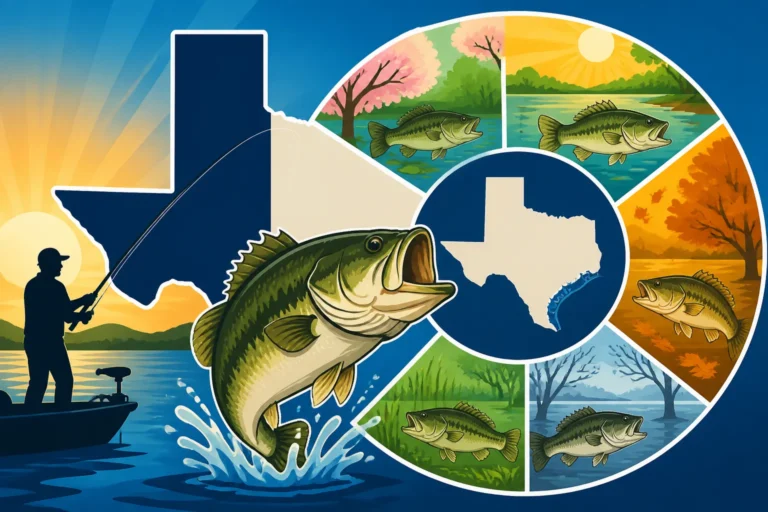
The Texas Parks and Wildlife Department's (TPWD) ShareLunker program is an absolute cornerstone of trophy bass management and research in Texas. Launched way back in 1986, its primary goal is to collect largemouth bass weighing 13 pounds or more from public waters during the spawning season, specifically from January 1 through March 31. These incredible fish, known as "Legacy Class" ShareLunkers, are then transported to the Texas Freshwater Fisheries Center in Athens, Texas. Here, they're carefully paired with other pure Florida largemouth bass with proven genetics for producing big offspring. The hope is that their genes, when passed on, will contribute to even more giant bass in Texas lakes for generations to come.
It's truly a win-win for everyone involved. Anglers get the thrill of contributing to a vital conservation effort, and in return, they receive some fantastic recognition. The state gets to study and propagate these elite fish, ultimately enhancing the trophy potential of our lakes across Texas. This program has been incredibly successful, leading to the stocking of millions of fingerlings with superior genetics into public reservoirs, improving the overall quality of Texas Largemouth Bass Fishing Guide and creating more opportunities for anglers to land their own giants.
The program isn't just about the biggest fish anymore, though. Over the years, it has evolved to include different tiers of participation, recognizing various levels of trophy bass catches. This expansion means more anglers can participate and contribute valuable data, making the program more inclusive and robust. It's a testament to Texas' commitment to maintaining its reputation as a premier destination for big bass fishing.
Specific Qualifications: What Makes a ShareLunker, Well, a ShareLunker?
When you hook into what feels like the bass of a lifetime, your mind probably races with excitement and maybe a little panic. But before you start dreaming of your name in the record books, you need to know the precise criteria that qualify a bass for one of the ShareLunker program's four distinct categories. Each class has specific weight requirements and submission periods, so let's break them down.
Legacy Class ShareLunkers: The Elite of the Elite
This is the big one, the historical core of the ShareLunker program, and what most anglers envision when they hear the name. To qualify as a Legacy Class ShareLunker, your largemouth bass must meet these strict criteria:
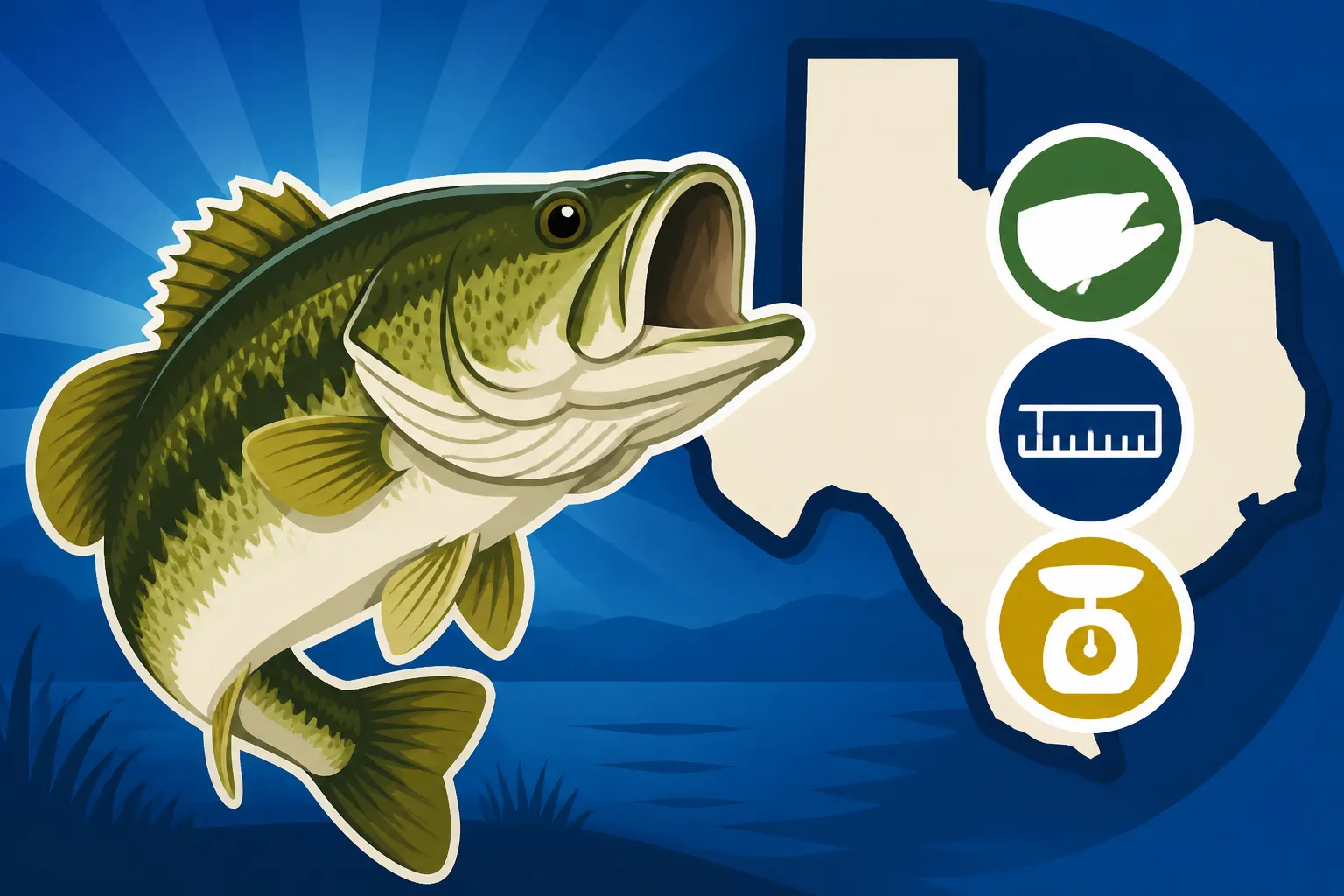
- Weight: It must weigh a minimum of 13.00 pounds. This isn't just a heavy fish; it's a true behemoth. Getting an accurate weight is absolutely critical, so having a certified scale on hand is a must. Many serious trophy hunters invest in a good digital scale, which you can often find on sites like Amazon, to ensure accuracy down to the ounce.
- Timeframe: The fish must be caught between January 1 and March 31 of the current year. This period specifically targets the bass spawning season, when these big females are often at their heaviest and are carrying eggs. Targeting bass during the Texas Bass Spawning Season Guide can greatly increase your chances.
- Water Body: The bass must be caught from a public Texas water body. This is a crucial distinction. Fish caught from private ponds or lakes, even if they're absolute monsters, do not qualify for the ShareLunker program.
- Condition: The fish must be alive and in good health for TPWD to collect it. The goal is to return these genetic marvels to the hatchery for spawning, so careful handling is paramount. This means minimizing stress, keeping the fish in a well-aerated livewell, and avoiding any unnecessary injury. If you're serious about this, investing in high-quality Best Live Wells for Texas Bass Boats is non-negotiable.
When you land a Legacy Class fish, TPWD will dispatch a biologist to pick up your bass, transport it to the hatchery, and eventually return it to you or release it back into the lake after spawning. It's a tremendous contribution to Texas fishing.
Lunker Class ShareLunkers: Celebrating Year-Round Giants
Recognizing that giant bass are caught throughout the year, not just during the spawn, the Lunker Class was introduced. This class celebrates those impressive catches outside the Legacy season, still contributing valuable data to TPWD.
- Weight: The largemouth bass must weigh 8.00 pounds or more, but less than 13.00 pounds.
- Timeframe: The fish must be caught between April 1 and December 31. This covers the non-spawning months, providing a broader window for participation.
- Water Body: Again, the fish must be caught from a public Texas water body.
- Submission: Unlike Legacy Class fish, Lunker Class entries are primarily "catch and release" submissions. You'll measure, weigh, and photograph your fish before releasing it back into the water. TPWD collects the data electronically through the ShareLunker app.
This category is fantastic for showing the year-round potential of Texas lakes and helps TPWD gather a wider dataset on trophy bass growth and distribution.
Catch and Share Class ShareLunkers: Every Lb Counts
The Catch and Share Class is designed to get more anglers involved and to collect even more valuable data on trophy bass of varying sizes. This broadens the scope of the program significantly.
- Weight: The largemouth bass must weigh 8.00 pounds or more. There's no upper limit here, but if it hits 13+ lbs during the Legacy season, it would be a Legacy Class, and if it's 8-12.99 lbs outside the Legacy season, it's a Lunker Class. This category is for all bass 8 lbs and over, regardless of season, that are digitally submitted and released.
- Timeframe: Year-round, anytime between January 1 and December 31.
- Water Body: Must be from a public Texas water body.
- Submission: As with Lunker Class, these are catch-and-release submissions made through the ShareLunker app. The emphasis is on documenting the catch with clear photos, measurements, and weight before a safe release.
This class is perfect for those consistent trophy hunters who regularly catch impressive bass and want to contribute without the specific requirements of the Legacy program. It helps TPWD track population trends and fish health.
Junior Ambassador Class ShareLunkers: Inspiring the Next Generation
Encouraging youth participation is key to the future of fishing, and the Junior Ambassador Class does just that. It recognizes young anglers who are passionate about trophy bass fishing.
- Age Requirement: Angler must be 17 years old or younger. This ensures that the recognition goes to the next generation of fishing enthusiasts.
- Weight: The largemouth bass must weigh 8.00 pounds or more.
- Timeframe: Year-round, January 1 through December 31.
- Water Body: Must be from a public Texas water body.
- Submission: Like the Catch and Share Class, these are electronic submissions through the app, with an emphasis on safe catch and release.
This class is a wonderful way to motivate young anglers, rewarding them for their efforts and educating them on the importance of conservation. It's about celebrating their big catches and fostering a lifelong love for the sport.
Here's a quick summary table of the ShareLunker qualification classes:
| ShareLunker Class | Minimum Weight (lbs) | Submission Period | Fish Condition | Submission Method | Notes |
|---|---|---|---|---|---|
| Legacy Class | 13.00 | Jan 1 – Mar 31 | Alive & Healthy | TPWD Collection | Genetics used for breeding, highest honor |
| Lunker Class | 8.00 | Apr 1 – Dec 31 | Catch & Release | ShareLunker App | Year-round trophy recognition |
| Catch & Share Class | 8.00 | Jan 1 – Dec 31 | Catch & Release | ShareLunker App | General trophy recognition, broad participation |
| Junior Ambassador Class | 8.00 | Jan 1 – Dec 31 | Catch & Release | ShareLunker App | For anglers 17 and under |
Remember that adherence to all Texas Freshwater Fishing Regulations and Texas Fish Bag and Length Limits is always required, regardless of whether you're submitting to the ShareLunker program.
The Submission Process: Getting Your Big Fish Recognized
So, you've caught a giant! Your hands are shaking, your heart's pounding. What's next? Knowing the correct submission protocol is vital, especially for those coveted Legacy Class fish where time is of the essence for the fish's health.
Preparing for the Moment: Gear and Knowledge
Before you even hook into that lunker, being prepared is key. This means having the right gear readily accessible on your boat or even for Best Fishing Rods for Texas Anglers.
- Certified Scale: This is non-negotiable for any potential ShareLunker. An accurate, certified scale ensures your weight is legitimate. Many anglers buy high-quality digital scales online, like those available through Amazon, that can handle fish up to 50 pounds or more. Make sure it's zeroed out before use.
- Measuring Board or Tape: You'll need to measure the fish's length and girth. A bump board is ideal for length, and a soft tape measure works for girth.
- Camera: High-quality photos are crucial for digital submissions. Make sure your phone or camera is charged and ready.
- Livewell: For Legacy Class fish, a large, well-aerated livewell is absolutely essential. The fish's survival depends on it. Consider supplementing with a portable aerator if your built-in one isn't top-notch.
- The ShareLunker App: Download the official "My Texas Hunt Harvest" app from TPWD. This is the platform for all digital submissions (Lunker, Catch and Share, Junior Ambassador). Practice using it before you need it.
Having these tools ready eliminates frantic searching and ensures you can document and handle your fish efficiently and safely. This preparation is a big part of how to approach How to Fish a Texas Bass Tournament successfully, where every second counts.
Step-by-Step Submission
The process differs slightly depending on the class of ShareLunker you've caught.
For Legacy Class (13+ pounds, Jan 1 – Mar 31):
- Confirm Weight & Immediately Call: As soon as you confirm your fish is 13.00 pounds or more, immediately call the ShareLunker hotline at (903) 681-0550. Do not delay. Time is critical for the health of the fish.
- Keep the Fish Alive and Calm: Place the bass gently into a large, well-aerated livewell. Add fresh water periodically, especially if it's warm. Minimize handling.
- Provide Information: When you call, be prepared to give your name, contact info, the lake where the fish was caught, and its approximate weight. TPWD staff will guide you through the next steps, including where and when a biologist will meet you to collect the fish.
- Stay with the Fish: Remain with your fish until TPWD personnel arrive. They will collect the fish, take it to the hatchery, and keep you updated on its progress.
For Lunker, Catch and Share, and Junior Ambassador Classes (8+ pounds, Year-Round):
- Weigh and Measure: Carefully weigh your fish using your certified scale and measure its length and girth.
- Take High-Quality Photos: Get several clear photos of the fish, including:
- A photo on the measuring board showing its length.
- A clear side profile photo of the fish.
- A photo of the fish on the scale, clearly showing the weight.
- A photo of you with the fish (optional, but encouraged for recognition).
- Submit via My Texas Hunt Harvest App: Open the app, navigate to the ShareLunker section, and follow the prompts to enter your catch details, including weight, length, date, and location. Upload all your photos.
- Release the Fish Safely: The most important step for these classes is the safe and immediate release of the fish back into the water after documentation. This ensures these valuable fish can continue to grow and reproduce. Learning proper catch-and-release techniques is crucial for all anglers, and something we often cover in guides like Best Time of Year to Fish in Texas.
A common mistake is assuming that any scale is accurate enough. Many personal scales can be off by a pound or more, which could mean the difference between qualifying and not. Always test your scale periodically and, if possible, have it checked against known weights.
Maximizing Your Chances and Protecting the Fish: Tips for Trophy Hunters
Landing a ShareLunker-eligible bass is a rare and exciting event. But to successfully contribute to the program and ensure the fish's well-being, there are some extra steps and considerations every trophy angler should keep in mind.
The Importance of Fish Care and Handling
When you're dealing with a truly large bass, especially a potential Legacy Class fish, its survival after capture is paramount. These fish are often old, potentially stressed, and their genetics are incredibly valuable.
- Minimize Fight Time: While exciting, a long fight can exhaust a big bass, reducing its chances of survival. Use appropriate tackle, such as heavier Best Fishing Rods for Texas Anglers and line, to bring the fish in efficiently.
- Gentle Landing: Avoid hoisting the fish vertically by its jaw, as this can dislocate its jaw or damage internal organs. Use a large, soft-mesh landing net or cradle the fish with both hands, supporting its belly.
- Reduce Air Exposure: Keep the fish in the water as much as possible. If it needs to be out for photos or measurements, do it quickly and efficiently, then return it to the livewell or water. Prolonged air exposure can cause severe physiological stress.
- Livewell Management: If keeping the fish for TPWD pickup, ensure your livewell is well-oxygenated. Consider adding a small amount of non-iodized salt (like rock salt, easily found at many grocery stores or hardware stores) to the water; this helps the fish recover from stress and maintain its slime coat. Keep the water temperature stable, ideally matching the lake water.
- Know When to Release: If a fish is bleeding heavily, has been deeply hooked, or is showing severe signs of distress (like floating upside down or not responding), its chances of survival, even with TPWD care, might be low. In such cases, it's often best to quickly document and release it, prioritizing its natural cycle over program submission.
Practicing careful catch-and-release is a skill honed over time and is part of being a responsible angler. It's especially crucial during the Texas Bass Spawning Season Guide when these large females are most vulnerable.
Beyond the Catch: Why the Program Matters
Participating in the ShareLunker program is more than just personal bragging rights; it's a direct contribution to the health and future of Texas' incredible bass fisheries. The data collected from all classes of submissions helps TPWD biologists understand:
- Growth Rates: Where are the biggest fish being caught? What environmental factors might be contributing to their growth?
- Genetics: Identifying the genetic lineages of true trophy bass allows for targeted breeding programs, increasing the chances of stocking future lakes with fish that have the potential to grow massive.
- Population Health: A strong presence of large bass indicates a healthy ecosystem and successful management strategies.
- Angler Trends: Where and when are anglers finding success? This can help guide future stocking and access initiatives.
Every submission, from a 8-pound Catch and Share lunker to a 15-pound Legacy giant, adds another piece to the puzzle of managing our precious fisheries. It informs decisions that ultimately lead to better fishing for everyone, whether you're targeting small panfish or dreaming of the next state record. Think of it as your way of giving back to the sport you love. Learning about Texas Black Bass Species Comparison can also deepen your appreciation for the unique characteristics of our native and stocked fish.
Disclaimer
The information provided in this guide is for general informational purposes only and is subject to change. Always consult the official Texas Parks and Wildlife Department (TPWD) regulations and website for the most current and accurate rules regarding the ShareLunker program, fishing licenses, and bag limits. Fishing regulations can change seasonally or annually, and it is the angler's responsibility to stay informed.