How to catch gar on rod and reel
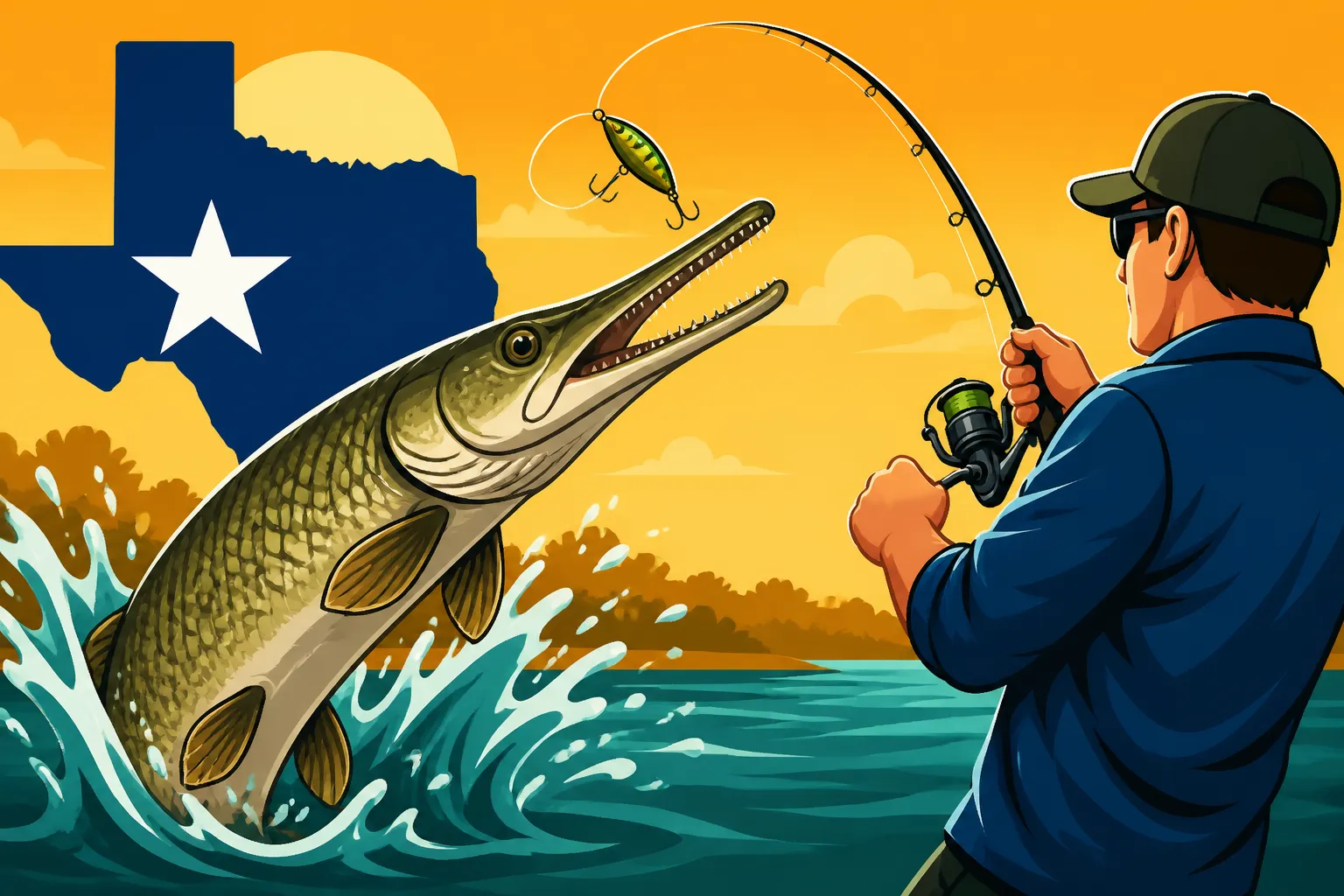
Let's be real, when most folks talk about fishing in Texas, they're usually dreaming of pulling in a monster largemouth bass, a feisty speckled trout, or a hard-fighting blue catfish. But there's another incredible sportfish swimming in our waters that often gets overlooked, and it's one of the most unique challenges you'll face on a rod and reel: the mighty gar. Many anglers shy away from gar, perhaps seeing them as "rough fish" or too difficult to hook, but trust me, a big gar on the end of your line provides an adrenaline rush like no other. This guide is here to unravel the mystery of these prehistoric predators and give you the actionable steps, gear recommendations, and proven techniques to successfully catch gar using a rod and reel in Texas.
Understanding Texas Gar: Species and Habits
Before you even think about casting a line, it's really helpful to get acquainted with the different kinds of gar that call Texas home and understand what makes them tick. Knowing their habits and characteristics will give you a huge advantage when it comes to locating and enticing these incredible fish.
The Texas Gar Lineup
Texas is blessed with several species of gar, each offering its own unique challenge and thrill. While they all share that distinctive, elongated body and toothy grin, there are some key differences that are worth knowing about.
First up, and arguably the most iconic, is the Alligator Gar. These living dinosaurs can grow to truly epic proportions, often exceeding six feet and sometimes even eight feet or more. They are the apex predators of many Texas waterways, inhabiting large rivers, bayous, and coastal backwaters. They tend to prefer slower-moving or stagnant water where they can ambush their prey. Then there's the Longnose Gar, which is probably the most commonly encountered gar species across the state. They typically range from two to four feet and are found in a wide variety of habitats, from large lakes and reservoirs to rivers and even brackish coastal areas. Their long, slender snout is unmistakable. You'll also find Spotted Gar, usually smaller, around one and a half to three feet, known for the dark spots covering their body and fins. They often hang out in shallower, clearer water with plenty of vegetation. Finally, the Shortnose Gar is another smaller species, similar in size to the spotted gar, but with a shorter, broader snout and often found in more turbid, slow-moving rivers and oxbow lakes.
All these gar species are primarily piscivores, meaning they eat fish – lots of them! They're opportunistic predators, lurking in cover or cruising slowly, waiting for an unsuspecting meal to pass by. Their diet often includes shad, carp, small panfish, and whatever else they can get their formidable jaws on. Understanding where these fish like to hide and what they're looking for to eat is your first step towards a successful gar fishing trip. If you're looking for more in-depth information on the biggest of the bunch, check out our Texas Alligator Gar Fishing Guide, or for distinguishing features, read our guide on Texas Longnose Gar vs Alligator Gar.
Why Gar Are a Unique Challenge
Now, here's where the frustration often kicks in for many anglers, but also where the real fun begins for those who crack the code: gar are notoriously difficult to hook. Why, you ask? It all comes down to their incredibly bony mouths. Unlike a bass or a catfish with softer tissues where a hook can easily penetrate, a gar's jaws are almost entirely made of bone, dense and hard as rock. A traditional hookset, like you'd use for a bass, often just bounces right off, leaving you with a missed fish and a deflated feeling.
Their predatory strategy also plays a role. Instead of "biting" in the conventional sense, a gar will often slash or roll with its prey, snatching it sideways in its long snout before maneuvering it to swallow headfirst. This can make detecting a bite subtle, and timing a hookset even harder. On top of that, once hooked, gar are formidable fighters. They're incredibly strong, capable of powerful runs, acrobatic jumps, and violent head shakes. They'll thrash and roll, trying to throw the hook, and their sharp teeth can make landing them a bit intimidating without the right tools and approach. Patience, the right gear, and a specific technique are paramount when targeting these incredible fish on rod and reel.
Essential Rod and Reel Setup for Gar
You wouldn't bring a butter knife to a sword fight, and you certainly shouldn't bring ultralight tackle to a gar fight. These fish demand heavy-duty gear that can withstand their power, their bony mouths, and the sheer force required to control them. Investing in the right setup is crucial for success and for preventing heartbreak on the water.
Rod and Reel Selection
When it comes to rods for gar fishing, think heavy action and stout. You need a rod with a serious backbone, capable of handling heavy lines and the immense pressure a large gar can exert. Look for rods in the 7 to 8-foot range, which provide good leverage for casting larger baits or lures and enough length to keep the line clear when fighting a thrashing fish. A medium-heavy or heavy power rod with a fast or moderate-fast action tip will give you the sensitivity to detect subtle takes while still having the power to drive a hook (or tangle rope) into their tough mouths. A stiff rod is also essential for absorbing those powerful head shakes without snapping.
For reels, durability and line capacity are key. Many gar anglers prefer heavy-duty baitcasting reels, especially for larger gar like alligator gar, as they offer excellent control and cranking power. Look for models with a robust gear system and a smooth, reliable drag that can handle long, strong runs. Large spinning reels can also work, especially if you're targeting smaller longnose or spotted gar, but ensure it's a model designed for heavy saltwater or catfish applications, not your typical bass fishing spinning reel. A good quality reel will make all the difference in a prolonged battle. You can find a fantastic selection of heavy-duty rods and reels suitable for gar fishing by browsing fishing equipment on Amazon. For more general advice, check out our guides on Best Fishing Rods for Texas Anglers and Best Fishing Reels for Texas Anglers.
Line, Leader, and Terminal Tackle
This is where many aspiring gar anglers make their biggest mistake, and it's also where you can dramatically improve your hooking ratio.
Your main line should be heavy braided line. Forget monofilament or fluorocarbon for your primary line when gar fishing. You need something with zero stretch and extreme abrasion resistance. Braided line in the 50 to 80-pound test range is standard. It cuts through water well, offers superior sensitivity for detecting bites, and its lack of stretch helps with those tricky hooksets.
The leader is absolutely critical. Gar have incredibly sharp teeth that will slice through standard monofilament or fluorocarbon like butter. There are a few options:
- Wire Leaders: A heavy-duty steel leader (50-100 lb test) is the most common and reliable choice, especially if you're using traditional hooks with bait. This provides maximum protection against their teeth. You can find pre-made wire leaders or buy leader wire and crimps to make your own.
- Heavy Monofilament/Fluorocarbon: Some anglers, particularly when using rope lures or if they want less visibility, will use extremely heavy monofilament or fluorocarbon leader, like 80-100 pound test. While it offers some protection, it's not foolproof against a determined gar's teeth, so use with caution.
For hooks, if you're using bait, circle hooks are highly recommended. Gar tend to swallow bait deeply, and a traditional J-hook or treble hook can lead to gut-hooking, which is often fatal for the fish. A circle hook, when the line is slowly tightened, is designed to slide into the corner of the gar's mouth, making for a clean, humane hookset and easier release. Use stout, large circle hooks (e.g., 6/0 to 10/0, depending on bait size and target gar size). If you're interested in similar heavy-duty line requirements, our Best Line for Texas Catfish Rigs guide might offer some helpful insights into sturdy line choices. You can easily stock up on a variety of robust leader materials and strong circle hooks by searching on Amazon.
Proven Techniques for Rod and Reel Gar Fishing
Okay, you've got the gear. Now, let's talk about the how-to. Catching gar on rod and reel isn't quite like catching any other fish, and mastering the specific techniques is what separates the frustrated from the triumphant.
Bait Fishing for Gar
Bait fishing is often the most consistent way to hook into a gar, especially the larger ones.
Bait Choice: Gar are predators, so natural, fresh bait is key.
- Cut Bait: Freshly cut pieces of oily fish like shad, carp, or even tilapia are excellent. Cut them into strips or chunks that are about 2-4 inches long, ensuring they stay on the hook well. The oil and scent trail will attract gar from a distance.
- Live Bait: Small panfish (like perch or sunfish) or shad can also be highly effective. The gar are drawn to the struggling action.
Rigging: A simple slip-sinker rig is usually best for bait fishing. Thread a weight (like an egg sinker or pyramid sinker, 1-3 oz depending on current) onto your main line, followed by a bead (to protect the knot), and then tie on your wire leader (about 12-18 inches) to your circle hook. This allows the gar to pick up the bait and swim off without feeling the resistance of the weight, giving them time to fully commit.
The Bite and Hookset: This is the most crucial part when bait fishing for gar. When a gar takes your bait, it might just be a subtle tap, or it could be a slow, steady pull as it swims off. Resist the urge to set the hook immediately! This is where most anglers fail. Gar will often take the bait sideways in their long mouths and hold it. You need to give them time – sometimes up to a minute or even more – to turn the bait and swallow it. Let them run with it. Once you're confident they've swallowed it, slowly reel down, letting the circle hook do its job. Don't rear back and try a massive hookset like you would for a bass; a steady, increasing tension is all that's needed for the circle hook to find the corner of their mouth. For more on using effective baits, check out our Best Catfish Bait for Texas Lakes as there's often overlap in what works for these bottom dwellers and predators.
Artificial Lures and Rope Lures
While bait is highly effective, sometimes you want to cast and retrieve, or you might prefer to avoid hooks entirely.
Traditional Lures: Large, heavy jigs, spoons, and robust soft plastics can technically catch gar. However, due to their bony mouths, the hooking percentage is extremely low. You'll often get bites and feel fish, only for them to come off without a hookset. It can be incredibly frustrating. If you do go this route, use heavy-duty single hooks instead of trebles, as they're slightly more likely to penetrate.
Rope Lures (Nylon Fray Lures): This is a specialized, incredibly effective, and highly recommended method for targeting gar without hooks. A rope lure is essentially a bundle of frayed nylon strands (often from a nylon rope) tied to a swivel and castable weight. There are no hooks involved.
- How it Works: When a gar strikes a rope lure, its thousands of tiny, needle-sharp teeth get hopelessly tangled in the nylon fibers. The gar can't easily dislodge the lure, allowing you to reel it in.
- How to Use: Cast the rope lure out and retrieve it slowly, mimicking a swimming baitfish. When a gar strikes, don't set the hook. Instead, simply keep reeling steadily. The gar will often thrash and try to shake the lure, but its teeth will only get more entangled.
- Benefits: Rope lures are incredibly effective, practically snag-proof, and lead to fewer deep-hooked fish, making catch-and-release much easier and safer for the gar. You can find pre-made gar rope lures or buy materials to make your own by searching for "gar rope lures" on Amazon.
Locating Gar Hotspots in Texas
You can't catch 'em if you can't find 'em! Gar are widely distributed across Texas, but they have specific preferences that can help you narrow down your search.
Habitat: Look for gar in:
- Slow-moving Rivers and Bayous: Areas with minimal current, especially those with plenty of submerged timber, logjams, or overhanging vegetation.
- Oxbow Lakes and Backwaters: These quiet, often shallow areas off the main river channel are prime gar habitat, offering plenty of ambush points.
- Shallow Flats and Coves: In larger lakes and reservoirs, gar will often sun themselves in shallow, calm coves, especially where there are lily pads, emergent vegetation, or submerged structure.
- Creek Mouths and Inflows: After rains, baitfish congregate around these areas, drawing in hungry gar.
- Coastal Backwaters and Estuaries: Alligator gar, in particular, thrive in brackish tidal creeks and shallow bays along the Texas Gulf Coast.
Time of Day/Year: Gar are warm-water fish, so the hotter months (late spring through early fall) are typically the best time to target them. They love to bask in the sun, making them visible near the surface on warm, sunny days. Early mornings and late evenings, or even night fishing, can be productive when gar are actively hunting. For specific guidance on where to find the biggest gar, refer to our Where to catch alligator gar in Texas and Best Texas Rivers for Fishing articles.
Handling and Releasing Gar Responsibly
Landing a gar on rod and reel is an accomplishment, but the job isn't done until you've handled it safely and, if you choose, released it properly. These are powerful, toothy fish, and knowing how to manage them will protect both you and the fish.
Landing and Controlling Your Catch
Gar are wild animals, and they will thrash and roll once they're near the boat or bank. Their sharp teeth are a serious consideration, so proper tools are essential.
- Heavy-Duty Gloves: Crucial for protecting your hands from their teeth and rough scales. Leather or specialized fishing gloves are a must.
- Long-Nose Pliers: Indispensable for safely removing hooks. Their long reach keeps your hands away from the danger zone.
- Bolt Cutters (Optional for some): While not always necessary, some anglers targeting smaller gar with wire leaders might carry small bolt cutters to quickly snip the leader as close to the hook as possible if the hook is deeply embedded and cannot be easily removed. This is often preferable to prolonged struggling with the fish.
- Robust Landing Net or Lip Gripper: A large, sturdy landing net with rubberized mesh can help manage smaller gar. For larger gar, a heavy-duty lip gripper (like a Boga Grip) that can securely clamp onto their lower jaw is invaluable. It allows you to control their head and body without directly touching them. Avoid grabbing them by the tail, as they can still whip around and bite.
Technique: Once you've landed the gar, secure its head first. If using a lip gripper, clamp it firmly onto the lower jaw. For smaller gar, you can often hold them by carefully gripping them behind the head, just at the gill plates, with a gloved hand. Keep them as calm as possible, and try to keep them in the water as much as you can, especially if you plan to release them. Remember, they are incredibly strong, so be prepared for a fight even once they're landed. It's smart to have protective gear and robust landing tools readily available, and you can find a wide array of these necessary items on Amazon.
Ethical Release and Conservation
Gar are a valuable part of Texas's aquatic ecosystems, and practicing ethical catch-and-release helps ensure their populations remain healthy for future generations.
Minimize Stress: The longer a fish is out of water, the more stressed it becomes. Work quickly but carefully. If you want a photo, get it done as fast as possible and then release the fish. Keep them horizontal and support their body weight if you lift them for a picture.
Removing Hooks/Rope:
- Circle Hooks: One of the biggest advantages of circle hooks is that they usually hook in the corner of the mouth, making them relatively easy to remove with long-nose pliers.
- Rope Lures: When using rope lures, the gar's teeth will be tangled. Simply grasp the gar firmly (using your gloves or lip gripper), and gently but firmly untangle the nylon strands from its teeth. Sometimes, you may need to cut a few strands.
- Deeply Hooked Fish: If a hook is deeply embedded and you cannot remove it without causing significant harm, it's often better to cut the leader as close to the hook as possible. The hook will eventually rust out, or the fish's body will encapsulate it.
Gar as a Resource: Gar are increasingly recognized as incredible sport fish, and their role in the ecosystem is important. While many species of gar are plentiful, species like the Alligator Gar have specific regulations. For example, there's a statewide one-fish-per-day limit on alligator gar, and some areas have specific harvest requirements. Always check the current Texas Fish Bag and Length Limits to ensure you're compliant with regulations. They're hardy fish, and with careful handling, they have an excellent chance of survival upon release.
Disclaimer
This article is for general informational purposes only and does not constitute professional advice. Laws, prices and regulations vary by location and change over time. Consult a qualified professional for guidance on your specific situation.