How to catch bass in a summer drought
There's nothing quite as disheartening as pulling up to your favorite Texas lake or river in the middle of a scorching summer, only to find the water level has dropped significantly. Those once-productive fishing spots now look completely different, and it leaves you wondering where in the world the bass have gone. This guide is here to help you understand how summer droughts impact bass behavior and, more importantly, how you can adapt your strategies to continue finding and catching these elusive fish even when the water is low.
Understanding Drought's Impact on Bass Behavior
When a severe summer drought hits Texas, it’s not just about the visible change in water levels; it's a complete ecosystem shift that directly affects bass and their habits. Anglers often feel lost because the familiar patterns no longer apply, and it's frustrating trying to guess where the fish have moved to.
Water Level Drop and Habitat Compression
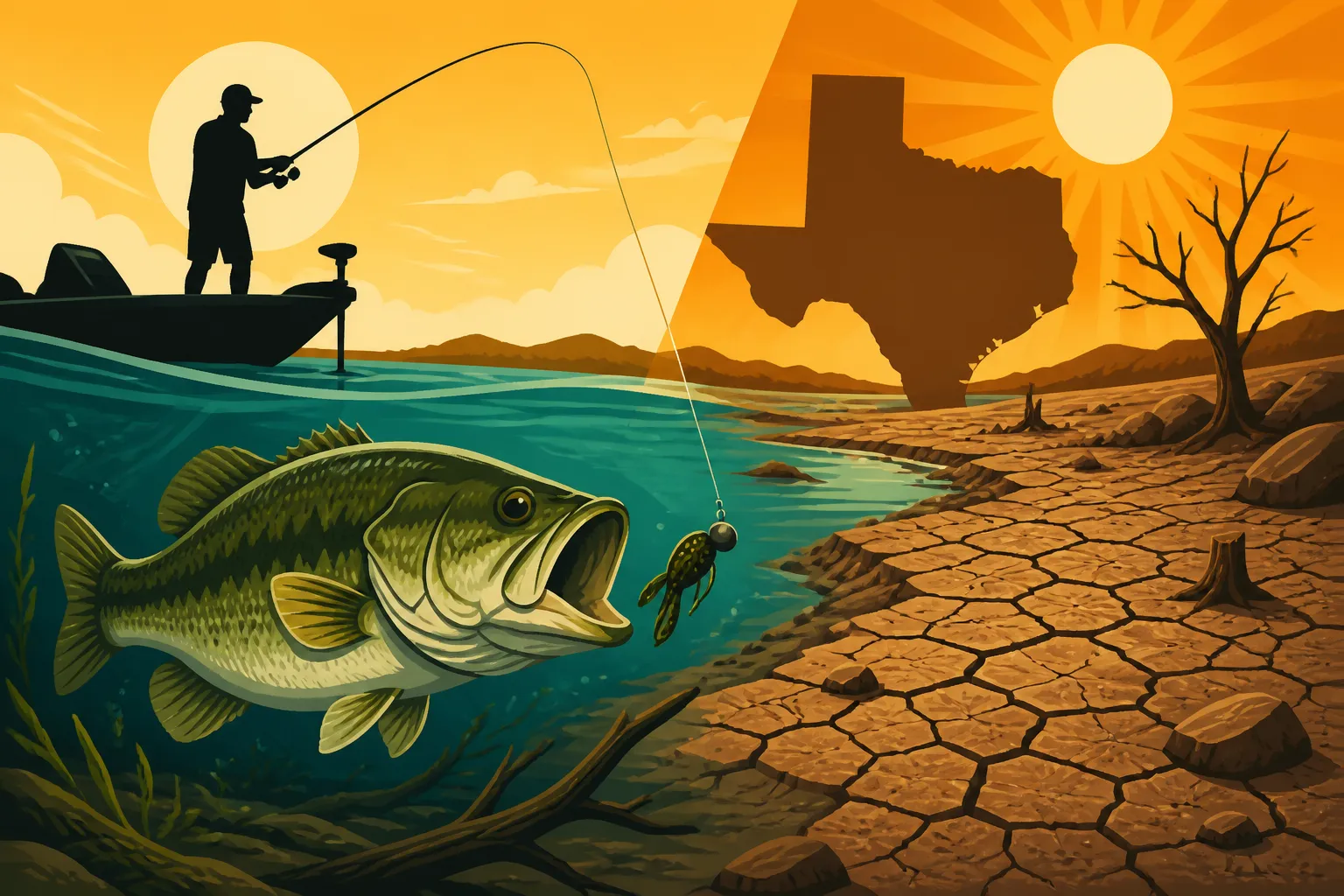
One of the most immediate and noticeable impacts of a drought is the dramatic drop in water levels. This isn't just an aesthetic change; it physically reduces the amount of viable habitat for bass. Areas that were once thriving shallow flats or submerged timber lines can become dry land or extremely shallow, forcing fish to evacuate.
Think about your local reservoir in East Texas, like Lake Fork or Sam Rayburn Reservoir. When the water drops 5-10 feet, all those shallow hydrilla beds or brush piles that used to hold bass are now exposed to the sun, or completely out of the water. The fish that once lived there have nowhere to go but deeper. This compression of habitat means bass are crammed into smaller areas, often with less cover, making them more competitive for food and potentially more stressed. It’s a tough adjustment for them, and for us trying to find them.
Water Temperature and Oxygen Levels
Shallow water heats up much faster than deep water, and during a Texas summer drought, this can lead to dangerously high water temperatures. As water temperature rises, its ability to hold dissolved oxygen decreases. This is a critical factor for bass, as they need adequate oxygen to survive and thrive.
Imagine a small cove that used to be 10 feet deep, but is now only 3-4 feet. On a 100-degree August day, that shallow water can quickly reach temperatures well into the 90s, becoming uninhabitable for bass. They're forced to seek out cooler, more oxygenated water, which is almost always found in deeper areas or near areas with current. This means those prime shallow-water targets become ghost towns, and you have to adjust your mindset entirely.
Forage Availability and Bass Diet Shifts
Droughts don't just affect the bass; they impact the entire food chain. Baitfish, like shad and minnows, also struggle in low water and high temperatures. Their usual hiding spots might be gone, and they too will seek out deeper, cooler, more oxygenated water. This concentration of baitfish can be a good thing if you find it, as bass will follow their food source.
However, sometimes the overall forage population can decline, or the baitfish become harder for bass to ambush. Bass might become more opportunistic, feeding on whatever is available, or they might become more lethargic due to stress, leading to a decreased feeding drive. You might find that your go-to baits for healthy, active bass aren't getting any bites, requiring a shift to slower presentations or different forage imitations. Understanding these shifts is key to knowing What do largemouth bass eat in Texas lakes?.
Adapting Your Approach: Where to Find Bass
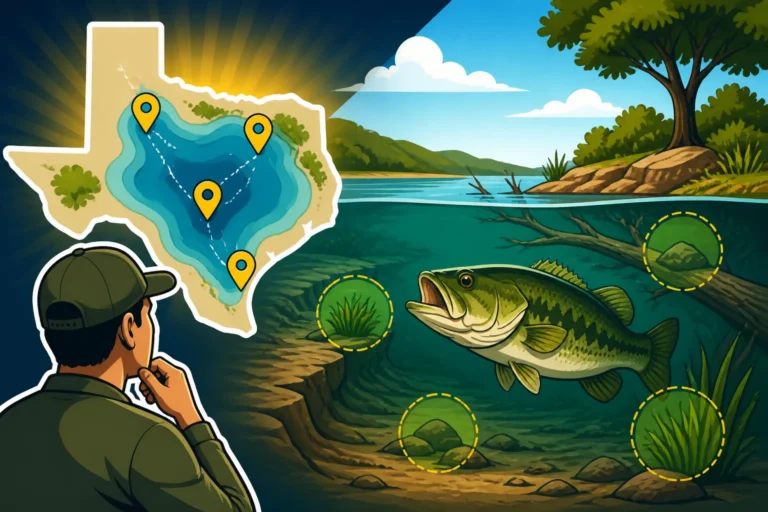
When the water levels are down, the old maps in your head might need a complete rewrite. Bass don't vanish; they simply relocate to more tolerable conditions. Your job as an angler is to predict these new havens.
Focus on Deeper Water and Structure
With shallow areas becoming inhospitable, bass will inevitably gravitate towards the deepest available water. This could be creek channels, river bends, or main lake points that drop off quickly into deep water. They’re looking for those thermal refuges and consistent oxygen levels that deeper water provides.
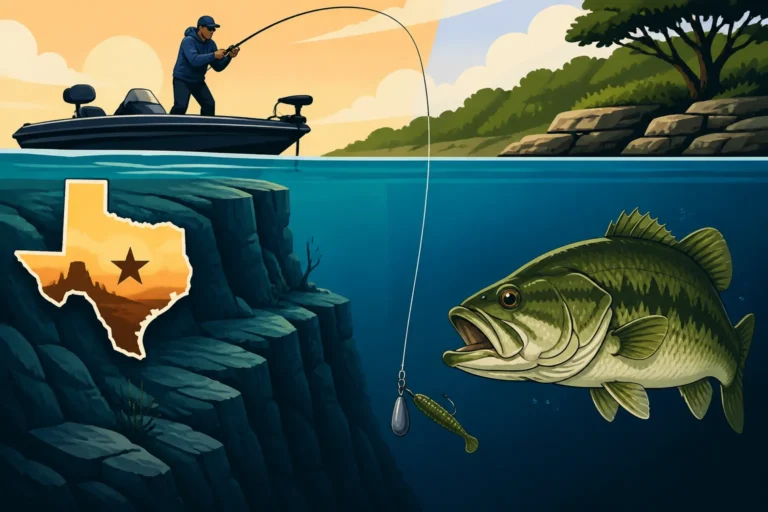
Consider the main lake points that once tapered off gently; now they might have a sharp drop-off just a few feet from the bank. Bass will often hold on these newly exposed ledges or suspended over the deepest part of the channel. Using your fish finder becomes absolutely crucial here. Look for schools of baitfish and arches representing bass suspended at specific depths. If you're fishing a place like Canyon Lake, the deep, clear waters mean bass will go even deeper when it's hot and dry. Learning How to fish deep drop-offs for bass is essential in these conditions.
Target Submerged Cover and Hard Bottom
While some cover might be exposed, other types of submerged structure become even more important in low water. Think about standing timber, rock piles, ledges, or submerged roadbeds. These provide shade, ambush points, and often act as current breaks, concentrating bait and bass.
If you’re on a lake like Lake Palestine, known for its timber, those trees that were once in 20 feet of water might now be in 15 feet, and the fish will be relating tightly to their trunks or submerged branches. Hard bottom areas, like clay points or rocky banks, also retain less heat than mucky areas and can attract baitfish, which in turn attract bass. These areas offer the fish a sense of security and a slight reprieve from the oppressive heat.
Seek Out Any Available Shade and Current
Shade is a premium commodity during a drought, and bass will cling to any available. This could be the shadow cast by a bluff wall, a boat dock, or even dense overhanging vegetation. These shaded areas offer a slight temperature break and a visual advantage for ambush.
Additionally, look for areas with current. Even subtle current, such as near spillways, creek inlets, or channels, can bring in cooler, more oxygenated water and funnel baitfish. On rivers like the Trinity River, drought can expose sandbars and reduce flow, but pockets of deeper, moving water will still hold fish. Sometimes, simply finding an isolated patch of lily pads that still have enough water under them can be the key. These micro-habitats become critical when larger areas are stressed.
Tackle Box Tweaks: Lures and Techniques for Low Water
Your go-to lures and presentations might need a serious overhaul when fishing during a summer drought. Bass are often lethargic and pressured, requiring a more finessed approach or specific baits that mimic distressed forage.
Slower Presentations and Finesse Baits
When bass are stressed by heat and low water, they're generally less willing to chase down a fast-moving bait. This is where slower, more deliberate presentations shine. Finesse techniques become incredibly effective.
Think about dropping a Texas rig or a Carolina rig slowly into deep brush piles or along submerged ledges. A shaky head worm or a Ned rig fished patiently on hard bottoms can tempt even the most reluctant bass. These presentations keep the bait in the strike zone longer and offer a less threatening meal. Soft plastics in natural colors, mimicking a sluggish or injured baitfish, are often the ticket. Many anglers stock up on these versatile plastics on Amazon before heading out. For deeper analysis, check out Best Bait and Lures for Texas Fishing.
Deeper Diving Crankbaits and Jigging Spoons
If you've located bass holding in deeper water, you need lures that can reach them effectively. Deep-diving crankbaits that can hit those 15-25 foot depths are excellent for covering water along channel swings, deep points, and submerged roadbeds.
Match the crankbait's retrieve speed to the bass's activity level – sometimes a slow, steady retrieve with occasional pauses is all it takes. Jigging spoons are another fantastic option for vertical presentations directly over schools of baitfish or suspended bass in deep water. Drop them to the bottom, rip them up, and let them flutter back down. This erratic action can trigger reaction strikes from otherwise dormant fish.
Topwater and Frog Baits in Isolated Cover
While deep water is often the primary focus, don't completely discount topwater action, especially during low light conditions (early morning, late evening) or in very specific, isolated cover. If you find a patch of healthy vegetation, like hydrilla or lily pads, that still has adequate water depth underneath it, bass might be lurking there for ambush opportunities.
A frog bait or a weedless topwater lure can be incredibly effective in these situations. Cast it over the mat or into the sparse pockets, and work it slowly. The key is to target these specific, unpressured zones that still offer shade and cover. Even a slight splash or gurgle can draw a strike from a bass that's otherwise hunkered down. Learning the nuances of How to fish a frog lure in heavy cover can really pay off in these niche scenarios.
Essential Gear and Safety Tips for Drought Fishing
Fishing during a Texas summer drought isn't just about changing your lures; it's also about having the right gear to locate fish and, critically, staying safe in often harsher conditions.
Navigational Tools and Mapping
Low water levels expose hazards that are normally hidden beneath the surface. Rocks, stumps, and even entire land formations can become dangerous obstacles for your boat. Having reliable navigational tools and up-to-date lake maps is more important than ever.
A good GPS unit with detailed lake mapping can help you identify submerged creek channels, old roadbeds, and severe drop-offs, which are exactly where the bass are likely to be. It also helps you avoid running aground or damaging your lower unit on newly exposed hazards. Many modern fish finders available on Amazon come with excellent mapping capabilities built right in. Always double-check buoy markers and proceed with extreme caution, especially in unfamiliar areas. This is part of mastering How to use a fish finder for bass fishing effectively.
Sun Protection and Hydration
Fishing in a Texas summer is always hot, but a drought can make conditions even more intense due to more exposed banks and less overall water to absorb heat. Sun protection isn't a suggestion; it's a necessity.
Wear long-sleeved, breathable UV-protective shirts, wide-brimmed hats, and polarized sunglasses. Don't forget high SPF sunscreen for any exposed skin. Most importantly, stay hydrated. Bring plenty of water, sports drinks, and even electrolyte tablets. Dehydration can sneak up on you quickly in the Texas heat. Consider investing in a high-quality cooler, like those found on Amazon, to keep your drinks and any caught fish cold. This dedication to safety helps you follow guidelines on How to stay safe fishing in Texas summer heat.
Managing Your Catch in High Temperatures
When water temperatures are high, fish are already stressed. If you plan to practice catch and release, it's vital to handle your catch with extreme care to maximize their survival chances. Minimize handling time out of the water, use wet hands, and try to keep the fish submerged as much as possible for photos.
If you're keeping fish for dinner, ensure you have a well-aerated livewell or an ice chest filled with plenty of ice. Placing fish directly on ice immediately after catching them is the best way to preserve their quality. Consider bringing a portable aerator for your livewell, which can be easily purchased from retailers like Amazon, to ensure your fish have enough oxygen during transport, especially if you have a longer run back to the ramp. Taking these precautions is crucial for the health of our fisheries.
| Drought Condition Impact | Bass Behavior | Angler Adaptation | Recommended Gear |
|---|---|---|---|
| Low Water Levels | Habitat compression, concentration in deeper areas, exposed cover | Focus on deep structure (creek channels, ledges), look for newly exposed cover | GPS/Fish Finder with detailed maps, deeper diving lures |
| High Water Temperatures | Seek cooler, oxygenated water; lethargy, stress | Target thermoclines, areas with current/springs; slower presentations | Water thermometer, aerated livewell/cooler with ice |
| Reduced Forage | Opportunistic feeding, diet shifts | Finesse baits, smaller profile lures, realistic baitfish imitations | Soft plastics, jigs, spoons, smaller crankbaits |
| Increased Pressure | Wary, harder to tempt | Subtle approaches, natural colors, patience | Fluorocarbon line, sensitive rods, quiet boat operation |
| Exposed Hazards | No direct impact on bass, but dangerous for anglers | Extreme caution when navigating, stick to marked channels | Updated lake maps, depth finder, polarized sunglasses |
Disclaimer
This article is for general informational purposes only and does not constitute professional advice. Laws, prices and regulations vary by location and change over time. Consult a qualified professional for guidance on your specific situation.