Best fishing spots in East Texas
East Texas offers some of the most diverse and rewarding fishing experiences in the entire state, but with so many lakes, rivers, and hidden gems nestled within its famous piney woods, knowing where to start can feel overwhelming. You’ve probably heard whispers about the legendary bass fishing or perhaps the incredible crappie hauls, but pinpointing the exact spots that live up to the hype is a different story. This guide is here to cut through the noise, walking you through the very best fishing locations in East Texas, ensuring your next outing is packed with bent rods and unforgettable memories.
The Lure of East Texas Fishing: What Makes It Special?
There’s just something magical about East Texas when it comes to fishing. It’s not just the sheer number of water bodies; it’s the character of the landscape, the rich biodiversity, and the deep-rooted fishing culture that make this region a true angler’s paradise. If you’ve ever cast a line here, you know exactly what I mean.
Lush Landscapes and Abundant Waters
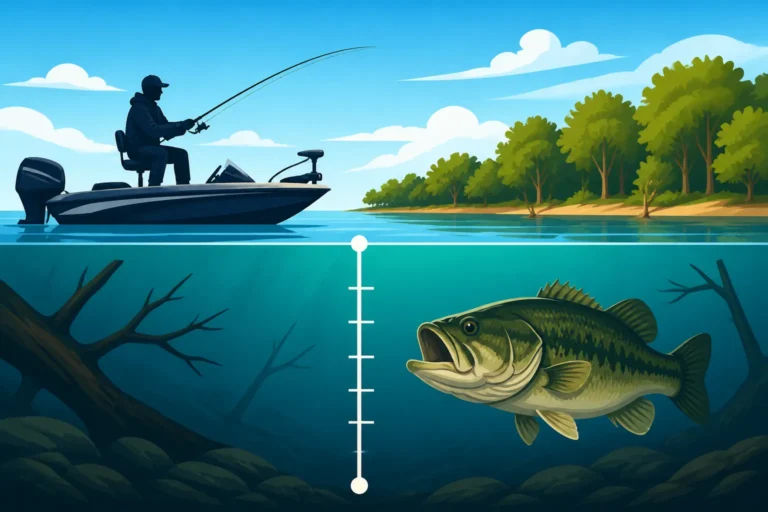
Imagine miles of towering pine trees, their scent mingling with the damp earth, giving way to shimmering lakes and meandering rivers. That's the typical backdrop for fishing in East Texas. The region is characterized by its humid subtropical climate, which supports dense forests and an incredible network of freshwater systems. These aren't just puddles; we're talking about some of the largest and most productive reservoirs in the state, along with countless smaller lakes, oxbows, and winding rivers. This geographical bounty means there's always a new spot to explore, whether you prefer the wide-open expanse of a major reservoir or the quiet solitude of a cypress-lined slough. The structure provided by submerged timber, lily pads, and creek channels in these environments creates perfect habitats for a variety of fish species, offering endless opportunities for anglers to test their skills and strategies.
Diverse Fish Species
One of the biggest draws of East Texas fishing is the incredible variety of game fish you can target. While the region is undeniably famous for its largemouth bass – often producing trophy-sized specimens that grab national headlines – there's so much more. Anglers regularly pull in impressive catches of crappie, catfish (both channel and blue), white bass, sunfish, and even the occasional chain pickerel or alligator gar in certain areas. This diversity means that no matter your preferred fishing style or target species, East Texas has something to offer. Crappie anglers can find schools tucked away in brush piles, while catfish enthusiasts can enjoy a relaxing day or night vigil with cut bait. And for those seeking a true adrenaline rush, the spring white bass runs in the rivers can be an absolute blast. The sheer abundance of different fish ensures that every trip can be an exciting adventure, keeping you guessing about what might bite next.
Top Freshwater Fishing Destinations in East Texas
When you think of East Texas fishing, a few names immediately jump to mind. These are the heavy hitters, the lakes that consistently produce incredible catches and draw anglers from across the country. But beyond the famous names, there are also fantastic opportunities for those willing to explore a little further.
Legendary Bass Lakes
East Texas is practically synonymous with big bass. These lakes are meticulously managed by the Texas Parks and Wildlife Department (TPWD) and have the right blend of forage, habitat, and genetics to grow true giants.
Lake Fork: Home of Trophy Bass
If you’re a bass angler, you’ve undoubtedly heard of Lake Fork. This lake isn't just famous; it's legendary. Located near Quitman, Lake Fork is arguably the premier trophy largemouth bass lake in Texas, if not the entire nation. It consistently produces fish weighing over 10 pounds, and holds the state record for largemouth bass. The lake was intentionally designed as a trophy bass fishery, with special slot limits that protect larger fish, allowing them to grow to immense sizes. Its waters are filled with submerged timber, hydrilla, and deep creek channels, offering incredible structure for bass. Anglers here use everything from big swimbaits and deep-diving crankbaits to jigs and Texas rigs to entice these giants. It's a challenging lake at times, but the reward of hooking into a true monster is unparalleled. If you're serious about your bass fishing, a trip to Lake Fork is practically a pilgrimage. You can learn more about specific techniques in our How to Fish for Bass in Texas guide.
Sam Rayburn Reservoir: "Big Sam" and Tournament Central
Just as famous, and significantly larger than Lake Fork, is Sam Rayburn Reservoir, affectionately known as "Big Sam." Spanning over 114,000 acres near Jasper, it's the largest lake entirely within Texas. Sam Rayburn is a powerhouse for bass fishing, hosting numerous professional tournaments throughout the year. Its vastness means diverse fishing opportunities, from shallow grassy flats to deep timber and creek bends. Anglers here target bass with a wide array of techniques, including flipping jigs into hydrilla, throwing spinnerbaits in the timber, and working crankbaits along points. Beyond bass, Big Sam also offers excellent fishing for crappie, catfish, and white bass, making it a fantastic all-around fishery. The sheer size of the lake means you can always find a quiet cove or a productive fishing ground, even on busy weekends. Its consistent productivity ensures a good day on the water for many.
Toledo Bend Reservoir: The Borderland Giant
Straddling the Texas-Louisiana border, Toledo Bend Reservoir is another colossal fishery, often vying with Sam Rayburn for top honors in bass fishing. This lake is immense, boasting a surface area of 185,000 acres, making it the largest man-made lake in the South. Toledo Bend is a consistent producer of big bass, and its diverse habitat, including expansive hydrilla beds, standing timber, and numerous creek arms, provides ideal conditions. Beyond its phenomenal bass fishing, Toledo Bend is also a fantastic destination for crappie, catfish, and white bass. Many anglers come here specifically for the schooling white bass action in the spring. Remember, fishing here involves understanding the reciprocal license agreements between Texas and Louisiana. If you plan to fish this incredible body of water, our detailed Toledo Bend Reservoir Fishing Guide can provide more in-depth information.
Crappie and Catfish Havens
While bass get a lot of attention, East Texas also shines when it comes to crappie and catfish. These species provide excellent table fare and offer consistent action, often year-round.
Lake Palestine: Crappie Central
Located near Tyler, Lake Palestine is a fantastic crappie fishery known for its abundant brush piles and submerged timber. Anglers here find great success targeting both white and black crappie, especially during the spring and fall months when they move into shallower water. Jigs and minnows are the go-to baits, often fished around structure or under lights at night. Besides crappie, Lake Palestine also offers good fishing for largemouth bass and various catfish species. The lake has numerous fishing piers and public access points, making it a convenient choice for bank anglers and boaters alike. The dense submerged timber in many areas provides excellent cover, but also requires careful navigation, especially for those new to the lake. For more specific crappie tips, check out our Texas Crappie Fishing Guide.
Lake Livingston: Catfish and White Bass Runs
Situated on the Trinity River, Lake Livingston is a massive reservoir known primarily for its incredible catfish population and its spectacular white bass runs. Channel catfish, blue catfish, and flathead catfish are all abundant here, with many anglers finding great success fishing the river channels and main lake points. Juglining and trotlining are popular methods for catfish here, especially in the deeper parts of the lake. The spring white bass run up the Trinity River and its tributaries is a major event, drawing crowds of anglers seeking fast-paced action. Livingston also has a respectable population of hybrid striped bass, offering another exciting target. If you’re looking to fill a cooler with some delicious fillets, Lake Livingston is a prime choice. Our Lake Livingston Catfish Fishing Spots article offers more insights into where to find those whiskered beauties.
Caddo Lake: A Unique Cypress Wonderland
For a truly unique East Texas fishing experience, you absolutely must visit Caddo Lake. This natural lake, part of which extends into Louisiana, is unlike any other in Texas. Its iconic cypress trees, draped in Spanish moss, rise majestically from the water, creating an ethereal and incredibly beautiful landscape. Beneath the surface, this labyrinthine system of bayous, sloughs, and open water holds a thriving population of largemouth bass, crappie, and various panfish. Fishing among the cypress knees requires precise casting and navigation, but the rewards are often worth the effort. It’s a place where the scenery alone is worth the trip, and catching a nice bass or crappie among the ancient trees adds to the magic. It's truly a bucket-list destination for any angler who appreciates natural beauty as much as a good bite. Our Caddo Lake Fishing Guide can help you navigate this stunning, complex fishery.
Hidden Gems and River Fishing
While the big lakes get all the glory, East Texas is dotted with smaller, less pressured lakes and some fantastic river stretches that offer excellent fishing opportunities and a more tranquil experience.
Piney Woods Lakes: Local Favorites and Quieter Waters
Beyond the giants, numerous smaller lakes like Lake Tyler, Martin Creek Lake, Lake O' the Pines, and Wright Patman Lake offer fantastic fishing. These lakes might not have the same national fame, but they consistently produce quality bass, crappie, and catfish. Martin Creek Lake, for instance, is a power plant lake, meaning its waters stay warmer year-round, offering good winter fishing opportunities. Lake Tyler is known for its clear waters and solid bass and crappie populations. These smaller bodies of water often see less angler pressure, providing a more peaceful day on the water and a chance to discover your own secret spots. They are perfect for those who prefer a quieter outing away from the tournament crowds.
Sabine River and Neches River: Untapped River Potential
Don't overlook the rivers that wind through East Texas. The Sabine River, forming much of the border with Louisiana, and the Neches River both offer excellent fishing, particularly for catfish, white bass, and various panfish. The river channels and oxbow lakes adjacent to the main rivers can be incredibly productive, especially after rains when fish move into calmer waters. Kayak and canoe fishing are popular ways to explore these river systems, allowing access to spots that larger boats can't reach. While not as heavily targeted as the reservoirs for trophy bass, the river fishing provides a different kind of challenge and a chance to connect with a more wild, untamed side of East Texas.
Planning Your East Texas Fishing Trip
A successful fishing trip in East Texas, or anywhere for that matter, is all about good planning. Knowing what to expect, what to bring, and what rules to follow will make all the difference.
When to Visit and What to Expect
The best time to visit East Texas for fishing really depends on what you're hoping to catch.
- Spring (March-May): This is prime time for largemouth bass. The fish move shallow for the spawn, making them more accessible. Crappie also become very active. The white bass runs in rivers like the Trinity are in full swing. The weather is generally pleasant, though spring storms can pop up.
- Summer (June-August): Fishing can be tough during the heat of a Texas summer, but it's not impossible. Bass move to deeper structure, and early morning or late evening topwater action can be fantastic. Catfish are very active, especially at night. Crappie can be found in deep brush piles. Our guide on Texas Fishing Seasons Month by Month offers more seasonal breakdowns.
- Fall (September-November): Many species experience a "fall feeding frenzy" as temperatures cool. Bass fishing picks up again, crappie move shallower, and catfish remain active. This is often considered one of the most comfortable and productive times to fish.
- Winter (December-February): While slower, winter fishing can still be productive for specific species. Cold water often makes bass school up in deeper areas, and crappie can be found in predictable patterns. Some power plant lakes, like Martin Creek Lake, offer consistently warmer water and good winter bites.
Gear Up for Success
What you bring depends entirely on your target species. For general East Texas freshwater fishing, a medium-heavy baitcasting or spinning rod with 12-17 lb monofilament or fluorocarbon line is a versatile choice for bass. For crappie, lighter tackle, like a light action spinning rod with 4-6 lb line, is ideal. Catfish anglers often opt for heavier rods and lines, sometimes using specialized gear for trotlines or juglines.
Here's a quick look at common gear:
| Species | Rod Type | Line Weight (Lbs) | Common Lures/Baits | Key Locations |
|---|---|---|---|---|
| Largemouth Bass | Medium-Heavy Baitcast/Spin | 12-20 | Jigs, Crankbaits, Soft Plastics, Spinnerbaits | Lake Fork, Sam Rayburn, Toledo Bend |
| Crappie | Light Spinning | 4-6 | Jigs, Live Minnows | Lake Palestine, Caddo Lake, Sam Rayburn |
| Catfish | Medium-Heavy Spinning/Casting | 15-30 | Cut Bait, Prepared Baits, Live Perch | Lake Livingston, Trinity River, Sabine River |
| White Bass | Medium Spinning | 8-12 | Small Crankbaits, Spoons, Jigs, Live Minnows | Trinity River, Lake Livingston, Toledo Bend |
Remember to pack essentials like a good pair of polarized sunglasses, sunscreen, insect repellent (especially in the cypress swamps!), and appropriate rain gear. A well-stocked tackle box with a variety of lures and baits is crucial. For more detailed recommendations, our guide on Best Bait and Lures for Texas Fishing is a great resource.
Essential Regulations and Licenses
Before you even think about casting a line, make sure you're properly licensed. In Texas, nearly everyone over the age of 17 needs a valid Texas fishing license. There are specific exemptions, like for children under 17, and certain age categories. You'll also need to be aware of the specific bag and length limits for the species you're targeting, which can vary by lake and season. For instance, Lake Fork has special regulations for bass that differ from statewide limits.
- Where to Buy: Licenses can be purchased online through the TPWD website, by phone, or in person at most sporting goods stores like Academy Sports + Outdoors, Walmart, or local bait shops.
- Understanding Endorsements: If you plan to fish in saltwater (which isn't primarily East Texas, but good to know for coastal trips), you'll need a saltwater endorsement. For freshwater, the standard freshwater package covers most needs.
- Keeping Up-to-Date: Regulations can change, so always check the current Texas Parks and Wildlife Outdoor Annual, available online or in print wherever licenses are sold.
To ensure you're fully compliant, read our comprehensive guide on Texas Fishing License Requirements Explained and specifically for freshwater, Texas Freshwater Fishing Regulations.
Finding Guides and Accommodations
For those who are new to East Texas or want to maximize their chances of success, especially on a vast lake like Sam Rayburn or Lake Fork, hiring a local fishing guide is an excellent idea. A good guide knows the lake intimately, understands the seasonal patterns, and can put you on fish quickly. They often provide all the necessary gear and can teach you valuable techniques. Websites like FishingBooker are fantastic resources for finding reputable, experienced guides in East Texas. You can browse profiles, read reviews, and book trips directly, taking the guesswork out of finding a good match for your fishing goals.
As for accommodations, East Texas offers a range of options from rustic cabin rentals at state parks, charming bed-and-breakfasts in small towns, to larger hotel chains in cities like Tyler or Longview. Many lakes also have dedicated fishing lodges and RV parks right on the water, perfect for anglers who want to be close to the action.
Beyond the Big Lakes: State Parks and Community Ponds
Sometimes, you don't need a sprawling reservoir or a guided trip to enjoy a day of fishing. East Texas also offers easily accessible and family-friendly options.
Accessible Fishing in State Parks
Several Texas State Parks in the East Texas region offer fantastic fishing opportunities, often with amenities like fishing piers, cleaning stations, and boat ramps. These parks are great for families or beginners, as they provide a safe and regulated environment.
- Tyler State Park: Located near Tyler, this park has a beautiful 64-acre spring-fed lake (Lake Tyler State Park) known for bass, crappie, and catfish. It boasts a fishing pier, boat rentals, and plenty of bank access. It's a serene spot for a relaxing day.
- Martin Dies, Jr. State Park: Situated on Steinhagen Lake at the confluence of the Neches and Angelina Rivers, this park offers excellent opportunities for bass, crappie, catfish, and even some sunfish. Its diverse wetlands and numerous sloughs make for interesting exploration and good fishing.
- Atlanta State Park: Located on Wright Patman Lake, this park provides access to a large reservoir known for its bass and crappie fishing. The park has good camping facilities and lake access.
Many state parks also participate in the TPWD's "Tackle Loaner Program," where you can borrow fishing rods and reels with just a valid photo ID, making it even easier for newcomers to try fishing. Plus, in many state parks, you can often fish from the shore or a pier without a fishing license, though this specific rule can vary, so always double-check with park staff or TPWD regulations. Our Best Texas State Parks for Fishing article delves deeper into these fantastic locations.
Urban and Community Fishing
Even if you're in an East Texas town, you're likely not far from a local pond or lake managed for fishing. The TPWD's Neighborhood Fishin' Program stocks community lakes and ponds in urban areas with channel catfish in warmer months and rainbow trout in cooler months. These spots are perfect for introducing kids to fishing, or for a quick, convenient outing when you don't have time for a full-day trip to a major reservoir. They are usually well-maintained, easily accessible, and provide a high chance of catching fish, which is excellent for building confidence in new anglers. Check the TPWD website for a list of Neighborhood Fishin' lakes in East Texas cities.
East Texas truly holds a special place in the heart of many anglers, and for good reason. From the legendary bass waters of Lake Fork and Sam Rayburn to the serene cypress swamps of Caddo Lake, and the bountiful crappie and catfish spots, there's an adventure waiting for every cast. So pack your gear, grab your license, and get ready to explore the incredible fishing opportunities that await you in the beautiful piney woods of East Texas. Tight lines!
Disclaimer
Fishing conditions and regulations in Texas can change frequently. Always consult the official Texas Parks and Wildlife Department (TPWD) Outdoor Annual or their website for the most current information regarding licenses, bag limits, and specific lake regulations before planning your trip. The information provided in this guide is for general informational purposes only and should not be considered legal or professional advice.