Eagle Mountain Lake fishing spots
Eagle Mountain Lake, with its sprawling waters and diverse underwater landscape, can feel a bit overwhelming if you're not familiar with its nuances. Many anglers, myself included, have spent countless hours scratching our heads trying to figure out where the fish are biting, especially when the seasons change or the water levels play tricks on us. This comprehensive guide is here to cut through that frustration, revealing the top fishing spots on Eagle Mountain Lake and equipping you with the knowledge to make your next trip a resounding success.
Understanding the Unique Character of Eagle Mountain Lake
Eagle Mountain Lake, situated just northwest of Fort Worth, is a true gem in the North Texas fishing scene, but it has its own personality. Unlike some smaller, clearer lakes, Eagle Mountain is a large reservoir covering over 8,700 acres, fed primarily by the West Fork of the Trinity River. This means its character can change, from clearer main lake areas to more stained, river-influenced regions, especially after heavy rains. Knowing its general layout and what lies beneath the surface is your first step to unlocking its fishing potential.
Lake Characteristics and What to Expect
The lake's structure is incredibly varied, offering something for every type of angler and fish species. You'll find extensive shallow flats, particularly in the northern reaches where the river enters, often dotted with submerged timber and stumps. These areas are fantastic for different species at different times of the year. As you move south towards the dam, the lake becomes deeper, with more defined creek channels, points, and sudden drop-offs. There are also numerous docks, boat houses, and riprap banks, particularly around the residential areas, which always hold fish seeking cover and bait. The water clarity can range from a light stain to relatively clear, depending on recent weather and inflow, which will definitely influence your lure choices and presentation. It's a lake that demands adaptability, but it rewards those who pay attention to its subtle clues.
Primary Game Fish Species on Eagle Mountain Lake
Eagle Mountain Lake is renowned for its diverse fishery, boasting healthy populations of several popular game fish. Knowing what species thrive here and what they prefer will guide your strategy.
- Largemouth Bass: These are undoubtedly the most sought-after fish, with good numbers and the potential for trophy-sized individuals. They relate heavily to structure, be it submerged timber, boat docks, or rocky points. If you're looking for a challenge and the thrill of a strong fight, largemouths are your target.
- Spotted Bass: Often overlooked, spotted bass are also present and can be found in similar habitats to largemouths, though they often prefer slightly deeper, rockier structures. They fight hard, pound-for-pound, and can save a slow day when the largemouth bite is tough.
- White Bass: Known for their aggressive schooling behavior and fantastic table fare, white bass provide exciting action, especially during their spring spawning runs up the West Fork Trinity River.
- Crappie (White and Black): Both white and black crappie thrive here, providing excellent fishing opportunities, particularly during cooler months. They love brush piles, submerged timber, and bridge pilings.
- Catfish (Channel and Blue): Eagle Mountain Lake is a fantastic catfish lake, with abundant channel catfish and growing populations of blue catfish. They can be caught throughout the lake, from shallow flats to deep channels, making them a reliable target for many anglers.
While these are the main attractions, you might also encounter Sunfish, Drum, and even the occasional Alligator Gar. It’s truly a diverse ecosystem for anglers.
Top Fishing Hotspots on Eagle Mountain Lake
Alright, let's get down to brass tacks – where exactly should you drop a line? Eagle Mountain Lake offers a variety of prime locations, each with its own charm and target species. Local knowledge and experience are invaluable here, but I can point you towards some consistently productive zones.
Bass Fishing Favorites
For the ardent bass angler, Eagle Mountain Lake provides a smorgasbord of opportunities. The key is to understand the seasonal movements and preferred structures of both largemouth and spotted bass.
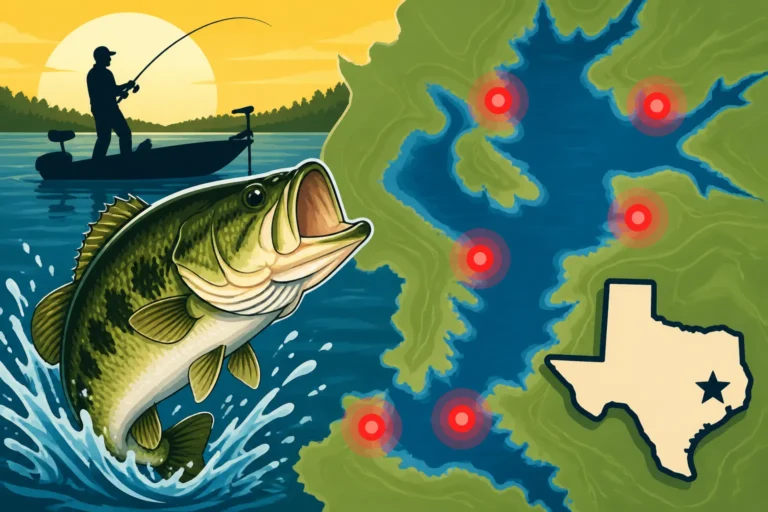
In the northern arm of the lake, where the West Fork Trinity River flows in, you'll find extensive shallow flats covered with standing timber and submerged stumps. This area truly shines in the cooler months and during the spawn. Bass will stage on the edges of these timber lines, particularly near old creek channels, before moving into the shallow wood to spawn. Flipping jigs, Texas rigs, and creature baits into the heavy cover are highly effective here. Later in the year, as the water warms, some bass will still relate to the deeper edges of this timber.
Moving south, the numerous private docks and boat houses that line the shoreline offer excellent cover year-round. Bass love to ambush baitfish from the shade and structure these provide. Skipping jigs, shaky heads, or wacky-rigged worms under these docks can be deadly. Keep an eye out for brush piles that homeowners might have sunk near their docks, as these are absolute magnets for bass. The riprap banks, especially around the Highway 199 bridge, also provide rocky structure that attracts both baitfish and bass.
Don't overlook the main lake points and humps, particularly those with a mix of rock and scattered timber. These act as highways for bass moving from shallow feeding areas to deeper water. Deep diving crankbaits, spoons, or even a Carolina rig worked slowly across these structures can elicit strikes, especially during warmer months when bass often hold deeper. When considering How to Fish for Bass in Texas, remember that patience and pattern recognition are paramount on a lake like Eagle Mountain.
Crappie Sanctuaries
Crappie fishing on Eagle Mountain Lake can be phenomenal, especially if you know where to look for their favorite hangouts. These schooling fish are often found relating to submerged cover and vertical structures.
One of the most consistent crappie spots is around the Highway 199 bridge pilings. These concrete structures provide both shade and an abundance of algae and invertebrates, attracting baitfish, which in turn attract crappie. Vertical jigging small crappie jigs (1/16 to 1/8 ounce) or live minnows around the pilings, at varying depths, is usually the most effective approach. The shaded areas on the down-current side of the pilings are often the most productive.
Beyond the bridge, focus your efforts on brush piles and submerged timber in the coves and along creek channels. Many anglers (and local guides) have sunk brush piles over the years, and these become vibrant ecosystems teeming with crappie. A good fish finder is invaluable for locating these hidden treasures. Once you find a pile, present your jigs or minnows directly into or just above the cover. In colder months, crappie will often suspend in deeper water near these brush piles, so be prepared to fish at different depths. For more specific advice on How to Fish for Crappie, consider checking out our detailed guide.
Catfish Havens
If you're after a delicious meal of fresh catfish, Eagle Mountain Lake rarely disappoints. Both channel and blue catfish are abundant and can be caught using a variety of methods.
The deeper creek channels and main lake points are prime targets for larger blue catfish. These areas provide current and access to deeper, cooler water. Target the bends in the old river channel or the mouths of major creeks like Ash Creek or Rocky Creek. Using cut bait (shad or carp), shrimp, or prepared stink baits on a Carolina rig near the bottom can be highly effective. Drifting these baits along the channel edges is also a popular tactic.
For channel catfish, look for them in shallower waters, especially in the upper northern end of the lake where the West Fork Trinity River enters. These areas, particularly those with a soft, muddy bottom and some scattered timber, hold abundant channel cats. Prepared baits, punch baits, and even hot dogs work wonders here. Fishing them on the bottom with a simple sinker and hook rig, especially in the evenings or early mornings, often yields great results. For those interested in alternative methods, trotlines and juglines, if properly marked and regulated, can also be quite productive for catfish in the lake's open waters, though you'll need to be familiar with specific Texas Trotline and Jugline Rules.
White Bass Runs
The white bass fishery on Eagle Mountain Lake truly comes alive during the spring. This is when these aggressive fish make their annual spawning run up the West Fork Trinity River.
The river arm of the West Fork Trinity becomes a bustling hub of activity during late winter and early spring. As water temperatures rise, white bass congregate and push upstream into the flowing current to spawn. Look for them in areas with current breaks, deeper holes, and around submerged structures in the river itself. Small inline spinners (like Rooster Tails), jigging spoons, or small swimbaits are incredibly effective. You'll often see birds diving and baitfish splashing, indicating a white bass feeding frenzy. This is a time of year when limits can be caught quickly, offering fast-paced action. Understanding the Texas White Bass Run Timing can give you a significant edge in planning your trip for this exciting event.
Here's a quick summary of some top spots:
| Species | Prime Locations | Key Features | Best Baits/Lures |
|---|---|---|---|
| Largemouth Bass | Northern Timber Flats, Private Docks, Rocky Points | Submerged wood, shade, riprap, deep transitions | Jigs, Texas Rigs, Crankbaits, Wacky Worms |
| Crappie | Highway 199 Bridge Pilings, Submerged Brush Piles | Vertical structure, cover, baitfish aggregation | Small Jigs, Live Minnows |
| Channel Catfish | Upper River Arm, Muddy Flats | Soft bottoms, scattered timber | Stink Baits, Cut Bait, Worms |
| Blue Catfish | Deep Creek Channels, Main Lake Points | Current, depth, structure transitions | Cut Bait (Shad, Carp) |
| White Bass | West Fork Trinity River Arm | Current breaks, deeper holes, flowing water | Inline Spinners, Jigging Spoons |
Effective Fishing Strategies for Eagle Mountain
Knowing where to go is only half the battle; understanding how to fish those spots effectively is what truly makes a difference. Eagle Mountain Lake demands a flexible approach, adapting to the conditions and the behavior of the fish.
Seasonal Tactics and Lure Choices
Fishing on Eagle Mountain changes dramatically with the seasons.
- Spring (Pre-spawn & Spawn): This is prime time. Bass move shallow to spawn, often in the timbered flats of the northern end or protected coves. Jerkbaits, spinnerbaits, and squarebill crankbaits are great for pre-spawn fish, while soft plastics (lizards, worms, creature baits) pitched into cover excel during the spawn. White bass are running up the river. Crappie are shallower, hitting jigs and minnows near brush and docks. Catfish become more active in shallower areas. For a deeper dive, check out our guide on Best Time of Year to Fish in Texas.
- Summer: The Texas summer heat can push fish deeper or make them more active at dawn, dusk, or night. For bass, focus on deep ledges, offshore humps, and the shady side of docks with jigs, deep crankbaits, or Carolina rigs. Early mornings might yield topwater bites over grass beds or points. Catfish will be found in deeper channels. Crappie often suspend over brush piles in deeper water.
- Fall: As water temperatures cool, fish become more active, often gorging themselves for winter. This is a fantastic time for a variety of baits. Bass will chase schooling baitfish, making crankbaits, spinnerbaits, and lipless crankbaits effective. Topwater action can be great in the mornings. Crappie move back to shallower brush and timber, and catfish remain active.
- Winter: Fishing slows down, but big fish can still be caught. Bass will be deep, often relating to channel swings, humps, and points. Finesse techniques like drop-shot rigs, Ned rigs, and slow-rolled jigs become crucial. Crappie will be tightly schooled in deep brush piles or under docks. Catfish can still be caught on deep structure with fresh cut bait.
Navigating and Finding Fish
Eagle Mountain Lake has extensive shallow areas and submerged timber, especially in its upper reaches. Navigating these areas safely is paramount. Always use updated lake maps and pay close attention to depth finders. A good GPS unit with detailed lake contours can be your best friend, helping you stay in channels and mark productive spots.
When searching for fish, don't just rely on blind casting. Look for key indicators:
- Baitfish: Schools of shad on your sonar or splashing on the surface are a strong indicator that game fish are nearby.
- Structure: Points, humps, creek channel edges, rock piles, and brush piles are all places fish love to congregate.
- Cover: Docks, standing timber, and laydowns provide ambush points and shade.
- Birds: Diving birds often signal schools of white bass or other predatory fish pushing bait to the surface, especially in the open water.
Sonar and side-imaging technology can help you "see" submerged structures and fish schools. Many modern fish finders can mark depths, show bottom composition, and even identify individual fish, greatly increasing your efficiency.
Importance of Checking Regulations
Before heading out, always, always double-check the current Texas Freshwater Fishing Regulations. Regulations for bag limits, length limits, and gear restrictions can change, and it's your responsibility as an angler to be up-to-date. Eagle Mountain Lake falls under statewide regulations for most species, but specific exceptions can sometimes apply to certain water bodies. Ensure you have your Texas Fishing License Requirements Explained handled; a valid Texas fishing license with the appropriate endorsements is absolutely essential for anyone 17 years of age or older. Ignorance of the law is not an excuse, and game wardens are out there doing their jobs to protect our fisheries.
Preparing for Your Eagle Mountain Lake Adventure
A successful fishing trip often comes down to good preparation. Knowing the local amenities, considering guide services, and having the right gear can make all the difference between a frustrating day and a memorable one.
Access Points and Amenities
Eagle Mountain Lake is well-equipped with public access points and marinas. You'll find several public boat ramps, such as the one at Eagle Mountain Lake Park or the public ramp at Lake Worth (which provides access to the West Fork Trinity). Marinas like Eagle Mountain Lake Marina and Harbor One Marina offer fuel, supplies, and often have bait and tackle shops where you can get up-to-the-minute local fishing reports. These are fantastic resources for any angler, especially those new to the lake. Before you head out, make sure your boat is properly registered and equipped by reviewing the Texas Boat Registration Requirements and other safety guidelines.
Hiring a Guide or Charter
For those unfamiliar with Eagle Mountain Lake, or if you're keen to learn the hotspots quickly, hiring a local fishing guide is an excellent investment. A professional guide knows the lake's seasonal patterns, hidden honey holes, and the most effective baits and techniques. They can save you a ton of time and vastly increase your chances of success. They also often provide all the necessary gear. Services like FishingBooker can connect you with experienced, local guides who specialize in Eagle Mountain Lake, whether you're targeting bass, crappie, or catfish. It’s a great way to jumpstart your knowledge and ensure a productive outing without the guesswork. Many guides offer half-day or full-day trips, and it’s a fantastic way to learn the lake's intricacies. Don't hesitate to use platforms like FishingBooker to find a reputable charter.
Essential Gear Checklist
Beyond your rod and reel, having a few key items will enhance your Eagle Mountain Lake experience:
- Sun Protection: The Texas sun is no joke. Wide-brimmed hats, sunglasses, and plenty of sunscreen are non-negotiable, even on cloudy days.
- Hydration: Bring more water than you think you'll need, especially during the warmer months. Staying hydrated is crucial.
- First-Aid Kit: Small cuts, hook punctures, or minor scrapes can happen. A basic first-aid kit is always a good idea.
- Map and GPS: Even if you know the lake, having a reliable map or a marine GPS unit can help you navigate safely and relocate productive spots.
- Fishing Pliers/Tools: Essential for removing hooks safely and cutting line.
- Net: Especially if you're targeting larger bass or catfish, a landing net will help you safely boat your catch.
- Appropriate Clothing: Dress in layers, as mornings can be cool and afternoons can heat up quickly. Quick-drying fabrics are always a plus.
Eagle Mountain Lake truly offers something for every angler. With these tips and a little patience, you'll be well on your way to a fantastic fishing adventure!
Disclaimer
Please note that fishing conditions, regulations, and fish behavior can change rapidly. Always consult the most current Texas Parks and Wildlife Department regulations before fishing. This guide is for informational purposes only and should not replace official sources. Always prioritize safety on the water.