What freshwater fish are most popular in Texas
It's completely understandable to wonder which fish really capture the hearts of anglers across the Lone Star State, especially with so many incredible waterways. Texas boasts an amazing diversity of freshwater fish, and trying to figure out where to focus your efforts or what species truly define the fishing culture here can feel a little overwhelming. This guide is here to unravel that mystery, highlighting the most popular freshwater fish in Texas and shedding light on why they've earned their top spots in our fishing traditions.
The "Big Three" Freshwater Stars of Texas
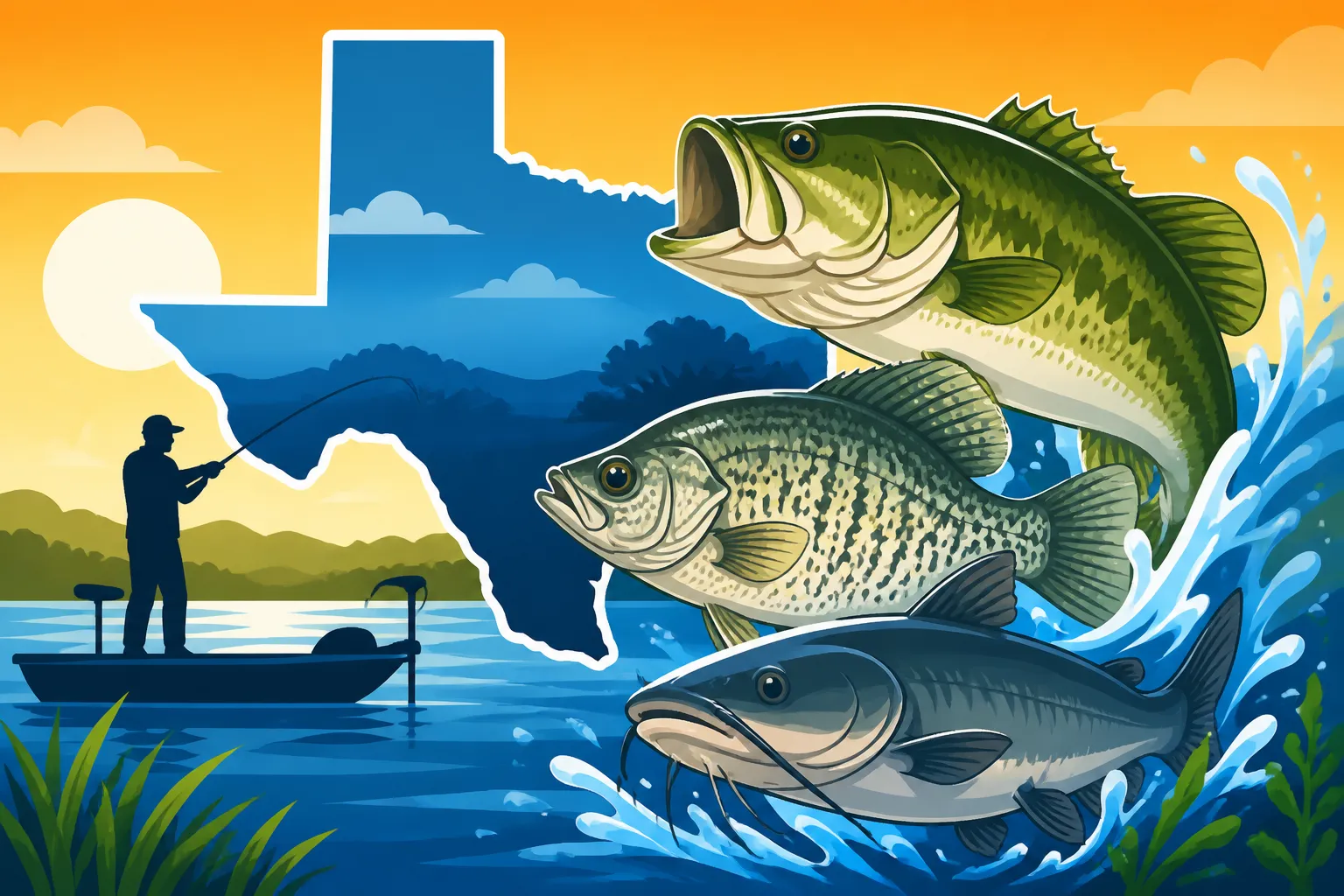
When you talk about freshwater fishing in Texas, there are three species that almost immediately come to mind for most anglers. These fish aren't just common; they're celebrated, chased, and often form the backbone of a fantastic day on the water, whether you're a seasoned pro or just starting out.
Largemouth Bass: The Undisputed Champion
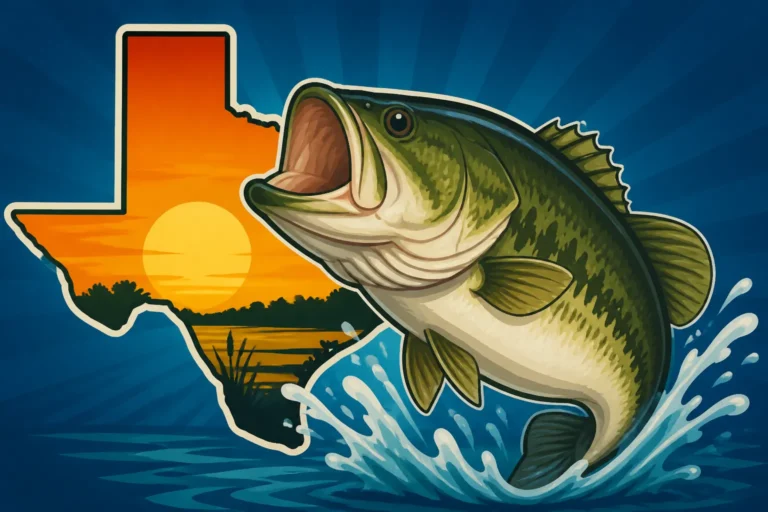
Let's be honest, for many, the largemouth bass isn't just a fish; it's a way of life. This chunky, aggressive predator is undoubtedly the most popular freshwater game fish in Texas, and for good reason. They put up an incredible fight, often leaping and thrashing to throw the hook, and can grow to impressive sizes, making every catch a potential trophy. Texas is famous for its "ShareLunker" program, which showcases the truly giant bass caught in our lakes, inspiring anglers to constantly chase that next big one.
You'll find largemouth bass in virtually every freshwater system across the state, from sprawling reservoirs like Lake Fork, Sam Rayburn, and Toledo Bend to smaller stock ponds and rivers. They love structure – submerged timber, aquatic vegetation, boat docks, and rocky points – anything that provides ambush points for their prey and shade from the Texas sun. Anglers use a huge variety of techniques, from throwing topwater lures at dawn and dusk to flipping jigs into heavy cover or slowly dragging plastic worms along the bottom. The sheer versatility of how you can target them, coupled with their aggressive strikes, keeps bass anglers coming back for more. If you're looking to gear up, Amazon has a fantastic selection of bass rods, reels, and tackle to get you started, whether you're into finesse fishing or throwing big swimbaits. For more detailed advice, check out our Texas Largemouth Bass Fishing Guide.
Catfish (Channel, Blue, and Flathead): The Delicious Bottom Dwellers
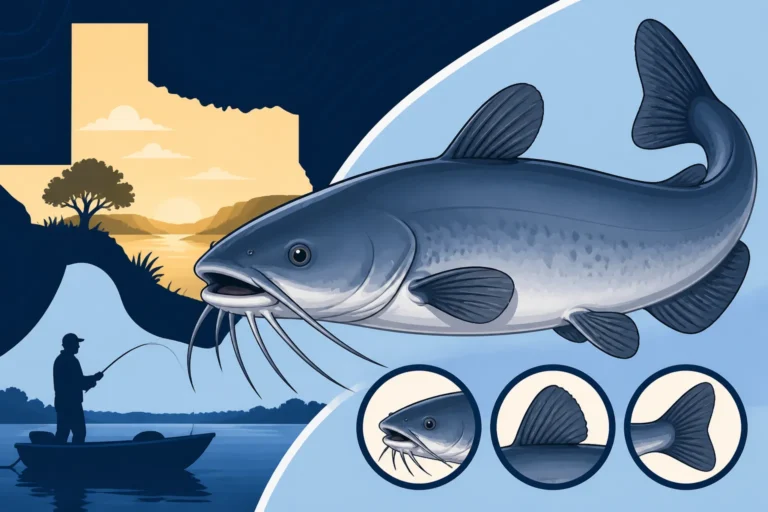
While bass might get all the glory in tournaments, catfish are arguably the most widely pursued species for sheer family fun and table fare. Texas is a true catfish paradise, offering three distinct species that each have their own appeal: channel, blue, and flathead catfish. These whiskered wonders are incredibly accessible, often found in rivers, lakes, and even many urban ponds, making them perfect for casual anglers of all ages.
Channel catfish are the most common and widespread, known for their fork tails and spotted sides (though spots can fade in older fish). They're opportunistic eaters, falling for everything from prepared stink baits and cut bait to shrimp and hot dogs. Blues are the bruisers of the bunch, capable of growing to immense sizes, particularly in large reservoirs like Lake Livingston and the Trinity River. They prefer fresh cut bait, often from shad or carp. Flatheads are solitary ambush predators, typically found in deeper holes with structure, and are best targeted with live bait like sunfish or perch. The appeal of catfish extends beyond the fight; they are absolutely delicious, whether fried, grilled, or baked, making them a staple for Texas fish fries. It's truly a rewarding experience to catch a cooler full of channels for a family meal. Our Texas Catfish Species Guide dives deeper into each type.
Crappie (White and Black): The Panfish Powerhouse
Crappie, affectionately known as "papermouths" for their delicate mouths, are another immensely popular freshwater fish, especially for those who love to eat what they catch. Both white and black crappie thrive in Texas waters, and they are highly sought after for their schooling behavior and incredible flavor. Catching a limit of crappie can mean an evening of fantastic frying, and many anglers specifically target these panfish.
White crappie tend to be more abundant in the murkier, larger reservoirs and have distinct vertical bars on their sides. Black crappie prefer clearer water with more vegetation and have a more speckled appearance. Both species congregate in large schools, especially around submerged brush piles, standing timber, bridge pilings, and other structure. They're often caught by jigging small jigs (like tube jigs or hair jigs) or fishing with live minnows under a bobber. When you find a crappie school, the action can be non-stop, leading to impressive coolers full of fish. Lakes like Cedar Creek Reservoir, Lake Fork, and Richland Chambers are renowned crappie destinations. To learn more about these tasty panfish, check out our Texas Crappie Fishing Guide.
Other Fan Favorites You Can't Ignore
While the "Big Three" dominate the scene, several other freshwater species capture the attention and passion of Texas anglers throughout the year. These fish offer unique challenges and exciting opportunities that round out the diverse freshwater fishing landscape.
White Bass: The Spring Run Thrill
If you've never experienced the Texas white bass run, you're missing out on one of the most exciting freshwater fishing events of the year. White bass, often called "sand bass" by locals, are smaller members of the temperate bass family, but what they lack in individual size, they make up for in sheer numbers and aggressive feeding habits. Their popularity skyrockets in late winter and early spring when they make their annual spawning runs up major river systems and creeks that feed into large reservoirs.
During these runs, thousands upon thousands of white bass migrate upstream, creating a fishing frenzy that can last for weeks. Anglers line the banks of rivers like the Trinity, Brazos, and Colorado, casting small in-line spinners, tiny crankbaits, or jigging slabs and Roadrunners into the swirling current. The action can be incredibly fast-paced, with double and triple hook-ups not uncommon. They put up a feisty fight for their size and are excellent table fare, though some prefer them filleted to avoid the red meat line. It's an accessible and exhilarating experience for anglers of all skill levels, and a fantastic way to introduce kids to the thrill of catching multiple fish. Find out more about them in our Texas White Bass Fishing Guide.
Striped Bass & Hybrid Striped Bass: The Hard Fighters
For those who crave a truly powerful fight, the striped bass and its close cousin, the hybrid striped bass (a cross between a striped bass and a white bass), are phenomenal choices. These hard-hitting fish are primarily found in the larger impoundments of Texas, providing a thrilling challenge that can test both tackle and angler. They're stocked in many Texas lakes, with Lake Texoma being a particular hotspot for natural-reproducing pure striped bass.
Pure striped bass can grow very large, often exceeding 20 pounds, and are known for their long, powerful runs. Hybrid stripers, while typically not reaching the same maximum size as pure stripers, are often considered even more aggressive pound-for-pound. Both species are open-water predators, chasing schools of shad and other baitfish. They can be caught trolling with deep-diving crankbaits or live bait, casting swimbaits or topwaters into schooling fish, or jigging heavy slabs in deeper water. The sheer adrenaline rush of battling a large striper or hybrid is something every Texas angler should experience. For tips on catching these incredible fish, refer to our Texas Striped Bass Fishing Guide.
Sunfish (Bream, Bluegill, Redear): The Family Fishing Staple
Sometimes, the most popular fish aren't the biggest or the hardest fighting, but the most reliable for pure enjoyment, especially for families and new anglers. That's where sunfish, encompassing species like bluegill, redear sunfish (shellcrackers), and various types of bream, truly shine. They are ubiquitous across Texas, found in nearly every pond, lake, and slow-moving river section.
Sunfish are incredibly willing biters, often aggressively attacking anything from a tiny piece of worm to a small cricket or a micro-jig. Their vibrant colors and pan-like shape make them instantly recognizable, and while they don't grow to massive sizes, they provide consistent action that can keep even the shortest attention spans engaged. They're the quintessential "first fish" for countless kids, offering instant gratification and fostering a lifelong love for fishing. Plus, like crappie, they make for excellent table fare when cleaned and fried up. Simple cane poles, a bobber, a hook, and some worms are all you need to have a blast catching these abundant little fighters, making them incredibly accessible for everyone.
Understanding Why These Fish Reign Supreme
The popularity of these freshwater fish isn't accidental; it's a combination of ecological factors, angler preferences, and dedicated management efforts that make them so central to Texas fishing culture.
Accessibility and Distribution
One of the primary reasons these species are so popular is their sheer availability. Unlike some rarer or more specialized fish, largemouth bass, catfish, crappie, white bass, striped bass, and sunfish are widely distributed across a vast array of Texas waterways. Whether you're in East Texas, Central Texas, or down in South Texas, you're likely to find at least several of these species within a short drive.
The Texas Parks and Wildlife Department (TPWD) plays a crucial role in maintaining and enhancing these populations through extensive stocking programs. For instance, many lakes are regularly stocked with Florida strain largemouth bass to grow bigger fish, and hybrid striped bass are introduced into numerous reservoirs to provide exciting angling opportunities. This consistent management ensures that there are always fish to catch, which is incredibly important for maintaining angler interest and providing consistent opportunities for both recreational and competitive fishing. Even if you don't own a boat, many public access points, fishing piers, and state parks offer great opportunities to catch these popular species. You might even find some Free Shoreline Fishing at Texas State Parks.
Fight and Culinary Value
Anglers, at their core, are often looking for two things: a good fight and, for many, good eating. The most popular freshwater fish in Texas deliver on both fronts. The explosive strike and acrobatic leaps of a largemouth bass, the powerful tug of a big blue catfish, or the rapid-fire action of a white bass school each provide unique thrills that keep anglers coming back. There's a deep satisfaction in the physical challenge of reeling in a strong fish, regardless of its size.
Beyond the sport, the culinary appeal of these fish is undeniable. Crappie and sunfish are prized for their flaky, white meat, perfect for frying. Catfish, whether blues or channels, are a southern staple, often seasoned and fried to crispy perfection. Even largemouth bass, while often released by tournament anglers, are considered delicious by many who choose to keep them. This dual appeal – the excitement of the catch combined with the reward of a fresh, delicious meal – cements their status as favorites among a wide demographic of Texas anglers.
Tournament Culture and Community Engagement
The popularity of certain species is also deeply intertwined with fishing culture and community. Largemouth bass, for example, are at the heart of a vibrant tournament scene in Texas. From local club tournaments to major professional events, bass fishing competitions drive innovation in tackle, techniques, and angler skill. This competitive spirit not only pushes the boundaries of the sport but also inspires casual anglers to hone their skills and chase trophy fish. Many anglers find the latest tournament-proven lures and gear on platforms like Amazon, keeping up with trends.
Beyond competition, these popular species are central to family traditions. Weekends spent at the lake or local pond, teaching a child to cast for bluegill or patiently waiting for a catfish bite, create lasting memories. These fish are accessible and forgiving enough to provide success for beginners, making them perfect ambassadors for introducing new generations to the joys of fishing. The ease of access to gear, often available through retailers or online, including Amazon, further supports this widespread participation. Before you head out, though, always be sure you understand the Texas Freshwater Fishing Regulations and the Texas Fish Bag and Length Limits for your target species.
| Fish Species | Primary Appeal | Typical Habitat | Common Baits/Lures | Average Size (Texas) | Culinary Value |
|---|---|---|---|---|---|
| Largemouth Bass | Hard fight, trophy potential, tournaments | Lakes, ponds, rivers; cover, structure, vegetation | Plastic worms, jigs, crankbaits, topwaters | 1-8 lbs (can exceed 15 lbs) | Good |
| Channel Catfish | Abundant, good eating, accessible | Lakes, rivers, ponds; bottom dwelling | Stink baits, cut bait, shrimp, worms | 1-10 lbs (can exceed 30 lbs) | Excellent |
| Blue Catfish | Immense size, powerful fight, eating | Large lakes, rivers; deep channels, open water | Fresh cut bait (shad, carp), live bait | 5-50 lbs (can exceed 100 lbs) | Excellent |
| Flathead Catfish | Unique challenge, eating | Rivers, lakes; deep holes, submerged timber | Live bait (sunfish, perch) | 10-50 lbs (can exceed 80 lbs) | Excellent |
| White Crappie | Schooling action, excellent eating | Lakes, rivers; brush piles, standing timber | Live minnows, small jigs (tube, hair) | 0.5-2 lbs (can exceed 4 lbs) | Excellent |
| Black Crappie | Schooling action, excellent eating | Clearer lakes, ponds; vegetation, structure | Live minnows, small jigs (tube, hair) | 0.5-2 lbs (can exceed 4 lbs) | Excellent |
| White Bass | Fast action, spring runs, eating | Lakes, rivers; open water, upstream runs | Small spinners, slabs, jigs, tiny crankbaits | 0.5-2 lbs | Good |
| Striped Bass | Powerful fight, large size | Large lakes (Texoma); open water, chasing bait | Trolling, live bait, swimbaits, large jigs | 5-20 lbs (can exceed 50 lbs) | Good |
| Hybrid Striper | Aggressive fight, abundant stocking | Large lakes; open water, chasing bait | Trolling, live bait, swimbaits, slabs | 3-10 lbs (can exceed 20 lbs) | Good |
| Sunfish (Bluegill, Redear) | Easy to catch, great for kids, eating | Lakes, ponds, slow rivers; shallow, vegetation | Worms, crickets, small jigs | < 1 lb | Excellent |
Texas freshwater fishing offers something for everyone, and the popularity of these key species ensures that there's always an exciting pursuit awaiting anglers across the state. Whether you're chasing a trophy bass, filling a cooler with catfish, or introducing a youngster to the joy of sunfish, the freshwater fisheries of Texas are truly remarkable.
Disclaimer
This article is for general informational purposes only and does not constitute professional advice. Laws, prices and regulations vary by location and change over time. Consult a qualified professional for guidance on your specific situation.