Does a full moon affect bass fishing in Texas
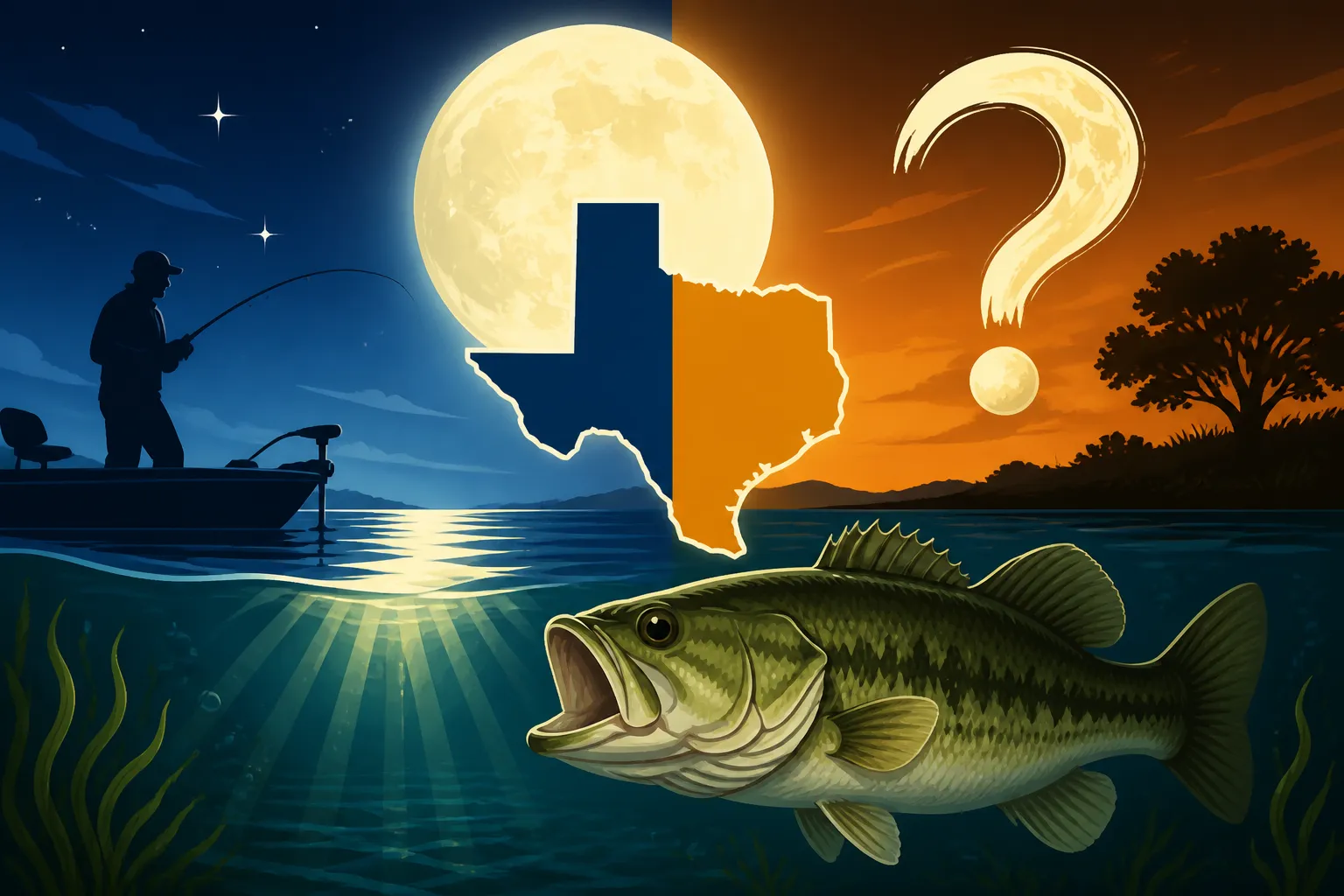
Ah, the full moon! It’s one of those age-old questions that has kept Texas anglers staring at the night sky, wondering if those bright lunar rays are truly turning the bass on or off. We’ve all heard the stories, the whispered theories around the bait shop, or the frustrated sighs after a slow day under a big, bright moon. You’re out there, rods in hand, and you can’t help but think: is this moon helping or hurting my chances? This guide is here to cut through the folklore and give you a realistic look at how a full moon might affect your bass fishing in the vast and varied waters of Texas, offering practical advice to help you adapt.
The Enduring Mystery: Do Moon Phases Really Affect Bass Fishing?
For generations, anglers have sworn by – or cursed – the moon, attributing their catches or lack thereof to its luminous presence in the sky. It’s a debate as old as fishing itself, and nowhere is this more prevalent than in bass fishing circles here in Texas. We’ve got so much water, so many different conditions, that trying to pin it all on the moon can feel a bit overwhelming. But there's a certain romance, isn't there, in thinking that something as grand as the moon could directly influence the tug on your line?
Angler Lore and Superstition
Walk into any tackle shop in Texas, from the mom-and-pop stores near Lake Fork to the bigger outfits down by the coast, and you're bound to hear someone discussing moon phases. The "full moon bite" is a legendary concept for many, suggesting that the heightened lunar activity makes fish more aggressive. Conversely, others claim the bright nights of a full moon mean the bass feed all night, making them lethargic and less likely to bite during the day. It’s a fascinating mix of observation, anecdotal evidence, and sometimes, just plain old superstition.
Think about it: how many times have you had a phenomenal day on the water, only to check the moon phase later and realize it was a new moon, or a quarter moon, and you immediately think, "Ah, that's why!" Or, you've struggled, only to blame the "terrible full moon bite." We're always looking for patterns, for explanations, and the moon, with its predictable yet mysterious cycle, offers a tempting one. The truth is, sometimes a great day lines up with a full moon, and sometimes it doesn't. That doesn't make the stories any less compelling, especially when you're planning a trip to a trophy lake like Sam Rayburn Reservoir.
The Scientific Perspective: Gravitational Pull and Light
While the fishing community often leans into the mystical side of moon phases, science offers a more grounded explanation. The primary ways the moon influences Earth are through its gravitational pull and its reflected light. The gravitational pull causes tides in our oceans and even subtle bulges in large freshwater bodies, which might slightly increase water movement or currents. In Texas, for our coastal fishing, this is a much more significant factor. When it comes to freshwater lakes and reservoirs, the tidal effect is often negligible to the average angler, but it's still there.
The moon's light, however, is a different story. A full moon provides a significant amount of ambient light, effectively extending the "daylight" hours into the night. Bass, being opportunistic predators, certainly react to light. This is where the theories often diverge. Does the extra light allow them to feed more efficiently at night, leading to less daytime activity? Or does the increased visibility make them more active overall, regardless of the time of day? It's not a simple answer, and fish behavior is complex, influenced by a multitude of interconnected variables beyond just the moon.
Unpacking the Lunar Influence: What Science Says (and Doesn't Say)
While the romance of the full moon bite is captivating, let's peel back the layers and look at what reliable information suggests about bass behavior during different lunar cycles. It’s rarely a black-and-white situation, and what holds true for one lake might not for another.
Nocturnal Feeding and Daytime Lulls
One of the most widely discussed effects of a full moon on bass fishing is the idea of increased nocturnal feeding. Imagine a Texas summer night on Lake Conroe: the moon is bright, casting shadows, and bass can see their prey much more easily than on a new moon night. This extended period of effective feeding could mean that bass fill their bellies under the cover of darkness, making them less inclined to bite during the brighter, hotter daytime hours. They might retreat to deeper, cooler water or dense cover to digest and conserve energy.
This theory often leads anglers to adjust their schedules, focusing on early morning and late evening bites when the light transition makes bass more active, or even trying Night Fishing Techniques for Texas Lakes. If they’ve been feasting all night, a mid-day full moon may find them less aggressive. However, this isn't a hard and fast rule. Bass are still predators, and if an easy meal presents itself, they're likely to take it, regardless of how much they've eaten. The metabolism of a bass, especially a large one looking for a Texas Largemouth Bass Fishing Guide entry, dictates a need for consistent caloric intake.
Solunar Tables: A Controversial Tool
Many anglers consult solunar tables, which predict periods of increased fish activity based on the moon and sun's positions. These tables often suggest peak fishing times during moonrise, moonset, and overhead/underfoot moon phases. While many swear by them, scientific studies have yielded mixed results regarding their effectiveness. Some research indicates a slight correlation between solunar predictions and fish activity, while others find no significant link. It's often debated whether any observed correlation is due to the solunar influence itself or simply coincides with other known factors, such as dawn/dusk feeding patterns.
For some, it's a valuable planning tool, a way to add an extra layer of strategy to their fishing trip. Others view it as a distraction, preferring to rely on more tangible factors like weather and water temperature. It boils down to personal preference and whether you've found them to be reliable in your specific fishing spots across Texas. If you're a believer, you might be checking these tables on Amazon or through various fishing apps.
Moon Phase and Spawning Behavior
The moon is certainly a factor when it comes to the reproductive cycles of many species, including some fish. For bass, while water temperature is the primary trigger for their Texas Bass Spawning Season Guide, some theories suggest that lunar phases might play a role in finetuning the timing of spawning aggregations or individual nesting activity. A full moon, with its increased light, could potentially influence the visibility for bass choosing bedding sites or for predators trying to locate eggs. However, these are often secondary influences compared to crucial environmental factors like stable water temperatures, adequate cover, and appropriate substrate.
It's more likely that the moon's influence on spawning, if any, is subtle and interwoven with a host of other conditions, rather than being a dominant, standalone trigger. Anglers often look for specific water temps – usually in the 60s Fahrenheit – to signal the bass spawn, not necessarily the moon phase alone.
Here's a quick look at general angler beliefs vs. potential realities regarding moon phases:
| Moon Phase | Common Angler Beliefs | Potential Realities for Bass Fishing in Texas |
|---|---|---|
| New Moon | Strong daytime bite, fish are hungry due to dark nights. | Less nocturnal feeding due to low light, potentially leading to more aggressive daytime activity, especially at dawn/dusk. |
| First/Last Quarter | Often considered "average" or "steady" fishing. | Moderate light conditions, bass may maintain a more consistent daily feeding pattern. Less extreme highs/lows in activity. |
| Full Moon | Great night bite, slow daytime bite; "full moon funk." | Increased nocturnal feeding due to ample light, potentially making daytime fishing slower as bass are satiated. Can make night fishing excellent. |
| Waning/Waxing Gibbous | Varies, often linked to the proximity to full moon. | Transitional periods where bass adjust feeding patterns. May see good activity around moonrise/moonset. |
Beyond the Full Moon: Other Factors That Drive Bass Behavior in Texas
While the moon can certainly be a talking point, it's crucial to remember that it's just one piece of a much larger, dynamic puzzle when it comes to bass behavior. In the diverse environments of Texas, from our sprawling reservoirs to our winding rivers, a multitude of factors often exert a far more direct and noticeable influence on whether the bass are biting.
Weather and Frontal Systems
If there's one thing that can absolutely turn a bass bite on or off, it's a significant weather change. Here in Texas, we're no strangers to dramatic swings. A strong cold front pushing through can drop water temperatures, shift barometric pressure, and send bass scrambling for deeper, more stable water. Conversely, a warm front or stable, cloudy weather often signals excellent fishing conditions, as bass become more active and willing to feed. How weather fronts affect saltwater fishing on the coast is a huge deal, and it's just as big for freshwater bass.
Think about fishing on Lake Texoma. A sunny, calm day after a stable period might be fantastic, regardless of the moon phase. But if a thunderstorm rolls through, or a norther blows in, your chances might drop dramatically. These immediate environmental shifts often override any subtle lunar influence. Bass are cold-blooded creatures, and their metabolism and comfort levels are directly tied to water temperature, sunlight, and atmospheric pressure.
Water Temperature and Clarity
These two factors are arguably the most critical determinants of bass location and activity. Bass are comfortable within a specific temperature range, and they will seek out areas that meet their needs. Too hot in the summer, and they dive deep or find shade. Too cold in the winter, and their metabolism slows way down. This is why understanding Best Time of Year to Fish in Texas often comes down to tracking water temperatures.
Water clarity also plays a huge role. In clear lakes like Canyon Lake, bass rely heavily on sight, and their behavior will differ from bass in murkier waters like Lake Livingston. Clear water might mean they're spookier and prefer low-light conditions, while stained water can make them less wary and more active throughout the day. A full moon's light might affect clear water bass more significantly than those in stained environments. Learning How to fish muddy water in Texas or How to fish clear water lakes in Texas will serve you better than solely focusing on the moon.
Forage Availability and Predation Pressure
Bass are predators, and their movements and feeding patterns are intimately tied to the availability of their prey. If there's an abundance of baitfish, crayfish, or other food sources in a particular area, bass will congregate there, actively hunting. Conversely, if forage is scarce, they might be on the move, searching for their next meal. Understanding What do largemouth bass eat in Texas lakes is key.
Furthermore, fishing pressure can significantly impact how bass behave. Heavily fished lakes, especially those near major metropolitan areas like Dallas or Houston, often produce "pressured" bass that are warier and harder to catch. They learn to associate certain sounds or shadows with danger, making them less likely to bite, regardless of what the moon is doing. Adapting your Best Bait and Lures for Texas Fishing to these conditions is far more effective.
Seasonal Patterns and Location
Bass have predictable seasonal patterns. They move shallow to spawn in spring, go deep or into heavy cover in summer to escape the heat, chase bait in the fall, and hold in deeper, more stable areas in winter. These patterns are well-documented and provide a strong framework for understanding where to find bass at any given time of year. Knowing How to Catch Bass in Spring in Texas or How to Catch Bass in Summer in Texas is paramount.
For instance, in the spring, bass are focused on spawning, and their location is driven by water temperature and suitable bedding areas, regardless of the moon. In the summer, they're seeking cooler, oxygen-rich water, often around deep structure or submerged vegetation. These overarching seasonal influences almost always supersede the subtle effects of the moon.
Practical Strategies for Fishing During a Full Moon in Texas
So, given all this, how should you approach bass fishing in Texas when the full moon is high? The key isn't to dismiss the moon entirely, but to integrate its potential effects into a broader strategy that prioritizes the more impactful factors we've discussed. Adaptability is your best friend.
Embrace the Night: Prime Time Under the Lunar Glow
If the theory of increased nocturnal feeding during a full moon holds true, then leaning into night fishing is a logical strategy. The bright moonlight can make night fishing not only more effective but also incredibly enjoyable, especially during the sweltering Texas summers. Bass are still active, and the reduced boat traffic and cooler temperatures can create a magical experience.
When fishing at night, consider using darker-colored lures that create a strong silhouette against the moonlight or the surface. Jigs, spinnerbaits with large thumping blades, and dark-colored worms are excellent choices. Sound and vibration become crucial, so baits with rattles or those that displace a lot of water can be very effective. Remember to bring a reliable headlamp (you can find great options on Amazon) and be extra cautious navigating the water. Target shallow flats adjacent to deep water, lighted docks, or submerged structure where bass might be ambushing prey under the moonlight.
Adjusting Your Daytime Approach
If you're committed to daytime fishing during a full moon, the approach often needs a tweak. Instead of expecting an aggressive, all-day bite, focus on low-light periods and adapting your tactics to potential lethargy.
- Early Morning & Late Evening: These twilight hours are always prime for bass fishing, regardless of the moon phase. Bass are often more active during these transitions.
- Deep and Shady: During the brighter parts of the day, bass are more likely to be seeking refuge in deeper water, under heavy cover like docks, brush piles, or submerged timber. Techniques like a Texas rig, Carolina rig, or drop shot fished slowly in these areas can entice bites from less active fish. Make sure you have your How to use a fish finder for bass fishing skills dialed in to locate these hidden spots.
- Finesse Tactics: When bass are less aggressive, a more subtle approach can pay off. Downsize your baits, use lighter line, and work your lures slowly. Wacky rigs, Ned rigs, and shaky heads are excellent finesse options that can tempt even a full-bellied bass.
- Target Reaction Bites: Sometimes, forcing a reaction strike is the way to go. A fast-moving crankbait or a bladed jig can trigger an instinctive bite even if the bass isn't actively feeding.
Focus on Proven Patterns, Not Just the Moon
Ultimately, the most successful Texas anglers are those who prioritize proven patterns over a single, speculative factor like the moon phase. Pay attention to:
- Water Temperature: Is it in the ideal range for bass activity?
- Cover and Structure: Where are the bass likely holding based on the time of year and water conditions?
- Baitfish Activity: Are you seeing schooling baitfish? That's where the predators will be.
- Wind and Current: These can position bait and bass, making certain areas hot spots.
- Barometric Pressure: Stable or rising pressure often signals better fishing.
Keep a detailed fishing log. Note down the moon phase, but also record the weather conditions, water temperature, depths fished, and lure choices. Over time, you'll start to see what truly makes a difference in your personal fishing experiences on your favorite Best Bass Lakes in Texas. You might find that for you, a full moon doesn't change much, or maybe you discover a specific full moon pattern for a particular lake. The best gear, which you can often find a wide selection of on Amazon, will only help if you're using it in the right place, at the right time, with the right approach.
So, while the full moon certainly adds a layer of intrigue to our fishing endeavors, it's rarely the sole deciding factor. Instead, view it as one potential variable in a complex equation, and adjust your tactics accordingly. Happy fishing, y'all!
Disclaimer
This article is for general informational purposes only and does not constitute professional advice. Laws, prices and regulations vary by location and change over time. Consult a qualified professional for guidance on your specific situation.