Guadalupe Bass Native Range in Texas
It’s easy to hear about the Guadalupe bass being our state fish and imagine it’s swimming everywhere in Texas waters. But the truth is, this unique and feisty fish has a very specific home range, and knowing where to find it and what makes those spots special can be a real game-changer for any angler. Many folks get frustrated trying to distinguish it from other bass or find themselves fishing in waters where it simply doesn't thrive. This guide will take you on a deep dive into the native range of the Guadalupe bass, exploring the clear, flowing rivers of Central Texas where this remarkable fish truly belongs, and what we can do to protect its future.
The One-of-a-Kind Guadalupe Bass: Our State Fish
The Guadalupe bass (scientific name: Micropterus treculii) isn't just another fish; it's a symbol of Texas's unique aquatic heritage. This species holds a special place in the hearts of Texans, recognized as the official state fish, a distinction it earned not just for its fighting spirit, but for its unique adaptations to our beautiful Hill Country rivers. For many anglers, catching a Guadalupe bass is a bucket-list item, a true badge of honor that connects them directly to the heart of Texas.
Identifying Features: What Makes Them Unique
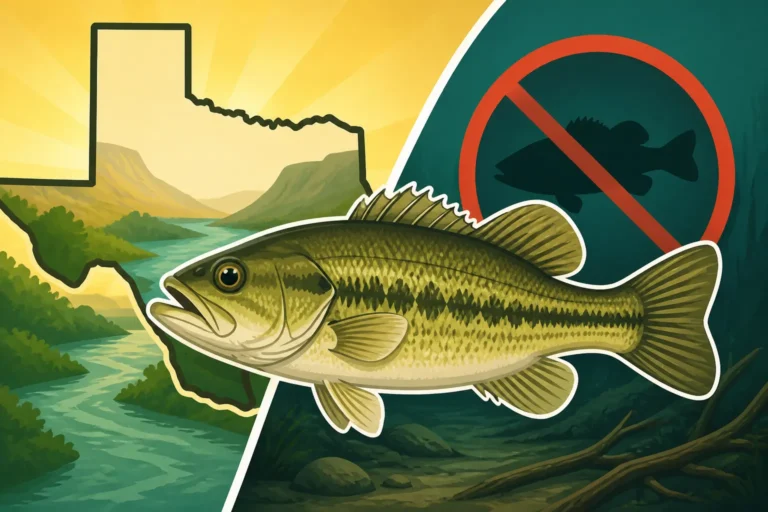
When you first lay eyes on a Guadalupe bass, you'll notice a few distinct characteristics that set it apart from its black bass cousins. These fish typically have a more streamlined, elongated body compared to the bulkier largemouth bass, which is an adaptation for living in flowing water. Their coloration often features a dark olive-green back that fades into lighter sides, adorned with a series of broken, chain-like lateral blotches or diamond-shaped spots that run down their sides. These markings are quite distinct and can help you identify them in the clear waters they call home.
Guadalupe bass are generally smaller than largemouths, rarely exceeding a few pounds, but don't let their size fool you. They are pound-for-pound some of the fiercest fighters you'll encounter on light tackle, using the current to their advantage to put up an incredible struggle. Their smaller stature and aggressive nature make them a thrilling target for anglers, particularly those who appreciate a challenging catch in a beautiful setting. Their unique appearance and spirited fight contribute to their legendary status among Texas anglers, making every catch feel like a special achievement.
What truly makes the Guadalupe bass unique is its unparalleled adaptation to the specific environmental conditions of Central Texas rivers. Unlike largemouth bass, which prefer still or slow-moving water with abundant vegetation, Guadalupe bass have evolved to thrive in dynamic, flowing environments. Their sleek build and powerful tails allow them to navigate strong currents, holding position behind rocks or in riffles where they ambush prey. This specialization is why you won't find them just anywhere; they need those specific riverine habitats to truly flourish. Their status as the official state fish isn't just ceremonial; it underscores their deep ecological connection to the Texas landscape.
Guadalupe Bass vs. Smallmouth Bass: A Key Distinction
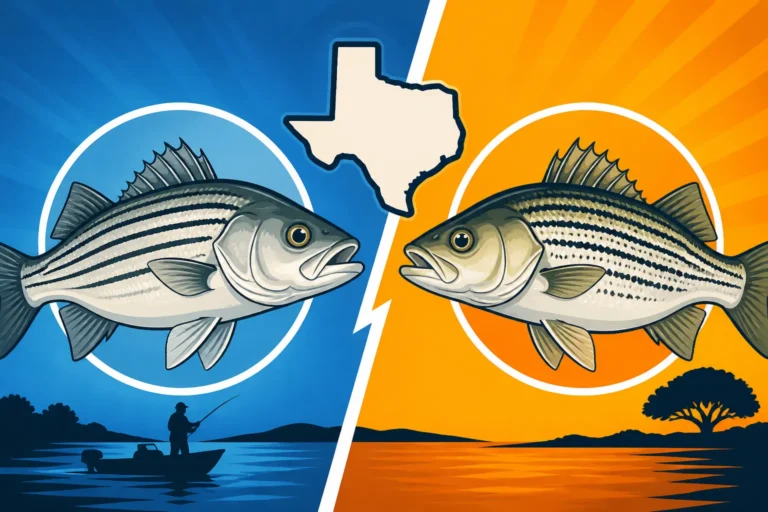
One of the biggest challenges for anglers in the native range of the Guadalupe bass is telling them apart from smallmouth bass, especially in areas where smallmouths have been introduced or where hybridization has occurred. While both species share a preference for clear, flowing water and rocky structure, there are subtle yet critical differences that can help you distinguish them. Making this distinction isn't just for bragging rights; it's often important for adhering to local fishing regulations and, more importantly, for understanding and supporting conservation efforts for our state fish. You can find more detailed information on this topic in our article Guadalupe Bass vs Smallmouth Bass.
The most reliable visual cues involve their coloration, jaw length, and the connection of their dorsal fins. Guadalupe bass typically exhibit a greener, often somewhat iridescent hue, with those distinctive, somewhat diamond-shaped lateral blotches that often appear broken or connected by a horizontal stripe. Smallmouth bass, on the other hand, tend to have more brownish or bronze coloration with distinct vertical bars, which can sometimes appear faded. Another key identifier is the mouth: the upper jaw of a Guadalupe bass typically does not extend past the back of its eye, similar to a smallmouth, but it's generally shorter and more compact than a largemouth's. The connection between the spiny and soft-rayed dorsal fins is also often a good indicator, though it can be subtle.
| Feature | Guadalupe Bass | Smallmouth Bass |
|---|---|---|
| Coloration | Dark olive-green back, lighter sides, broken chain-like or diamond-shaped lateral blotches | Brown or bronze back, lighter sides, distinct vertical bars |
| Lateral Markings | Often appear broken or somewhat connected horizontally, creating a "chain" or "diamond" pattern | Clear, distinct vertical bars that rarely connect |
| Mouth Size | Upper jaw typically does not extend past the back of the eye | Upper jaw typically does not extend past the back of the eye |
| Body Shape | More streamlined and slender, adapted for current | Moderately robust, also adapted for current |
| Eye Color | Often reddish | Often reddish |
Understanding these differences is crucial for any angler pursuing Guadalupe bass. Not only does it allow you to accurately identify your catch, but it also supports conservation efforts, especially those focused on maintaining the genetic purity of the species. In areas where both species exist, misidentification could lead to inadvertently keeping a Guadalupe bass under smallmouth regulations, or vice-versa, which could have implications for the population health. Anglers play a vital role in reporting accurate catches and supporting programs that protect this precious resource.
The Heart of Their Home: Central Texas Rivers
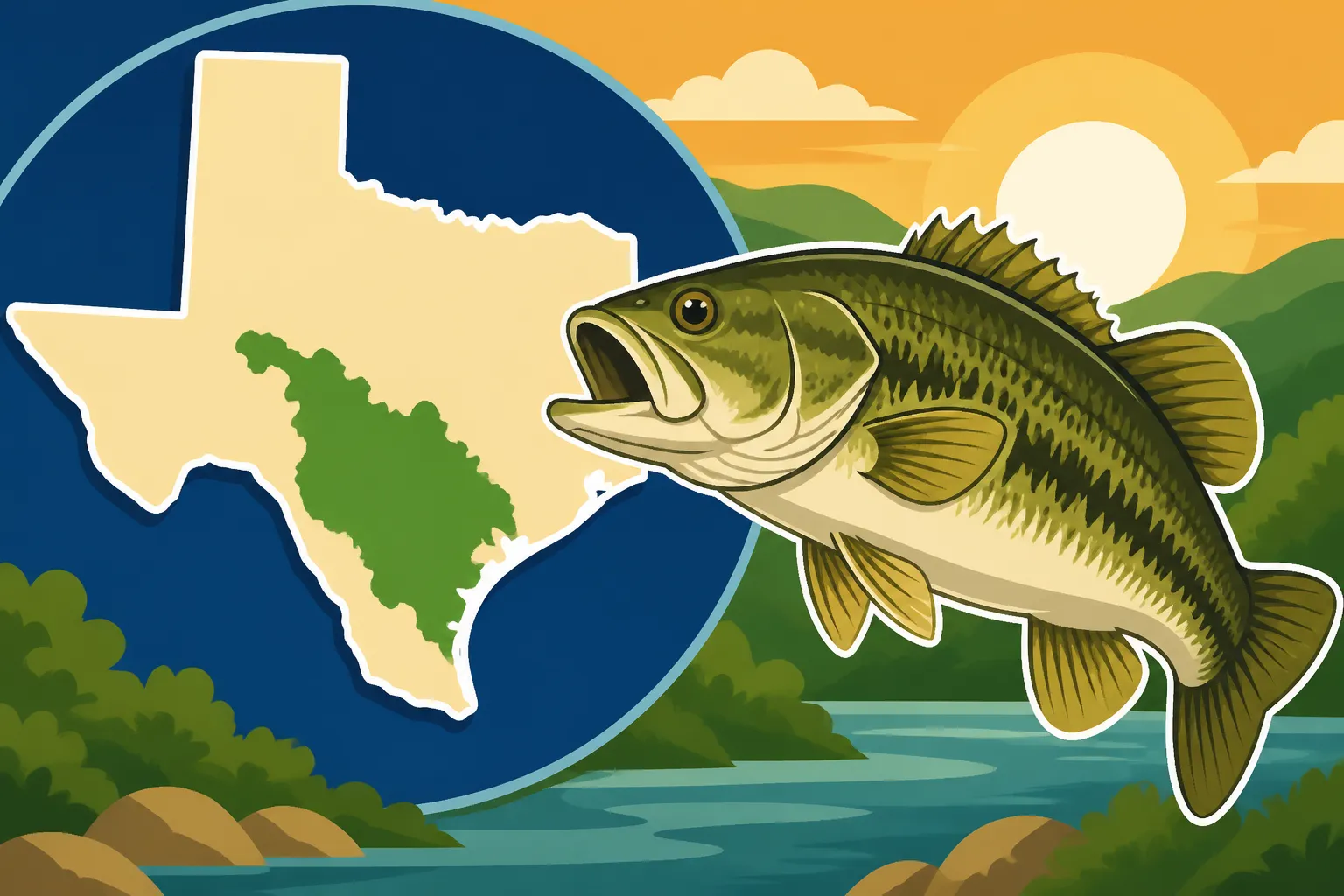
The native range of the Guadalupe bass is a truly special part of Texas, primarily nestled within the clear, flowing waters of the Edwards Plateau and adjacent ecological regions. Unlike many other bass species that have been widely introduced across various states, the Guadalupe bass is a true Texan, found almost exclusively within the borders of our state. This geographical confinement is a testament to its specialized adaptations and the unique environmental conditions it requires to thrive. If you're looking to catch a pure Guadalupe bass, these Central Texas rivers are where you need to be. For a broader look at where these fish reside, you might check out Where does the Guadalupe bass live in Texas.
The Iconic Guadalupe River: A Prime Example
It's no coincidence that the Guadalupe bass shares its name with the Guadalupe River; this river is arguably the heart and soul of its native range. Flowing through the picturesque Texas Hill Country, the Guadalupe River embodies the ideal habitat for this species. Its waters are typically clear, cool, and consistently flowing, meandering over limestone bedrock and gravelly bottoms. These conditions create the perfect environment for Guadalupe bass to thrive, offering abundant riffles, runs, and eddies where they can ambush prey and find refuge from stronger currents.
The upper and middle stretches of the Guadalupe River, particularly those sections above Canyon Lake, are considered strongholds for genetically pure populations of Guadalupe bass. Here, the river maintains much of its natural character, with minimal impoundments to disrupt its flow and fewer opportunities for hybridization with introduced smallmouth bass. Anglers venturing to these areas will find themselves immersed in a classic Hill Country fishing experience, surrounded by cypress trees and rugged terrain, with excellent chances of hooking into one of these spirited fish. The health of the Guadalupe River directly correlates to the health of the Guadalupe bass, making its preservation a top priority for conservationists and anglers alike.
It's not just the absence of barriers, but the very essence of the river itself that makes it so ideal. The consistent spring-fed flows maintain cooler water temperatures even during the scorching Texas summers, a crucial factor for a species that doesn't tolerate stagnant, super-heated water well. The rocky and gravelly substrate provides ideal spawning grounds and abundant habitat for the invertebrates and small fish that make up the Guadalupe bass's diet. This entire ecosystem works in concert to support a robust population, drawing anglers from all over who want to experience the thrill of catching our state fish in its most iconic home. This river is also well-known for Guadalupe River Trout Fishing Guide in certain stocked areas, offering a diverse fishing experience.
Other Key Rivers: Llano, San Gabriel, Brazos Basins
While the Guadalupe River often gets the spotlight, several other Central Texas river systems are equally vital to the native range of the Guadalupe bass. Each of these rivers contributes to the overall health and distribution of the species, offering distinct, yet suitable, habitats. Knowing these additional strongholds broadens your opportunities to target our state fish and deepens your appreciation for its specific environmental needs.
The Llano River, including both its North and South Llano forks, is another jewel in the Guadalupe bass's crown. This river, characterized by its stunning granite outcrops and clear, fast-flowing water, provides excellent habitat. The numerous riffles, deep pools, and rocky structure are perfect for Guadalupe bass, offering both cover and prime feeding lanes. Anglers often find the Llano a bit more secluded and wild than parts of the Guadalupe, offering a serene experience for those seeking solitude with their fishing. The river's consistent flow and stable temperatures, fed by springs, ensure a healthy environment for the bass year-round.
Further north, the San Gabriel River system, particularly its North and South Forks, also harbors significant populations of Guadalupe bass. These rivers, while perhaps not as widely famous as the Guadalupe or Llano, offer intimate fishing experiences in similar clear, flowing, rocky conditions. The San Gabriel’s tributaries and mainstem provide a complex network of habitats where these fish can thrive, often in picturesque settings surrounded by wooded banks. Moving west, portions of the Brazos River basin, particularly its upper and middle reaches and certain tributaries like the Paluxy River, historically and currently support Guadalupe bass populations. While the Brazos itself can be quite large and silty in places, the cleaner, rockier tributaries are where you'll find these bass, demonstrating their preference for specific microhabitats even within larger river systems.
Geographic Distribution: Where You Can Find Them
To truly grasp the native range of the Guadalupe bass is to understand that it's concentrated in a very specific, geologically defined area of Texas. This isn't a fish that pops up randomly across the state; it's intricately tied to the unique landscape and hydrology of the Edwards Plateau and the adjacent Central Texas ecoregions. This region is characterized by its limestone bedrock, which contributes to the clarity and mineral content of the water, and its numerous springs that maintain consistent flows and cooler temperatures.
The primary distribution extends from the Guadalupe River basin in the south, northward through the Blanco, Pedernales, Llano, and San Saba Rivers, and then into the upper and middle Colorado River system and parts of the Brazos River basin. Think of a rough triangle encompassing much of the Texas Hill Country and extending slightly east and north. Within this area, the emphasis is always on clear, flowing rivers and streams with rocky or gravelly bottoms, areas that are less susceptible to heavy sedimentation and rapid temperature fluctuations.
While stocking efforts have sometimes introduced Guadalupe bass into other parts of Texas, or even into reservoirs, their native and most robust, genetically pure populations are found within these specific riverine networks. This distinction is incredibly important for conservation, as efforts are focused on protecting and enhancing these core native populations. Understanding this precise geographic spread allows anglers to target their efforts effectively, knowing they are fishing in the ancestral waters of our state fish. You can learn more about their specific river homes in our post What rivers have Guadalupe bass in Texas.
Understanding the Guadalupe Bass Habitat
The habitat preferences of the Guadalupe bass are a testament to their evolutionary journey within the unique river systems of Central Texas. They aren't just surviving in these waters; they are perfectly adapted to them, exhibiting behaviors and physical traits that allow them to flourish where other bass might struggle. Understanding these habitat nuances is key to successfully finding and fishing for them, and equally important for appreciating the conservation challenges they face.
Preferred Water Conditions: Clear and Flowing
Unlike their largemouth cousins who often prefer the calm, murky waters of lakes and ponds, Guadalupe bass are true river dwellers, with a strong affinity for clear, flowing water. This preference is deeply ingrained in their biology. Clear water allows them to utilize their keen eyesight for ambushing prey, which predominantly consists of aquatic insects, crayfish, and small baitfish that thrive in similar conditions. When the water gets murky due to heavy rains or runoff, their feeding efficiency can drop significantly, impacting their overall health and growth.
Consistent flow is another non-negotiable requirement. Guadalupe bass actively seek out current, using it to their advantage both for feeding and for staying cool and oxygenated. Riffles and runs, where water tumbles over rocks and gravel, are prime locations because they naturally aerate the water, ensuring high dissolved oxygen levels. This is vital for these active fish, especially during warmer periods. Stagnant, warm water, which often features lower oxygen, is detrimental to Guadalupe bass, making them particularly vulnerable during droughts or in impounded sections of rivers. This sensitivity to water conditions also means they can be affected by extreme heat, as detailed in our guide How to Fish in Hot Texas Summers.
The consistent temperatures offered by spring-fed rivers in the Hill Country are also crucial. While they can tolerate some fluctuation, stable, cooler water helps maintain their metabolic rates and reduces stress. These preferences highlight why their native range is so confined: it's one of the few places in Texas where these specific, clear, cool, and flowing water conditions are consistently met. Any alteration to these conditions, whether through pollution, damming, or excessive water withdrawal, can have immediate and severe impacts on Guadalupe bass populations.
Structural Preferences: Rocks, Riffles, and Runs
Guadalupe bass are masters of their immediate environment, and their structural preferences reflect their predatory nature and need for protection in flowing water. You won't typically find them lingering in deep, open expanses or thick beds of submerged vegetation like you might a largemouth. Instead, these fish are drawn to specific river features that offer a combination of current breaks, ambush points, and foraging opportunities.
Their favorite haunts are typically characterized by rocky bottoms, gravel beds, and areas with significant current. They love to position themselves just out of the main flow, behind large boulders, submerged logs, or ledges, waiting for unsuspecting prey to be swept by. These "current breaks" provide a perfect ambush point, allowing them to conserve energy while having a continuous buffet delivered right to their doorstep. Riffles, those shallow, turbulent sections where water flows quickly over rocks, are also critical. While not always holding fish directly in the fastest part of the riffle, the areas immediately downstream or adjacent to them are often hotspots.
Beyond rocks and riffles, Guadalupe bass also utilize undercut banks and overhanging riparian vegetation. These features provide vital overhead cover, offering shade during bright, sunny days and protection from avian predators. A healthy riverbank ecosystem, with mature trees and native grasses, is therefore not just aesthetically pleasing but functionally essential for Guadalupe bass. It stabilizes the bank, prevents erosion and sedimentation, and contributes to the overall health of the aquatic environment. Understanding these structural preferences allows anglers to read the river effectively, predicting where these elusive fish might be holding.
Impact of Damming and Diversion
While dams and reservoirs have their place, offering flood control, recreation, and water supply, they pose significant challenges to the delicate ecosystem that supports Guadalupe bass. For a fish that thrives in free-flowing rivers, artificial barriers like dams are essentially impassable walls, fragmenting their native habitat into isolated stretches. This fragmentation prevents natural upstream and downstream migration, which is crucial for genetic exchange and for fish to move to more favorable conditions during environmental changes.
Furthermore, the creation of reservoirs behind dams drastically alters the aquatic environment. The flowing river becomes still lake water, typically warmer and often with lower dissolved oxygen levels, especially in deeper sections. This impounded habitat is simply unsuitable for Guadalupe bass, effectively removing vast portions of their historical range. While some reservoir margins might offer brief periods of suitable conditions, the fundamental change from river to lake eliminates their preferred clear, flowing, rocky habitat. This is why you'll rarely find robust, self-sustaining Guadalupe bass populations in the main bodies of large Texas reservoirs, though the rivers feeding into them, or flowing out below, might still hold them.
Beyond physical barriers, water diversion for municipal, industrial, and agricultural use also significantly impacts Guadalupe bass. When large volumes of water are removed from a river, especially during dry periods, the remaining flow can drop dramatically. This reduction in flow leads to warmer water, decreased oxygen, and the loss of critical riffle and run habitats that Guadalupe bass depend on. During severe droughts, some river sections can become intermittent or completely dry, devastating local fish populations. This constant tension between human water needs and the ecological requirements of native species like the Guadalupe bass is a primary conservation challenge.
Threats and Conservation Efforts
The Guadalupe bass, despite its revered status as our state fish, faces several significant threats that challenge its continued survival and genetic purity within its native range. Understanding these threats is the first step toward appreciating the vital conservation efforts currently underway. For a deeper look into the species' status, check out Is the Guadalupe bass endangered in Texas.
Hybridization with Smallmouth Bass: A Major Concern
Perhaps the most insidious and long-standing threat to the genetic purity of the Guadalupe bass is hybridization with introduced smallmouth bass. For decades, smallmouth bass, a species native to other parts of North America, were stocked into many Central Texas rivers because they also thrive in clear, flowing water. The intention was to provide additional sport fishing opportunities. However, what seemed like a good idea at the time inadvertently put the Guadalupe bass at severe risk.
When two closely related species share the same habitat and spawn at similar times, they can interbreed. This is exactly what happened between Guadalupe bass and smallmouth bass. The resulting offspring, known as hybrids, are often fertile and can then breed with either parent species, leading to a cascade of genetic dilution. Over generations, this process can erode the unique genetic makeup of the Guadalupe bass, potentially leading to a loss of the very adaptations that allow it to thrive in its specific Texas environment. A hybrid might not be as well-suited to the river's currents, or its reproductive success might be compromised, effectively weakening the pure bloodline.
Recognizing the severity of this threat, state agencies like the Texas Parks and Wildlife Department (TPWD) have ceased stocking smallmouth bass in Guadalupe bass native waters. Furthermore, extensive genetic testing is now conducted on Guadalupe bass populations throughout their range to identify genetically pure strains. These pure fish are then used in carefully managed stocking programs to bolster populations and ensure the continuation of the species' unique genetic heritage. It's a race against time and an ongoing effort to safeguard the true Texas bass.
Habitat Degradation: Sedimentation and Development
Beyond genetic threats, the physical integrity of the Guadalupe bass's native river habitat is under constant pressure from human activities. Habitat degradation, primarily driven by urbanization, agricultural practices, and general land development, represents a pervasive and ongoing challenge. These activities, often occurring miles away from the river itself, can have profound and lasting impacts on the aquatic environment.
One of the most common forms of degradation is increased sedimentation. When land is cleared for development or farming, the exposed soil becomes highly susceptible to erosion. Heavy rains wash this loose soil into tributary streams and, eventually, into the main river channels. This influx of fine sediment can smother rocky and gravelly bottoms, filling in the interstitial spaces that are crucial for aquatic insect larvae (a primary food source for Guadalupe bass) and covering spawning beds. The result is a reduction in both food availability and reproductive success, directly impacting bass populations. Sediments also decrease water clarity, making it harder for these sight-feeding fish to hunt effectively.
Furthermore, development often leads to altered hydrology. Impervious surfaces like roads and rooftops increase the speed and volume of stormwater runoff, which can scour riverbeds and lead to more flash flooding. This intense, unnatural runoff also carries pollutants such as fertilizers, pesticides, and other chemicals into the river, further compromising water quality. The loss of riparian zones – the natural vegetation along river banks – exacerbates these issues, as these plants are vital for stabilizing soil, filtering runoff, and providing shade. Protecting these vital riverine corridors is essential for the long-term health of Guadalupe bass populations.
Stocking Programs and Genetic Preservation
Faced with the challenges of hybridization and habitat degradation, dedicated conservation efforts are vital for the future of the Guadalupe bass. A cornerstone of these efforts is the robust stocking program managed by the Texas Parks and Wildlife Department (TPWD). These programs are meticulously planned and executed, focusing on restoring and maintaining genetically pure populations within the species' native range.
The process begins with identifying and collecting genetically pure Guadalupe bass from healthy wild populations. These fish, known as broodstock, are then carefully managed and bred in state hatcheries. This ensures that the fingerlings (young fish) produced for stocking are free from smallmouth bass genes, preserving the unique genetic blueprint of our state fish. Once the fingerlings reach a suitable size, they are released into rivers and streams within the native range where populations may have been depleted or where genetic purity needs bolstering. These stocking efforts are not simply about adding more fish; they are about carefully re-establishing and strengthening the genetic integrity of wild populations.
Beyond stocking, ongoing genetic research is a critical component of preservation. Scientists regularly sample Guadalupe bass populations from various rivers to monitor their genetic makeup, identify areas with pure strains, and track the extent of hybridization where it exists. This invaluable data guides stocking decisions, helps pinpoint areas most in need of conservation intervention, and informs strategies for habitat protection. Angler education also plays a significant role, encouraging responsible catch-and-release practices and raising awareness about the importance of protecting this unique Texas treasure. These combined efforts represent a long-term commitment to ensuring the Guadalupe bass thrives for generations to come.
Fishing for Guadalupe Bass: A Unique Texas Experience
Catching a Guadalupe bass in its native river environment is a quintessential Texas fishing experience, offering a blend of natural beauty, challenging angling, and the thrill of connecting with our state fish. These fish, being finely tuned to their river habitats, require a slightly different approach than typical largemouth bass fishing, making the pursuit even more rewarding.
Best Techniques and Lures for Guadalupe Bass
Guadalupe bass are fierce predators, but their preference for clear, flowing water and relatively smaller size means that lighter tackle and finesse presentations often yield the best results. This isn't necessarily about throwing giant swimbaits or heavy jigs; it's about subtle approaches that mimic the natural prey found in their river homes.
When it comes to tackle, a light to medium-light spinning rod or baitcasting setup, spooled with 6 to 10-pound test line, is ideal. This allows for sensitive feel, accurate casting in tight quarters, and the ability to handle the strong runs of a bass in current. Many anglers find high-quality braided line with a fluorocarbon leader from brands like Amazon works great for sensitivity and invisibility in clear water.
For lures, think small and natural. Small crankbaits that dive to a few feet, especially those with natural baitfish patterns or crawfish colors, can be incredibly effective when retrieved across current breaks or through deeper pools. Small spinnerbaits with willowleaf blades, or even inline spinners, also work well, particularly when fished slowly along current seams. Soft plastic jigs, such as tube baits, grubs, or small creature baits rigged on a lightweight jig head (1/8 to 1/4 ounce), are excellent for bouncing along the bottom or swimming through riffles. Topwater lures, particularly poppers or small walking baits, can be exhilarating during low-light conditions or when fish are actively feeding on the surface. For a general overview of baits, consult Best Lures for a Texas Tackle Box.
Fly fishing is also a hugely popular and incredibly effective method for Guadalupe bass. Small poppers, deer hair bugs, woolly buggers, and various nymph patterns can entice strikes. Presentation is key: cast upstream and allow your lure or fly to drift naturally with the current, retrieving just enough to impart action. Focus on current breaks, eddies behind rocks, and any submerged structure that provides an ambush point. Patience and precise casting are often more important than sheer power when targeting these wily river bass. You can explore more with Fly Fishing Techniques for Texas Rivers, Fly fishing gear for the Guadalupe River, and Best flies for Guadalupe River trout.
Catch and Release: Protecting the Resource
Given the unique status of the Guadalupe bass and the ongoing conservation challenges it faces, practicing responsible catch and release is not just encouraged—it's paramount. While there are legal Texas Fish Bag and Length Limits for Guadalupe bass, most dedicated anglers choose to release every Guadalupe bass they catch, especially the larger, older fish that are crucial for maintaining healthy breeding populations and genetic diversity.
The philosophy behind catch and release for Guadalupe bass is about protecting the genetic purity of the species and ensuring that these fish continue to thrive in their native waters for future generations. Each fish released contributes to the breeding stock and helps perpetuate the unique characteristics of our state fish. It's a small but significant act that every angler can perform to support the health of the population.
To ensure the best chances of survival for released fish, it’s important to follow a few best practices:
- Minimize Handling: Try to keep the fish in the water as much as possible, especially during warmer months. If you must handle it, do so quickly and gently.
- Wet Your Hands: Always wet your hands before touching the fish. Dry hands can remove the fish's protective slime coat, making it vulnerable to disease.
- Use Barbless Hooks: Consider using barbless hooks or pinching down the barbs on your lures. This makes hook removal quicker and causes less damage to the fish's mouth. Many anglers even carry a specialized de-hooker tool, easily found on Amazon, for faster release.
- Support the Fish Properly: If you need to lift the fish for a quick photo, support its body horizontally, especially larger fish, to avoid damaging its internal organs or jaw.
- Revive Gently: If a fish seems stressed or lethargic, hold it gently in the water, facing into the current, until it regains its strength and swims away on its own.
By adopting these practices, anglers become active participants in the conservation of the Guadalupe bass, demonstrating respect for the species and its habitat. It's a way of giving back to the rivers that provide such incredible fishing experiences and ensuring that the tradition of catching our state fish continues for years to come.
Disclaimer
This article is for general informational purposes only and does not constitute professional advice. Laws, prices and regulations vary by location and change over time. Consult a qualified professional for guidance on your specific situation.