How big do channel catfish get in Texas
It's a question that lights up the eyes of many a Texas angler: "How big do channel catfish actually get around here?" You see those pictures of folks holding up absolute monsters, and you can't help but wonder if that's a once-in-a-lifetime fluke or a genuine possibility for you. We're talking about a fish that's not just a blast to catch, but also notoriously delicious on the dinner table. This guide is all about diving deep into the fascinating world of channel catfish in Texas, exploring their size potential, the state records, and how you can increase your chances of hooking into a true Texas giant.
Understanding Channel Catfish in Texas Waters
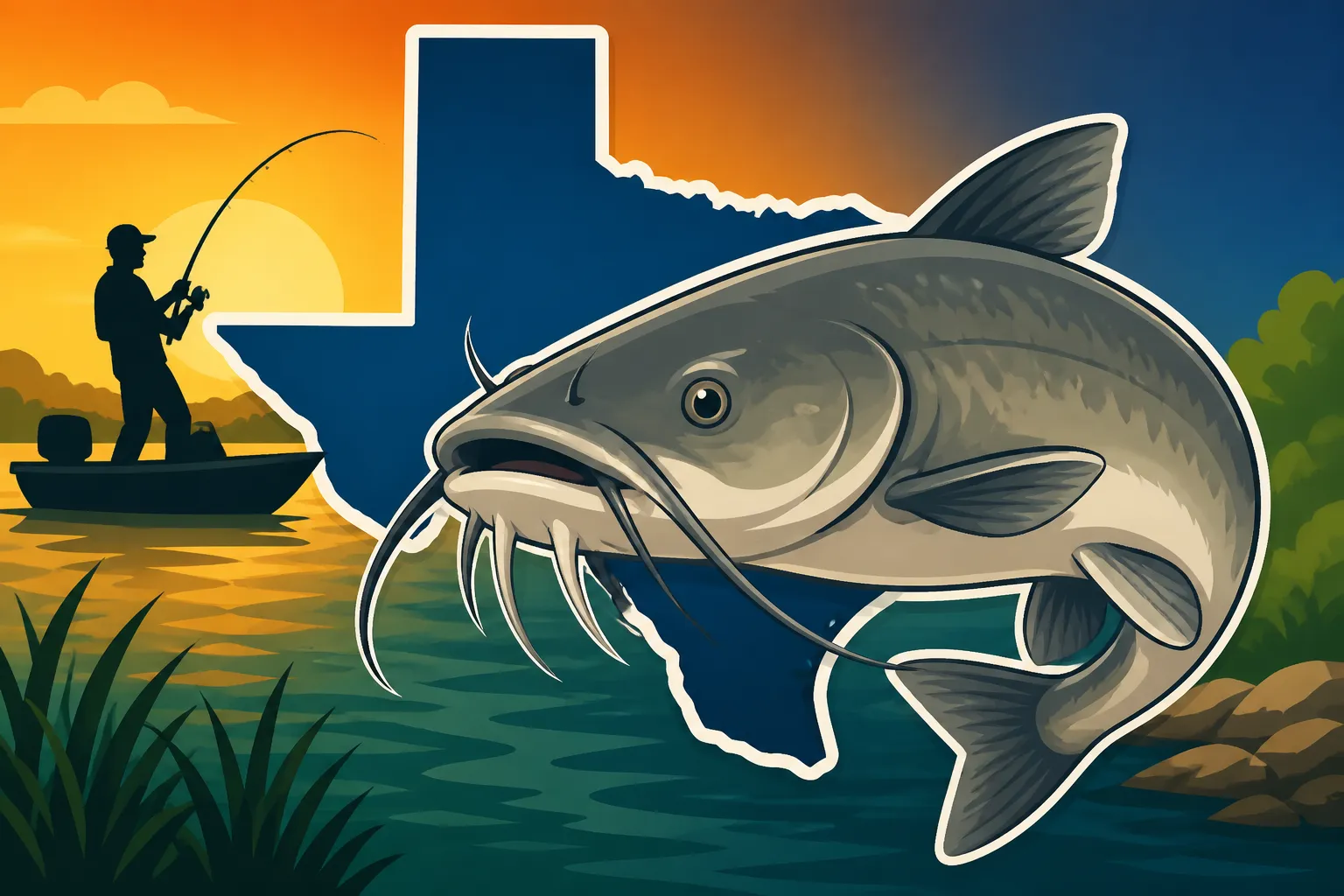
Channel catfish are practically royalty in Texas's freshwater fisheries. They’re adaptable, abundant, and grow to impressive sizes, making them a favorite target for anglers across the state. But what makes them tick, and what factors really push them to those truly massive weights?
The Enduring Appeal of Channel Cats
There's something uniquely satisfying about catching a channel cat. Maybe it's their hard fighting nature, the anticipation of a strong bite, or simply the thought of a delicious fried catfish dinner. These fish are incredibly widespread, thriving in everything from vast reservoirs like Lake Fork and Lake Livingston to smaller ponds, rivers, and even the meandering streams throughout the state. They're characterized by their sleek, often spotted bodies, deeply forked tails, and those iconic barbels (whiskers) that help them forage in murky waters. They’re less particular about water clarity than some other species, which means you can often find them biting even when other fish are shut down. They're a true everyman's fish, accessible to anglers of all skill levels, and consistently deliver a fun experience. For many Texans, a fishing trip just isn't complete without a few channel cats in the cooler.
Key Factors Driving Growth and Size
Several crucial elements play into how large a channel catfish can ultimately grow. It's not just luck; it's a complex interplay of environmental conditions and biology.
- Food Availability: This is perhaps the most critical factor. Channel cats are opportunistic feeders, eating everything from insects, crustaceans, and small fish to fruits, seeds, and even prepared baits. Lakes and rivers with an abundant food source, whether it's gizzard shad, crawfish, or decomposing organic matter, will naturally support larger, healthier fish. A rich ecosystem means more food, and more food means more growth.
- Water Quality and Habitat: Clean, well-oxygenated water is vital for any fish to thrive. Channel cats are fairly resilient, but optimal water quality, coupled with plenty of cover like submerged timber, rock piles, or deep holes, provides them with safe havens to grow without constant stress. Good habitat also protects smaller fish, allowing them to mature into larger specimens.
- Water Temperature: Like all cold-blooded creatures, a catfish's metabolism is heavily influenced by water temperature. Warmer waters generally mean a faster metabolism and more frequent feeding, leading to quicker growth rates. Texas's long, hot summers provide extended periods for catfish to feed voraciously and pack on the pounds. However, extreme heat can also stress fish, so a balanced environment is key.
- Population Density: An overcrowded lake, even one with ample food, can lead to stunted growth. When too many fish compete for limited resources, none of them reach their full potential. Conversely, a well-managed fishery with a balanced population allows individual fish more room to grow large. The Texas Parks and Wildlife Department Texas Freshwater Fishing Regulations plays a vital role in monitoring fish populations and setting limits to maintain healthy fisheries.
- Genetics: While environmental factors are huge, the genetic makeup of a fish also plays a role in its potential maximum size and growth rate. Some fish are simply predisposed to grow larger and faster than others.
Why Texas Offers Prime Catfish Habitat
Texas isn't just big; it's practically tailor-made for channel catfish. Our vast network of lakes, rivers, and impoundments provides an incredible array of habitats perfect for these whiskered wonders. From the piney woods of East Texas to the arid plains of West Texas, and the rich agricultural lands in between, there are countless bodies of water that support thriving channel cat populations.
Many of our reservoirs were created by damming rivers, forming expansive lakes with diverse underwater structures, from old creek beds to flooded timber, which are ideal catfish hiding spots. The warm climate throughout much of the year extends the feeding season, giving catfish more time to grow. Plus, the sheer abundance of forage fish and other food sources in these fertile waters ensures a steady diet for hungry cats. This combination of vast, suitable habitat, warm temperatures, and abundant food makes Texas a premier destination for channel catfish angling. You'll find active populations even in unexpected places, like many of the community fishing ponds managed by TPWD.
The Realities of Channel Catfish Size: Averages vs. Monsters
When we talk about how big channel catfish get in Texas, it's important to distinguish between what you're likely to catch on an average outing and the true behemoths that make headlines. Both are part of the Texas catfishing experience, but they represent very different aspects of the sport.
What Most Anglers Encounter: The Everyday Channel Cat
For most of us, a typical channel catfish outing in Texas yields fish in the 1 to 5-pound range, with lengths often between 15 and 22 inches. These are the bread-and-butter fish, perfect for a lively fight and a delicious meal. They are abundant and can be caught using a variety of methods, from simple worm and bobber setups to more sophisticated rigs with cut bait. You'll find these common sizes in virtually any body of water that holds channel catfish, from farm ponds to major reservoirs.
It's not uncommon to catch multiple fish in this size class in a single afternoon, especially if you're fishing a well-stocked lake or during peak feeding times. These "average" sized fish are generally younger, growing quickly, and actively seeking food. They offer consistent action and are often the target for family fishing trips or when you just want to put some fresh fish in the cooler. While they might not be picture-worthy monsters, they're the backbone of the Texas channel catfish fishery and provide countless hours of angling enjoyment. When considering daily limits, remember to check Texas Catfish Bag Limits for specific regulations.
The Pursuit of the Texas Trophy Channel Cat
Now, let's talk about the big ones – the channel catfish that truly make your reel scream and your arms ache. A "trophy" channel catfish in Texas typically refers to anything over 10 pounds, and honestly, once you hit 20 pounds or more, you're entering legendary territory. These aren't your everyday catches; they require patience, specific strategies, and sometimes a bit of luck.
These larger fish are often older, wiser, and more elusive. They've survived countless encounters with anglers and predators, and they've learned to be cautious. To catch a trophy channel cat, you'll often need to:
- Fish larger, more established bodies of water: Lakes with stable ecosystems and abundant food sources are more likely to harbor older, larger fish.
- Target specific structures: Deep holes, submerged river channels, large brush piles, and areas with strong current are often where these bigger cats reside.
- Use larger, more enticing baits: Whole shad, big chunks of cut carp, or substantial prepared baits are often necessary to attract the attention of a true giant.
- Be patient: Trophy fishing is often a waiting game. You might not get as many bites, but when you do, it could be the fish of a lifetime.
The thrill of hooking into a channel cat weighing in at 15, 20, or even 30 pounds is an experience you won't soon forget. These fish put up an incredible fight, pulling hard and testing your gear to its limits. While not every trip will result in a trophy, the potential is always there in Texas waters, making every cast exciting.
Texas's Biggest Channel Catfish: Records and Notable Catches
The idea of catching a truly colossal channel catfish is what drives many anglers. Texas, with its abundant waters and favorable conditions, has certainly delivered on that front, boasting some truly impressive records.
The Illustrious Texas State Record Channel Catfish
Texas holds a well-documented state record for channel catfish, a testament to the incredible potential of our waters. The current Texas state record channel catfish stands at a whopping 36.5 pounds! This magnificent fish was caught by an angler named Camron Rogers way back in 1986 on the mighty Lake Lewisville. Imagine the fight, the sheer size of that fish coming out of the water! It’s a record that has stood for decades, inspiring countless anglers to try and best it.
This record isn't just a number; it tells a story of a fish that found the perfect conditions—ample food, good habitat, and enough years to grow to an astonishing size—in one of Texas's largest and most productive reservoirs. It proves that while average catches are typically much smaller, the true genetic potential for channel catfish in Texas is absolutely immense. Chasing that record, or even just coming close, is a dream for many.
Lakes and Rivers Known for Producing Giants
While Lake Lewisville holds the state record, many other Texas lakes and rivers are renowned for their consistently large channel catfish populations. If you're looking to target a real giant, these are some prime candidates:
- Lake Conroe: Located near Houston, Lake Conroe is a consistent producer of big channel cats. Its fertile waters and abundant forage keep the catfish growing. Anglers often find success drifting cut bait or fishing prepared baits in deeper channels.
- Lake Livingston: As one of the largest lakes in Texas, Livingston offers vast expanses and a robust ecosystem, perfect for channel catfish to thrive and reach impressive sizes. The Trinity River, which feeds into Livingston, is also known for big cats during certain times of the year. You can learn more about fishing in this area in our Lake Livingston Fishing Guide.
- Cedar Creek Reservoir: Another popular spot in East Texas, Cedar Creek is known for healthy populations of all catfish species, including some hefty channel cats. Its numerous coves and timbered areas provide excellent habitat.
- Lake Tawakoni: Often called the "Catfish Capital of Texas," Lake Tawakoni lives up to its name. While famous for blue catfish, it also produces impressive channel cats regularly. Guides on Tawakoni specialize in putting clients on big fish.
- Richland-Chambers Reservoir: This massive reservoir, one of the youngest in Texas, has quickly established itself as a top-tier catfish destination. The nutrient-rich water and new habitat provided an ideal environment for rapid growth. Our Richland Chambers Reservoir striper fishing guide also highlights general tips for this vast lake.
- Lake Texoma: While famous for striped bass, Lake Texoma also boasts a strong channel catfish population, especially in its shallower, nutrient-rich coves and river sections. Check out Lake Texoma Fishing Guide for more info on this cross-state giant.
These lakes often have features like significant deep-water structure, ample areas of submerged timber or brush, and thriving forage bases—all critical ingredients for growing monster channel catfish.
Conservation Efforts and Population Management
The Texas Parks and Wildlife Department (TPWD) plays a critical role in ensuring that Texas continues to be a fantastic destination for channel catfish anglers. They don't just set bag and length limits; they actively manage populations through a variety of programs:
- Stocking Programs: While channel catfish reproduce naturally in most Texas waters, TPWD often supplements populations through stocking, especially in smaller urban ponds or lakes where natural reproduction might be limited. This ensures a healthy supply of fish for anglers.
- Habitat Restoration: Efforts to improve aquatic habitat, such as creating brush piles or managing aquatic vegetation, directly benefit catfish by providing more food and cover, which in turn leads to better growth rates.
- Research and Monitoring: TPWD biologists regularly conduct surveys to assess fish populations, growth rates, and overall fishery health. This data helps them make informed decisions about regulations and management strategies. This diligent work ensures that the opportunity to catch a respectable, or even record-breaking, channel catfish remains a cornerstone of Texas fishing.
Strategies for Landing Your Own Large Channel Catfish
So, you're ready to move beyond the small frying-pan cats and set your sights on a bona fide Texas bruiser? Great! Catching larger channel catfish requires a bit more thought and a slightly different approach than simply dropping a worm in the water.
Identifying Productive Fishing Grounds
Larger channel catfish, especially those in the double-digit weight class, tend to be more particular about where they spend their time. They're often found in areas that offer both abundant food and good cover, allowing them to ambush prey and feel secure.
- Deep River Channels and Creek Beds: In large reservoirs, old river channels and creek beds that were flooded when the lake was formed are prime locations. These deeper contours act as highways for catfish, especially during warmer months when they seek cooler, more oxygenated water. Use your fish finder to identify these submerged features.
- Submerged Timber and Brush Piles: Catfish absolutely love cover. Sunken trees, brush piles, and even artificial structures provide ambush points and a sense of security. These areas also attract baitfish, creating a natural feeding ground for bigger cats.
- Structure Near Current: In rivers or areas of lakes with some current (like near dam outflows or feeder creek mouths), look for eddies or current breaks where catfish can rest while waiting for food to drift by. Large rocks, submerged logs, or sharp bends in the river can create these ideal spots.
- Lake Points and Humps: Points that extend into deeper water, or underwater humps and ridges, can be excellent ambush spots. Catfish will patrol these areas, especially where they drop off into deeper water.
- Night Fishing: Don't underestimate the power of night fishing for big channel cats. These fish are often more active feeders under the cover of darkness, venturing into shallower areas they might avoid during the day. Setting up for a night of catfishing can be incredibly rewarding. Learn more about it in How to Catch Catfish at Night in Texas.
Remember, scouting your chosen lake or river using maps, electronics, and even talking to local bait shop owners can significantly increase your success rate.
Tried-and-True Baits and Techniques for Big Cats
When it comes to enticing larger channel catfish, you generally need to step up your bait game. While small worms might catch smaller fish, bigger cats are often looking for a more substantial meal.
- Cut Bait: This is arguably the king of big channel catfish baits. Fresh cut bait from shad, carp, perch, or even hot dogs (yes, hot dogs!) releases a strong scent trail that catfish can detect from a distance. The fresher the better. Cut the bait into chunks roughly 1-2 inches in size. Make sure to use enough to create a good scent.
- Prepared Baits (Stink Baits/Punch Baits): There are many commercially available prepared baits specifically designed for catfish, often with powerful, pungent odors. Brands like Magic Bait or Catfish Charlie are popular. These baits are designed to stick to sponges or treble hooks and slowly dissolve, creating a scent cloud. While often associated with smaller cats, the larger, more potent options can definitely attract big ones.
- Live Bait: Smaller live baits like perch, sunfish, or even large shiners can be incredibly effective for targeting larger, predatory channel cats. Present them on a slip-sinker rig near cover. Just be sure to check Texas Freshwater Fishing Regulations regarding legal live bait species and sizes in your area.
- Bottom Rigs: A classic and highly effective setup for channel catfish is a simple slip-sinker rig. This allows the fish to pick up the bait and run without feeling the weight of the sinker, leading to more confident bites. A Carolina rig is also highly effective for presenting bait on the bottom. You can learn how to tie one in How to tie a Texas rig and adapt it for catfish.
- Trotlines and Juglines: For truly dedicated catfishermen looking to catch multiple large fish, trotlines and juglines are traditional Texas methods. These require specific regulations and setup knowledge, but they can be incredibly productive for channel cats, especially when set in active channels or along drop-offs. Always review Texas Trotline and Jugline Rules before deploying these.
| Catfish Size Category | Typical Weight Range | Typical Length Range | Recommended Bait Types | Key Fishing Areas |
|---|---|---|---|---|
| Average Catch | 1-5 lbs | 15-22 inches | Worms, small cut bait, chicken liver, prepared baits | Anywhere with cats, shallower flats, small ponds |
| Respectable | 5-10 lbs | 22-26 inches | Larger cut bait, prepared baits, medium live bait | Deeper holes, channel edges, brush piles |
| Trophy | 10-20+ lbs | 26+ inches | Whole shad, large cut bait, large live bait | Deep channels, submerged timber, humps, structural drops |
| State Record | 36.5 lbs (Texas) | 40+ inches (est.) | Exceptional conditions and luck | Lake Lewisville (historical) |
Gearing Up for the Fight: Rods, Reels, and Line
You wouldn't bring a toy fishing pole to a gunfight, and the same goes for a big channel cat. They pull hard, and you need gear that can handle the stress.
- Rods: Opt for medium-heavy to heavy-action rods, typically 7 to 9 feet long. This length gives you leverage for casting heavier baits and fighting larger fish, especially when fishing from the bank or a boat. A sturdy backbone is crucial. Brands like Ugly Stik offer durable, affordable options that many catfish anglers swear by. You can often find a great selection of these on Amazon.
- Reels: A reliable baitcasting reel or a heavy-duty spinning reel with a smooth drag system is essential. For spinning reels, look for sizes in the 4000-6000 range. Baitcasters, often preferred for their power, should have a good retrieve ratio for hauling in heavy fish. Make sure your reel can hold plenty of line. Check Amazon for competitive pricing on baitcasting reels.
- Line: Don't skimp on line strength. For channel cats over 10 pounds, you'll want at least 15-25 pound test monofilament or fluorocarbon, or even heavier braided line (30-50 pound test) for maximum strength and sensitivity. Braided line has very little stretch, giving you excellent feel for subtle bites and direct power when setting the hook and fighting a strong fish.
- Hooks: Circle hooks are highly recommended for catfish. They are designed to hook the fish in the corner of the mouth, reducing gut-hooking and making for easier release if you're not keeping the fish. Sizes ranging from 3/0 to 8/0 are common, depending on your bait size. Best hook size for Texas catfish fishing will give you more specific guidance.
- Sinkers: Use enough weight to keep your bait on the bottom, especially in current. Egg sinkers or flat no-roll sinkers in ½ ounce to 2 ounces are generally good choices.
- Leaders: A strong leader (often 30-50 lb test monofilament or fluorocarbon) tied to your main line can prevent abrasive break-offs if the fish rubs against submerged structure or has rough teeth.
Having the right gear won't guarantee a trophy, but it will certainly put the odds in your favor and ensure you're prepared when that monster bite finally happens. You can easily stock up on all these essentials on Amazon, making it convenient to prepare for your next big cat excursion. So, next time you're out on a Texas lake or river, remember the potential that swims beneath the surface. With the right knowledge and a bit of determination, your next cast could be the one that hooks a truly giant Texas channel catfish!
Disclaimer
This article is for general informational purposes only and does not constitute professional advice. Laws, prices and regulations vary by location and change over time. Consult a qualified professional for guidance on your specific situation.